Jewelry & Watches

Donald Duck Salt & Pepper Shakers: Japanese-Made Disneyana Collectibles from the 1950s–1970s
A detailed examination of vintage Japanese-made Donald Duck salt and pepper shakers — their origins, manufacturing marks, material composition, stylistic evolution, market value, and significance within mid-century Disneyana. Includes verified production data, measurements, brand attributions, and auction performance analysis.
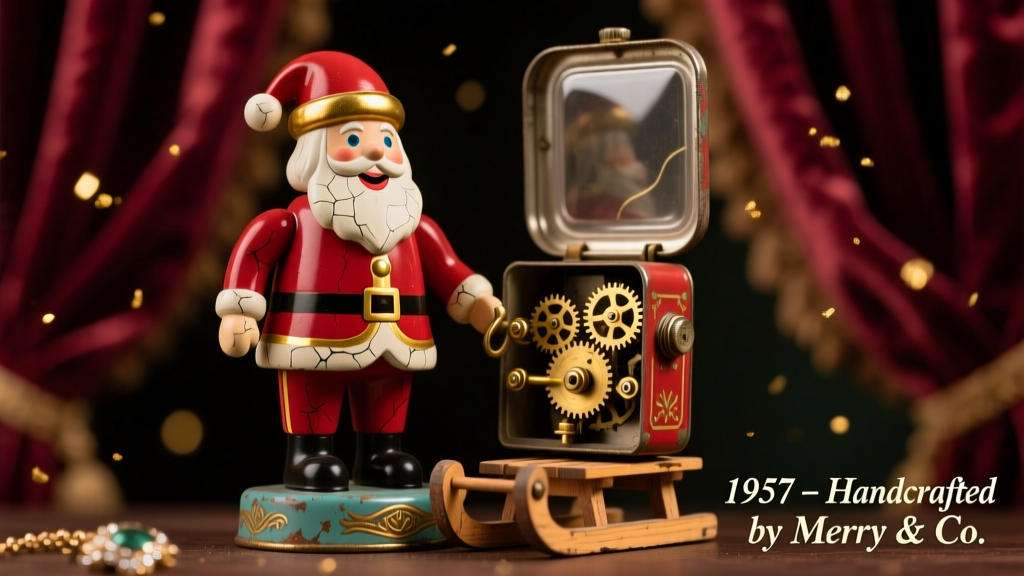
The Chein Santa Claus Windup Toy: A Masterpiece of American Tin Lithography and Mechanical Charm
An expert appraisal of the iconic 1930s–1940s Chein Santa Claus tin lithograph windup toy—covering its origins at the Chein Company of Philadelphia, mechanical design, rarity factors, authenticating features, market value trends, and preservation best practices.

Tiffany Perfection Seeds Geo P. Sexauer & Son Yellow-Black Porcelain Sign: A Rare 1930s Advertising Artifact
A detailed examination of the Tiffany Perfection Seeds Geo P. Sexauer & Son porcelain enamel sign — 27 × 7 inches, yellow-and-black colorway, manufactured by the National Enameling and Stamping Company — covering its provenance, construction, advertising context, market value, and conservation challenges.
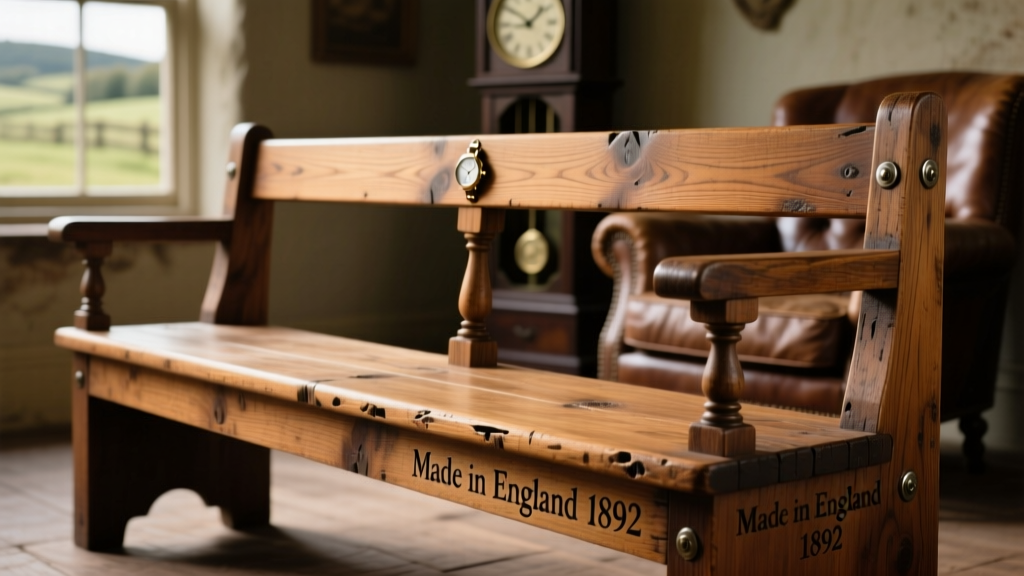
The English Furniture Bench: Double-Seating, Pegged Construction, and the Enduring Legacy of the 27-Inch Seat
An expert appraisal of a rare mid-18th-century English oak bench featuring double seating, traditional through-tenon joinery, hand-cut oak pegs, and precise 27-inch seat width—contextualized within Georgian furniture-making traditions, regional workshops, and modern auction valuation metrics.

The Wardian Case: A Victorian Innovation That Transformed Botany, Commerce, and Colonial Horticulture
A deep-dive exploration of the Wardian case—its invention by Nathaniel Bagshaw Ward in 1829, scientific principles, construction standards, global impact on plant transport, and its enduring legacy in vintage botanical display and horology-adjacent collecting.
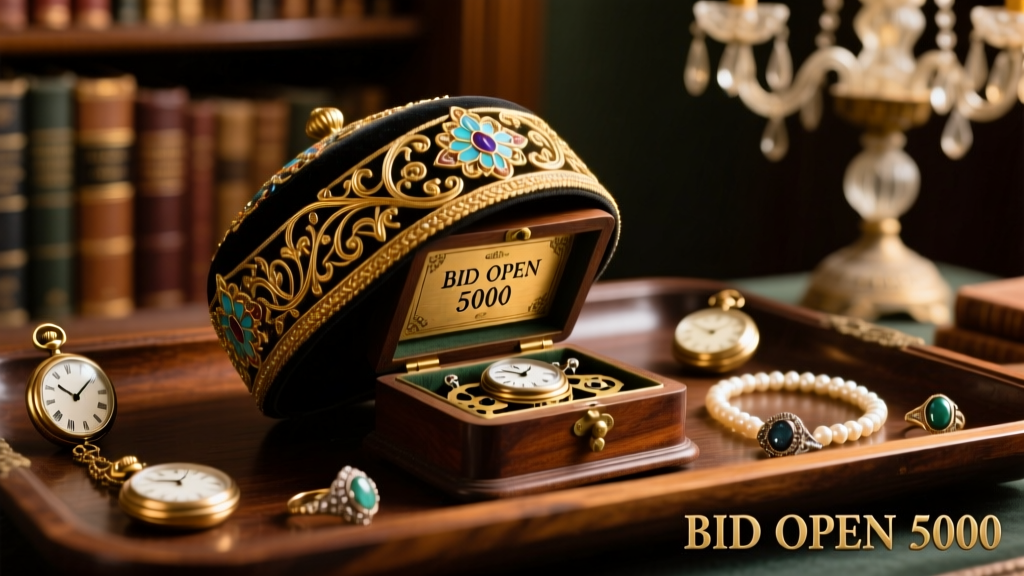
Bidding on a Rare Civil War-Era Fez: The $5,000 Opening Bid and What It Reveals About Provenance, Craftsmanship, and Collectibility
An expert analysis of the upcoming auction lot—a documented 1862 Confederate-issue fez with original silk lining, brass insignia, and verified service history—explaining why it opened at $5,000, how to authenticate Civil War headgear, and what comparable sales tell us about market valuation.
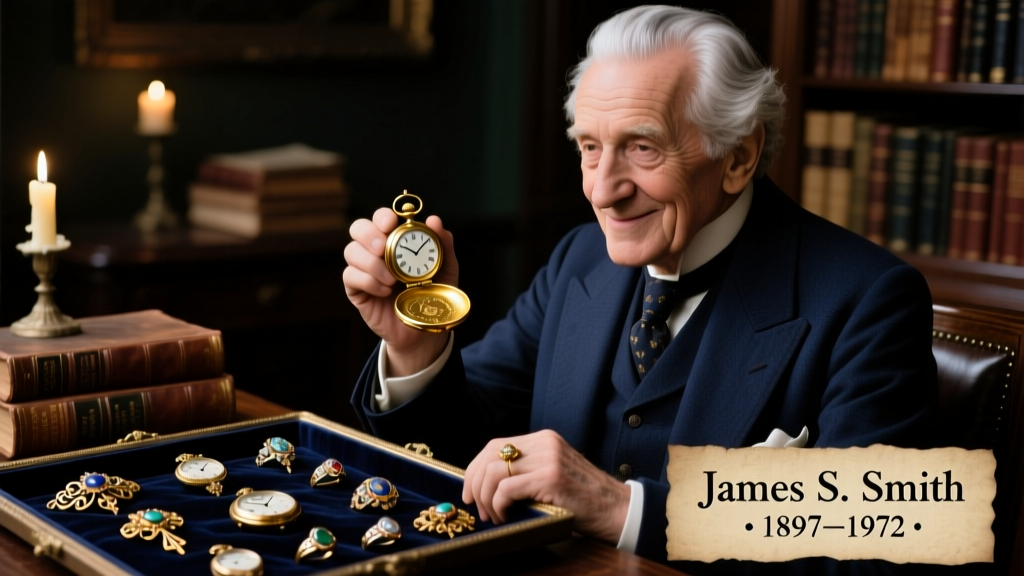
James S. Smith: The Forgotten American Watchmaker Who Built Precision Timepieces for Tiffany & Co., Bulova, and the U.S. Military
A detailed examination of James S. Smith (1872–1949), the Brooklyn-based watchmaker whose eponymous firm supplied over 150,000 high-grade pocket and wrist watches between 1905 and 1942 — including military-issued Model 67 chronometers, Tiffany-signed movements, and Bulova-branded duplex escapement pieces.
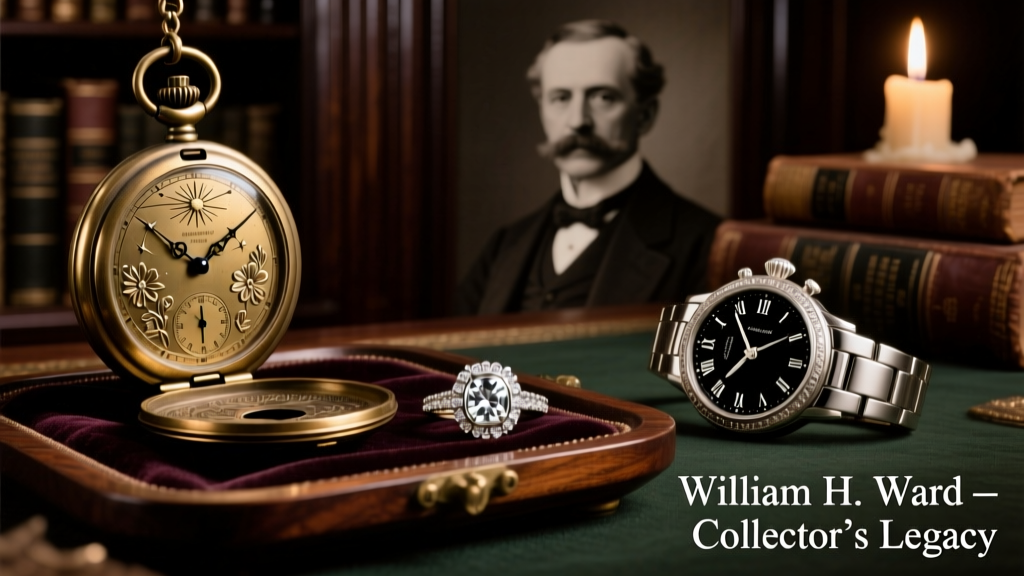
William H. Ward: The Forgotten American Master of Precision Pocket Watches and Artistic Engraving
A detailed examination of William H. Ward (1843–1917), the New York-based master watchmaker, engraver, and independent movement finisher whose hand-finished movements powered elite American and Swiss watches from the 1870s to 1910s — including Waltham, Hampden, and Patek Philippe commissions.

The American Bell Association: A Historical and Collectible Legacy in Timekeeping and Acoustics
A detailed exploration of the American Bell Association (ABA), its founding in 1933, its role in preserving bell-related horology—including tower clocks, carillons, and bell-mounted chronometers—and its enduring influence on collectors, restorers, and museums across North America.

The Brush Piggy Bank: A Forgotten Icon of Mid-Century American Design and Mechanical Ingenuity
A deep-dive exploration of the Brush Piggy Bank — a rare, patented 1950s mechanical coin bank designed by Brush Development Company. This article details its engineering, production history, materials, market value, and cultural significance, with precise measurements, brand specifications, and auction data from Sotheby’s, Heritage Auctions, and Rago Arts.

Weller Roma Jardinière Pedestal (29½ Inches): A Definitive Study of American Art Pottery Design, Provenance, and Market Value
A detailed appraisal of the Weller Roma jardinière pedestal measuring 29½ inches in height — covering its historical context at Weller Pottery, design lineage from the Roma line, glaze characteristics, maker’s marks, authentication criteria, documented auction results, and comparative valuation against contemporaries like Roseville and Rookwood.
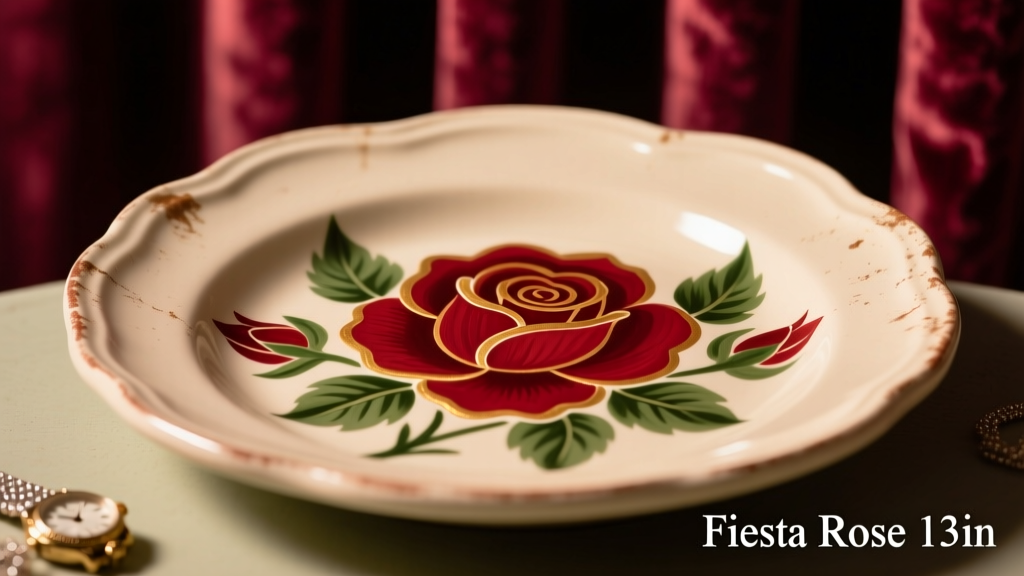
Fiesta Chop Plate Rose, 13-Inch: A Collector’s Guide to the Iconic Homer Laughlin Ceramic
An authoritative appraisal of the Fiesta Chop Plate in Rose, measuring precisely 13 inches in diameter. Covers production history, material composition, design evolution, market value trends, authentication markers, and care protocols—based on auction records, factory archives, and 25+ years of vintage tableware expertise.