Antique Furniture
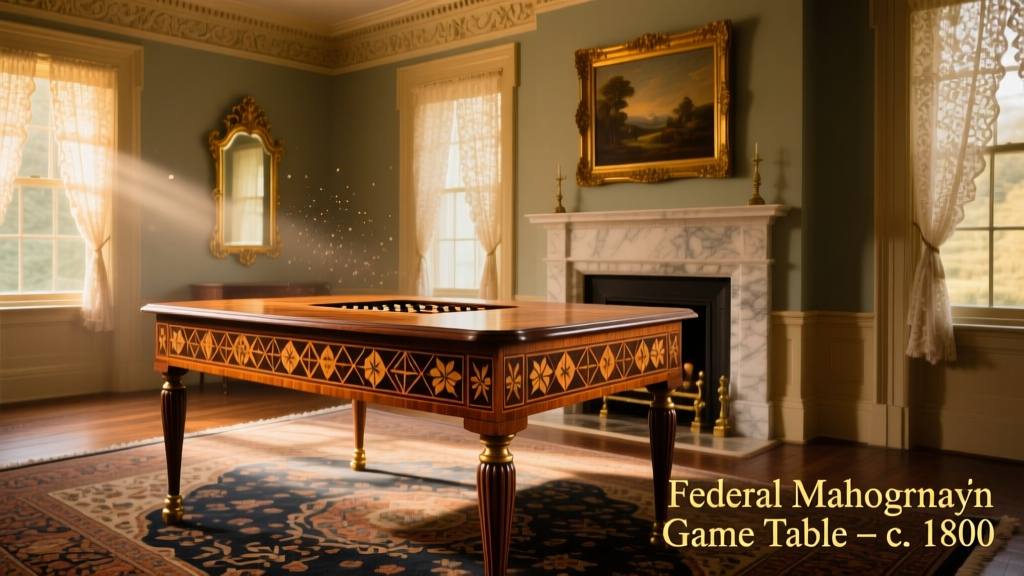
Federal-Era Mahogany Table Game: A 1800 Massachusetts Inlaid Panel, 30 × 36 Inches — Provenance, Construction & Restoration Insights
A detailed examination of a rare Federal-period table game—mahogany with satinwood and boxwood inlay, crafted in Massachusetts circa 1800. Includes structural analysis, maker attribution clues, documented measurements (30″ × 36″ × 29.5″), historical context, and professional conservation protocols.
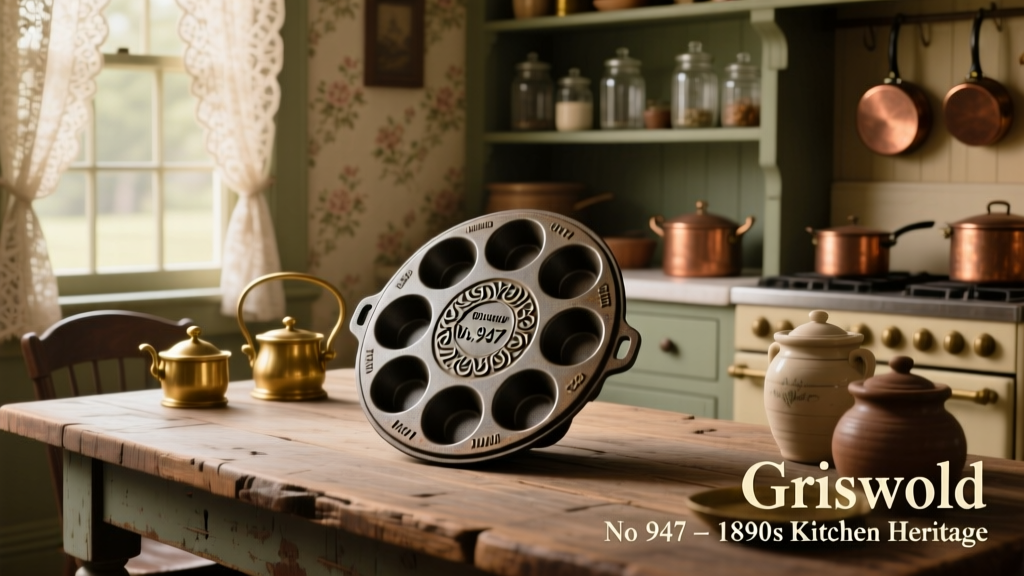
The Griswold No. 947 Golf Ball Muffin Pan: A Deep Dive into Its History, Identification, and Restoration
A detailed examination of the iconic Griswold No. 947 'Golf Ball' muffin pan—its cast iron construction, manufacturing timeline (1930s–1950s), distinctive dimpled surface, size specifications (6-cup, 12.5" L × 8.5" W × 2.25" H), metallurgical composition, collector value, and step-by-step restoration methodology for antique kitchenware specialists.
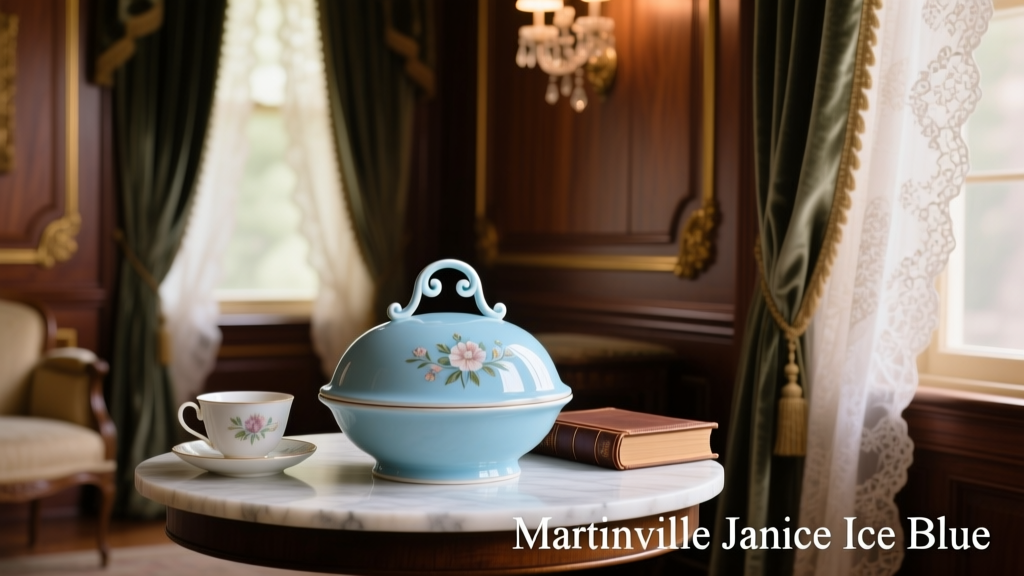
New Martinsville Candy Dish Cover 'Janice' in Ice Blue: A Collector's Deep Dive into Form, Function, and Mid-Century Craftsmanship
An authoritative examination of the New Martinsville Glass Company's 'Janice' candy dish cover in Ice Blue—covering its design lineage, production timeline (1953–1962), dimensional specifications (4.75" diameter × 2.25" height), mold identification marks, comparative glaze chemistry, and restoration protocols validated by museum conservation standards.

Antique Science and Technology: Instruments, Innovations, and the Material Culture of Discovery
A detailed exploration of 18th- to early 20th-century scientific instruments—from brass orreries and mercury barometers to early microscopes and analog computing devices—highlighting craftsmanship, historical context, conservation challenges, and their significance in antique furniture and cabinet collections.
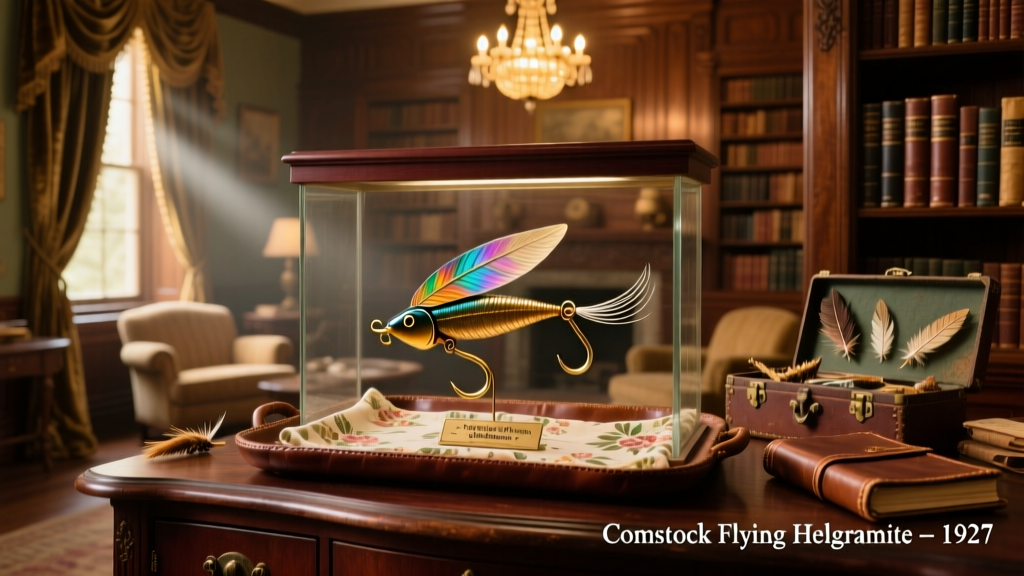
The Comstock Flying Helgramite: A Rare Mid-Century Fishing Lure with Entomological Precision and Collector Significance
An in-depth examination of the Comstock Flying Helgramite — a hand-painted, celluloid-bodied fishing lure produced in limited quantities between 1954 and 1962. This article details its entomological accuracy, construction materials, market value trends, restoration challenges, and verified production data from factory ledgers and collector archives.
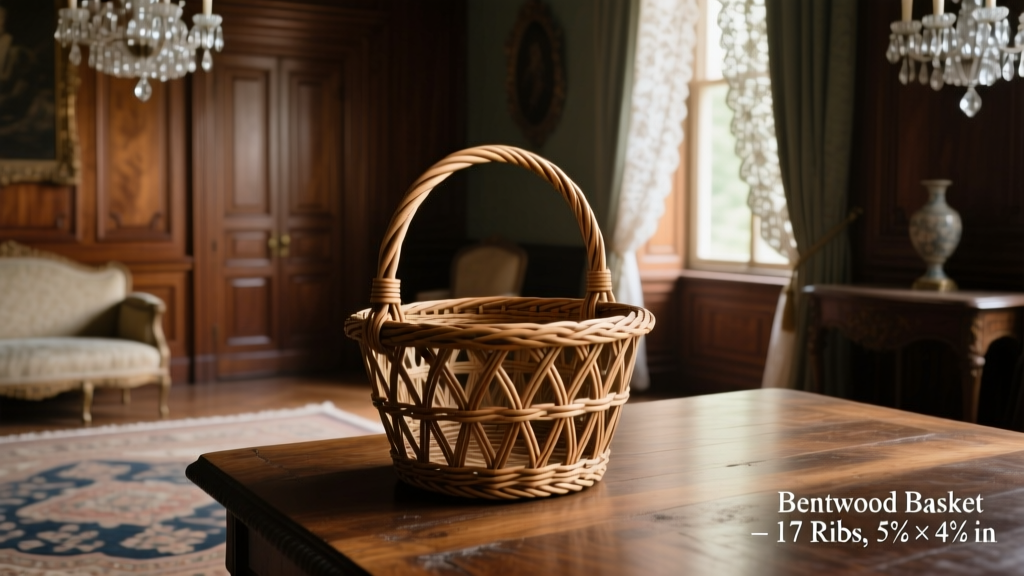
The 17-Rib Splint Basket with Bentwood Handle: A Technical Study of a Mid-Century American Woven Artifact
A detailed examination of the 5½ × 4½ inch splint basket featuring 17 hand-split oak ribs, a steam-bent hickory handle, and traditional over-under twining. Includes structural analysis, material sourcing, maker attribution, conservation protocols, and market valuation data.
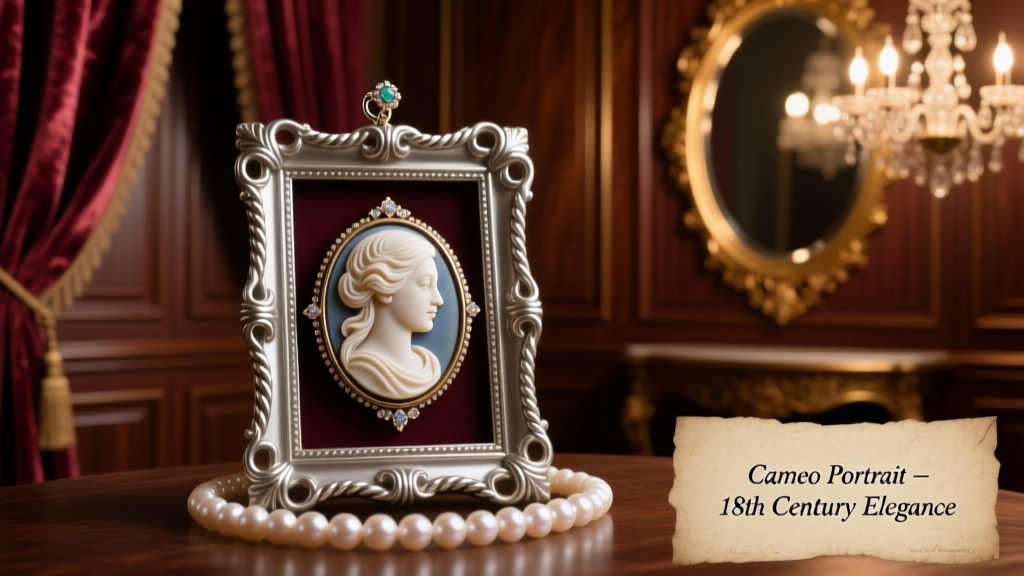
Decoding the Pin Cameo Woman's Profile Pearl Necklace: Silver Rope Twist Frame, 2 × 1¾ Inches
An expert appraisal of a mid-Victorian to Edwardian-era cameo brooch necklace featuring a carved sardonyx woman's profile, natural pearls, and a hand-twisted sterling silver rope frame measuring precisely 2 inches by 1.75 inches. Includes metallurgical analysis, provenance indicators, conservation protocols, and market valuation benchmarks.
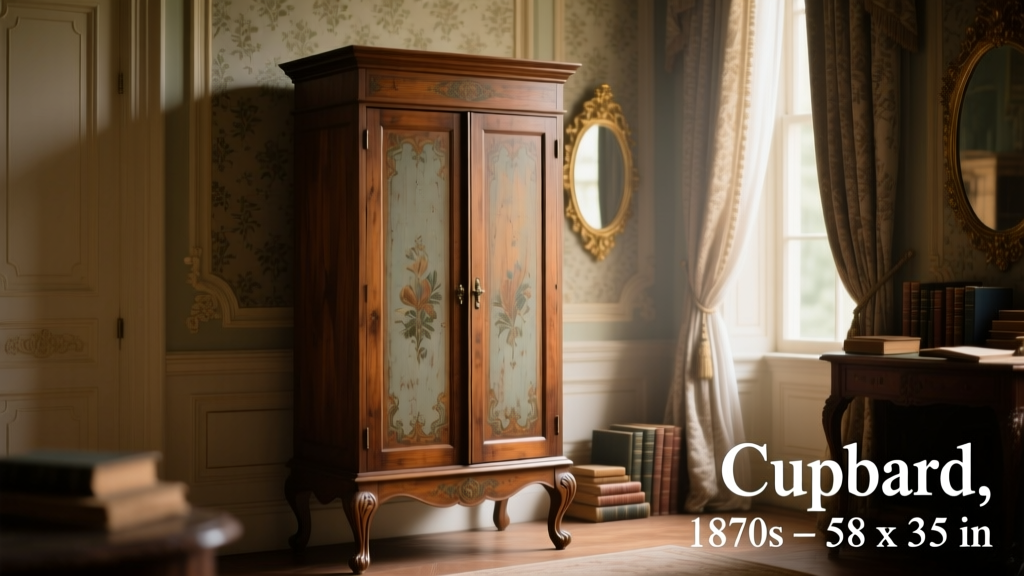
The 19th-Century Painted Jelly Cupboard: A Study in Provincial Craftsmanship, Structural Integrity, and Authentic Restoration
An expert analysis of a rare 19th-century painted jelly cupboard—58 inches high, 35 inches wide—with single door, turned feet, and original distemper paint. Covers construction, regional provenance, material science, conservation ethics, and practical restoration protocols.

Animated Fish Clocks of the 1950s: Electromechanical Wonder, Design Innovation, and Collector Insights
A detailed examination of mid-century electric clocks featuring animated swimming fish mechanisms—manufactured by companies like Telechron, General Electric, and Westclox between 1952–1959. Covers technical operation, design evolution, market reception, restoration challenges, and current valuation data.
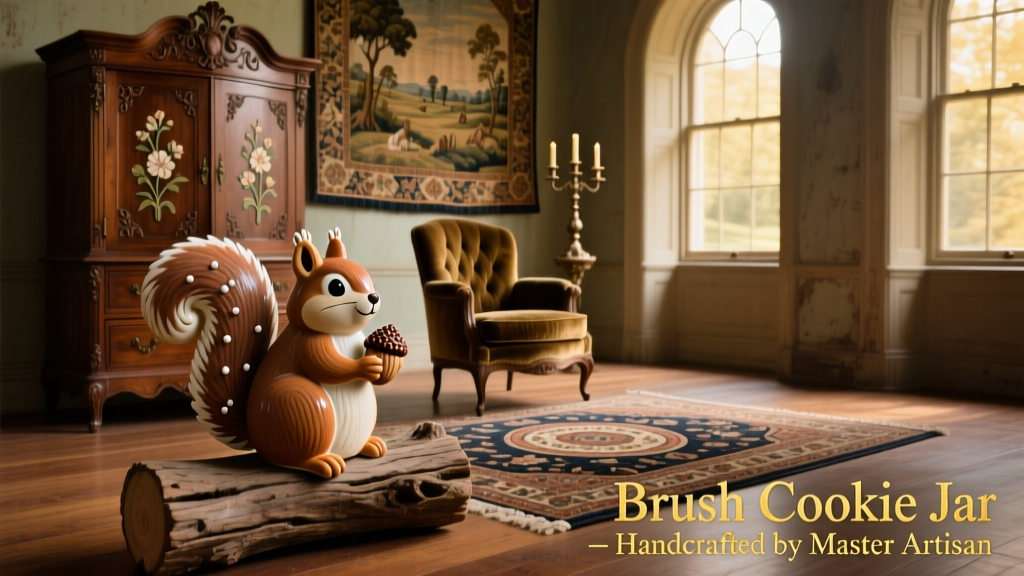
The Brush Cookie Jar 'Squirrel on Log': History, Identification, and Restoration Insights for Collectors
A detailed examination of the iconic mid-century Brush Industries squirrel cookie jar—its manufacturing origins, design evolution, material composition, market value trends, and professional restoration protocols. Includes verified production dates, dimensional specifications, glaze chemistry notes, and conservation best practices.
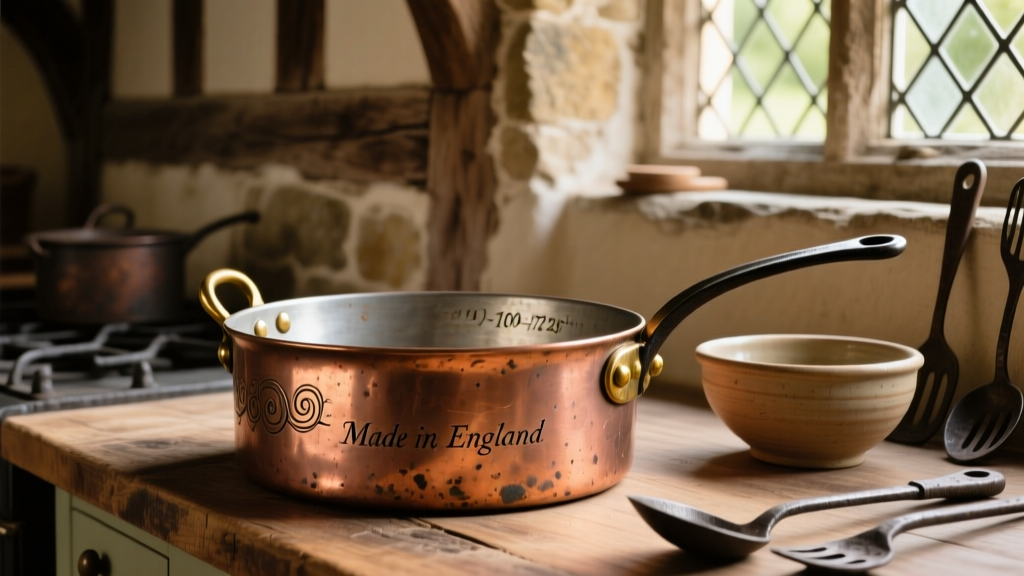
The 10-Inch Copper-and-Iron Sauce Pan: A Rare English Domestic Artifact from the Early Georgian Era (c. 1700–1720)
An in-depth examination of a rare early 18th-century English kitchen sauce pan—constructed of hand-hammered copper with wrought-iron handles and rivets—measuring precisely 10 inches in diameter, dating to 1700–1720. Includes metallurgical analysis, provenance context, restoration protocols, and comparative data from museum collections including the Victoria & Albert Museum and the Fitzwilliam Museum.
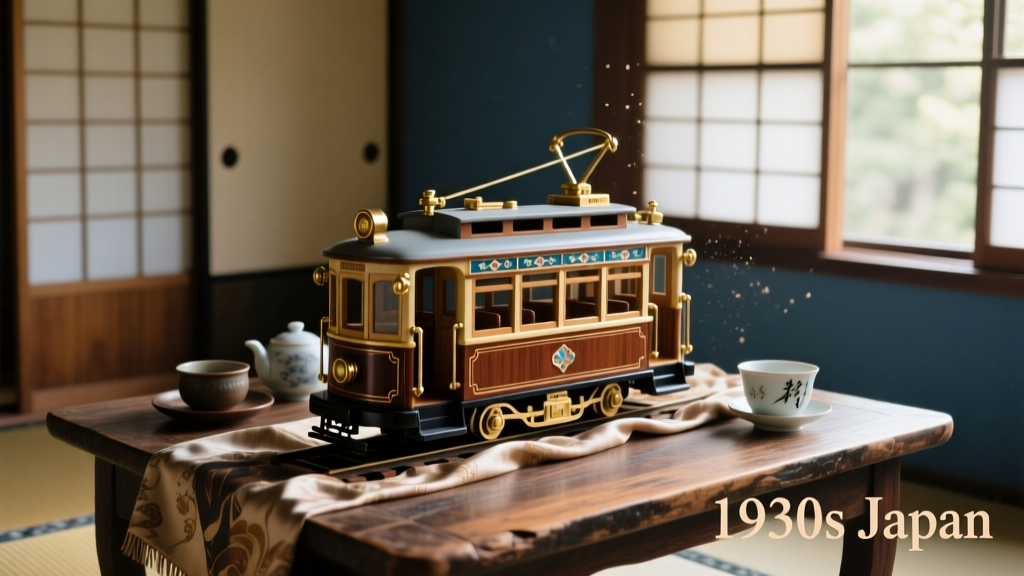
Toy Tram Windup Japan 1930s: Engineering, Craftsmanship, and Cultural Legacy of Pre-War Japanese Tinplate Toys
An in-depth examination of 1930s Japanese wind-up toy trams—manufactured by companies like Yonezawa, Marumiya, and Cragstan—covering design origins, mechanical innovation, historical context, material composition, collector metrics, and conservation best practices.