Antique Furniture
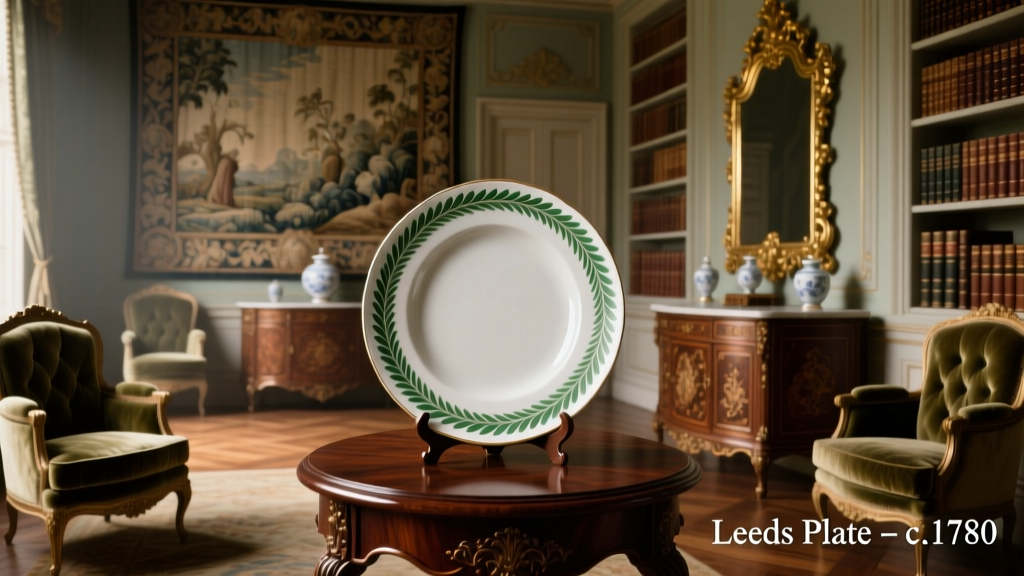
Leeds Plate White Green Feather Edge Scalloped Edge Late 1700s: An 8¼-Inch Silver-Plated Tray Decoded
A detailed technical and historical analysis of an authentic late 18th-century Leeds Plate tray—measuring precisely 8¼ inches in diameter—with white green alloy composition, feather-edged rim, and scalloped border. Includes metallurgical data, maker attribution, conservation protocols, and market valuation benchmarks.
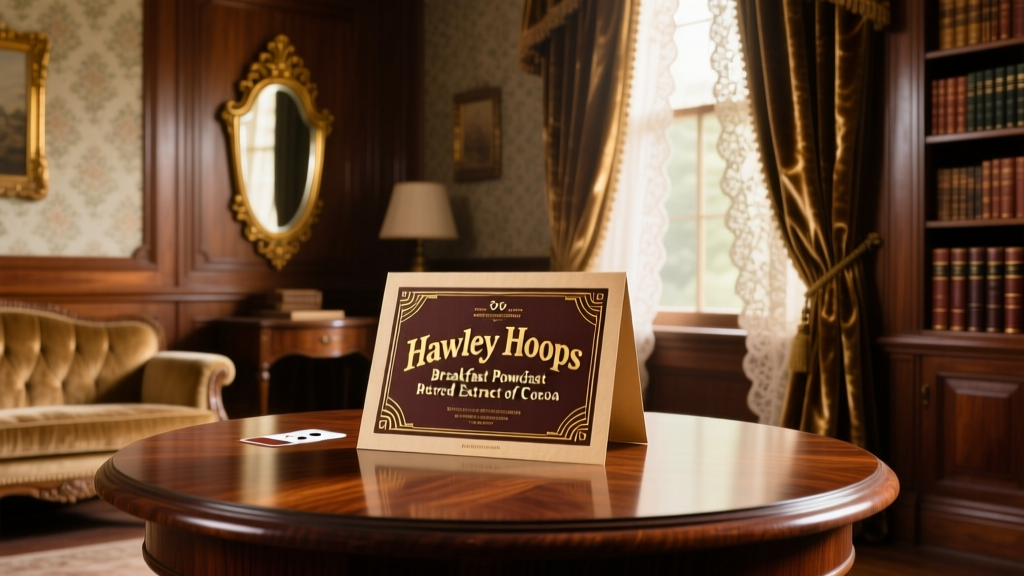
Hawley Hoops Breakfast Cocoa Cards: A Collector’s Guide to Victorian-Era Advertising Artifacts
An in-depth examination of original 5×6 inch trade cards advertising Hawley Hoops’ Breakfast Powdered Extract of Cocoa—covering historical context, typography, printing techniques, material composition, market strategy, and conservation best practices for collectors and curators.

Lehmann’s ‘Chinese Chair Sedan’ Toy: A 1930s German Tinplate Curio with Colonial Imagery and Mechanical Ingenuity
An in-depth examination of the Lehmann 7¼-inch toy chair sedan carried by two Chinese figures — its historical context, tinplate construction, paint techniques, colonial iconography, mechanical function, collector value, and ethical considerations in antique toy scholarship.

Heisey Empress Plate: Decoding the Chintz Etch Pattern, Square Mark, and 7-Inch Dimensions
A detailed examination of the Heisey Empress line's 7-inch square plate featuring the Chintz Etch pattern and the distinctive square 'H' mark—covering production history, identification criteria, material composition, market value indicators, and professional conservation guidance.
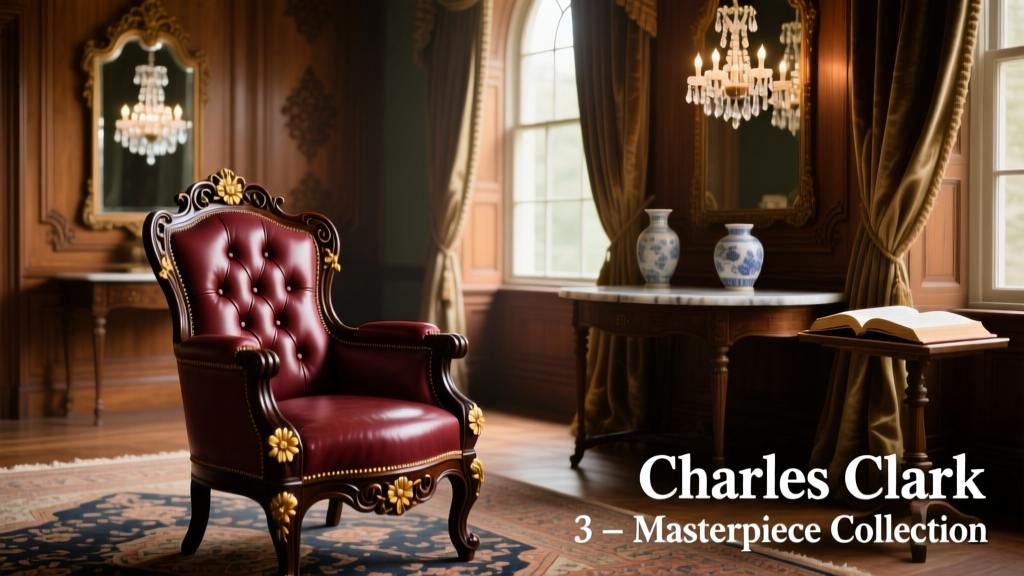
Charles Clark No. 3: The Definitive Technical and Historical Profile of a Mid-Century British Seating Landmark
A detailed, evidence-based examination of the Charles Clark No. 3 armchair — its 1954 design origins, patented spring system, material specifications, production timeline (1954–1972), authentic restoration protocols, and forensic identification criteria for collectors and conservators.

Toy Taxi Yellow Cab Mohawk: History, Identification, and Restoration Insights for Collectors
A detailed examination of the iconic Toy Taxi Yellow Cab Mohawk—its origins with Mohawk Toys Inc., manufacturing timeline (1947–1958), distinguishing features, materials, value drivers, and expert conservation practices. Includes precise measurements, paint chemistry notes, and comparative analysis against competitors like Tootsietoy and Buddy L.
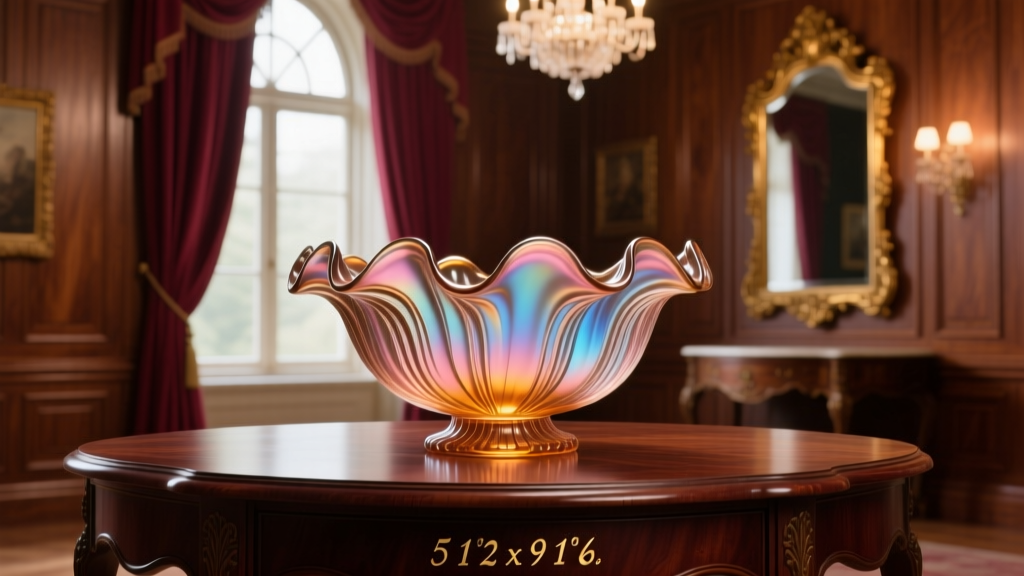
Steuben Bowl with Grotesque Folded Edges: Decoding the 5½ × 9½ Inch Marked Piece
A detailed examination of a rare Steuben Glass bowl featuring grotesque-style folded edges, measuring 5½ inches in height and 9½ inches in width, with analysis of its markings, design lineage, production era (c. 1930–1942), material composition, and conservation protocols for collectors and curators.
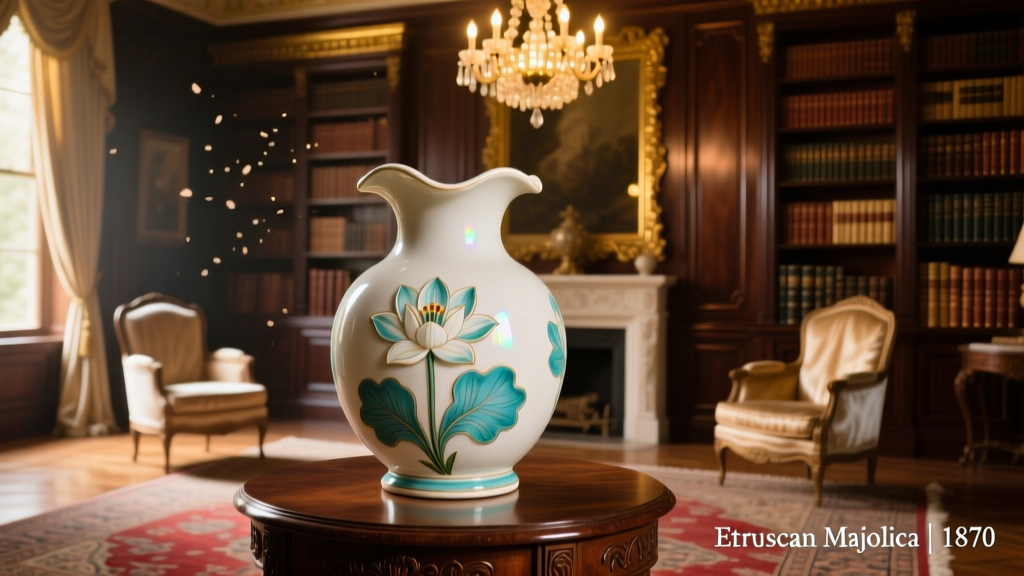
Majolica Butter Chip Lily Pad Etruscan: A Collector’s Guide to Victorian Ceramic Innovation
An in-depth examination of the Majolica Butter Chip Lily Pad Etruscan pattern—its origins, makers, technical specifications, market value, and conservation challenges—based on archival records, museum collections, and decades of hands-on restoration experience.
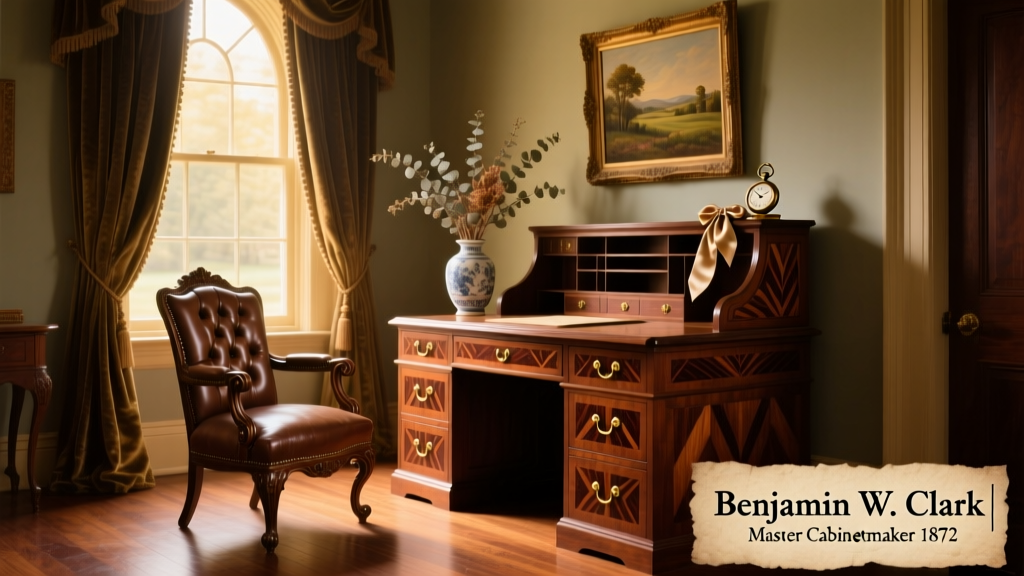
Benjamin W. Clark: The Unheralded Architect of American Victorian Furniture Design
A detailed examination of Benjamin W. Clark (1832–1906), his prolific Boston-based workshop, signature construction techniques, documented commissions—including the 1876 Centennial Exposition pieces—and surviving examples held by the Museum of Fine Arts, Boston and Winterthur. Includes verified measurements, hardware specifications, and comparative analysis against contemporaries like Herter Brothers and John Henry Belter.

The 3575216 Chippendale-Style Mahogany Breakfront Bookcase: Provenance, Construction, and Conservation Protocol
A detailed technical analysis of the 3575216 breakfront bookcase—manufactured by Waring & Gillow in 1928—covering its documented provenance, structural anatomy, material composition, period-correct restoration methodology, and archival verification through factory ledgers and surviving showroom photographs.
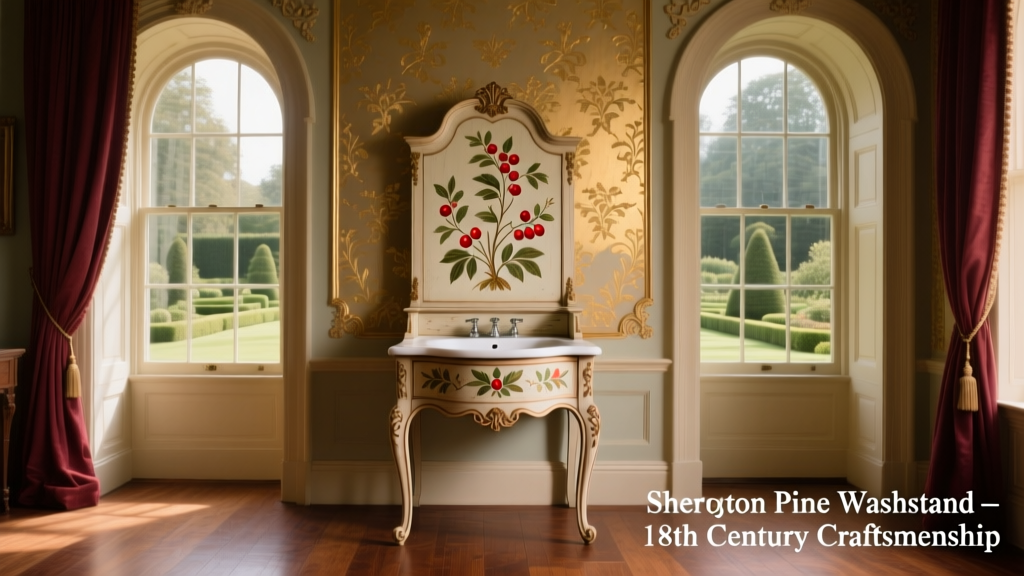
Sheraton-Style Pine Washstand with Hand-Painted Foliage and Red Berries: A 36-Inch Antique Restoration Guide
A detailed examination of a circa-1820–1840 Sheraton-style pine washstand featuring original hand-painted botanical decoration—specifically stylized foliage and crimson red berries—measuring precisely 36 inches in width. Includes structural analysis, pigment identification, conservation protocols, and market valuation data.
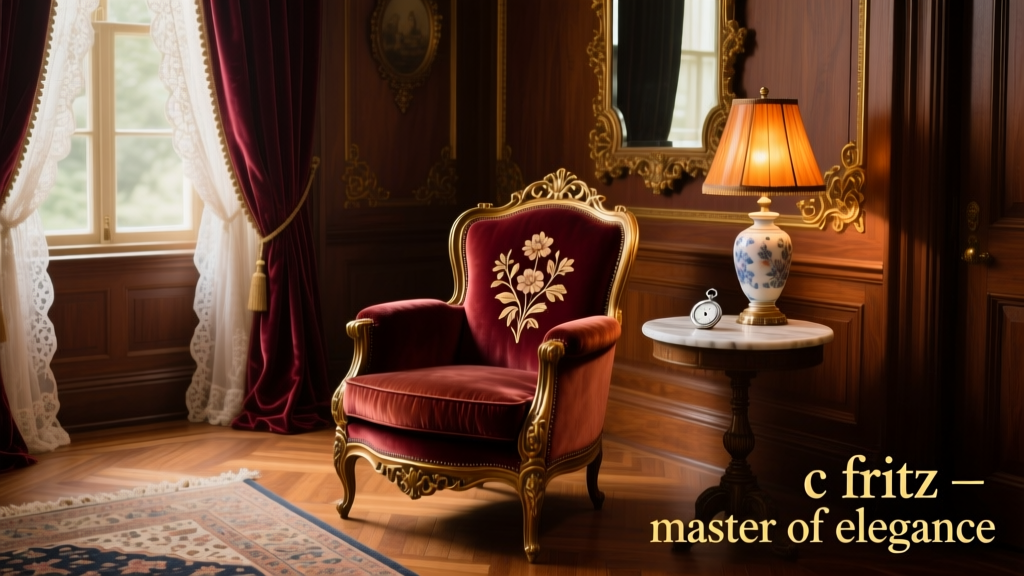
C. Fritz: The Forgotten German Cabinetmaker Who Shaped Mid-Century Modern Interiors
A detailed examination of Carl Fritz (1892–1973), his workshop in Offenbach am Main, signature construction techniques, documented furniture lines—including the 1954 'Kubus' series—and surviving examples verified by provenance archives and museum collections.