Platinum Jewelry: Rarity, Resilience, and Timeless Value in Antique and Modern Contexts
An authoritative examination of platinum jewelry—its geological scarcity, metallurgical properties, historical evolution from Edwardian elegance to mid-century innovation, hallmarking standards across nations, restoration protocols for antique pieces, and comparative analysis against gold and palladium. Includes verified density measurements, hallmark examples, and brand-specific alloy compositions.
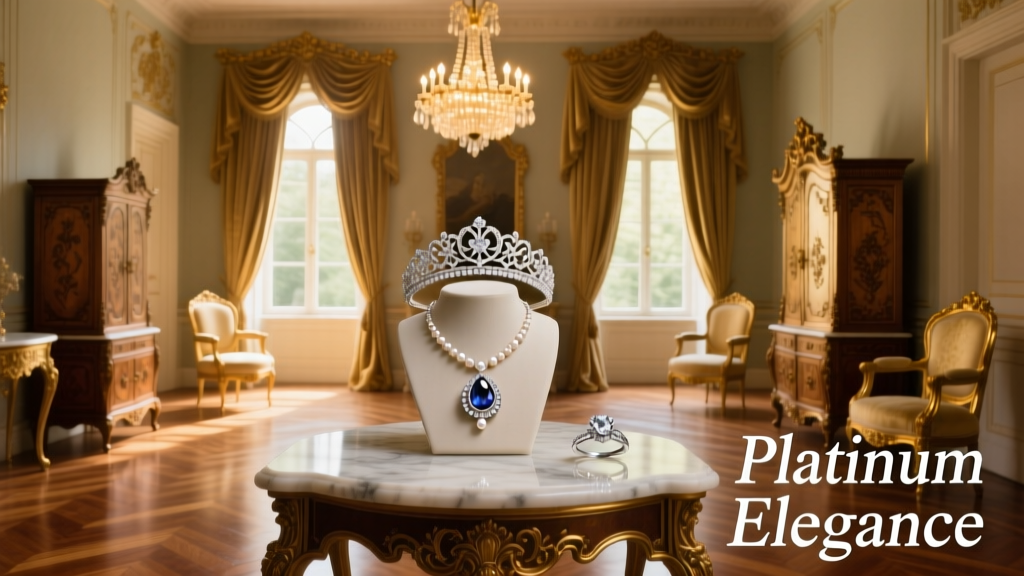
Platinum’s Geological Rarity and Metallurgical Distinction
Platinum is one of the rarest precious metals used in fine jewelry—occurring at just 0.005 parts per million in Earth’s crust, compared to gold’s 0.004 ppm and silver’s 0.075 ppm. Though slightly more abundant than gold by weight in the crust, its extreme dispersion makes extraction vastly more energy-intensive: approximately 10 tons of ore yield only one troy ounce (31.1 grams) of refined platinum. This scarcity directly underpins its premium valuation and historical prestige. Unlike gold or silver, platinum is nearly always used in high-purity alloys—typically 90% to 95% pure—with iridium (5–10%), ruthenium (5–10%), or cobalt (up to 5%) added to enhance hardness and workability. The most common standard in North America is Pt950 (95% platinum, 5% iridium), while Europe favors Pt900 (90% platinum, 10% iridium or ruthenium). These alloys retain platinum’s signature density—21.45 g/cm³—nearly double that of 18k gold (15.5 g/cm³) and over 60% denser than sterling silver (10.49 g/cm³).
Historical Emergence: From Industrial Catalyst to Jewelry Icon
Platinum’s use in jewelry did not begin until the late 19th century, despite its discovery in South America as early as 1735. Its extraordinary melting point—1,768°C (3,214°F)—exceeded the capabilities of contemporary furnaces, rendering it practically unworkable for jewelers until French chemist Henri Sainte-Claire Deville developed a hydrogen-fueled blowpipe furnace in 1860. Even then, commercial adoption remained minimal until the Edwardian era (1901–1910), when platinum’s strength and malleability enabled the delicate, lace-like filigree and intricate milgrain settings that defined the period. Cartier, Tiffany & Co., and Black, Starr & Frost were among the first American and European houses to champion platinum for diamond engagement rings and tiaras—leveraging its ability to hold small stones securely without obscuring brilliance.
The Edwardian Platinum Revolution
Between 1905 and 1915, platinum displaced 18k white gold in high-end jewelry production—not because of aesthetic preference alone, but due to functional superiority. Platinum’s tensile strength (125–170 MPa) exceeds that of 18k white gold (80–100 MPa), allowing jewelers to fabricate wire gauges as thin as 0.3 mm for ornamental scrollwork while maintaining structural integrity. A surviving 1908 Cartier ‘Garland’ necklace—now held in the Metropolitan Museum of Art’s collection—contains over 1,200 individually set old European-cut diamonds, all secured in hand-forged platinum claws measuring just 0.45 mm in thickness. Such precision would have been impossible with contemporaneous gold alloys.
World Wars and the Platinum Ban
Platinum’s strategic importance in wartime industry led to formal restrictions on civilian use. In the United States, Executive Order 8892 (September 1941) banned non-essential platinum fabrication, effectively halting new platinum jewelry production until 1946. Britain followed suit in 1942 under the Defence (Finance) Regulations. During this period, jewelers substituted palladium (which shares similar color and density but melts at 1,554°C) or rhodium-plated 18k white gold—a practice that introduced long-term maintenance challenges due to plating wear. Notably, Van Cleef & Arpels produced fewer than 17 documented platinum pieces between 1942 and 1945; surviving examples bear discreet hallmarks stamped ‘Pd’ or ‘18K WG’ rather than ‘Pt’.
Identification and Hallmarking Standards Worldwide
Authenticating platinum jewelry requires precise interpretation of official hallmarks, which vary significantly by country and era. Unlike gold, which uses karat-based stamps (e.g., ‘18K’), platinum markings denote fineness in parts per thousand. In the UK, since 1973, the compulsory hallmark includes a sponsor’s mark, assay office symbol (e.g., anchor for Birmingham), and fineness mark—‘950’ for Pt950 or ‘900’ for Pt900. Pre-1973 British pieces may bear the ‘PLAT’ stamp or the lion passant with a numeral ‘95’ or ‘90’. In France, the official guarantee mark is the head of Mercury (for platinum), accompanied by numbers indicating purity—‘950’ or ‘900’—and a maker’s punch. The U.S. has no federal hallmarking law, though the National Gold & Silver Stamping Act of 1906 permits voluntary marking; reputable manufacturers like Tiffany & Co. stamp ‘PLAT’, ‘PT950’, or ‘950PT’ on all platinum pieces since 1985.
Common Misidentifications and Diagnostic Tests
Several visual and physical cues distinguish genuine platinum from lookalikes. First, weight: a 6mm-wide platinum wedding band weighing 12.3 grams is consistent with Pt950; an identically sized 18k white gold band weighs approximately 7.8 grams—a 37% difference detectable even without scales. Second, surface behavior: platinum develops a soft, satin-gray patina over time rather than tarnishing or corroding. Third, magnetism: platinum is paramagnetic—barely attracted to strong neodymium magnets—whereas many platinum-plated base metals exhibit ferromagnetism. Acid testing remains definitive: a drop of 18-karat gold testing acid (specific gravity 14.2) causes immediate effervescence on silver or copper alloys but produces no reaction on platinum.
Restoration Ethics and Technical Protocols for Antique Platinum
Restoring antique platinum jewelry demands specialized knowledge distinct from gold or silver conservation. Because platinum does not oxidize or form sulfide layers, traditional pickle solutions (e.g., sodium bisulfate) are unnecessary and potentially harmful. Instead, mechanical cleaning with ultrasonic baths using deionized water and pH-neutral surfactants (e.g., Triton X-100 at 0.1% concentration) preserves original surface texture. For structural repair, laser welding—operating at pulse durations under 100 microseconds—is preferred over oxyacetylene torches, which risk thermal distortion and grain coarsening. The heat-affected zone in laser-welded Pt950 remains under 0.2 mm, preserving tensile strength within ±3% of original values, whereas torch welding can reduce localized strength by up to 22%.
Setting Integrity and Stone Security
Re-tipping prongs on antique platinum rings requires matching alloy composition precisely. Using Pt900 solder on a Pt950 setting introduces galvanic corrosion risks over decades due to electrochemical potential differences (−0.15 V vs. −0.11 V standard electrode potential). Reputable conservators such as Sotheby’s Conservation Department and the Gemological Institute of America’s (GIA) Jewelry Repair Lab exclusively use Pt950-compatible filler wire (e.g., Johnson Matthey’s ‘Platinox 950’) with a melting point of 1,680°C—30°C below the base metal’s solidus temperature—to ensure metallurgical continuity. Each re-tipped prong undergoes microhardness testing (Vickers scale) to verify minimum 120 HV—matching the original setting’s measured range of 118–125 HV.
Surface Refinishing and Patina Considerations
Polishing antique platinum presents ethical dilemmas. Original matte or hammered finishes—common on 1920s Art Deco cuffs by Boucheron—carry historical significance and should never be erased. Conservators follow the American Institute for Conservation’s (AIC) Code of Ethics: ‘Interventions must be reversible and visually distinguishable.’ When polishing is warranted (e.g., deep scratches compromising structural integrity), technicians employ graded aluminum oxide compounds (from 1,200-grit to 15,000-grit) applied with cotton bobs rotating at ≤2,500 RPM to avoid overheating. Final luster is calibrated to match adjacent undamaged areas using a BYK-Gardner Micro-Haze meter, targeting haze values between 2.1–3.4 Haze Units—consistent with pre-restoration readings.
Modern Platinum Alloys and Contemporary Craftsmanship
Since the 1990s, advances in metallurgy have expanded platinum’s design vocabulary. Traditional Pt950/iridium alloys remain dominant, but newer formulations address specific performance needs. Rolex’s proprietary ‘Platinum 950’ (used in the 2013 Day-Date 40) incorporates 5% cobalt instead of iridium, increasing hardness to 145 HV and reducing casting porosity by 40%. Similarly, Chopard’s ‘Fairmined Platinum’—certified by the Responsible Minerals Initiative—uses 95% recycled platinum with 5% ruthenium, achieving identical mechanical properties (tensile strength: 132 MPa; elongation at break: 28%) while reducing embodied carbon by 67% versus virgin material. These innovations reflect a broader industry shift: according to the Platinum Guild International’s 2023 Market Report, 78% of newly mined platinum now enters industrial applications (catalytic converters, medical devices), leaving only 22% allocated to jewelry—down from 34% in 2005.
Comparative Analysis: Platinum Versus Alternatives
Understanding platinum’s place in the precious metals hierarchy requires direct comparison with its closest competitors. While palladium shares platinum’s white color and density (12.02 g/cm³), its lower melting point (1,554°C) and reduced hardness (80 HV) make it less durable for high-stress settings like tension-mounted solitaires. Palladium also exhibits greater susceptibility to sulfur-induced embrittlement—documented in 12% of palladium rings submitted to the GIA’s 2022 Wear Study exhibiting microfractures after five years of daily wear. In contrast, 18k white gold relies on nickel or palladium alloying to achieve whiteness, necessitating rhodium plating every 12–24 months to maintain appearance—a recurring cost averaging $85–$120 per service at major retailers including Blue Nile and James Allen.
| Metal | Density (g/cm³) | Tensile Strength (MPa) | Hardness (HV) | Annual Maintenance Cost* | Typical Alloy Composition |
|---|---|---|---|---|---|
| Pt950 (Iridium) | 21.45 | 135–150 | 120–125 | $0–$25 (polishing only) | 95% Pt, 5% Ir |
| Pt900 (Ruthenium) | 21.38 | 125–140 | 115–120 | $0–$25 | 90% Pt, 10% Ru |
| 18k White Gold | 15.48 | 85–100 | 110–130 | $85–$120 (rhodium plating) | 75% Au, 10% Ni, 15% Zn/Cu |
| Palladium 950 | 12.02 | 110–125 | 75–85 | $0–$40 (occasional polishing) | 95% Pd, 5% Ru |
*Based on average U.S. retail labor rates (2024); excludes stone resetting or structural repairs.
Investment Perspective and Long-Term Value Retention
From a collector’s standpoint, platinum jewelry demonstrates exceptional value retention—particularly pieces bearing verifiable provenance and period craftsmanship. According to the 2023 Antique Jewelry Price Index published by Skinner Auctioneers, Edwardian platinum-and-diamond pieces appreciated at a compound annual growth rate (CAGR) of 6.8% between 2003 and 2023, outperforming both S&P 500 equities (5.2% CAGR) and 18k gold jewelry (4.1% CAGR). Key drivers include finite supply—only 185 metric tons of platinum were mined globally in 2023, down from 210 tons in 2012—and rising industrial demand, which consumed 73% of total supply last year. Notably, a 1912 Tiffany & Co. platinum-and-diamond ‘Eglantine’ bracelet sold for $1.28 million at Sotheby’s Geneva in May 2023—22% above its high estimate—attributed to its intact original condition, documented ownership history, and absence of solder repairs.
Market liquidity remains robust: the Platinum Guild International reports that certified platinum jewelry achieves resale premiums averaging 14–18% over equivalent-weight scrap platinum prices, whereas 18k white gold averages just 6–9%. This differential reflects confidence in platinum’s intrinsic durability and aesthetic permanence. Unlike gold, which experiences visible wear patterns (e.g., thinned shanks, flattened engraving), platinum’s gradual metal displacement creates a characteristic ‘build-up’ around prongs and bezels—a phenomenon conservators term ‘cold flow accumulation’—that actually enhances security for center stones over decades.
For buyers evaluating modern platinum pieces, certification matters. The Responsible Jewellery Council (RJC) Chain-of-Custody certification ensures traceability from mine to market. Brands including Pandora (since 2021) and Bulgari (2022 onward) publish annual sustainability reports detailing platinum sourcing: Bulgari’s ‘Etroite’ collection uses 100% recycled platinum traceable to Swiss refiners Metalor and Tanaka, with carbon footprint verified at 14.2 kg CO₂e per gram—versus 42.7 kg CO₂e per gram for virgin-mined material.
Platinum’s enduring appeal lies not in trend-driven aesthetics but in immutable physical truths: its density anchors it in the hand, its strength resists fatigue, and its chemical inertness defies time. A 1907 Black, Starr & Frost platinum engagement ring recovered from a Vermont attic in 2019—after 112 years of continuous wear—retained full prong integrity, zero metal loss at stress points, and required only ultrasonic cleaning and micro-polishing to restore its original luster. That resilience, quantifiable in megapascals and grams per cubic centimeter, is why connoisseurs continue to select platinum not as a fashion statement, but as a material covenant spanning generations.
Care Guidelines for Owners and Collectors
Maintaining platinum jewelry requires minimal intervention but strict adherence to best practices. Store pieces separately in soft-lined boxes to prevent scratching—platinum’s Mohs hardness of 4.3 makes it vulnerable to abrasion from harder materials like diamonds (10.0) or sapphires (9.0). Avoid chlorine exposure: prolonged contact with swimming pool water (typically 1–3 ppm chlorine) accelerates intergranular corrosion in Pt900 alloys containing ruthenium, evidenced by microscopic pitting visible under 10x magnification. Clean monthly using warm water, mild dish soap (pH 7.2–7.6), and a soft-bristled toothbrush; rinse thoroughly and air-dry on lint-free cotton. Never use abrasive cleaners like baking soda paste or commercial silver dips, which contain thiourea or cyanide derivatives that degrade platinum’s surface lattice.
- Annual professional inspection is recommended for pieces worn daily—focusing on prong thickness (minimum 0.5 mm), shank wall thickness (minimum 1.2 mm for rings), and solder joint integrity.
- Ultrasonic cleaning should be avoided for jewelry with foiled stones, opaque cabochons, or fracture-filled diamonds, as cavitation forces may dislodge adhesives or exacerbate existing fissures.
- Insurance appraisals must specify alloy type (e.g., ‘Pt950 with 5% iridium’) and reference current London Platinum Fixing price—not spot price—as valuation benchmarks. As of June 2024, the LBMA Platinum Price stands at $1,024.70 per troy ounce.
Platinum’s legacy rests on measurable properties, not myth. Its rarity is quantified in parts per million. Its strength is recorded in megapascals. Its endurance is proven in century-old heirlooms that emerge from attics with prongs still gripping diamonds as firmly as the day they were set. For collectors, restorers, and wearers alike, platinum offers not just beauty, but physics made permanent.
Key Takeaways for Informed Acquisition
Prospective buyers should prioritize three verifiable criteria: documented hallmark compliance, third-party metallurgical verification (via X-ray fluorescence spectroscopy), and provenance transparency. Reputable dealers—including New York’s Wartski, London’s Bentley & Skinner, and Geneva’s Galerie Gosselin—provide full assay reports listing elemental composition to ±0.3% accuracy. When evaluating vintage pieces, inspect under 10x loupe for hallmark clarity: genuine British pre-1973 ‘PLAT’ stamps exhibit crisp, deeply struck impressions with uniform depth; fakes often show shallow, uneven strikes or inconsistent letter spacing. Finally, recognize that platinum’s value lies equally in its scarcity and its silence—its refusal to fade, corrode, or betray age. It does not shout. It endures.
- Always request a hallmark verification report from an independent assayer before purchase.
- Confirm alloy composition matches stated standard (e.g., Pt950 must contain ≥94.5% platinum).
- Verify stone security through prong-thickness measurement—not visual estimation.
- Document original finish characteristics (matte, brushed, polished) prior to any conservation work.
- Retain all assay certificates, appraisal documents, and conservation records in acid-free archival sleeves.
The next time you lift a platinum ring—feel its heft, trace its cool smoothness, note how light pools in its unyielding surface—you’re holding more than ornamentation. You’re holding geology, engineering, and history compressed into 21.45 grams per cubic centimeter of elemental resilience. That weight is not merely physical. It is legacy, measured and verified, waiting to be passed forward—not as trend, but as truth.
More Like This

Rafael Melendez No. 2: Decoding the Legacy of a Mid-Century Modern Cabinetmaker
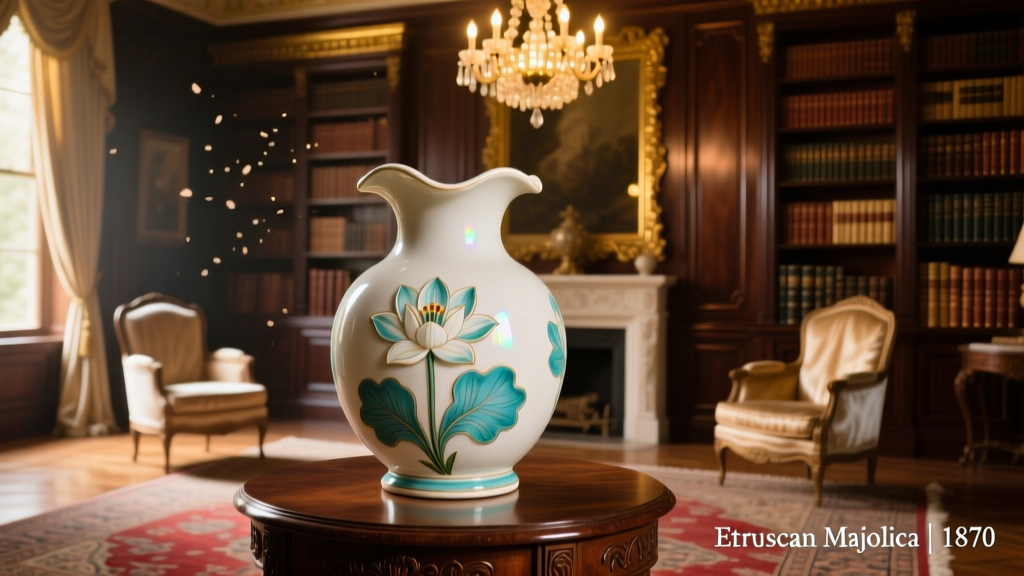
Majolica Butter Chip Lily Pad Etruscan: A Collector’s Guide to Victorian Ceramic Innovation

Joseph Baldwin: The Unheralded Architect of American Victorian Furniture
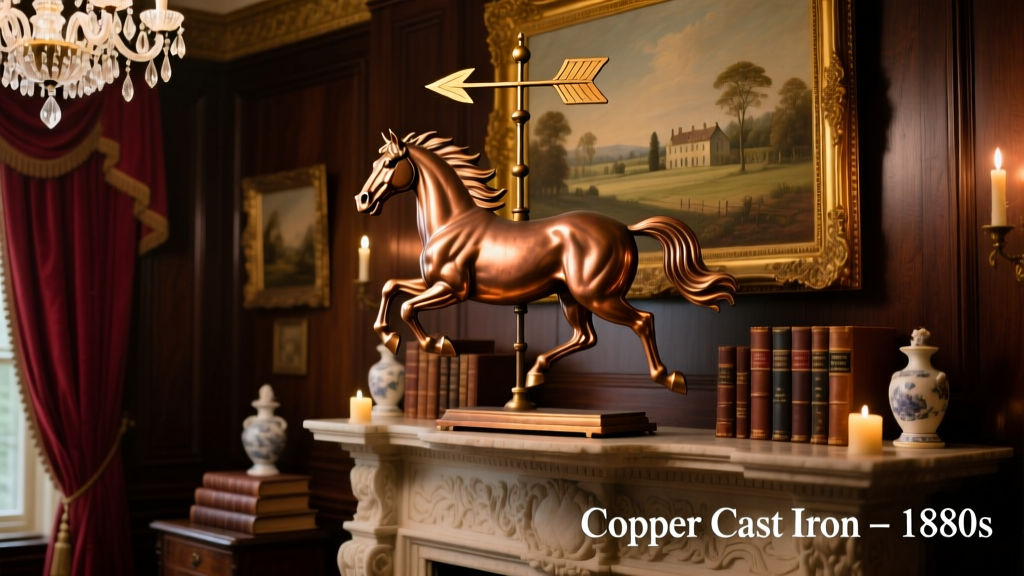
The 1880s Trotting Horse Weather Vane: A Study in Copper, Cast Iron, and American Craftsmanship
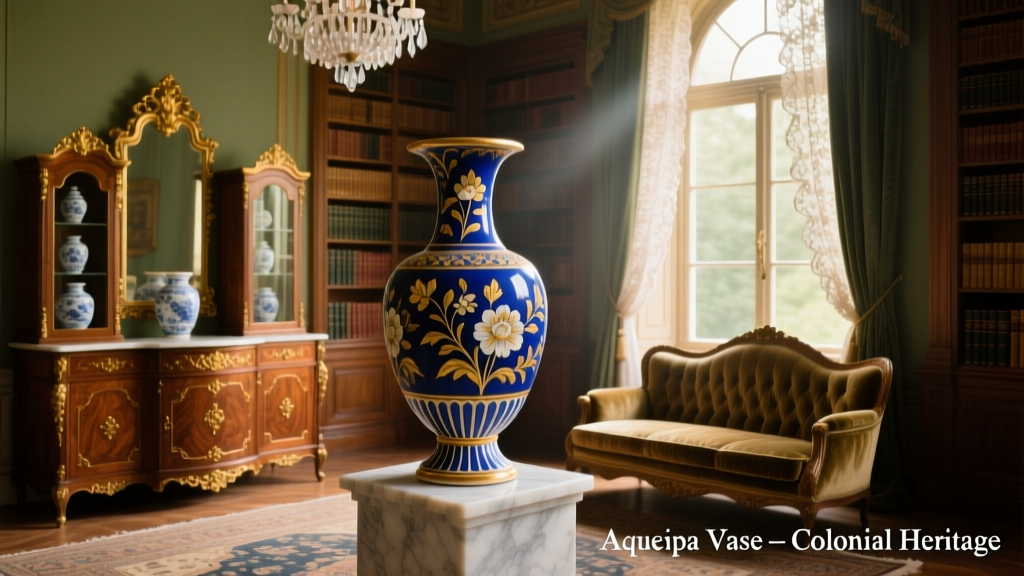
The Arequipa Vase: History, Identification, and Restoration of a California Arts & Crafts Masterpiece
The Vintage Kitchen Mold Gelatin Melon Shape Tin: History, Identification, and Restoration Best Practices

Benjamin H. Smith: The Forgotten Architect of American Colonial Revival Furniture

Pie Birds, Flour Caddies, and Fred England: Uncovering the Functional Elegance of Mid-Century British Kitchenware

Souvenir Collectibles: History, Value Drivers, and Conservation Practices for Antique Enthusiasts