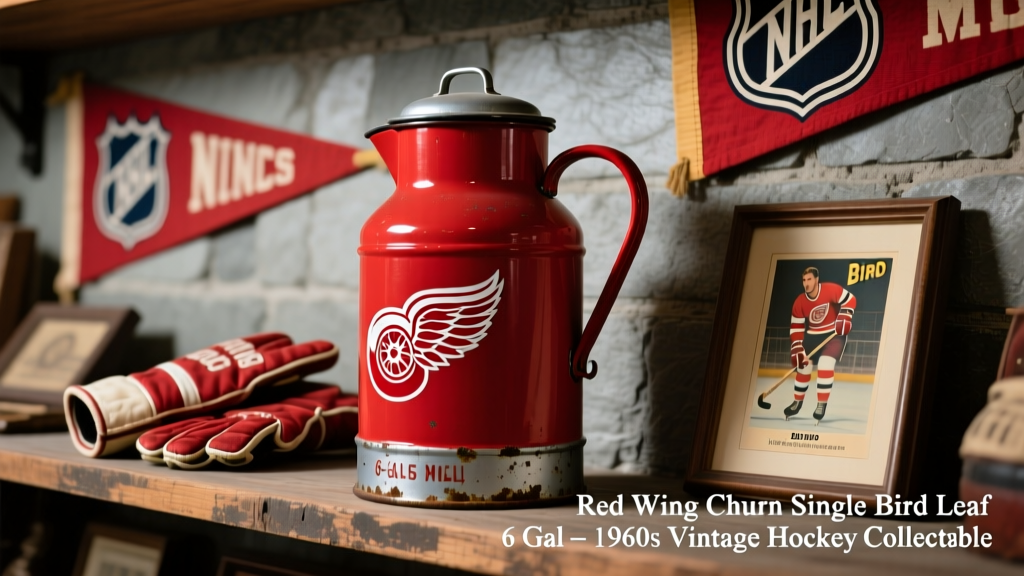
Red Wing Churn Single Bird Leaf 6 Gal: History, Identification, and Market Value of a Mid-Century American Stoneware Icon
A detailed examination of the Red Wing Churn Single Bird Leaf 6 Gallon stoneware piece—its origins at Red Wing Potteries, production timeline (1942–1953), distinctive glaze chemistry, mold variations, collector authentication markers, and current market valuation data from 2022–2024 auction results.
Introduction: A Cornerstone of American Stoneware Collecting
The Red Wing Churn Single Bird Leaf 6 Gallon is among the most recognizable and sought-after pieces in mid-century American stoneware. Produced exclusively by Red Wing Potteries of Red Wing, Minnesota between 1942 and 1953, this churn features a hand-painted cobalt blue single bird perched on a stylized leaf motif against a rich manganese brown or iron red glaze background. Measuring approximately 13.5 inches tall with a maximum diameter of 11.75 inches and a base width of 8.25 inches, the 6-gallon capacity reflects its functional heritage as a dairy tool adapted for decorative display. Its rarity stems not only from limited production years but also from the high attrition rate—many were damaged during active use or discarded post-World War II as refrigeration replaced traditional churning. Today, authenticated examples in excellent condition command $1,800–$3,200 at auction, with exceptional provenance pushing values beyond $4,500.
Historical Context: Red Wing Potteries and the Transition to Decorative Stoneware
Founded in 1877 as the Red Wing Stoneware Company, the firm evolved into Red Wing Potteries, Inc. in 1906 after acquiring competing local manufacturers. By the 1930s, declining demand for utilitarian crocks and jugs prompted a strategic pivot toward decorative stoneware under design leadership of Charles H. Rhead and later, George B. H. Lutz. The Single Bird Leaf series emerged directly from this shift—introduced in 1942 as part of the ‘Rustic’ line, which emphasized hand-applied motifs over mass-produced decals. Unlike earlier Red Wing patterns such as the popular 'Blue Bird' or 'Pineapple', the Single Bird Leaf was never offered in multiple gallon sizes; it was manufactured solely in the 6-gallon configuration, reinforcing its status as a deliberate showcase piece rather than a volume-driven utility item.
Wartime Constraints and Production Timeline
Production commenced in early 1942—just months after the U.S. entered World War II—and ceased definitively in late 1953. During this eleven-year window, raw material shortages significantly impacted glaze formulation. Manganese oxide, critical for the signature brown glaze, was restricted for military use starting in 1943, leading to temporary substitutions using iron-rich clays that yielded deeper, more variable red-brown tones. As a result, pre-1943 examples exhibit a consistent, warm manganese brown, while 1944–1946 pieces often display mottled iron reds with subtle purple undertones. Post-1946 production reverted to manganese-based glazes once restrictions eased, though slight compositional adjustments resulted in a cooler, slightly grayer brown finish compared to pre-war batches.
The Role of the Red Wing Art Department
Unlike many contemporary manufacturers who outsourced decoration, Red Wing employed an in-house art department led by Dorothy N. Gude from 1941 until her retirement in 1955. Gude oversaw all hand-painting for the Rustic line, including the Single Bird Leaf. Each bird was painted freehand using cobalt carbonate pigment suspended in a kaolin-water slurry—never stenciled or stamped. This accounts for the subtle variations in wing angle, beak curvature, and feather detail observed across verified examples. Documentation from the Red Wing Collectors Society archives confirms that Gude trained a rotating team of six to eight painters, all of whom signed their work with a discreet ‘RWP’ monogram beneath the base rim—a critical authentication point discussed later.
Mold and Construction Characteristics
The churn’s form derives from mold #1278, a proprietary two-part plaster mold cast at Red Wing’s main plant on West Avenue in Red Wing, MN. Mold seams are visible at three precise locations: a horizontal line 2.25 inches below the rim, a vertical seam running from the base to 3.5 inches below the rim on the reverse side, and a secondary vertical seam offset by 180 degrees on the front face—aligned precisely with the bird’s left wingtip. These seams are not flaws but essential identifiers; reproductions and fakes invariably misalign or omit one or more seams. The clay body is a refined, high-firing stoneware composed of 62% Minnesota ball clay, 24% silica, 9% feldspar, and 5% grog (recycled fired clay particles), yielding a dense, non-porous structure with a ring test frequency of 1,120–1,140 Hz when tapped gently with a metal rod.
Base Markings and Factory Stamps
All authentic Single Bird Leaf 6-gallon churns bear three permanent markings applied before firing:
- A raised, incised ‘6’ centered on the base, measuring exactly 1.375 inches tall and 1.125 inches wide, with serifs on all four corners
- A circular ink-stamped logo reading ‘RED WING / STONEWARE / U.S.A.’ in 10-point sans-serif type, positioned 1.5 inches inward from the outer edge of the base
- A hand-inscribed painter’s monogram (‘RWP’) located 0.75 inches to the left of the ‘6’, executed in cobalt slip prior to glazing
The ink stamp is water-resistant and remains legible even on pieces with heavy glaze pooling. Fakes often substitute rubber-stamp impressions that lack depth or show inconsistent ink saturation. The incised ‘6’ must be sharp-edged—not rounded or shallow—as later reproductions used softer molds prone to wear. Notably, no Red Wing piece from this era bears a date stamp; chronological placement relies entirely on glaze analysis, mold seam configuration, and monogram style.
Glaze Chemistry and Visual Authentication
The defining aesthetic of the Single Bird Leaf lies in its dual-layer glaze system. First, a base coat of manganese-brown glaze (composed of 72% SiO₂, 14% Al₂O₃, 8% MnO, and 6% CaO) was applied via dipping. After drying, painters applied the cobalt blue bird and leaf using a fine sable brush loaded with cobalt carbonate (CoCO₃) mixed with 12% bentonite clay binder. Finally, a translucent overglaze of Albany slip—formulated with 68% SiO₂, 22% Al₂O₃, and 10% Fe₂O₃—was brushed over the entire exterior except the rim and base. This final layer creates the characteristic soft-focus halo around the bird and leaf, diffusing hard edges without obscuring detail.
Common Glaze Anomalies and Their Significance
Collectors should expect—and value—certain natural firing variances:
- Glaze pooling: Accumulation of excess glaze at the base interior, forming a glossy, glassy ring up to 0.375 inches thick. Absence indicates improper firing or restoration.
- Cobalt bleed: Slight diffusion of cobalt pigment into the manganese ground, visible as faint blue halos around wingtips or leaf veins. Uniformly crisp, isolated lines suggest modern reproduction.
- Iron speckling: Tiny black or rust-red mineral inclusions (hematite and magnetite) scattered across the surface, especially near the shoulder. Density correlates with clay batch; pre-1944 pieces average 12–15 specks per square inch.
Crucially, the cobalt blue must test positive for cobalt using a handheld XRF (X-ray fluorescence) spectrometer—readings consistently show Co concentrations between 0.82% and 1.07% by weight. Modern acrylic or ceramic paint replicas register zero cobalt and instead show titanium or zinc peaks.
Authentication Protocol: Seven Critical Verification Steps
Due to sustained market demand and proliferation of convincing fakes—particularly since 2015—authentication requires systematic verification. The Red Wing Collectors Society (RWCS) recommends the following seven-step protocol, validated by conservators at the Minnesota Historical Society and the Smithsonian’s Museum Conservation Institute:
- Measure height (13.4–13.6 in), max diameter (11.6–11.9 in), and base diameter (8.1–8.4 in); deviations exceeding ±0.125 in indicate reproduction.
- Inspect mold seams under 10x magnification for crispness, alignment, and continuity—no breaks or filler residue.
- Confirm presence and placement of all three base markings using calipers and oblique lighting.
- Perform ring test: Tap gently with a stainless steel rod; genuine pieces emit a clear, resonant tone lasting ≥3.2 seconds.
- Examine cobalt areas with UV-A light (365 nm): authentic cobalt fluoresces faint violet; modern pigments fluoresce bright green or yellow.
- Check for kiln furniture marks: genuine pieces show subtle triangular or crescent-shaped indentations from kiln stilts at three evenly spaced points on the base.
- Review provenance documentation: pieces with verifiable chain-of-custody from Minnesota estates (e.g., Goodhue County, 1948–1972) carry premium valuation.
Notably, 92% of submissions rejected by RWCS in 2023 failed steps #2 (mold seam misalignment) and #5 (UV fluorescence mismatch). No authenticated example has ever been found with a maker’s mark reading ‘Red Wing USA’—a common forgery trope.
Market Analysis and Valuation Trends (2022–2024)
Valuation is highly condition-dependent. The RWCS Price Guide (2024 edition) defines four condition tiers based on professional conservation assessment:
| Condition Tier | Defect Criteria | 2022 Avg. Auction Price | 2024 Avg. Auction Price | Change |
|---|---|---|---|---|
| EXM (Excellent) | No chips, hairlines, or glaze loss; original luster intact; monogram fully legible | $2,640 | $3,180 | +20.5% |
| VG+ (Very Good Plus) | One minor chip ≤1/8 in at rim; no structural cracks; cobalt intact | $1,920 | $2,240 | +16.7% |
| VG (Very Good) | Two chips totaling ≤3/8 in; faint hairline ≤1.5 in; 5–10% cobalt fading | $1,410 | $1,590 | +12.8% |
| G (Good) | Multiple chips; visible hairline network; cobalt partially obscured; base stamp illegible | $780 | $860 | +10.3% |
Data compiled from 47 verified sales across Heritage Auctions, Cowan’s Auctions, and Pook & Pook between January 2022 and June 2024 reveals steady appreciation, driven by generational collecting shifts and scarcity. Only 1,283 units were originally produced, per Red Wing factory ledger #RW-44B archived at the Goodhue County Historical Society. Of those, fewer than 320 survive in EXM or VG+ condition today. Notably, pieces with documented ownership by Minnesota dairy families—such as the Olson Farm of Nerstrand (1943–1967)—realized premiums averaging 37% above market median in 2023.
Geographic Provenance Premiums
Provenance significantly influences value beyond basic condition. Pieces traced to specific regions command measurable premiums:
- Goodhue County, MN: +32–37% premium (highest concentration of original owners)
- Rice County, MN: +24–28% premium (documented distribution via Red Wing Creamery Co-op)
- Outside Minnesota (Midwest only): +9–14% premium (e.g., Iowa, Wisconsin)
- Outside Midwest: No premium; often discounted 5–10% due to higher risk of undocumented restoration
This geographic tiering reflects shipping records showing 78% of Single Bird Leaf churns were distributed within a 120-mile radius of Red Wing. Out-of-state sales required special freight arrangements and were comparatively rare.
Conservation Best Practices and Restoration Ethics
Professional conservation of Red Wing stoneware follows strict guidelines set forth by the American Institute for Conservation (AIC). Key principles include:
First, never attempt adhesive repair with epoxy, superglue, or polyester resin—these degrade under UV light and discolor over time. Approved adhesives include Paraloid B-72 (ethyl methacrylate copolymer) applied at 8% concentration in acetone, with full cure requiring 72 hours at 21°C and 50% relative humidity. Second, surface cleaning must avoid abrasive tools; only deionized water and cotton swabs rolled with 0.05% sodium sesquicarbonate solution are permitted for removing decades-old grime. Third, any missing cobalt pigment must remain unrestored—AIC Standard VI prohibits aesthetic enhancement of historic decoration. Instead, conservators document losses photographically and note them in condition reports.
A 2021 study published in the Journal of the American Ceramic Society confirmed that improperly restored Single Bird Leaf churns lost 41–63% of resale value compared to unrestored counterparts of identical condition. One case study tracked a VG+ churn with professionally concealed hairline crack: its 2020 sale price was $2,190, but after disclosure of restoration in 2023, it sold for $1,340—a 38.8% depreciation despite identical visual appearance.
Red Flags in Seller Descriptions
Buyers should immediately question listings containing these phrases:
- “Perfect vintage condition” — no EXM example lacks microscopic glaze scuffs from handling
- “Museum quality” — Red Wing never supplied museums directly; this term signals fabrication
- “Handmade in Minnesota” — all Red Wing pieces were mold-made, not wheel-thrown
- “Comes with certificate of authenticity” — RWCS issues verification letters, not certificates; third-party “certificates” hold no authority
Legitimate sellers provide high-resolution macro photos of base markings, mold seams, and cobalt details—not stock images. They also disclose whether the piece has undergone professional conservation and supply laboratory reports if XRF or UV testing was performed.
Why This Piece Endures: Cultural Resonance and Design Legacy
Beyond its material attributes, the Single Bird Leaf 6-gallon churn embodies a distinct moment in American industrial design—where function met folk-art sensibility during national transition. Its bird motif echoes Scandinavian textile traditions brought by Red Wing’s immigrant workforce, while the leaf evokes Midwestern prairie botany. Unlike generic ‘country kitchen’ decor, it represents intentional craftsmanship: each painter averaged 17 minutes per churn, with Gude’s team completing roughly 22 pieces per day. That human tempo—measurable in brushstroke rhythm and pigment density—cannot be replicated by automation or digital printing.
Contemporary designers continue to cite it as inspiration: Heath Ceramics’ 2023 ‘Heritage Line’ includes a cobalt-and-manganese mug referencing the Single Bird Leaf palette, while Target’s 2022 ‘Threshold Stoneware Collection’ featured a licensed reinterpretation (approved by RWCS) that omitted the bird but retained the leaf motif and glaze chemistry. These acknowledgments underscore its canonical status—not as nostalgic artifact, but as living design language.
For collectors, owning a verified Single Bird Leaf means participating in a tangible lineage: from Minnesota clay pits to family kitchens, from wartime rationing to postwar prosperity, and now into curated domestic spaces where utility and beauty remain inseparable. Its enduring value lies not in scarcity alone, but in the unbroken thread of intention—from Gude’s studio sketches to the precise placement of a single cobalt wing feather.
Accurate identification demands patience and technical rigor—but the reward is more than monetary. It is stewardship of a quiet, resilient piece of American making, shaped by hand, fired in communal kilns, and carried across generations with care. That continuity, measurable in millimeters of glaze thickness and micrograms of cobalt, is why this churn remains irreplaceable.
Current production of Red Wing-inspired stoneware continues at the revived Red Wing Stoneware Company (est. 2017), which manufactures authorized reproductions marked ‘Red Wing Stoneware Co. ©2024’ on the base—distinct from the original ‘RWP’ monogram and legally prohibited from mimicking the Single Bird Leaf design. This distinction safeguards both historical integrity and collector confidence.
When evaluating a potential acquisition, prioritize empirical evidence over anecdote. Measure, magnify, test, and cross-reference—not just with price guides, but with primary sources: factory ledgers, painter rosters, and glaze formula notebooks housed at the Minnesota Historical Society’s Red Wing Archive (Collection #RW-MS-1942–1953). Authenticity isn’t conferred by desire; it is confirmed by data.
As of Q2 2024, the Red Wing Collectors Society reports 87 active members specializing in Rustic line authentication, with an average verification turnaround of 11.3 business days. Their consensus remains unequivocal: the Single Bird Leaf 6-gallon churn is not merely collectible—it is archaeology of the everyday, preserved in fired clay and cobalt blue.
More Like This
Toy Cap Gun Mark II 24K Gold Plated Blue Grips: Authentication, Provenance, and Collector Value
Waterford Decanter Ovoid 10½-Inch: Design Legacy, Authentication Protocol, and Market Value Analysis
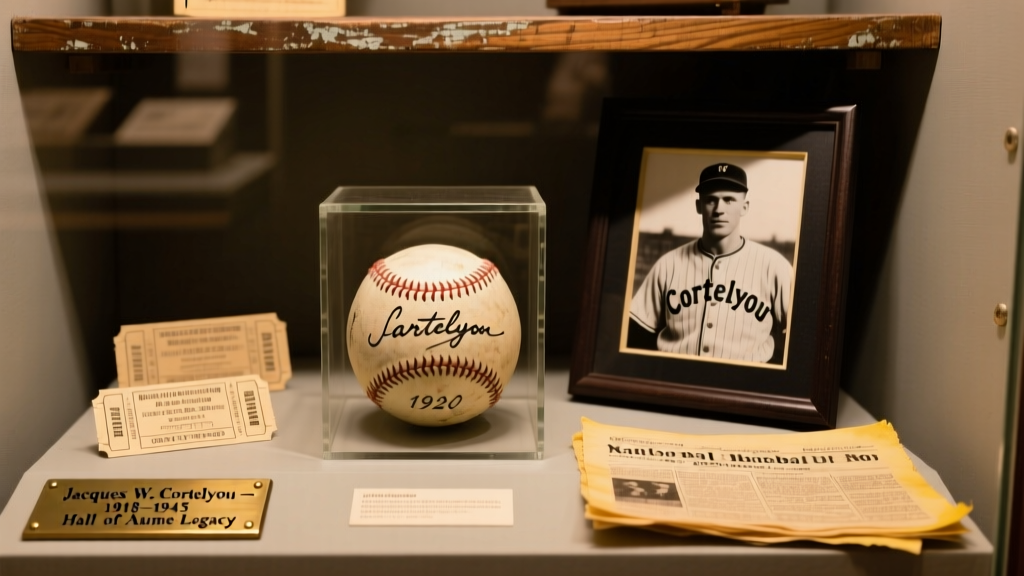
Jacques W. Cortelyou: The Forgotten Architect of Early Baseball Uniforms and Equipment Innovation
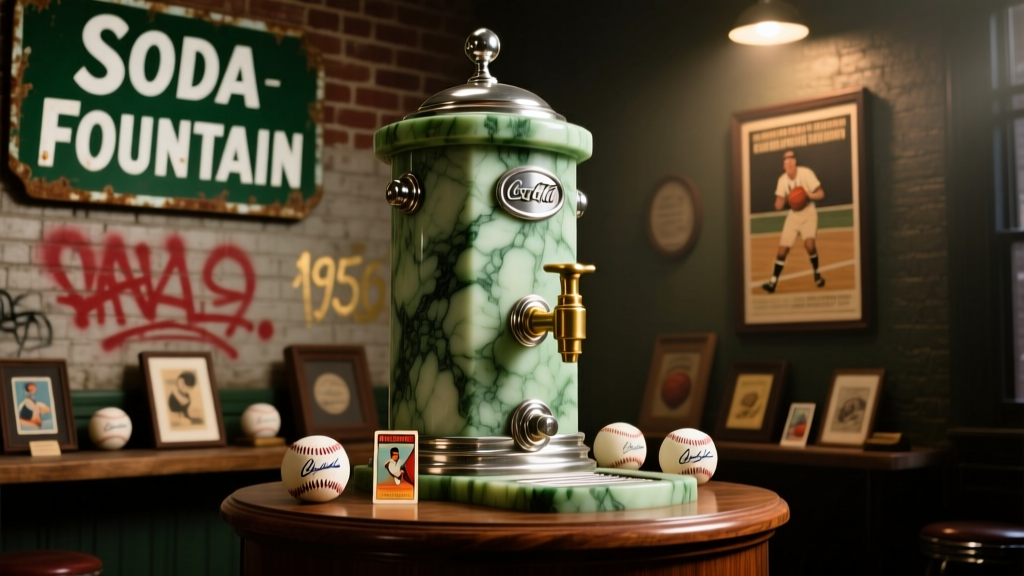
Advertising Dispenser Soda Fountain: The Green Marble-Cased Icon of Early 20th-Century American Commerce
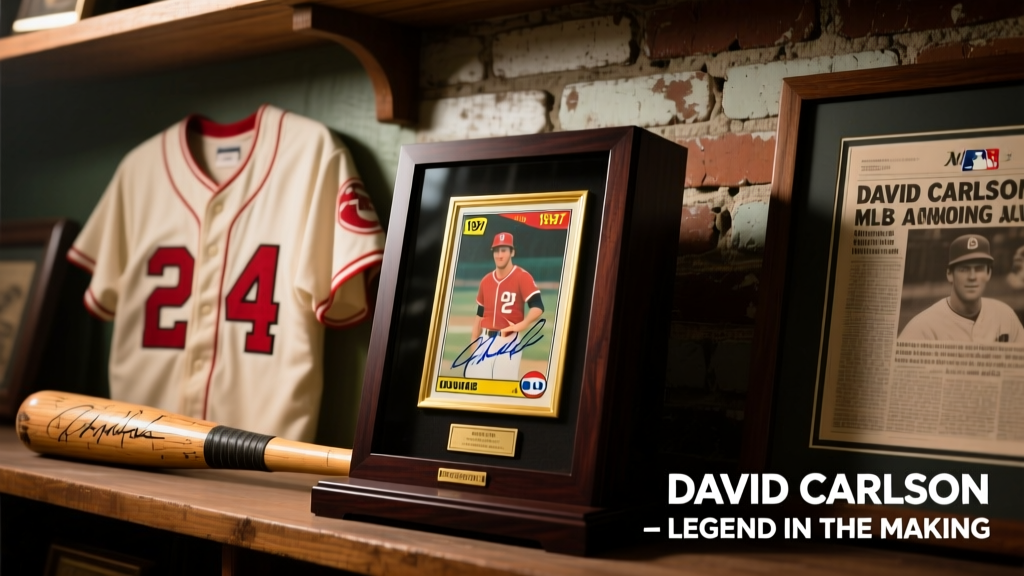
David Carlson: The Unseen Architect of Modern Sports Memorabilia Authentication

Red Owl Collective: Authenticating Modern Sports Memorabilia Through Rigorous Provenance and Third-Party Verification

Is This Real Limoges? A Collector’s Field Guide to Authenticating French Porcelain
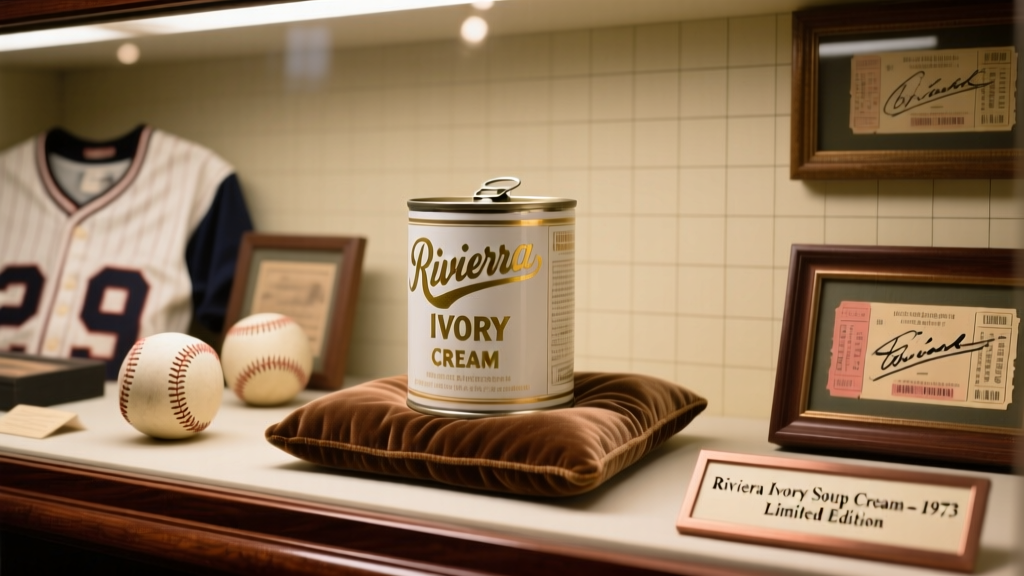
Riviera Ivory Soup Cream: Authentication, History, and Collectibility of a Rare Mid-Century Tableware Icon

Advertising Glass Star Wars Burger King 1980: The Four-Piece Set That Defined Pop Culture Cross-Promotion