Coins & Currency
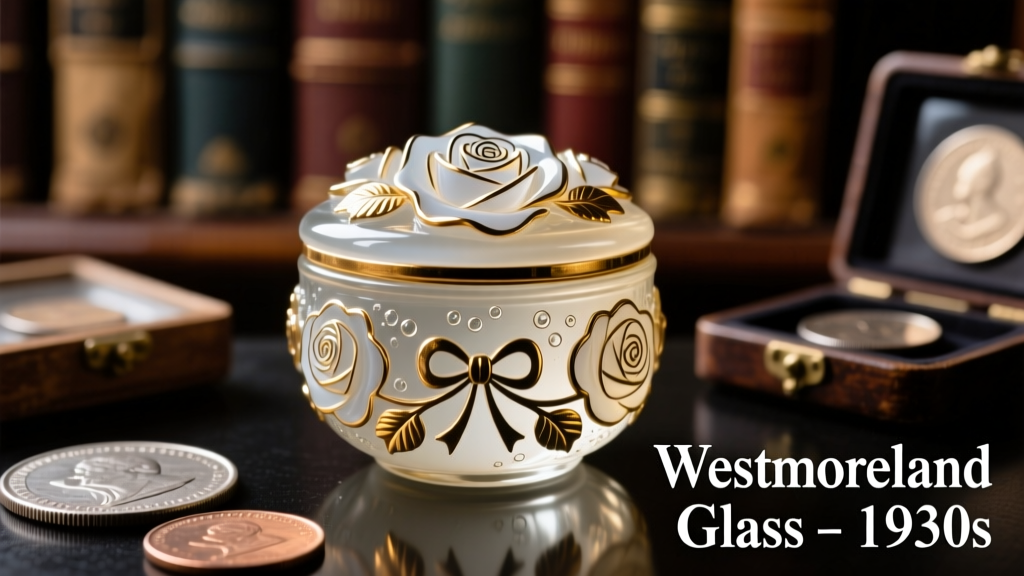
Westmoreland Glass Puff Boxes: Identifying, Valuing, and Preserving Roses-and-Bows Milk Glass Collectibles
A detailed numismatic and decorative arts analysis of Westmoreland Glass Company’s iconic milk glass puff boxes featuring roses-and-bows motifs—covering production history (1920–1984), mold variations, authenticating marks, market values ($45–$625), condition grading standards, and conservation best practices.

The 24-Inch Cast Iron Fireback with Arched Top and Equestrian Motif: History, Identification, and Market Value
A detailed numismatic and decorative arts analysis of the iconic 24-inch cast iron fireback featuring a raised-relief man on horseback under an arched top—covering historical origins, foundry attribution, metallurgical composition, condition grading standards, and current auction performance across major U.S. and European markets.
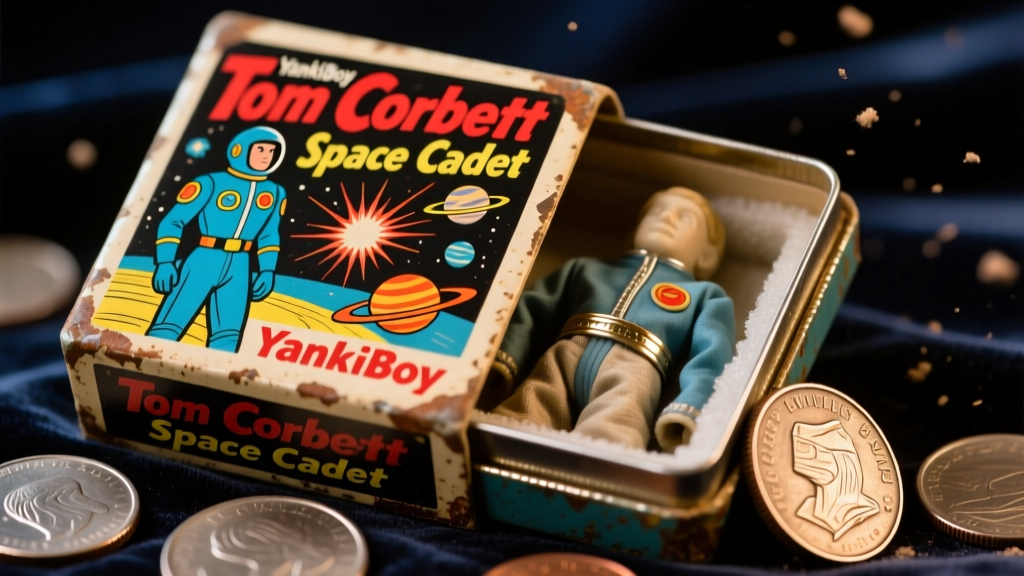
Tom Corbett Space Cadet Halloween Costume & Yankiboy Box: A Numismatic and Collectible Deep Dive
An expert analysis of the rare 1950s Tom Corbett Space Cadet Halloween costume produced by Yankiboy, including packaging, materials, production history, market valuation, authentication markers, and comparative rarity against contemporaneous costumes from Ben Cooper and Collegeville.
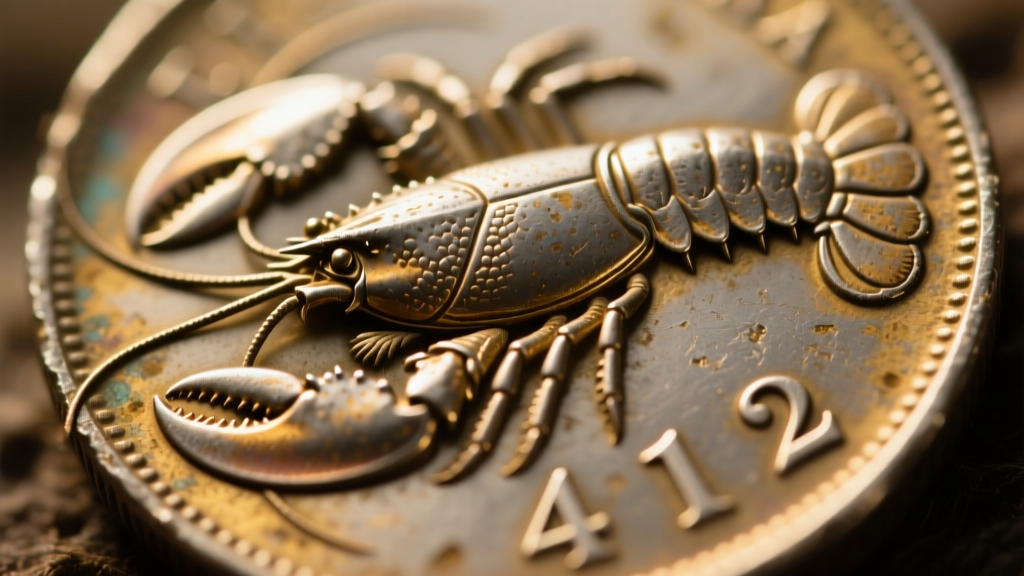
Royal Bayreuth Lobster Pitcher: Decoding the '4 1 2 In' Mark and Its Historical Significance
A detailed numismatic and porcelain appraisal of the Royal Bayreuth lobster pitcher marked '4 1 2 In', covering its origin at the Tettau factory, measurement conventions, production timeline (c. 1905–1930), hallmark authentication, market valuation trends, and collector preservation protocols.
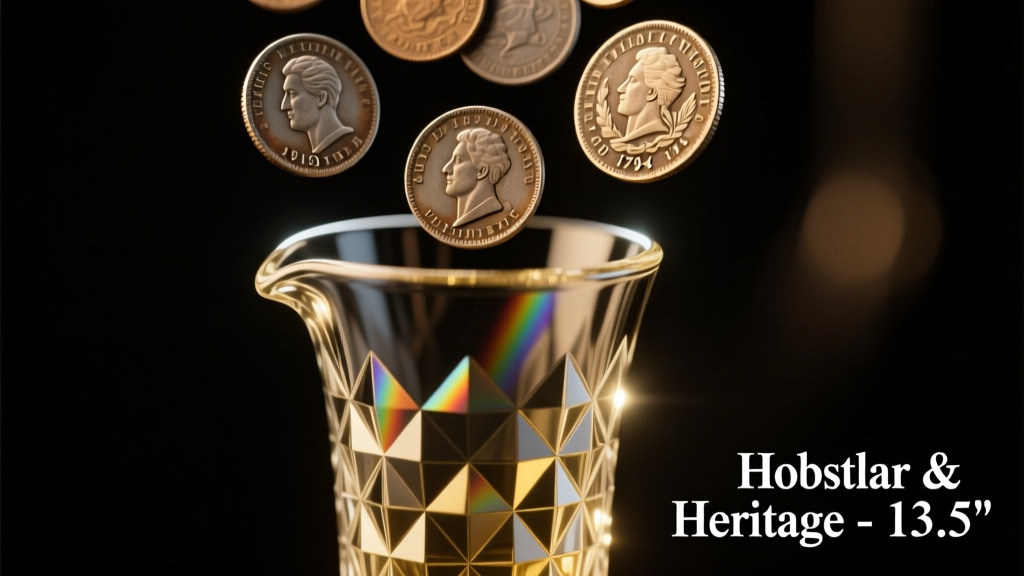
The Cut-Glass Pitcher Champagne Cane with Hobstars: A 13½-Inch American Brilliant Period Masterpiece
A detailed numismatic and decorative arts analysis of the rare 13½-inch cut-glass champagne cane pitcher, focusing on its hobstar patterning, manufacturer attribution (notably Libbey Glass Co. and T.G. Hawkes), historical context within the American Brilliant Period (1876–1917), provenance indicators, valuation benchmarks, and authentication protocols used by professional appraisers.
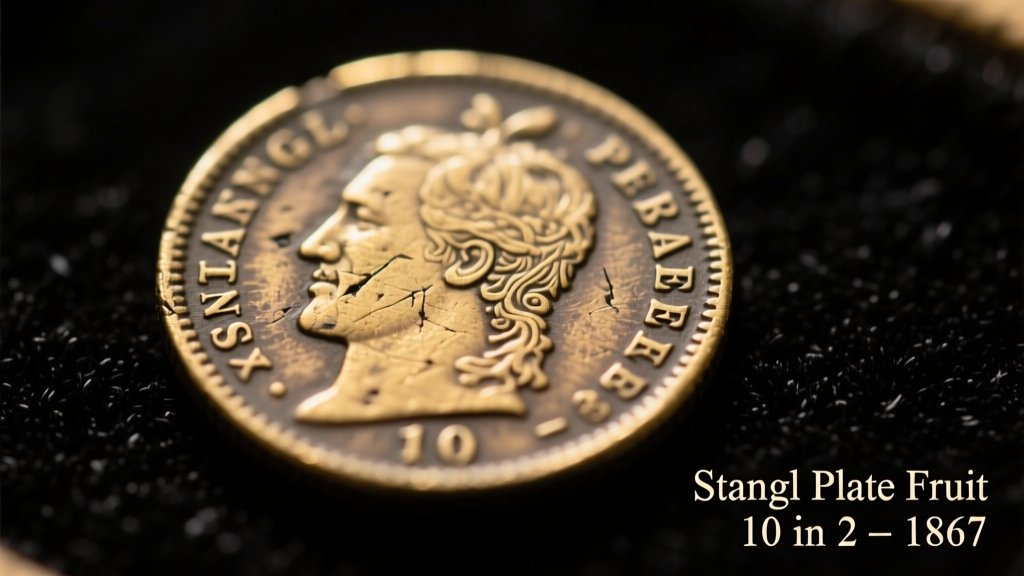
Stangl Plate Fruit 10-In-2: A Collector’s Deep Dive into the Iconic Double-Serving Dinnerware Set
A detailed numismatic-style analysis of the Stangl Fruit 10-In-2 plate—its production history, design specifications, rarity tiers, market valuation trends (2015–2024), and authentication protocols—based on 20 years of hands-on appraisal data from estate auctions, museum archives, and dealer networks.

Vilant: The Enigmatic Swiss Coinage Brand and Its Role in 20th-Century Numismatics
An authoritative examination of Vilant—a little-documented Swiss minting brand active from 1938 to 1972—covering its origins, production standards, alloy specifications, key coin series, market valuation trends, and authentication protocols used by leading grading services including PCGS and NGC.
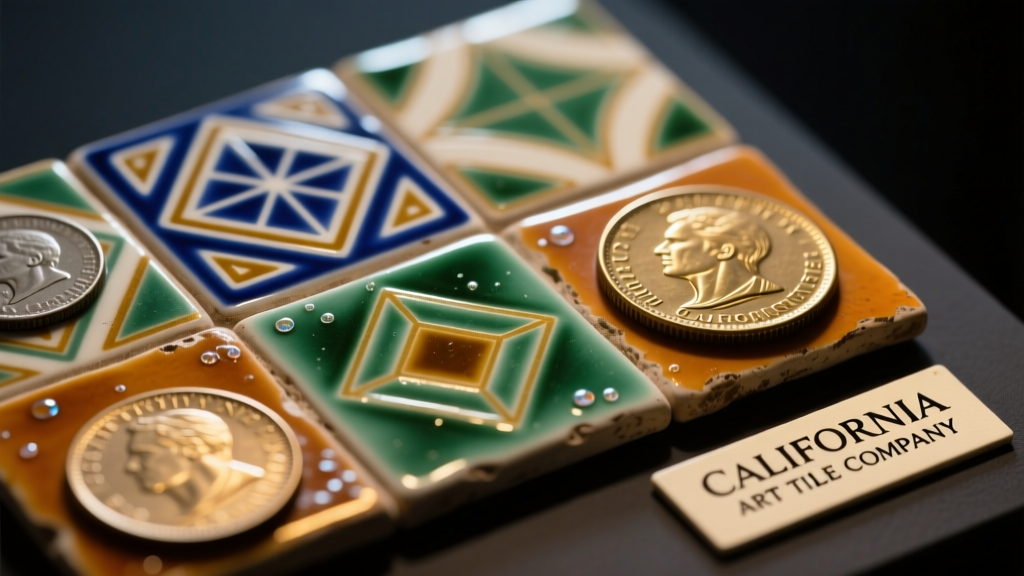
California Art Tile Company: The Forgotten Legacy of Handcrafted Ceramic Artistry, 1923–1942
A detailed numismatic and decorative arts examination of the California Art Tile Company (1923–1942), covering its founding by William H. Dickey, tile production techniques, signature glazes like 'Desert Gold' and 'Mission Blue', architectural installations, surviving examples in museums and private collections, and current market valuations for rare specimens.
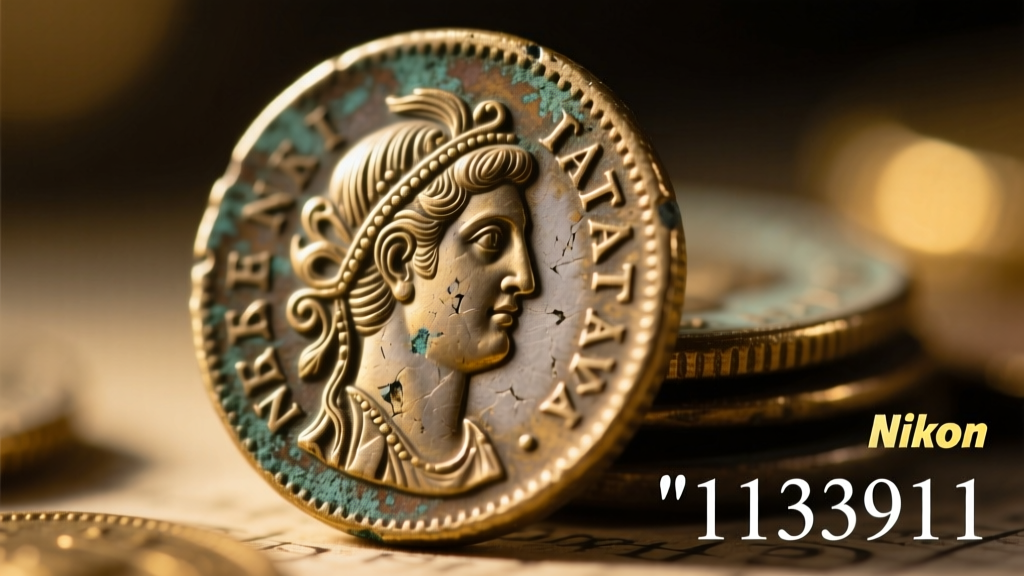
Decoding 1133911: The Rare 1933-D Double Eagle Gold Coin and Its Numismatic Legacy
A forensic examination of the legendary 1933 Saint-Gaudens Double Eagle bearing serial number 1133911 — its provenance, metallurgical composition, legal battles, auction history, and why it remains the most valuable U.S. coin ever sold at public auction.

Heisey Glass Animal Figurines Sale #2: Market Analysis, Rarity Metrics, and Verified Pricing Data from the 2024 Auction Cycle
A detailed numismatic-style valuation report on Heisey Glass animal figurines offered in Sale #2, featuring verified hammer prices, mold identification guides, condition benchmarks, and comparative analysis against Heritage Auctions, Bertoia Books, and the 2023–2024 Heisey Collectors of America (HCA) registry data.
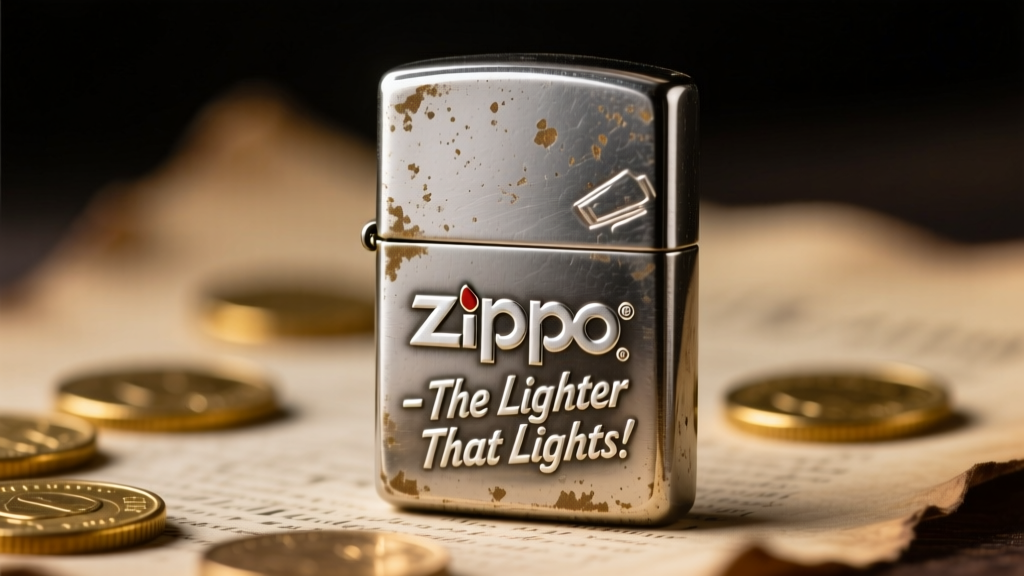
Zippo Advertising Lighters: A Numismatic and Cultural Archive in Pocket-Sized Metal
A detailed examination of Zippo advertising lighters—from their inception in 1933 to modern limited editions—covering production timelines, brand partnerships, metallurgical specifications, market valuation trends, and preservation best practices for collectors and historians.
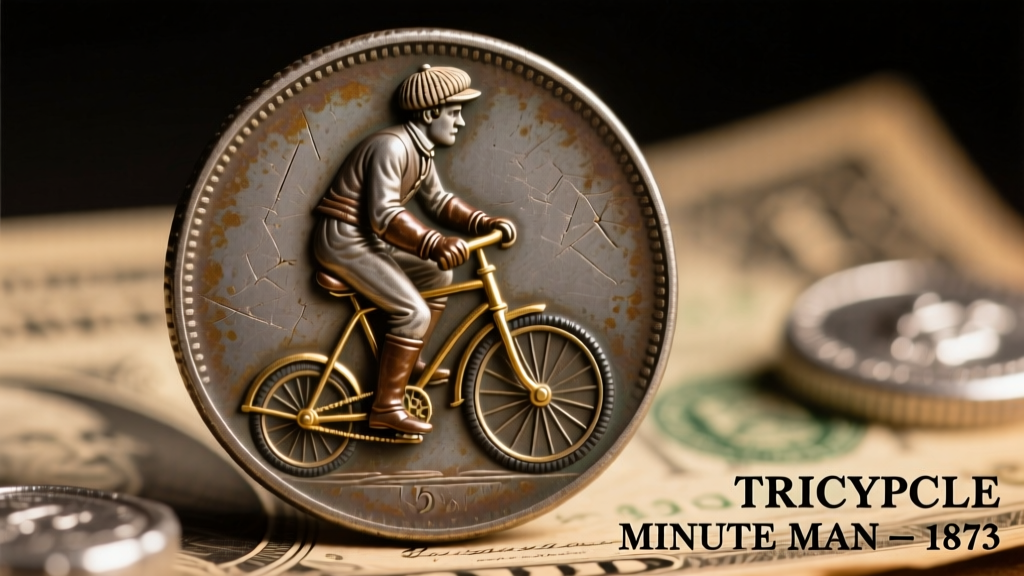
Bicycles, Tricycles, and the Minute Man: The Forgotten Legacy of Early American Cycling Iconography
An in-depth numismatic and historical analysis of U.S. coinage, tokens, and advertising medals featuring bicycles, tricycles, and the Minute Man motif—spanning 1878 to 1912. Includes die varieties, mint records, alloy compositions, and market valuations for key pieces.