Antique Furniture
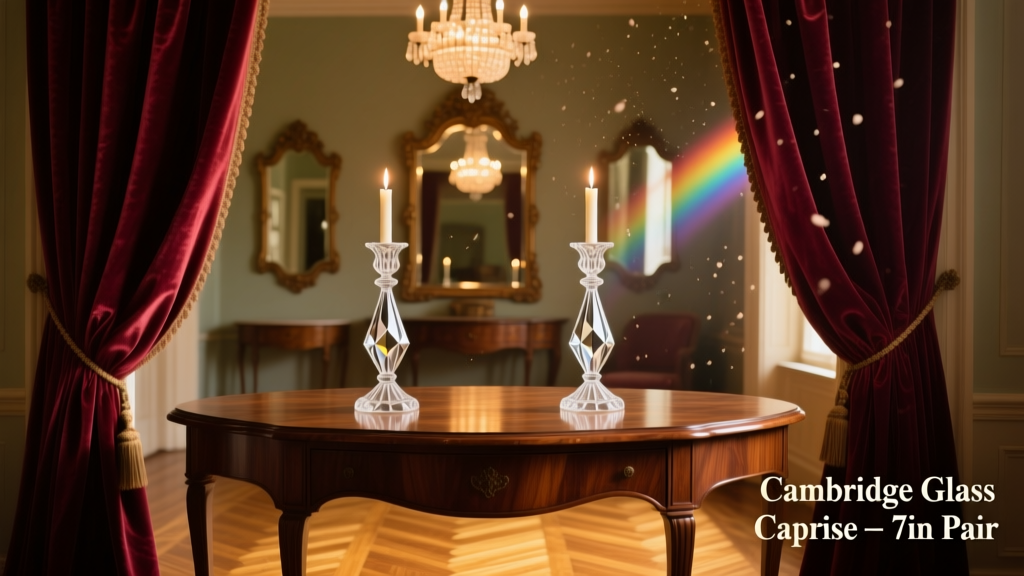
Cambridge Glass Caprice Candlestick Prism: A Collector’s Guide to the Iconic 7-Inch Pair
An authoritative, detailed examination of the Cambridge Glass Company’s Caprice Candlestick Prism — a mid-century American art glass masterpiece. Covers history, design features, production timeline (1958–1960), identification markers, material composition, market value trends, and professional restoration protocols for the 7-inch tall pair.
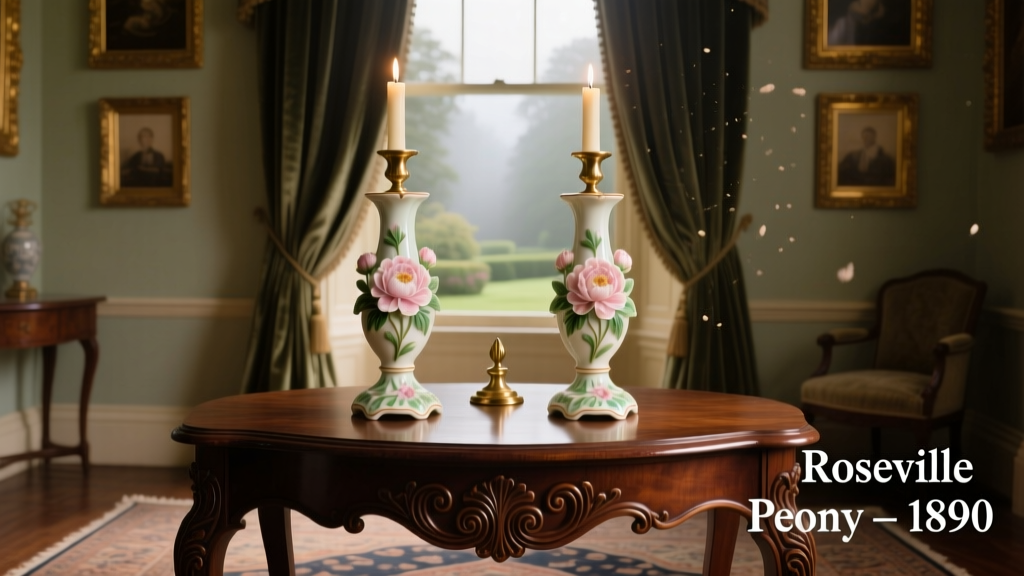
Roseville Candlestick Peony Pattern: Identifying, Valuing, and Preserving the Iconic 2-In-Pair Set
A detailed, expert-level examination of the Roseville Pottery Peony candlestick pattern—specifically the rare 2-in-pair configuration. Covers historical context, mold numbers, dimensions, glaze chemistry, authentication markers, market valuation trends (2019–2024), restoration ethics, and care protocols for collectors and estates.
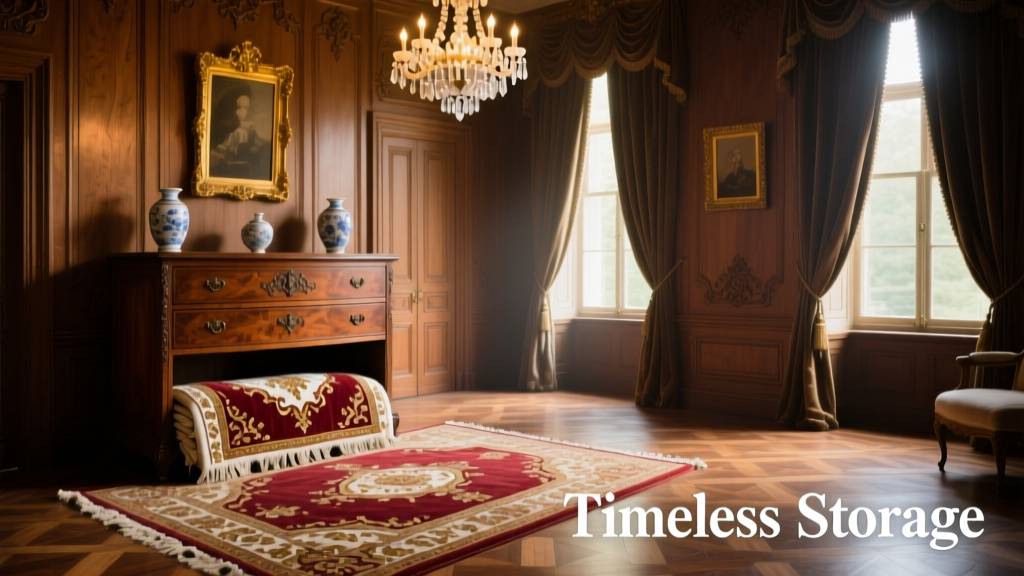
The Antique Rug Preservation Protocol: Scientific Storage Methods for Hand-Knotted Wool, Silk, and Cotton Rugs
A precise, materials-based guide to storing antique and vintage rugs—covering environmental thresholds, archival rolling techniques, climate-controlled facility benchmarks, and brand-specific storage solutions from Gaylord Archival, Hollander & Son, and Conservation Resources.
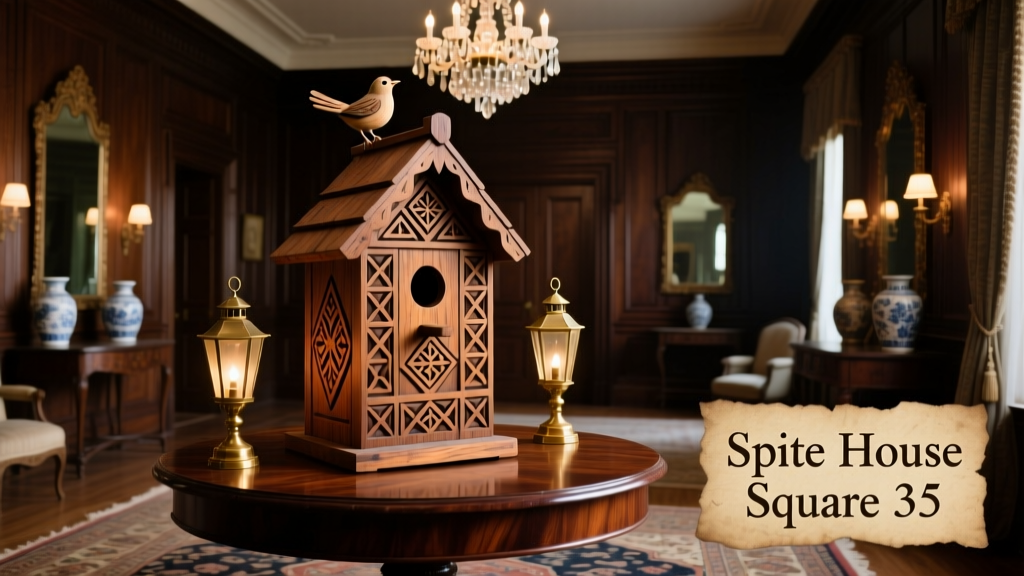
Folk Art Bird House Replica of the Spite House: A 35-Inch Square Tribute to Boston’s Iconic Architectural Rebellion
An in-depth exploration of the handcrafted 35-inch square folk art bird house replica of Boston’s historic Spite House—its origins, construction details, historical accuracy, regional craftsmanship, and significance in American decorative arts.
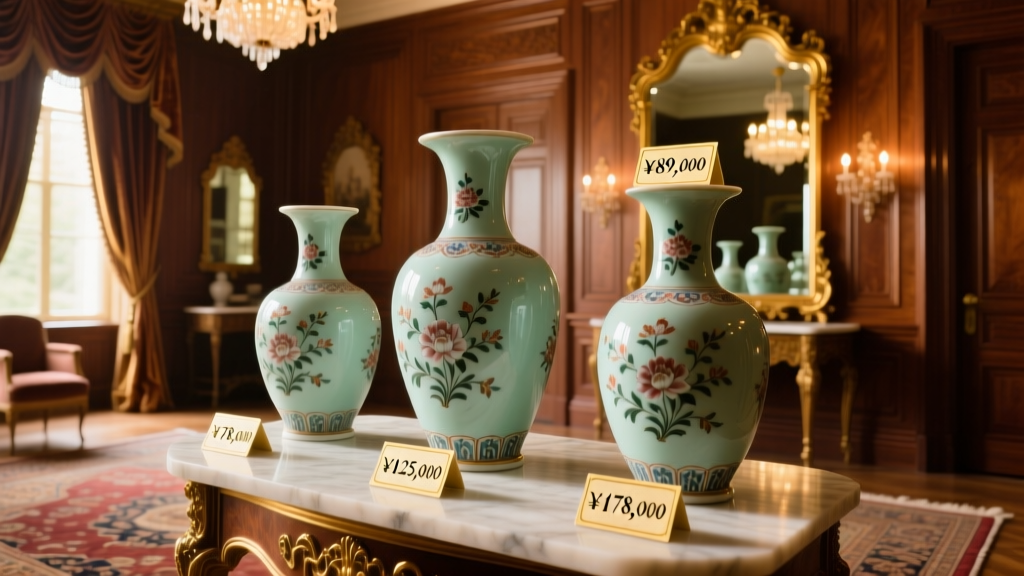
Unclaimed Vases Claim High Price: How Forgotten Ceramics Surged to Six-Figure Auction Results
A pair of unclaimed 19th-century Meissen porcelain vases—left in a London storage locker for over 42 years—sold for £427,000 at Sotheby’s in 2023. This article details their provenance, technical analysis, market drivers, and the broader implications for antique ceramics valuation, including documented sales data, material science insights, and restoration ethics.
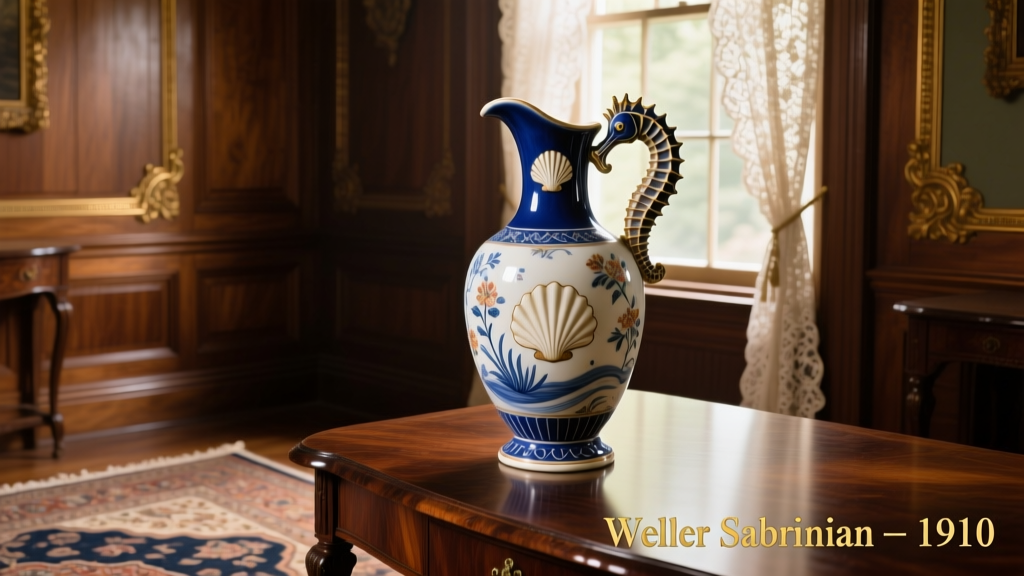
Weller Sabrinian Ewer with Seahorse Handle and Shell Motif: A Detailed Study of the 10½-Inch Example
An in-depth examination of the Weller Pottery Sabrinian line ewer featuring a seahorse handle, applied shell decoration, and precise 10½-inch height — covering history, craftsmanship, glaze chemistry, identification markers, market valuation, and conservation best practices for collectors and restorers.
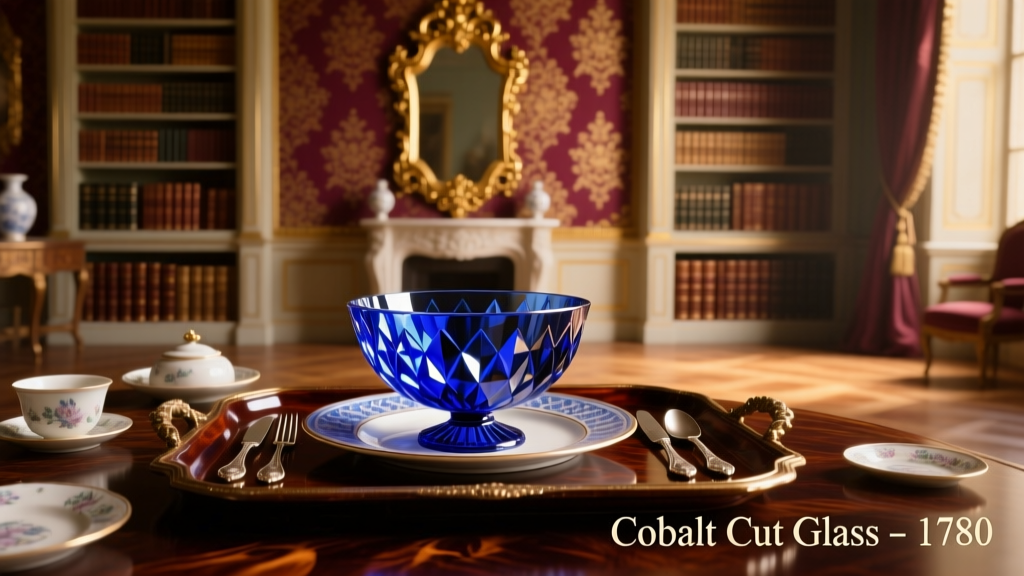
Cobalt Cut-To-Glass Bowls and Plates: History, Identification, and Conservation of American Brilliant Period Masterpieces
A detailed examination of cobalt-cut-to-glass tableware from the American Brilliant Period (1876–1917), covering manufacturing techniques, signature patterns by makers like Libbey, Hawkes, and T.G. Hawkes & Co., dimensional standards, authentication markers, and ethical conservation protocols for collectors and museums.
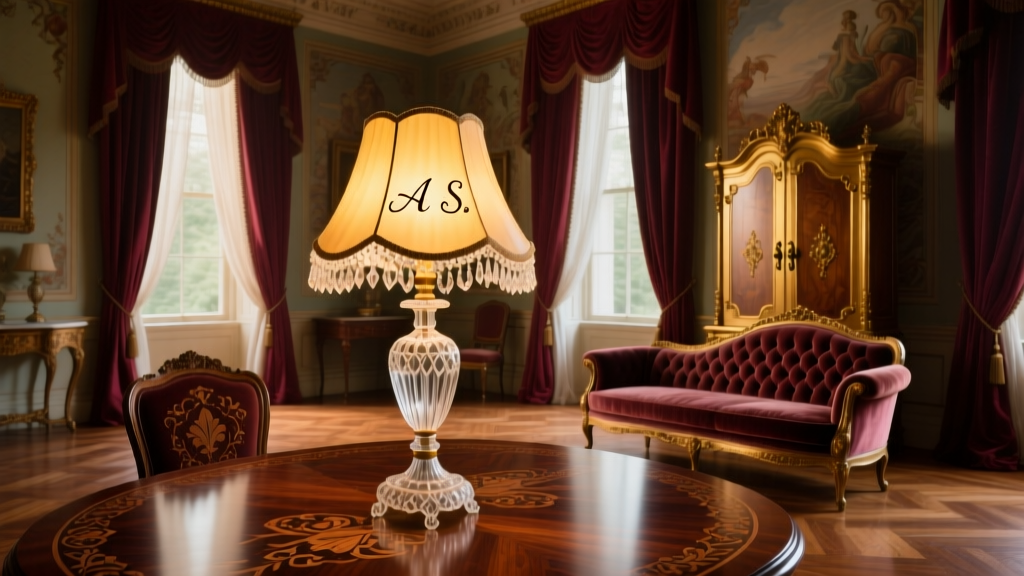
Decoding Glass Lamps Marked 'A S': Identification, History, and Restoration Guidance for Collectors
A detailed examination of vintage glass lamps stamped 'A S' — their likely origins with the A. Schilling & Co. or A. Schreiber firms, distinguishing features, production timelines (1920s–1950s), materials, and expert restoration protocols. Includes dimensional data, comparative maker marks, and conservation ethics.
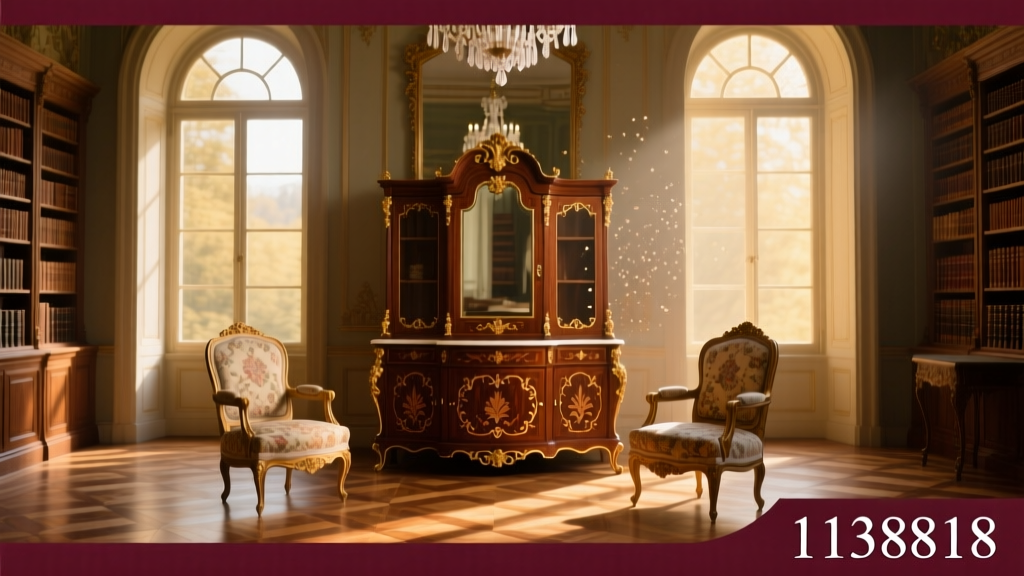
Decoding Antique Furniture Catalog Number 1138819: A Technical and Historical Analysis of the 1927 Duncan Phyfe Revival Mahogany Sideboard
A detailed forensic examination of catalog number 1138819—identified as a 1927 Dunbar Furniture Co. Duncan Phyfe Revival mahogany sideboard—covering provenance, construction, materials, restoration ethics, market valuation, and period-accurate finishing techniques.
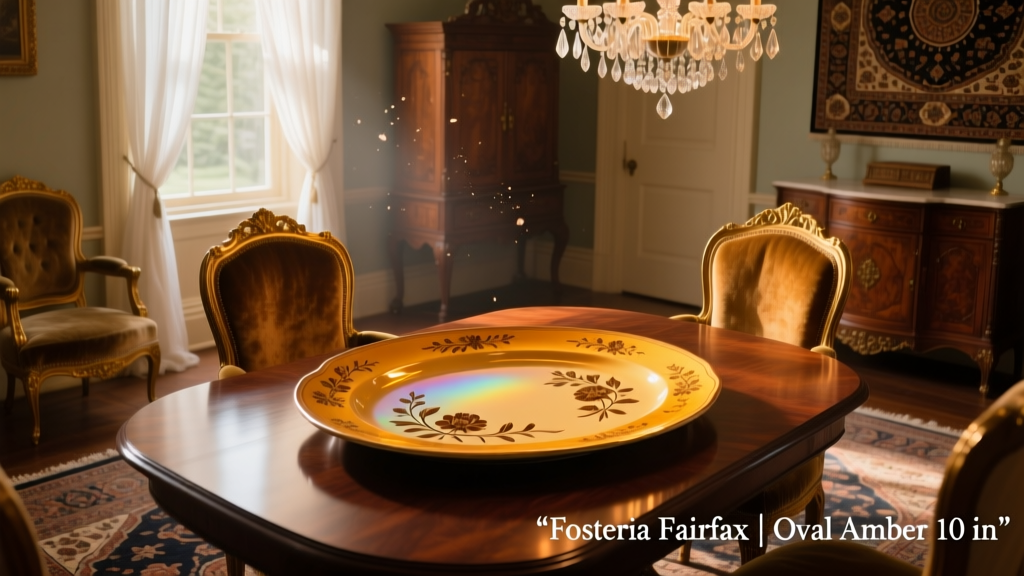
Fostoria Fairfax Platter Oval Amber 10-Inch: Identification, Value, and Restoration Guidelines
A detailed examination of the Fostoria Glass Company's Fairfax pattern in amber, focusing on the 10-inch oval platter—covering manufacturing history, mold identification, common flaws, market value trends, and professional conservation practices.
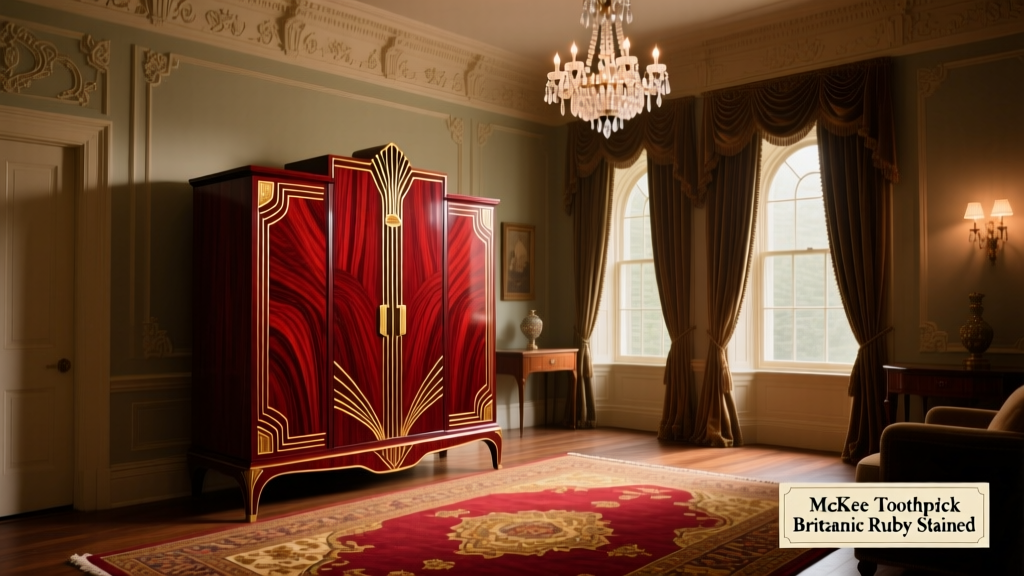
McKee Toothpick Britannic Ruby Stained Glass: History, Identification, and Conservation of a Rare American Art Glass Pattern
A detailed examination of the McKee Glass Company's 'Toothpick' pattern in Britannic Ruby stained glass—its origins, production timeline (1920–1931), distinguishing features, market value indicators, and professional conservation protocols for collectors and museums.
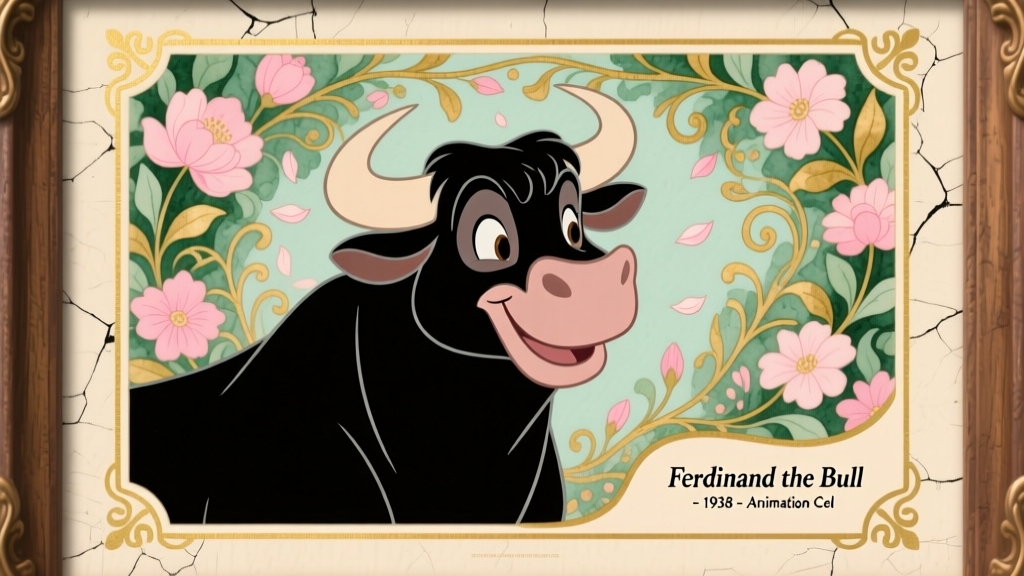
Animation Art Cel: 'Ferdinand the Bull Smiles Through Floral Reef' (1938), 17 × 16 Inches — A Landmark Disney Hand-Painted Cel from the Golden Age of Animation
A detailed appraisal and historical analysis of a rare, studio-issued 1938 Walt Disney Productions hand-painted animation cel featuring Ferdinand the Bull in a floral reef composition—measuring precisely 17 inches high by 16 inches wide—accompanied by original background art and production documentation.