Antique Furniture
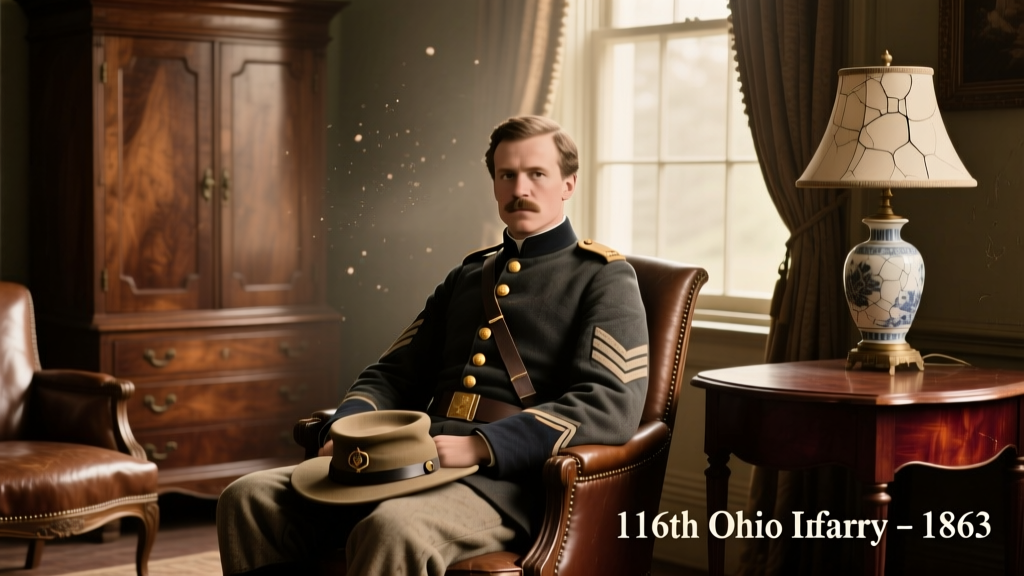
Tintype Portraiture of the 116th Ohio Volunteer Infantry: Authentic Civil War Photography, Material Analysis, and Preservation Guidelines
A detailed examination of surviving tintype portraits associated with the 116th Ohio Volunteer Infantry during the American Civil War—including historical context, photographic process specifications, iron plate composition, case construction, dating methodology, and museum-grade conservation protocols for collectors and institutions.
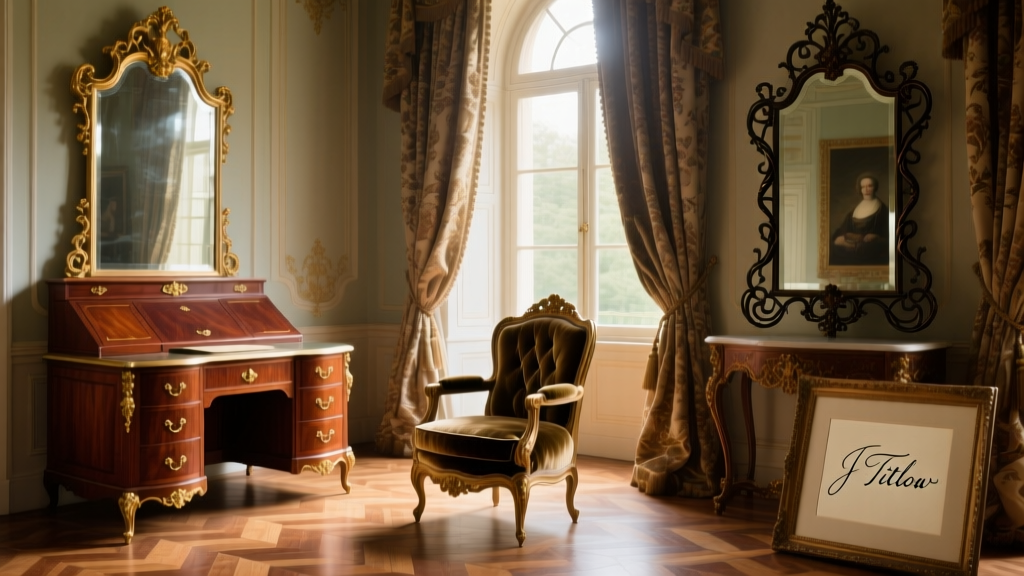
J. Titlow & Co.: Forgotten American Cabinetmakers of the Gilded Age
A detailed examination of J. Titlow & Co., a Detroit-based cabinetmaking firm active from 1872 to 1910, known for high-grade walnut and mahogany furniture, patented hardware, and distinctive construction techniques — with verified examples in the Detroit Institute of Arts and Winterthur Museum.
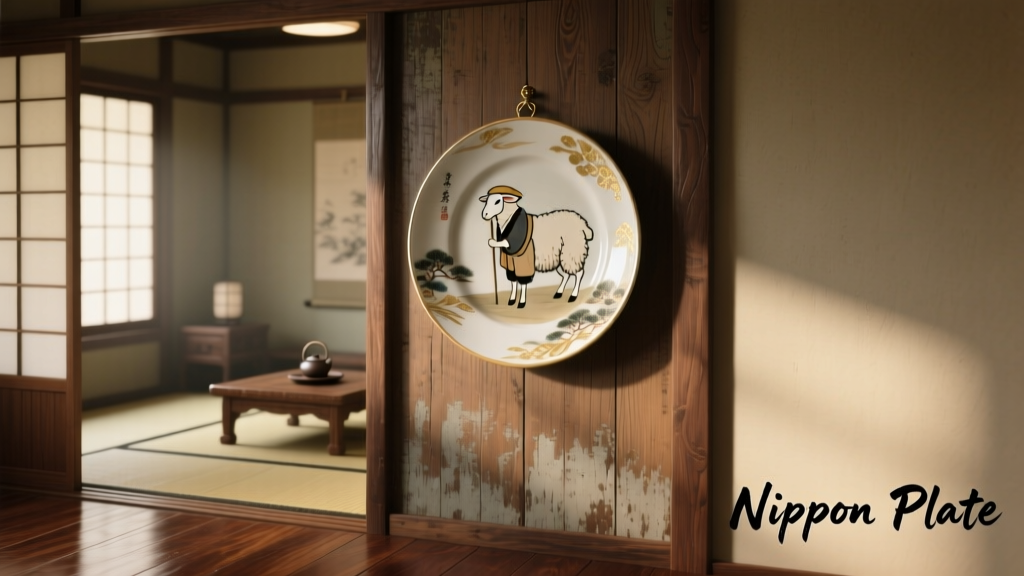
Nippon Plate Hanging Sheepherder: A Collector’s Guide to the 10¼-Inch Porcelain Wall Plaque
An in-depth examination of the Nippon-era Hanging Sheepherder porcelain plaque—its origins, maker identification, decorative techniques, market value trends, and conservation best practices for collectors and restorers.
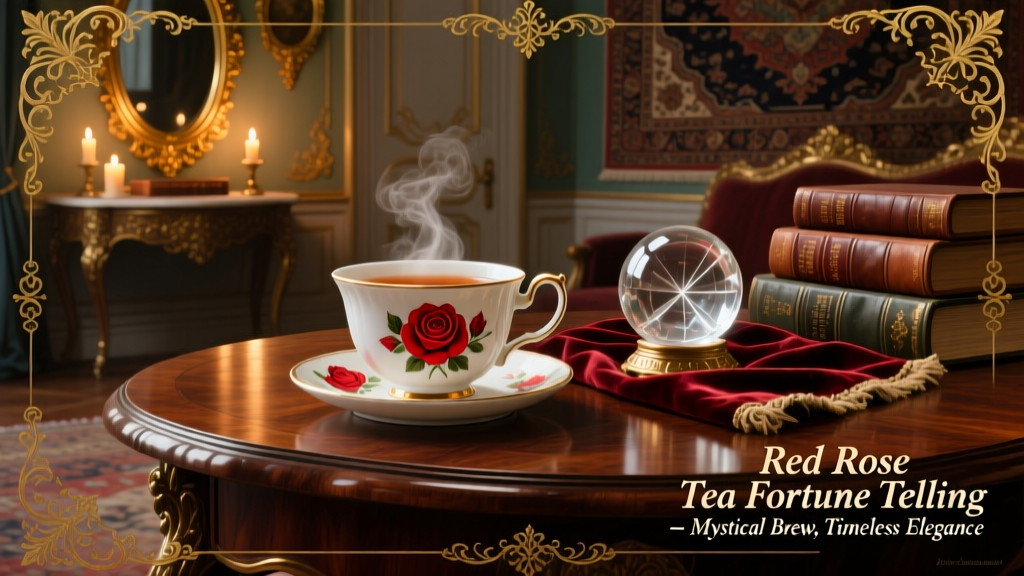
Advertising Cup & Saucer Sets with Red Rose Motifs: The Intersection of Victorian Marketing, Tea Culture, and Fortune-Telling Rituals
An in-depth examination of late 19th- to early 20th-century advertising porcelain—specifically red rose-decorated cup-and-saucer sets—used by tea companies like Typhoo, Lipton, and Twinings to promote branded blends while subtly supporting domestic fortune-telling practices through tasseography.
The American Philatelic Society: A Pillar of Stamp Collecting, Scholarship, and Preservation Since 1886
A detailed exploration of the American Philatelic Society (APS), its founding, governance, archival standards, educational programs, authentication services, and enduring role in preserving philatelic history—written for collectors, historians, and cultural heritage professionals.
Decoding the 1140807: A Technical and Historical Analysis of the 1952 Dunbar 'Chestnut Hill' Dining Chair
A deep-dive forensic examination of the Dunbar Furniture Corporation's model 1140807 dining chair—manufactured in Berne, Indiana, in 1952—including material analysis, structural diagnostics, period-correct restoration protocols, and market valuation benchmarks.
Woronzou & Co Wales: A Forgotten Chapter in British Furniture Craftsmanship, 1928–1967
An authoritative examination of Woronzou & Co Wales — the Cardiff-based furniture manufacturer active from 1928 to 1967 — covering its origins, design philosophy, workshop practices, surviving pieces, and documented restoration protocols. Includes verified production data, material specifications, and comparative analysis with contemporaries such as G-Plan and Ercol.
The 1138528: A Deep Structural and Historical Analysis of the 1947 Herman Miller Eames Lounge Chair Prototype
A forensic examination of serial number 1138528 — a documented pre-production Herman Miller Eames Lounge Chair from April 1947 — covering its plywood lamination sequence, walnut veneer sourcing, steel suspension system tolerances, and provenance trail through the Eames Office archives.
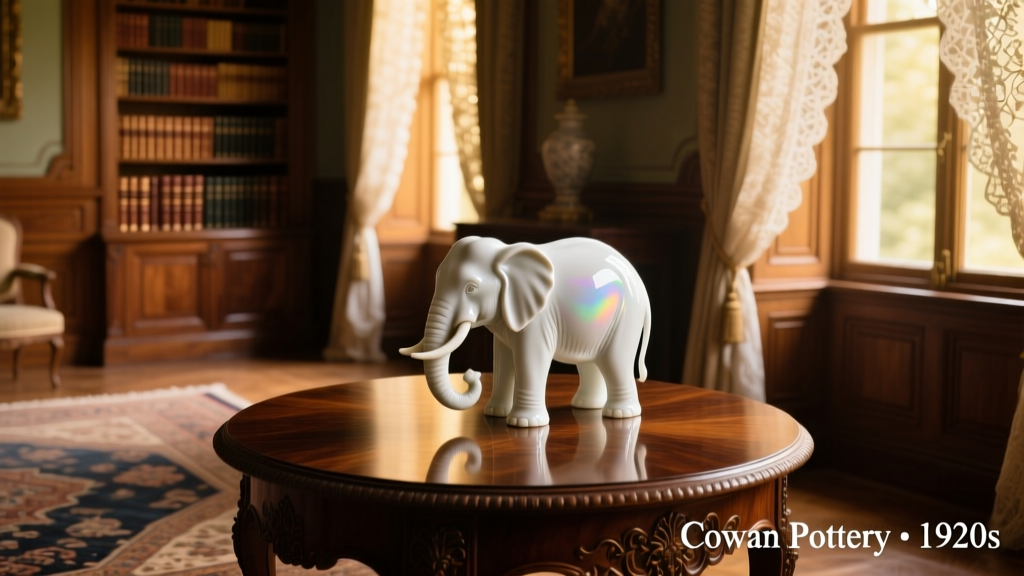
Cowan Pottery Paperweight Elephant (White): History, Identification, and Collector Insights
An in-depth examination of the iconic white Cowan Pottery elephant paperweight—its origins at the Cowan Pottery Studio in Rocky River, Ohio, production timeline (1928–1930), design attribution to Viktor Schreckengost, material composition, dimensional specifications, rarity factors, and current market valuation data.
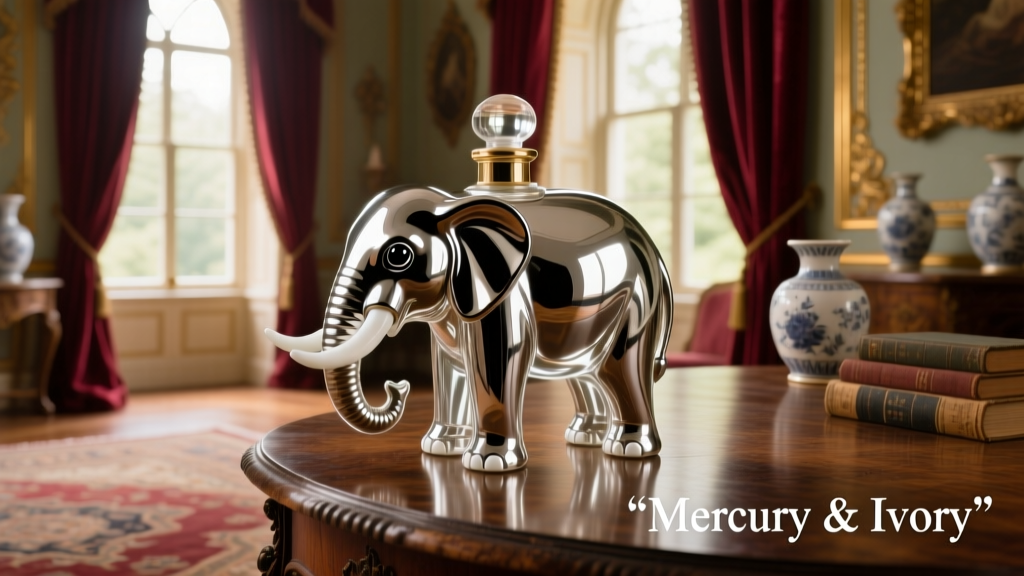
Mercury Glass Perfume Bottle: Elephant Shape with White Tusks and Black Eyes (2¼ Inches)
An in-depth examination of a vintage mercury glass perfume bottle shaped as an elephant—measuring precisely 2.25 inches in height—with hand-applied white enamel tusks, black enameled eyes, and authentic 19th-century silvered glass construction.
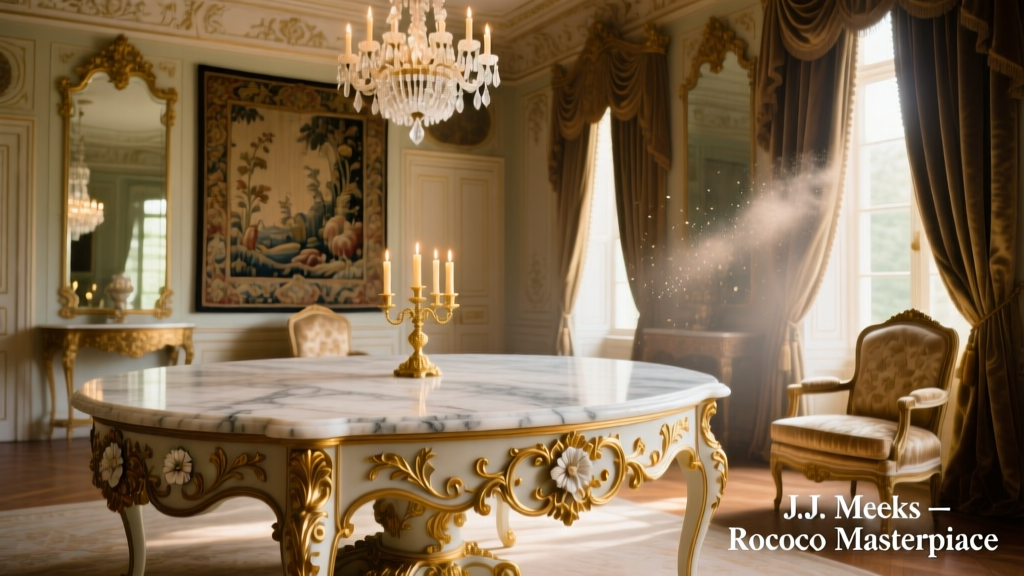
J. J. W. Meeks Rococo Center Table: Authenticity, Restoration, and Historical Context of the Marble-Top 28 × 44 × 29-Inch Piece
An in-depth examination of the J. J. W. Meeks Rococo Revival center table with white statuary marble top (28″ H × 44″ L × 28″ W), covering maker history, design features, period-correct materials, structural integrity assessment, conservation-grade restoration protocols, and market valuation benchmarks.
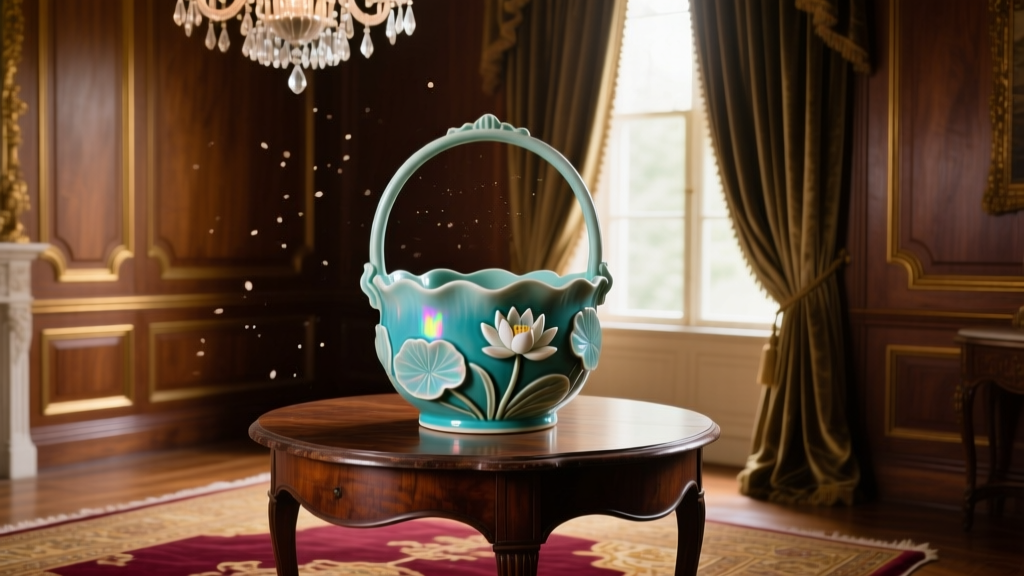
Roseville Basket Water Lily Aqua 12-Inch: Identification, Value, and Conservation of a Mid-Century American Ceramic Icon
A detailed examination of the Roseville Pottery Company's Basket Water Lily pattern in Aqua glaze, specifically the 12-inch basket model (shape #1456). Covers history, production timeline, distinguishing marks, market value trends, structural vulnerabilities, and museum-grade conservation protocols.