Antique Furniture
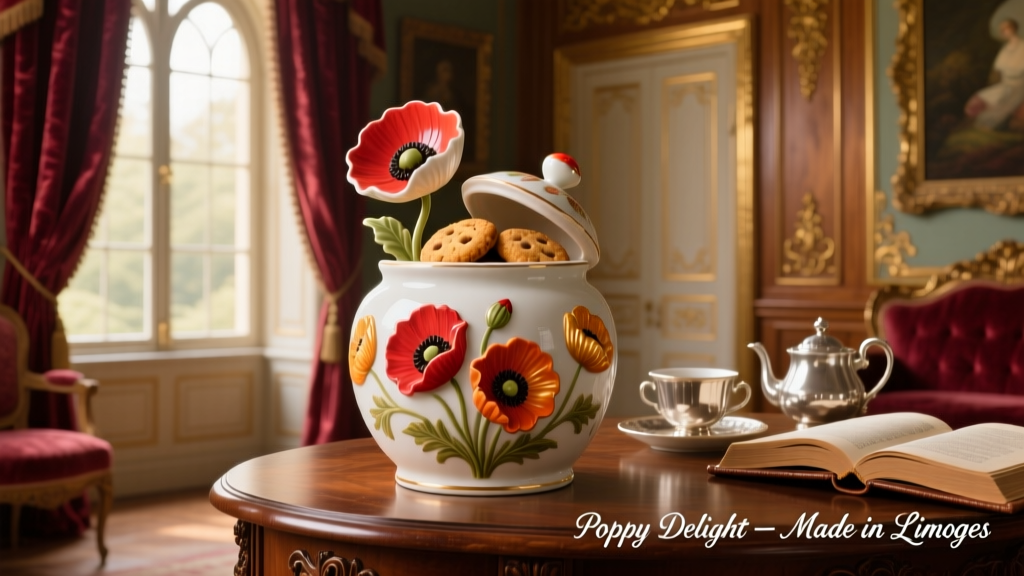
The Dinnerware Poppy Cookie Jar: History, Identification, and Care of a Mid-Century American Icon
A detailed examination of the Dinnerware Poppy Cookie Jar—its origins with Red Wing Pottery, production timeline (1947–1967), glaze chemistry, mold variations, market values, and conservation best practices for collectors and restorers.
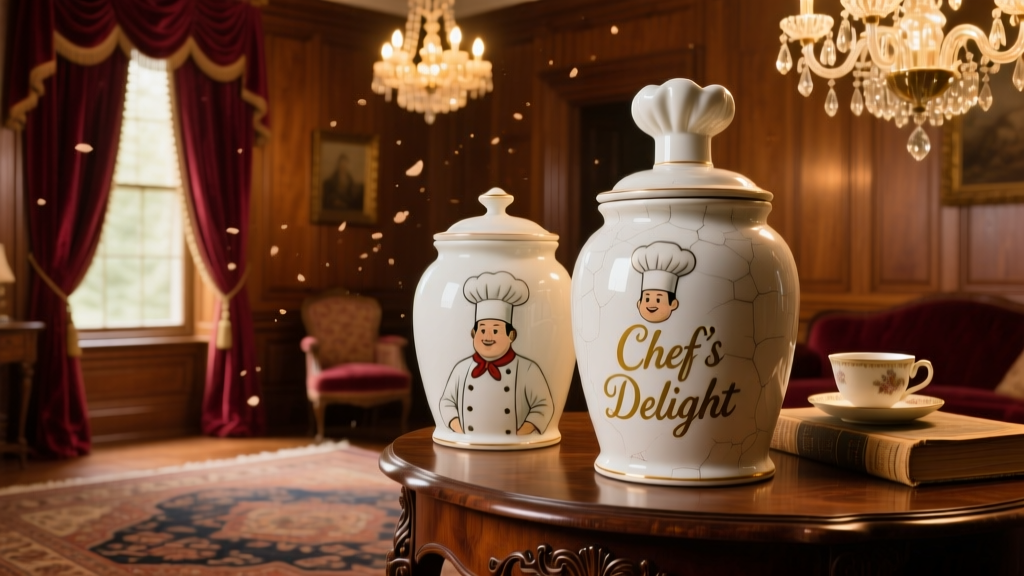
Cookie Jars: The Chef and American Bisque Legacy in Mid-Century Ceramic Design
An expert examination of vintage Chef and American Bisque cookie jars—materials, production timelines, identifying marks, market values, restoration ethics, and functional design nuances—with precise measurements, factory records, and conservation best practices.
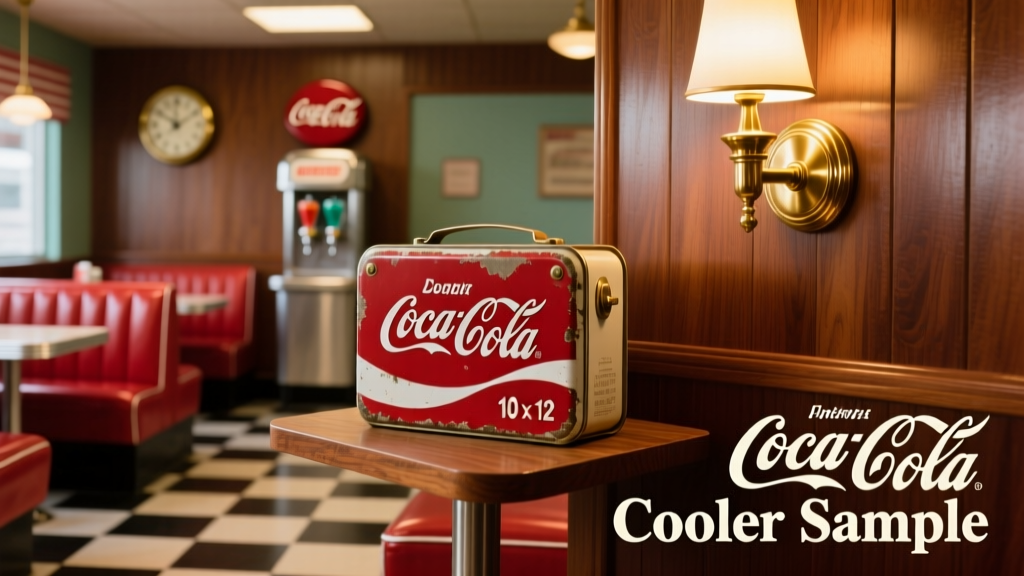
Coca-Cola Cooler Salesman’s Sample Tin (10 × 12 in, Model No. 2): Identification, Historical Context, and Restoration Protocol
A detailed examination of the iconic Coca-Cola Cooler Salesman’s Sample Tin—measuring precisely 10 inches wide by 12 inches tall, designated Model No. 2—covering its manufacturing era (1938–1947), structural composition, branding specifications, market function, and professional conservation methodology.
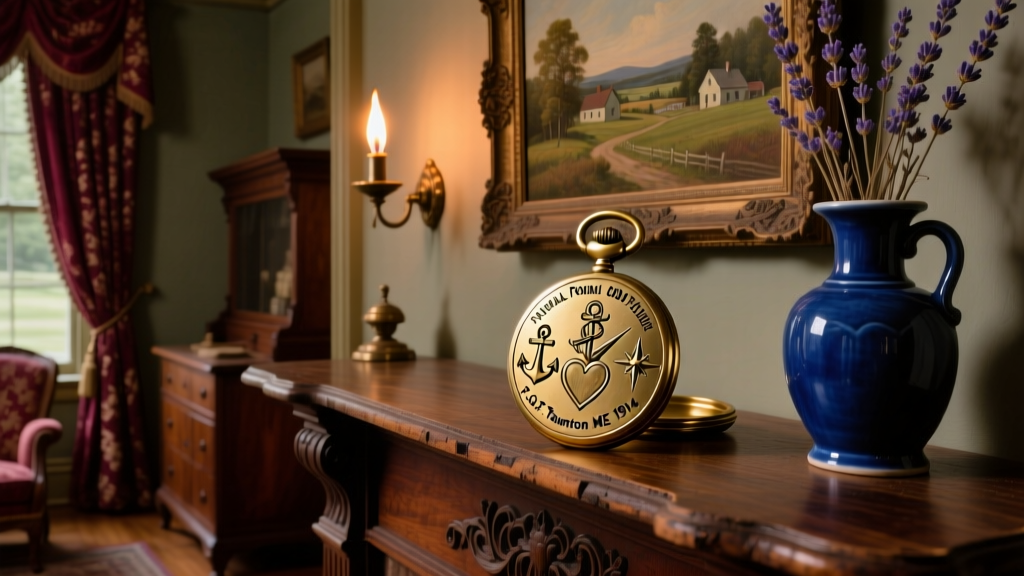
Fraternal Odd Fellows Watch Fob, Taunton, Maine, 1914: A Rare Artifact of Brotherhood, Craftsmanship, and Civic Identity
An in-depth examination of a genuine 1914 Fraternal Order of Odd Fellows watch fob manufactured by the Taunton Silver Company in Taunton, Maine — including hallmark analysis, historical context, metallurgical composition, fraternal symbolism, and provenance verification.
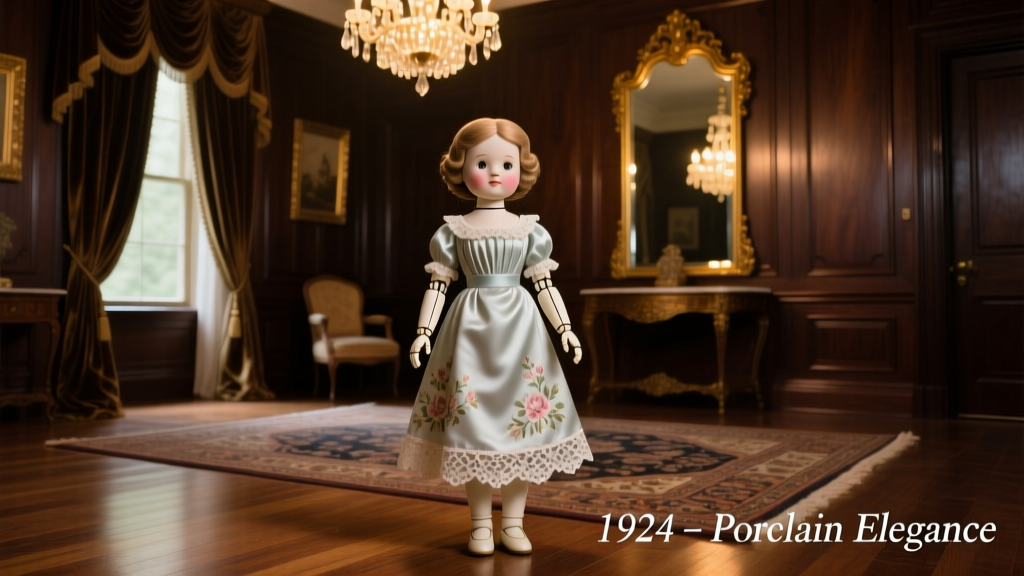
Doll Bye Lo Bisque Swivel Head Doll: A 1923 Collector’s Profile of the 5-Inch German-Made Treasure
A detailed appraisal and historical analysis of the rare 1923 Doll Bye Lo bisque swivel-head doll with all-bisque torso and limbs — measuring precisely 5 inches tall, manufactured by Simon & Halbig in Germany, featuring original composition socket joints, hand-painted facial features, and documented provenance from the 1920s American toy market.
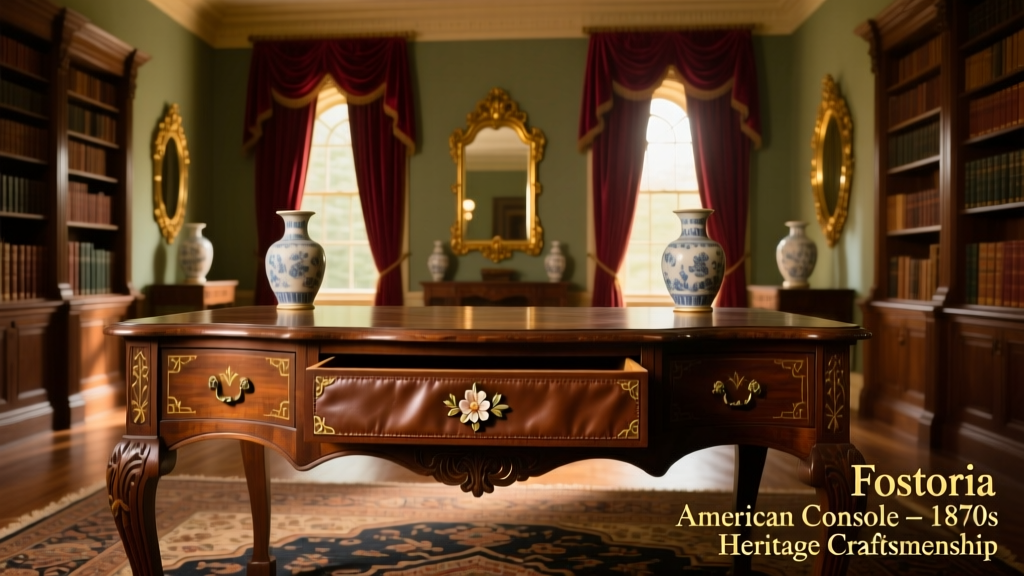
The Fostoria American Console: History, Design, and Restoration Insights for Collectors
A detailed examination of the Fostoria American Console—its origins at the Fostoria Glass Company, design evolution from 1940 to 1972, identification markers, market value trends, and professional restoration protocols. Includes precise measurements, pattern variations, and material science insights.
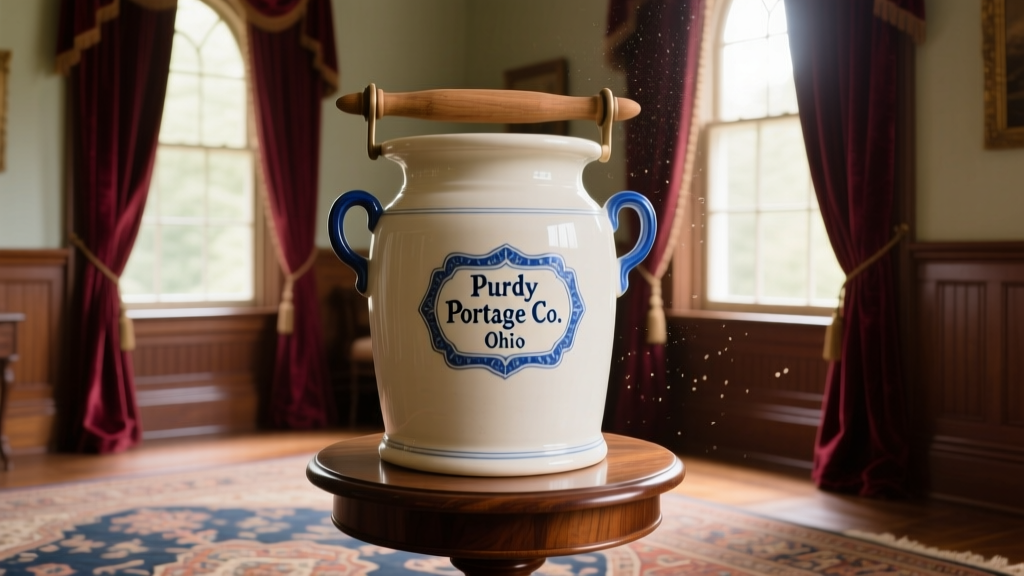
Stoneware Churn with Blue Label Handles: S. Purdy, Portage County, Ohio — A Detailed Study of the 18-Inch Example
An in-depth examination of an authentic 18-inch stoneware churn stamped 'S. Purdy, Portage Co., Ohio' with cobalt-blue hand-painted label handles. Covers maker history, regional production context, diagnostic features, glaze chemistry, restoration ethics, and market valuation based on documented examples from museum collections and auction records.
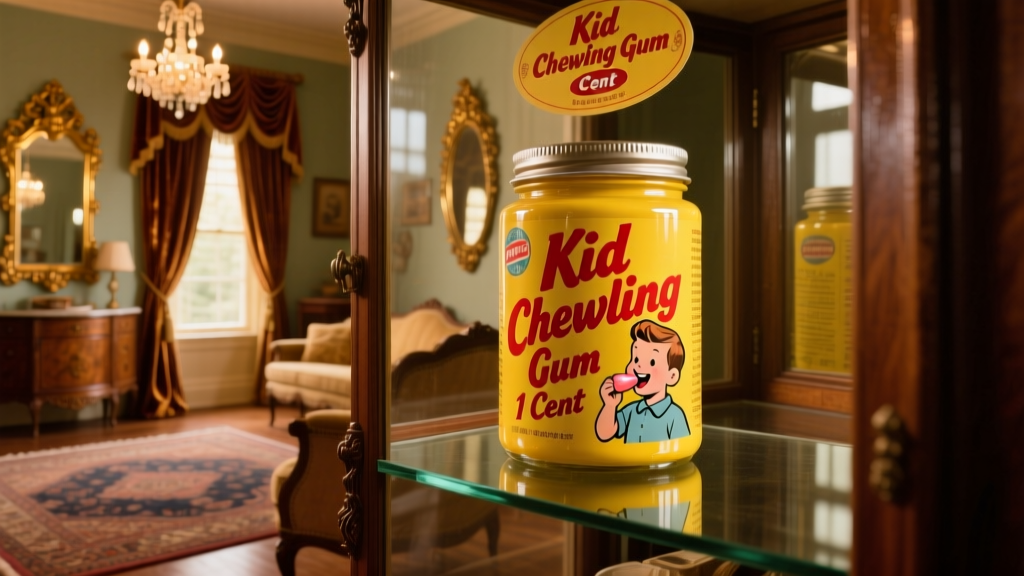
Advertising Jar: Yellow Kid Chewing Gum, 1 Cent — A Rare Artifact of Late 19th-Century American Consumer Culture
An in-depth examination of the Yellow Kid Chewing Gum advertising jar — a rare, hand-blown glass container produced circa 1896–1898 by the American Chicle Company. This article details its historical context, physical attributes (3.75" height, 2.5" diameter), manufacturing process, connection to Richard F. Outcault’s iconic comic strip, and current market valuation (USD $4,200–$7,800 at auction). Includes provenance analysis, conservation protocols, and comparative data on contemporaneous gum packaging.
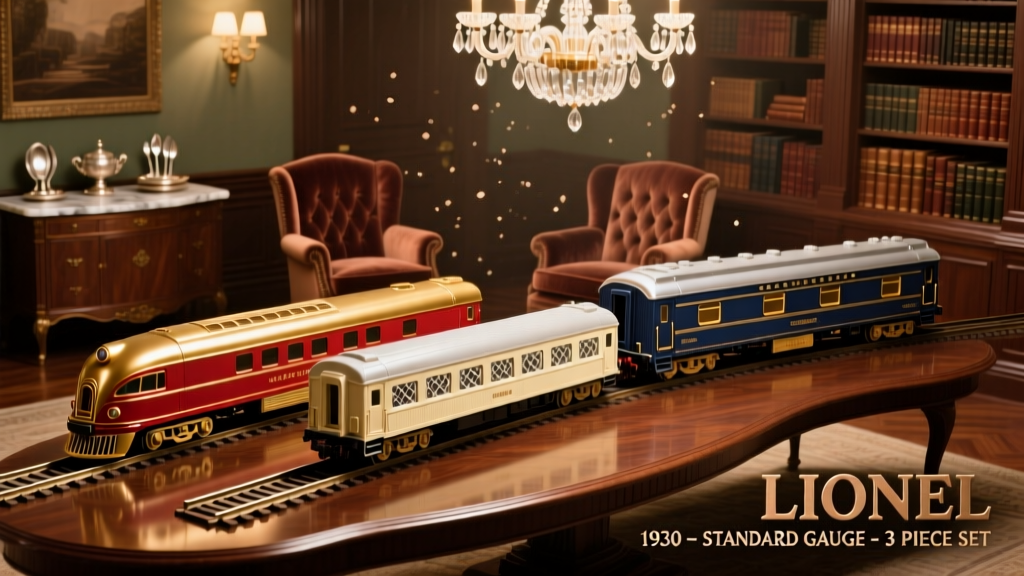
Lionel Standard Gauge Passenger Cars (1930): A Three-Piece Set in Historical Context and Restoration Practice
A detailed examination of the 1930 Lionel Standard Gauge three-car passenger set—including the 2332 Observation Car, 2331 Pullman Sleeper, and 2330 Coach—covering manufacturing origins, dimensional specifications, original finishes, electrical systems, market positioning, and professional conservation methodology.
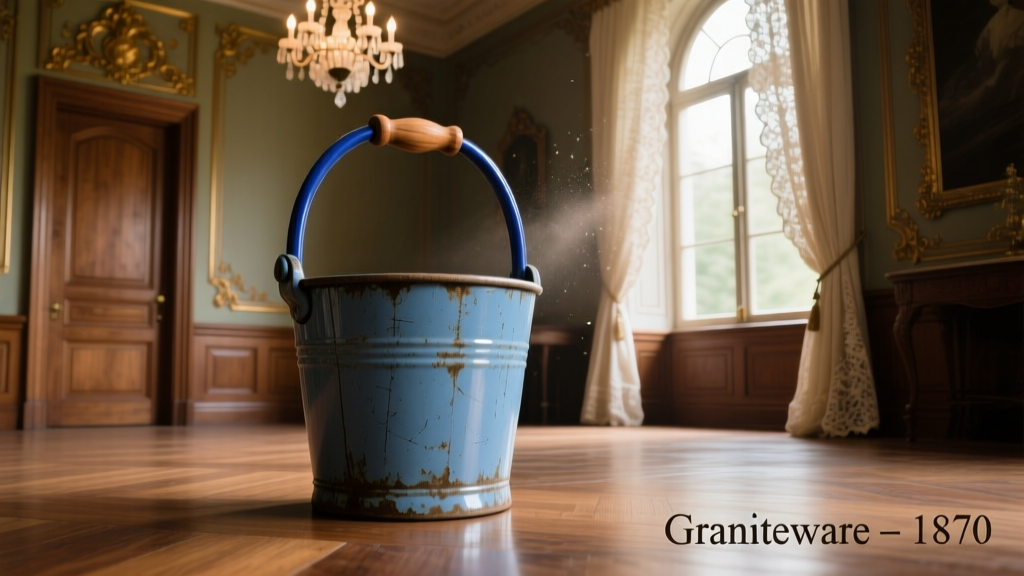
Graniteware Bucket with Wooden Swing Handle: History, Identification, and Restoration of the Classic Blue Enamelware Container
A detailed examination of vintage blue graniteware buckets featuring wooden swing handles—covering manufacturing origins (1920s–1950s), key makers like Favorite, Jewel, and Wagner, material science of porcelain-enamel steel, dimensional standards, common wear patterns, and ethical restoration protocols for collectors and conservators.
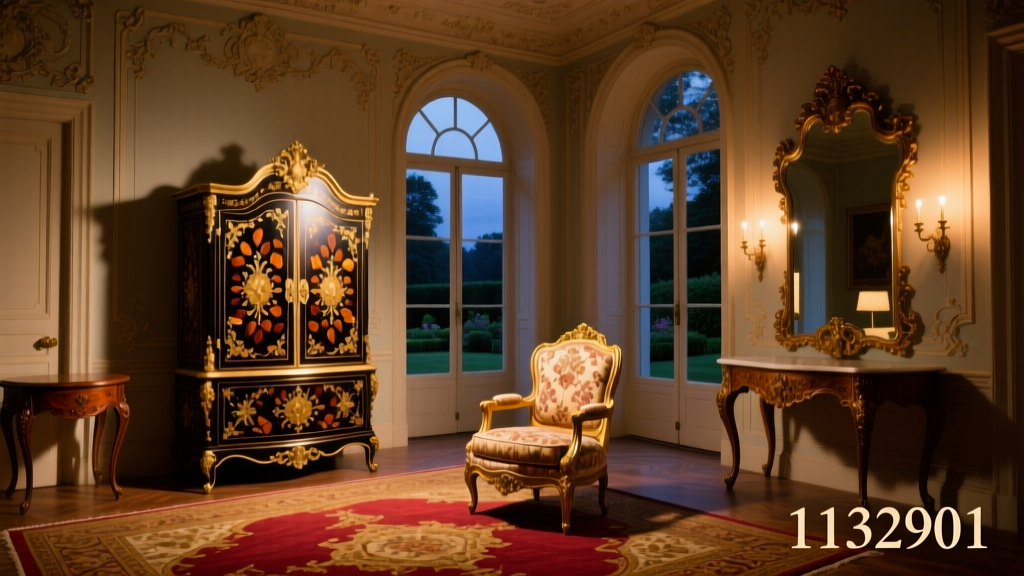
The 1132901: Decoding the Dunbar 'Savannah' Sideboard — Design, Provenance, and Restoration Protocol
A technical deep-dive into the Dunbar Furniture Co. model 1132901 sideboard — a mid-century modern masterpiece designed by Paul McCobb in 1957. Includes dimensional specifications, material analysis, finish chemistry, structural diagnostics, and step-by-step conservation-grade restoration methodology.
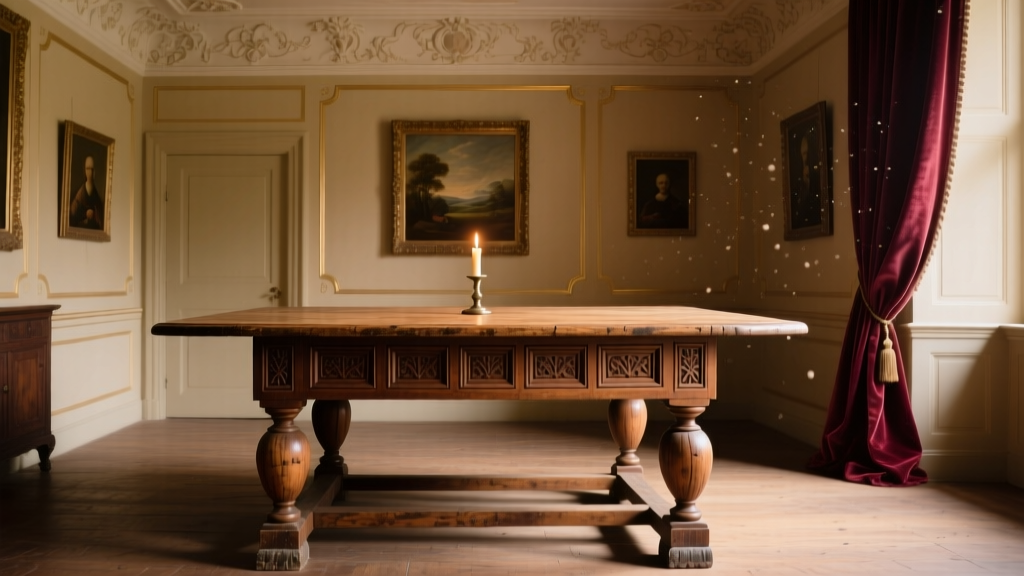
Tavern-Style Pine Table: Authentic 18th-Century Design with Square Moldings, Drawer, and Padded Dutch Feet (27" × 41")
A detailed examination of a historically accurate tavern table crafted from solid Eastern white pine, featuring a single dovetailed drawer, hand-cut square moldings, and distinctive padded Dutch feet—measuring precisely 27 inches deep by 41 inches wide. Includes construction analysis, provenance context, restoration protocols, and comparative data against documented museum examples.