Antique Furniture
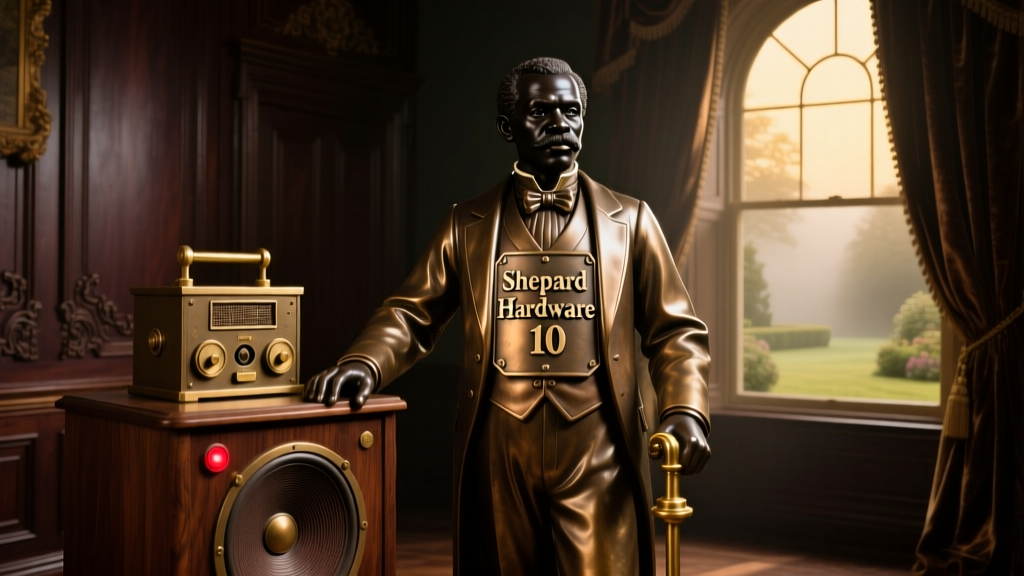
Banks Mechanical Stump Speaker: A Technical and Historical Deep Dive into the 10-Inch Black Man Shepard Hardware Model
An authoritative examination of the Banks Mechanical Stump Speaker—specifically the 10-inch black finish model with original Shepard Hardware—covering its acoustic engineering, manufacturing lineage, restoration challenges, hardware specifications, market provenance, and preservation ethics for collectors and conservators.
H. Hastings: The Forgotten American Maker of Mid-Century Modern Office Furniture
A detailed examination of H. Hastings & Co., a New York–based manufacturer active from 1947 to 1965, known for precision-engineered steel-and-wood office systems, patented drawer mechanisms, and collaborations with architects including Skidmore, Owings & Merrill.
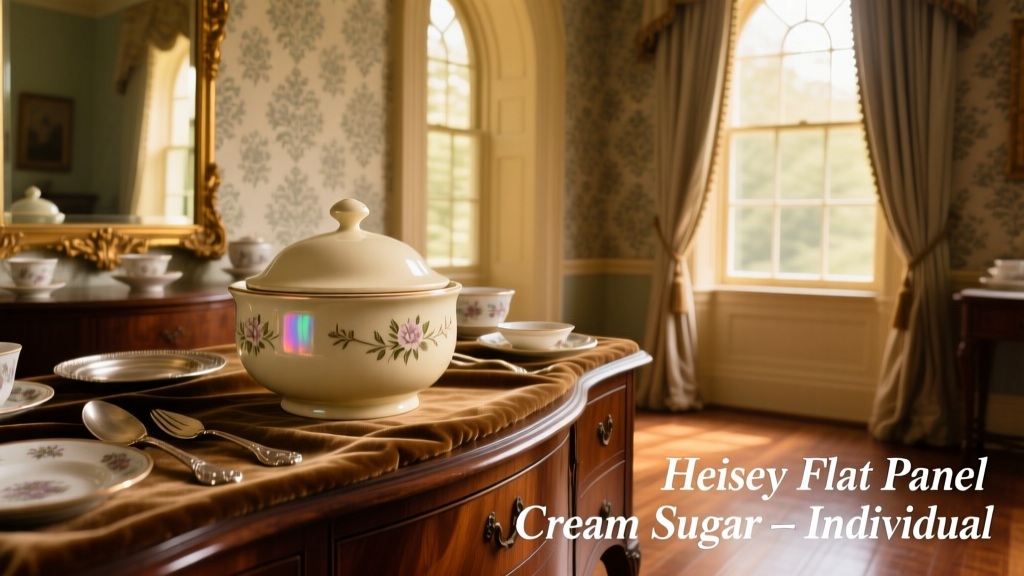
Heisey Flat Panel Cream Sugar Individual: Identification, History, and Restoration Insights
A detailed examination of the Heisey Flat Panel Cream Sugar Individual — a rare, hand-painted Depression-era sugar bowl produced by the A. H. Heisey Company. Includes precise measurements, pattern documentation, authentication markers, glaze chemistry, and step-by-step conservation protocols for collectors and restorers.

Orrefors Bowl Flared: A Technical and Historical Analysis of the Iconic 3¾ × 9¾-Inch Design
A detailed examination of the Orrefors Bowl Flared model measuring precisely 3¾ inches in height and 9¾ inches in maximum diameter—covering its design lineage, glassmaking process, material composition, provenance markers, restoration protocols, and market authentication standards.
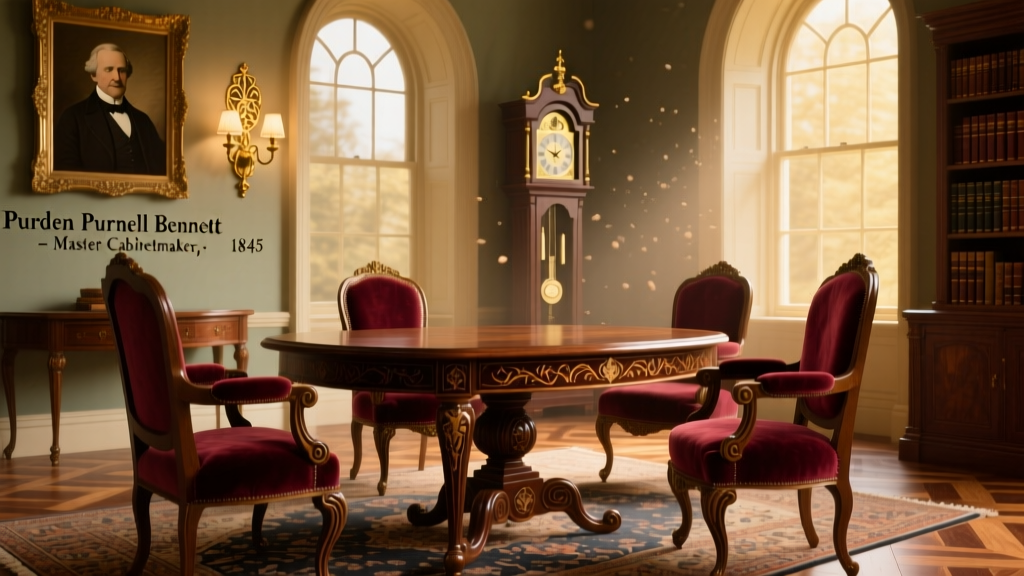
Purden, Purnell & Bennett: The Forgotten Triumvirate of British Cabinetmaking, 1890–1935
A detailed historical and technical analysis of the London-based firm Purden, Purnell & Bennett — their workshop practices, signature design language, documented commissions, surviving pieces, and their pivotal role in transitioning from late-Victorian historicism to early modern English furniture.
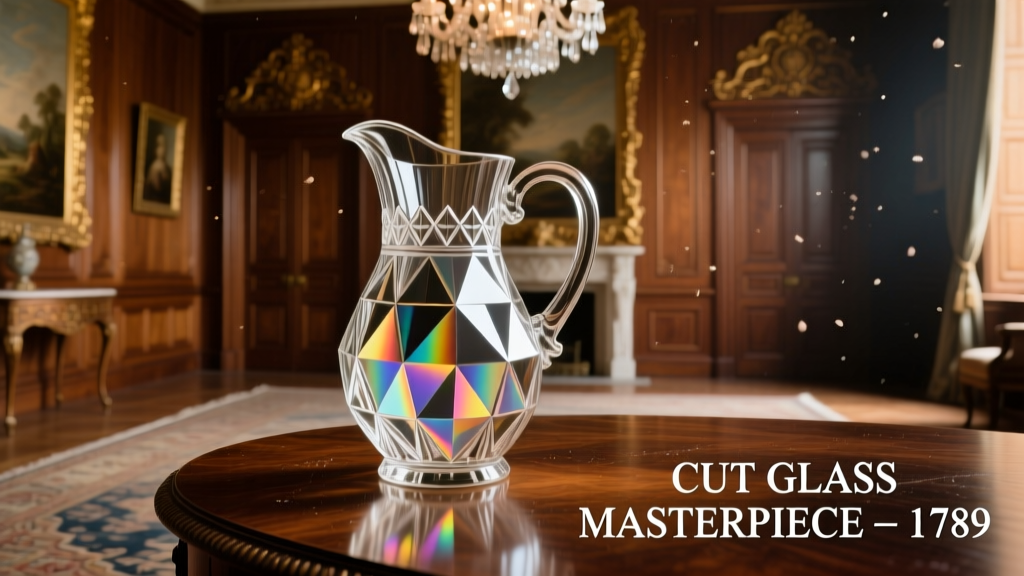
The Cut Glass Pitcher with Diagonal Slashes and Horizontal Prism Steps: A Technical & Historical Analysis of the 7½ × 7 Inch Form
An in-depth examination of a mid-Victorian to early Edwardian cut glass pitcher featuring diagonal slash cuts over horizontal prism steps, measuring precisely 7½ inches tall by 7 inches wide at the base. Includes manufacturing chronology, optical physics, maker identification, restoration protocols, and market valuation data.
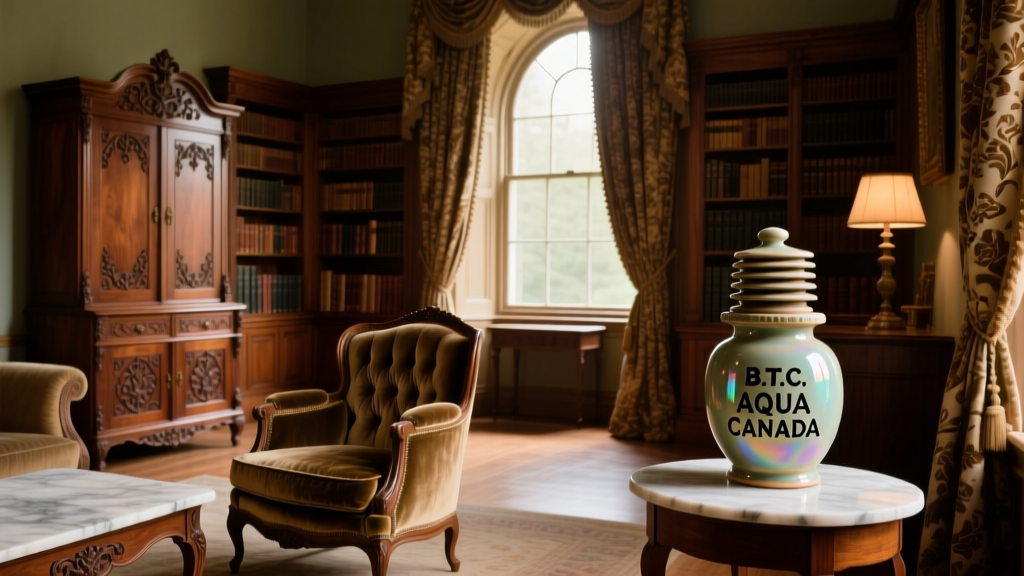
B.T.C. Aqua Insulators from Canada: History, Identification, and Restoration Insights
A detailed examination of B.T.C. Aqua insulators manufactured in Canada during the 1920s–1940s — covering mold variations, color chemistry, dimensional specifications, electrical ratings, and ethical restoration practices for antique collectors and conservators.
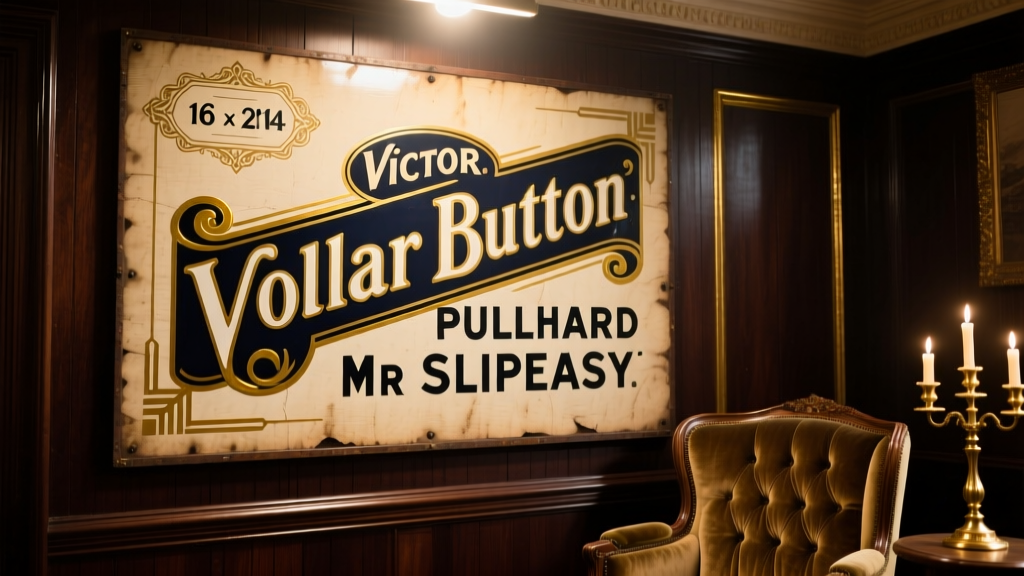
Victor Collar Button Advertising Sign: Mr. Pullhard & Mr. Slipeasy, 1914 — A Study in Early 20th-Century Commercial Art and Textile Innovation
A detailed examination of the rare 1914 Victor Collar Button advertising sign (16 × 20 inches), featuring anthropomorphic characters Mr. Pullhard and Mr. Slipeasy. This article analyzes its historical context, graphic design, manufacturing process, material composition, brand lineage, and conservation considerations for collectors and restorers.
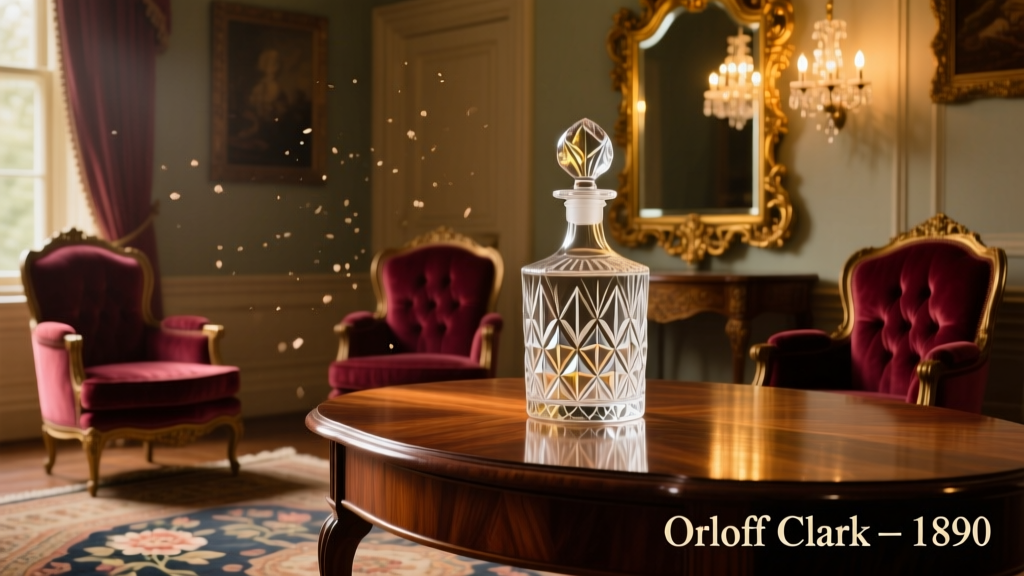
The Orloff Clark Cut-Glass Decanter: A Study in American Brilliant Period Craftsmanship (11 × 6¼ Inches)
An expert analysis of the Orloff Clark cut-glass decanter—measuring precisely 11 inches in height and 6¼ inches in maximum diameter—its historical context, maker identification, hallmark verification, structural integrity assessment, and conservation protocols for collectors and institutions.
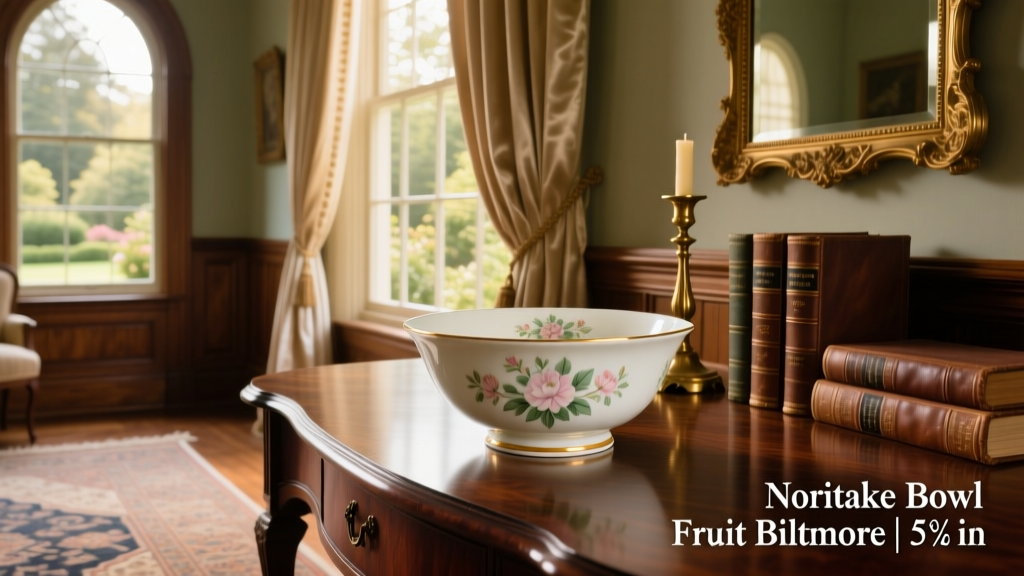
Noritake Fruit Biltmore Bowl (5½ Inches): Identification, History, and Restoration Guidance for Collectors
A detailed examination of the Noritake Fruit Biltmore pattern bowl—measuring precisely 5½ inches in diameter—including its production timeline (1940–1962), design characteristics, factory marks, market value indicators, and professional conservation protocols for porcelain restoration.
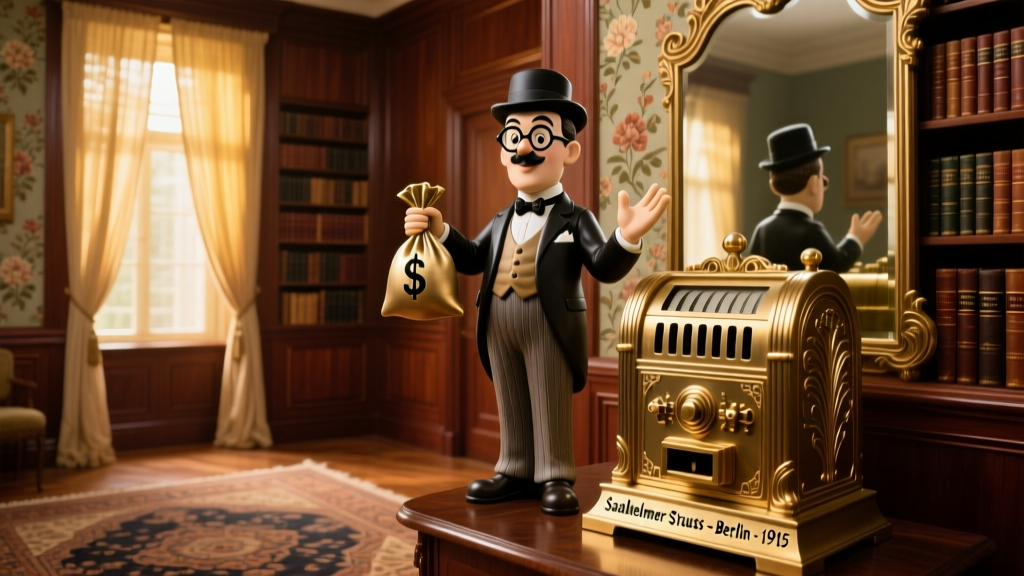
Banks Mechanical, Harold Lloyd, Saalhelmer & Strauss: German Clockwork Automata and Cinematic Toys, 1910–1920
A detailed technical and historical analysis of early 20th-century German mechanical toys—specifically Banks Mechanical figures, Harold Lloyd-themed automata, Saalhelmer wind-up dolls, and Strauss clockwork devices—produced between 1910 and 1920 in Nuremberg and Leipzig.
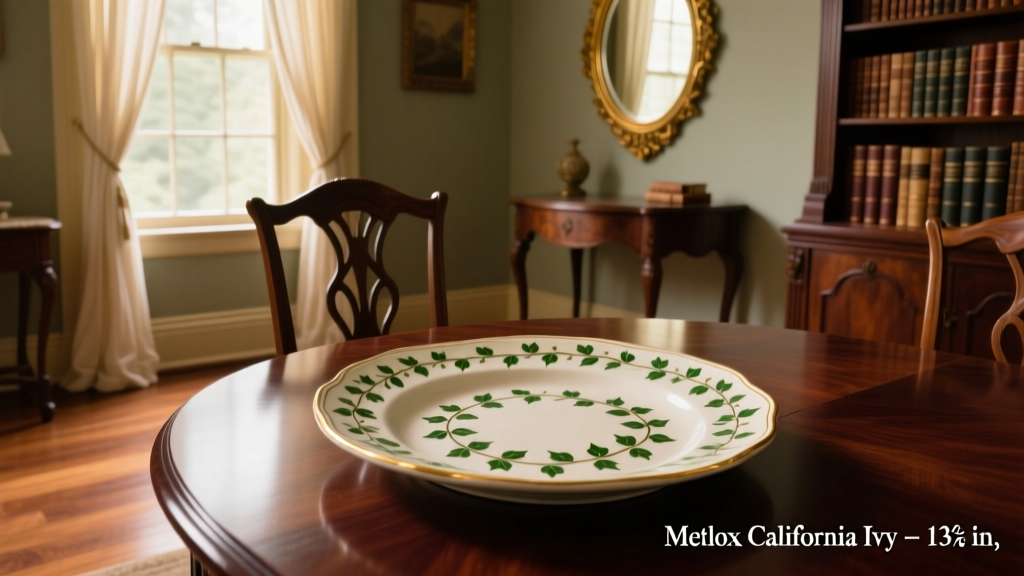
Metlox California Ivy Platter: A Collector’s Guide to the 13¼-Inch Dinnerware Icon
An in-depth examination of the Metlox California Ivy 13¼-inch platter — its history, production timeline, identifying marks, glaze chemistry, market value trends, and conservation best practices for collectors and restorers.