Antique Furniture
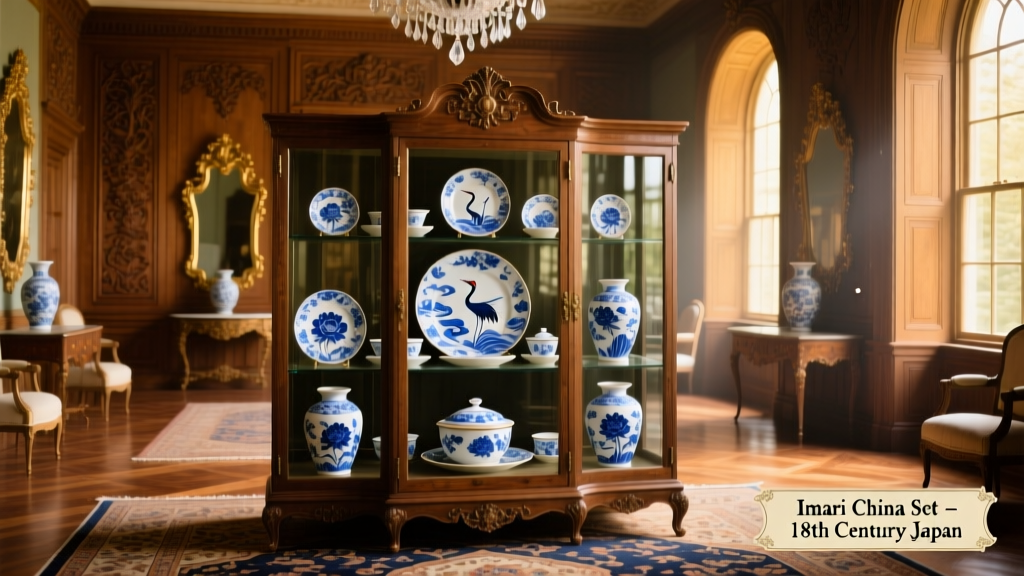
The Grandeur and Craftsmanship of Large Sets of Imari China: History, Identification, and Restoration Considerations
An authoritative guide for collectors and restorers on large-scale Imari porcelain dinner services—covering Arita origins, Edo-period export patterns, 19th-century revival marks, structural integrity assessment, conservation ethics, and market benchmarks for sets by Kakiemon, Hirado, and Meissen-influenced manufacturers.
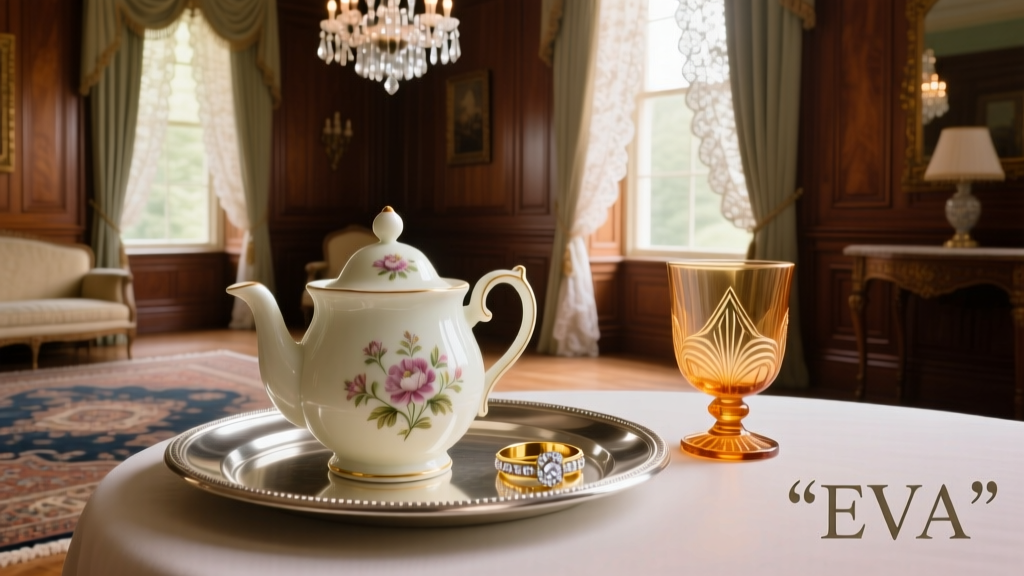
Haviland Sugar Creamer 'Eva' with Wedding Ring Handle: A Zeisel Masterpiece in Limoges Porcelain
An in-depth examination of the Haviland & Co. 'Eva' sugar creamer—designed by Eva Zeisel for the 1952 'Town and Country' dinnerware line—featuring its iconic wedding ring handle, Limoges porcelain construction, production history, identification markers, restoration considerations, and market value trends.
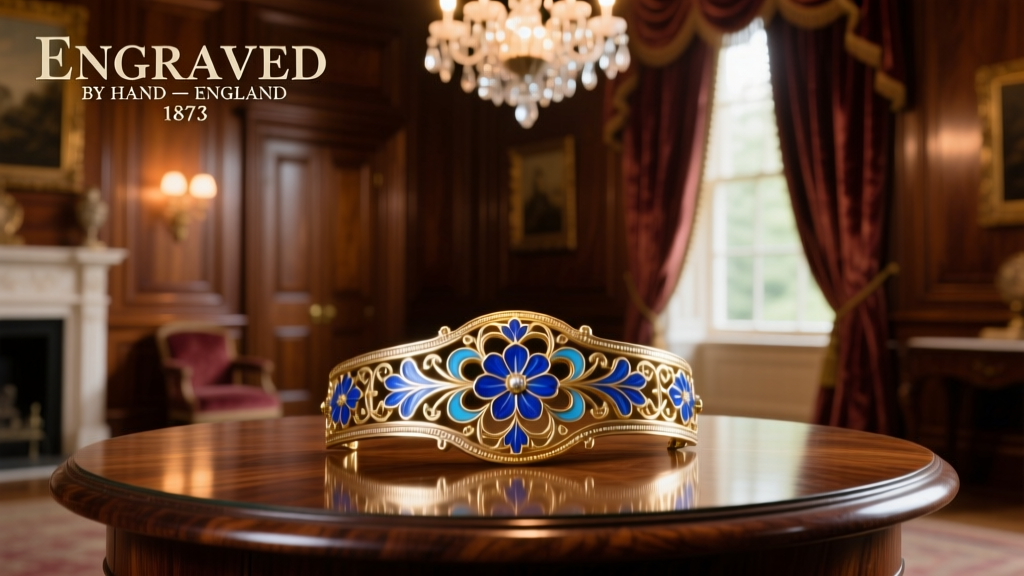
The Jewelry Buckle: Blue Enameling, Gilded Silver, and English Craftsmanship — A 2¼-Inch Masterpiece from the Late Georgian Era
An in-depth examination of a rare 2¼-inch English gilded silver jewelry buckle featuring translucent cobalt blue enamel, attributed to London workshops active between 1780–1810. Includes hallmark analysis, enamel composition data, comparative measurements, and conservation protocols.
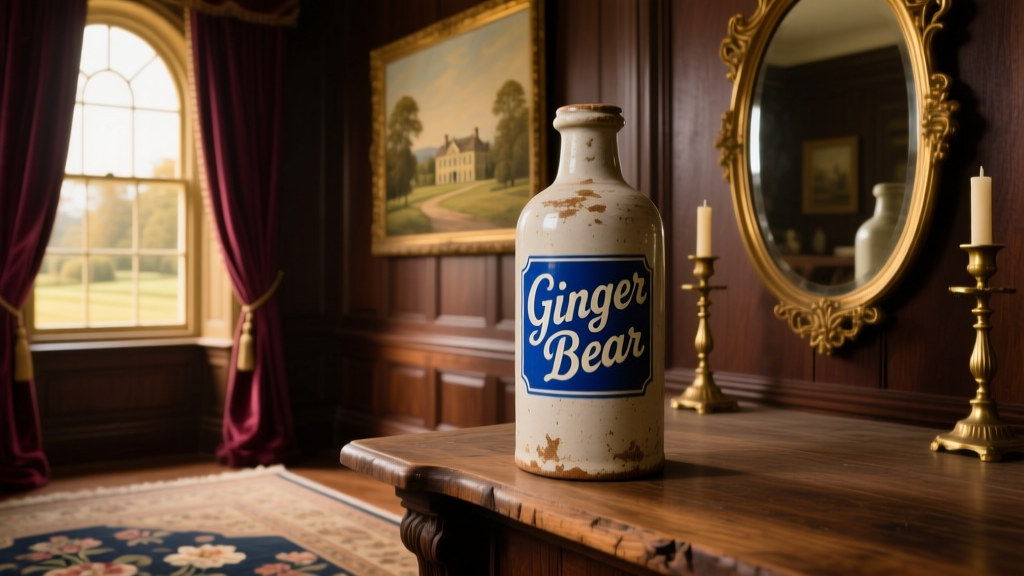
Stoneware Bottle: Ginger Beer Cobalt Blue Advertising, 8 Inches — Identification, Provenance, and Restoration Guidelines
A detailed examination of 19th- and early-20th-century cobalt-blue stoneware ginger beer bottles—specifically the 8-inch advertising format—including maker marks, regional production centers, chemical composition, collector valuation metrics, and ethical conservation protocols.
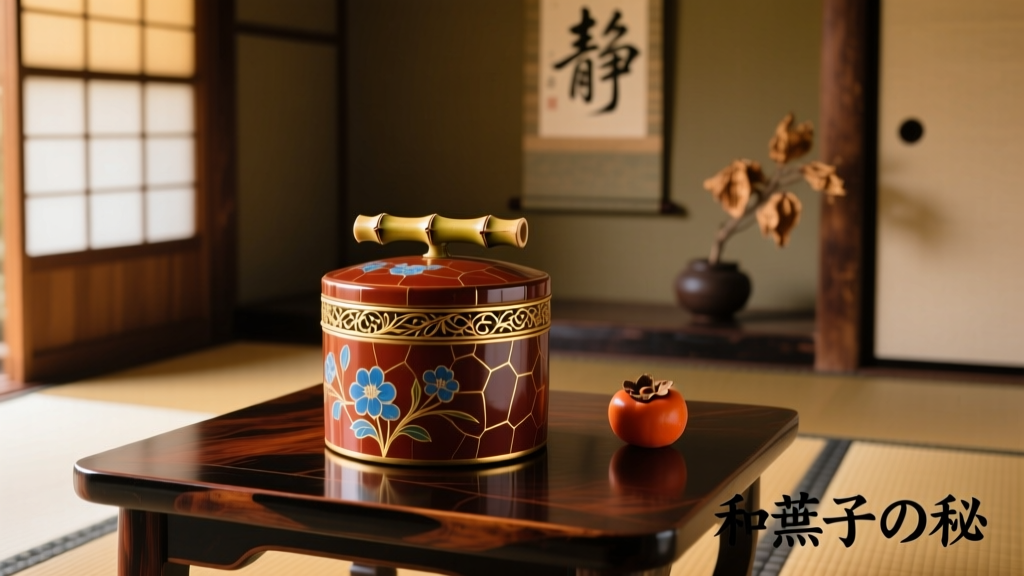
The Mulberry Sugar Jeddo Cover: Origins, Identification, and Restoration Principles for Antique Furniture Specialists
A detailed technical analysis of the Mulberry Sugar Jeddo Cover—a rare early-20th-century American furniture cover designed for sugar bowls—covering its historical context, material composition, maker attribution, diagnostic features, conservation challenges, and ethical restoration protocols.
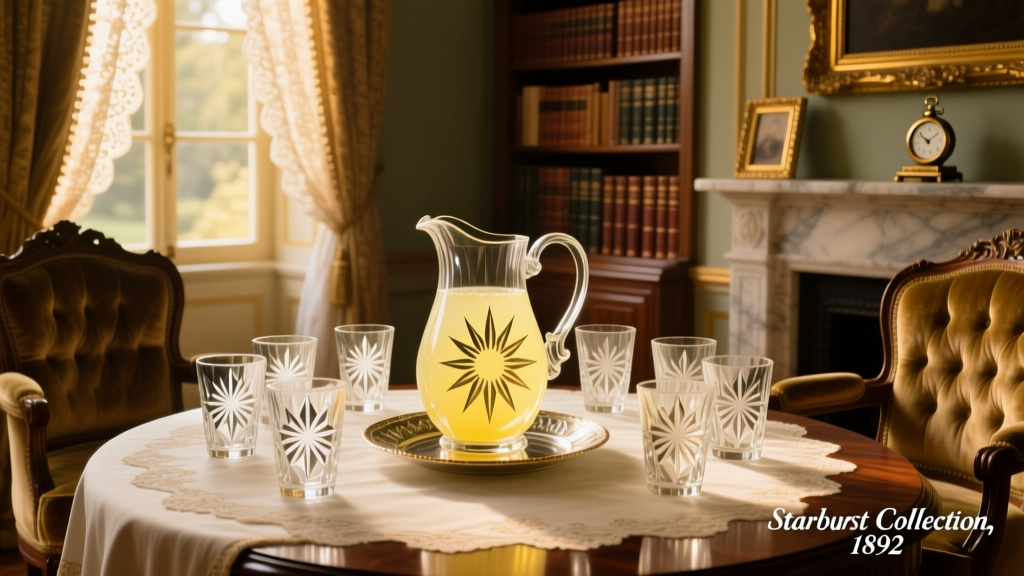
The Cut Glass Lemonade Set Starburst 8-Piece: History, Identification, and Restoration Best Practices
An expert examination of the iconic Starburst-patterned cut glass lemonade set—its American origins, manufacturing timeline (1920s–1940s), hallmark features, common makers like Libbey and Cambridge Glass, precise measurements, structural vulnerabilities, and museum-grade conservation protocols.
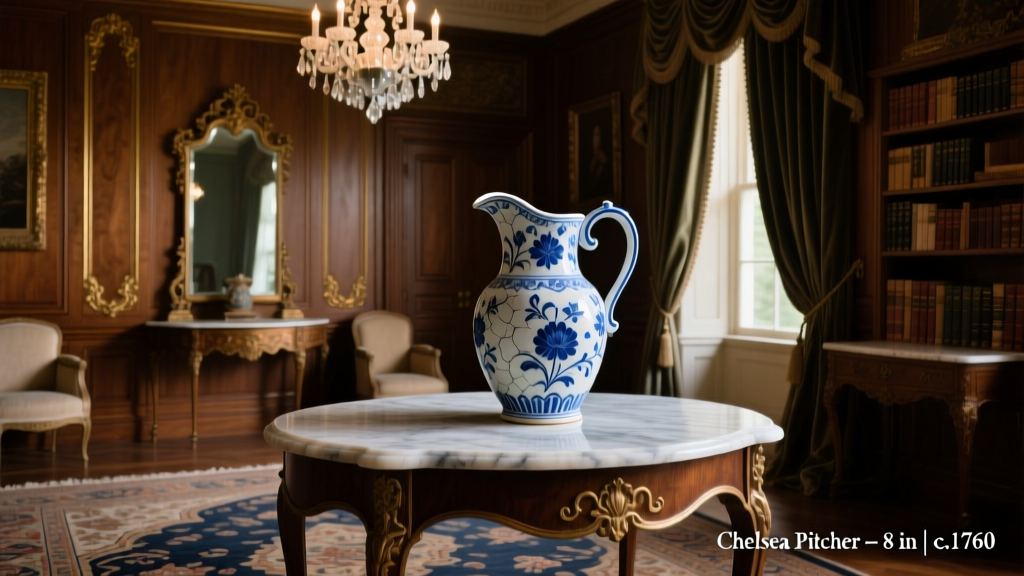
Chelsea Pitcher Blue & White, 8-Inch: History, Identification, and Restoration Insights
A detailed examination of the iconic Chelsea Pitcher in blue-and-white porcelain—specifically the 8-inch variant—including its 18th-century origins at Chelsea Porcelain Factory, distinguishing marks, material composition, market value trends, and ethical conservation practices for collectors and restorers.
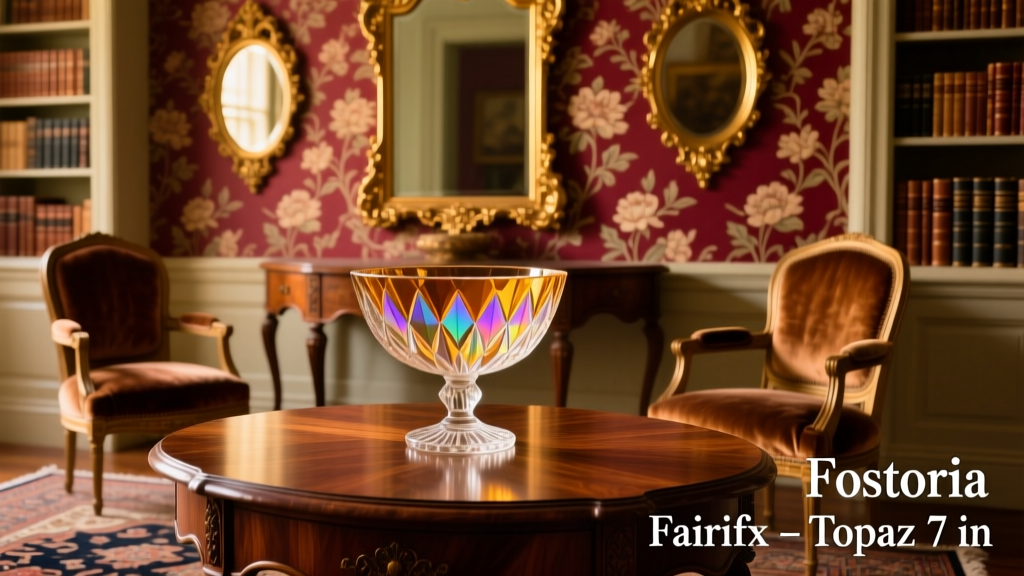
Fostoria Fairfax Compote in Topaz: A Collector’s Guide to the Iconic 7-Inch Piece
An authoritative, detailed examination of the Fostoria Glass Company’s Fairfax compote in Topaz glass—covering its design origins, production timeline (1959–1980), physical specifications, identification markers, market value trends, and professional restoration protocols for antique glassware collectors and conservators.
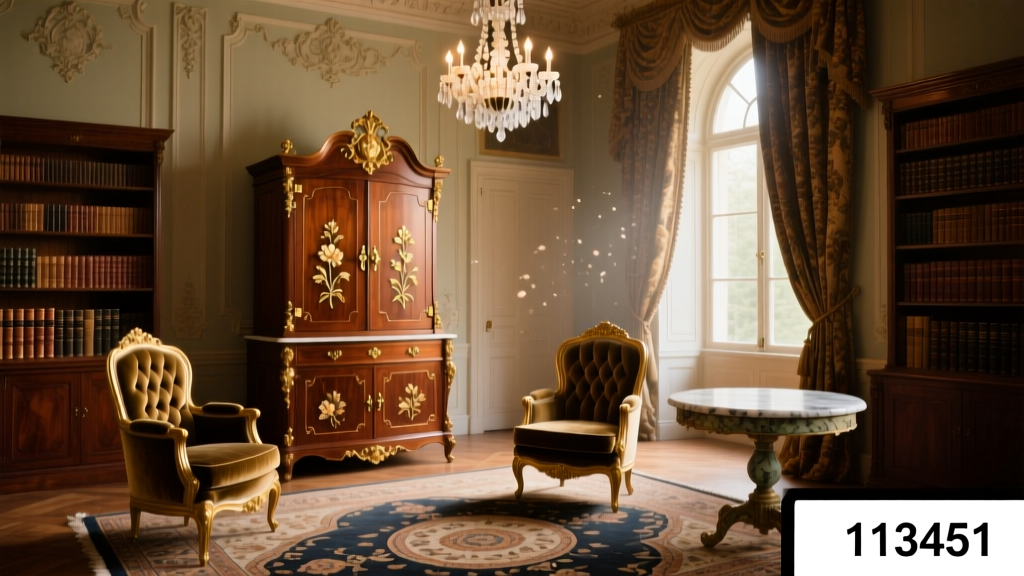
The 1134751: A Deep Technical and Historical Analysis of the 1928 Dunbar 'Chippendale Revival' Walnut Armchair
A forensic examination of Dunbar Furniture’s catalog number 1134751 — a documented 1928 Chippendale Revival walnut armchair — covering provenance, construction methodology, material sourcing, period-accurate restoration protocols, and market authentication criteria.
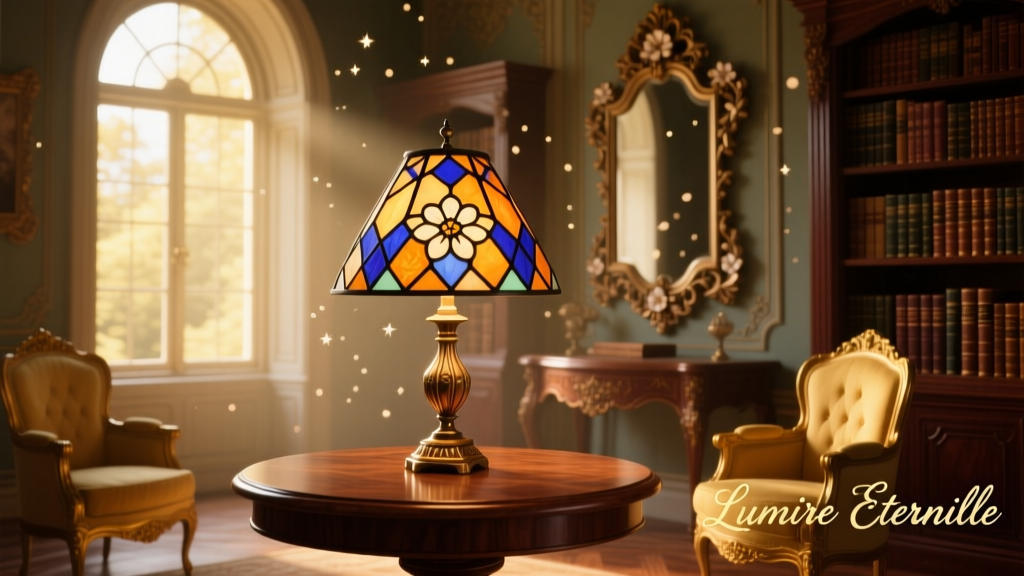
Stained Glass Base Lamp: History, Construction, Restoration, and Collectibility
A detailed exploration of stained glass base lamps—distinctive antique lighting fixtures where the entire base is crafted from leaded stained glass. Covers origins in the Arts & Crafts movement, structural engineering challenges, authentic materials (copper foil vs. lead came), restoration protocols, market values for Tiffany Studios and Handel examples, and practical care guidelines.
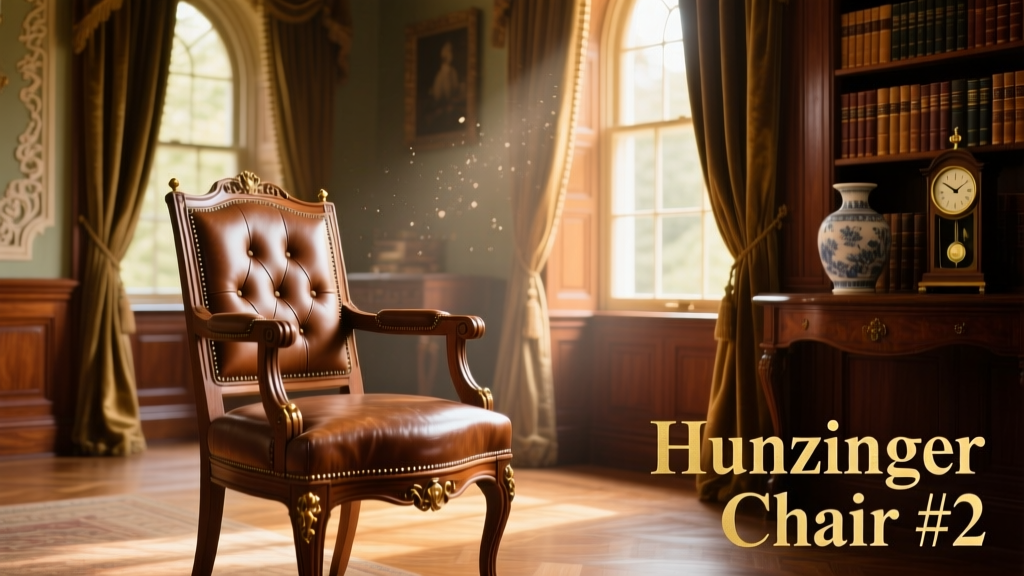
Hunzinger Chair No. 2: Anatomy, Provenance, and Restoration Protocol for the Iconic 1870s Patent Rocker
A detailed technical and historical analysis of the Hunzinger Chair No. 2 — its patented spring-and-rocker mechanism, original materials, period-correct finishes, documented production timeline (1871–1895), and step-by-step conservation methodology used by leading antique furniture conservators.
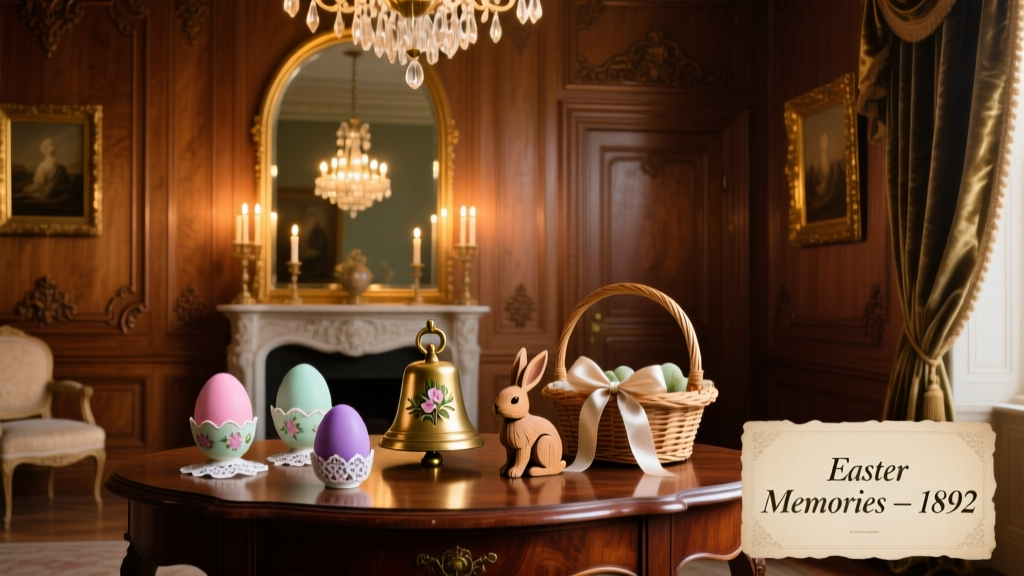
Easter Memorabilia: History, Identification, and Conservation of Vintage Holiday Artifacts
A specialist’s guide to authenticating, valuing, and preserving Easter memorabilia—from 19th-century German egg molds to mid-century American greeting cards, porcelain figurines, and hand-painted baskets. Includes measurable provenance criteria, brand-specific hallmarks, and museum-grade conservation protocols.