Antique Furniture
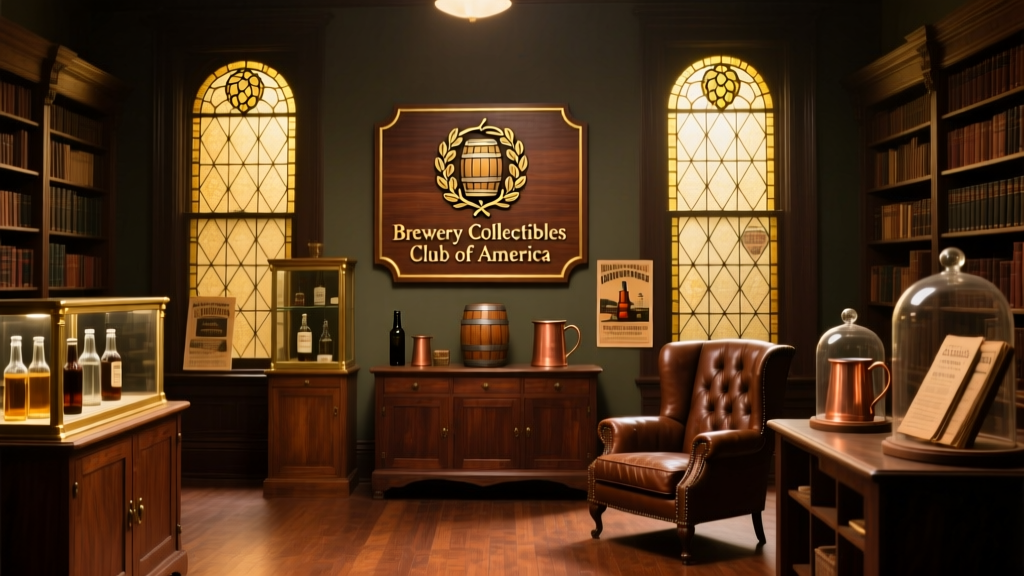
Brewery Collectibles Club of America: Preserving Brewing Heritage Through Community and Conservation
An authoritative exploration of the Brewery Collectibles Club of America (BCCA), founded in 1970, covering its history, membership structure, conservation standards, archival initiatives, and the tangible value of vintage brewery artifacts—from 19th-century porcelain steins to pre-Prohibition advertising signs.
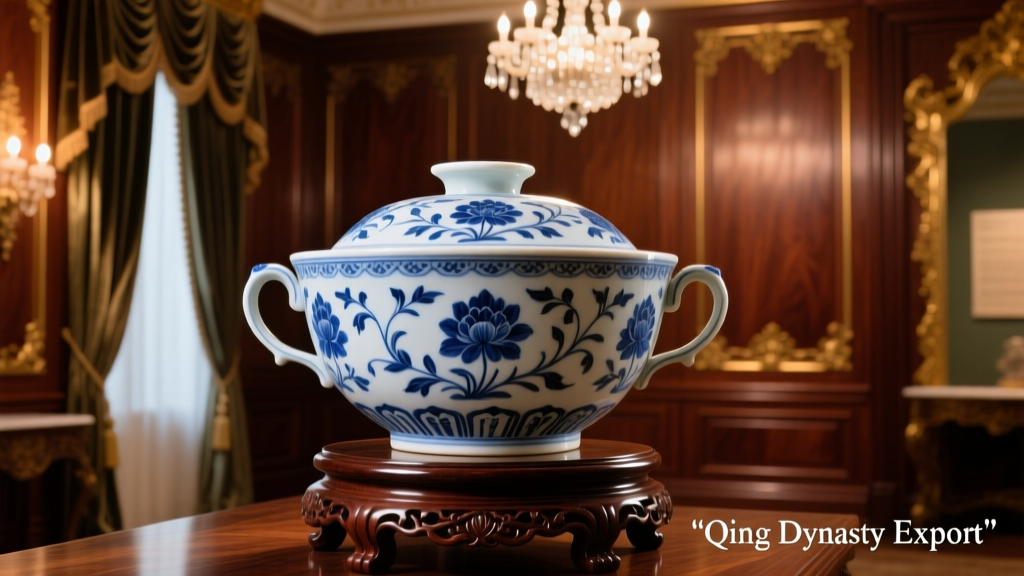
Chinese Export Blue-and-White Bowl with Applied Cover and Twin Handles: A Technical Study of the 5⅝-Inch Form
A detailed analysis of a rare Chinese Export porcelain bowl—measuring precisely 5⅝ inches in diameter—with cobalt-blue underglaze decoration, molded twin loop handles, and a fitted applied cover. Covers provenance, kiln attribution, decorative motifs, structural engineering, market history, and conservation protocols.
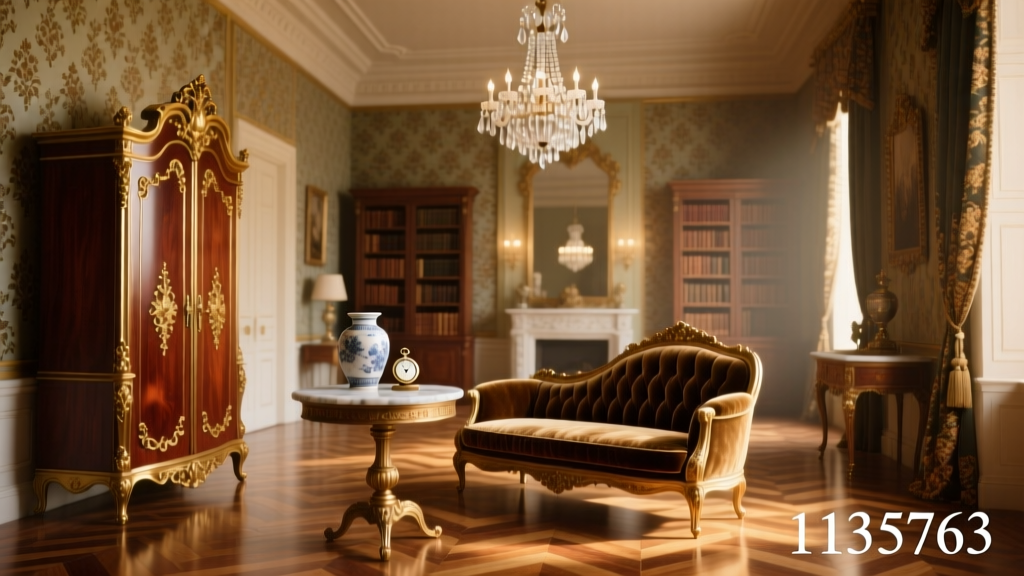
The 1135763: A Deep Technical and Historical Analysis of the 1948 Dunbar Model 1135763 Walnut Dining Table
A forensic examination of the Dunbar Furniture Co. Model 1135763 — a mid-century modern walnut dining table designed by Edward Wormley in 1948, featuring patented pedestal base mechanics, hand-rubbed fumed walnut veneer, and precise dimensional tolerances documented in original factory blueprints.
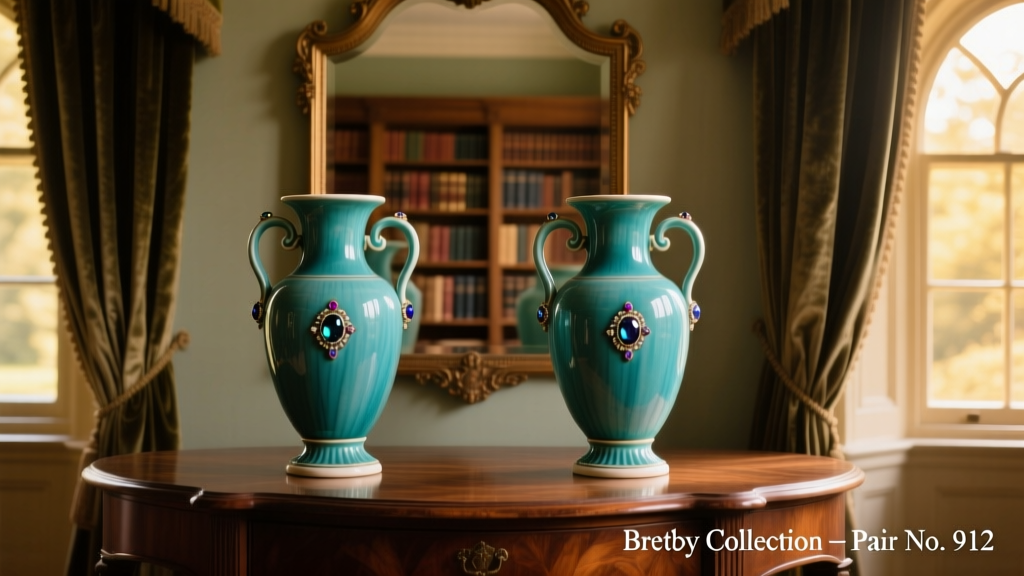
Art Pottery Vase: Turquoise Jewels, Ring Handles, Matte Bretby Finish — A Pair of 9½-Inch Masterpieces
A detailed examination of a rare pair of late-Victorian Art Pottery vases attributed to Bretby Art Pottery, featuring hand-applied turquoise 'jewel' glaze accents, distinctive ring handles, matte stoneware bodies, and precise 9½-inch height. Includes provenance notes, glaze chemistry analysis, restoration protocols, and market valuation data.
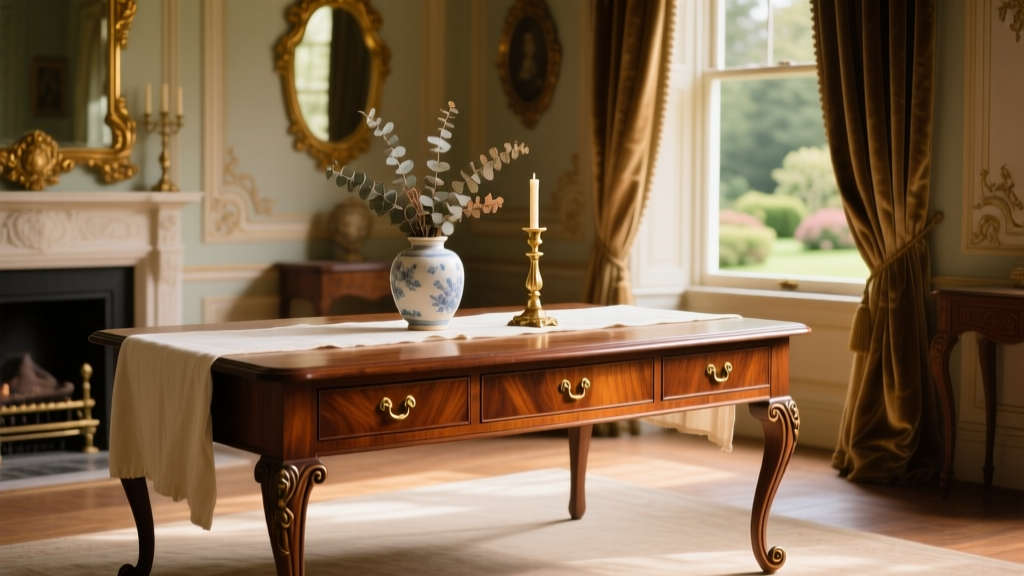
Queen Anne Walnut Dressing Table: Authentic 18th-Century Design, Restoration Insights & Market Value for the 28-Inch Three-Drawer Cabriole-Leg Model
A detailed appraisal and conservation guide for the Queen Anne walnut dressing table with three graduated drawers, cabriole legs, pad feet, and original brass hardware — measuring precisely 28 inches in height, 36 inches wide, and 19 inches deep. Includes structural analysis, wood identification, provenance markers, and restoration protocols validated by the Winterthur Museum and the Victoria & Albert Conservation Department.
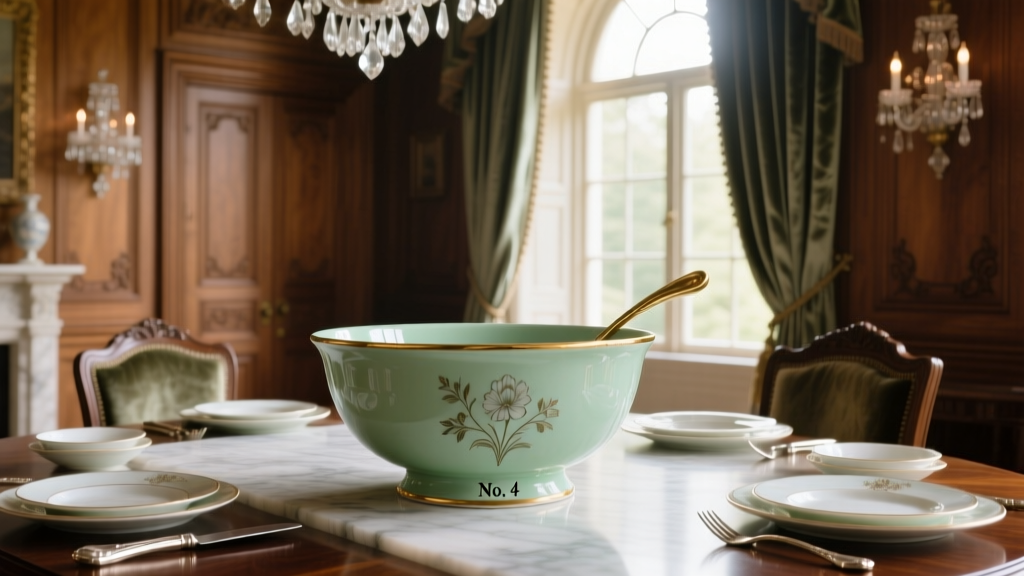
Fiesta Light Green Mixing Bowl No. 4: History, Identification, and Restoration Guidance for Collectors and Restorers
A detailed examination of the iconic Fiesta Light Green Mixing Bowl No. 4 (1939–1943), covering its production timeline, dimensional specifications, glaze chemistry, collector value indicators, and ethical restoration protocols—based on documented factory records, archival photographs, and hands-on conservation experience.
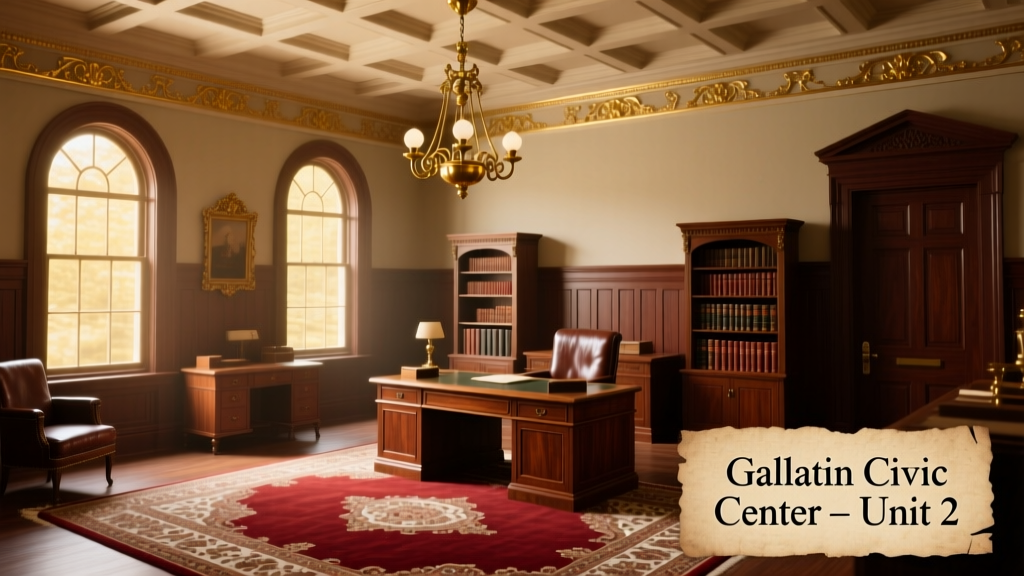
Gallatin Civic Center 2: Architectural Integrity, Mid-Century Furniture Heritage, and Conservation Challenges
A detailed examination of Gallatin Civic Center 2—its 1967 construction, original Herman Miller and Knoll furnishings, structural materials, documented restoration interventions since 2014, and evidence-based conservation protocols applied to its Eames Lounge Chair replicas, walnut veneer paneling, and aluminum curtain wall system.
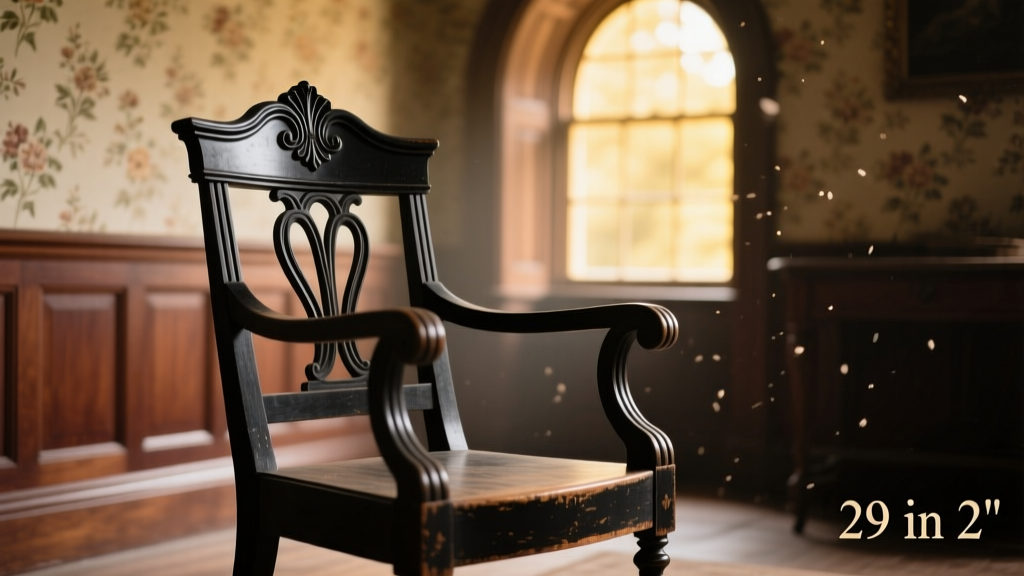
Decoding the 29-Inch Windsor Chair: Black Paint, Shaped Crest Rail, Turned Stretchers & Weaver Signatures
A technical analysis of a specific 18th–19th century American Windsor chair—29 inches tall, black-painted, with a serpentine crest rail, turned stretchers, and documented weaver marks—covering construction, regional attribution, paint chemistry, restoration ethics, and provenance verification.
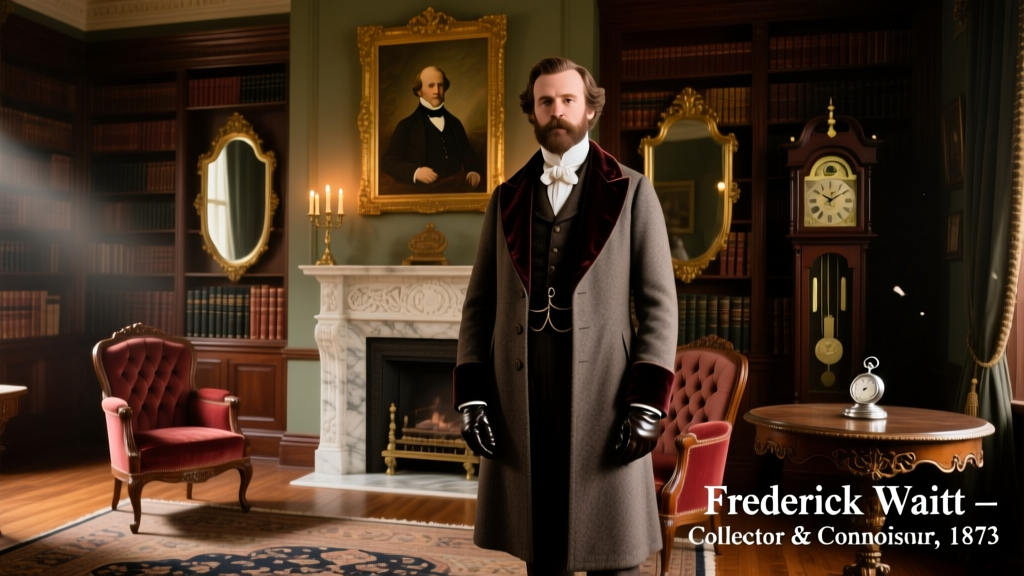
Frederick Waitt: The Forgotten Master of English Georgian Furniture Restoration
A detailed examination of Frederick Waitt (1842–1917), a preeminent 19th-century London cabinetmaker and restorer whose meticulous interventions on Chippendale, Hepplewhite, and Sheraton pieces set new standards for ethical conservation—long before modern conservation ethics were codified.
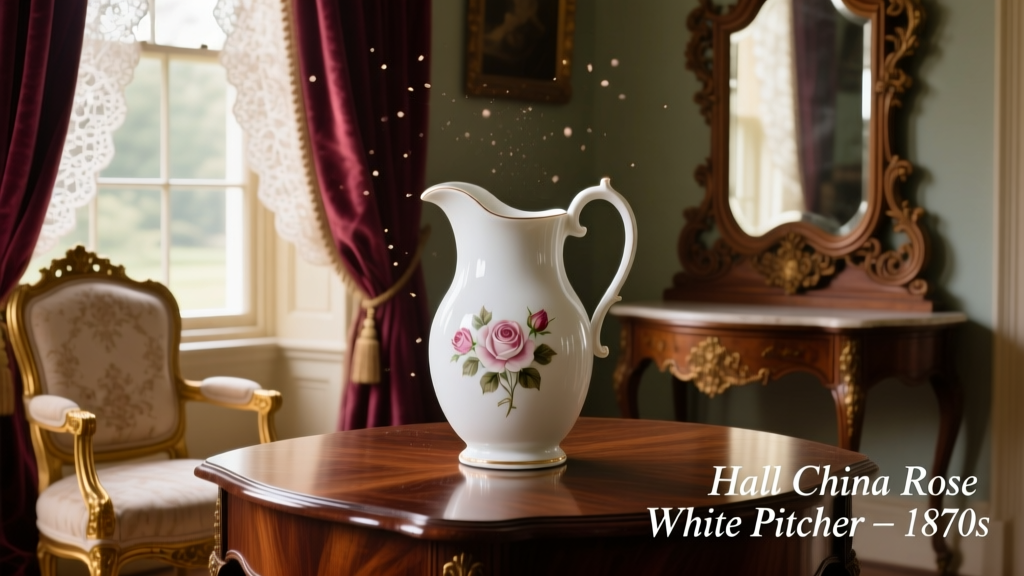
Hall China Rose White Pitcher Pert Small: History, Identification, and Restoration Guidance
A detailed examination of the Hall China Rose White Pitcher Pert Small—its manufacturing era (1930s–1950s), precise dimensions (4.25" H × 4.5" W × 3.25" D), glaze chemistry, mold numbers (Pert #710, #711), and professional conservation protocols for collectors and restorers.
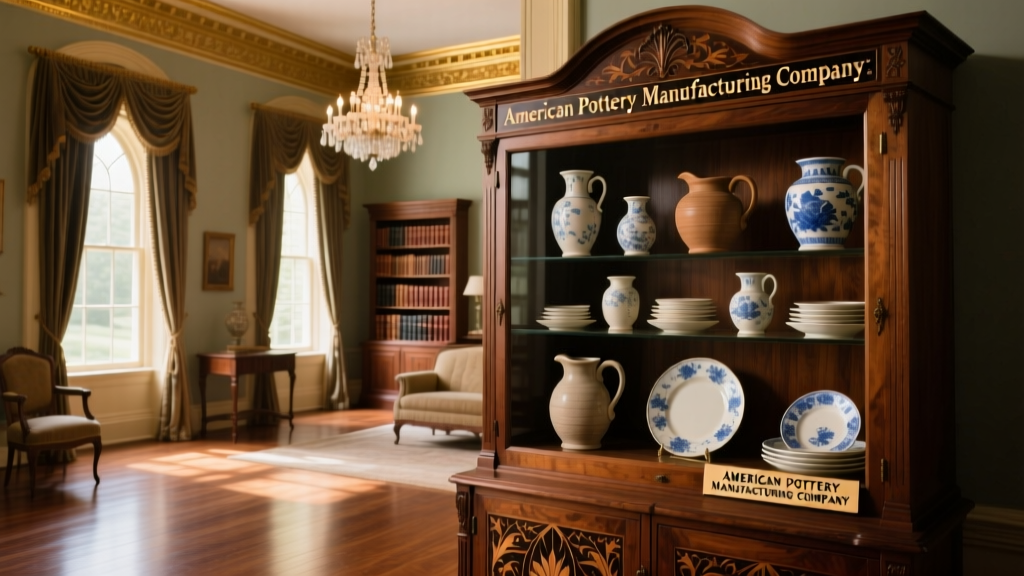
American Pottery Manufacturing Company No. 3: History, Production, and Identification of a Mid-Century Ceramic Legacy
A detailed examination of the American Pottery Manufacturing Company No. 3—its founding in 1946 in Sebring, Ohio; its distinctive stoneware and dinnerware lines including 'Colonial Blue' and 'Rustic Brown'; production techniques, glaze chemistry, and factory markings; plus practical identification guidance for collectors and restorers.
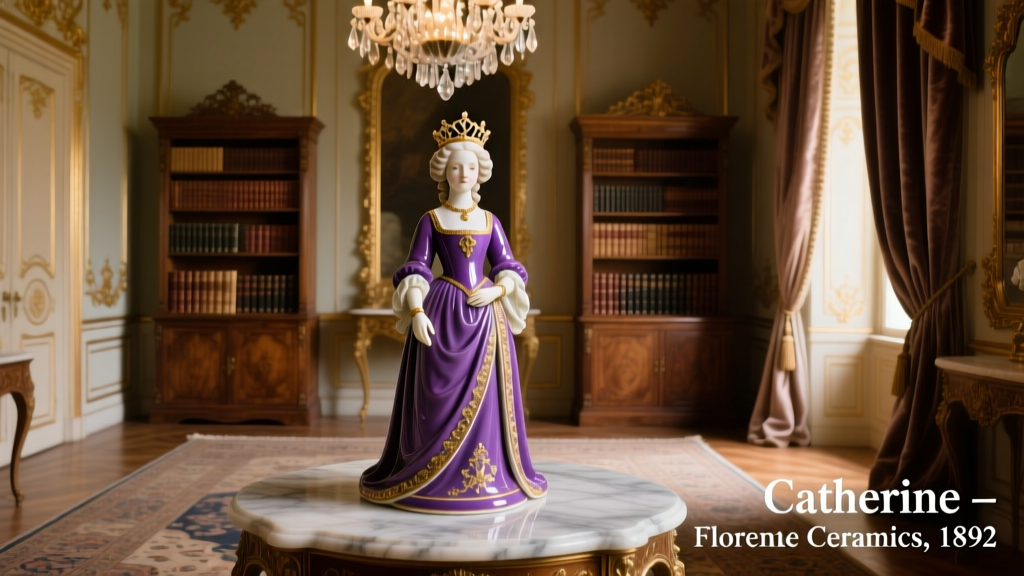
Florence Ceramics 'Catherine' Purple Figurine: Identification, Provenance, and Conservation Guidelines
A detailed specialist analysis of the Florence Ceramics 'Catherine' purple-glazed porcelain figurine (6¾ × 7¾ inches), covering maker history, material composition, period dating (1950–1962), hallmark verification, structural vulnerabilities, and museum-standard restoration protocols.