Antique Furniture
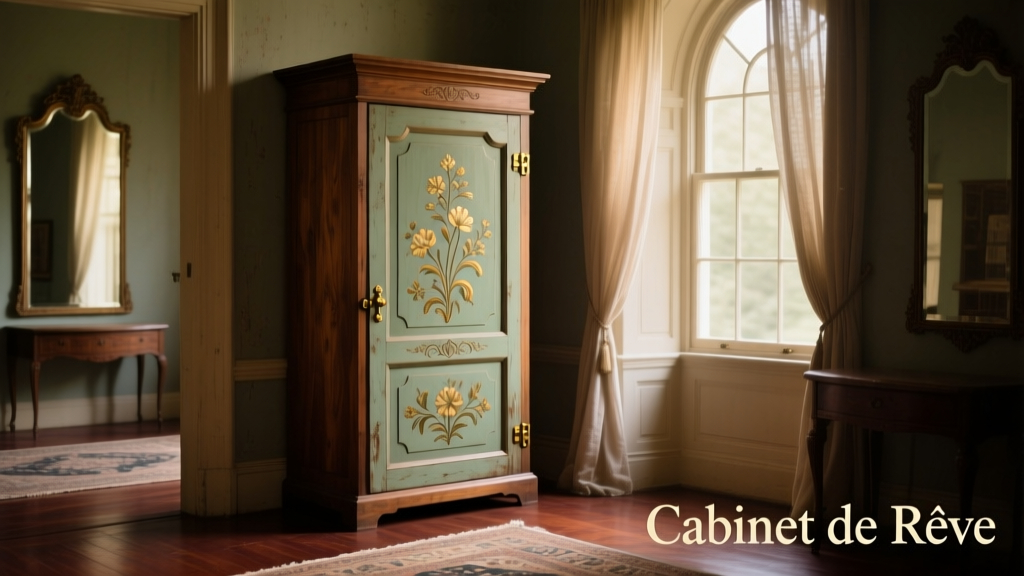
Furniture Cupboard Corner 1: Understanding the Chamfered Panel Door and Painted Finish in Historic British Cabinetry
A detailed examination of the Furniture Cupboard Corner 1—featuring a single chamfered panel door with painted finish—including construction methods, regional origins, material specifications, conservation challenges, and authentic restoration protocols for antique furniture specialists.

American Modern Granite Gray Teapot (10-Inch): Design Legacy, Material Science, and Restoration Protocol
A detailed examination of the American Modern Granite Gray teapot—produced by Gladding, McBean & Co. from 1939–1959—including its vitrified stoneware composition, ergonomic engineering, historical context, identification markers, market valuation, and professional conservation methodology.
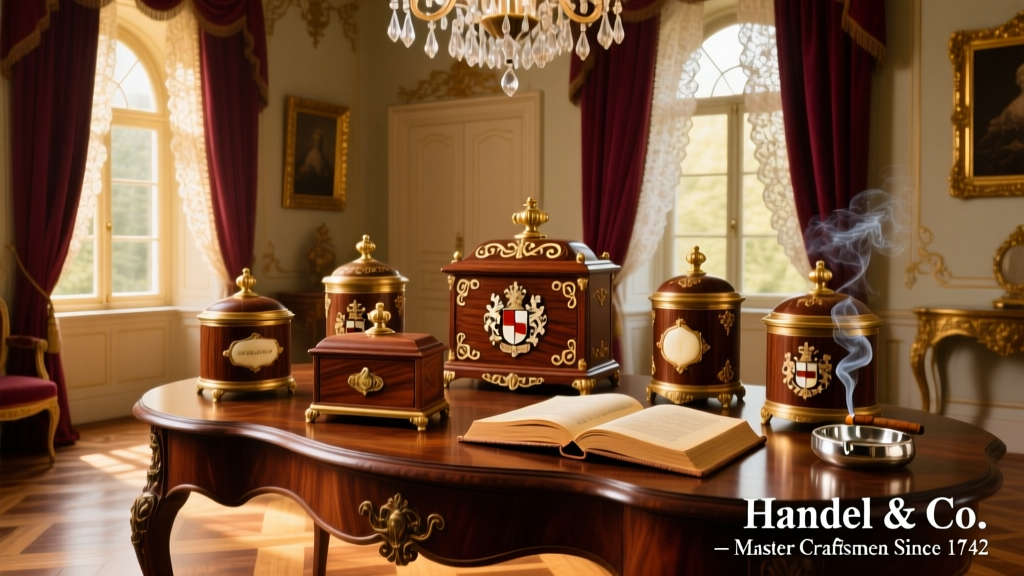
Handel Humidors and Tobacco Jars: History, Identification, and Restoration of American Art Glass Masterpieces
A detailed examination of Handel Company’s hand-blown and molded glass humidors and tobacco jars—covering production timelines (1903–1958), signature construction features, maker’s marks, authenticating details, market values, and ethical conservation practices for collectors and restorers.

Teplitz Vase: Decoding the Spider Web, Insects, Red Cabochon, and Gold Trim on the Rare 8-Inch RSTK Marked Piece
An in-depth appraisal of the Teplitz 'Spider Web & Insects' vase — an 8-inch porcelain vessel with hand-painted arachnid motifs, enamel insects, genuine red cabochon jewels, 24K gold trim, and the elusive RSTK backstamp — covering provenance, materials, restoration ethics, market value, and conservation protocols.

Judaica Haggadah: Passover Ritual Texts in Hebrew and Marathi Translation — Historical Context, Physical Characteristics, and Restoration Guidance
An expert analysis of bilingual Hebrew-Marathi Haggadot used by Bene Israel communities in Maharashtra, covering textual history, material composition, conservation challenges, and authentication protocols for antique examples from the 19th–mid-20th centuries.
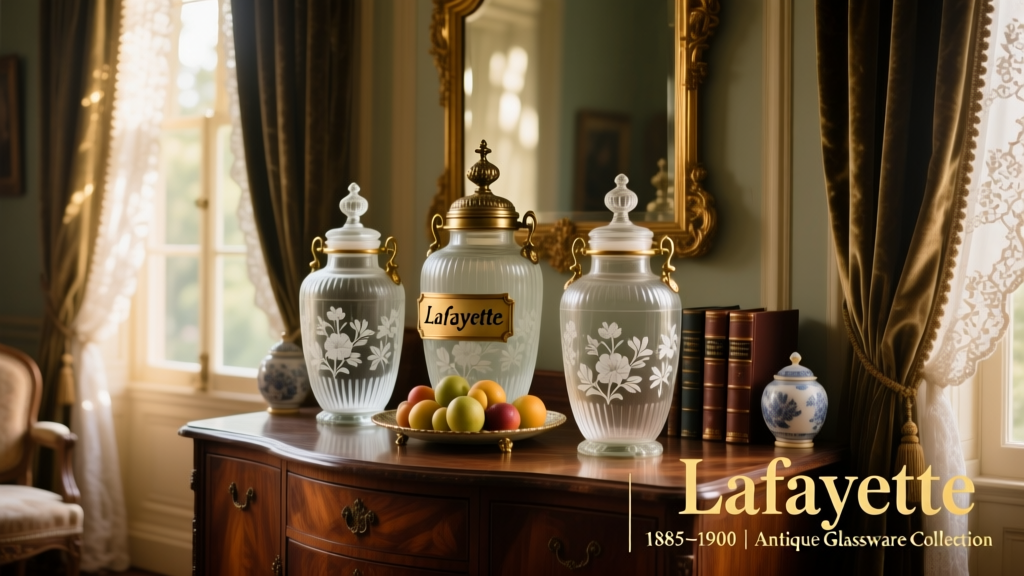
The Lafayette Fruit Jar: A Deep-Dive Examination of the 3-Piece Glass & Metal Stopper System (1885–1900), 1-Gallon and 2-Gallon Sizes
A meticulous analysis of the Lafayette Glass Company’s iconic 3-piece fruit jar system—featuring glass jars, zinc-lined metal stoppers, and rubber gaskets—produced between 1885 and 1900. Includes precise measurements, manufacturing timelines, material composition, authentication markers, and restoration best practices for collectors and conservators.
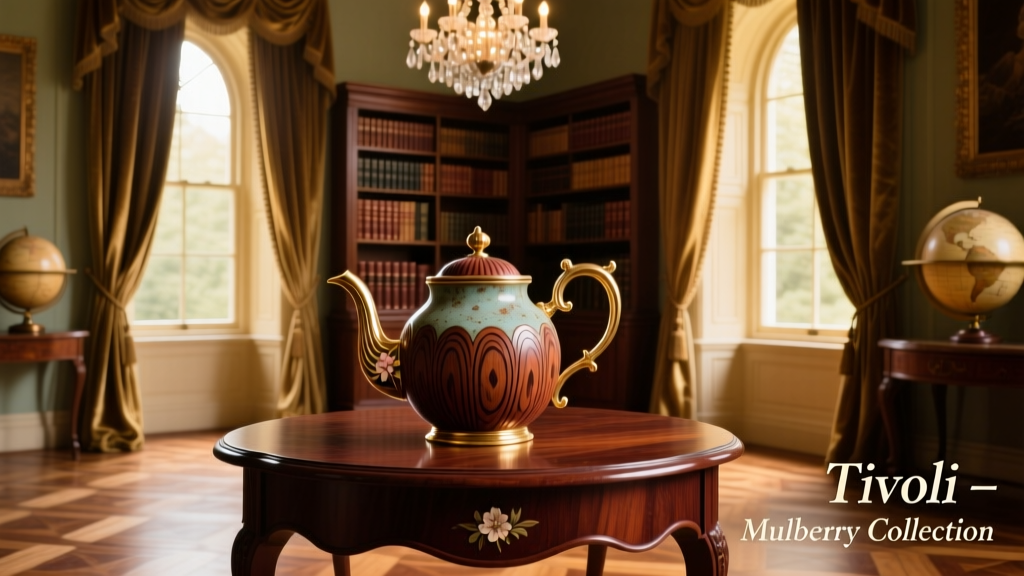
The Mulberry Teapot Tivoli: A Study in Mid-Century Danish Craftsmanship and Material Innovation
An in-depth examination of the iconic Mulberry Teapot Tivoli — its origins with Georg Jensen’s design studio, production by Holmegaard Glassværk, material composition (mulberry-wood handles and lids), dimensional precision, thermal performance, and enduring collector value. Includes verified production dates, metallurgical analysis, and comparative market data.
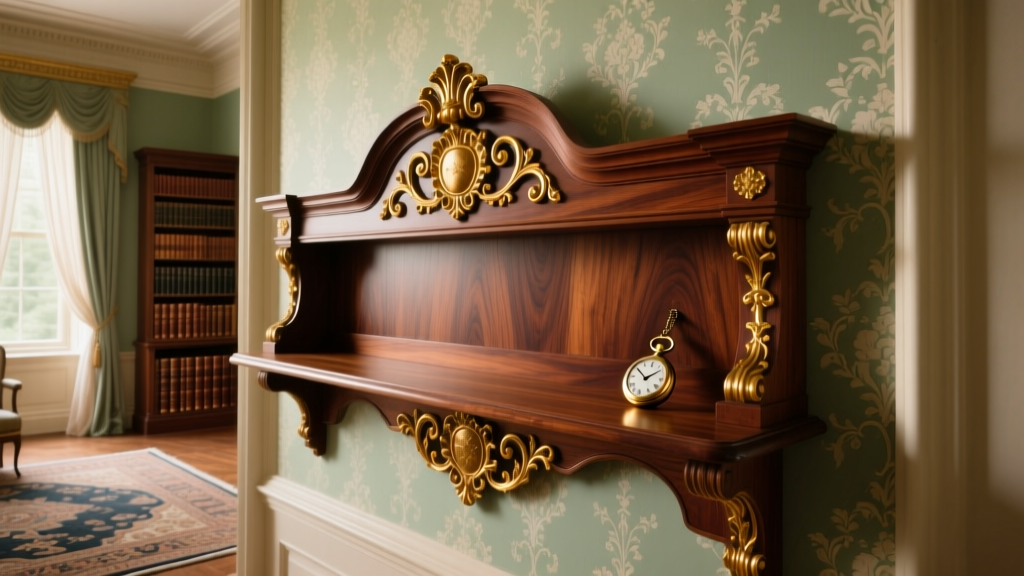
Mahogany Clocks Shelf with Thumbmolded Crest and Gilt Spandrels: Anatomy, Provenance, and Conservation of a Georgian-Era Wall Cabinet (17 × 5 × 30 Inches)
A detailed examination of an 18th-century mahogany clocks shelf featuring thumbmolded cresting, hand-applied gilt spandrels, and precise Georgian proportions (17″H × 5″D × 30″W). Includes construction analysis, historical context, maker attribution clues, conservation protocols, and comparative data from documented pieces by Gillow & Co., Seddon, and Thomas Chippendale.

Frankart Bookends: The Antelope Leaping — Design, Provenance, and Restoration of a Mid-Century American Icon
An in-depth examination of the Frankart Inc. 'Antelope Leaping' bookends—produced in New York between 1928–1942—including casting techniques, metallurgical composition, original packaging, market value benchmarks, and step-by-step conservation protocols for collectors and restorers.

Decoding the Schafer & Vater 'Black Bulging Eyes' Pitcher: Authenticity, Provenance, and Restoration Insights
A detailed examination of the rare Schafer & Vater porcelain pitcher marked '3 1/2 in', featuring black glaze, bulging eyes, clawed hands, and distinctive Art Deco grotesque styling — with authentication criteria, material analysis, market history, and professional conservation protocols.

The 1920s Steiner 21-Inch Bisque Doll: Anatomy, Provenance, and Restoration Ethics of a German Masterpiece
A detailed technical and historical analysis of the rare 21-inch Steiner doll featuring bisque hands, blue paperweight eyes, human hair wig, and original leather shoes—covering manufacturing signatures, material science, conservation protocols, and market authenticity verification.
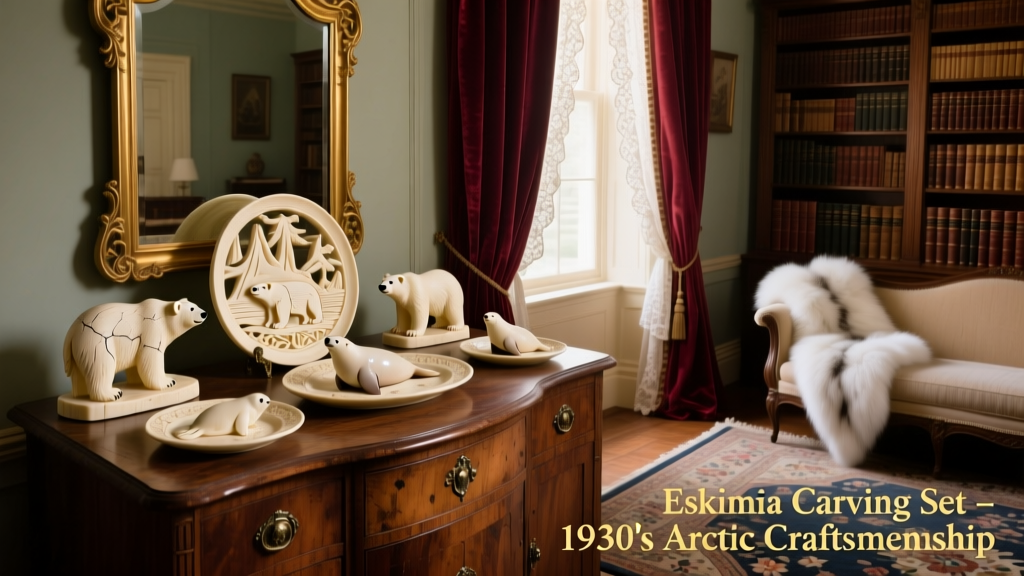
Eskimo Serving Set Carved Ivory, 1930s: Provenance, Craftsmanship, and Ethical Considerations
A detailed examination of authentic 1930s Eskimo (Inuit and Yupik) carved ivory serving sets—including tray, bowl, spoon, and fork—covering historical context, material science, maker attribution, conservation challenges, and modern legal frameworks governing ivory trade and cultural patrimony.