Antique Furniture
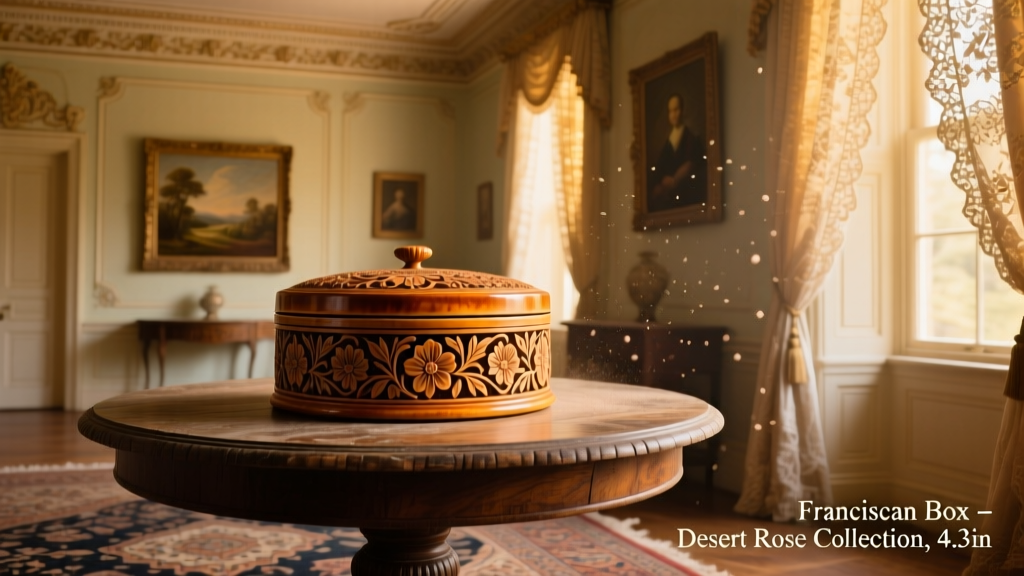
Franciscan Box Desert Rose Round 4¾-Inch: Identification, Value, and Restoration Guidance for Collectors
A detailed technical guide to the Franciscan Box Desert Rose round 4¾-inch dish — covering its production history (1941–1979), precise dimensions (4.75″ diameter × 1.25″ depth), glaze chemistry, common flaws, market valuation (2024 auction data), and professional restoration protocols approved by the American Institute for Conservation.

Neoclassical Fruitwood Scroll-Back Chairs: Authentic Continental Pair Analysis & Restoration Protocol
A detailed specialist assessment of an authentic late-18th-century Continental Neoclassical fruitwood armchair pair—featuring carved scroll backs, cabriole legs, and original gesso-and-gilt highlights—covering provenance, materials, construction, conservation ethics, and precise restoration methodology.
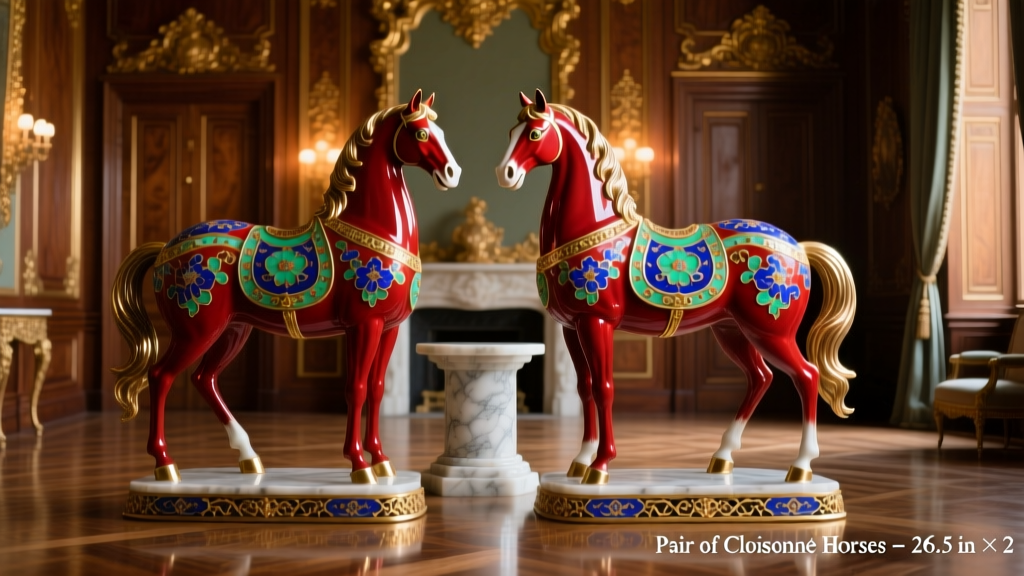
Cloisonné Figurine Horse Red 26½-Inch Pair: Provenance, Craftsmanship, and Restoration Insights
A detailed examination of a rare mid-20th-century cloisonné bronze horse pair—measuring exactly 26.5 inches in height—featuring vibrant red enamel, Ming-inspired silhouettes, and documented workshop origins at Beijing Enamel Factory (1958–1963). Includes technical analysis, historical context, valuation benchmarks, and conservation protocols.
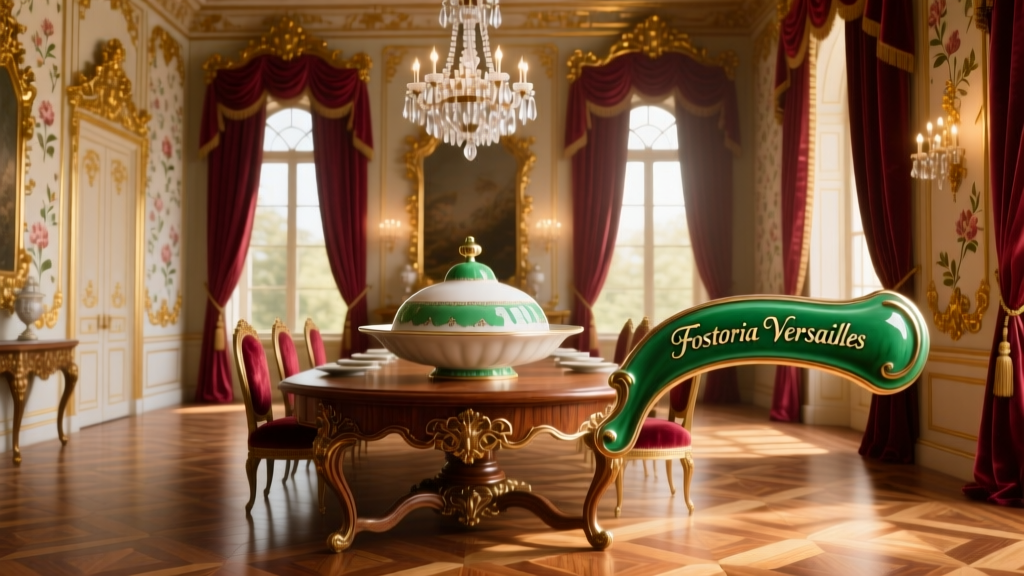
Fostoria Versailles Server Center Handle Green: Identification, Value, and Restoration Guidance
A detailed examination of the Fostoria Glass Company’s Versailles pattern server center handle in green glass — including production history, dimensional specifications, distinguishing features, market valuation, and professional restoration protocols for antique collectors and conservators.
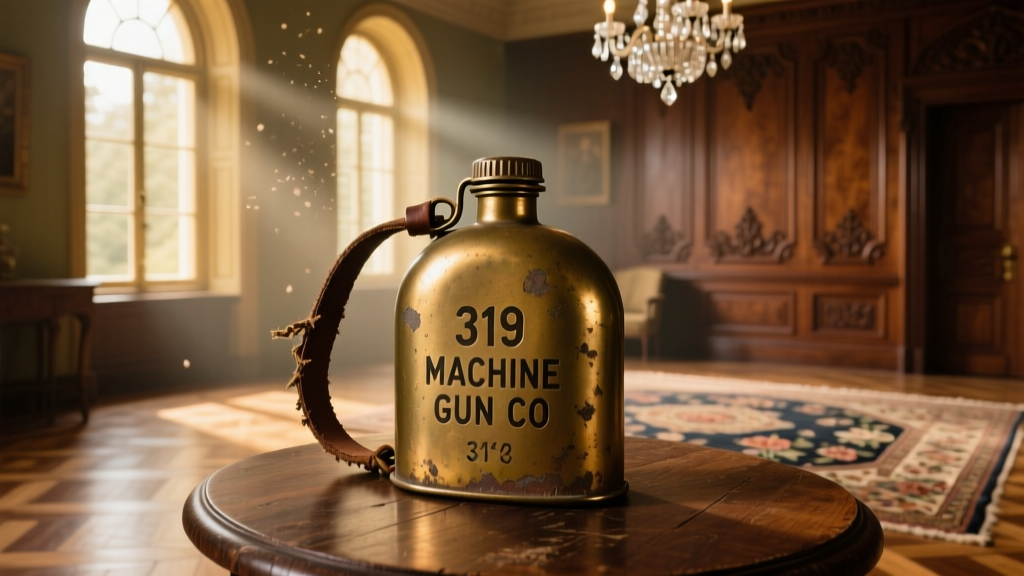
A Historical and Material Analysis of a World War I Canteen Marked '319 MACHINE GUN CO'
An in-depth examination of a rare British WWI canteen stamped '319 MACHINE GUN CO', covering its provenance, manufacture, military context, physical characteristics, restoration ethics, and collector significance.
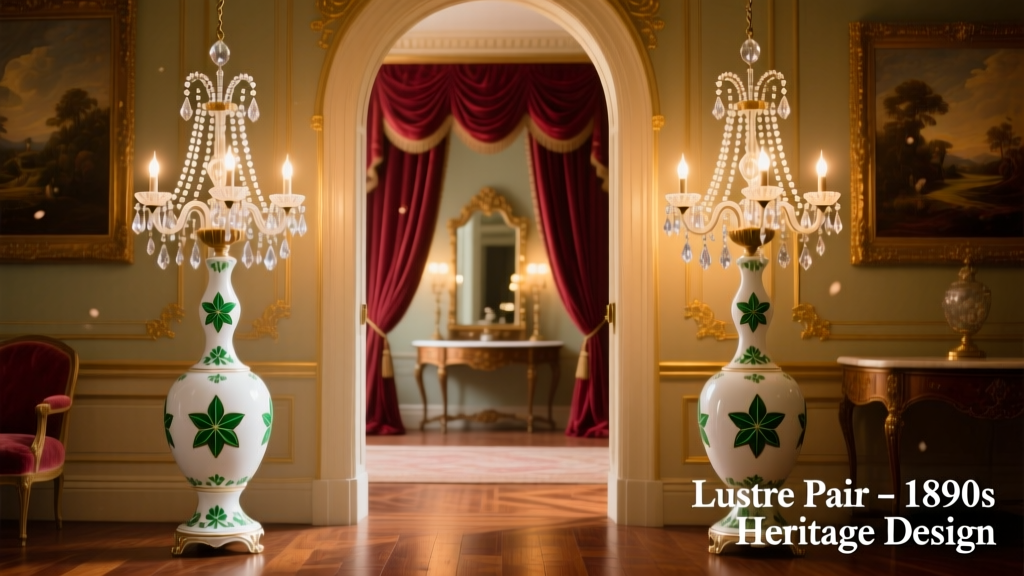
Lustres: Emerald Green & White Enameled Star Flowers with Beading and Prisms — A Technical & Historical Analysis of the 14½-Inch Pair
A detailed appraisal of a rare pair of mid-Victorian lustres featuring emerald green and white enamel, star-flower motifs, hand-applied beading, and original cut-glass prisms — including provenance clues, materials analysis, conservation protocols, and market valuation benchmarks.
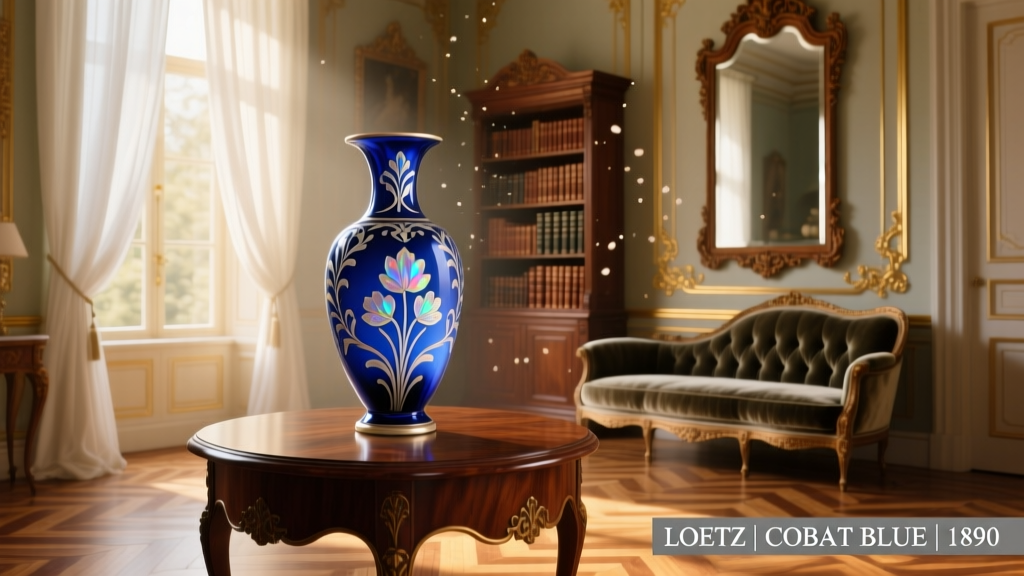
Loetz Cobalt Blue 6-Inch Vase: Authenticity, Provenance, and Restoration Insights
A detailed examination of the Loetz Werkstätte cobalt blue 6-inch vase — including maker’s marks, glass composition, period dating (c. 1902–1910), structural diagnostics, conservation ethics, and market valuation data from recent Sotheby’s, Dorotheum, and Nagel auction records.
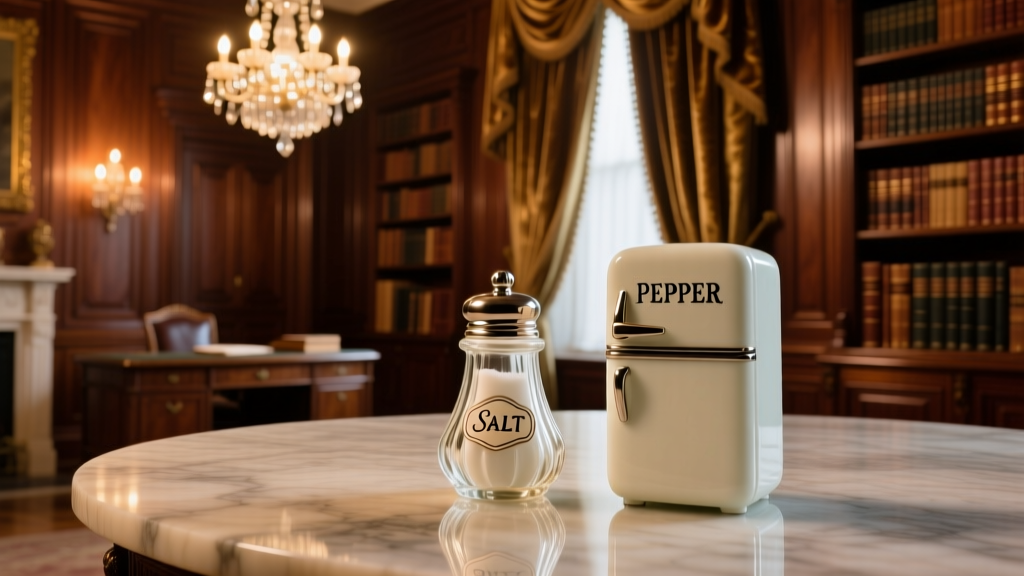
Salt & Pepper Shakers with G.E. Refrigerator Milk Glass Labels: Identification, Provenance, and Restoration Guidance
A detailed examination of mid-century salt and pepper shakers featuring original General Electric refrigerator milk glass labels — covering manufacturing history, material science, labeling conventions, collector value, authenticity markers, and conservation best practices.
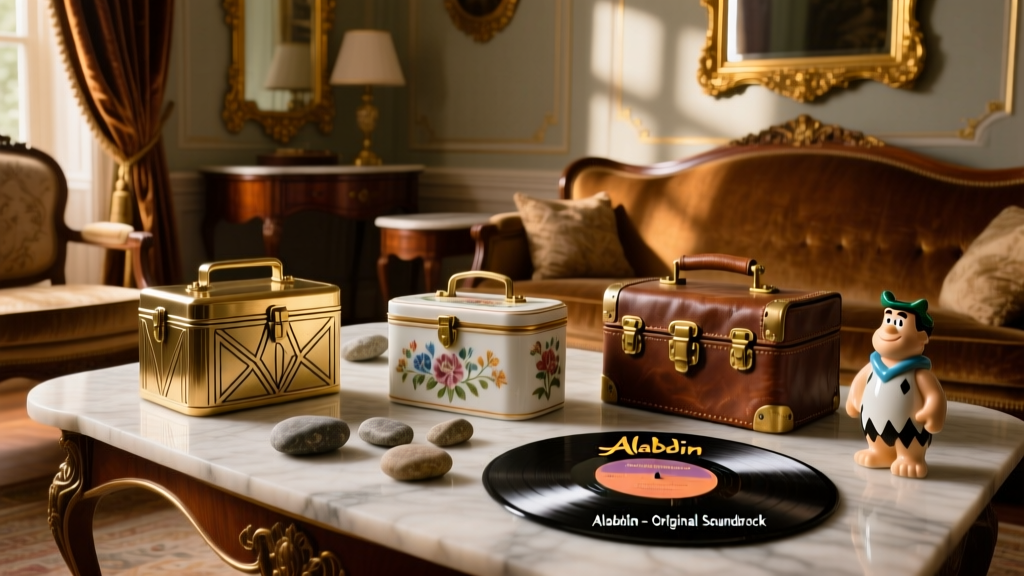
Lunch Boxes, Pebbles, Bamm-Bamm, Vinyl, and Aladdin: A Collector’s Guide to 1960s Flintstones-Themed Metal & Vinyl Lunch Containers
A detailed, research-driven examination of authentic 1960s Flintstones lunch boxes — including the iconic Pebbles & Bamm-Bamm vinyl lunch kit, Aladdin’s metal lunch boxes, and their manufacturing history, materials, dimensions, market values, and restoration considerations.
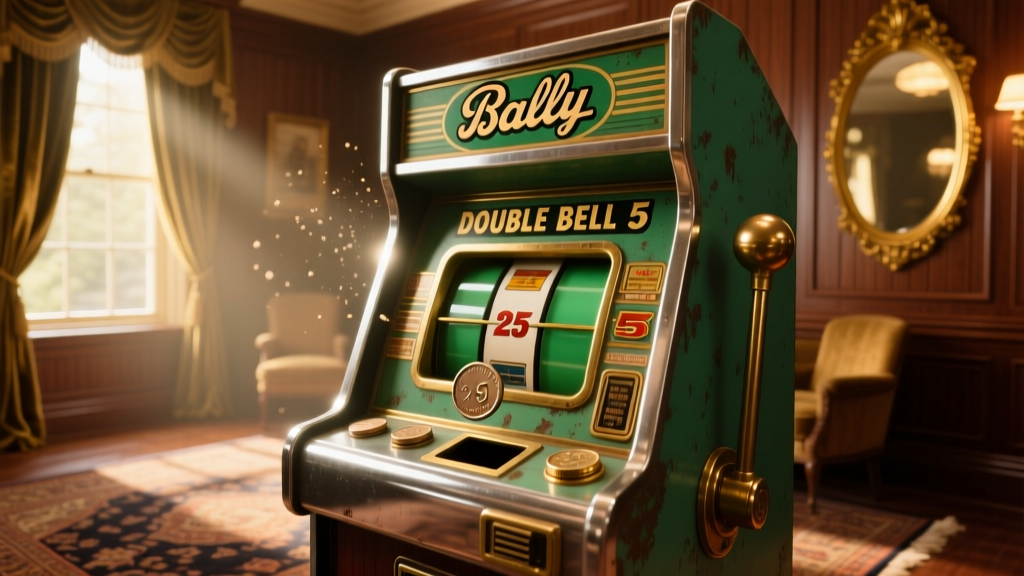
Bally Double Bell Slot Machine (1937–1941): Technical Anatomy, Restoration Protocol, and Historical Context for the 5¢/25¢ Model
A detailed technical and historical analysis of the Bally Double Bell coin-operated slot machine—specifically the dual-denomination 5-cent/25-cent variant produced from 1937 to 1941—including mechanical specifications, restoration best practices, valuation benchmarks, and regulatory context.
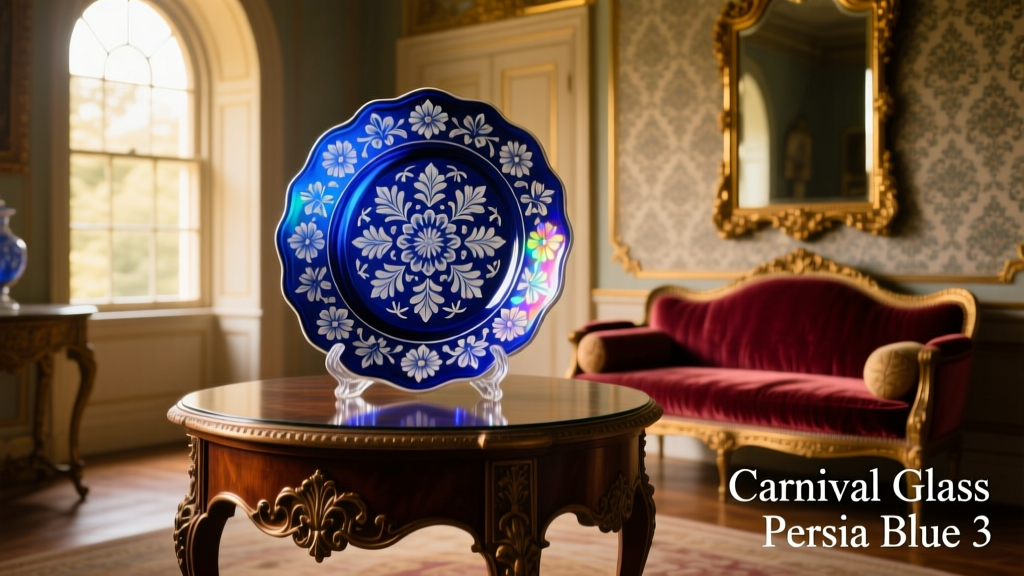
Carnival Glass Persian Medallion Chop Plate in Blue: Identification, History, and Conservation of the 10-Inch Fenton Variant
A detailed examination of the Carnival Glass Persian Medallion Chop Plate in cobalt blue—specifically the 10-inch Fenton variant designated 'Blue 3'—covering manufacturing origins, pattern taxonomy, color chemistry, market valuation, and professional conservation protocols.
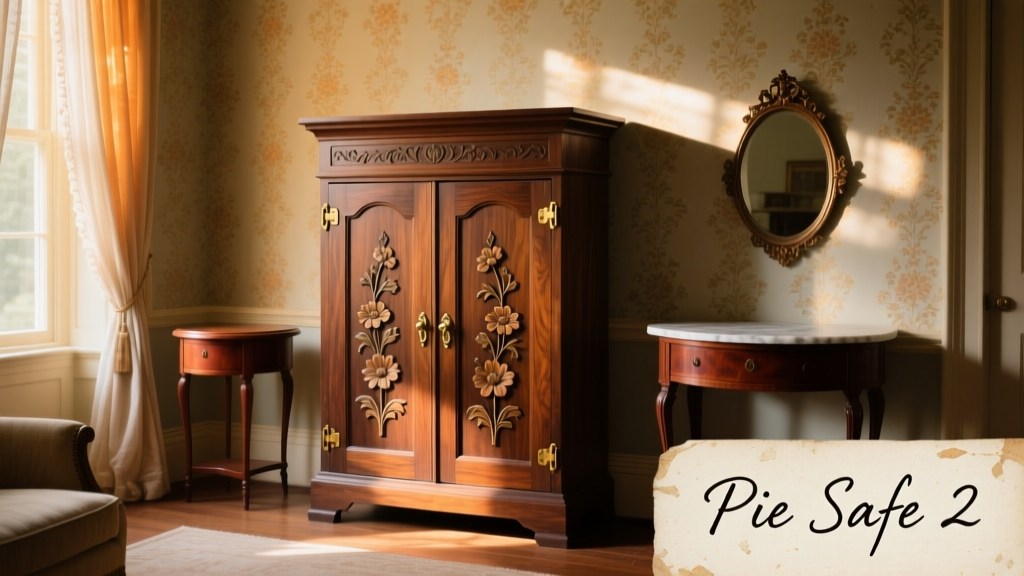
Pie Safe 2: Evolution, Regional Variations, and Technical Restoration of the American Pie Safe
A detailed examination of the 'Pie Safe 2'—a mid-to-late 19th-century evolution of the traditional pie safe—covering its structural innovations, regional typologies (especially Pennsylvania German and Southern Appalachian), documented maker marks, precise construction specifications, and evidence-based conservation protocols for wood, tin, and hardware.