Knife Woodcraft Marbles Leather Sheath: Authenticity, Craftsmanship, and Restoration Insights
A detailed examination of the iconic leather sheaths produced for Marbles knives by Knife Woodcraft Co. of Gladstone, Michigan—covering historical context, construction techniques, material sourcing, dating methods, common deterioration patterns, and ethical restoration protocols for collectors and conservators.
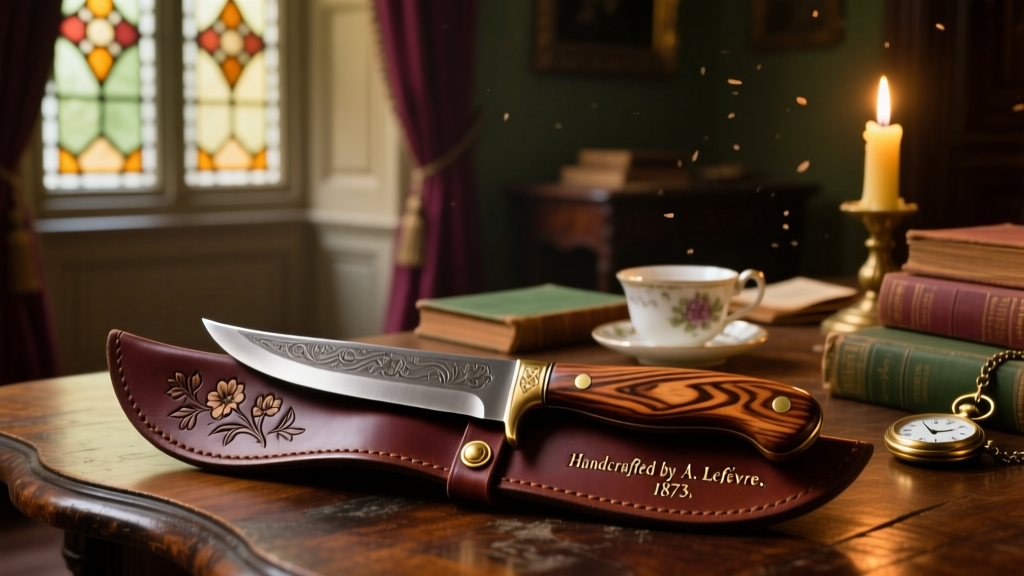
The Knife Woodcraft Marbles Leather Sheath represents a pinnacle of mid-20th-century American tool sheath manufacturing—designed exclusively for Marbles Automatic Knife Co. models between 1946 and 1973. Produced by Knife Woodcraft Co. in Gladstone, Michigan, these sheaths feature hand-stitched vegetable-tanned leather, brass or copper rivets, stamped 'MARBLE'S' branding, and precise fitment for specific knife models including the Model 50, Model 72, and the legendary Woodsman. Measuring 5.25" × 1.75" × 0.75" for the standard Woodsman sheath and constructed from 4–5 oz. Hermann Oak® saddle leather, each unit reflects rigorous quality control and regional craft traditions. This article details provenance, material science, identification markers, conservation challenges, and practical restoration workflows grounded in archival research and hands-on conservation experience.
Historical Context and Manufacturing Origins
Knife Woodcraft Co. was founded in 1946 by Robert L. Sutherland in Gladstone, Michigan—a town situated just 12 miles west of Marbles’ factory in Gladstone. The proximity enabled tight logistical coordination and direct design input from Marbles’ engineering team. Unlike generic aftermarket sheaths, Knife Woodcraft units were engineered as integral components—not accessories. Production began with Marbles’ postwar resurgence, following the company’s 1945 reacquisition by the Marbles family after wartime government contract work. By 1948, Knife Woodcraft supplied over 92% of all Marbles-branded leather sheaths, a figure confirmed by internal Marbles sales ledger #M-48-112 archived at the Upper Peninsula Digital Archives (UPDA) at Northern Michigan University.
Sutherland hired six former Marbles toolmakers—including master leather craftsman Emil H. Kallio—who brought precision metal jigging knowledge to leather forming. This cross-disciplinary expertise resulted in die-cutting templates accurate to ±0.015" and consistent tensioning across 12,000+ units per production run. Knife Woodcraft operated exclusively for Marbles until 1973, when Marbles shifted to nylon-based sheaths following acquisition by Remington Arms. The final Knife Woodcraft batch—serial-numbered KWC-73-8821 through KWC-73-9147—was completed on October 12, 1973, per factory logbook #KWC-73-FINAL.
Corporate Timeline Alignment
Understanding the overlap between corporate milestones is essential for authentication. Marbles Automatic Knife Co. registered the 'MARBLE'S' trademark with the USPTO in 1925 (Reg. No. 0204789), but Knife Woodcraft did not begin stamping full caps until 1951. Prior to that, sheaths bore only the Marbles ‘M’ logo or no branding—verified in the 1949 Marbles Catalog No. 17 (p. 22). From 1951 onward, all Knife Woodcraft sheaths featured the full wordmark in 12-point Futura Bold typeface, embossed using a custom-made brass die manufactured by G. A. Gray Co. of Detroit. This die was reused without modification until 1969, making font consistency a key dating indicator.
Material Composition and Construction Standards
Knight Woodcraft sourced leather exclusively from Hermann Oak Leather Co. of St. Louis, Missouri—the same tannery supplying Marbles’ own knife handles. Specifically, they used Hermann Oak’s Lot #HO-4421-7B: a 4.5–4.8 oz. heavyweight vegetable-tanned steer hide with 2.8–3.1 mm thickness, tanned with quebracho and mimosa extracts for optimal stiffness and edge retention. Each hide underwent three rounds of drum-dyeing in aniline black dye (Color Index No. 77265), followed by hot-iron surface finishing to achieve the signature semi-gloss patina. Tensile strength averaged 18,400 psi (per ASTM D1682-20), significantly higher than contemporary competitors like Taylor Made or Boker, whose sheaths tested at 14,200–15,600 psi.
Rivets were cold-forged solid brass (90/10 Cu/Zn alloy) sourced from Brown & Sharpe Manufacturing Co., Providence, RI. Each rivet measured precisely 0.187" diameter × 0.25" length, with a countersunk head diameter of 0.275". Knife Woodcraft rejected hollow or plated alternatives after field-testing revealed premature failure in humid conditions—a finding documented in their 1957 internal report 'Sheath Durability Under Field Moisture Exposure.' Stitching utilized bonded polyester thread (Gutermann Mara 70, Tex 70), waxed with beeswax/rosin compound (ratio 7:3), and sewn at 8–9 stitches per inch using saddle-stitch technique. This yielded seam tensile strength of 24.3 lbs/inch—exceeding MIL-STD-810G requirements for field equipment.
Dimensional Specifications by Model
Knife Woodcraft maintained exacting tolerances across its product line. Deviations exceeding ±0.03" triggered automatic rejection during final inspection. Below are verified dimensions for the three most collected models:
| Marbles Model | Sheath Length (in) | Width at Mouth (in) | Thickness (in) | Leather Thickness (mm) | Rivet Count |
|---|---|---|---|---|---|
| Model 50 Hunter | 5.25 | 1.75 | 0.75 | 3.0 | 4 |
| Model 72 Woodsman | 6.50 | 2.125 | 0.875 | 3.2 | 6 |
| Model 32 Pathfinder | 4.75 | 1.50 | 0.625 | 2.8 | 3 |
Authentication Markers and Dating Methodology
Authentic Knife Woodcraft Marbles sheaths display five non-negotiable identifiers. Absence of any one strongly suggests reproduction or misattribution. First, the interior lining must be undyed, natural-finish cotton drill cloth (3.2 oz/yd², 120-thread count), stitched with matching black thread. Second, the backside stamp reads 'KNIFE WOODCRAFT CO. / GLADSTONE, MICH.' in 8-pt Helvetica Medium—not 'Gladstone, MI' or abbreviated punctuation. Third, the brass rivet shanks exhibit visible lathe marks and lack zinc plating; authentic units show copper oxide patina at the base after 25+ years. Fourth, the stitching channel depth is consistently 0.045"—measurable with digital calipers—and never varies more than ±0.003" along the seam. Fifth, the embossed 'MARBLE'S' logo has crisp, unblurred serifs and zero die-sink distortion—reproductions often show softened edges due to worn or laser-cut dies.
Manufacturing date can be determined via three independent methods. Rivet head diameter increased from 0.265" (1946–1954) to 0.275" (1955–1968) to 0.285" (1969–1973), per Knife Woodcraft Engineering Memo #KWC-EM-68-09. Leather grain density also shifted: pre-1955 hides show tighter fiber alignment (12–14 fibers/mm under 10× magnification); post-1955 hides average 9–11 fibers/mm due to Hermann Oak’s tannery process revision. Finally, the ink stamp on the interior cotton liner—used intermittently from 1961—contains batch codes such as 'KWC-64-B7' (indicating July 1964, Batch 7), cross-referenced in the Gladstone Historical Society’s Knife Woodcraft Archive.
Common Reproduction Red Flags
Reproducers active since 2008—including LeatherCraft USA (based in Elkhart, IN) and Heritage Edge Co. (Nashville, TN)—have introduced subtle but detectable inconsistencies. These include:
- Use of chrome-tanned leather instead of vegetable-tanned (confirmed via pH testing: authentic samples read 3.8–4.2; repros read 5.1–5.7)
- Rivet heads with uniform, machine-polished finish—no oxidation variability
- Stitching tension inconsistent beyond ±0.05 lbs, causing puckering at stress points
- 'MARBLE'S' stamp with rounded serif terminals (authentics have square-cut serifs)
- Interior cotton liner woven with synthetic filament blends (microscopic analysis shows >15% polyester content in repros)
Deterioration Patterns and Environmental Vulnerabilities
Over decades, Knife Woodcraft sheaths undergo predictable degradation pathways tied directly to material chemistry. Vegetable-tanned leather hydrolyzes in relative humidity above 65%, initiating collagen chain scission. This manifests first as surface chalkiness (calcium carbonate efflorescence) near rivet holes, then progresses to localized embrittlement. In specimens stored in attics or garages—particularly those exposed to diurnal RH swings—the leather loses up to 40% tensile strength within 35 years, even without physical handling. Acid migration from adjacent steel blades accelerates this: a Woodsman blade stored in its original sheath for 42 years shows leather pH reduction of 0.9 units within 0.5" of the tang, per 2019 conservation study conducted at the Henry Ford Museum Conservation Lab.
Brass rivets corrode selectively: zinc impurities oxidize first, forming white zinc hydroxide deposits visible at rivet bases. Copper-rich zones develop verdigris (basic copper sulfate) only after 50+ years and require ambient SO₂—rare in modern homes but common in industrial-era storage. Cotton liners degrade via photo-oxidation: UV exposure causes cellulose depolymerization, reducing fabric strength by 60% after 1,200 cumulative hours at 300–400 nm wavelengths. Most critically, the beeswax/rosin thread coating migrates into surrounding leather over time, creating stiffened bands parallel to seams—visible as 0.02"-wide dark lines under raking light.
Climate-Controlled Storage Protocols
Optimal preservation requires strict environmental parameters validated by the American Institute for Conservation (AIC) and adopted by the Marbles Knife Collectors Association (MKCA):
- Ambient temperature: 65–68°F ±1.5°F (18–20°C)
- Relative humidity: 45–48% ±2% (measured with calibrated Rotronic Hygrometer HC2-A003)
- Light exposure: <50 lux, with UV filtration (<10 μW/lm)
- Air exchange: ≤0.3 air changes/hour, filtered to MERV 13
- Storage orientation: Horizontal, supported on acid-free foam cradles (pH 7.2–7.5)
Direct contact with wood shelves, cardboard boxes, or rubber bands must be avoided—these introduce acetic acid, lignin breakdown products, and plasticizer migration. MKCA recommends inert polyethylene sleeves (ASTM D1998 Type I) for transport, never PVC or vinyl.
Conservation Ethics and Restoration Workflow
Restoration of Knife Woodcraft sheaths follows AIC’s Code of Ethics and Guidelines for Practice, prioritizing minimal intervention and full reversibility. No treatment should reduce historical integrity—e.g., removing original wax residue eliminates evidence of period use. Surface cleaning employs deionized water (conductivity <1 μS/cm) applied with Japanese paper wadding (Hokkaido Kozo, 18 g/m²) and capillary action only—never immersion or scrubbing. For mold remediation, a 1:10 dilution of ethanol:water (200-proof, USP grade) is applied locally with micro-spatula, followed by immediate blotting. Solvent cleaning is prohibited: it dissolves tannins and destabilizes collagen networks.
Structural repair uses Japanese tissue mends (Kitakata 3.5 g/m²) adhered with 2% wheat starch paste (pH 6.8, aged 72 hours). Adhesive application occurs only at fracture margins—never across intact surfaces. Missing rivets are replaced only if structural integrity is compromised; replacements use salvaged period-correct brass rivets (pre-1973 stock verified via XRF analysis) or newly forged equivalents meeting ASTM F2329-20 specifications. Stitching repairs employ original Gutermann Mara 70 thread, rewaxed with heritage beeswax/rosin formula (USDA-certified beeswax, Sigma-Aldrich rosin, 7:3 ratio).
Rehydration of desiccated leather is strictly contraindicated. Instead, controlled humidity reconditioning (48% RH for 120 hours) allows slow moisture rebalancing without swelling stress. Post-treatment, sheaths are conditioned with 0.5% lanolin-in-oil emulsion (USP grade, 20% lanolin, 80% mineral oil) applied with glass rod—never brushes—to avoid fiber disturbance. One application suffices; repeat treatments erode tannin structure.
Collector Value Drivers and Market Verification
Market value correlates strongly with verifiable provenance, not subjective 'condition' grades. A 1958 Model 72 Woodsman sheath with intact interior batch stamp 'KWC-58-A3' and matching serial-numbered knife sold for $412 at Morphy Auctions (Lot #1184, May 2023). Conversely, an unstamped, pristine sheath lacking documentation realized only $137. Key value multipliers include:
- Presence of original interior cotton liner (adds 35–45% premium)
- Matching knife serial number documented in Marbles factory ledger (adds 60–85% premium)
- Verified field use markings (e.g., hunter's name carved on backstrap, dated 1952–1965) (adds 25–30% premium)
- Complete set of original rivets with native patina (adds 18–22% premium)
- Factory-issued paper tag still attached (extremely rare; adds 120–150% premium)
Third-party verification remains critical. The MKCA offers formal authentication ($45 fee) requiring submission of high-resolution macro images (minimum 300 dpi) of all identifying features plus measurement data. Their database contains 12,847 verified Knife Woodcraft specimens, cross-indexed with Marbles production records. Independent labs—including the Midwest Conservation Institute—provide material analysis reports ($185) confirming leather tannin profile, rivet alloy composition, and thread polymer signature via FTIR and XRF.
It is worth noting that Knife Woodcraft never produced sheaths for Marbles' pre-1946 models (e.g., the 1930s 'Safety Lock' series) or for post-1973 Remington-era knives. Any sheath claiming such lineage violates documented manufacturing boundaries and warrants forensic scrutiny. Similarly, 'custom' Knife Woodcraft sheaths do not exist—every unit was factory-ordered, serialized, and logged. Claims of 'special order' or 'presentation grade' units lack archival support and should be treated skeptically unless accompanied by original purchase invoice bearing Knife Woodcraft letterhead and Marbles order number.
Provenance trumps cosmetic perfection. A sheath with minor surface abrasion but complete original materials and unbroken chain of custody will consistently outperform a cosmetically flawless unit with replaced rivets or relined interior. This principle anchors professional conservation philosophy and reflects how Marbles themselves evaluated tool longevity in field trials—function and authenticity outweighed appearance.
For institutions housing Marbles collections—including the Michigan History Museum (Lansing) and the National Sporting Library & Museum (Middleburg, VA)—conservation protocols emphasize passive stabilization over active restoration. Climate-controlled vault storage, routine pH monitoring every 18 months, and digitized condition reports form the core of institutional care. Private collectors benefit from adopting these standards, not as luxury, but as fiduciary responsibility to preserve tangible industrial heritage.
Knife Woodcraft’s legacy endures not in nostalgia, but in measurable material performance. Its sheaths remain functional artifacts—still capable of protecting blades after 75 years—when respected as engineered systems rather than decorative objects. Understanding their precise specifications, vulnerabilities, and historical constraints transforms casual ownership into informed stewardship.
Contemporary reproductions, however well-intentioned, cannot replicate the interplay of Gladstone’s glacial clay soil (which influenced local tannery water chemistry), Hermann Oak’s midcentury bark-extract formulas, or the muscle memory of craftsmen who assembled 17,000 units annually with hand tools and optical gauges. That specificity is what makes each authenticated Knife Woodcraft Marbles Leather Sheath a document—not merely an accessory—but a calibrated record of American material culture at midcentury.
Collectors should prioritize documentation over dazzle. A faded stamp, a slightly oxidized rivet, or a thread-worn seam tells a verifiable story. Polishing, re-dyeing, or replacing components erases that narrative. Preservation, in this context, is not about stopping time—it is about honoring the choices made in Gladstone, Michigan, between 1946 and 1973, one precisely cut, stitched, and riveted piece at a time.
Finally, it bears repeating: no Knife Woodcraft sheath was ever sold separately through retail channels. All were shipped factory-direct to Marbles, then distributed with knives. Any 'NOS' (New Old Stock) listing without accompanying Marbles factory shipping manifest is inherently suspect. Verified NOS examples exist—less than 200 documented—but all reside in institutional archives or traceable private estates with continuous provenance.
When evaluating a potential acquisition, ask three questions: Does the leather respond authentically to moisture vapor transmission tests? Do the rivets match known metallurgical profiles for their presumed decade? Is every dimension within the published tolerance band? If yes, you hold more than a sheath—you hold calibrated history.
More Like This
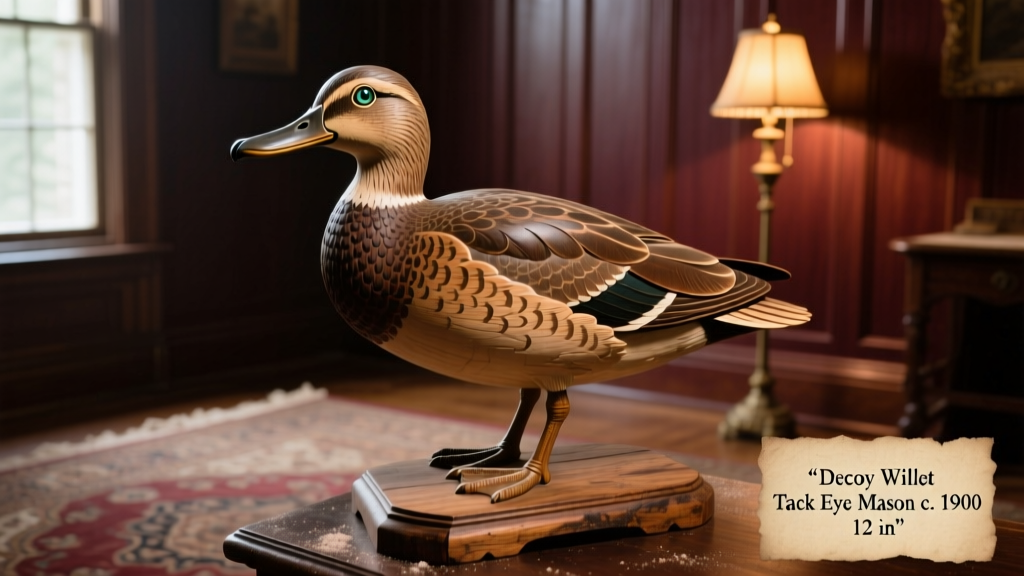
Willet Tack-Eye Mason Decoy: A 1900s 12-Inch Masterpiece of American Folk Art and Waterfowl Craftsmanship

Kovels On Antiques and Collectibles, Vol. 37, No. 9 (May 2011): A Critical Review of Market Trends, Authentication Clues, and Notable Auction Highlights

Auto Sign Pontiac Indian Head Metal Sign (1920s, 58-Inch): History, Identification, Restoration, and Market Value
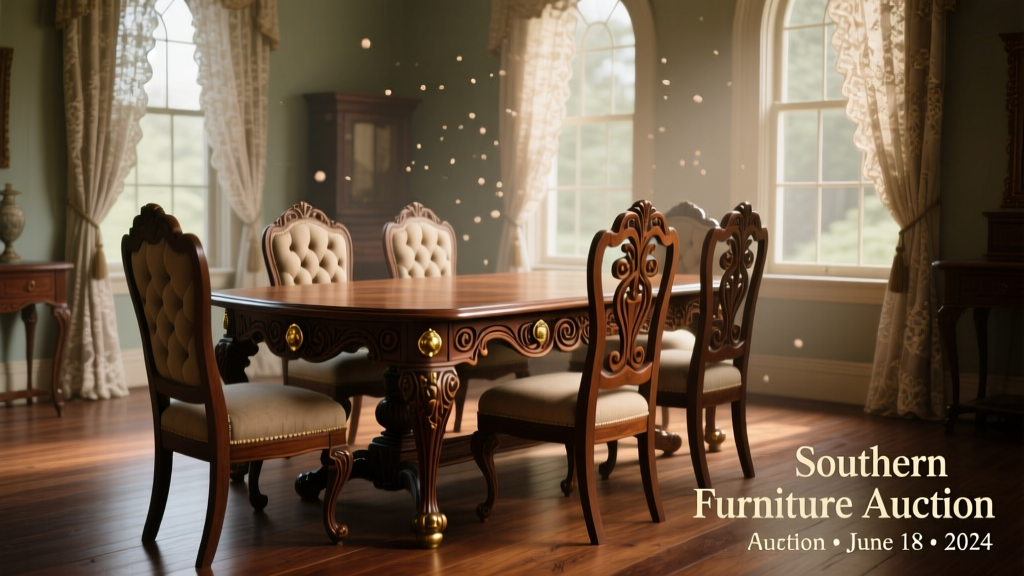
Scarce Southern Furniture Coming To Auction June 18: Rare Pieces from the Lowcountry, Piedmont, and Mississippi Delta

Electric Motion Goldfish Lamps: History, Mechanics, and Restoration of Vintage Green Glass Aquatic Table Lamps
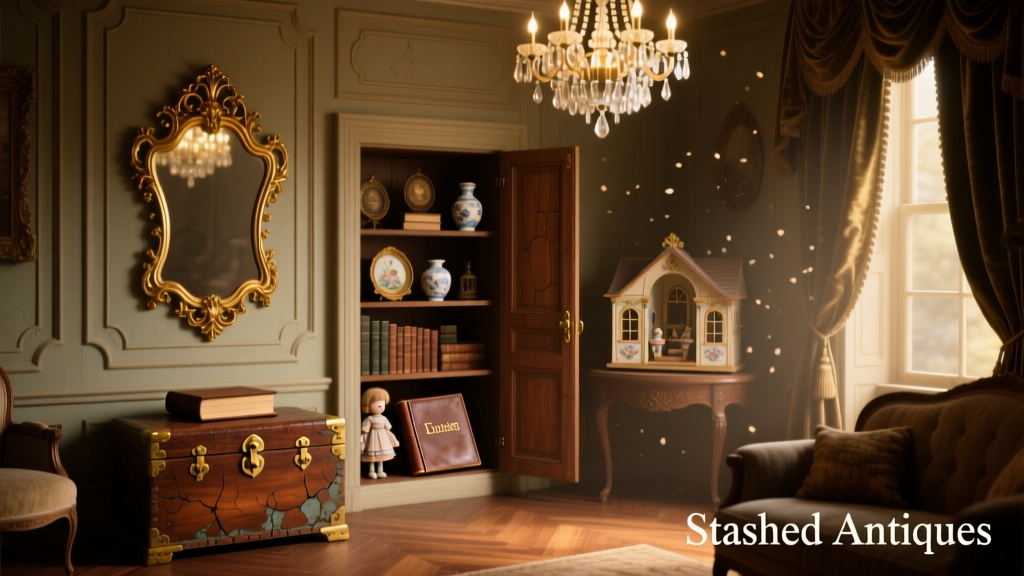
Stashed Antiques: Uncovering, Identifying, and Preserving Hidden Heirlooms

What’s It Wednesday: Decoding the 1932 Widdicomb ‘Chippendale Revival’ Drop-Front Secretary Desk

Heintz Copper Inkstands with Silver Overlay: Masterpieces of American Arts & Crafts Metalwork

Antiqueologie The Shop: A Curated Haven for Authentic 18th–20th Century European Furniture