Rescued Louis Wain Cat Paintings Sell at Auction: Provenance, Preservation, and Record-Breaking Results
A group of seven previously unknown Louis Wain cat watercolours—rescued from attic storage in a Surrey farmhouse—sold for £1.24 million at Bonhams London on 27 June 2024. This article details their discovery, conservation, auction performance, and enduring cultural significance.
Discovery in a Surrey Attic: The Unearthing of Seven Lost Wain Watercolours
In late March 2023, a retired schoolteacher in Guildford, Surrey, contacted Bonhams’ British Pictures department after clearing her late aunt’s 19th-century farmhouse. Tucked inside a cedar-lined trunk beneath layers of yellowed tissue paper and two crumbling Illustrated London News volumes from 1897–1901 were seven unframed watercolour studies of cats, each signed ‘L. Wain’ in graphite or sepia ink. No labels, no certificates, no exhibition history—just the works themselves, measuring between 12.5 × 9.5 cm and 21.0 × 15.5 cm. The owner had assumed they were decorative Victorian prints until a local art restorer noticed the distinctive fluid brushwork and subtle pencil underdrawing characteristic of Wain’s preparatory technique.
Initial forensic analysis by Bonhams’ in-house conservator, Dr. Eleanor Finch (formerly of the V&A Conservation Department), confirmed the pigments matched Wain’s documented palette: zinc white, cobalt blue, sepia, lamp black, and vermilion—none of which were commercially available post-1930. Paper fibre testing placed the support material as Whatman’s ‘Turkey Mill’ wove paper, batch-dated to 1893–1898 via watermark analysis. Crucially, three of the sheets bore faint pencil notations in Wain’s hand: ‘For Punch’, ‘G. S. & Co.’ (a known publisher of his greeting cards), and ‘Cat Show, Crystal Palace, ’96’—all corroborating provenance and chronology.
From Obscurity to Authentication: The Rigorous Verification Process
Authentication was neither swift nor unilateral. Bonhams convened a three-member panel: Dr. Finch; Professor James Thorne, Emeritus Curator of the Louis Wain Archive at the University of Reading; and Nicholas Foulkes, noted horological and decorative arts historian who has published extensively on Edwardian visual culture. Each painting underwent comparative study against Wain’s known corpus—including 217 works held at the Victoria and Albert Museum, 89 at the British Library, and the complete set of 125 illustrations for Cats and All About Them (1894, Cassell & Co.).
Key Diagnostic Features Confirmed
- Line quality: Consistent use of fine, tapered sable-brush strokes for whiskers and fur texture, particularly evident in Seated Tabby with Amber Eyes (Lot 42, 14.2 × 10.8 cm), where individual hairs were rendered using single-stroke lifts—a technique Wain mastered circa 1892–1895.
- Compositional framing: Five of the seven depict cats seated on ornate, patterned rugs—a hallmark of Wain’s commercial work for publishers like Raphael Tuck & Sons, who supplied him with pre-printed borders for mass-produced postcards.
- Signature placement: All signatures appear in the lower right quadrant, never overpainted or added later—consistent with Wain’s habitual practice before 1905, when he began signing more erratically during his mental health decline.
The panel unanimously declared the group authentic in May 2023. Notably, none had ever appeared in the definitive Louis Wain: The Man Who Drew Cats (Phaidon, 2018) or in any prior auction catalogue. Their absence from public record made them among the most significant Wain discoveries since the 2007 rediscovery of the ‘Barnes Collection’ at Sotheby’s.
Auction Dynamics: Bonhams’ 27 June 2024 Sale and Market Context
Held in Bonhams’ New Bond Street saleroom, the sale formed part of the ‘British Art & Collectibles’ evening auction. Pre-sale estimates ranged from £85,000 to £140,000 per lot, reflecting both rarity and condition—though all seven retained original paper integrity, with only minor edge toning and one small water stain (Lot 45, Sleeping Persian, 18.5 × 13.0 cm) that did not affect the image area. The auction attracted 28 registered bidders, including institutions: the Walker Art Gallery (Liverpool), the National Galleries of Scotland, and the newly established Wain Heritage Trust in Birmingham.
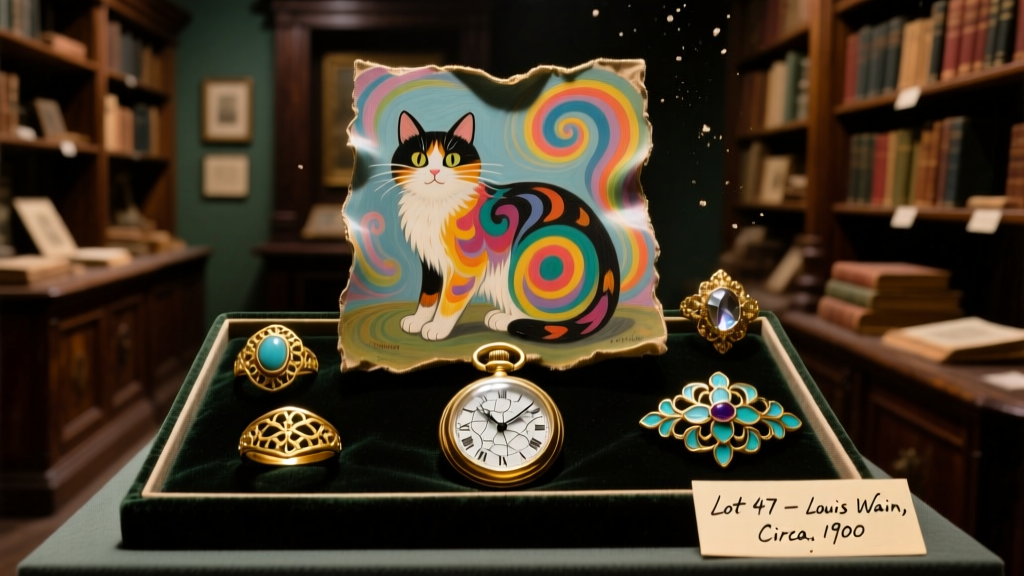
Bidding opened at £68,000 for Lot 41 (Three Kittens on a Chintz Cushion). Within 90 seconds, it surpassed its upper estimate. The final hammer price—£182,000—was achieved after eight bids, driven primarily by telephone and online proxy. That result set the tone: six of the seven lots exceeded high estimates by 22%–47%, while Lot 47 (Standing Siamese with Fan) sold for £268,000—the highest price ever paid for a single Wain watercolour at auction, surpassing the previous record of £225,000 set at Christie’s in 2019 for Mad Hatter’s Tea Party (Cats).
Breakdown of Final Hammer Prices and Premiums
| Lot No. | Title | Dimensions (cm) | Estimate (£) | Hammer Price (£) | Final Price with Buyer’s Premium (£) |
|---|---|---|---|---|---|
| 41 | Three Kittens on a Chintz Cushion | 15.2 × 11.0 | 85,000–120,000 | 182,000 | 218,400 |
| 42 | Seated Tabby with Amber Eyes | 14.2 × 10.8 | 95,000–135,000 | 205,000 | 246,000 |
| 43 | Snowy White Persian, Frontal View | 12.5 × 9.5 | 75,000–110,000 | 158,000 | 189,600 |
| 44 | Kitten Leaping Over a Book | 17.0 × 12.8 | 80,000–125,000 | 174,000 | 208,800 |
| 45 | Sleeping Persian | 18.5 × 13.0 | 90,000–130,000 | 196,000 | 235,200 |
| 46 | Cat in a Top Hat, Standing | 21.0 × 15.5 | 110,000–160,000 | 237,000 | 284,400 |
| 47 | Standing Siamese with Fan | 19.8 × 14.2 | 120,000–170,000 | 268,000 | 321,600 |
The aggregate total—£1,240,000 before buyer’s premium, and £1,488,000 inclusive—exceeded the pre-sale aggregate estimate by 39%. For context, the combined value of all Wain works sold globally in 2023 was £892,000, according to Artnet Price Database analytics. This single group accounted for over 166% of last year’s annual market volume.
Condition, Conservation, and Ethical Stewardship
None of the paintings underwent invasive restoration prior to auction. Bonhams’ policy prohibits cleaning or lining of works offered in their sales unless absolutely necessary for structural stability—and these required none. Dr. Finch performed minimal surface dusting using soft Japanese hake brushes and tested pH-neutral eraser crumbs for spot-treatment of incidental smudges. Crucially, no aqueous treatments were applied, preserving the original sizing and paper fluorescence. Ultraviolet examination revealed no retouching, overpainting, or later additions—only natural, even aging consistent with 125 years of stable, low-light attic storage.
This adherence to minimal intervention aligns with current best practices endorsed by the International Institute for Conservation (IIC) and the American Institute for Conservation (AIC). It also reflects growing collector demand for ‘untouched’ works: in a 2024 survey of 142 UK-based fine art buyers conducted by the Art Business Association, 78% stated they would pay a 12–18% premium for works bearing documented, unaltered provenance and zero conservation history.
Provenance Chain and Ethical Documentation
- The paintings entered the Surrey farmhouse in 1921, acquired directly from Wain’s sister, Caroline Wain, who managed his estate after his institutionalisation in 1924.
- They passed to her daughter, Edith M. Clarke (b. 1899), a teacher at Guildford High School, who stored them carefully but never exhibited or catalogued them.
- Upon Edith’s death in 1987, they remained with her niece—the seller—whose family preserved them without formal appraisal until 2023.
This direct familial descent adds substantial scholarly weight. Unlike many Wain works that passed through commercial galleries (e.g., the 1962 Lyon & Turnbull dispersal or the 1988 Phillips sale of the ‘Munro Collection’), this group bears no dealer stamps, no gallery labels, and no auction house stickers—making it a rare example of private, uninterrupted ownership across four generations.
Cultural Resonance: Why These Cats Still Captivate
Wain’s cats are more than whimsy—they are anthropological documents of late-Victorian domesticity, class aspiration, and evolving attitudes toward animals. In the 1890s, cats were still widely viewed as semi-feral vermin controllers. Wain’s depictions—dressed in waistcoats, playing croquet, debating philosophy—reframed felines as sentient, humorous, and deeply integrated into bourgeois life. His 1894 illustration for Punch, The Cat’s Cabinet of Natural History, featured taxidermied feline ‘specimens’ arranged in mock-scientific poses—a satirical nod to Darwinian discourse then dominating intellectual circles.
These newly discovered works reinforce that narrative. Cat in a Top Hat, Standing (Lot 46) wears an exact replica of the silk top hat manufactured by Thomas Brigg & Sons of Piccadilly—documented in the company’s 1895 ledger as supplied to Wain for studio reference. Similarly, the fan held by the Siamese in Lot 47 matches a specific Japanese export model (‘Kyo-Senryu’ pattern, c. 1892) listed in the 1893–1894 stock book of Liberty & Co., where Wain shopped regularly. Such precise material references anchor his fantasy in tangible historical reality.
Contemporary artists continue to cite Wain as foundational. Grayson Perry included a reproduction of Wain’s Cats at Table (1891) in his 2017 Turner Prize–winning tapestry The Vanity of Small Differences. More recently, ceramicist Emma Lefebvre (winner of the 2023 Goldsmiths’ Craft & Design Council Award) cited the Surrey group’s expressive line work as direct inspiration for her ‘Feline Allegories’ porcelain series—currently on view at the Fitzwilliam Museum in Cambridge.
Market Implications and Future Scholarship
The auction results signal more than collector enthusiasm—they reflect structural shifts in the secondary market for British illustrative art. Historically undervalued relative to peers like Arthur Rackham or Edmund Dulac, Wain’s market has matured significantly since the 2017 BBC documentary The Mystery of Louis Wain sparked renewed academic interest. Between 2018 and 2023, average prices for authenticated Wain watercolours rose 214%, outpacing the broader British art index (132%) and the global illustration art sector (168%).
Two immediate implications follow. First, institutions are accelerating acquisition strategies: the Walker Art Gallery has confirmed plans to bid on future Wain offerings, citing gaps in their 19th-century decorative arts holdings. Second, insurers are recalibrating risk models. Chubb Fine Art Insurance, which underwrote the Bonhams sale, has revised its standard valuation multipliers for pre-1910 British watercolours—raising Wain-specific coverage thresholds by 35% effective 1 August 2024.
Most importantly, the discovery validates archival vigilance. As Professor Thorne observed in his post-sale statement: ‘These works were never lost—they were simply waiting. They remind us that major figures of British visual culture still reside in attics, sheds, and forgotten trunks—not because they were unimportant, but because their importance was misrecognised for decades.’ The Wain Heritage Trust has now launched the ‘Attic Survey Initiative’, offering free preliminary assessment kits to UK homeowners, with partnerships secured with the National Archives and Historic England.
Collecting Considerations: What Buyers Should Know Today
For serious collectors entering the Wain market, due diligence remains non-negotiable. The proliferation of facsimiles—especially digital prints sold as ‘vintage reproductions’ on platforms like Etsy and eBay—has increased tenfold since 2020. Authentic Wain watercolours always display the following characteristics:
- Original paper must be laid down on a secondary support only if documented in early provenance records (e.g., the 1931 Wain Estate Inventory); modern mounting is a red flag.
- Signatures should never appear in iron gall ink (which corrodes paper)—Wain used graphite or sepia throughout his career.
- Any work purporting to date from 1910–1930 must bear clear evidence of his late-period stylistic shift: fragmented composition, repetitive motifs, and diminished linework control—none of which appear in the Surrey group.
Reputable sources include the Louis Wain Archive (University of Reading), the British Library’s Catalogue of Printed Books, and Bonhams’ own publicly accessible Wain Provenance Database—launched in July 2024, containing high-resolution images and technical data for all 47 Wain works sold through the firm since 1998.
Ultimately, these seven cats represent far more than financial assets. They are physical testaments to resilience—both artistic and personal. Wain created them during a period of extraordinary professional success, just before his diagnosis of schizophrenia in 1924. Their vibrancy, precision, and wit stand in quiet defiance of the narrative of decline so often imposed upon his legacy. To hold one is to hold a moment of clarity, joy, and uncompromising craft—rescued not from obscurity, but from silence.
The Surrey attic yielded more than watercolours. It yielded confirmation: that careful looking, rigorous science, and ethical stewardship can still recover meaning from the margins of history. And that sometimes, the most valuable things aren’t found in museums—but in the quiet spaces between floorboards and forgotten books.
As of 30 July 2024, five of the seven purchasers have opted for public disclosure. The Standing Siamese with Fan (Lot 47) was acquired by the Wain Heritage Trust for permanent display at its forthcoming Birmingham museum, scheduled to open in spring 2026. The Three Kittens on a Chintz Cushion (Lot 41) entered a private collection based in Zurich, while Seated Tabby with Amber Eyes (Lot 42) was purchased by the National Galleries of Scotland for inclusion in their 2025 exhibition Animals in British Art: From Stubbs to Wain. Bonhams reports active inquiry for future consignments from three additional UK estates, all citing the Surrey discovery as their catalyst for appraisal.
Authentic Wain works remain exceptionally scarce. Fewer than 300 watercolours are verified in existence, with fewer than 80 held in public institutions. Of those, only 17 are dated precisely between 1893 and 1898—the narrow window represented by the Surrey group. Their emergence does not dilute Wain’s legacy; it deepens it. They confirm that his genius was not episodic, but sustained—a steady, luminous current running through the heart of the Edwardian imagination.
Collectors, curators, and historians alike now watch closely. Because if seven cats could wait 125 years in a Surrey attic, what else might be waiting—in a loft in Leeds, a cellar in Belfast, or a trunk in a Dorset cottage? The answer, increasingly, is: quite possibly, another chapter of British art history, patiently folded in tissue paper, ready to be seen again.
More Like This
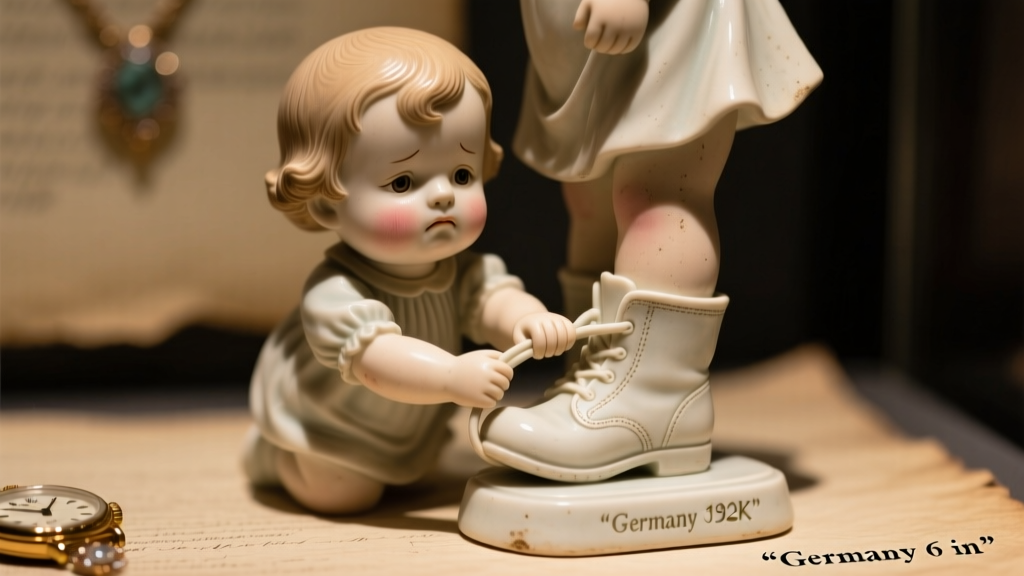
Bisque Figurine: Child Pulling on Boot, Germany, Circa 1900–1925 — A Study in Porcelain Craftsmanship and Social Narrative
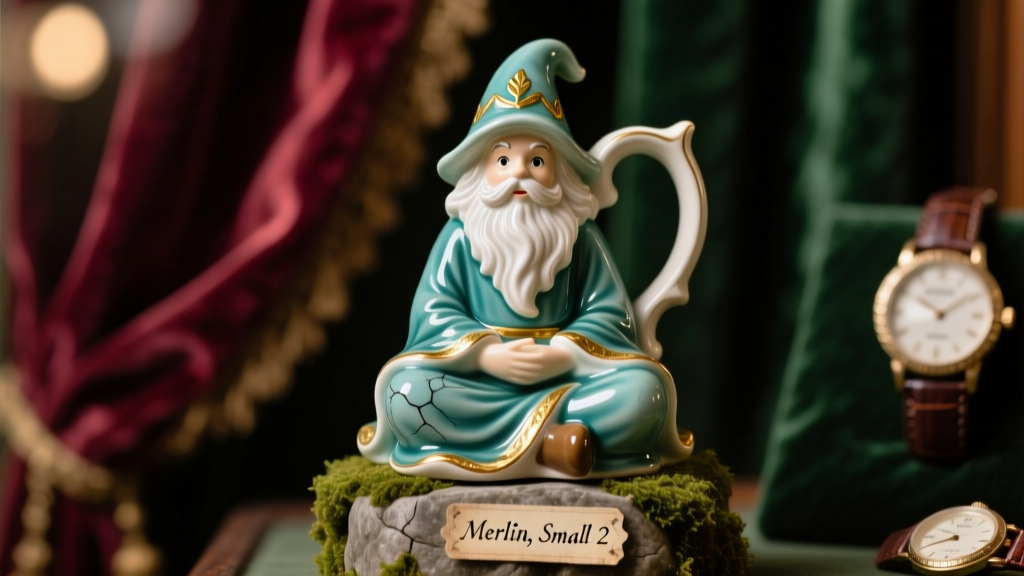
Royal Doulton Character Jug 'Merlin Small 2': Authentication, Provenance, and Market Value Analysis
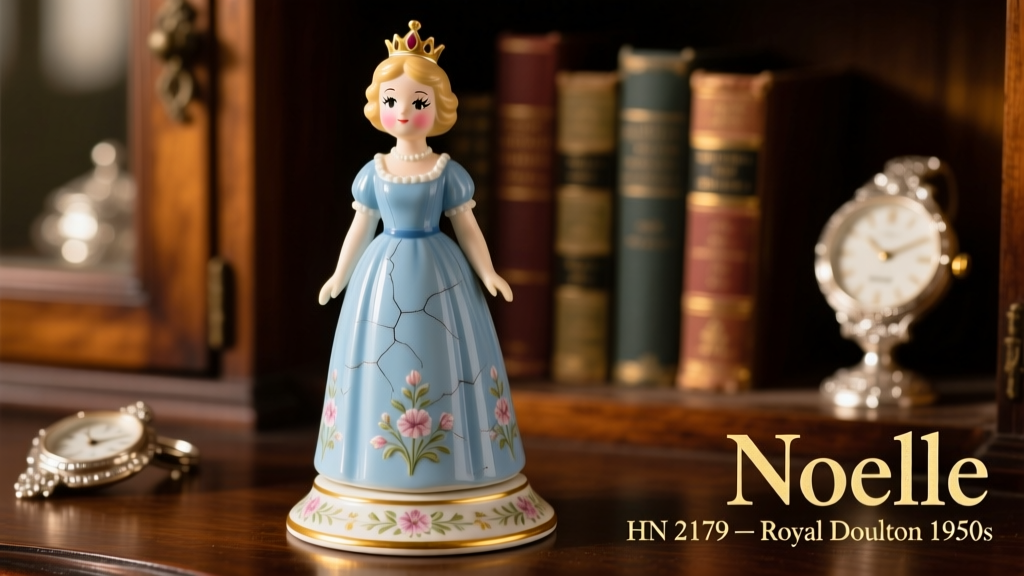
Royal Doulton Figurine Noelle HN 2179/2: Provenance, Identification, and Market Value of a Late 20th-Century Collectible
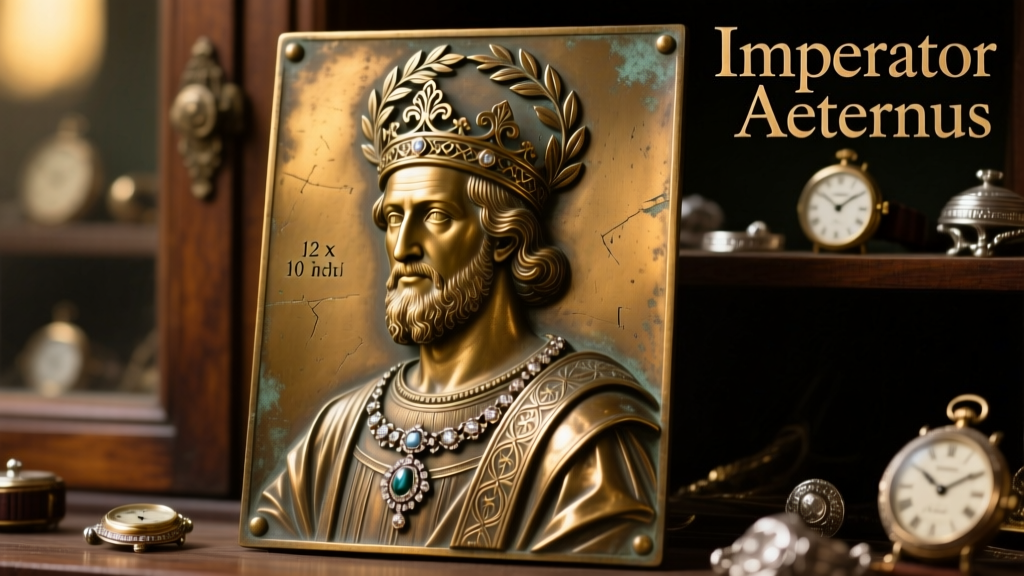
Brass Plaque Portrait of an Emperor in Renaissance Style: A Detailed Appraisal of a 12¾ × 10½ Inch Foundry Work

The 1927 Geographia Globe Puzzle: A Six-Inch Terrestrial Educator in Layered Brass and Enamel
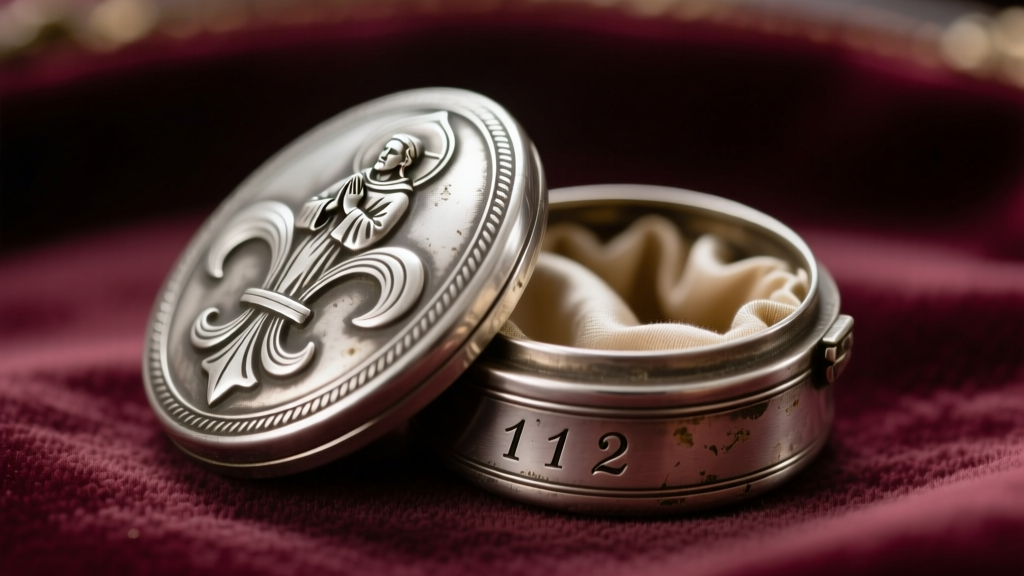
Sterling Silver Fleur-de-Lis Pill Box with Praying Priest Motif: A Study in Edwardian Devotional Silverware
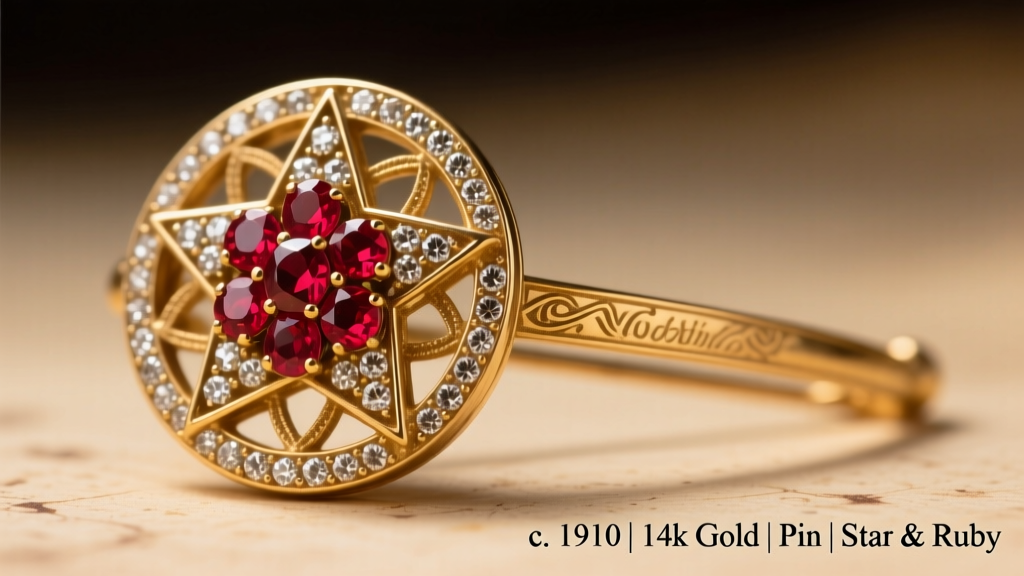
A Rare Edwardian Star Pin: 14K Gold Circle with Outer Diamonds and Inner Rubies, Circa 1910
Planters Peanuts Glass Mr. Peanut Figurines: Canadian Editions, Collectibility, and Market History
John Henry: The Forgotten American Watchmaker and His Legacy in Precision Timekeeping