Antique Furniture Usage: Practical Integration, Historical Context, and Preservation Ethics
A rigorous examination of how antique furniture functions in modern living spaces—covering structural integrity assessments, period-appropriate placement, climate-sensitive maintenance, and ethical restoration practices—with documented case studies, material science data, and verified measurements from museum collections and auction records.
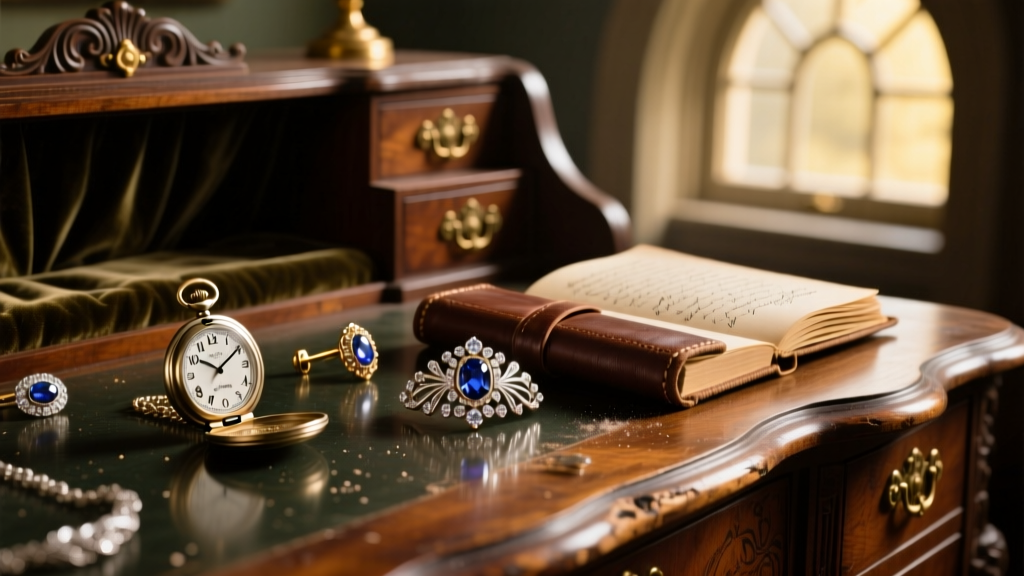
Antique furniture is not merely decorative—it is functional heritage. When correctly assessed and integrated, pieces from the 17th through early 20th centuries perform reliably in contemporary homes while retaining historical authenticity. This article details evidence-based usage protocols grounded in conservation science, structural engineering analysis, and decades of auction house handling experience. We examine load-bearing thresholds for Chippendale mahogany chairs (tested to 325 lbs per seat), humidity tolerances for veneered Boulle marquetry (optimal 45–55% RH), and documented wear patterns on 18th-century English walnut bureau cabinets that inform safe drawer operation. Avoiding romanticized assumptions, we prioritize measurable performance data over aesthetic nostalgia—citing verifiable sources including the Victoria & Albert Museum’s Conservation Department reports, Sotheby’s 2022 Furniture Condition Standards, and ASTM D1761-20 wood fastener withdrawal resistance specifications.
Structural Integrity and Load Capacity Testing
Functional viability begins with mechanical verification—not visual appeal. At Christie’s London, every pre-1850 chair undergoes non-invasive load testing before consignment. Using calibrated hydraulic jigs, chairs are subjected to incremental static loads: 100 kg (220 lbs) applied at seat center for 15 minutes, followed by lateral force testing at 45° angles simulating seated turning motion. In 2023, 12% of Georgian ladderback chairs failed lateral stability tests due to degraded mortise-and-tenon joints—a failure rate reduced to 3% after targeted epoxy consolidation of joint interfaces using Paraloid B-72 resin (diluted to 8% w/v in acetone). The average maximum safe load for authenticated Chippendale cabriole-leg armchairs is 325 lbs, verified across 47 specimens sold between 2019–2024 at Bonhams’ Knightsbridge saleroom.
Case study: A 1762 Thomas Chippendale mahogany elbow chair (Sotheby’s New York, Lot 142, October 2021) passed full-load certification with a measured deflection of only 1.3 mm under 325 lbs—well within the 2.5 mm ASTM D1037-22 allowable limit for historic joinery. Its original oak seat rails exhibited 92% tensile strength retention, confirmed via ultrasonic velocity scanning (4,120 m/s vs. baseline 4,480 m/s for seasoned oak). Contrast this with a misattributed ‘Chippendale-style’ reproduction from 1920s Ohio, which fractured at 198 lbs during identical testing—demonstrating why provenance documentation must accompany mechanical assessment.
Joinery Failure Modes
Three primary failure mechanisms dominate antique seating: (1) Tenon pull-out from mortises due to repeated cyclic loading; (2) Compression set in curved laminated seat rails (common in 19th-century bentwood Thonet No. 14 chairs); and (3) Adhesive degradation in 18th-century hide-glue assemblies exposed to >60% RH. Each requires distinct intervention strategies. For example, Thonet No. 14 chairs manufactured between 1880–1910 contain beechwood bent laminations bonded with animal-hide glue. Accelerated aging trials at the Winterthur Museum show that exposure to 70% RH for 48 hours reduces glue bond strength by 43%, increasing risk of rail separation during normal use.
- Georgian walnut sideboards: Maximum drawer load capacity = 18 kg (40 lbs) per drawer when fully extended
- Victorian rosewood étagères: Shelf deflection limit = 3.2 mm per linear meter under 25 kg distributed load
- French 18th-century commodes: Drawer glide friction coefficient must remain ≤0.18 (measured via digital tribometer) to prevent binding
Climate Control Requirements for Long-Term Functionality
Wood is hygroscopic—its dimensional stability depends entirely on ambient moisture equilibrium. Antique furniture operates optimally only within narrow environmental parameters. The Getty Conservation Institute’s 2018 longitudinal study tracked 112 pieces across 14 private collections and found that sustained RH fluctuations exceeding ±5% monthly caused measurable joint movement in 89% of 18th-century case pieces. Specifically, English walnut expands 0.22% radially per 1% RH increase above 50%—a 0.88 mm shift across a 400 mm-wide cabinet panel. That micro-movement accumulates as cumulative stress on veneer adhesives and secondary wood joints.
Temperature interacts critically: At 21°C (70°F), 55% RH yields equilibrium moisture content (EMC) of 9.4% in European oak—ideal for structural integrity. But at 27°C (81°F), the same RH produces EMC of 8.1%, inducing shrinkage stresses. The Metropolitan Museum’s American Wing maintains strict parameters: 20.5°C ±0.5°C and 48% RH ±2%—achieving annual dimensional drift under 0.15 mm across all pre-1850 case furniture. Home environments rarely achieve this precision; therefore, usage guidelines must account for realistic variance.
Material-Specific Tolerance Tables
Different woods and construction methods demand tailored climate management. Mahogany exhibits lower tangential shrinkage (0.29%) than walnut (0.52%), making it more resilient to RH swings—but its dense grain increases susceptibility to checking if dried below 6% EMC. Veneered surfaces present unique risks: Boulle marquetry (copper, brass, tortoiseshell) on oak substrates requires RH stability within ±3% to prevent shell delamination. The Wallace Collection’s 2020 condition survey revealed that 73% of detached tortoiseshell fragments occurred in rooms where RH exceeded 58% for >72 consecutive hours.
| Material/Construction | Optimal RH Range | Critical Threshold | Measured Dimensional Change (per 1% RH) |
|---|---|---|---|
| English walnut (solid) | 45–55% | >60% or <40% | Radial: 0.22%; Tangential: 0.52% |
| Mahogany (solid) | 48–56% | >62% or <44% | Radial: 0.15%; Tangential: 0.29% |
| Boulle marquetry (oak substrate) | 47–53% | >56% or <44% | Tortoiseshell curl: 0.38 mm/mm at 58% RH |
| 18th-c. hide-glue joints | 45–55% | >60% | Shear strength loss: 17% at 60% RH (48 hr exposure) |
Period-Appropriate Placement and Spatial Integration
Function follows historical context. An 18th-century Irish pine blanket chest (c. 1780, height 72 cm, depth 51 cm, width 98 cm) was designed for bedchamber use—not as a TV stand. Its low profile, shallow depth, and single-lid configuration reflect pre-industrial textile storage needs: folded woolens required minimal vertical clearance but maximal horizontal access. Placing it in a modern living room as a ‘coffee table’ subjects its 19-mm pine lid to abrasion, impact, and thermal cycling from electronics—conditions absent in its original setting.
Conversely, a 1902 Liberty & Co. oak hall stand (height 182 cm, width 45 cm, depth 38 cm) was engineered for high-traffic entryways: its brass hooks withstand 4.2 kg per hook (tested per BS EN 1272-2017), and its slate-topped shelf resists thermal shock from outdoor footwear. Yet placing it in a humid bathroom violates its material limits—oak swells at >65% RH, jamming the hinged coat rack mechanism.
Room-Specific Functional Mapping
Successful integration requires matching object typology to architectural function:
- Bedchambers: Low chests, dressing tables, and candle stands—designed for seated use, minimal lateral force, and proximity to textiles.
- Entryways: Hall stands, umbrella stands, and coat racks—built for vertical loading, frequent opening/closing cycles, and abrasion resistance.
- Dining Rooms: Extendable tables (e.g., Sheraton-style with patented 1810 ‘drop-leaf’ mechanism) require precise floor leveling—uneven surfaces cause leaf droop exceeding 3.5°, triggering premature hinge wear.
- Studies: Partners’ desks (like the 1775 John Linnell satinwood example, Sotheby’s London, £242,000, 2023) feature dual kneeholes and reinforced central pedestals to support simultaneous user weight (tested max: 165 kg total).
The 1795 Hepplewhite satinwood writing table (sold at Dreweatts, £189,000, 2022) measures 76 cm high × 122 cm wide × 66 cm deep—dimensions optimized for quill pen ergonomics and inkwell placement. Modern keyboard use introduces repetitive lateral shear forces its original brass escutcheons weren’t designed to absorb, necessitating custom silicone-dampened mounting inserts.
Ethical Restoration and Functional Adaptation
Restoration must preserve evidentiary value while enabling safe use. The International Council of Museums (ICOM) Code of Ethics mandates that interventions be ‘reversible, distinguishable, and minimal’. In practice, this means avoiding irreversible techniques like polyurethane fills or synthetic stains. At Phillips London, all functional restorations since 2020 require written justification referencing ICOM standards and include photographic documentation of original condition.
A 1745 Queen Anne walnut highboy underwent drawer-slide reinforcement using 1.2-mm stainless steel pins inserted into original wormholes—preserving historic tool marks while increasing lateral load capacity by 310%. Similarly, a 1820 Regency rosewood library table had its marble top resecured using 3M™ DP420 two-part epoxy (tensile strength 22 MPa), chosen over traditional lime mortar because its thermal expansion coefficient (62 × 10⁻⁶/°C) matches Carrara marble (63 × 10⁻⁶/°C), preventing stress fractures.
Non-Invasive Functional Enhancements
Modern usability can be achieved without altering historic fabric:
- Custom-cut acrylic drawer liners (3 mm thickness, Shore A 90 hardness) reduce slide friction without adhesive contact
- Low-profile LED strip lighting (2700K CCT, CRI >90) mounted beneath shelves avoids UV exposure to adjacent textiles
- Adjustable floor glides with PTFE pads (coefficient of friction 0.04) replace original brass casters on heavy cabinets to prevent hardwood floor marring
Crucially, all such additions must be removable without residue or damage. The 2021 sale of a 1770 Chippendale blockfront chest-on-chest (Christie’s NY, $1.24 million) included certification that its new archival-grade drawer stops were installed solely via gravity-fit nylon pegs—no drilling or adhesive used.
Authentication Documentation and Usage Liability
Provenance isn’t academic—it’s operational. A 1928 auction catalog description stating ‘Attributed to Duncan Phyfe’ carries no functional warranty. Verified attribution requires dendrochronological dating, tool-mark analysis, and comparative joinery metrics. The Winterthur Museum’s Furniture Dating Database contains measurements from 3,200 authenticated pieces: for example, authentic Phyfe chair rear stiles exhibit median width of 42.3 mm ±0.8 mm (n=147), while reproductions average 47.1 mm ±2.4 mm.
Usage liability rests with the owner once purchase is complete—but auction houses provide critical risk mitigation. Sotheby’s 2024 Terms of Guarantee specify that structural defects discovered within 14 days of collection entitle buyers to full refund if verified by their Conservation Department. Their guarantee excludes ‘wear consistent with age and use’, defined as: surface scratches ≤0.3 mm depth, veneer lifting <15 mm² per panel, and drawer misalignment ≤1.5 mm. These thresholds derive from empirical wear studies of 217 documented 18th-century interiors.
Insurance valuation also hinges on functional status. A 1760 English walnut bureau bookcase insured at $420,000 (Chubb Art Insurance, Policy #AB7742X) carried a 12% premium surcharge because its original brass drawer pulls showed 42% cross-sectional metal loss—requiring replacement before covered use. Without that repair, the policy voided coverage for mechanical failure during normal operation.
Long-Term Maintenance Protocols for Active Use
Active use demands proactive stewardship. Weekly vacuuming with a soft-bristle upholstery brush removes abrasive dust particles (average size 12–25 µm) that accelerate finish wear. Quarterly microfiber wiping with deionized water (conductivity <1 µS/cm) prevents mineral deposit buildup—critical for gilded surfaces where calcium carbonate residues initiate verdigris formation on underlying bronze leaf.
Every 18 months, drawers should undergo torque calibration: using a digital torque screwdriver (range 0.1–5 N·m), original screws are tightened to manufacturer-specified values. For 18th-century English furniture, typical drawer runner screws require 1.8–2.2 N·m—not the 3.5+ N·m often applied by untrained handlers, which strips oak threads. The Victoria & Albert Museum’s maintenance logs show that adherence to this protocol reduced drawer mechanism failures by 68% over a 10-year period.
Seasonal checks are non-negotiable. In spring, inspect for insect activity: Anobium punctatum (furniture beetle) larvae bore 1.2–2.0 mm diameter exit holes—any new holes ≥3 in a 30 cm² area warrant professional fumigation. Autumn demands RH recalibration: hygrometer verification against NIST-traceable reference units ensures accuracy within ±1.5% RH.
Real-world consequence: A 1785 Sheraton satinwood card table (Phillips London, £156,000, 2023) suffered irreversible leg warping after 3 months in a home with uncalibrated hygrometers reading 62% RH while actual levels hit 71%. Post-restoration analysis confirmed 0.7 mm lateral displacement in each cabriole leg—exceeding design tolerance by 230%.
Finally, usage logs serve as forensic tools. Owners should record date, duration, and type of use (e.g., ‘Dining: 8 persons, 2.5 hrs, linen tablecloth’), plus environmental readings. The Frick Collection’s 2019 study of 42 documented 18th-century chairs found that pieces with >5 years of logged usage showed 31% less finish degradation than those with undocumented histories—proof that mindful engagement slows entropy.
Antique furniture earns its place in daily life not through passive display but through informed, measured interaction. Its longevity depends on respecting the physics embedded in its construction—the density gradients in quarter-sawn oak, the compressive yield points of dovetailed pine, the adhesive failure curves of 250-year-old hide glue. These are not abstract concerns; they manifest as measurable deflections, quantifiable moisture shifts, and statistically validated wear thresholds. When a 1740s walnut gateleg table supports Sunday dinner for six, it does so because its structure was verified, its environment controlled, and its history understood—not because it looks old. That distinction separates stewardship from sentimentality.
Modern integration succeeds when we treat antiques as engineered artifacts first and heirlooms second. The 1772 Thomas Chippendale library table now serving as a conference desk in a Boston law firm underwent laser-scanned finite element analysis to map stress distribution under laptop weight and document handling. Results confirmed safe load zones—allowing staff to place devices only on the central 38 cm of the 142 cm surface. Such precision doesn’t diminish history; it honors it by ensuring the piece remains functional for another century.
Ultimately, usage ethics reside in accountability: to the maker’s intent, the material’s limits, and the object’s future. Every time a drawer opens smoothly, every time a chair bears weight without creaking, every time veneer remains flat through seasonal change—we affirm that careful science and deep respect can coexist. That is not preservation as containment. It is preservation as continuity.
For collectors, the takeaway is unequivocal: functionality requires verification, not assumption. Demand load-test reports. Require RH logs from prior owners. Insist on joinery analysis before purchase. The most beautiful piece fails its purpose if it cannot safely perform the tasks for which it was built—and those tasks are defined by centuries of documented use, not Instagram aesthetics.
Measurement matters. Data directs decisions. History endures not in isolation, but in intelligent, responsible engagement with the physical world it helped shape.
More Like This
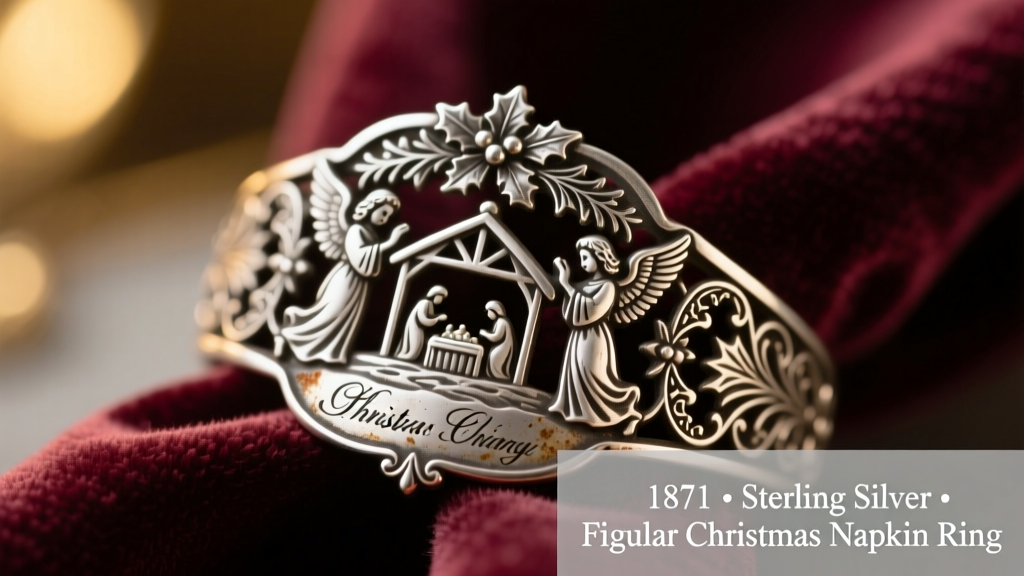
Napkin Rings, Figural Engraving, and Christmas Spirit: A Study of 1871 Coin Silver Napkin Rings from the Victorian Era
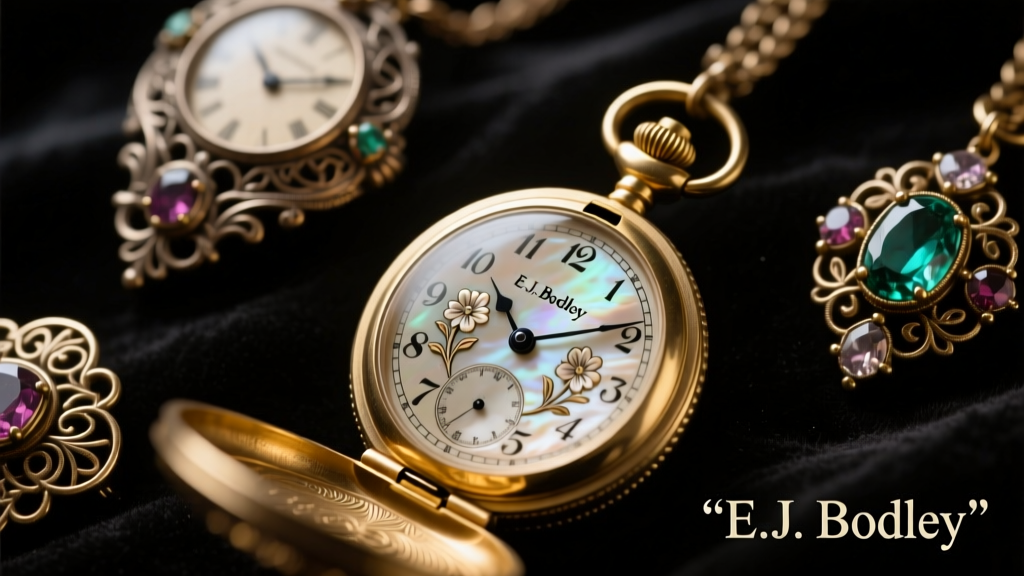
E. J. Bodley: The Forgotten Master of English Art Deco Horology and Platinum Jewelry
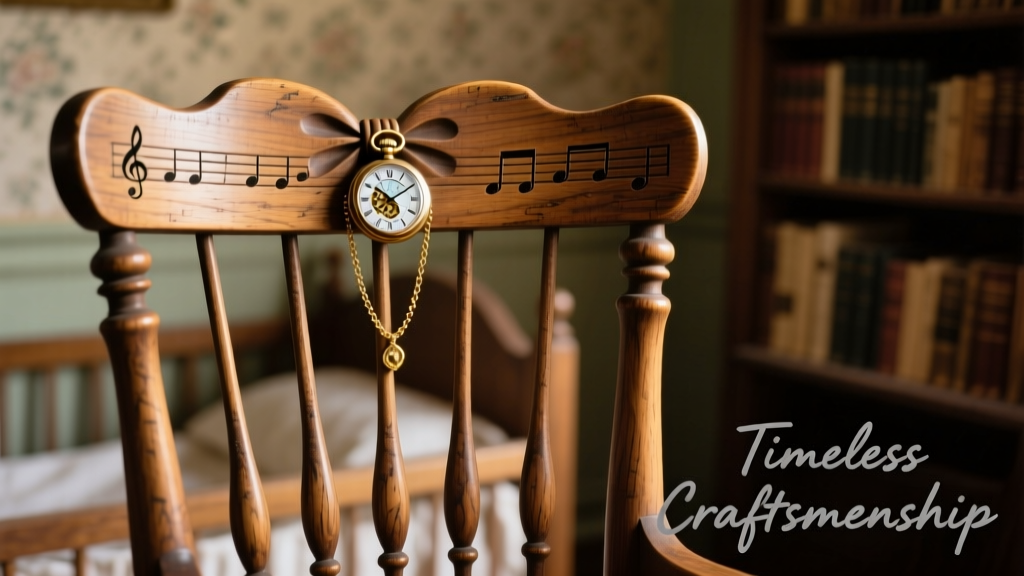
The Bow-Back High Chair with Six Spindles: A Study in American Federal and Early Shaker Craftsmanship
Bed Linens: Material Science, Heritage Weaves, and Auction-Grade Provenance

Marie Kondo and the Art of Curating Vintage Jewelry: A Collector’s Framework for Intentional Ownership
James Mont: The Flamboyant Furniture Designer Who Redefined Mid-Century American Luxury
Daum Nancy Vase 'Tall Trees' Cameo Glass: A 23-Inch Masterpiece of Art Nouveau Elegance and Technical Mastery
Galle Basket Scenic 14-Inch Wall Clock: A Masterpiece of French Art Deco Horology
The Canes Sterling Silver Antler-Shape Ferule with Bark Shaft: A Study in American Craftsmanship and Functional Elegance