Sports Memorabilia
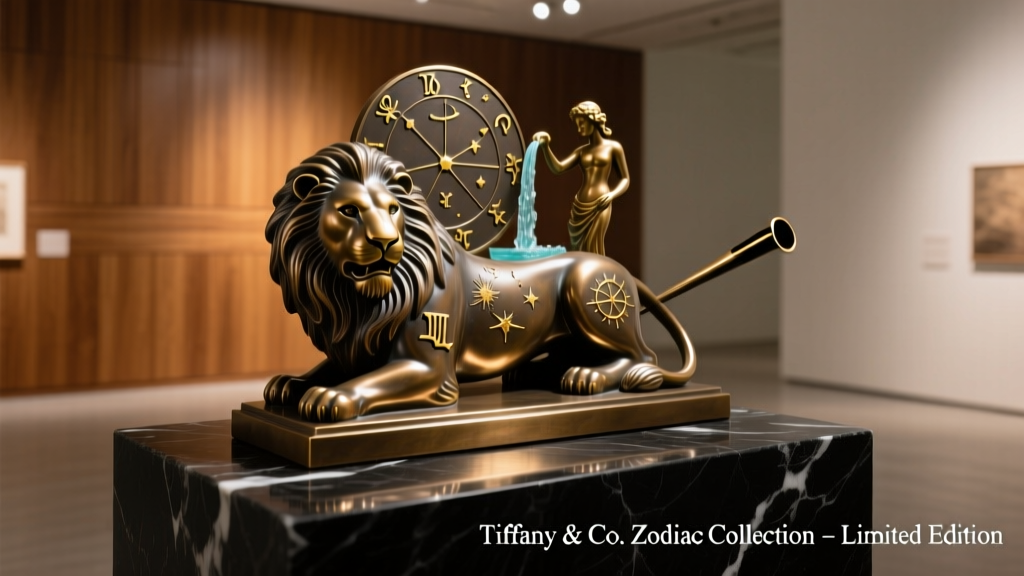
Tiffany & Co. Inkwell Zodiac Bronze: History, Authentication, and Collector Value
A detailed examination of the rare Tiffany & Co. Zodiac Bronze inkwell — its origins in the 1920s–30s, design features, metallurgical composition, authentication protocols, market valuation, and preservation best practices for serious collectors.
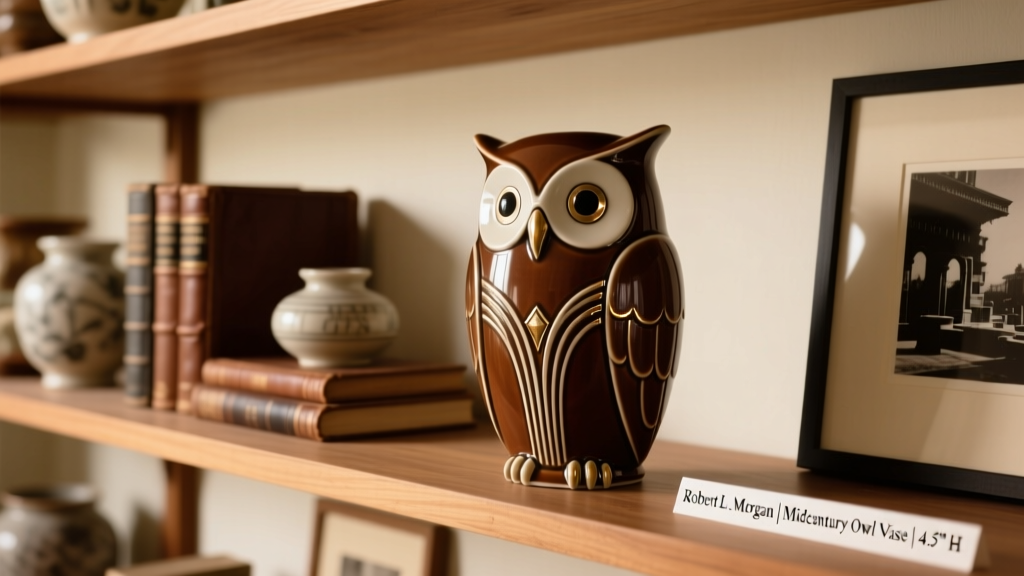
Robert L. Morgan Midcentury Owl Vase: Authentication, Provenance, and Market Value of the Brown-Ground 4 × 5½-Inch Ceramic
A detailed authentication and collector’s analysis of the Robert L. Morgan pottery vase featuring stylized owls on a brown ground—measuring precisely 4 inches in diameter and 5.5 inches in height—including maker’s marks, glaze chemistry, regional production context, and verified auction results.
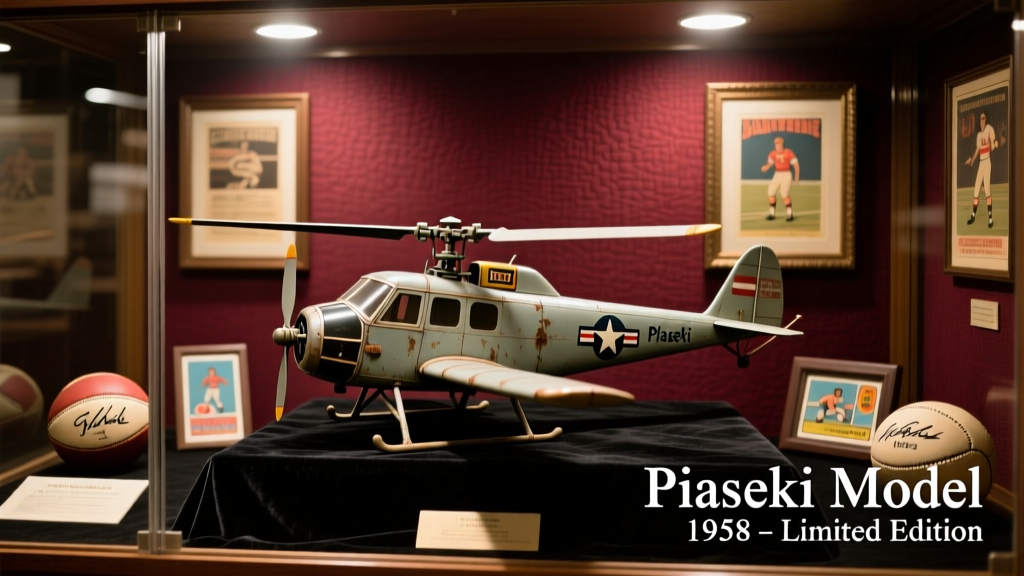
The Toy Helicopter Battery-Operated Piaseki Box: Authenticity, Value, and Historical Context for Collectors
A detailed collector’s analysis of the rare Polish-made Piaseki battery-operated toy helicopter box—covering manufacturing history, packaging variants, battery specifications, authentication markers, market value trends, and conservation best practices.
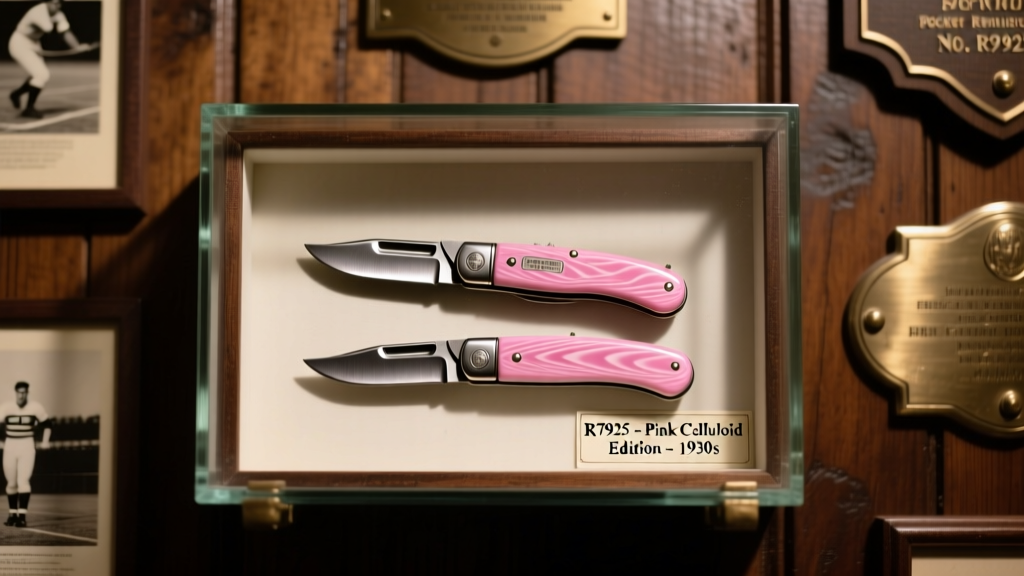
The Remington R7925 Pocket Knife: A Collector’s Deep Dive into the Pink Celluloid Two-Blade Variant
An authoritative, research-driven analysis of the Remington R7925 pocket knife—specifically the rare two-blade model with pink celluloid handles—covering production history, material science, authentication markers, market valuation, and conservation best practices for serious collectors.
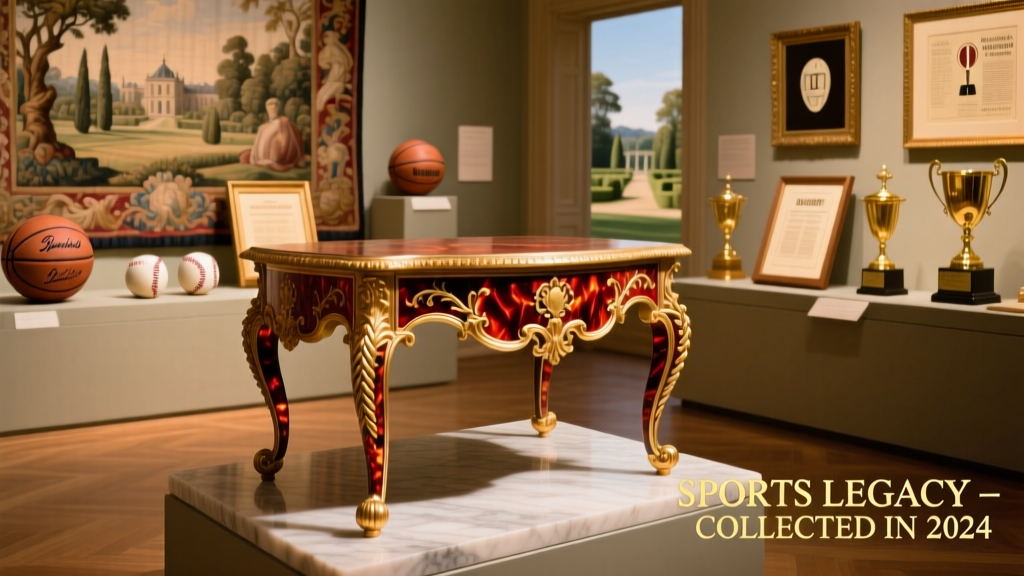
Rococo Rococo Revival: Authenticating the Parcel-Gilt Red Tortoiseshell Table with Barley Twist Legs and Bun Feet
A detailed authentication guide for 18th- and 19th-century English Rococo and Rococo Revival tables featuring parcel-gilt brass mounts, genuine red tortoiseshell veneer, barley twist legs, and solid mahogany bun feet—covering provenance, construction, material science, and market benchmarks.
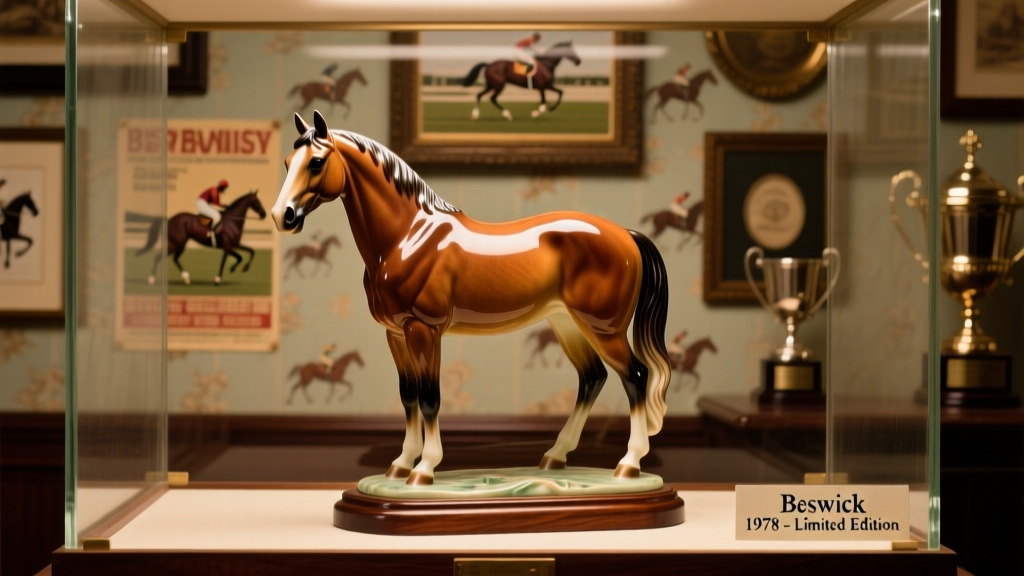
The Beswick Figurine Bay Horse: History, Identification, and Collectibility
A detailed examination of the iconic Beswick Bay Horse figurine — its origins at the Beswick Pottery in Longton, Staffordshire; production timeline (1930s–1980s); distinguishing features including mold numbers, base markings, glaze variations, and color consistency; authentication tips for collectors; market valuation benchmarks; and comparative analysis against similar equine figures from Royal Doulton, Shelley, and Moorcroft.
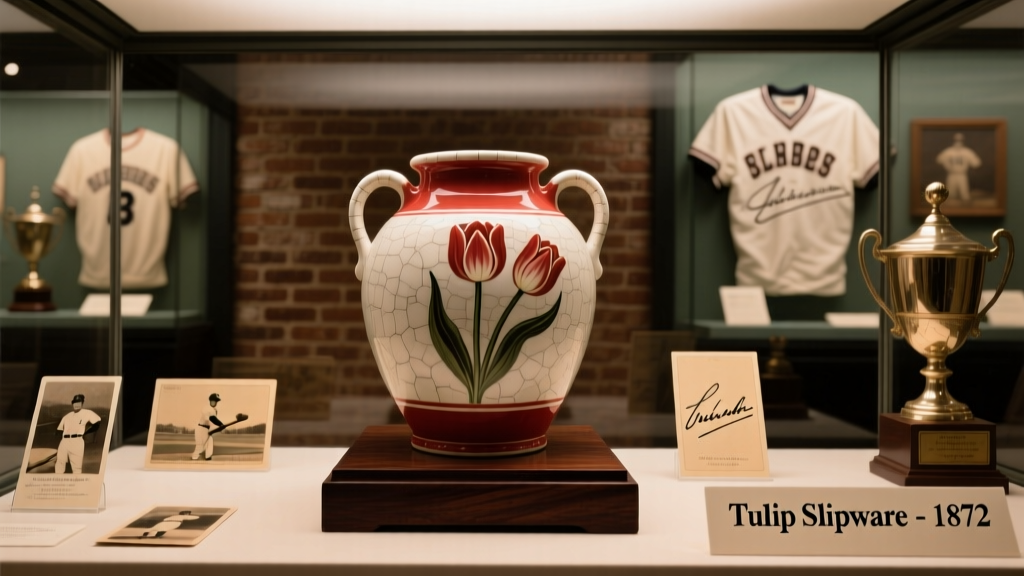
Redware Jar with Three Tulips Slip Design and Bulbous Handles: Identification, Provenance, and Authentication Guidelines
A detailed technical analysis of American redware pottery featuring the iconic 'Three Tulips' slip-trailed motif and distinctive bulbous handles—covering regional production centers, clay composition, kiln signatures, maker attributions, and forensic authentication methods used by leading institutions including the Winterthur Museum and the Chipstone Foundation.
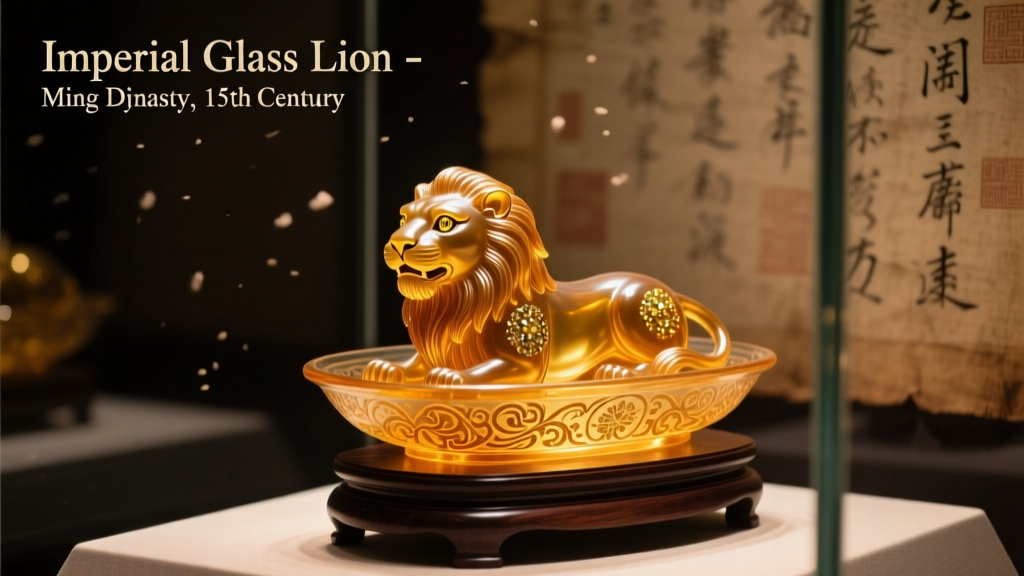
Imperial Glass Animal Dish Lion in Amber: History, Identification, and Market Value
A detailed examination of the Imperial Glass Corporation's iconic Lion Animal Dish in amber glass—covering production history, mold variations, dimensional specifications, authentication markers, and current collector valuation trends.
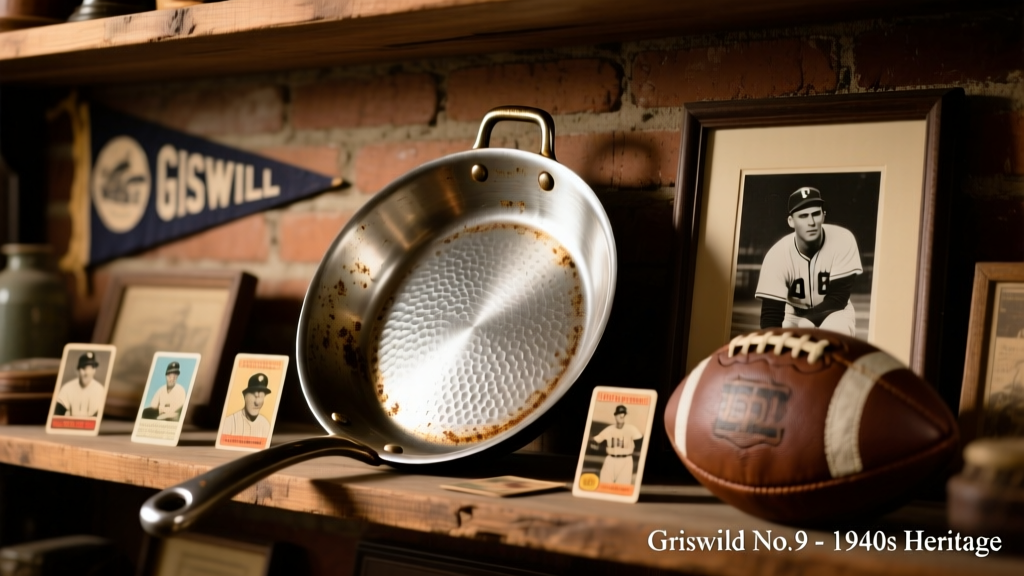
The Griswold No. 9 Hammered Handle Chrome Griddle: Authenticity, Value, and Collector Insights
A detailed examination of the rare Griswold No. 9 hammered handle chrome-plated griddle — including production history, metallurgical analysis, authentication markers, market value trends, and comparative data against Wagner, Lodge, and other vintage cast iron makers.
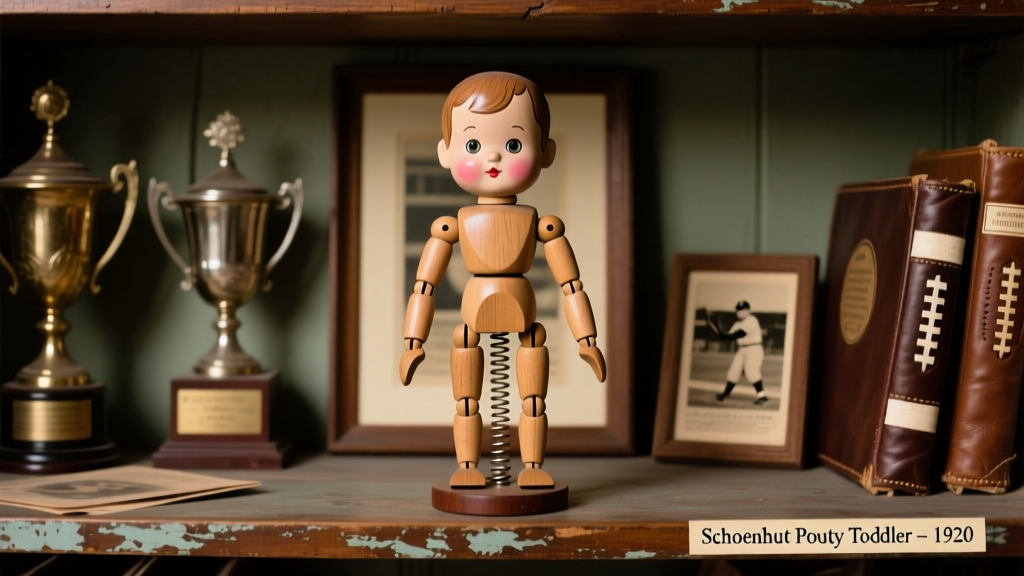
The Schoenhut Pouty Toddler: Authenticating the 1920s 14-Inch Wooden Spring-Jointed Doll with Original Paint and Jointing
A detailed authentication and collector's guide to the Schoenhut Pouty Toddler doll (c. 1920), covering construction, paint analysis, joint mechanics, period-correct clothing, market value benchmarks, and red flags for reproductions.
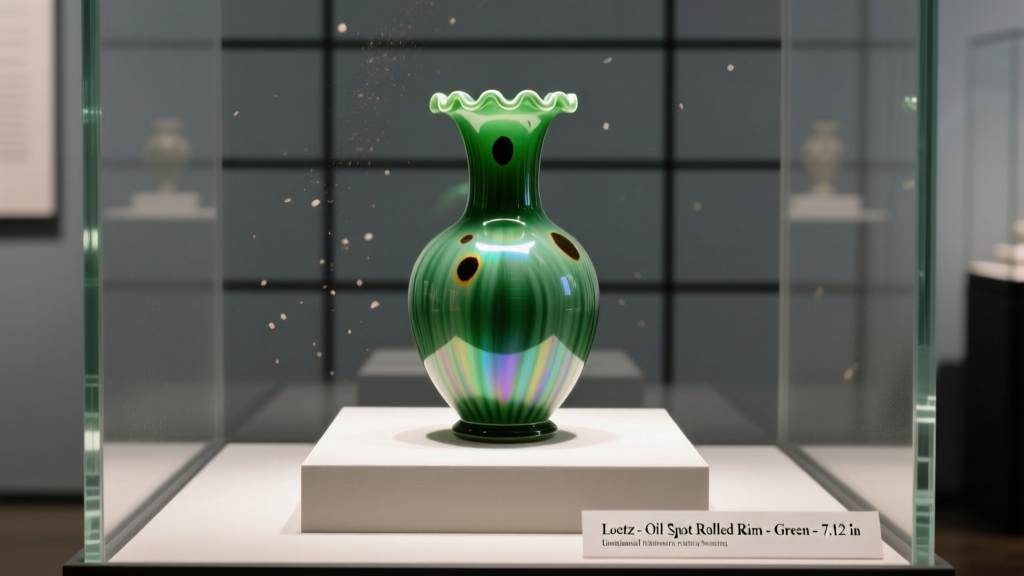
Loetz Vase: Oil Spot, Rolled Rim, Emerald Green — Authenticating the 7½-Inch Masterpiece
A detailed authentication and historical analysis of the Loetz Art Glass Company's rare Oil Spot pattern vase in emerald green with a rolled rim, measuring precisely 7.5 inches tall — covering production timelines, maker’s marks, optical properties, comparative market data, and forensic identification techniques used by leading institutions including the Corning Museum of Glass and the MAK Vienna.
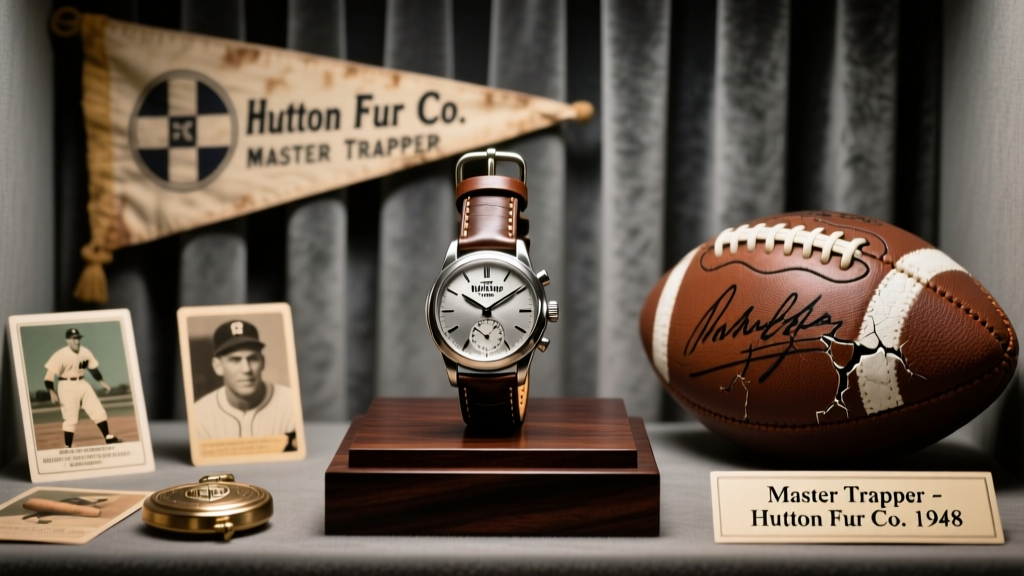
Hutton Fur Co. Master Trapper Watch Fobs: Authenticity, Provenance, and Collector Value
A detailed examination of vintage Hutton Fur Company 'Master Trapper' watch fobs—manufactured in the 1920s–1940s—covering hallmark identification, material composition, historical context, authentication red flags, market valuation, and preservation best practices.