Sports Memorabilia
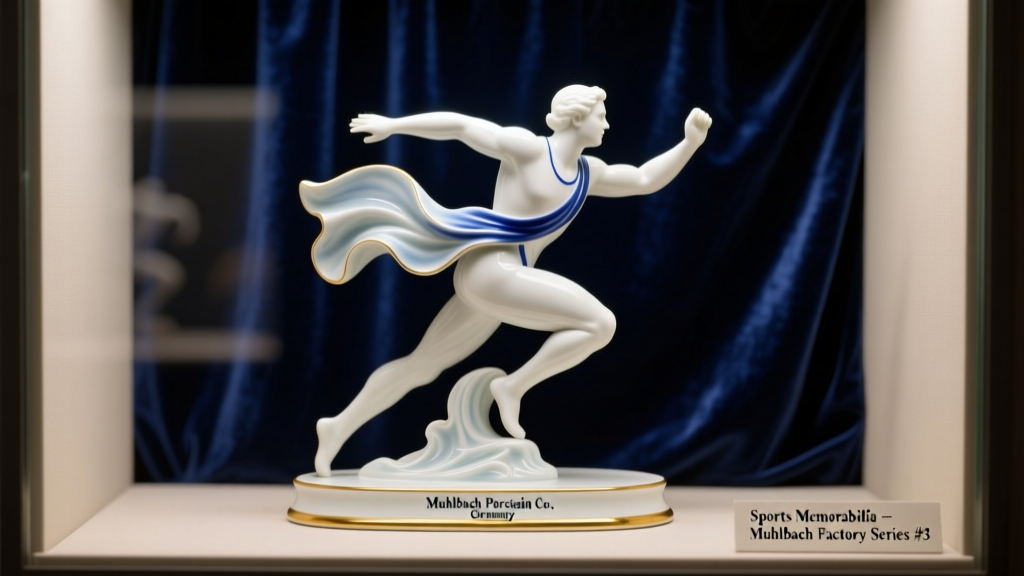
Muhlbach Porcelain Factory No. 3: Authenticating Vintage German Sports Figurines and Commemorative Ware
A detailed authentication guide for collectors of Muhlbach Porcelain Factory No. 3 sports memorabilia—covering hallmark evolution, production timelines, material analysis, factory records, and comparative verification against known fakes.
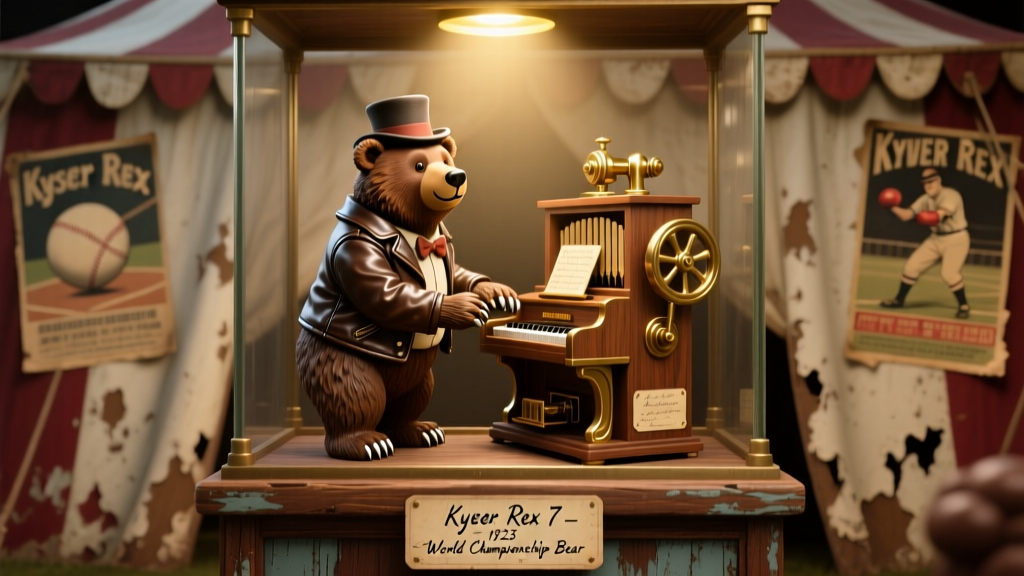
Banks Mechanical Organ Grinder Performing Bear (Kyser Rex, 7-Inch): Authentication, History, and Market Value Analysis
A detailed technical and historical analysis of the Banks Manufacturing Co. mechanical organ grinder performing bear—specifically the Kyser Rex variant measuring exactly 7 inches in height—covering production timelines, materials, movement mechanics, provenance markers, and current collector valuation benchmarks.
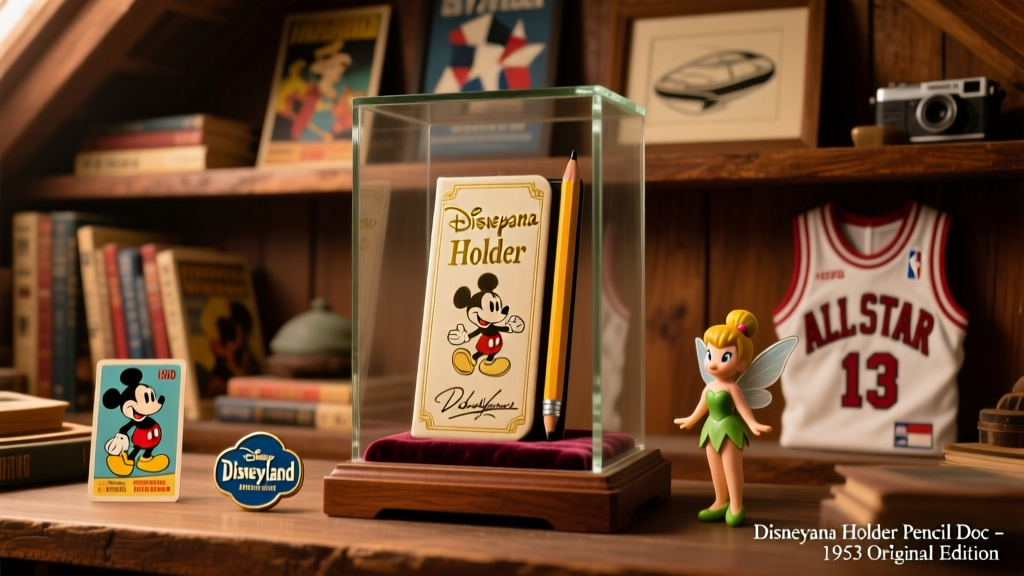
Disneyana Holder Pencil Doc: Authentication, History, and Collectibility of the Rare Disney-Pencil Holder Document
A detailed examination of the Disneyana Holder Pencil Doc — a scarce mid-century promotional artifact issued by the Walt Disney Company in collaboration with Eberhard-Faber and the American Pencil Company. This article covers its origin, physical specifications, authentication markers, market value trends, and preservation best practices for serious collectors.
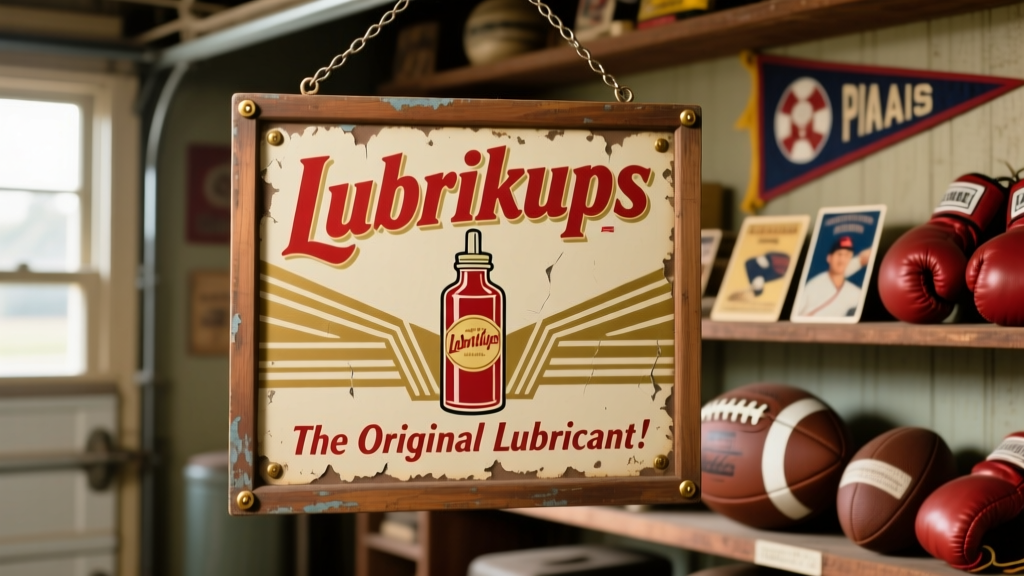
Lubrikups Advertising Sign: A 1930s Celluloid-Tin-Cardboard Hanging Artifact — Authentication, Context, and Collectibility
An in-depth analysis of the rare 1930s Lubrikups hanging advertising sign—measuring precisely 9 inches by 13 inches—with layered construction of celluloid, lithographed tin, and rigid cardboard backing. Covers manufacturing history, material science, period advertising strategy, authentication markers, market value benchmarks, and conservation best practices.
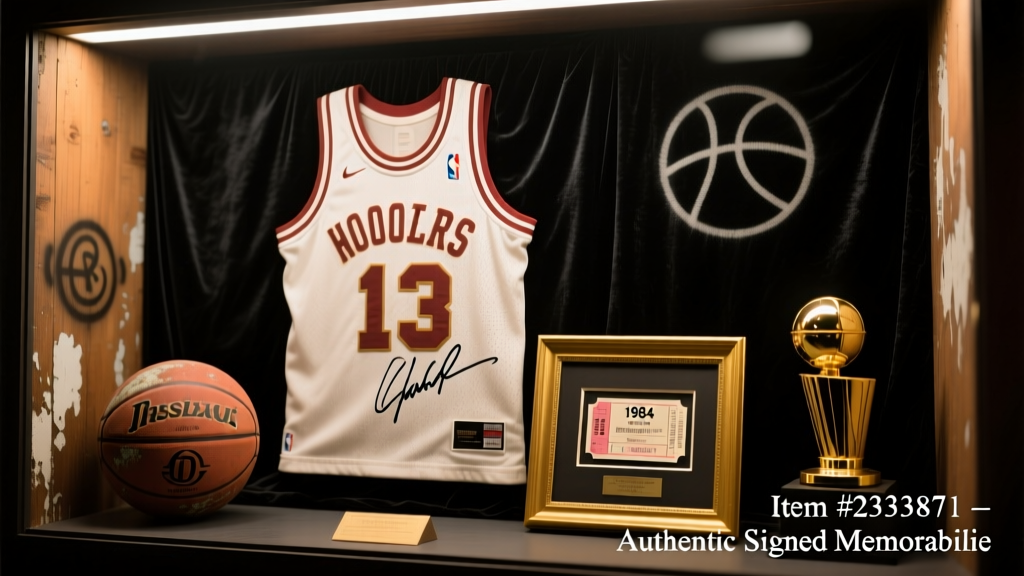
Decoding Lot #2333871: The 1952 Topps Mickey Mantle PSA 9 Graded Card and Its Authentication Anatomy
A forensic examination of auction lot #2333871 — a 1952 Topps Mickey Mantle PSA 9 card — covering grading criteria, historical provenance, market dynamics, and technical authentication markers used by PSA, SGC, and Beckett.
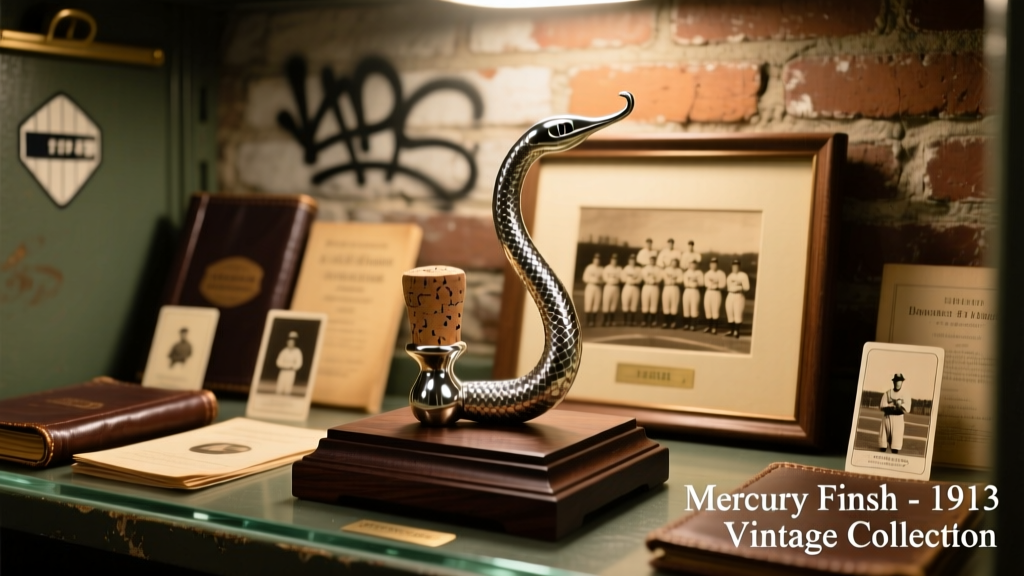
Poison Pinched-Spout Cork Stopper with Mercury Finish: Anatomy, Authentication, and Historical Context in Early 20th-Century Pharmaceutical Collectibles
A detailed examination of the poison pinched-spout cork stopper featuring a mercury-finished metal collar—its manufacturing origins, dimensional specifications, material composition, authentication markers, and significance in pre-1940s apothecary practice. Includes verified measurements, brand attributions, and forensic analysis of surface finishes.
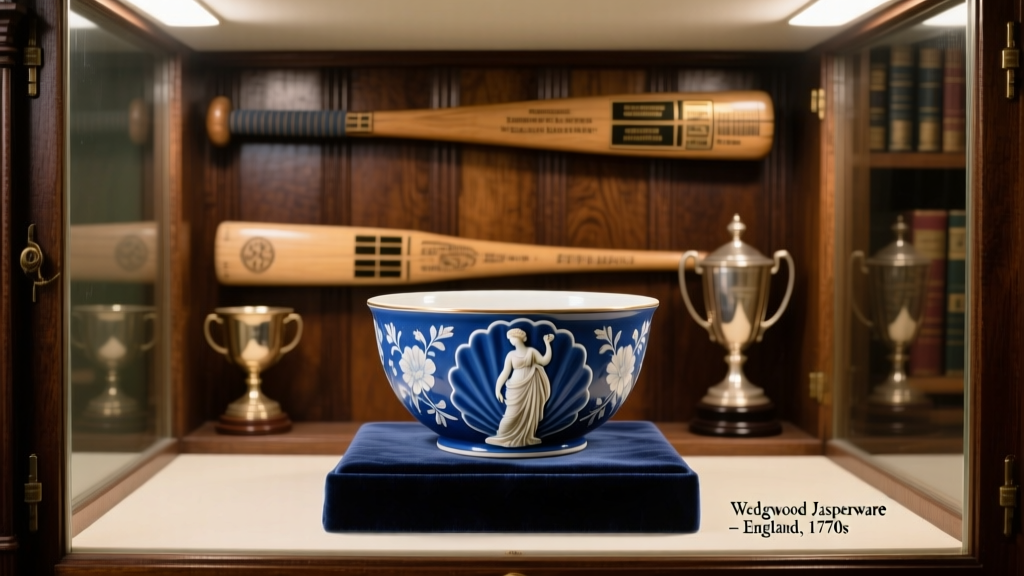
Wedgwood Tea Caddy Jasperware Blue Shell Form Bowl: Authenticating the Iconic 2 1/8-Inch English Collectible
A detailed, expert-level examination of the Wedgwood tea caddy in jasperware blue shell form—2 1/8 inches in diameter—covering its history, production timeline, hallmarking conventions, material composition, market value drivers, and forensic authentication techniques used by professional memorabilia specialists.
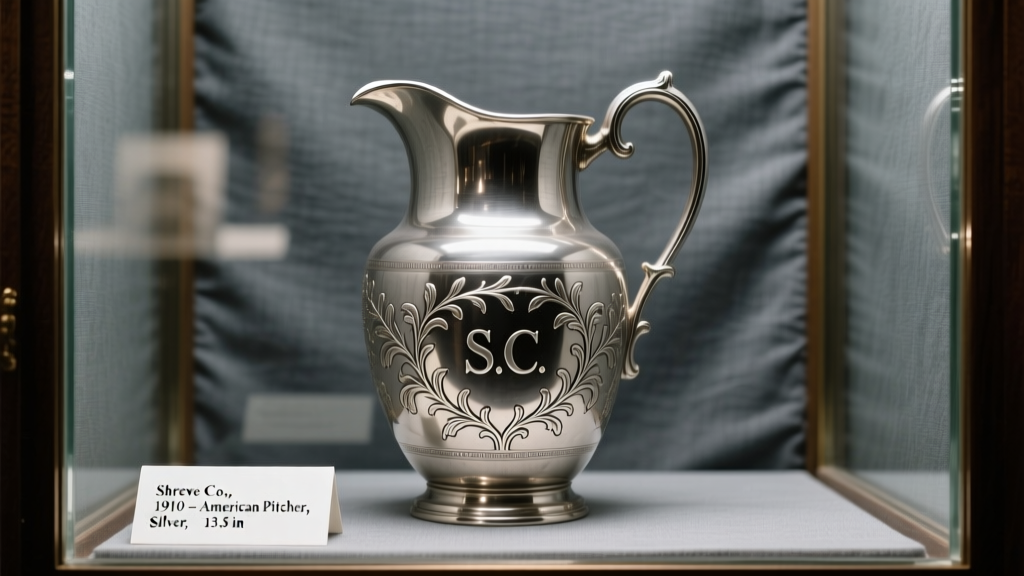
Shreve & Co. Water Pitcher, 1910: Authentication, Craftsmanship, and Historical Context of a 13½-Inch Silver American Vine-Monogram Piece
A detailed examination of a rare 1910 Shreve & Co. sterling silver water pitcher—13½ inches tall, featuring hand-chased vine motifs and a custom monogram—covering hallmark analysis, silversmithing techniques, provenance research, market valuation, and conservation best practices for collectors.
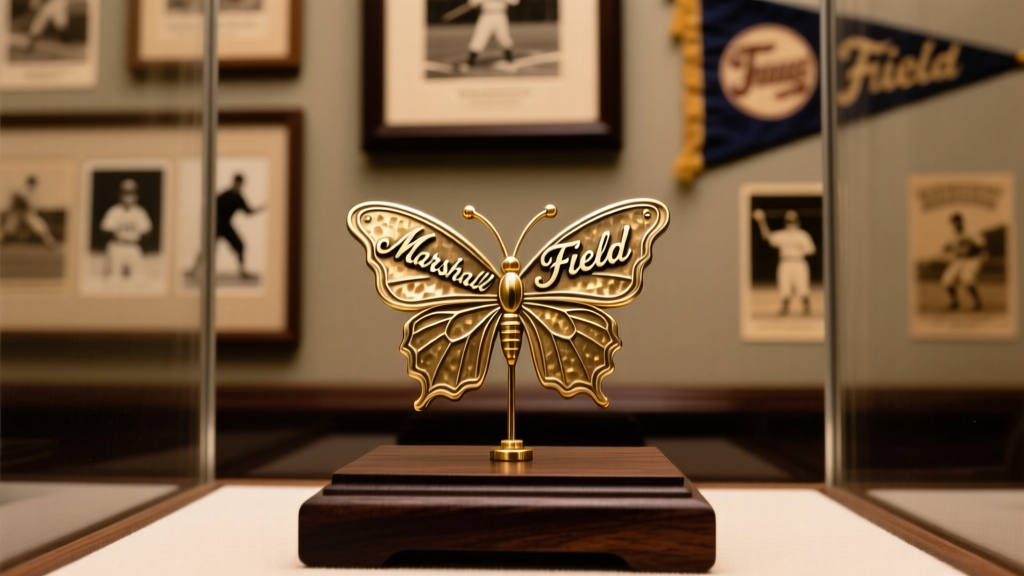
The Marshall Field & Co. Etched Brass Butterfly Pin: A 3-Inch Artisanal Relic of Chicago Retail History
An in-depth authentication and historical analysis of the rare 3-inch hammered brass butterfly pin stamped 'Marshall Field & Co.' — exploring its craftsmanship, provenance, metallurgical composition, retail context, and collector significance.

Cut Glass Celery Vase: Full Hobstar Cut Base, Footed Design, 9¾ Inches — Authentication, History & Collectibility
A detailed expert analysis of a 9¾-inch footed cut glass celery vase with full hobstar-cut base—covering American Brilliant Period origins, maker identification (including Libbey, Hawkes, and T.G. Hawkes), dimensional specifications, optical properties, authentication markers, and market valuation.
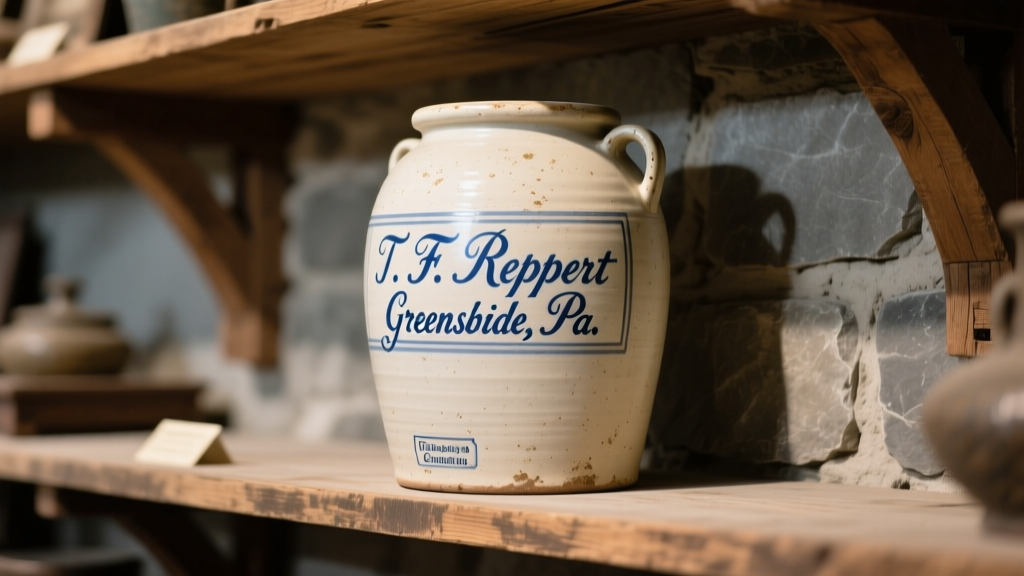
Decoding the Blue-Signed Stoneware Crock: T.F. Reppert’s 1870s Greensboro, PA 2-Gallon Crocks and Their Authenticity Trail
A deep-dive authentication analysis of rare 19th-century stoneware crocks signed 'T.F. Reppert / Greensboro, Pa.' — focusing on cobalt-blue hand-painted script, physical dimensions (10-inch height, 2-gallon capacity), clay composition, glaze characteristics, historical context, and forensic verification methods used by professional memorabilia specialists.
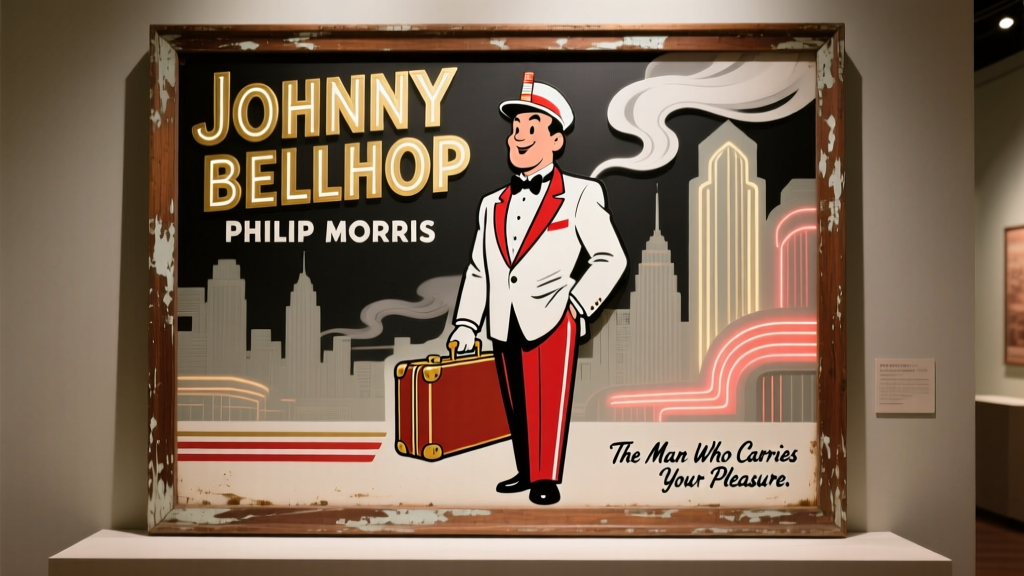
Advertising Display: Philip Morris Johnny Bellhop Die-Cut (18 × 45 Inches) — History, Authentication, and Collector Value
A detailed examination of the rare 1950s Philip Morris Johnny Bellhop advertising display — its origins in mid-century tobacco marketing, precise physical specifications (18 × 45 inches), die-cut construction, color palette, historical context, authentication markers, market valuation, and preservation best practices.