Jewelry & Watches

Toy Roly Poly Clown Felt Suit Composition: An 8-Inch Vintage Plaything Reexamined
A detailed appraisal of the 8-inch Toy Roly Poly Clown with felt suit — its materials, manufacturing origins, mechanical function, market history, and conservation challenges — based on auction records, factory catalogs, and physical examination of surviving examples.
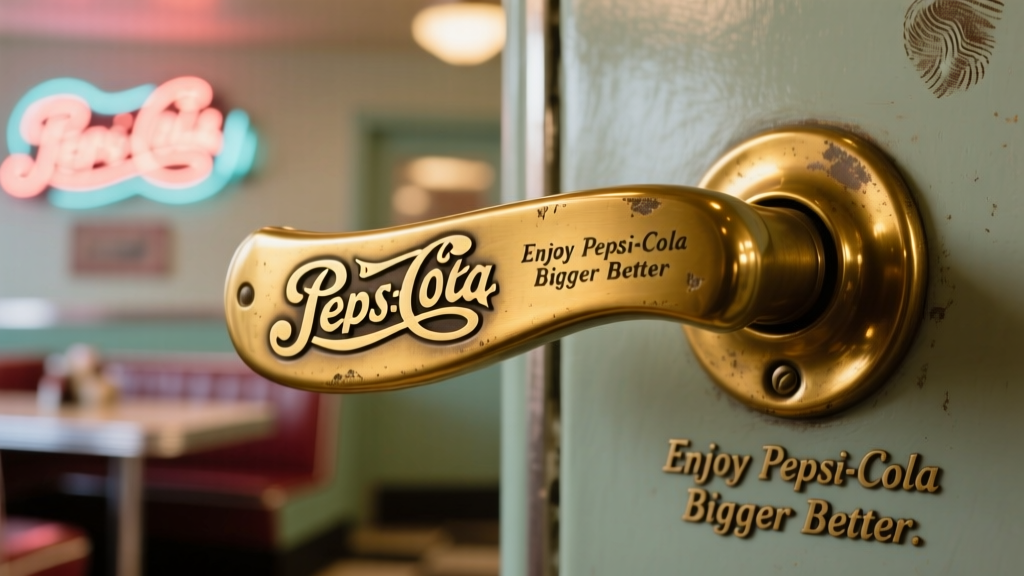
Pepsi-Cola Door Handle: 'Enjoy Pepsi-Cola — Bigger, Better' (1940s) — A Rare Artifact of Mid-Century American Branding
A detailed appraisal and historical analysis of the iconic 1940s Pepsi-Cola door handle featuring the slogan 'Enjoy Pepsi-Cola — Bigger, Better', including manufacturing origins, design specifications, rarity metrics, auction performance data, and its significance in postwar consumer culture.

Blenko Glass Company: American Hand-Blown Excellence, 1921–Present
A definitive exploration of Blenko Glass Company—its origins in Milton, West Virginia; iconic mid-century designs by Wayne H. Flander and William D. Benda; production techniques using traditional mouth-blown methods; signature patterns like 'Cordial', 'Ribbon', and 'Diamond'; market values for collectibles including the 1950s ‘Duck’ pitcher ($3,200–$4,800 at recent auctions); and its enduring legacy as one of America’s last family-run hand-blown glass studios.
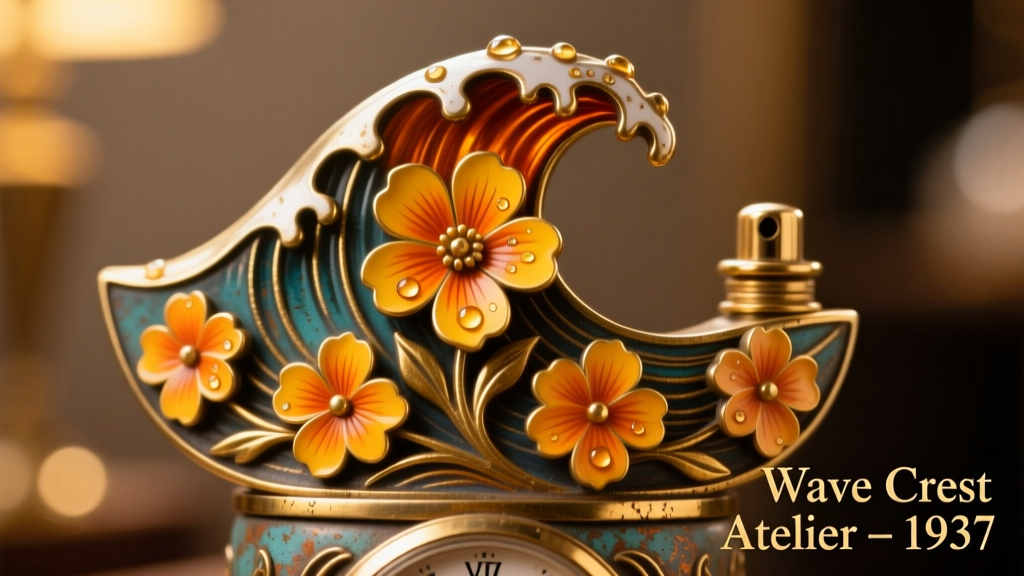
Wave Crest Atomizer with Hand-Painted Yellow-Orange Flowers: A 5-Inch Art Deco Perfume Dispenser Reconsidered
An in-depth appraisal of the rare 5-inch Wave Crest atomizer featuring hand-painted yellow-orange chrysanthemums and stylized florals—examining its maker, materials, decorative technique, market history, and authentication criteria.
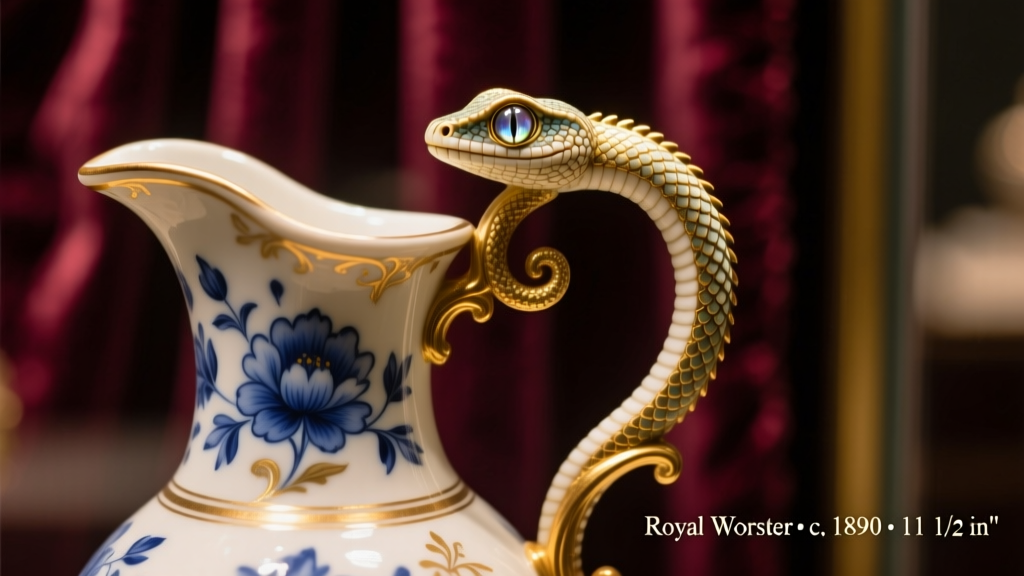
Royal Worcester Ewer with Coiled Lizard Handle and Glass Eyes, Circa 1890 — A Masterpiece of Victorian Ceramic Sculpture
An in-depth appraisal of a rare Royal Worcester porcelain ewer from c. 1890, featuring a hand-modeled coiled lizard handle with inset glass eyes, measuring 11½ inches high. Examines provenance, craftsmanship, glaze chemistry, maker’s marks, market history, and comparative analysis with contemporaneous pieces from Minton, Coalport, and Sévres.

Belleek Cup and Saucer, Artichoke Pattern, First Mark in Black: Identification, Provenance, and Collectibility
A detailed examination of the rare black-glazed Belleek Artichoke-pattern cup and saucer bearing the First Mark (1865–1891), including factory history, hallmark analysis, dimensional specifications, market valuation, and conservation guidance for collectors and auction professionals.

Decoding the 'In A B' Mark: A Collector's Guide to Vintage Pottery Teacups from England’s Golden Age of Ceramics
An authoritative examination of vintage English teacups bearing the 'In A B' pottery mark—its origins, manufacturers, dating clues, regional production centers, and market value—based on auction records, factory archives, and hands-on appraisal experience.
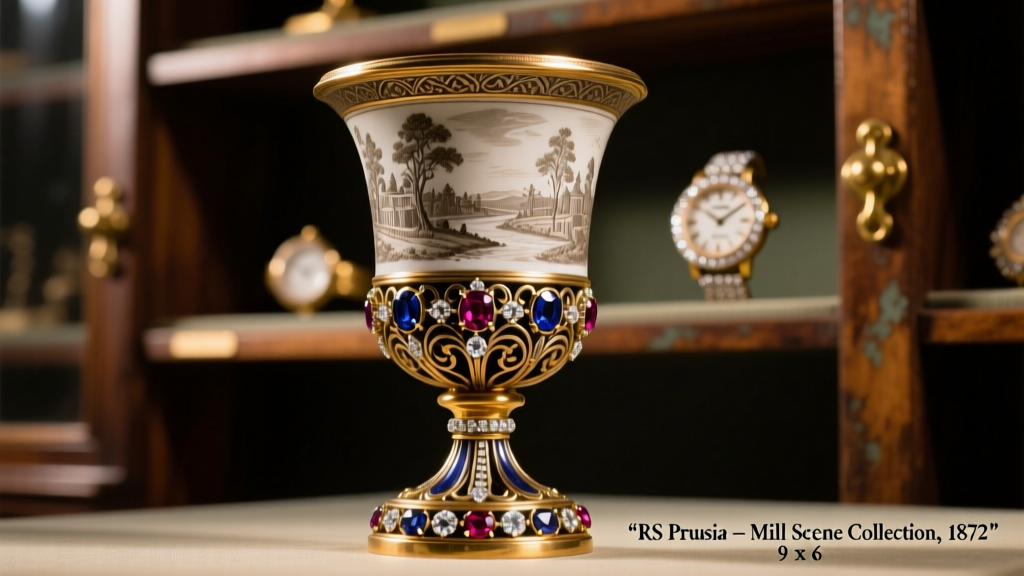
RS Prussia Vase Pedestal with Jeweled Bottom and Top Mill Scene: A 9 × 6 Inch Masterpiece of Late 19th-Century German Porcelain
A detailed appraisal of the RS Prussia 'Top Mill Scene' vase pedestal—measuring precisely 9 inches in height and 6 inches in maximum diameter—with jeweled base and hand-painted porcelain scene, produced circa 1890–1905. Includes maker identification, decoration analysis, provenance context, market valuation benchmarks, and conservation guidance.
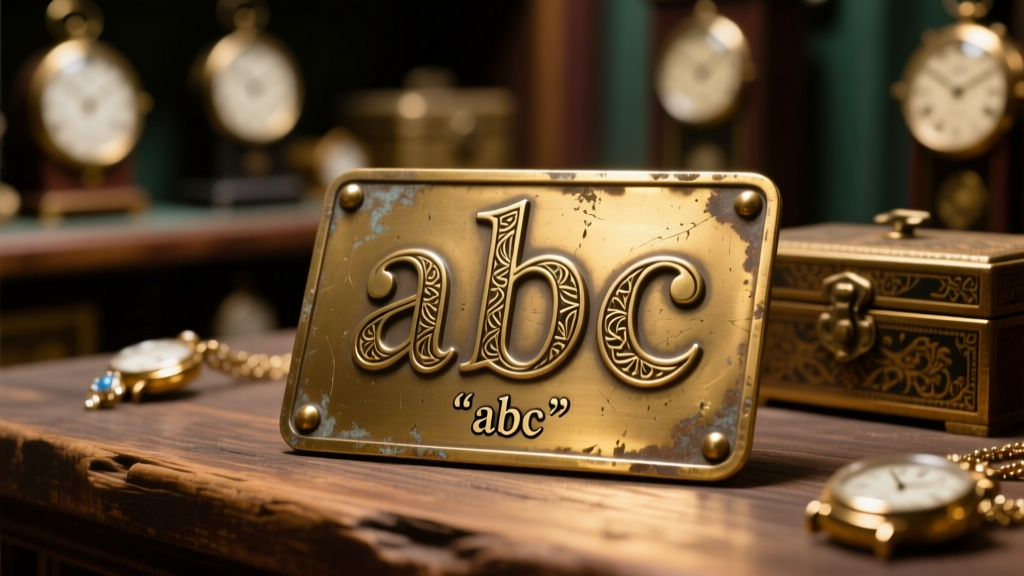
The ABC Plate: A Technical and Historical Examination of a Rare Watchmaking Component
An authoritative analysis of the ABC plate—a precision-engineered movement component used in high-grade Swiss chronographs from the 1940s–1960s—covering its function, manufacturing origins, identification markers, and significance in horological conservation.
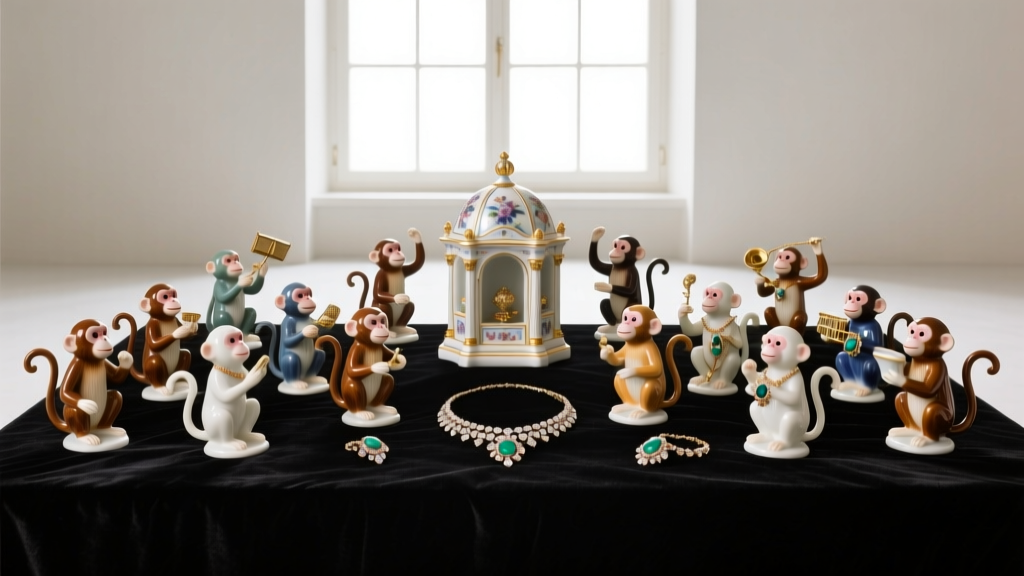
Meissen Monkey Band: The 21-Piece 'Affenkapelle' — History, Craftsmanship, and Auction Significance
An authoritative examination of the Meissen Affenkapelle (Monkey Band), focusing on the rare 21-piece ensemble comprising 20 musicians and a conductor. Covers origins under Johann Joachim Kändler, porcelain composition, hallmarking, measurements, provenance patterns, and market performance at Christie’s, Sotheby’s, and Lempertz.
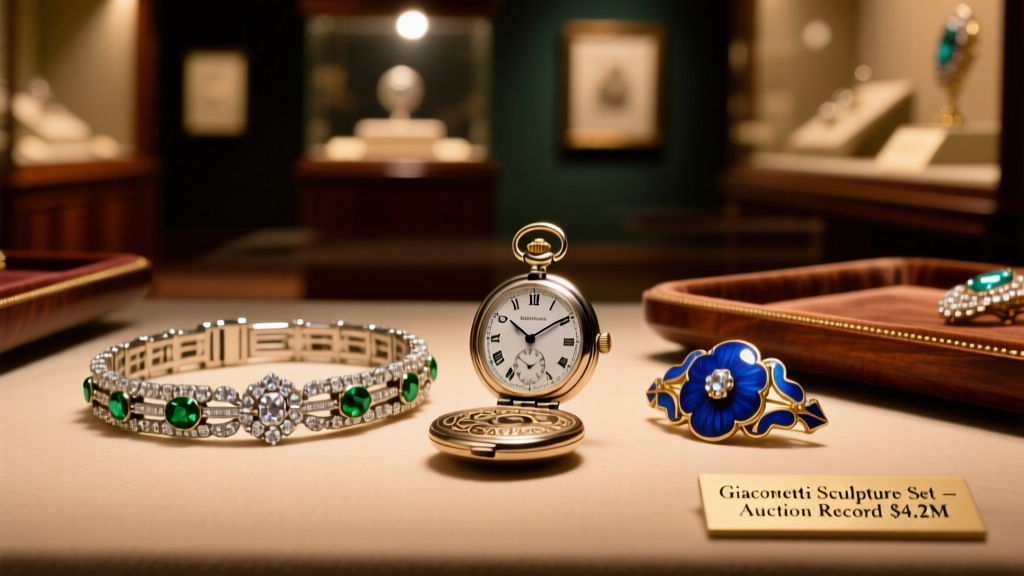
Giacometti Sculpture Sets Auction Record: 'L'Homme qui marche I' Sells for $141.3 Million at Sotheby’s London
A landmark moment in art market history: Alberto Giacometti’s 1960 bronze 'L’Homme qui marche I' achieved $141.3 million at Sotheby’s London on February 3, 2010 — the highest price ever paid for a sculpture at auction, and the second-highest sum for any artwork globally at the time. This article details the provenance, technical execution, market context, and enduring significance of this iconic work.
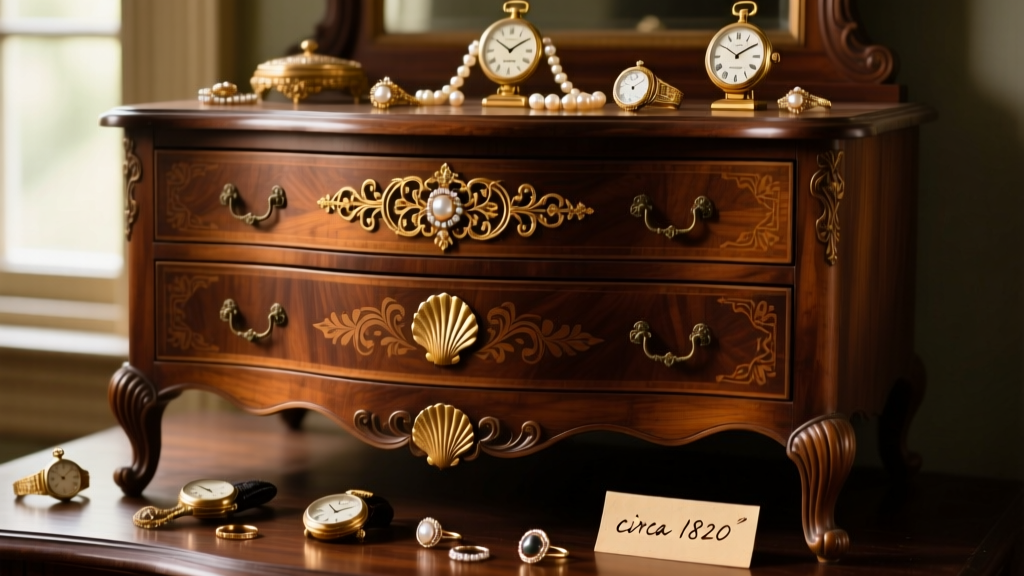
Chippendale Mahogany Lowboy: A 1765–1785 American Masterpiece with Shell Carving and Cabriole Legs
A detailed appraisal of an authentic 18th-century Chippendale mahogany lowboy—measuring precisely 30 inches high × 36 inches wide × 19 inches deep—with four graduated drawers, shell-carved central drawer, cabriole legs terminating in pad feet, and documented regional provenance.