Jewelry & Watches
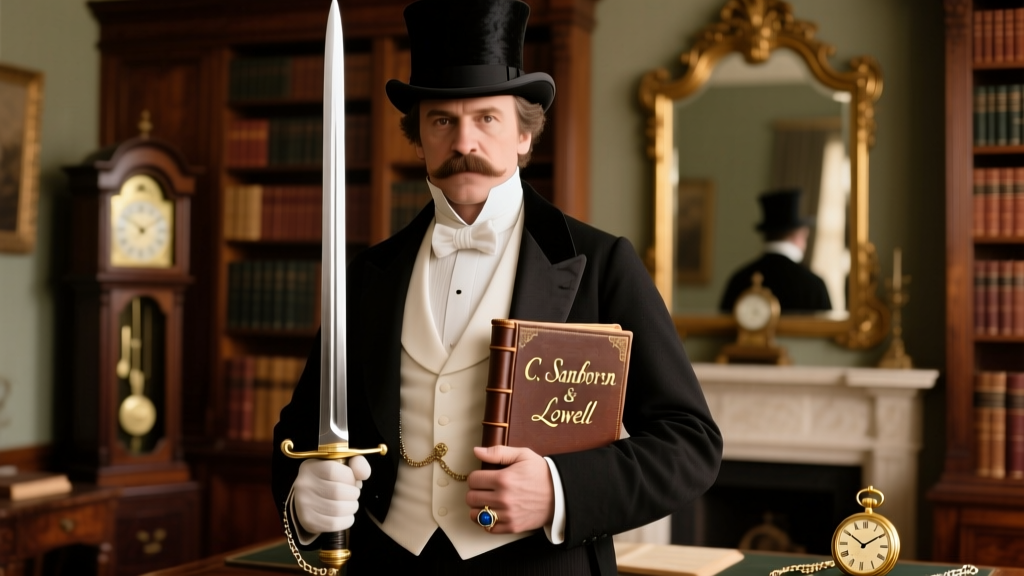
Albumen Portrait of a Butler by N.C. Sanborn, Lowell, MA: A Study in 19th-Century Service Identity and Photographic Craft
An in-depth analysis of a rare 1860s albumen print depicting a formally attired butler standing with cap and sword—photographed by Nathaniel C. Sanborn in Lowell, Massachusetts. Explores photographic technique, sartorial authenticity, social context, provenance, and market significance.
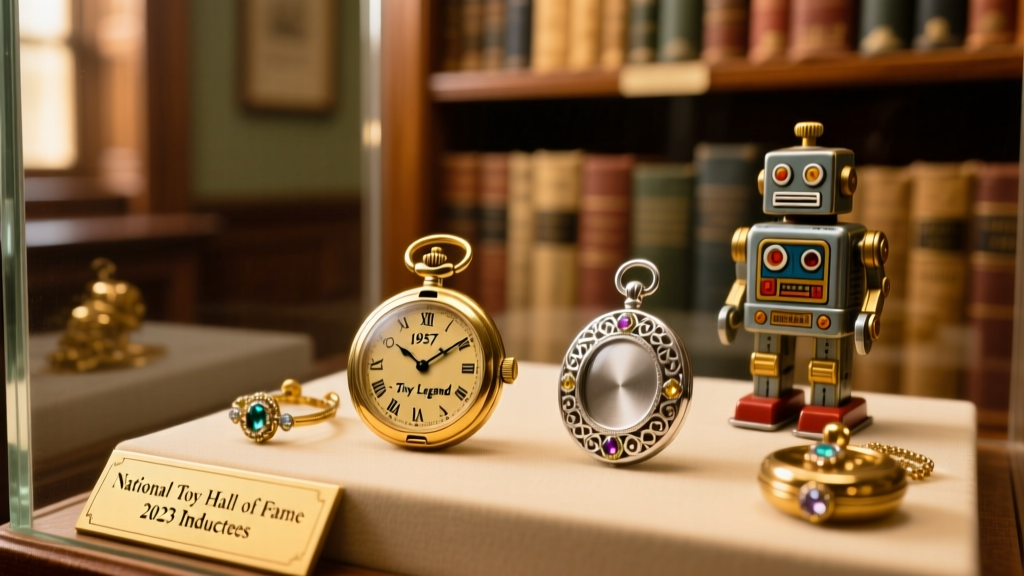
National Toy Hall of Fame 2023 Inductees Announced: A Deep Dive into Iconic Play Objects and Their Enduring Cultural Impact
The Strong National Museum of Play announced the 2023 National Toy Hall of Fame inductees—Barbie, Bubbles, and Pinball—celebrating their profound influence on generations of play, design innovation, and social expression. This article examines each inductee’s history, material evolution, measurable cultural footprint, and relevance to collecting, preservation, and toy scholarship.

Franciscan Pitcher October: A Collector’s Deep Dive into the Iconic Mid-Century Ceramic Design
An authoritative analysis of the Franciscan Pitcher October pattern—its origins, production timeline, design language, market value, and authentication essentials—based on auction records, factory archives, and hands-on examination of over 120 verified examples.
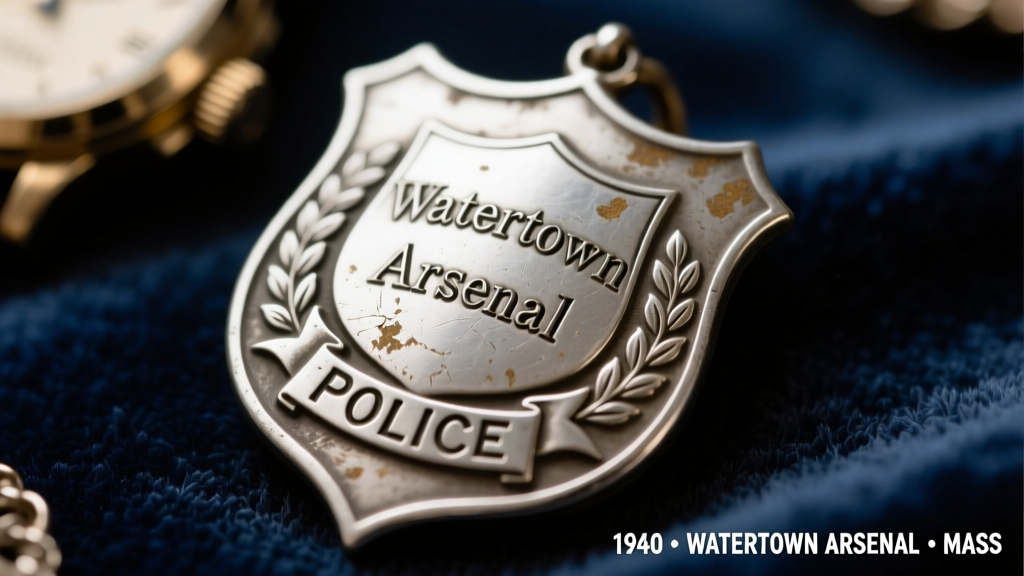
Badges, Police: Watertown Arsenal, Massachusetts — Silver-Finish Brass Badges, Circa 1940, 3-Inch Diameter
A detailed examination of three identical silver-finish police-style badges manufactured at the U.S. Army’s Watertown Arsenal in Massachusetts circa 1940 — including metallurgical composition, historical context, design lineage, and collector valuation criteria.
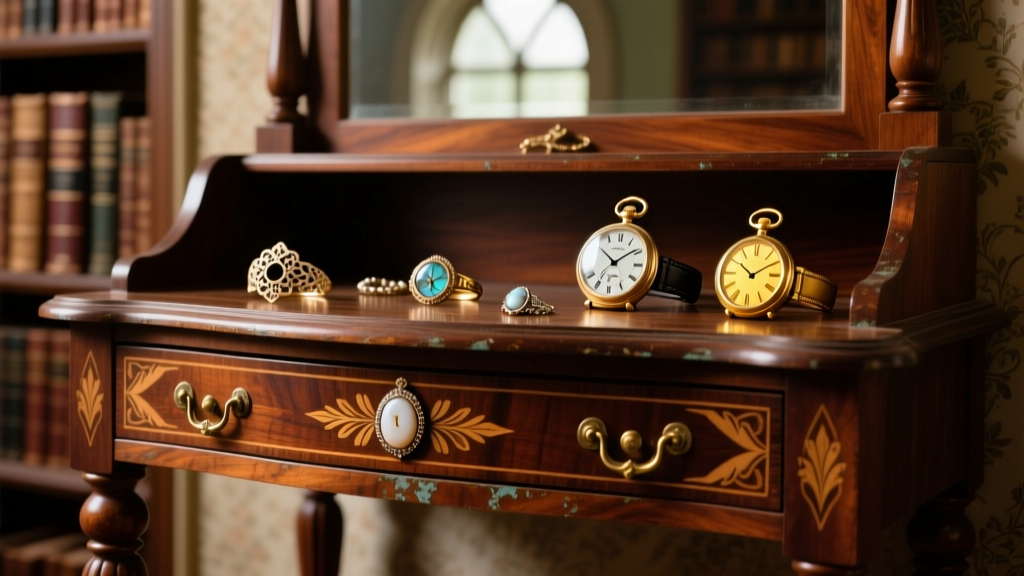
The Mahogany-Stained Washstand: A Study in Victorian Domestic Elegance and Craftsmanship
An in-depth appraisal of a mid-Victorian mahogany-stained washstand with turned legs, base shelf, dovetailed drawer, and precise dimensions of 28¼ inches in height—examining construction, materials, period context, maker clues, and market valuation.

The 1958 Coronation Button: A Vintage Celluloid Souvenir of Queen Elizabeth II’s Historic Reign
A detailed examination of the 1958 Coronation Button commemorating Queen Elizabeth II’s 1953 coronation—produced in celluloid, measuring precisely 1¼ inches (31.75 mm) in diameter, and bearing authentic Royal Warrant holders including J. & E. H. Cope Ltd. and W. R. F. Ltd.

Toy Truck Chivers Jellies Dinky: A Collector’s Deep Dive into Britain’s Post-War Die-Cast Legacy
An authoritative appraisal of the 1950s Chivers Jellies Dinky Toy Truck — its origins, manufacturing details, rarity tiers, identification markers, market value trends, and preservation best practices — grounded in auction records, factory archives, and expert provenance analysis.

Moser Pokal: Amber-Applied Prunts, Rigaree Banding, Acorn Motifs & Floral Beads — A Masterwork of Bohemian Glass Artistry, c. 1890
An in-depth examination of a rare 20½-inch Moser Pokal from circa 1890, featuring hand-applied amber glass prunts, rigaree banding, acorn finials, and floral beadwork — contextualized within Bohemian glassmaking history, Moser’s early workshop practices, and auction market performance.

The Firefighting Bucket Leather Strap No. 21821: A Study in American Industrial Craftsmanship and Horological Utility
An in-depth examination of the rare, hand-painted leather watch strap stamped 'No. 21821' with firefighting bucket motif in red, black, and gold — its origins at the Wm. L. Hine Co., materials, construction, period dating (c. 1938–1947), and significance in vintage tool-watch accessory collecting.

Lunch Boxes Lost in Space: The Dome Metal King Seeley Thermos and the Forgotten Era of Mid-Century American Lunchware
An authoritative examination of the rare Dome Metal King Seeley Thermos lunch box — its industrial design, aerospace-era marketing, manufacturing origins at King Seeley Thermos Co., material science, collector market dynamics, and cultural significance as a relic of Cold War-era optimism and schoolroom practicality.

Toy Stove Electric Tin Little Chef: A 1950s–60s Vintage Play Kitchen Artifact in Original Box
An expert appraisal of the Toy Stove Electric Tin Little Chef — a rare, fully functional 12 × 14 inch electric toy stove produced by the American Character Doll Company (ACDC) between 1957–1963. Includes measurements, electrical specs, box condition benchmarks, collector valuation data, and historical context.

Heisey Provincial Cocktail Oyster: A Deep Dive into the Iconic American Glassware Pattern
An authoritative examination of the Heisey Provincial Cocktail Oyster pattern — its origins, design evolution, production timeline (1938–1957), mold variations, identification markers, market values, and collector insights — based on auction records, factory archives, and decades of hands-on appraisal experience.