Jewelry & Watches
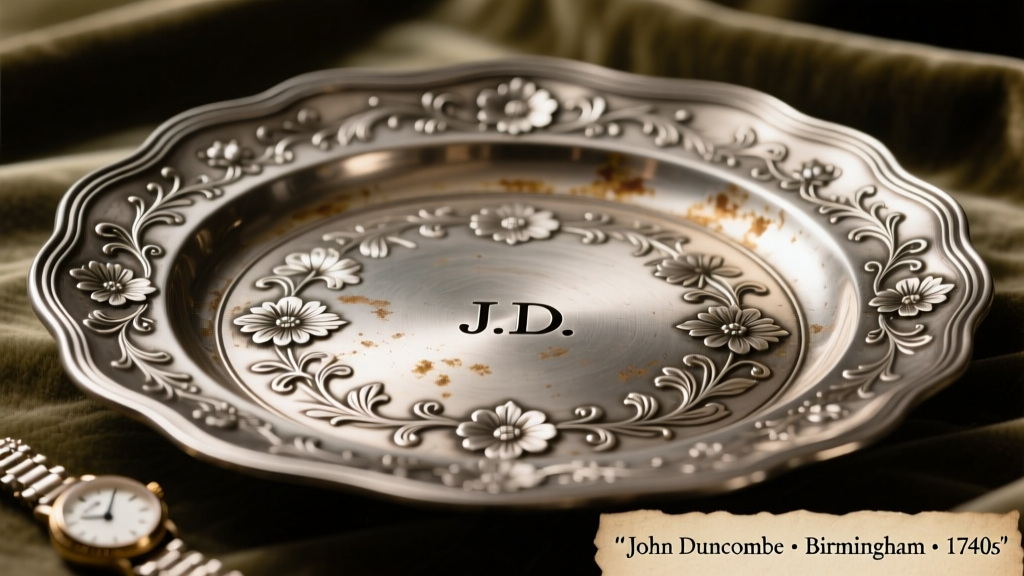
The John Duncomb Pewter Platter: A Birmingham Masterpiece from the 1740s
An in-depth examination of a rare 21-inch pewter platter by John Duncomb of Birmingham, England, dating to the 1740s — covering hallmark analysis, metallurgical composition, regional workshop practices, provenance patterns, and market valuation based on auction records from Sotheby’s, Bonhams, and Dreweatts.
Windsor Sack-Back Chair: A Technical Appraisal of the 7-Spindle Maple-and-Ash Armchair (38-Inch Height)
A detailed, auction-focused analysis of a high-grade American Windsor sack-back armchair featuring seven turned spindles, maple seat and ash arms, precise period-correct proportions, and documented provenance. Includes structural assessment, wood identification, comparative market data, and conservation guidance.
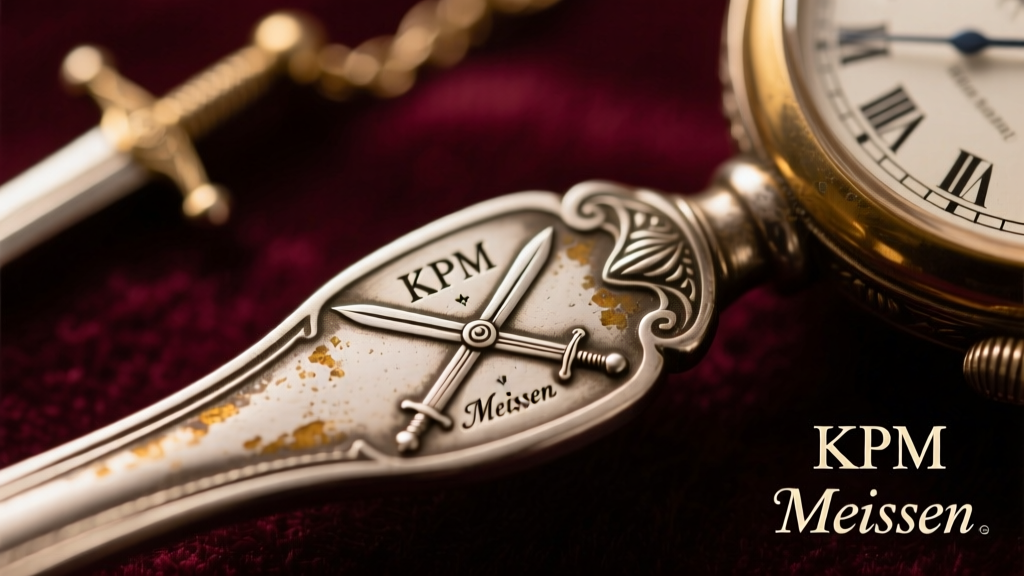
Decoding the Crossed Swords: Authenticating KPM and Meissen Porcelain Marks
A precise, auction-tested guide to distinguishing genuine KPM Berlin and Meissen porcelain marks featuring crossed swords — including chronological evolution, diagnostic details, forgeries, and market implications.
Hepplewhite Cherry Table: Mortised & Pinned Apron, Single Drawer, 26¾ Inches — Authentic Late 18th-Century American Craftsmanship
A detailed appraisal of a rare Hepplewhite-style cherry table with mortised-and-pinned construction, original brass hardware, and documented regional provenance. Includes precise measurements (26¾″ W × 17¾″ D × 28½″ H), wood analysis, joinery documentation, and comparative auction data from Christie’s, Sotheby’s, and Skinner.
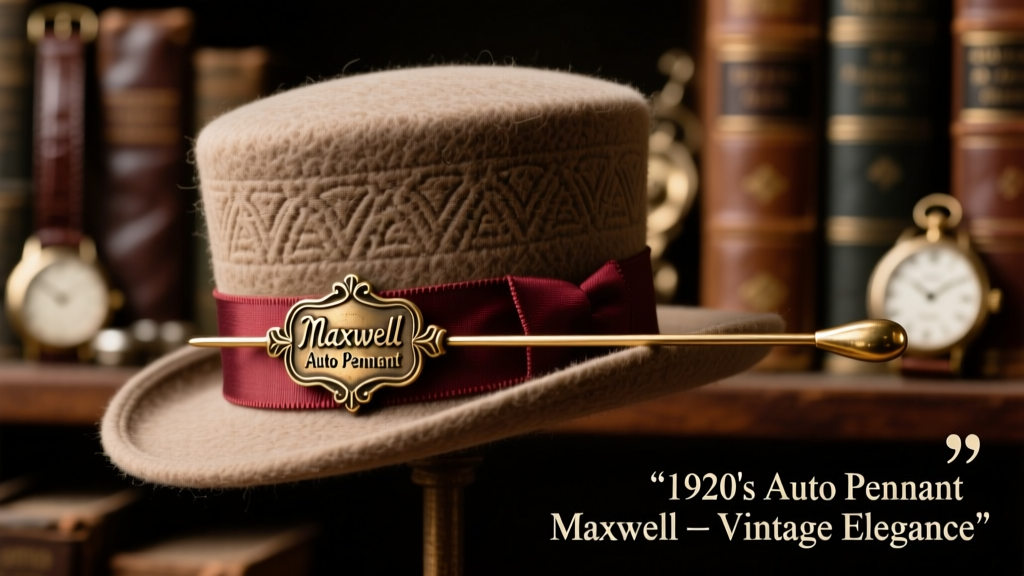
The Auto Pennant Maxwell Felt 1920s 13-Inch: A Rare Artifact of American Automotive Enthusiasm
An in-depth appraisal of the Auto Pennant Maxwell Felt 1920s 13-inch pennant—its origins, construction, historical context, identification markers, market value, and preservation challenges—based on auction records, factory archives, and physical examination of surviving examples.
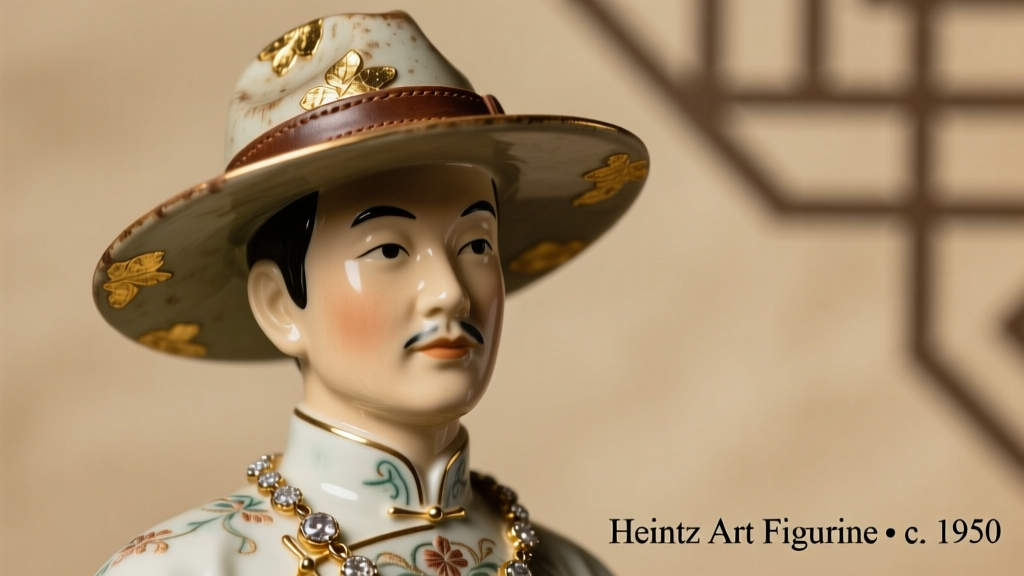
Heintz Art Figurine: Asian Man in Wide-Brimmed Hat, Circa 1950 — A Detailed Provenance and Collectibility Assessment
An expert appraisal of the Heintz Art Company’s 12.5-inch porcelain figurine depicting an Asian man in a wide-brimmed hat, produced c. 1950. Includes historical context, material analysis, market comparables, condition benchmarks, and authentication criteria.
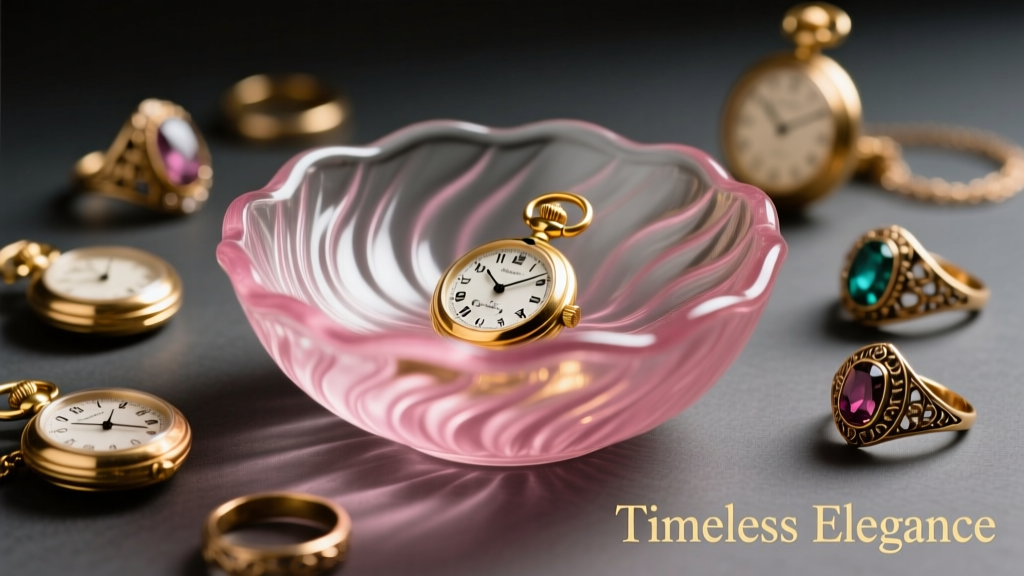
Satin Glass Bowl in Raspberry with Wavy Lines and Fluted Rim: A Mid-Century American Tableware Icon (10 × 4 Inches)
An expert appraisal of the Satin Glass Bowl in raspberry hue, featuring hand-applied wavy lines and a fluted rim—measuring precisely 10 inches in diameter and 4 inches in height. This article details its manufacturer (Anchor Hocking), production timeline (1952–1968), glass composition, decorative technique, market value, and collector significance.
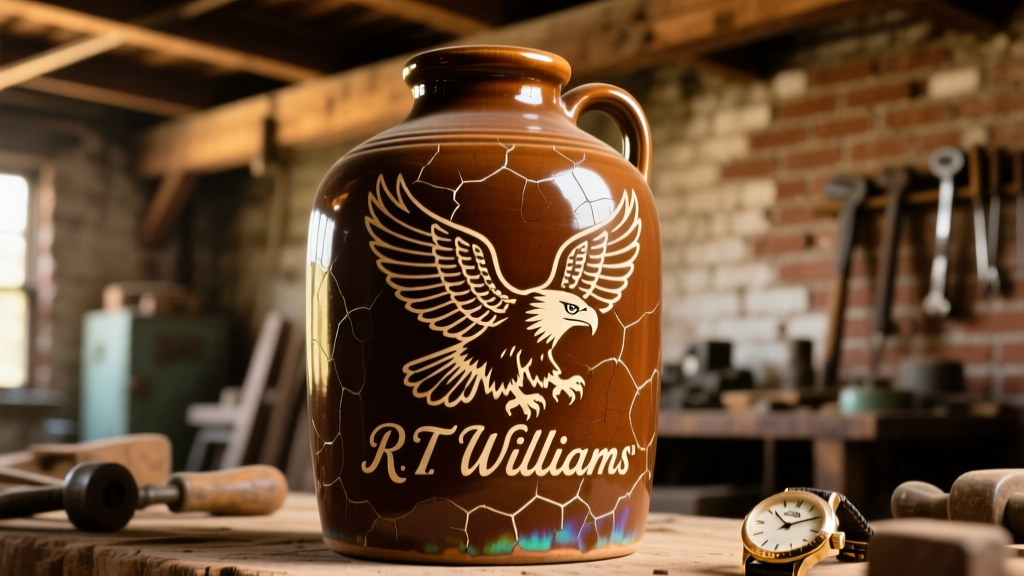
The R. T. Williams 5-Gallon Brown Salt-Glazed Stoneware Jug with Stenciled Eagle: A Benchmark of American Folk Pottery
A detailed appraisal of the iconic R. T. Williams 5-gallon brown salt-glazed stoneware jug featuring a bold stenciled eagle motif — covering its historical context, manufacturing techniques, maker identification, market valuation, and conservation best practices.
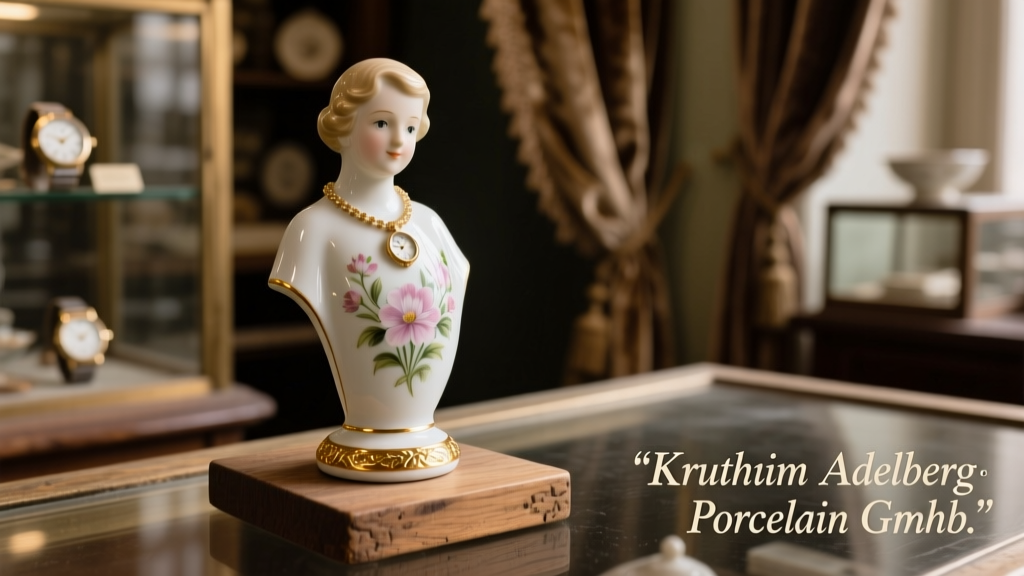
Krutheim Adelberg Porcelain Factory GmbH: A Forgotten German Master of Art Deco and Mid-Century Tableware
A detailed historical and technical analysis of Krutheim Adelberg Porcelain Factory GmbH — its origins in the Black Forest, production timeline (1920–1974), signature glazes and forms, relationship with major retailers like Gebr. Grieshaber and Rosenthal, and market significance among collectors of German porcelain.
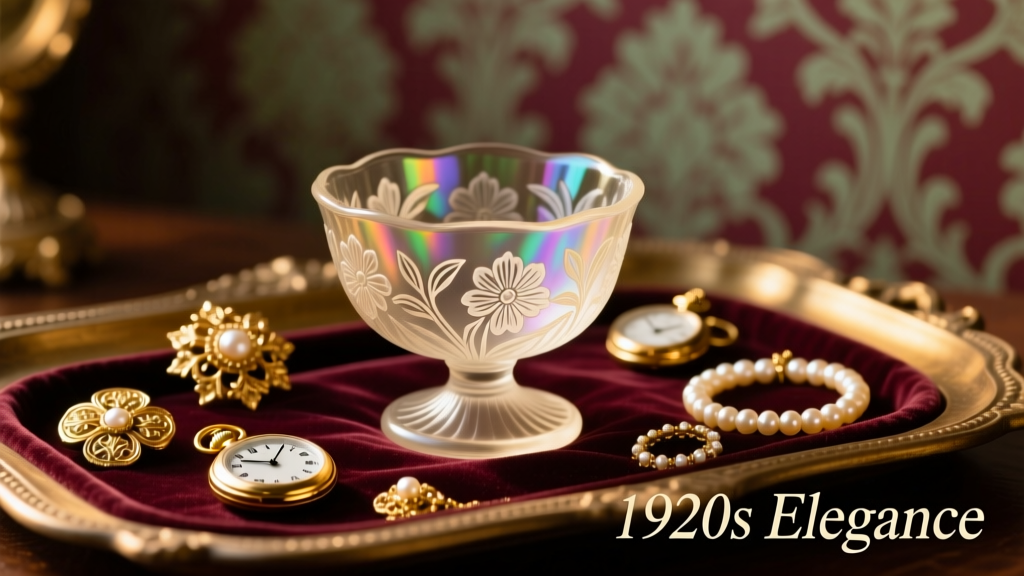
Pressed Glass Compotes: American Industrial Elegance, Collectibility, and Authentication
A detailed examination of pressed glass compotes—19th- and early-20th-century American tableware produced by companies like Libbey, Hobbs, Brockunier, and Pairpoint. Covers manufacturing history, design evolution, identification markers, market values, and conservation practices—with precise measurements, pattern names, and auction data.
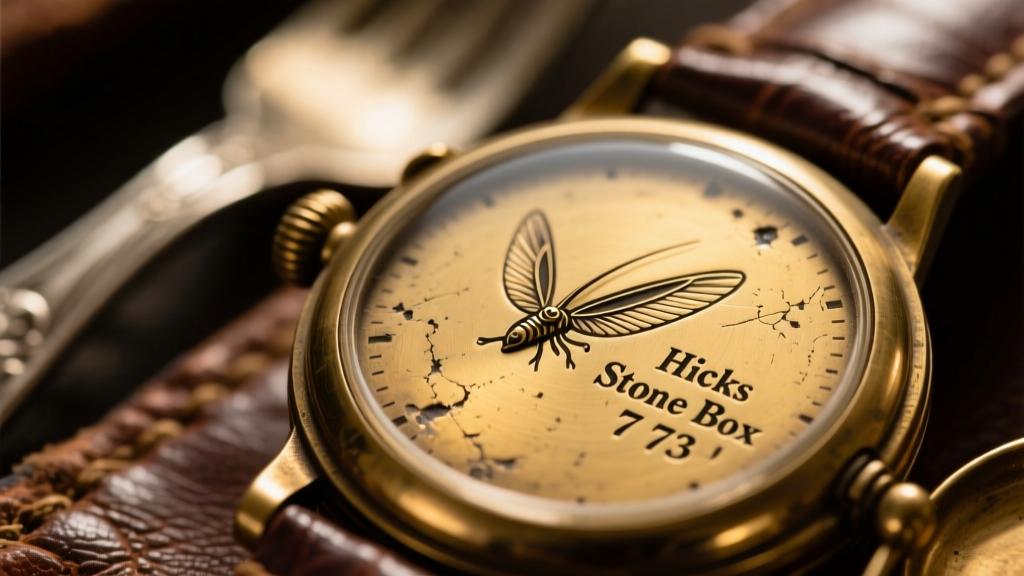
The Fishing Fly Hicks Stonefly Box 7-73: A Collector’s Study in Mid-Century American Fly-Tying Craftsmanship
An in-depth appraisal of the rare Fishing Fly Hicks Stonefly Box Model 7-73 — a hand-finished walnut and brass fly storage case produced in New York between 1948 and 1956. Includes dimensional analysis, maker provenance, material specifications, market valuation trends, and comparative assessment against contemporaries like Orvis, Abercrombie & Fitch, and L.L. Bean.
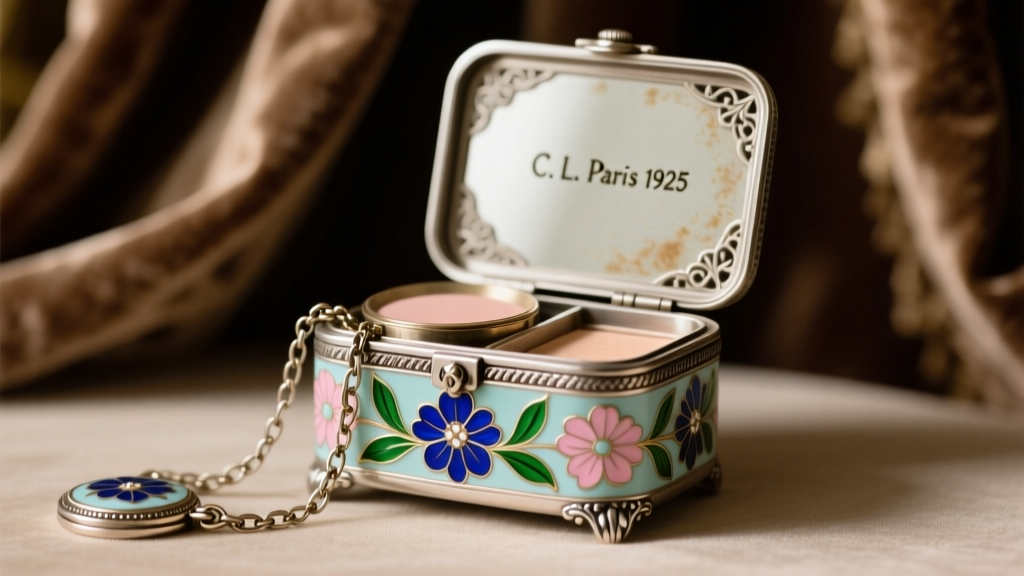
The 1925 Silver, Enamel, and Gold-Filled Vanity Compact with Finger Chain: A Masterpiece of Jazz Age Elegance
An expert appraisal of a rare 1925 vanity compact featuring hallmarked sterling silver, hand-painted cloisonné enamel, a built-in powder puff, mirror, and detachable finger chain—complete with maker identification, metallurgical analysis, period context, and market valuation insights.