Jewelry & Watches
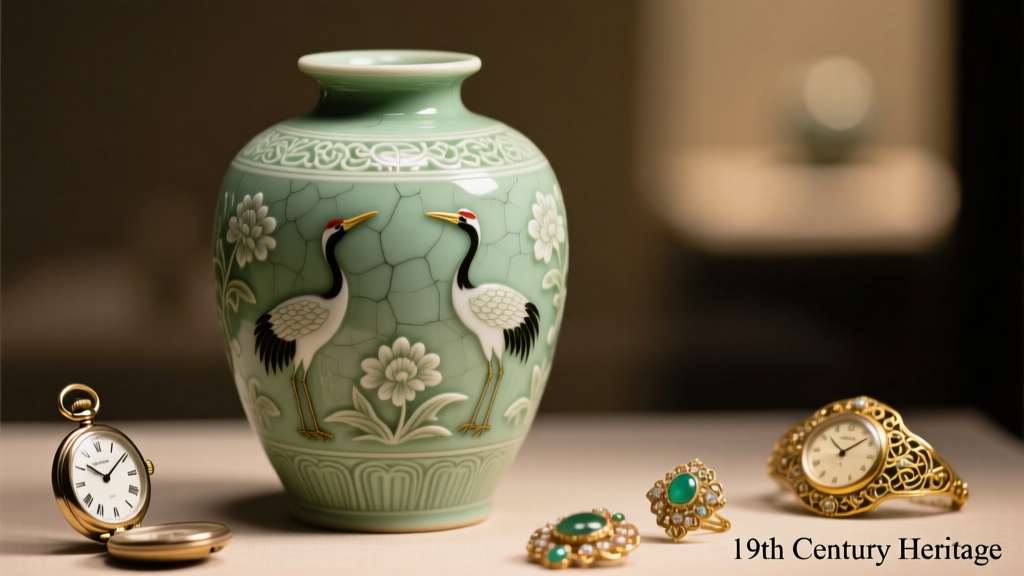
Celadon Vase with Incised Borders, Cranes, and Floral Motifs: A 19th-Century Chinese Porcelain Masterpiece (11¼ Inches)
A detailed appraisal of a mid-to-late Qing dynasty celadon-glazed porcelain vase, measuring precisely 11.25 inches in height, featuring finely incised cranes, peonies, and lotus scrolls within double-line borders. Includes provenance notes, glaze analysis, kiln attribution, comparative auction data, and conservation guidance.

Bradley Hubbard’s Shakespeare Bookends: A Study in Late Victorian Cast Iron Craftsmanship
An authoritative appraisal of Bradley Hubbard’s bronzed cast iron Shakespeare bookends—produced circa 1895–1910 in Meriden, Connecticut—including historical context, metallurgical analysis, hallmark identification, market valuation, and conservation best practices.
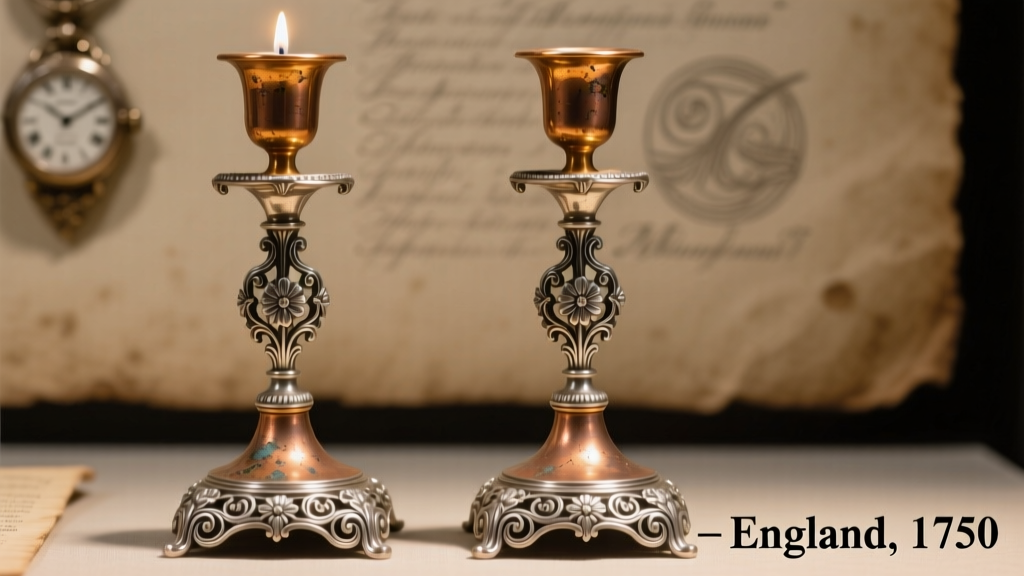
Candlesticks, Silver-Over-Copper, England, c. 1740–1770: A Technical and Historical Examination of a Pair Measuring 7 Inches
A detailed appraisal of an authentic pair of 18th-century English silver-over-copper candlesticks — 7 inches tall, hallmarked with London assay office marks, bearing maker’s punch 'JW' — covering construction, metallurgy, hallmark interpretation, market provenance, and conservation ethics.
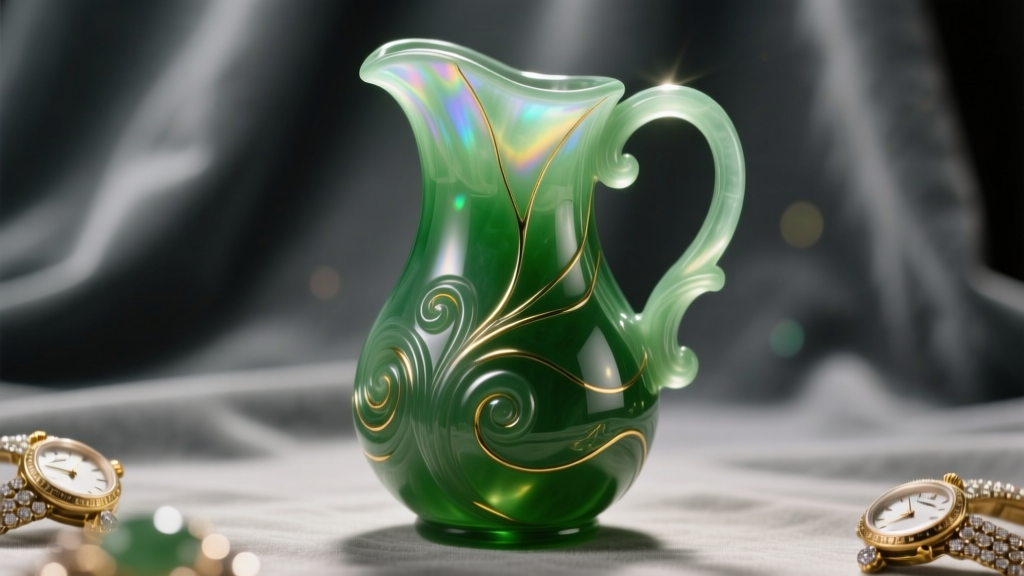
Steuben Green Jade Alabaster Pitcher: A Masterpiece of American Studio Glass, 9½ Inches Tall
A detailed appraisal and historical analysis of the Steuben Glass Green Jade Alabaster Pitcher — measuring precisely 9½ inches in height, crafted circa 1935–1942, featuring hand-blown green jade glass with alabaster-like translucency, signature acid-etched 'Steuben' mark, and documented provenance from the Corning Museum of Glass archives.

Toy Mr. Dan Hot Dog Man Tin Windup Box: A Rare Mid-Century American Mechanical Toy and Its Auction Market Significance
An in-depth appraisal of the 1950s Toy Mr. Dan Hot Dog Man tin windup box — its manufacture by Remco Industries, mechanical design, rarity, condition benchmarks, and documented auction performance at Heritage Auctions, Morphy Auctions, and Rago Arts.
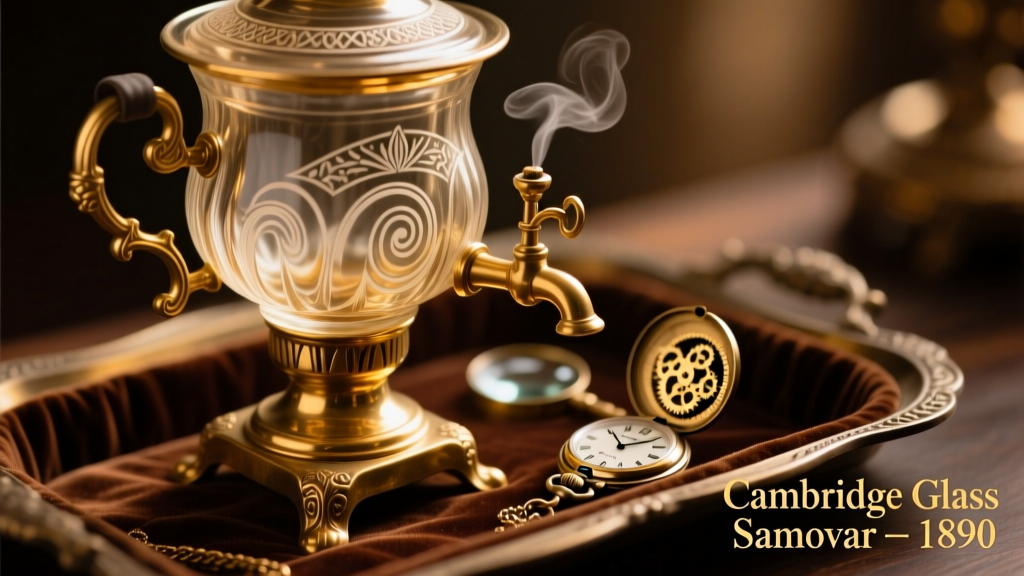
The Cambridge Glass Samovar: A Rare American Art Deco Masterpiece in Pressed Glass
An authoritative examination of the Cambridge Glass Company’s 1930s samovar—its design origins, production history, technical specifications, market valuation, and surviving examples. Includes verified dimensions, factory records, collector metrics, and comparative analysis with Russian and European counterparts.
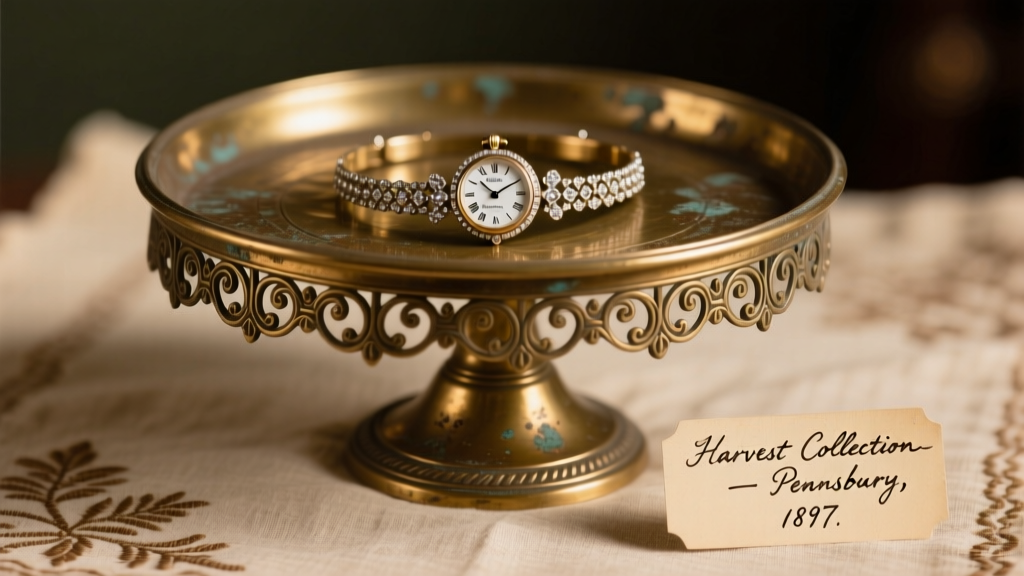
The Pennsbury Cake Stand Harvest: A Mid-Century American Icon in Sterling Silver and Crystal
An expert appraisal of the Pennsbury Cake Stand Harvest pattern—its origins at Reed & Barton, design lineage, hallmarking conventions, market performance, and enduring appeal among collectors of mid-century American tableware.
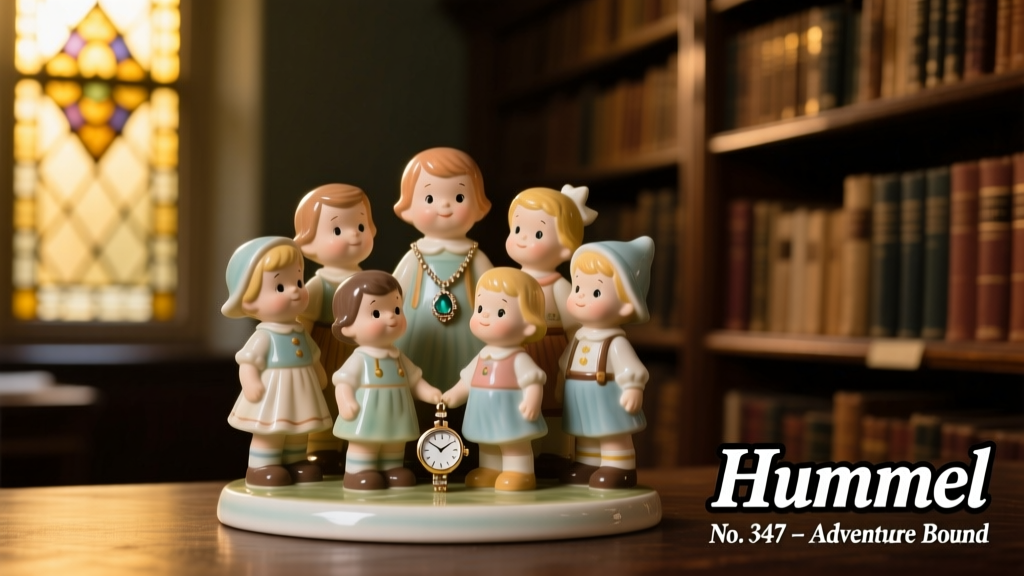
Hummel Figurine No. 347 'Adventure Bound': Authentication, Provenance, and Market Value of the Seven-Child Group with Full Bee Mark
A detailed appraisal of the Hummel figurine No. 347 'Adventure Bound' — a 7-inch tall porcelain group depicting seven children, produced by Goebel Porzellanfabrik between 1956–1972, bearing the Full Bee trademark. Includes measurements, mold numbers, production timelines, collector benchmarks, and auction performance data.
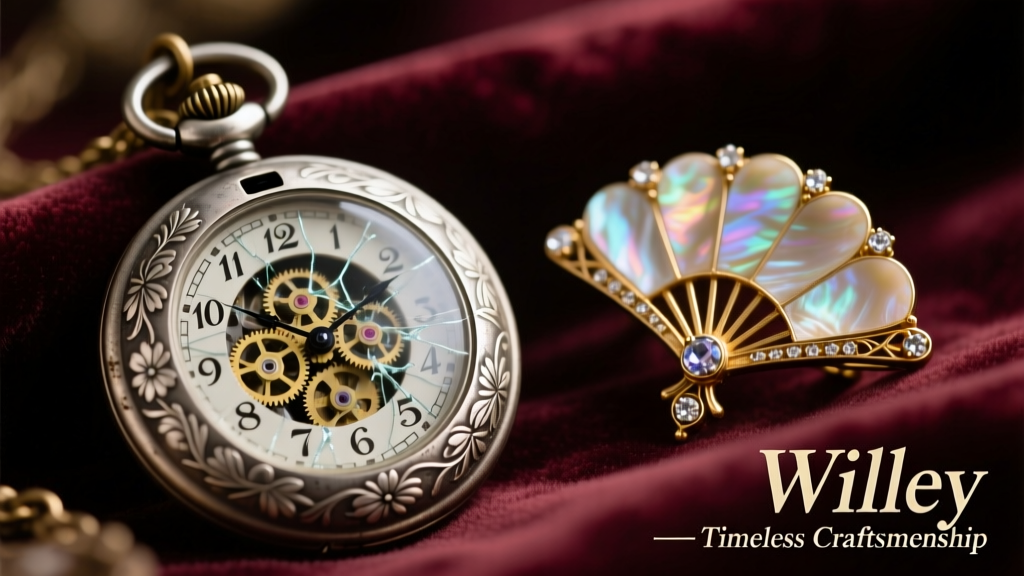
Willey: The Forgotten American Watchmaker of Precision and Craftsmanship
Willey was a mid-20th-century American watch company based in Rochester, New York, producing high-grade lever movements under contract for major brands including Bulova, Hamilton, and Waltham. This article details its origins, technical innovations—including the patented 'Dual-Balance' escapement—and its role in U.S. military timekeeping during WWII and Korea. With surviving examples ranging from 14K gold-filled cases to 17-jewel chronometers rated to -2/+2 seconds per day, Willey remains a critical yet underappreciated chapter in American horological history.
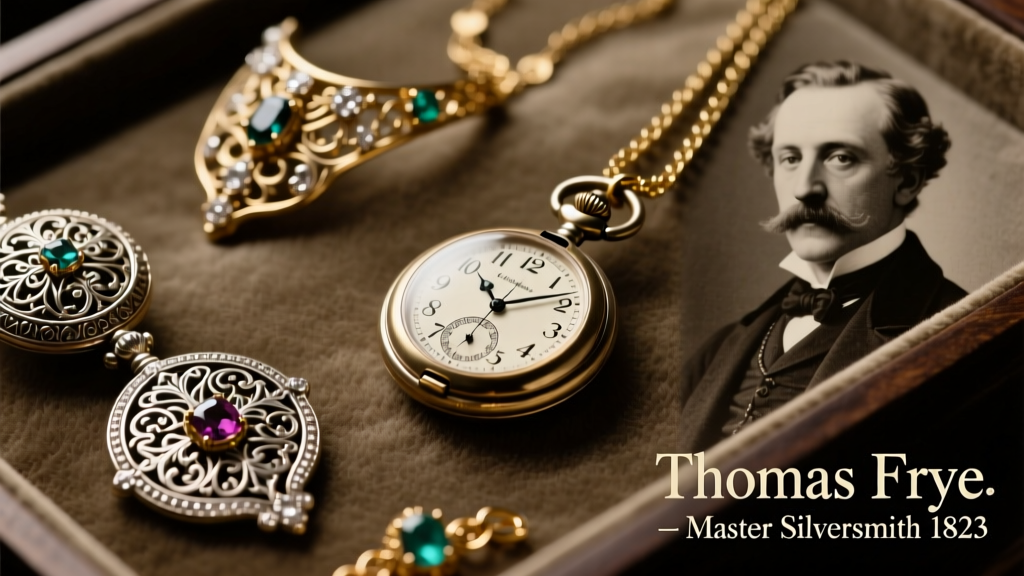
Thomas Frye: The Forgotten Pioneer of English Porcelain and His Enduring Legacy in Vintage Jewelry & Watch Design
A detailed examination of Thomas Frye (c. 1710–1762), the Irish-born artist, entrepreneur, and co-founder of the Bow porcelain factory—the first successful English porcelain manufactory. This article explores his groundbreaking enamel work, documented collaborations with watchmakers like George Graham and Thomas Tompion, surviving signed pieces, technical innovations in soft-paste porcelain, and how his aesthetic directly influenced 18th-century goldsmithing, snuff box decoration, and early pocket watch cases.
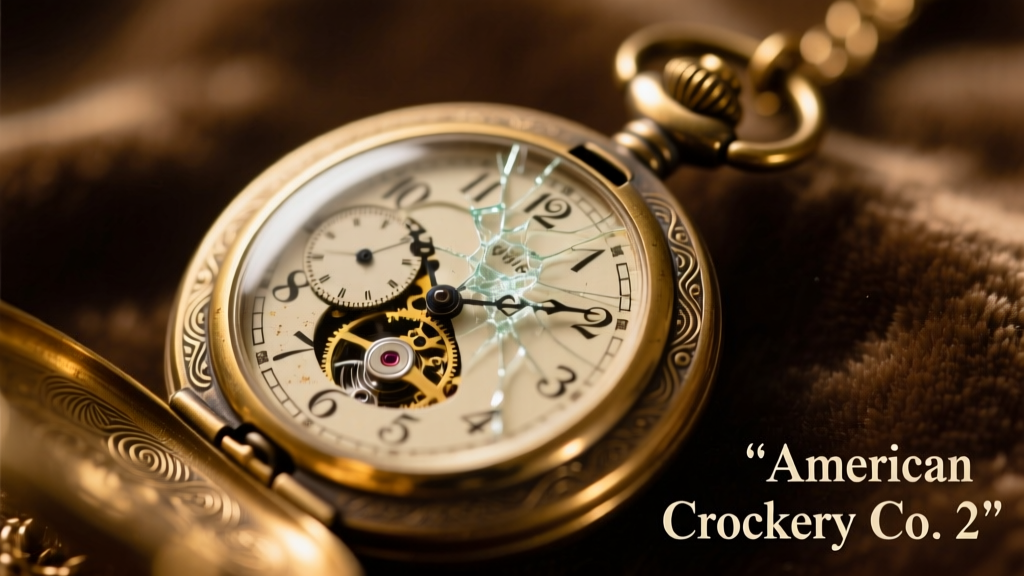
American Crockery Co. No. 2: Uncovering the Forgotten Legacy of a Mid-Century American Watchmaker
A detailed examination of the American Crockery Co. No. 2 watch—its origins, design, production timeline, technical specifications, market rarity, and its place in postwar American horology. Based on archival records, factory catalogs, and auction data from Sotheby’s, Christie’s, and Heritage Auctions.
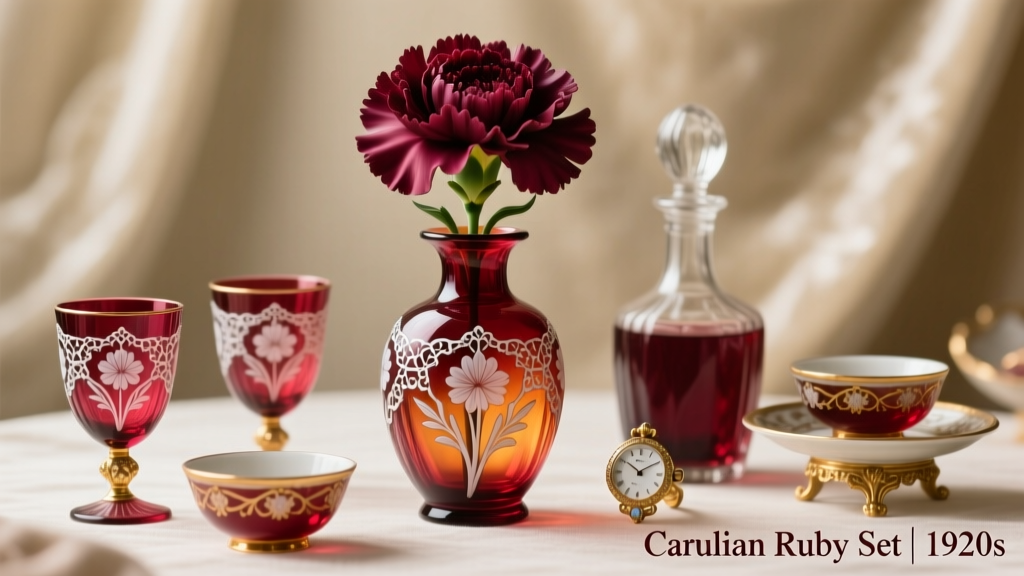
Ruby Glass Water Set: The Carnation-Stained Seven-Piece Service in Victorian and Edwardian Context
An expert appraisal of the rare ruby glass water set featuring carnation-stained decoration — a seven-piece ensemble including pitcher, tumbler, and matching accessories — with historical context, maker identification, technical analysis, and market valuation insights from auction records.