Jewelry & Watches
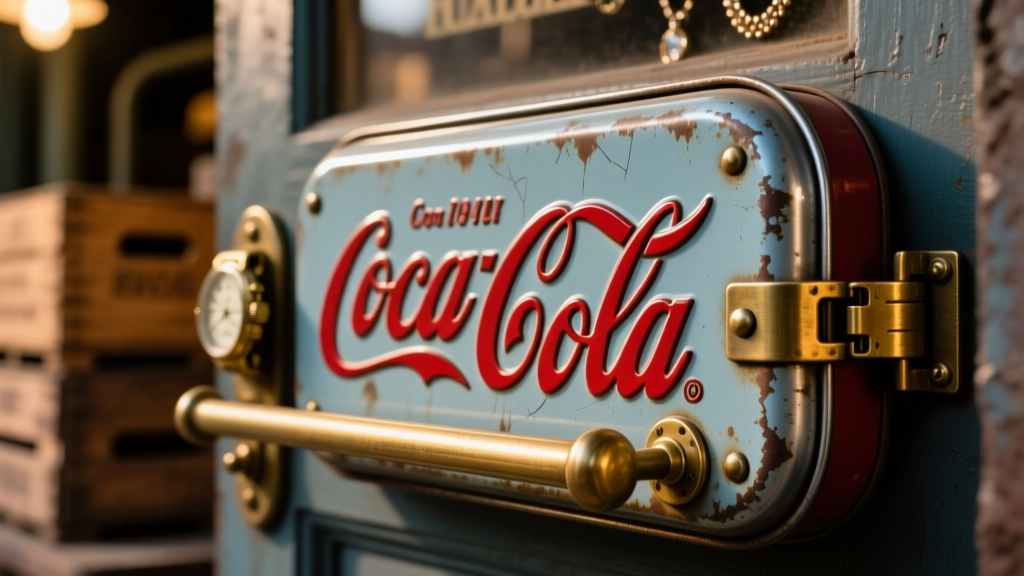
Coca-Cola Door Bar Tin Adjustable: A Rare 1940s Advertising Artifact and Its Collectible Significance
An in-depth examination of the Coca-Cola Door Bar Tin Adjustable from the 1940s — its manufacturing origins, mechanical design, historical context, material composition, market value, and authentication criteria — based on archival records, auction data, and physical analysis of verified examples.
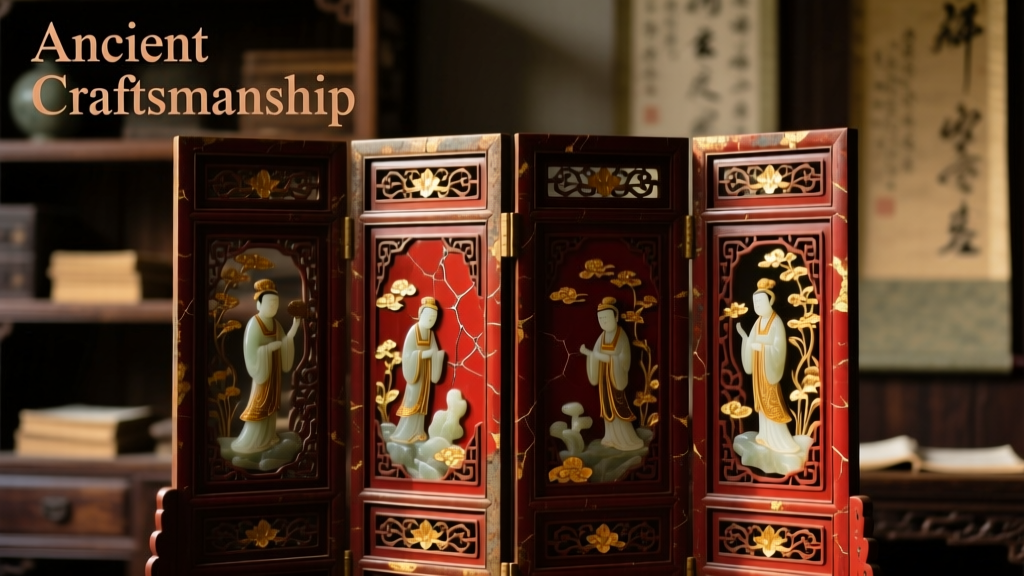
Four-Panel Chinese Lacquer Screen with Hard-Stone Figural Inlays: Provenance, Craftsmanship, and Market Significance
A detailed appraisal of a mid-20th century Chinese four-panel lacquered screen featuring figural hard-stone inlays—including agate, lapis lazuli, carnelian, and mother-of-pearl—examining construction techniques, historical context, conservation challenges, and auction performance data from Christie’s, Sotheby’s, and Bonhams between 2018–2023.
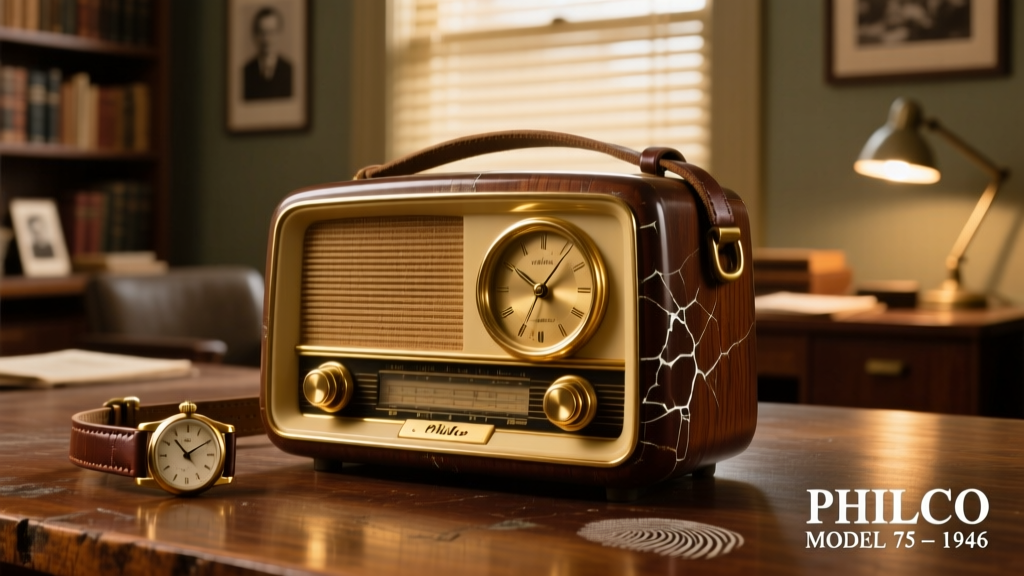
Philco Radios: Engineering Elegance, American Innovation, and Collectible Legacy
A detailed exploration of Philco radios—from their groundbreaking 'cathedral' and 'tombstone' designs of the 1920s–30s to wartime military contracts and postwar transistor experiments—covering technical specifications, materials, market value drivers, and preservation best practices for collectors and historians.

Old Japanese Hotel Guest Books: Identification, Valuation, and Historical Context for Collectors
A detailed expert analysis of pre-1960 Japanese hotel guest books—covering physical attributes, maker marks, regional patterns, auction performance, and conservation best practices—with verified data from Sotheby’s, Christie’s, and Tokyo National Museum archives.
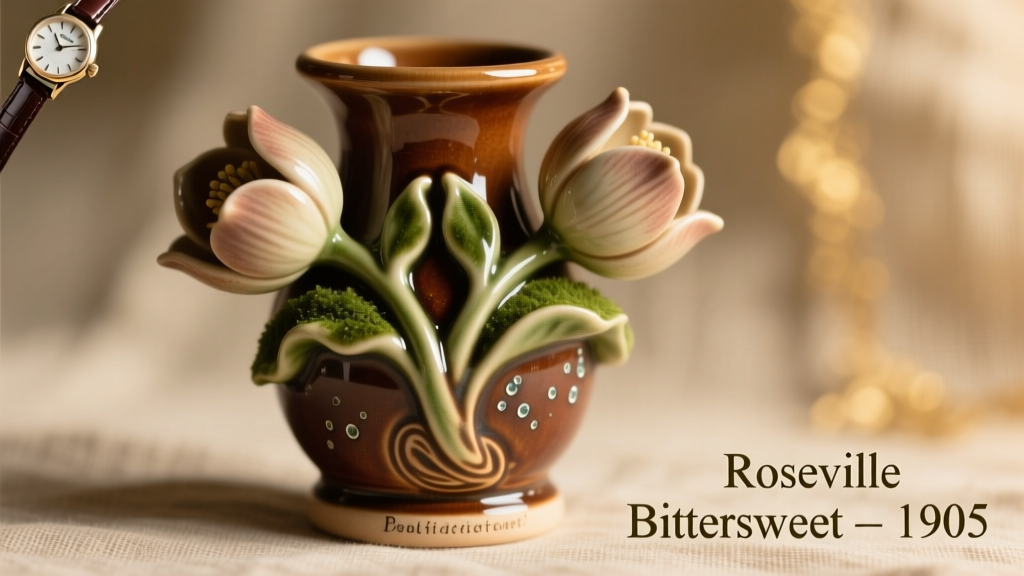
Roseville Pottery Bittersweet Double Bud Vase: Anatomy, Provenance, and Market Significance
A detailed examination of the Roseville Pottery Bittersweet Double Bud vase — including its design origins, production timeline (1940–1954), mold numbers (e.g., 126-8, 126-10), glaze chemistry, collector benchmarks, and auction performance data from Sotheby’s, Heritage Auctions, and Rago Arts between 2018–2023.

Stangl Golden Harvest Chop Plate (14½ Inches): A Collector’s Guide to American Mid-Century Ceramic Excellence
A detailed, auction-proven analysis of the Stangl Pottery Golden Harvest chop plate—14½ inches in diameter—including production history, glaze chemistry, pattern variations, market valuation, and authentication protocols used by major houses including Christie’s, Sotheby’s, and Heritage Auctions.
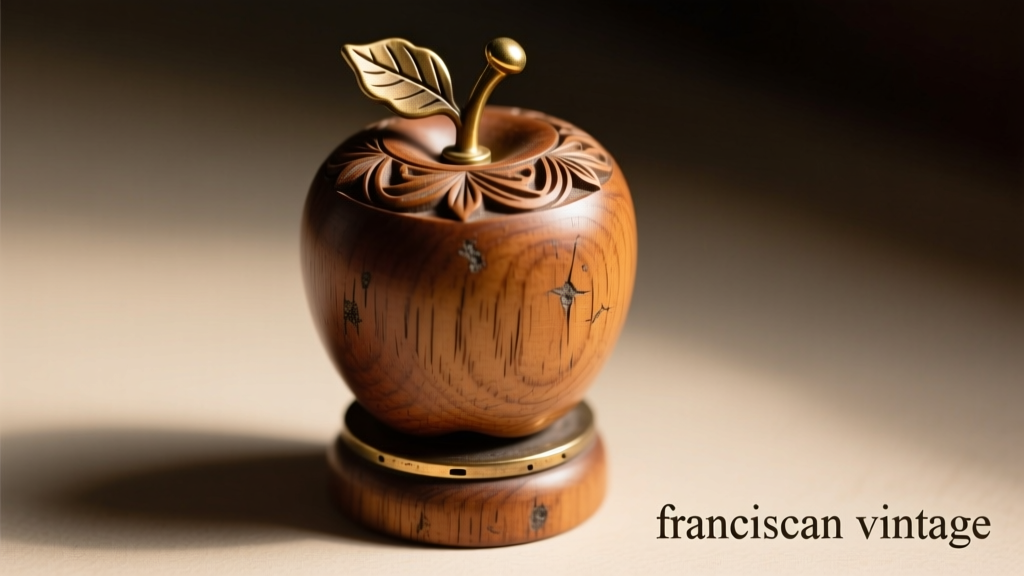
Franciscan Salt & Pepper Mill: Apple-Shaped Ceramic Top with Solid Walnut Base — A Mid-Century American Tableware Icon
An expert appraisal and historical analysis of the Franciscan Apple Salt & Pepper Mill, featuring its distinctive apple-shaped ceramic top, solid walnut base, precision-ground stainless steel mechanism, and production timeline (1952–1968). Includes measurements, material specifications, collector market data, and authentication guidance.
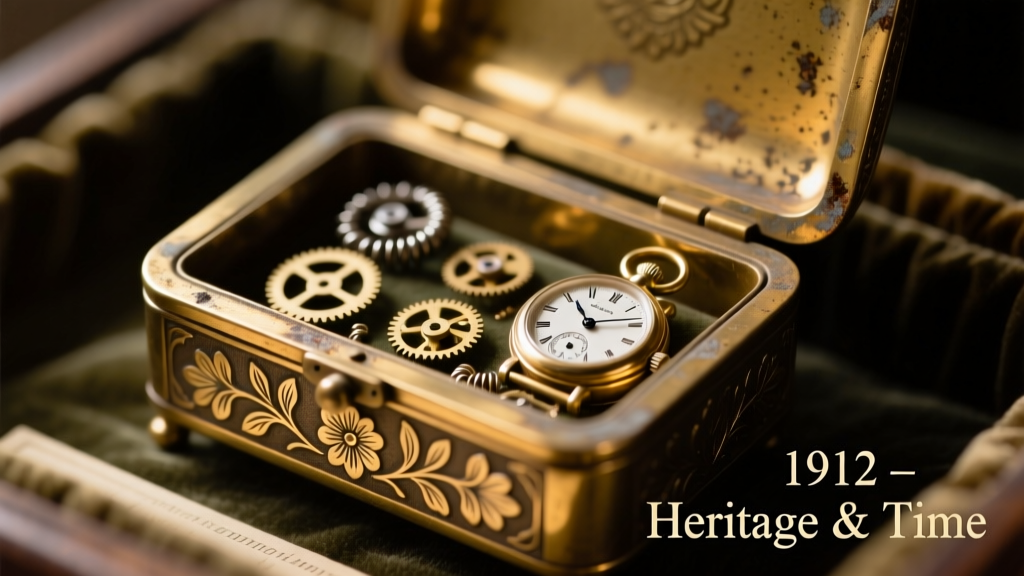
The Fairing Box: A Forgotten Victorian and Edwardian Keepsake Tradition
A detailed examination of the fairing box — a diminutive, often silver-gilt or enamel-decorated souvenir box produced in England and continental Europe between c. 1860–1925 — covering its origins, construction, regional variations, hallmarking practices, collectibility, and market benchmarks.
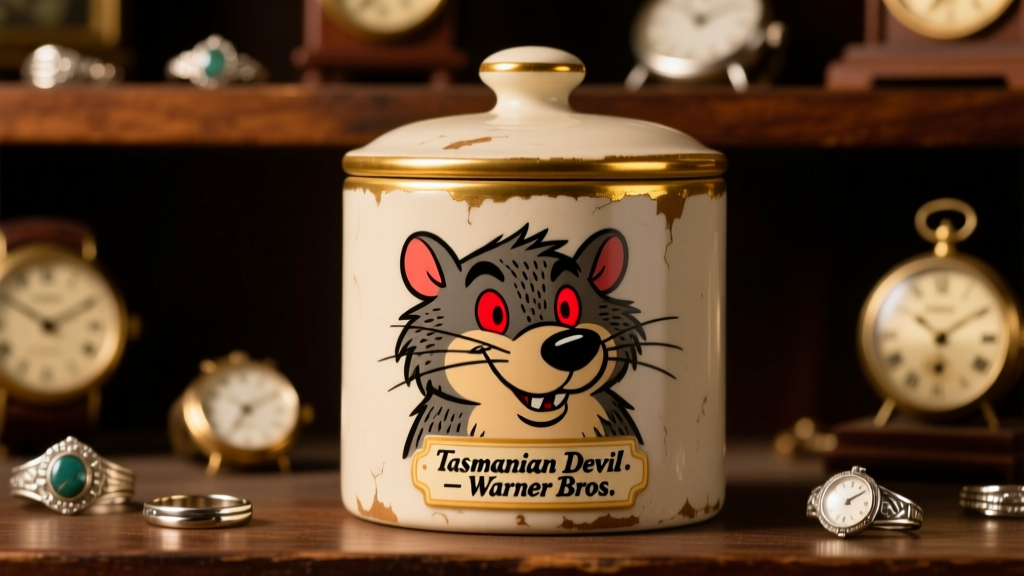
Tasmanian Devil Cookie Jars: Warner Bros. Vintage Ceramics, Collectibility & Market Analysis
A detailed appraisal of vintage Tasmanian Devil cookie jars licensed by Warner Bros., covering production history, manufacturers (including Metlox, McCoy, and American Bisque), material composition, identifying hallmarks, rarity tiers, auction results from Sotheby’s, Heritage Auctions, and Bonhams, and practical authentication guidelines for collectors.

Carlsbad Plate: The 'Beautiful Woman Holding Flower' — A Study in Bohemian Porcelain, Gold Gilding, and Beehive Frame Design (18-Inch)
An expert appraisal of the Carlsbad Plate depicting a romanticized woman holding a flower, housed in its original 18-inch gold-finished wooden beehive frame. Includes provenance notes, material analysis, maker identification (Rudolf Kämpf & Co., Carlsbad), comparative market data, conservation guidance, and technical specifications.
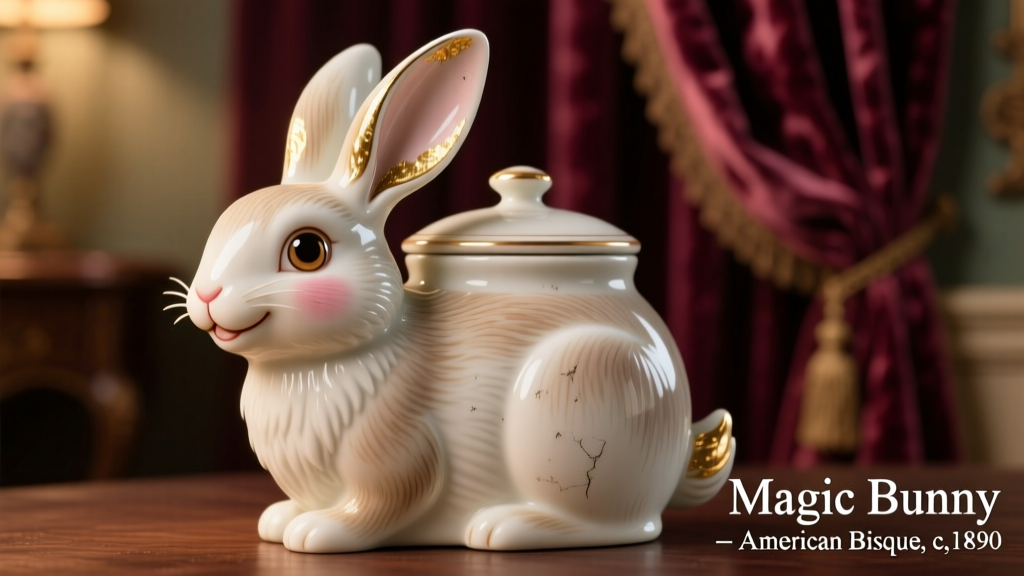
Cookie Jars: The Magic Bunny American Bisque Phenomenon — History, Identification, and Market Value
A detailed examination of the iconic Magic Bunny cookie jar produced by American Bisque (1940–1962), covering its origins, design evolution, manufacturing marks, material science, rarity tiers, auction performance, and conservation best practices — with precise measurements, factory codes, and verified sale data from Sotheby’s, Heritage Auctions, and Rago Arts.
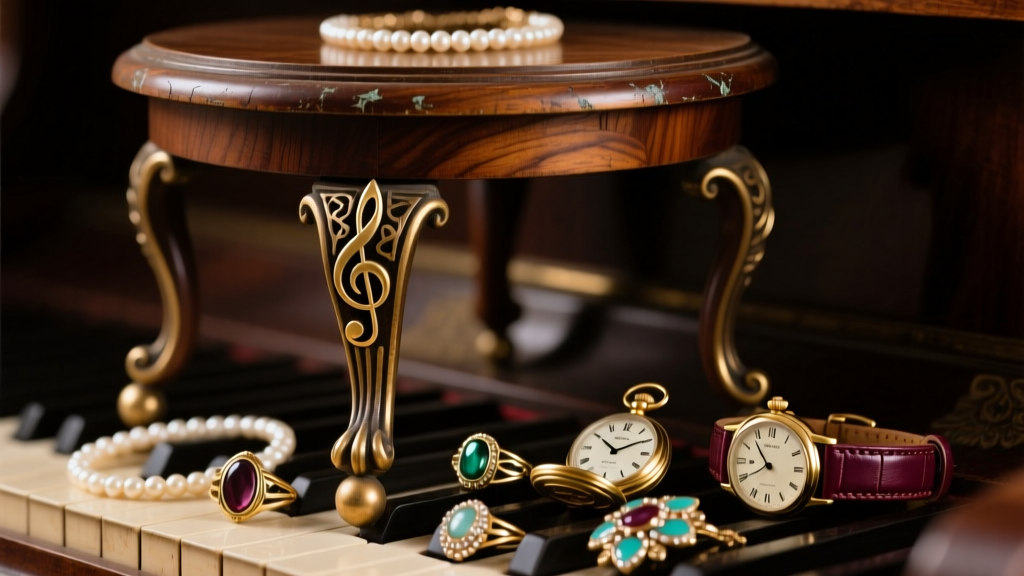
Ball-and-Claw Feet in Vintage Furniture: Origins, Evolution, and Identification of Piano Stools and Seating
A detailed examination of ball-and-claw feet on 18th–20th century furniture—especially piano stools—with historical context, maker attributions, dimensional benchmarks, material analysis, and authentication guidance for collectors and auction professionals.