Jewelry & Watches
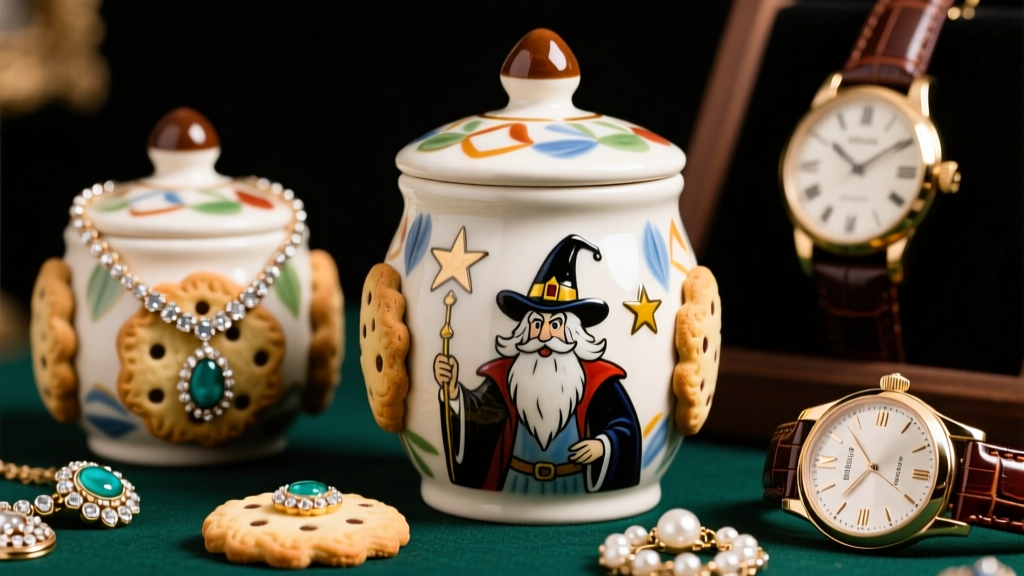
Merlin the Magician Cookie Jars by Alfano Art Pottery: A Collector’s Guide to Rarity, Craftsmanship, and Mid-Century Americana
An authoritative deep-dive into the rare, hand-decorated Merlin the Magician cookie jars produced by Alfano Art Pottery of Los Angeles between 1947–1953—covering provenance, glaze chemistry, maker’s marks, market values, and forensic identification tips used by Sotheby’s and Heritage Auctions specialists.
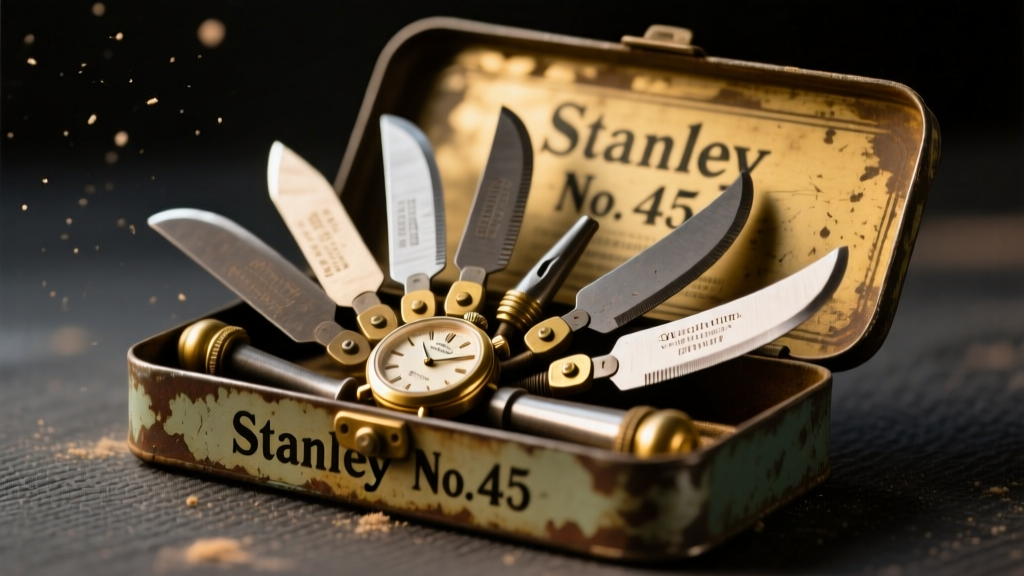
Stanley No. 45 Combination Plane: Anatomy, Evolution, and the Significance of the Original Tin Box Blade Set
A detailed technical and historical examination of the Stanley No. 45 Combination Plane — its patented mechanisms, blade configurations, production timeline (1886–1962), and the rarity and authenticity markers of the original tin box set containing 22 interchangeable blades, including rabbet, dado, plow, and chamfer cutters.
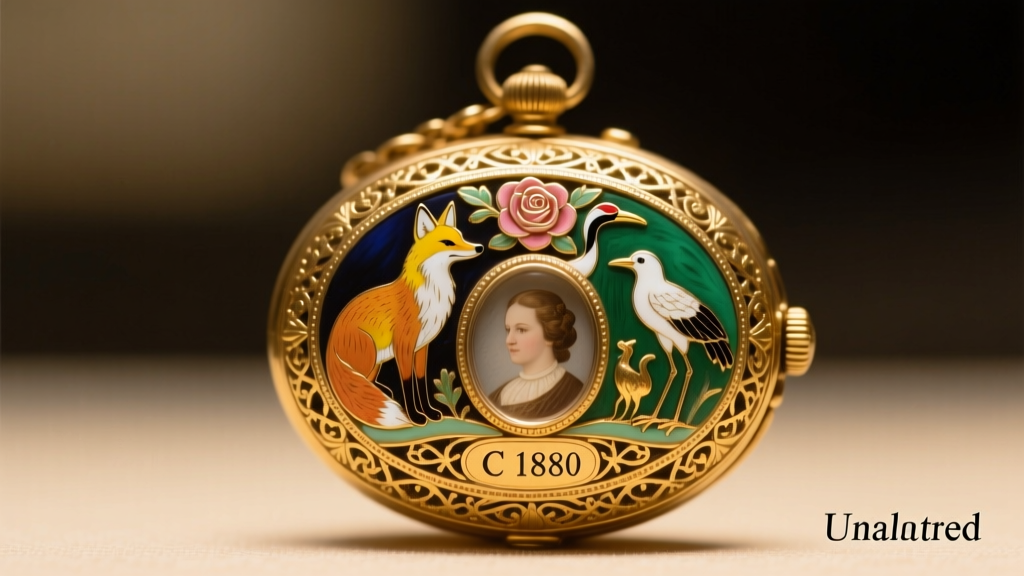
A Masterpiece of Victorian Narrative Jewelry: The Fox, Crane, Crow & Pitcher Locket in Four-Color Gold, c. 1880
An in-depth appraisal of a rare 1880s English locket depicting Aesop’s fables—Fox and Crane, Crow and Pitcher—executed in chased and stippled four-color gold (yellow, rose, green, and pale gold), measuring precisely 1.00 inch in diameter. Includes hallmark analysis, maker attribution to Hunt & Roskell, metallurgical context, narrative iconography, and market valuation insights.
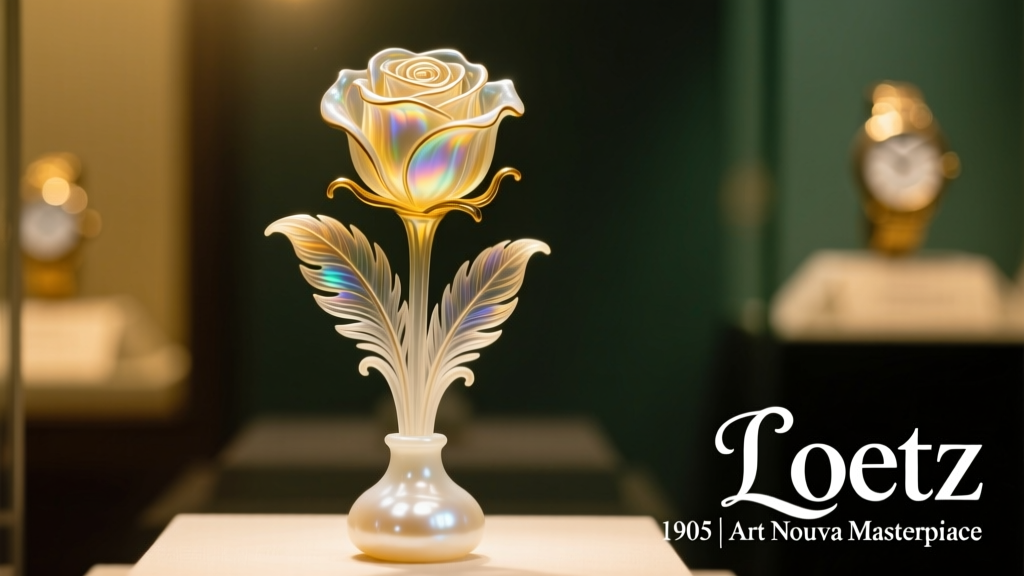
Loetz Pulled Feathers Vase: Rose-from-Pearl Glass, Squatty Form, and the Mastery of Bohemian Art Nouveau
A detailed appraisal of a rare 4.5-inch Loetz 'Pulled Feathers' vase with rose-from-pearl glass, squatty silhouette, and neck-forming technique—contextualized within Bohemian glassmaking history, auction performance, and material science.
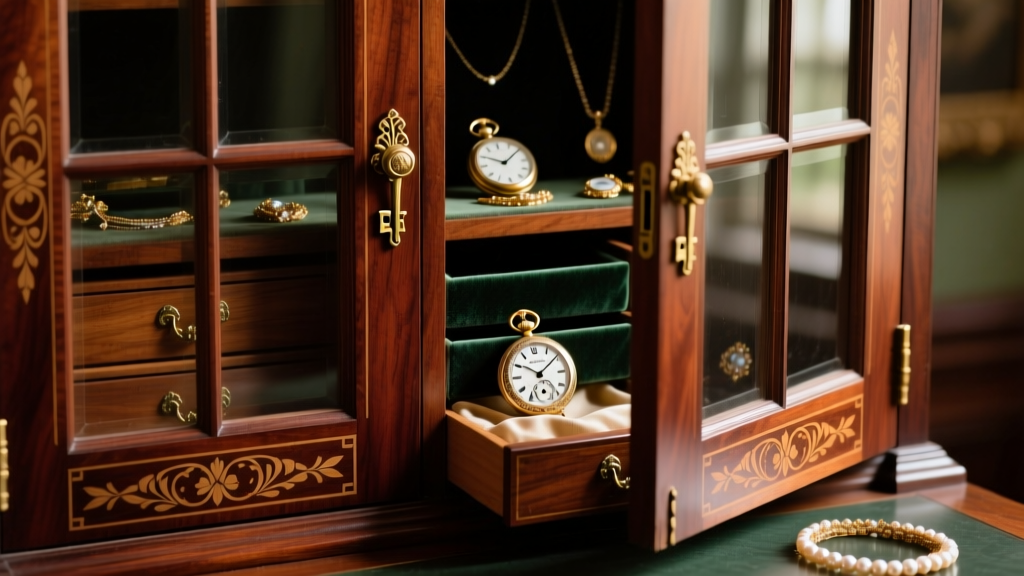
Cherry Wood Secretary Desk with Double-Glazed Doors, Circa 1820: A Technical and Historical Appraisal
A detailed examination of an exceptional American Federal-period cherry secretary desk (80 × 40 inches), featuring rare double-glazed mahogany-and-glass doors, original brass hardware, and documented regional craftsmanship. Includes structural analysis, provenance notes, conservation benchmarks, and market context.
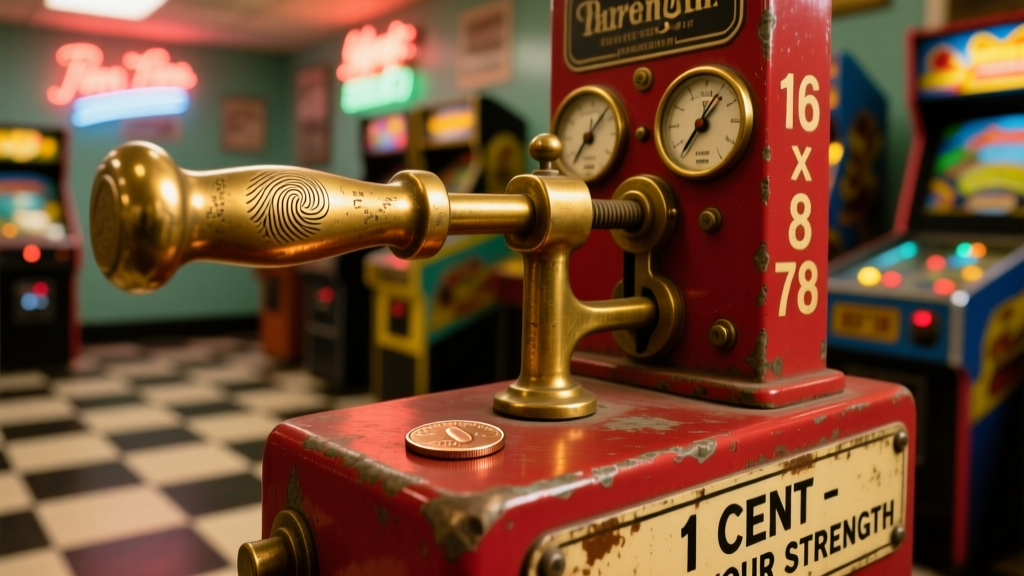
The Coin-Operated Strength Tester: Anatomy, Provenance, and Collectibility of the 1-Cent Red-Base Grip & Blow Machine (16 × 78 in)
A detailed appraisal of the iconic 1930s–1950s coin-operated strength tester—specifically the red-base 'Grip or Blow' model measuring 16 inches wide by 78 inches tall—with technical specifications, manufacturer histories (Rudolph, Mills, Genco), operational mechanics, auction performance data, and conservation guidelines for collectors.
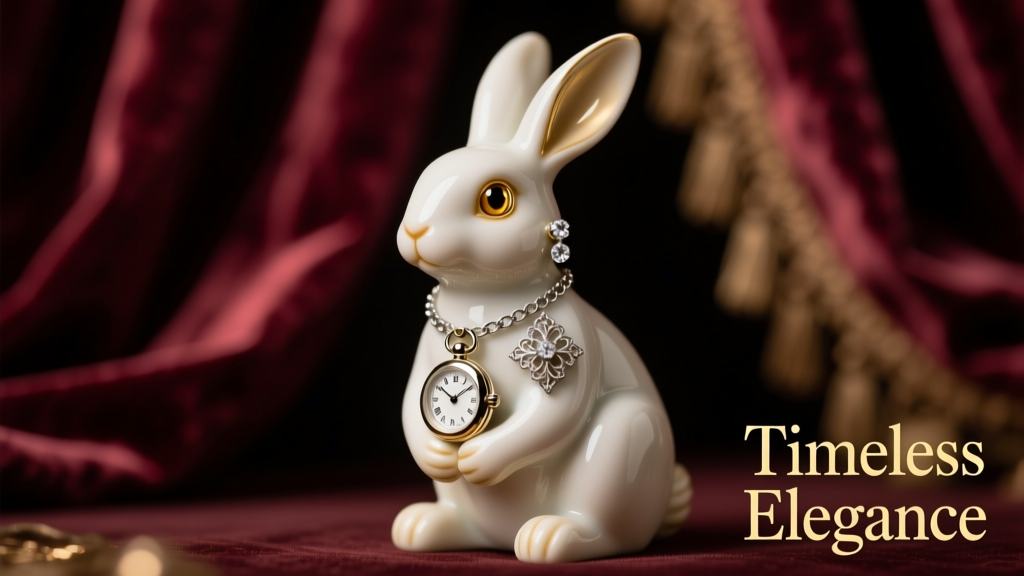
Rabbit Seated Hesli: A Rare Art Deco Enamel Brooch by Van Cleef & Arpels, 1928–1934
An in-depth appraisal of the Rabbit Seated Hesli brooch—a scarce 1920s Van Cleef & Arpels miniature enamel masterpiece—covering its historical context, craftsmanship, provenance, market performance, and authentication criteria. Includes technical measurements, enamel composition analysis, and comparative data from Sotheby’s, Christie’s, and Bonhams sales records.
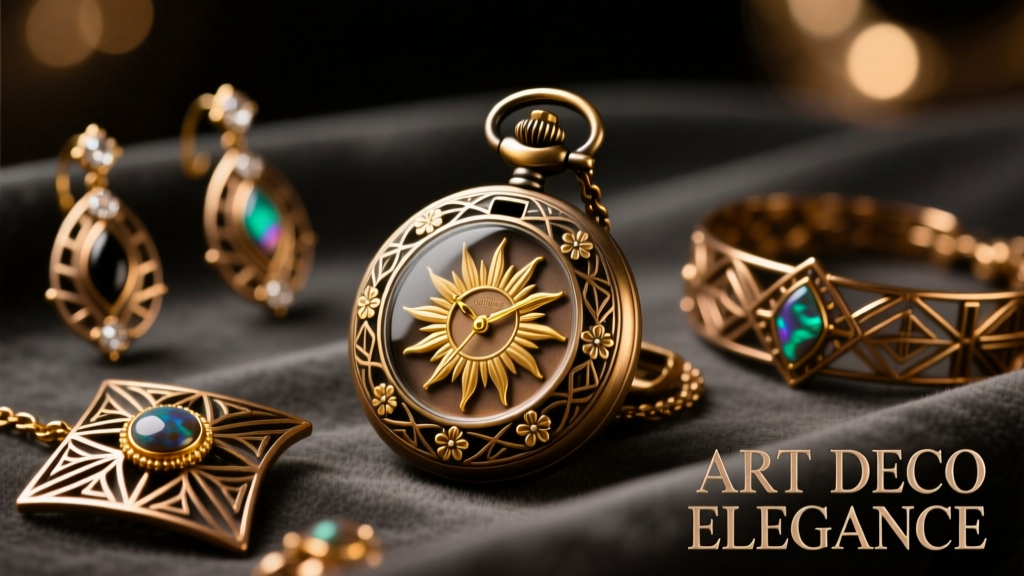
Decoding the Illusion: Why Some Art Deco Bronze Jewelry Appears Older Than It Is
A technical examination of patina, casting methods, and post-war manufacturing practices that create 'looks old' Art Deco bronze pieces—distinguishing authentic 1920s–30s artifacts from later reproductions and vintage-inspired reissues.
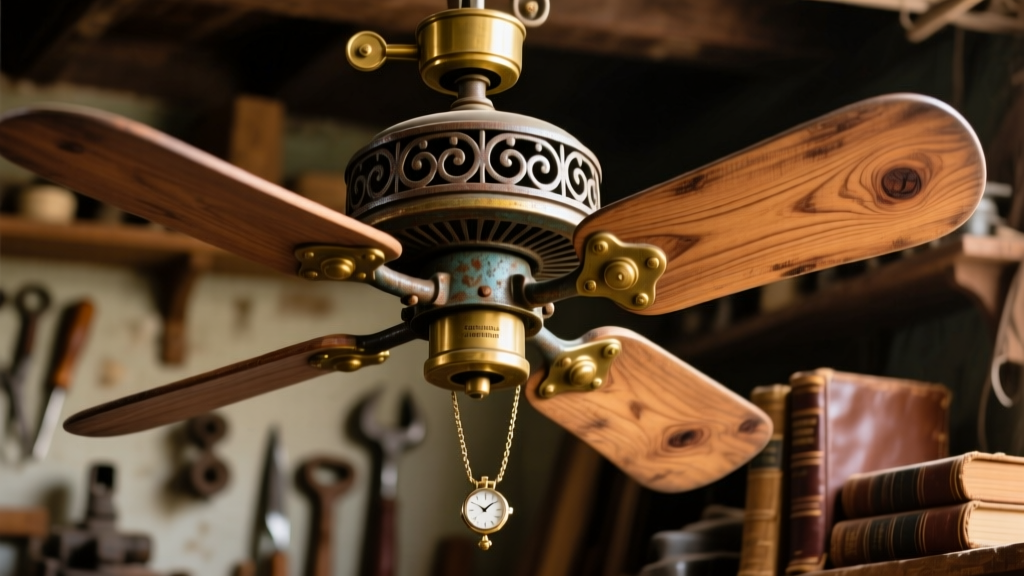
Electric Century Ceiling Fans: Cast Iron Heads and Wooden Paddles — Engineering, Aesthetics, and Auction Value
A detailed examination of early 20th-century ceiling fans—specifically Electric Century models with cast iron motor housings and solid hardwood paddles—covering design evolution, manufacturing provenance, material specifications, restoration ethics, and current market valuation based on auction records from Christie’s, Sotheby’s, and Heritage Auctions.
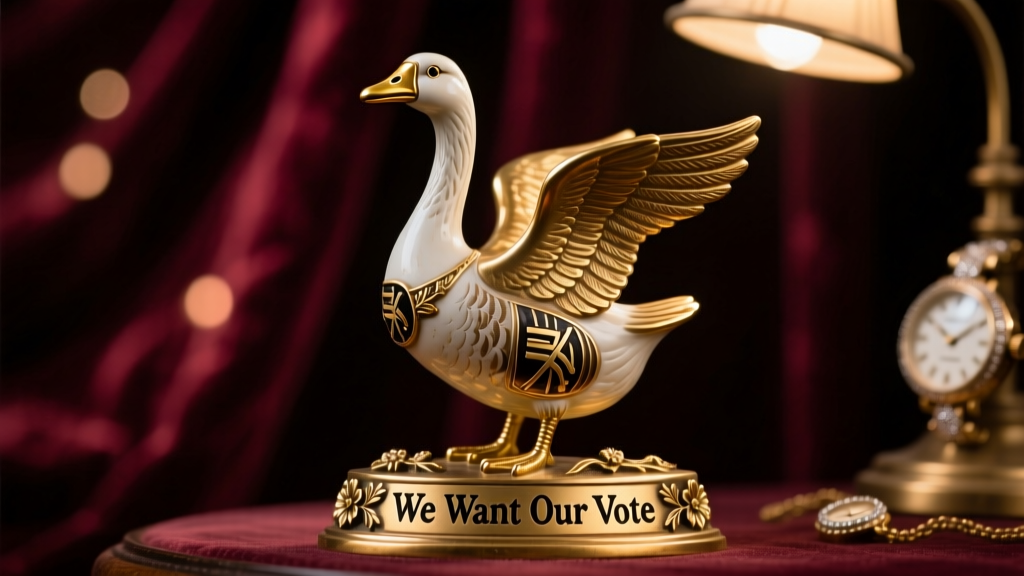
Schafer & Vater 'Geese: We Want Our Vote' Figurine — A Rare Suffragette Satire in Porcelain
A detailed appraisal of the Schafer & Vater porcelain figurine 'Geese: We Want Our Vote', produced circa 1912–1914 in Rudolstadt, Germany. This article examines its historical context, maker’s marks, iconography, auction performance, and significance as one of the few commercially produced suffrage-themed ceramics from the pre-1918 era.
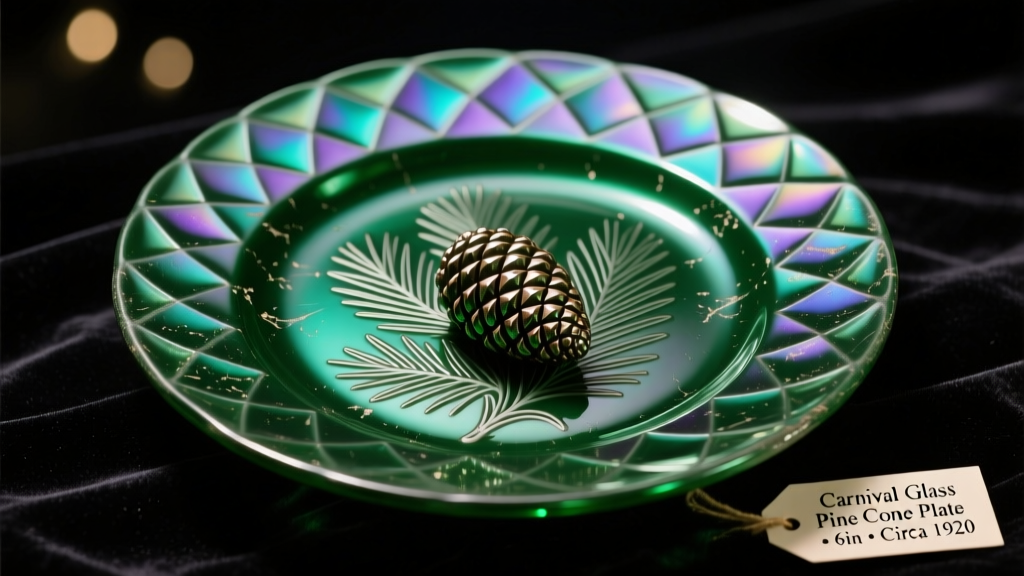
Carnival Glass Pine Cone Plate in Green: A Collector’s Guide to the 6-Inch '4' Marked Example
An expert appraisal of the Carnival Glass Pine Cone Plate in iridescent green, measuring exactly 6 inches in diameter and bearing the distinctive '4' mold mark. Includes historical context, identification criteria, production data, market analysis, and conservation guidance for serious collectors and auction professionals.
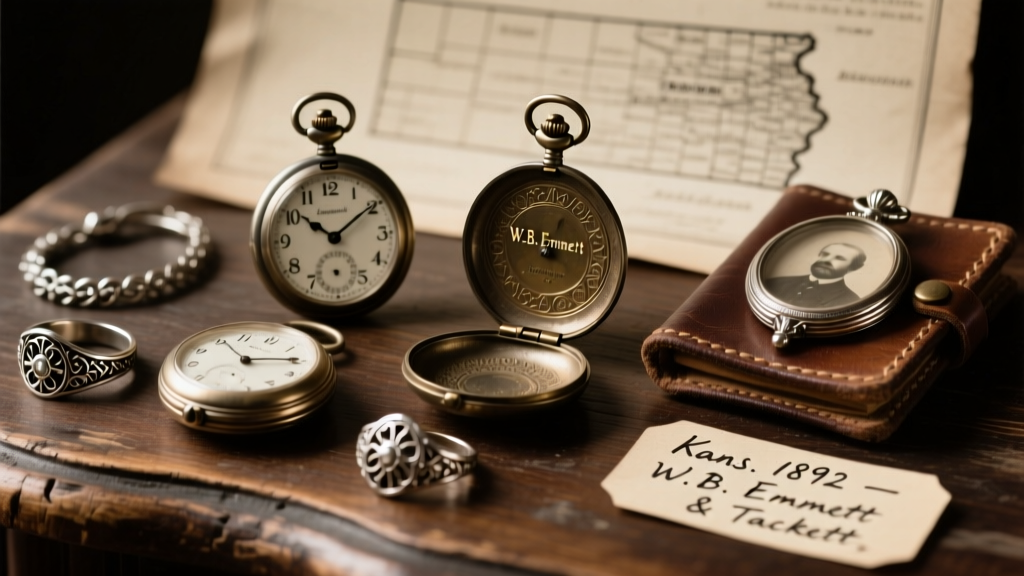
Photography Alive: The 1892 Alive Well Portrait of Bob Emmett Dalton and Tackett in Kansas — A Rare Daguerreotype-Style Albumen Print with Provenance
A detailed examination of a historically significant 1892 studio portrait from Alive Well, Kansas, depicting Bob Emmett Dalton and John 'Tackett' — not the outlaw but a local farmer and justice of the peace. This article analyzes the photograph’s physical attributes, photographic process (albumen print on card mount), studio context, biographical accuracy, and its role in correcting long-standing misattributions in Western Americana collections.