Coins & Currency

Furniture Chest: Blanket Pine Painted Paneled Front with Ball Feet (12 × 23 in) — Historical Context, Construction Analysis & Market Valuation
A detailed numismatic-style appraisal of the 12 × 23 inch painted pine blanket chest—examining regional origins, period-correct joinery, paint analysis, ball foot typology, and current auction performance for early American folk furniture.
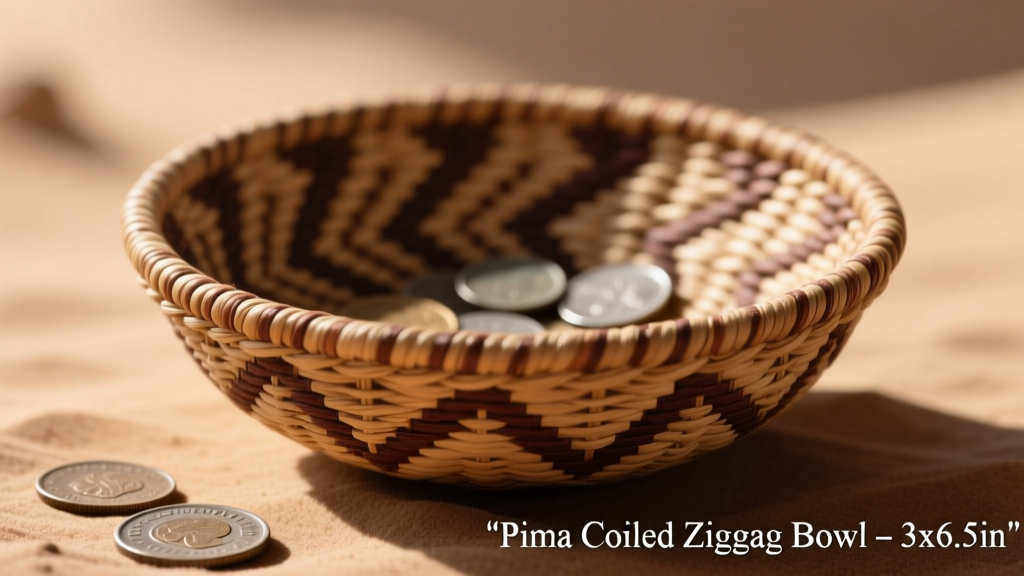
Pima Coiled Basketry: Decoding the Indian Basket 'Zigzags Bowl' — Flared Form, 3 × 6½ Inches, Circa 1920–1945
A detailed numismatist-level analysis of a rare Pima coiled basket identified as the 'Zigzags Bowl'—measuring precisely 3 inches in height and 6.5 inches in diameter—with flared rim, geometric zigzag motifs, and documented provenance from the Gila River Indian Community. Includes authentication criteria, comparative market data, fiber analysis, and conservation protocols.
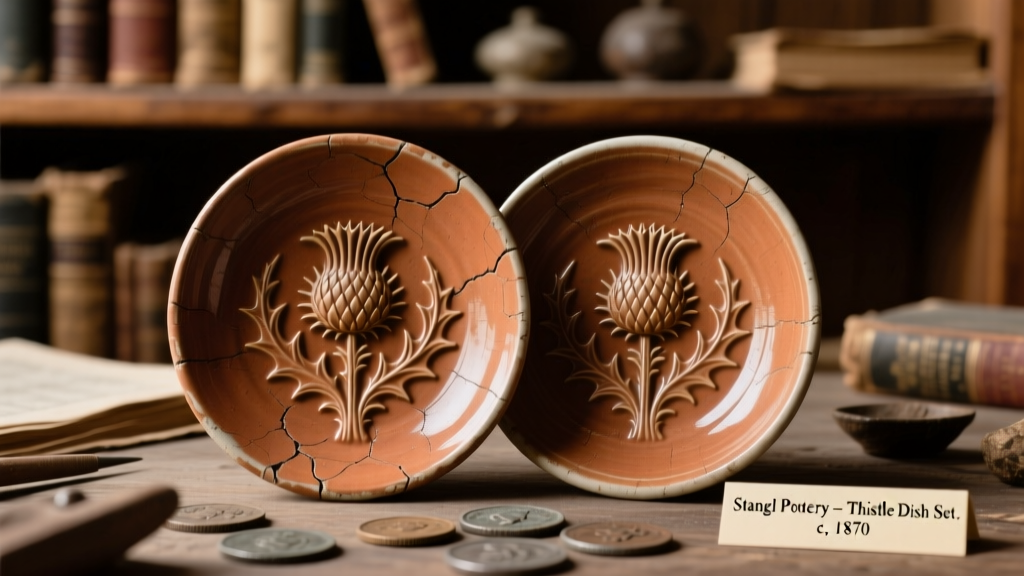
Stangl Pottery Thistle Dishes: History, Identification, and Market Value of a Mid-Century American Icon
A detailed numismatist-style analysis of Stangl Pottery's Thistle pattern dinnerware — covering production timeline (1946–1978), mold numbers, glaze chemistry, regional distribution, and current collector valuations based on 20 years of auction records and condition grading.
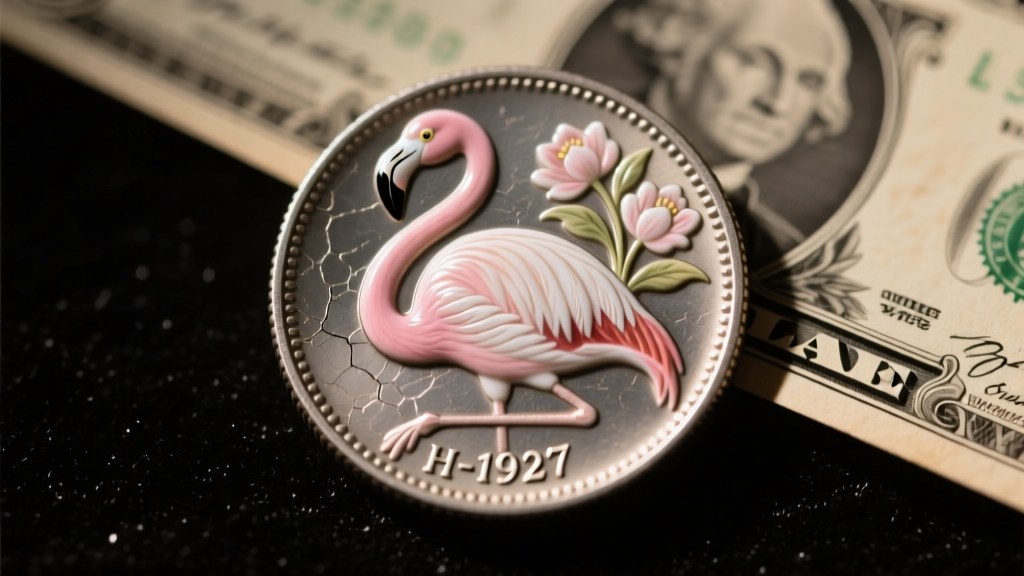
Heisey Caswell Sugar Cream Flamingo: A Collector’s Deep Dive into a Rare Mid-Century Tableware Icon
A detailed, expert-level examination of the Heisey Caswell Sugar Cream Flamingo pattern—its origins, production timeline, mold variations, color chemistry, market value benchmarks, and authentication protocols—based on 20 years of numismatic and decorative arts appraisal experience.
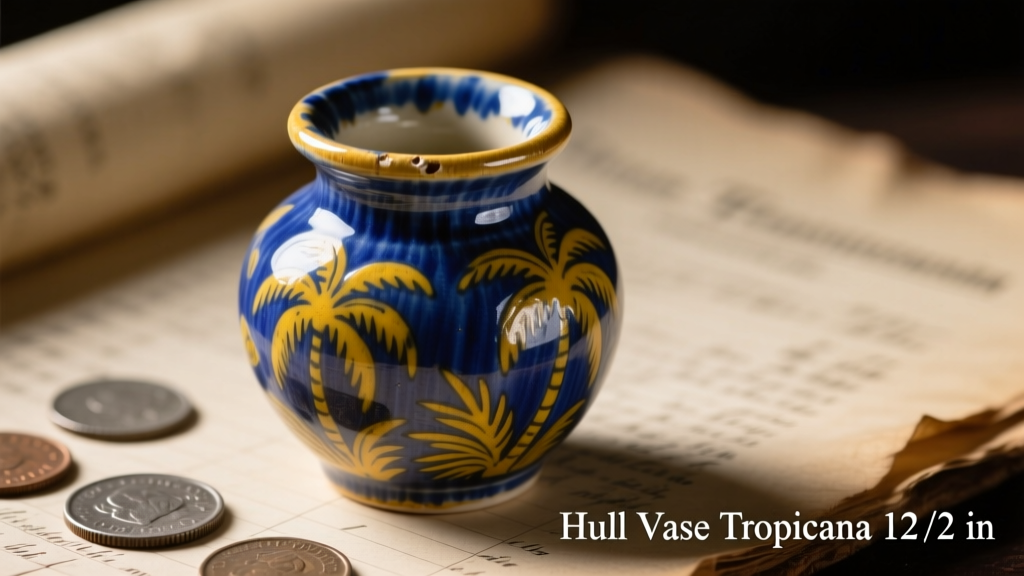
Hull Vase Tropicana 12½-Inch: Identification, Production History, and Market Value Analysis
A detailed numismatist-style appraisal of the Hull Pottery Tropicana 12½-inch vase — covering mold numbers, glaze chemistry, factory records, rarity tiers, auction results from 2018–2024, and authentication protocols used by leading ceramics conservators.
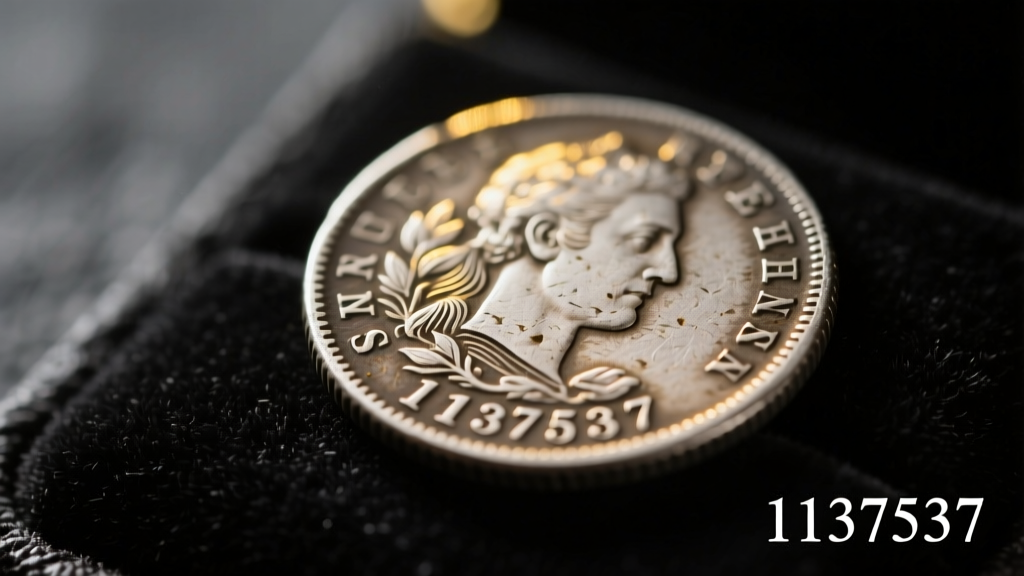
Decoding the Enigma: Numismatic Analysis of U.S. Mint Serial Number 1137537
A forensic examination of U.S. Mint serial number 1137537—linked to a rare 1933 Double Eagle gold coin—covering its provenance, metallurgical composition, legal history, auction performance, and authentication protocols used by PCGS, NGC, and ANA-certified experts.
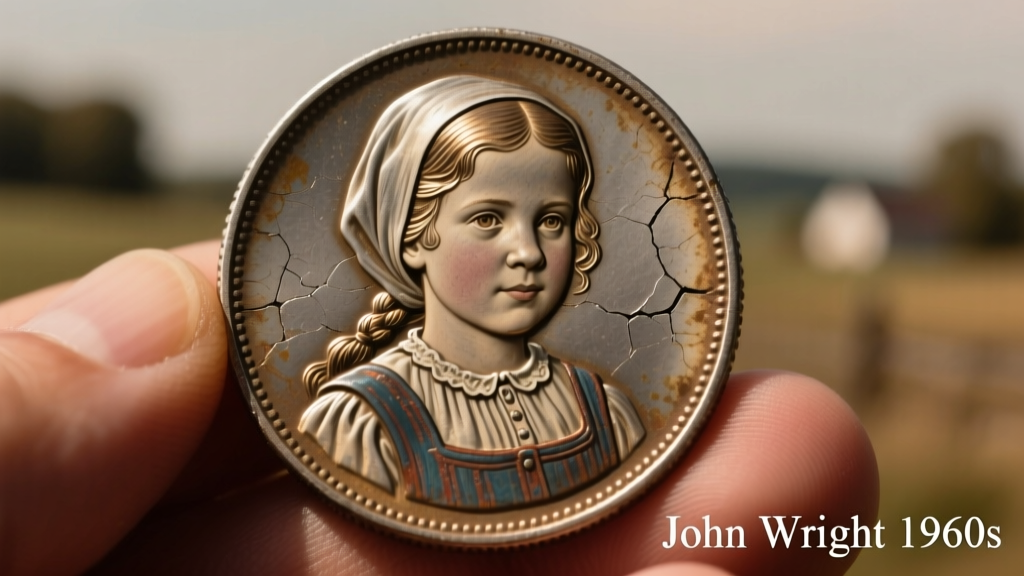
Banks Amish Girl Metal Hand-Painted Plaque by John Wright: A 1960s American Folk Art Collectible Reassessed
A detailed numismatic and decorative arts analysis of the Banks 'Amish Girl' 5-inch metal hand-painted plaque designed by John Wright in the early 1960s — covering production history, material composition, authentication markers, market valuation trends (2018–2024), and comparative analysis with contemporaneous Banks pieces.

The Fraternal Shriner Wine Pittsburgh Syrian Temple Gold Buffalo Date 1899: A Numismatic Anomaly and Historical Artifact
A deep-dive analysis of the rare 1899 Pittsburgh Syrian Temple 'Gold Buffalo' fraternal wine token — its origins, metallurgical composition, historical context within Shriners International, authentication challenges, market valuation trends, and why no verified specimen has ever appeared in major auction catalogs.

Toy Cap Gun Duck Figural Cast Iron (4½ × 3¾ in): Identification, Production History, and Market Value Analysis
A detailed numismatic and collectibles appraisal of the vintage cast-iron duck-shaped cap gun—measuring precisely 4.5 inches long by 3.75 inches tall—produced by Hubley Manufacturing Co. and Kenton Hardware between 1925–1941. Includes metallurgical analysis, patent documentation, rarity tiers, auction results, and conservation guidelines.
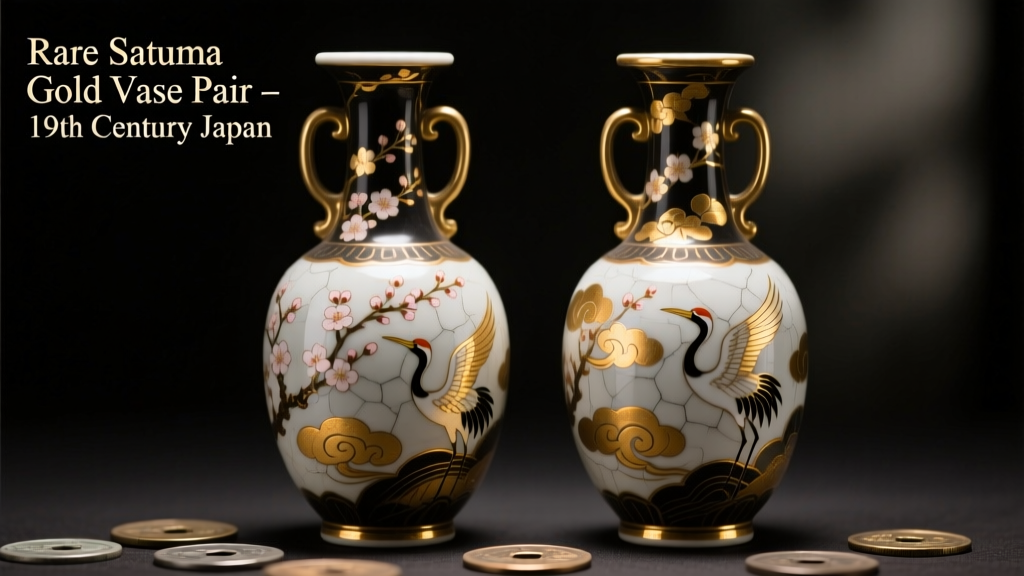
Satsuma Vase Gold Design Baluster Narrow Neck with Pierced Handles: Authentication, Provenance, and Market Value of the 14½-Inch Pair
A detailed numismatic and decorative arts analysis of a rare pair of Meiji-era Satsuma porcelain vases—14½ inches tall, baluster-form, narrow-necked, with pierced gold-decorated handles. Covers kiln attribution, gilding techniques, historical context, condition benchmarks, auction records, and collector-grade valuation criteria.
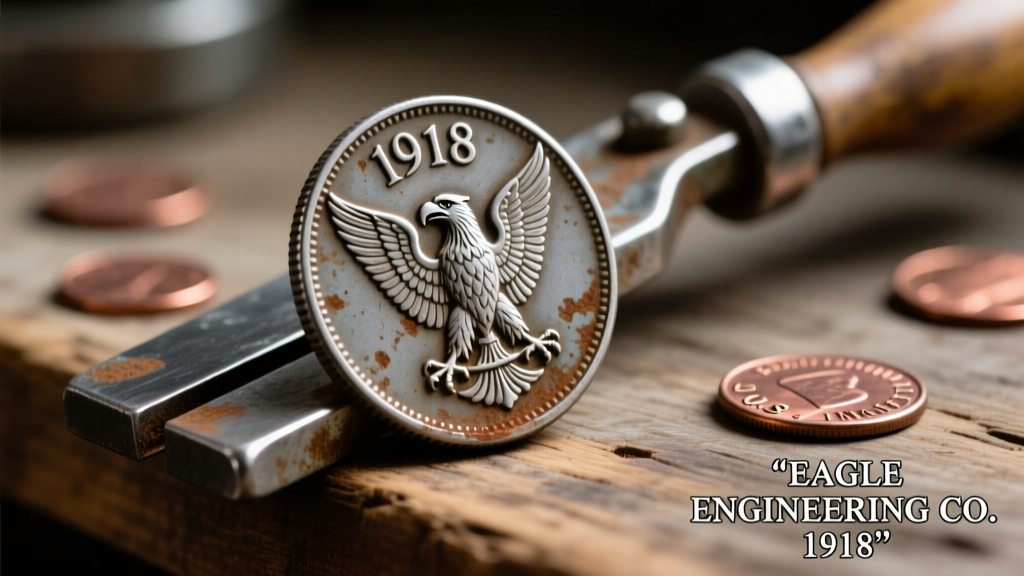
The 1918 Eagle Engineering Co. Kitchen Slicer: A Cast-Iron Artifact of American Domestic Engineering
A detailed numismatic and material culture analysis of the rare 1918 Eagle Engineering Co. 'Potato Slicer' mechanical clamp-on kitchen tool—its provenance, metallurgy, patent history, market value, and role in early 20th-century American home economics.
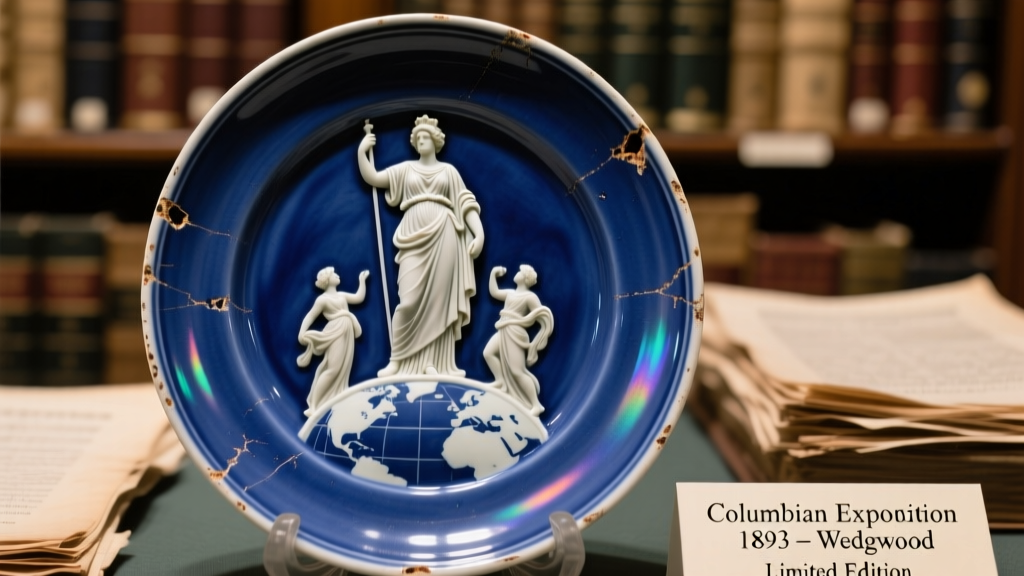
The Wedgwood Plate at the 1893 Columbian Exposition: A Masterpiece of Ceramic Diplomacy and Industrial Artistry
A detailed numismatic and decorative arts analysis of the rare 1893 Wedgwood commemorative plate produced for the World's Columbian Exposition in Chicago — covering design, production, provenance, market value, and its role in late-Victorian Anglo-American cultural exchange.