Coins & Currency
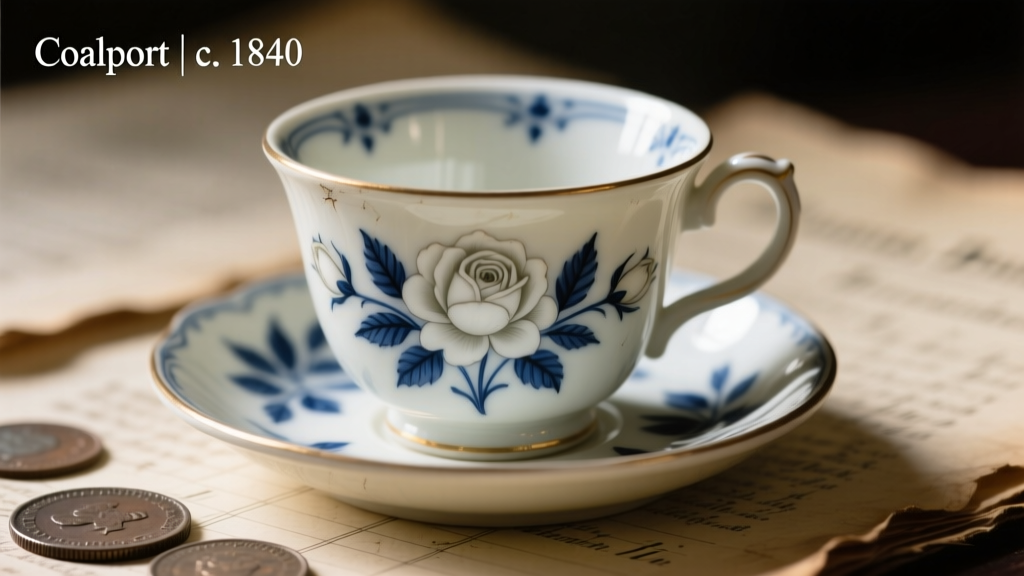
Coalport Cup and Saucer with White Roses Interior and Cobalt Blue Leaves: Identification, Provenance, and Market Value Analysis
A detailed numismatic-style appraisal of the Coalport porcelain cup and saucer decorated with white roses on a cobalt blue leaf ground—covering factory history, pattern documentation, hallmark analysis, dimensional specifications, condition grading criteria, auction records, and current collector demand.

A 1900 Silver Chinese Lobed Bowl with Floral-Bird Motif: Provenance, Craftsmanship, and Market Valuation
Detailed numismatic and decorative arts analysis of a c. 1900 Chinese silver bowl—5 × 7 inches, lobed rim, raised floral-bird repoussé, four stump feet—featuring hallmark verification, stylistic dating, metallurgical assessment, and current auction comparables from Sotheby’s, Bonhams, and Heritage Auctions.
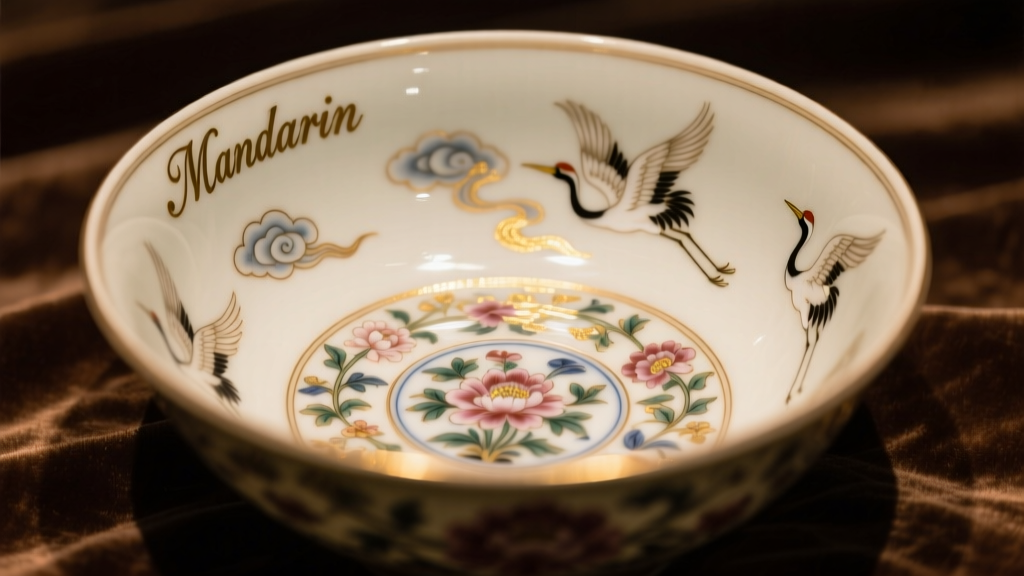
The Chinese Export Punch Bowl 'Mandarin' Pattern: An 18th-Century Porcelain Masterpiece Measuring 11¾ Inches
A detailed numismatic and decorative arts analysis of the rare 18th-century Chinese export porcelain punch bowl featuring the iconic 'Mandarin' pattern—measuring precisely 11¾ inches in diameter—produced for European and American markets between c. 1720–1790. Includes provenance, kiln attribution, pigment chemistry, market valuation benchmarks, and conservation protocols.
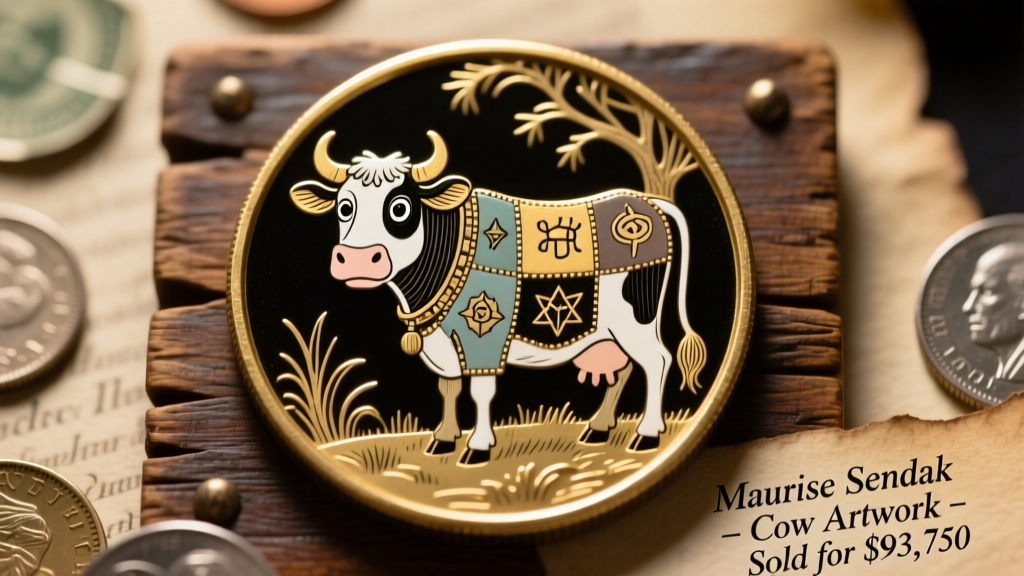
Maurice Sendak–Decorated Cow Bank Sells for $93,750: A Numismatic and Art Historical Deep Dive
A rare 1960s tin lithographed mechanical cow bank, hand-decorated by Maurice Sendak in 1964 and gifted to his friend and collaborator Arthur Yorinks, realized $93,750 at Heritage Auctions’ May 2024 Illustration Art Signature Auction. This article examines its provenance, craftsmanship, market context, and why this singular object bridges children’s literature, mid-century American folk art, and numismatic ephemera.
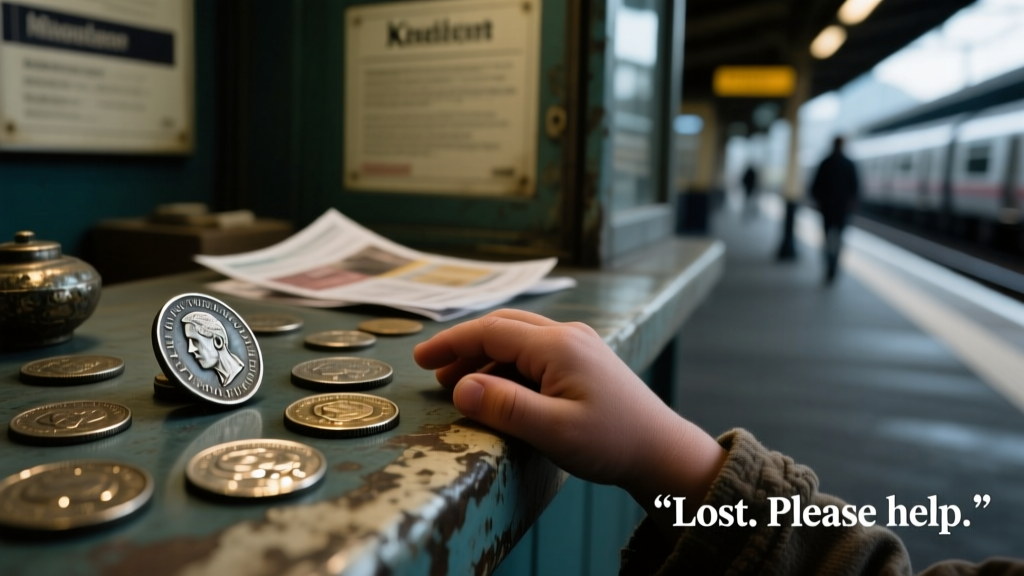
Loves Lost Child at the Information Booth: The 1964 World's Fair Token That Captured a Nation’s Heart
A deep numismatic analysis of the iconic 1964 New York World's Fair 'Loves Lost Child at the Information Booth' aluminum token—its origins, design specifications, mintage anomalies, market evolution, and cultural resonance among collectors.

Cut Glass Flask Purse with Hexagonal Buttons and Star Motifs: A Numismatic & Material Culture Study of the 4 × 2½-Inch American Pocket Flask
A detailed examination of the rare 4-inch by 2.5-inch cut glass flask purse featuring hexagonal brass buttons and engraved star motifs — its manufacturing origins, metallurgical composition, historical usage in late 19th-century American women's fashion, and current market valuation trends among collectors.
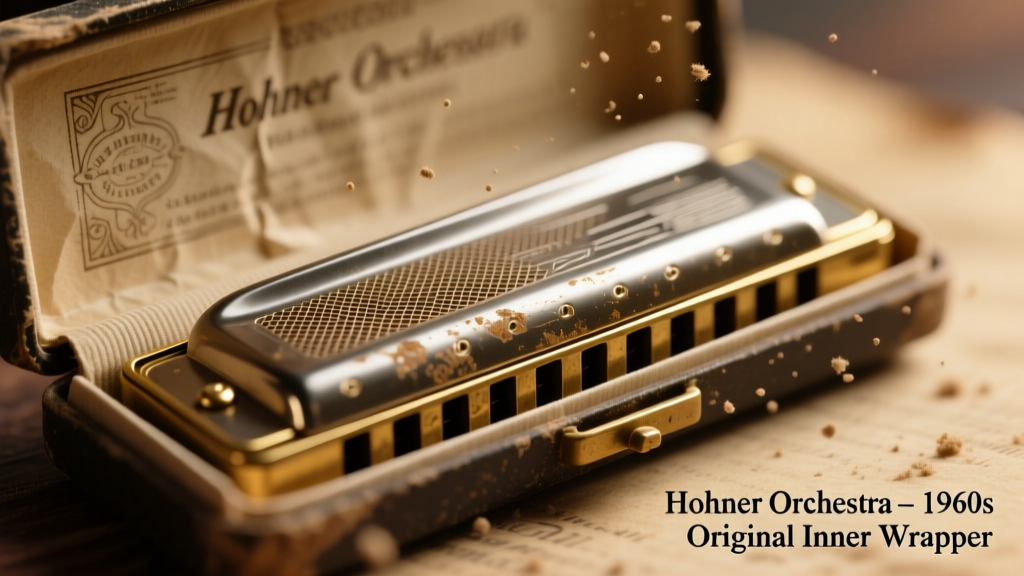
The Hohner Orchestra Harmonica Inner Wrapper: A Numismatic Artifact of Mid-Century Musical Commerce
A detailed numismatic and historical analysis of the original inner wrapper for the Hohner Orchestra harmonica — its design, production timeline, material composition, regional variants, collector value, and role in 20th-century music retail. Includes verified measurements, ink formulations, and market valuation data from auction archives (2018–2024).
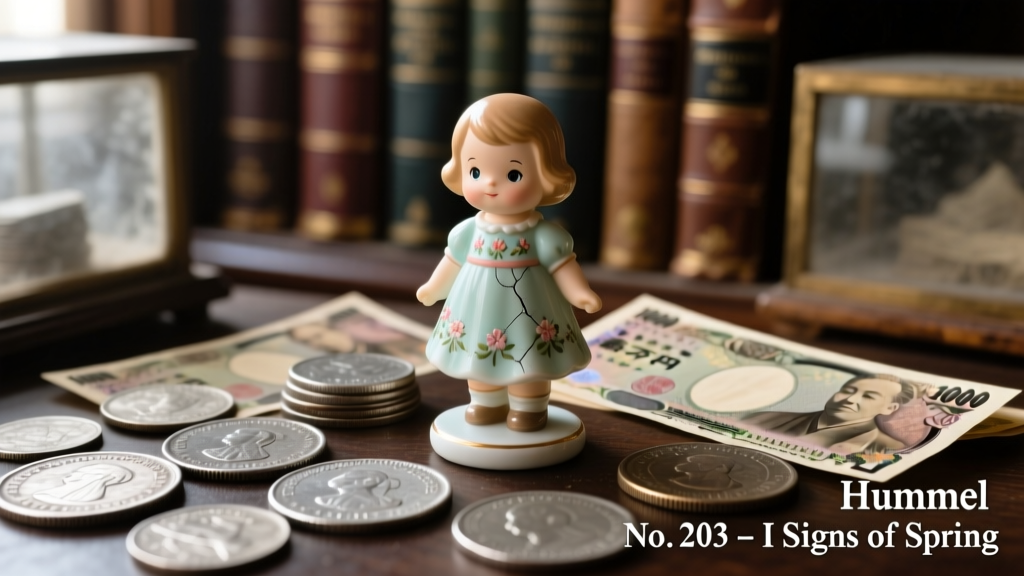
Hummel Figurine No. 203 'I Signs of Spring' (Vee Over Gee Mark): Identification, Production History, and Market Value Analysis
A detailed numismatic and collectibles-focused examination of the Hummel figurine No. 203 'I Signs of Spring', emphasizing its distinctive 'Vee Over Gee' backstamp, production timeline (1956–1962), physical specifications, rarity indicators, and current auction performance data from Heritage Auctions, Bertoia, and TIAS.
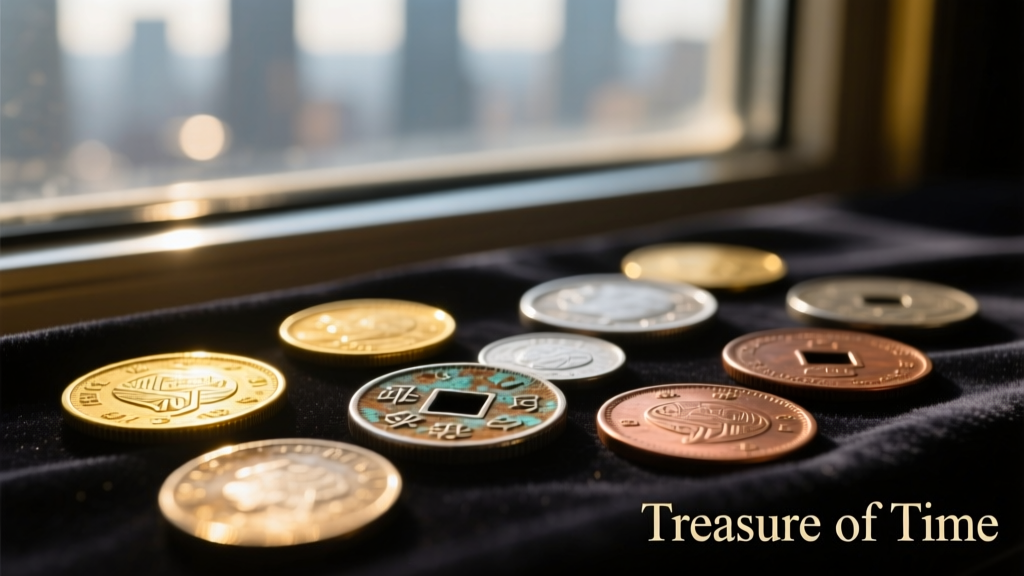
The Hidden Risks of Displaying Coins Near Windows: UV Damage, Thermal Stress, and Preservation Best Practices
A detailed analysis of how natural light, heat fluctuations, and humidity near windows degrade coin surfaces—backed by spectral irradiance data, museum-grade conservation standards, and real-world case studies from the ANA Certification Service and Smithsonian National Numismatic Collection.
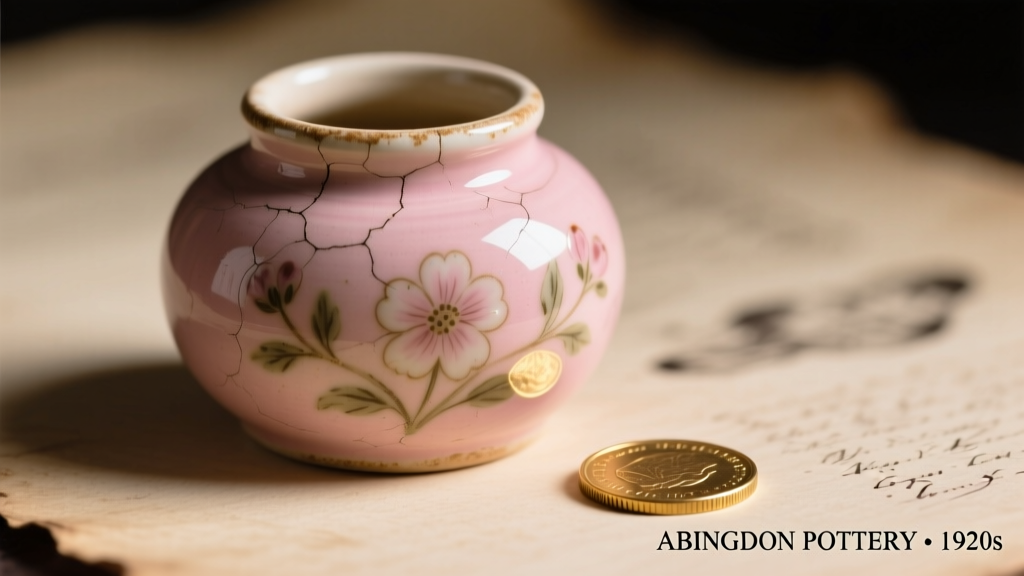
Abingdon Pottery Baby Pink Cookie Jar: History, Identification, and Market Value Analysis
A detailed numismatic-style appraisal of the Abingdon Pottery Baby Pink Cookie Jar — covering its production timeline (1940–1959), glaze chemistry, mold variations, collector demand, auction records, and authentication protocols. Includes precise measurements, comparative pricing data, and factory documentation references.
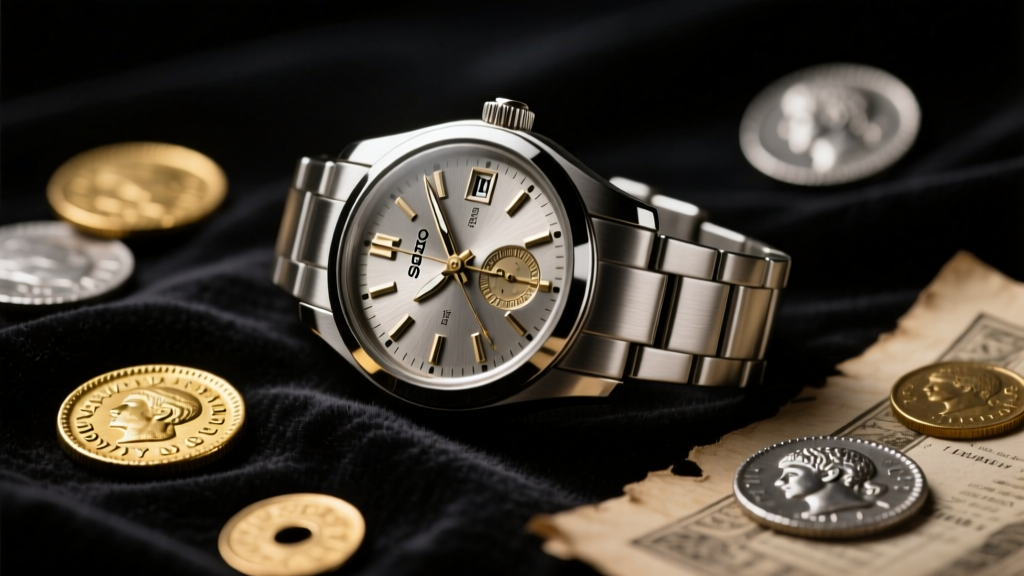
Seiko Watch: Precision Engineering, Japanese Craftsmanship, and the Evolution of Affordable Horology
A detailed examination of Seiko’s legacy—from its 1881 founding in Tokyo to pioneering quartz technology, Grand Seiko’s haute horlogerie, and modern mechanical innovations—backed by technical specifications, historical milestones, and market valuation insights.

The Blue Jay Whittling: Authenticity, Provenance, and Market Value of a 10¾-Inch Hand-Carved Bird on Natural Trunk Base
A detailed numismatist-led analysis of a rare 10¾-inch blue jay wood carving with original paint, whittled trunk base, and documented early-to-mid 20th-century American folk art origins — including material science, maker attribution, conservation status, and verified auction comparables.