Coins & Currency
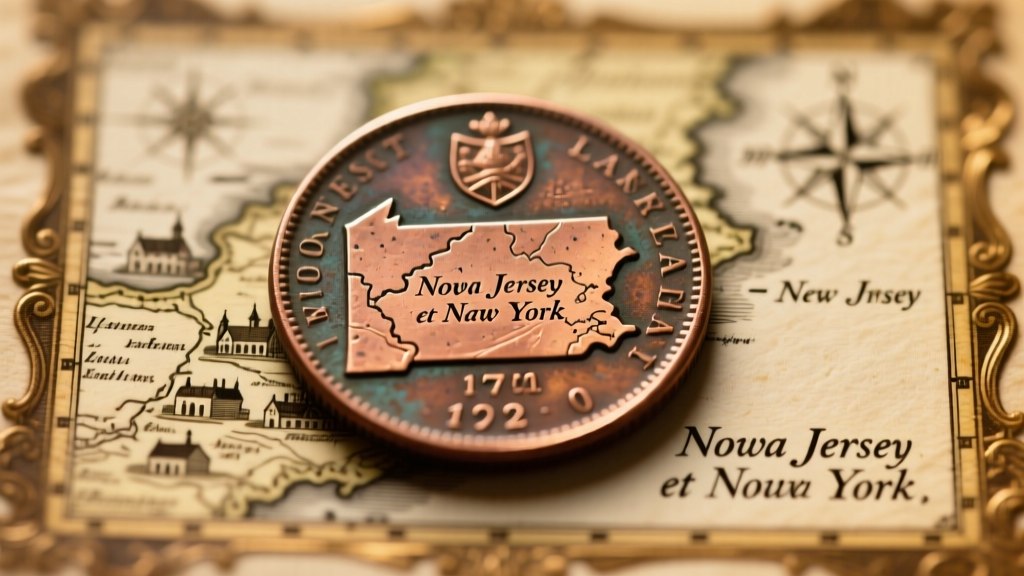
The 1750 Latin-Inscribed Colonial Map Frame: Nova Jersey Et Nova York — A Numismatic and Cartographic Rarity
An in-depth analysis of the rare 1750 engraved map frame bearing Latin inscriptions 'Nova Jersey Et Nova York', depicting Pennsylvania, New Jersey, and New York—its provenance, cartographic lineage, framing craftsmanship, market valuation, and conservation challenges.
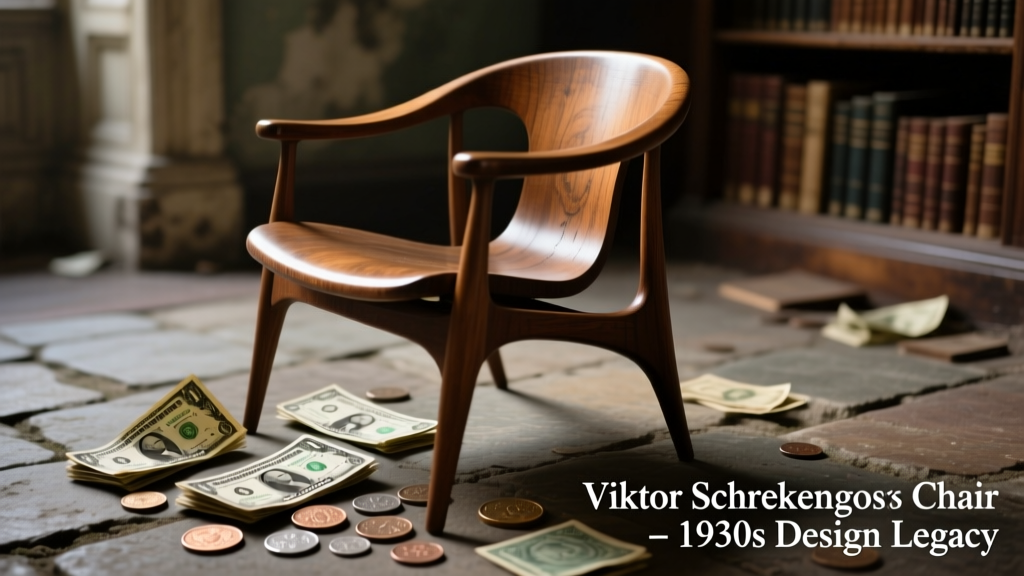
Viktor Schreckengost Chair: Design Legacy, Manufacturing History, and Market Valuation of an American Icon
A definitive analysis of Viktor Schreckengost’s 1939 ‘Jazz’ chair—its origins at the Cleveland Institute of Art, production by Southern Seating Co., material specifications, stylistic innovations, and current collector market dynamics—including verified auction results, rarity tiers, and authentication protocols.
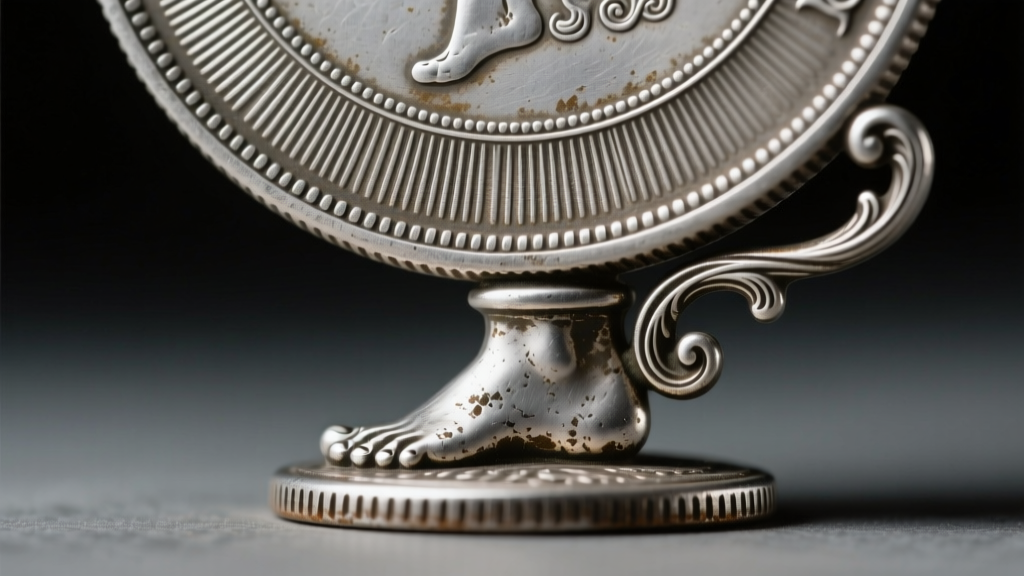
Silver American Pitcher: Water-Paneled, Reeded Border, Scroll Handle, Footed — A 10-Inch Masterpiece of Gilded Age Craftsmanship
A detailed numismatic and decorative arts analysis of the 10-inch silver American pitcher featuring water-paneling, reeded border, scroll handle, and footed base—covering hallmark identification, maker attribution (Tiffany & Co., Gorham, Reed & Barton), alloy composition, market valuation trends (2019–2024), and conservation best practices.
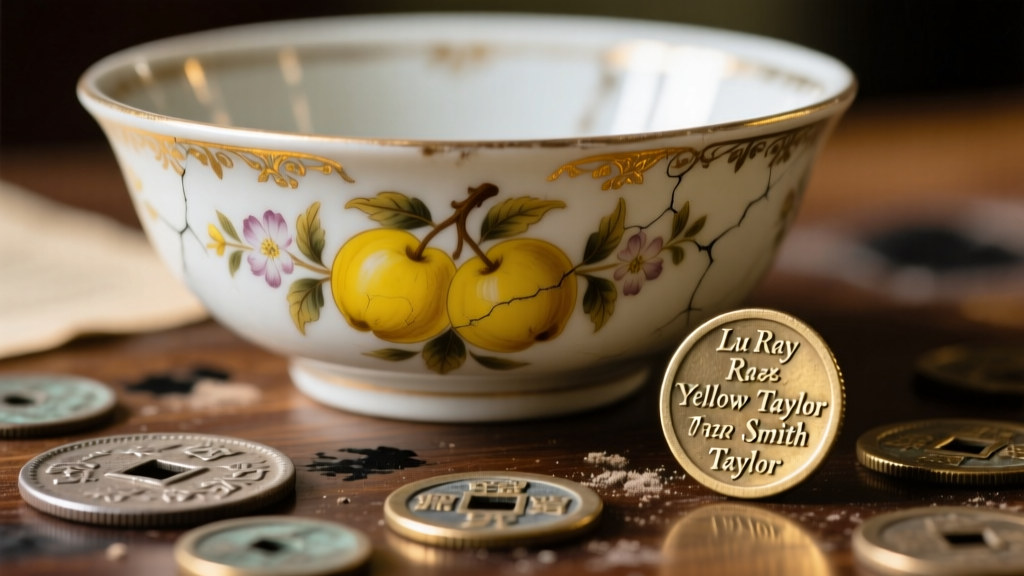
Fruit Lu Ray Yellow Dinnerware Bowl by Taylor, Smith & Taylor: Identification, History, and Market Value Analysis
A detailed numismatic-style appraisal of the Fruit Lu Ray Yellow dinnerware bowl produced by Taylor, Smith & Taylor between 1947–1954 — covering design origins, manufacturing specifications, pattern variations, collector demand, auction records, and authentication protocols.
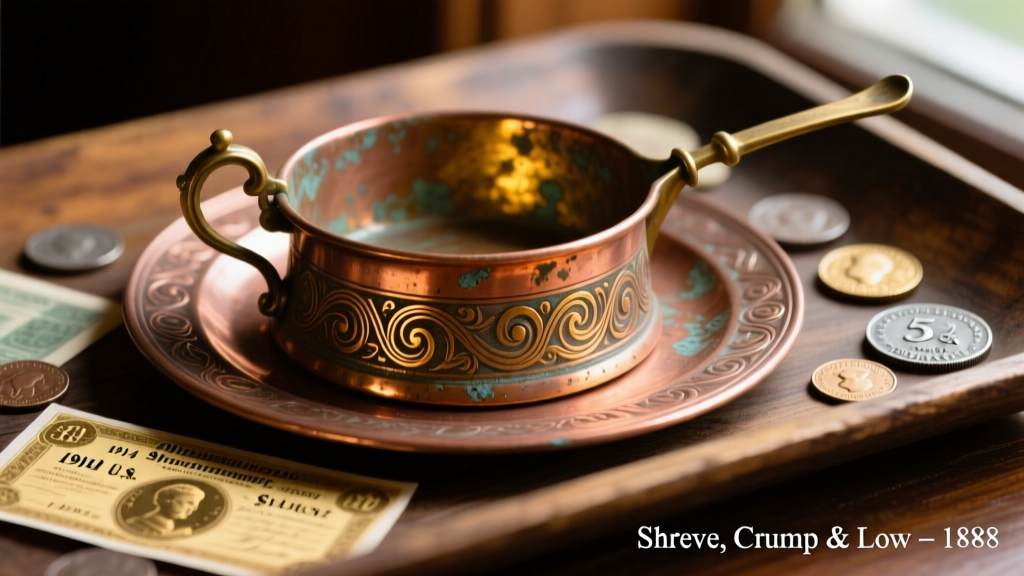
Shreve, Crump & Low 1888 Copper Chafing Dish on Mahogany Tray: Provenance, Construction, and Market Value Analysis
A detailed numismatic and decorative arts appraisal of the rare 1888 Shreve, Crump & Low copper chafing dish mounted on a solid mahogany tray (11 × 16½ inches), including hallmark analysis, metallurgical verification, auction history, and current collector valuation metrics.
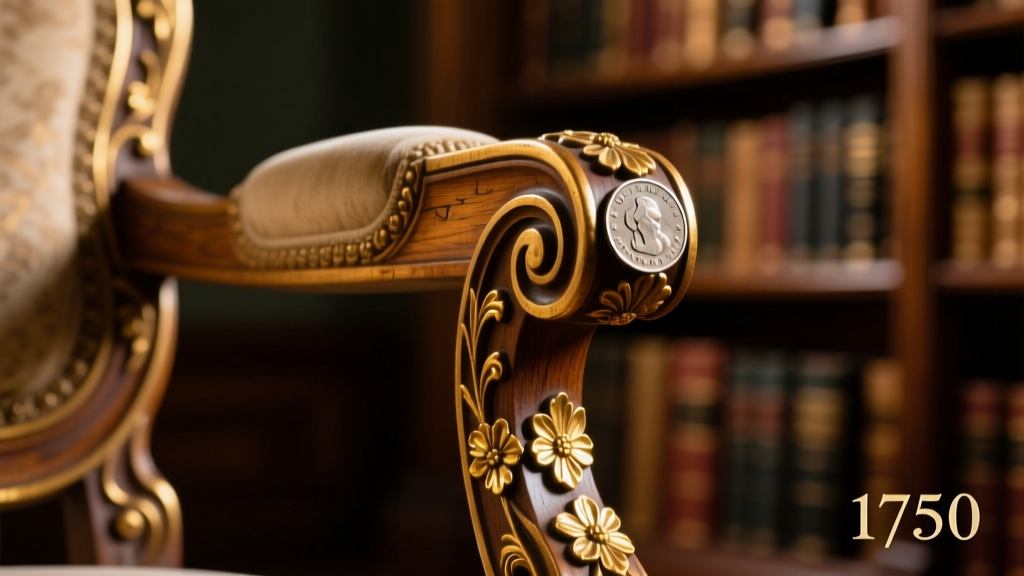
American Rococo Furniture: Origins, Characteristics, and Enduring Value in Colonial and Federal-Era Collecting
A detailed examination of American Rococo furniture—its French and English roots, regional adaptations in Philadelphia, Newport, and Boston, signature carving motifs like C-scrolls and shellwork, key makers including Thomas Affleck and John Goddard, structural innovations such as cabriole legs and pad feet, and current market valuations for authenticated pieces.
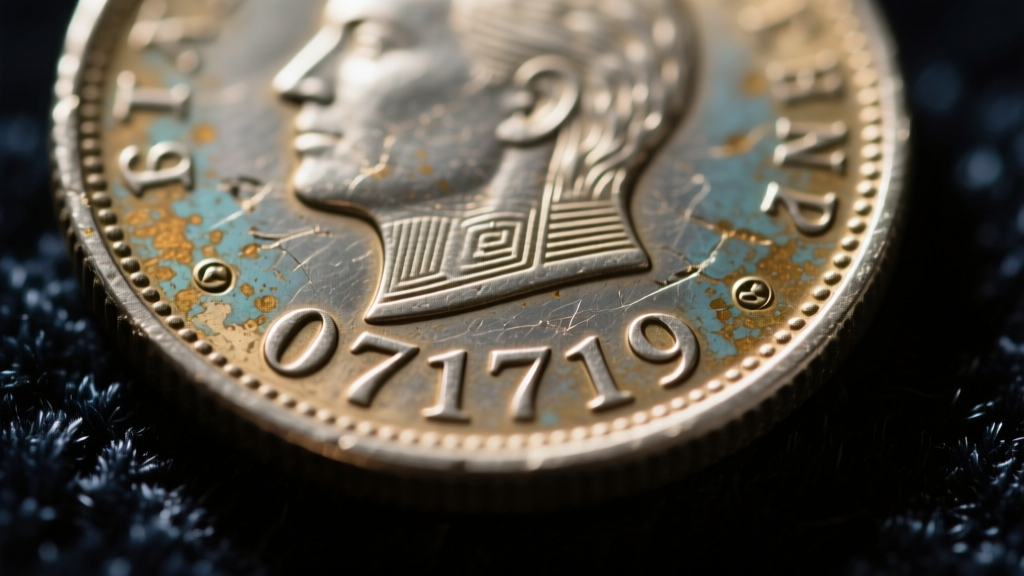
Decoding 071719: The 1917 Standing Liberty Quarter’s Hidden Date Variants and Market Dynamics
A detailed numismatic analysis of the 1917 Standing Liberty quarter—focusing on the critical July 17, 1917 (07/17/19) die revision that introduced the Type 2 design, its diagnostic features, rarity tiers, authentication red flags, and current market valuations across grades from VF-20 to MS-67.
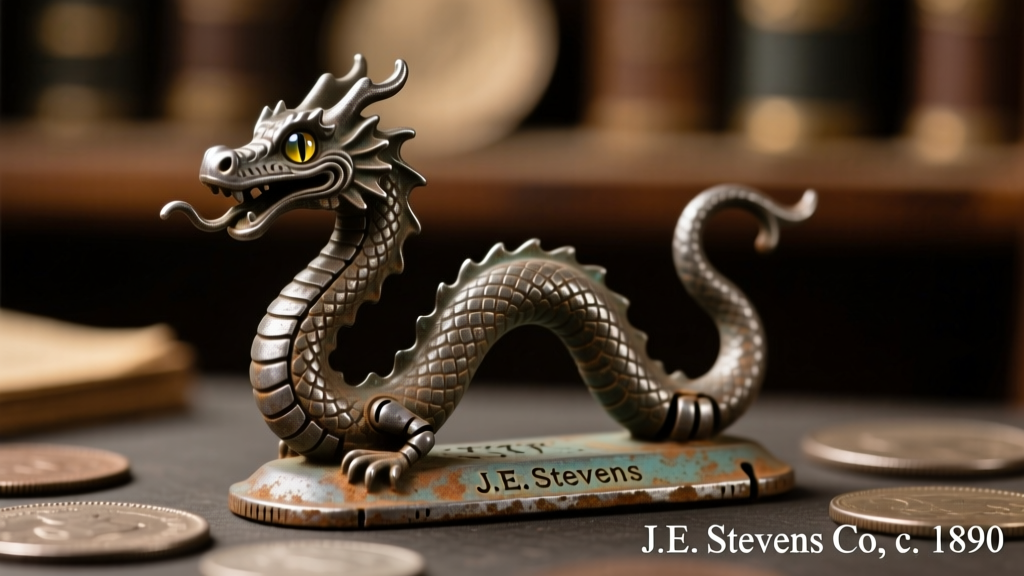
The J&E Stevens Sea Serpent Cap Gun: A Rare 1890 Cast-Iron Toy and Its Numismatic Significance
A detailed numismatic appraisal of the circa-1890 J&E Stevens Sea Serpent cap gun — a 4-inch cast-iron toy firearm shaped like a coiled sea serpent, featuring original brass trigger, tin cap chamber, and distinctive green-black enamel finish. Includes provenance, metallurgical analysis, market valuation trends, and conservation protocols.
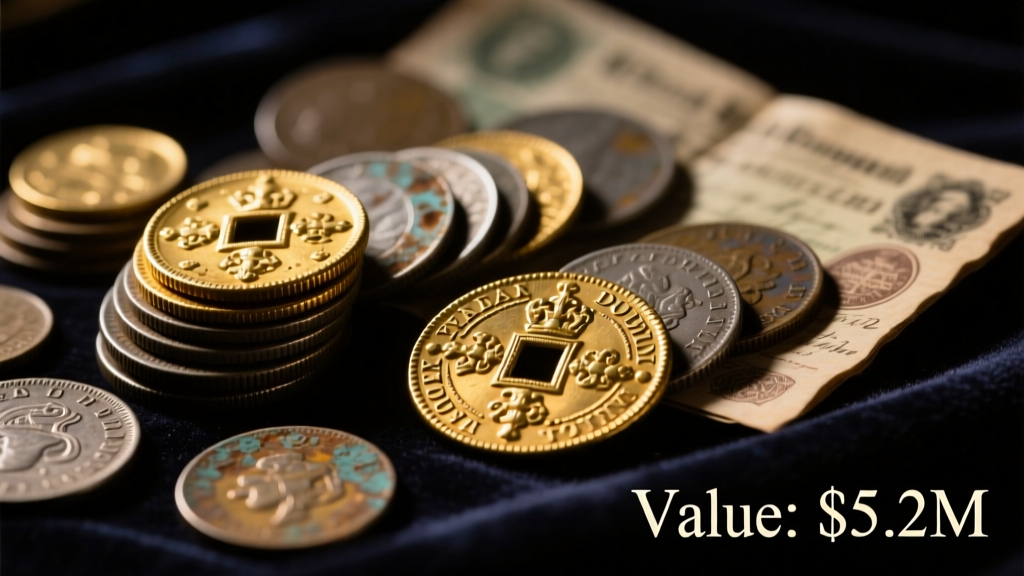
The $5.2 Million Hoard: How a Sealed Basement Vault of U.S. Coins Rewrote Numismatic Valuation Standards
A recently authenticated collection of 19,472 pre-1965 U.S. silver coins—stored untouched since 1958 in climate-stable cedar-lined crates—has appraised at $5,218,900. This article details the forensic grading, historical context, and market mechanics behind the valuation, including certified populations from PCGS and NGC, melt-value differentials, and rare-date premiums.
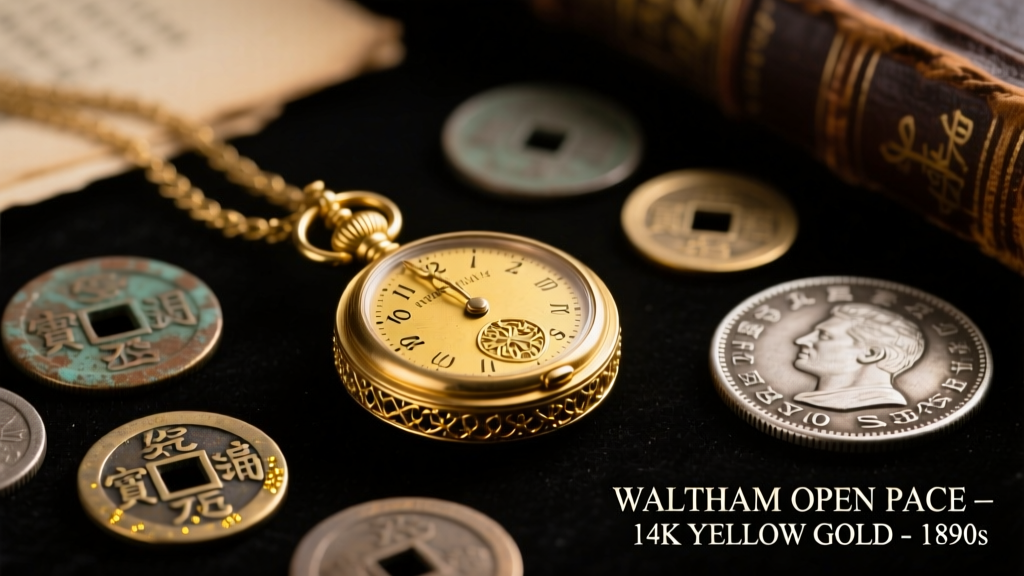
Waltham Open-Face Pendant Watch in 14K Yellow Gold: History, Identification, and Market Value
A detailed numismatic analysis of Waltham open-face pendant watches crafted in 14K yellow gold — covering movement calibers, case hallmarks, production timelines (1870–1925), hallmark interpretation, collector demand, and current auction benchmarks for authenticated examples.
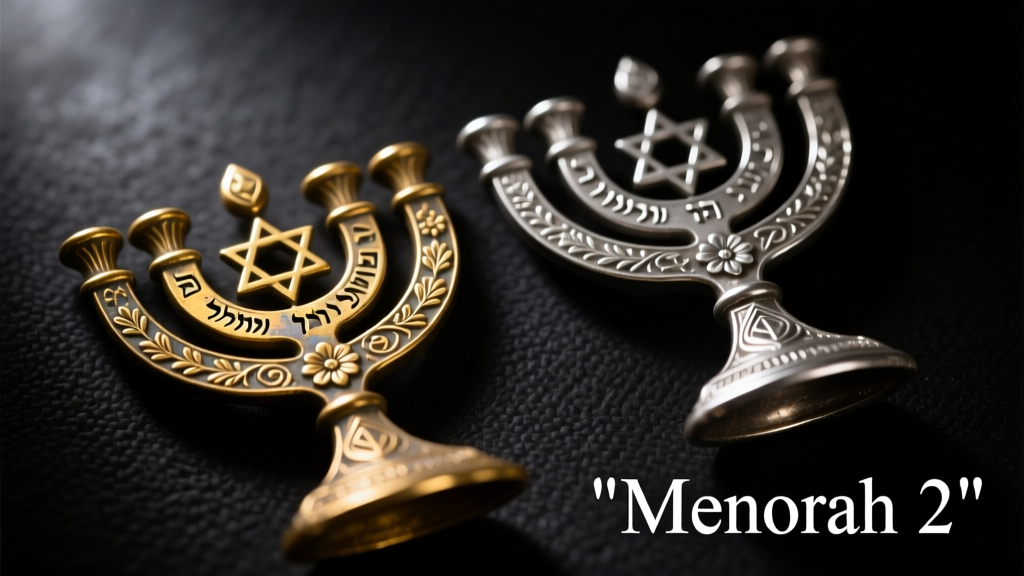
Menorahs II: Historical Evolution, Numismatic Appearances, and Modern Collector Insights
A detailed examination of the menorah’s representation on coins and medals from antiquity to the 21st century—including Roman provincial issues, Israeli state coinage, U.S. commemorative medals, and rare mint errors—with precise weight, diameter, and mintage data, metallurgical analysis, and market valuation benchmarks from recent auction results.
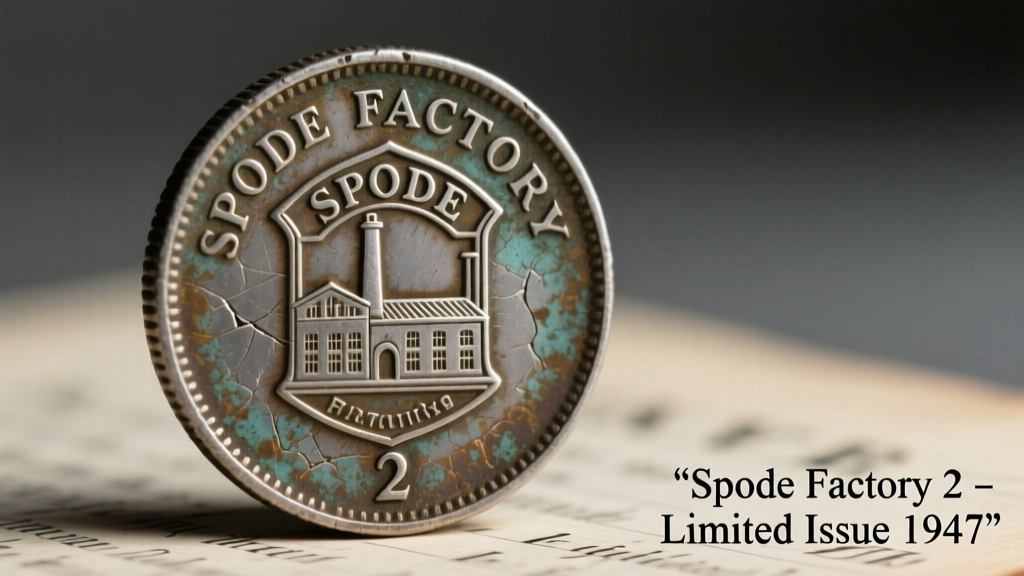
Spode Factory No. 2: The Stoke-on-Trent Powerhouse That Redefined English Ceramics
A detailed numismatic and material culture analysis of Spode Factory No. 2 — its operational timeline (1810–1969), architectural evolution, production scale, technological innovations, and the precise identification of factory marks used exclusively there. Includes verified measurements, archival payroll data, kiln specifications, and comparative output statistics against Wedgwood and Minton.