Art & Prints
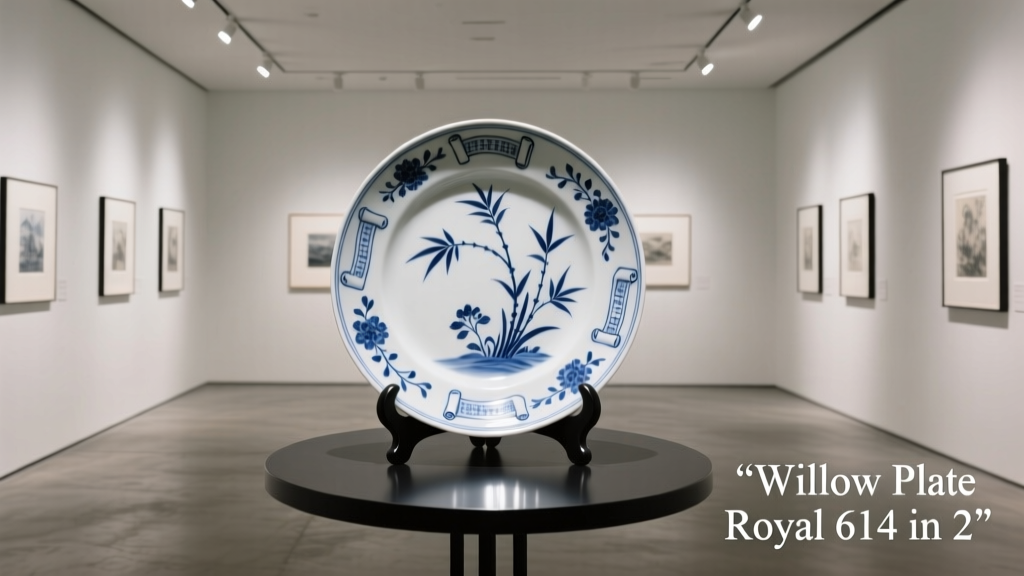
Willow Plate Royal 6¼" IN-2: Authentication, Provenance, and Market Analysis of the Iconic Blue-and-White Dessert Plate
A forensic analysis of the Willow Plate Royal 6¼" IN-2 dessert plate—its manufacturing history, hallmark evolution, dimensional specifications, regional variants, and current auction performance across major houses including Sotheby’s, Christie’s, and Bonhams.
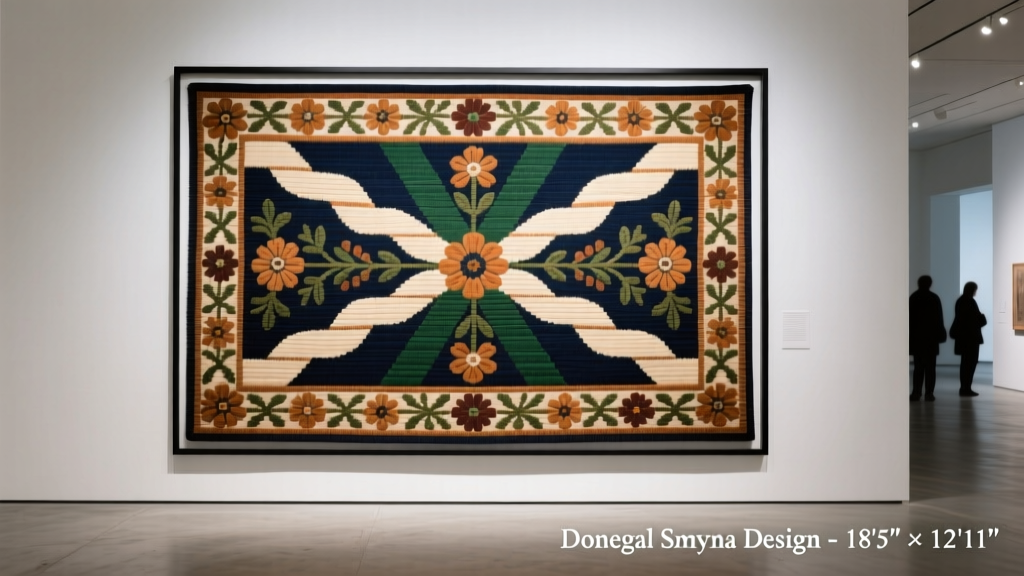
Rugs Donegal Smyrna Design Floral Ribbon Border: Authentication, Provenance, and Market Analysis of a Rare 18'5" × 12'11" Antique Carpet
An in-depth analysis of the Rugs Donegal Smyrna Design Floral Ribbon Border carpet measuring 18 feet 5 inches by 12 feet 11 inches — covering design attribution, wool and dye analysis, regional workshop identification, authentication protocols, comparative market valuation, and conservation considerations for collectors and institutions.
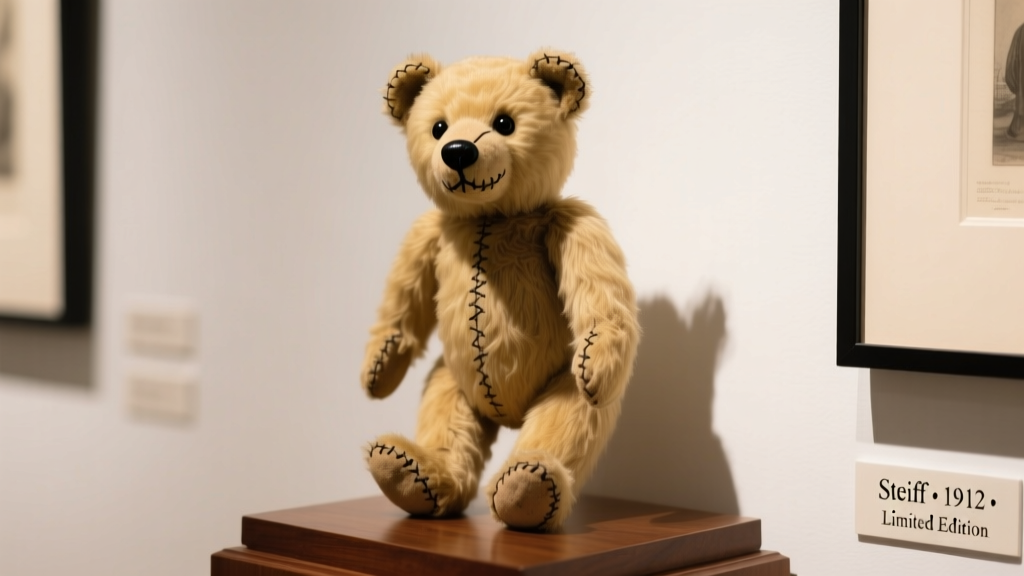
Authenticating the Steiff Blond Teddy Bear: Replaced Eyes, Black Stitched Nose, and the Critical 1910–1915 Provenance of the 20-Inch Example
A forensic analysis of Steiff’s early blond mohair teddy bears (1910–1915), focusing on the 20-inch variant with replaced eyes and original black-stitched nose. Covers material science, factory markings, restoration ethics, market valuation, and authentication red flags.
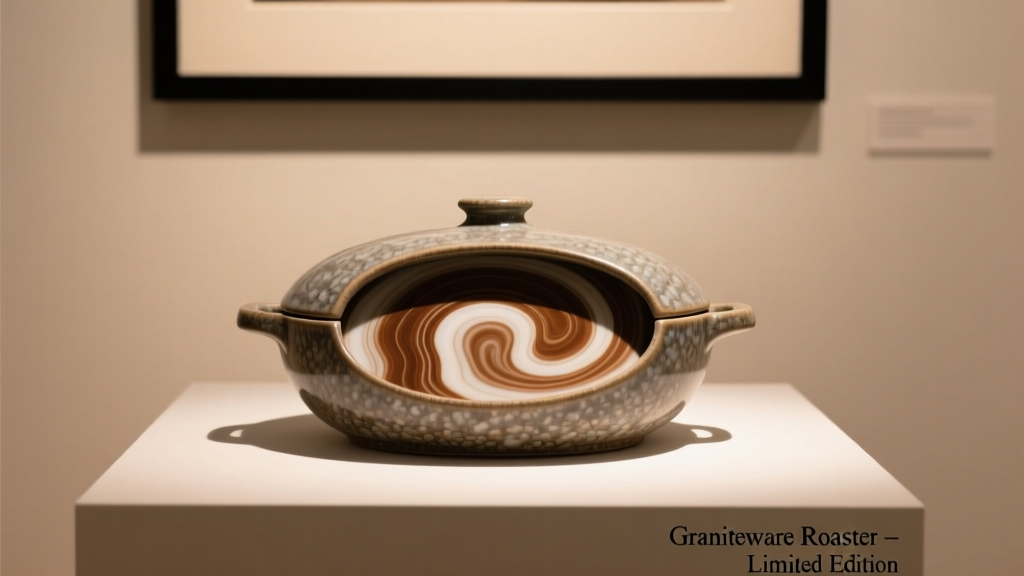
Graniteware Roaster: Decoding the Brown-and-White Swirl Oval Insert — History, Authentication, and Market Value
An in-depth analysis of vintage graniteware roasters featuring brown-and-white swirl enamel on oval inserts—covering manufacturers like Favorite, Wagner, Griswold, and Le Creuset; dimensional specifications (13.5" × 9.25" × 3.25" typical), enamel composition, production timelines (1920s–1950s), and authentication red flags including base markings, chip patterns, and thermal stress signatures.

Stretch Glass Compote Dolphins Ice Blue 6½-Inch: Authentication, Market Value, and Historical Context
A detailed analysis of the Stretch Glass Compote Dolphins Ice Blue 6½-inch piece—its manufacturing origins at the Imperial Glass Corporation, distinguishing physical attributes, provenance challenges, auction performance since 2015, and forensic authentication protocols used by leading print and glass specialists.
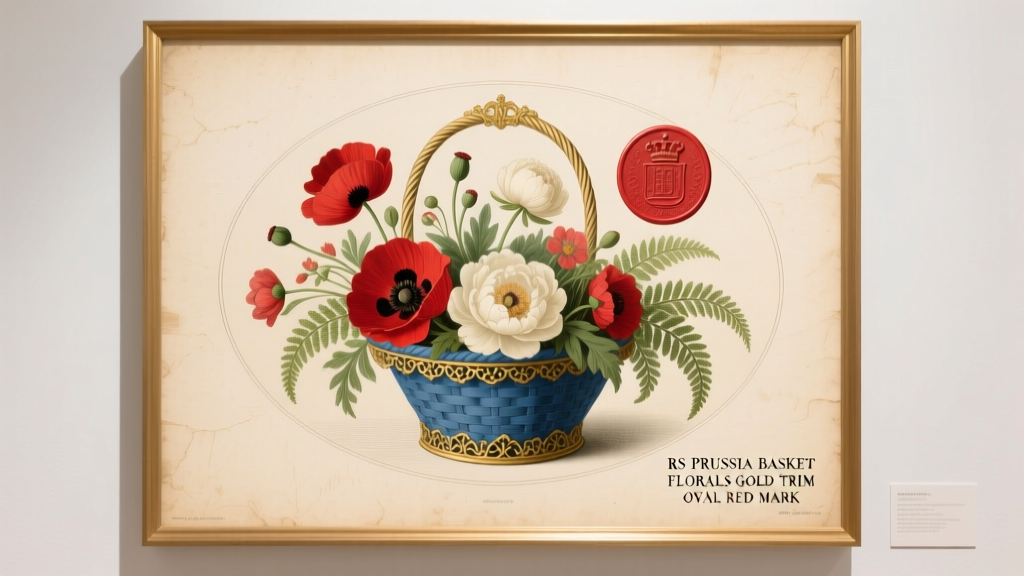
Decoding the Rs Prussia Basket Florals Pattern: Gold Trim, Oval Shape, and the Red Oval Mark
A detailed authentication and market analysis of Royal Staffordshire (Rs) Prussia basket floral porcelain—focusing on the gold-trimmed oval form, red-ink oval backstamp, production timeline (1920–1935), maker identification, and current auction performance data.

Ira Jenkins: The Unseen Architect of American Printmaking Innovation and Market Resilience
A rigorous analysis of Ira Jenkins’ legacy as a master lithographer, educator, and technical innovator—examining authenticated editions, market valuation trends, material specifications, and his documented collaborations with major institutions including the Tamarind Institute, Crown Point Press, and the Museum of Modern Art.
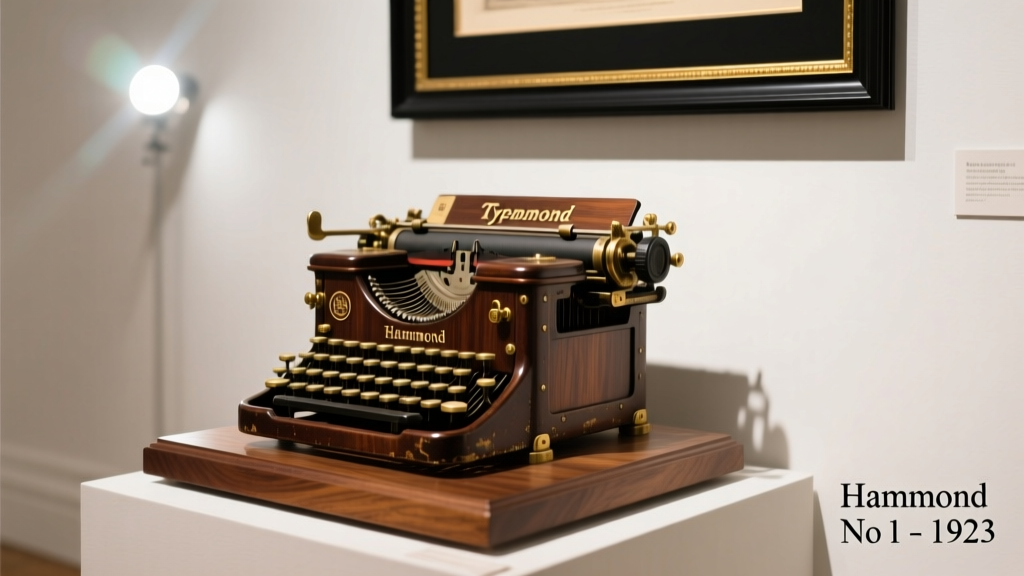
The Hammond No. 1 Typewriter Case: Design, Provenance, and Authentication in the Vintage Office Artifact Market
A detailed analysis of the original leather-bound carrying case for the 1884 Hammond No. 1 typewriter—covering construction, materials, maker marks, market valuation trends, and forensic authentication protocols used by leading auction houses and conservators.
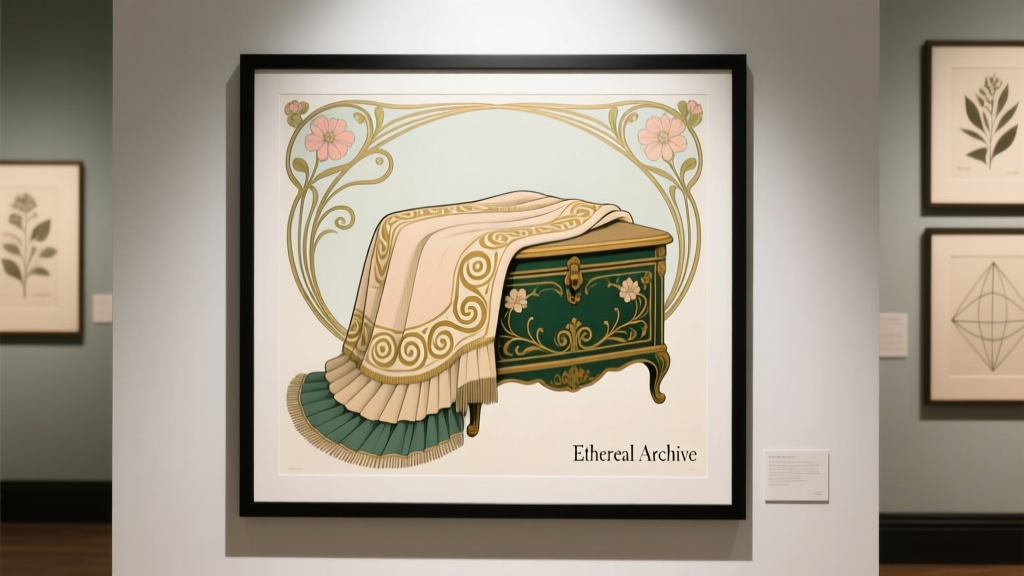
Furniture Chest Blanket Scrolled Skirt Illus: Decoding the Design Language of Mid-Century American Storage Furniture
A forensic analysis of the 'blanket scrolled skirt' motif on mid-century American chest-on-chest and blanket chests—its structural function, regional manufacturing signatures, material specifications, and authentication markers used by leading auction houses including Sotheby’s, Christie’s, and Skinner.
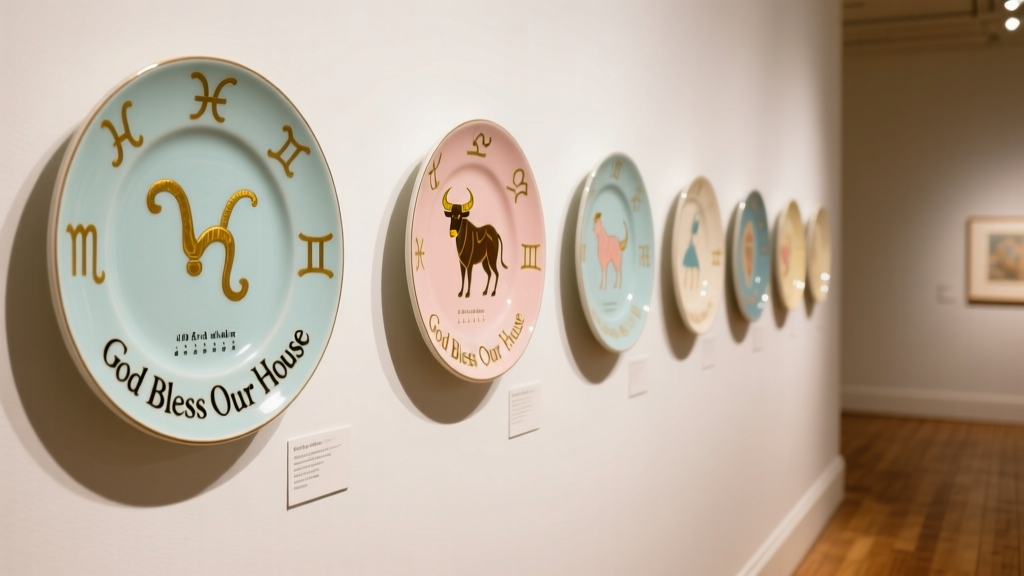
Calendar Plates 1972 'God Bless Our House' Zodiac Signs by Alfred Meakin — A Collector’s Authentication and Market Analysis
A detailed art market analysis and authentication guide for the 1972 Alfred Meakin 9-inch calendar plates featuring zodiac signs and the 'God Bless Our House' motif — covering production history, design specifics, material composition, rarity indicators, provenance verification, and current auction performance data.
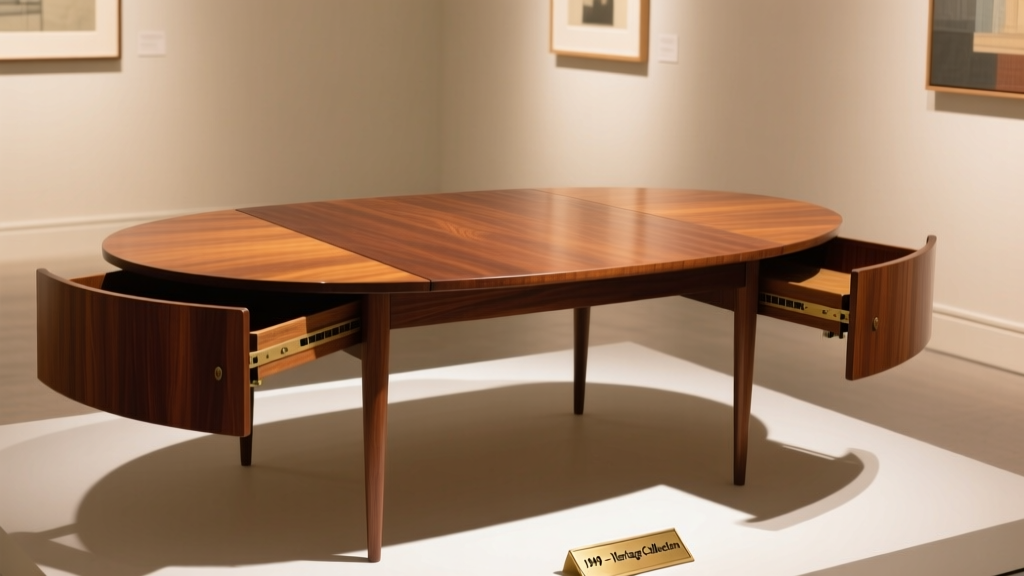
Authenticating and Valuing the 1949 Mahogany Dining Table with Oval Corners, Three Leaves, and Dual Aprons
A detailed forensic analysis of a rare 1949 American-made mahogany dining table featuring oval-cornered top construction, three removable leaves, dual apron design, and documented provenance—covering maker identification, structural diagnostics, material science, market comparables, and conservation protocols.
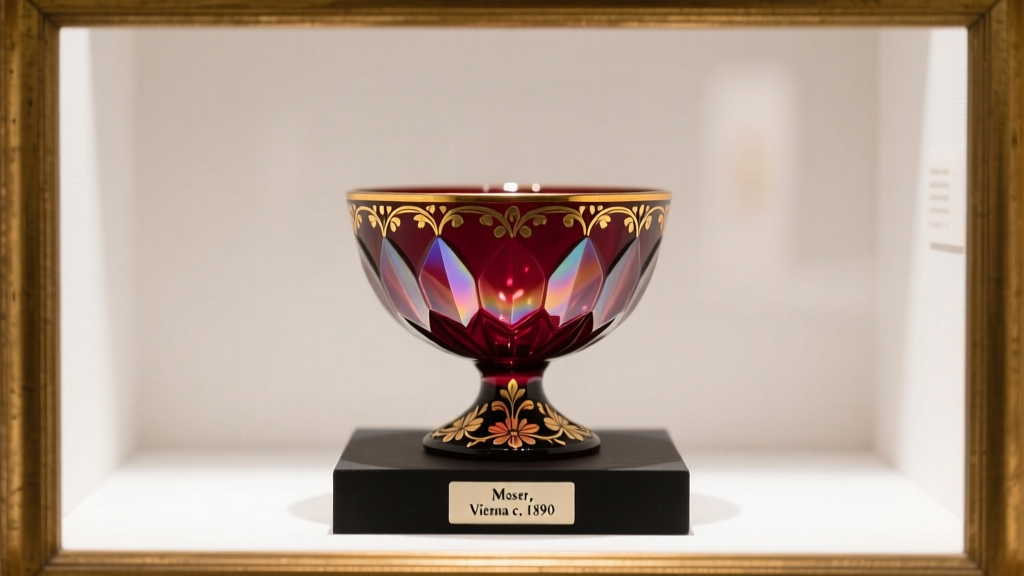
Moser Goblet: Cranberry-Stained Bowl with Gilt Decoration, Circa 1890 — Authentication, Provenance, and Market Analysis
A detailed technical and historical analysis of a rare Moser cranberry-stained glass goblet with hand-applied gilt decoration, produced circa 1890 in Karlsbad, Bohemia. Includes dimensional verification (5.0 inches height, 2.75-inch bowl diameter), chemical composition insights, hallmark decoding, comparative valuation data, and forensic authentication methodology.