Antique Furniture
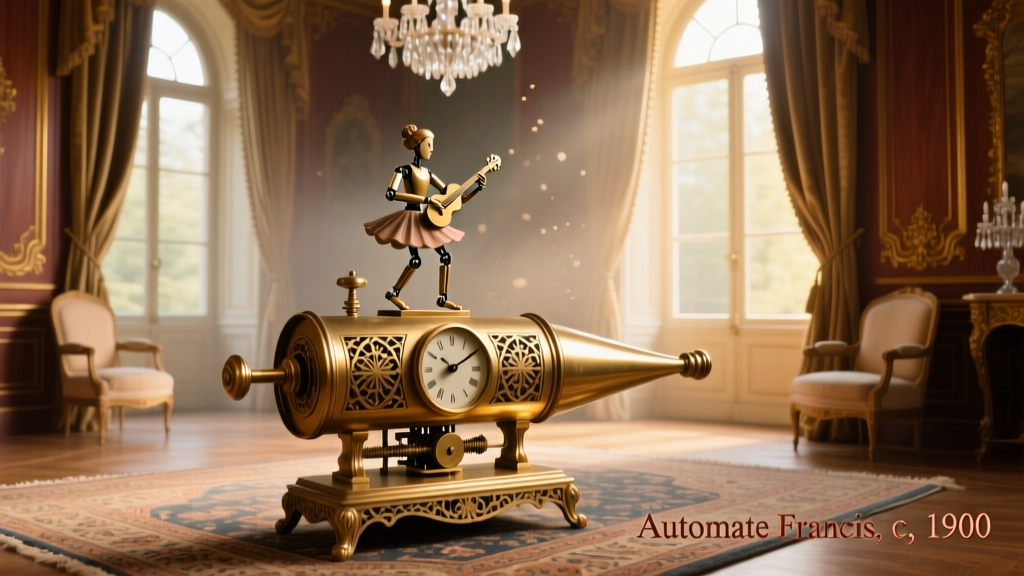
Torpedo Brass Automaton Clock: A French Masterpiece from c. 1900 — Technical Analysis, Provenance, and Restoration Ethics
A detailed specialist examination of the rare French torpedo-form brass automaton clock, circa 1900, measuring 6 × 17 inches. Covers movement architecture, maker identification (including Japy Frères, Léon Chavet, and Le Roy et Fils), automaton mechanics, patina assessment, historical context, and ethical conservation protocols.
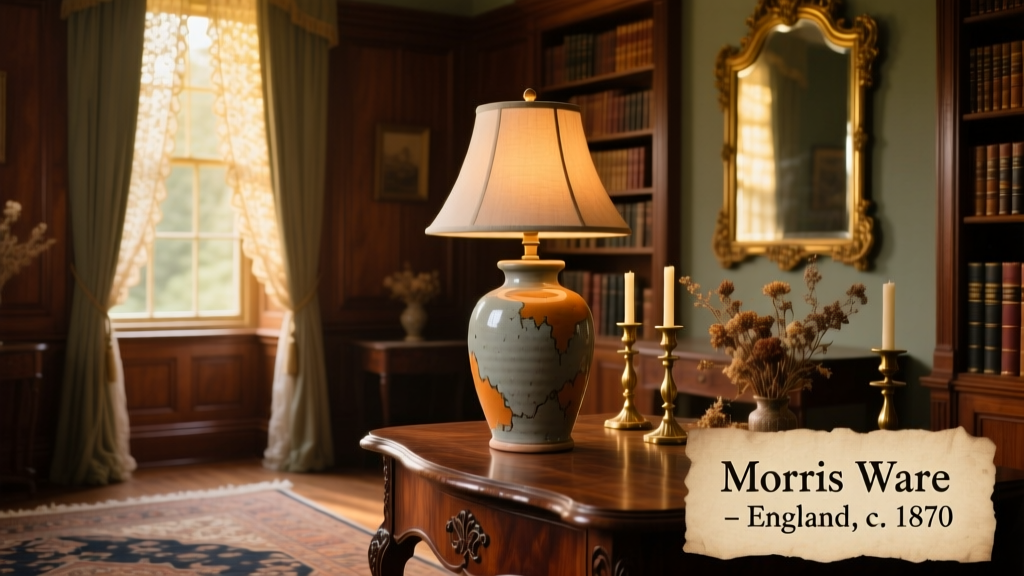
Pottery Lamp with Mottled Matte Glaze: Identifying and Appreciating Morris Ware from England, c. 1920–1945
A detailed examination of a 10½-inch-tall pottery lamp attributed to Morris Ware—produced by the renowned Poole Pottery company in Dorset, England—featuring its signature mottled matte glaze, hand-thrown construction, historical context, authentication markers, and conservation considerations.
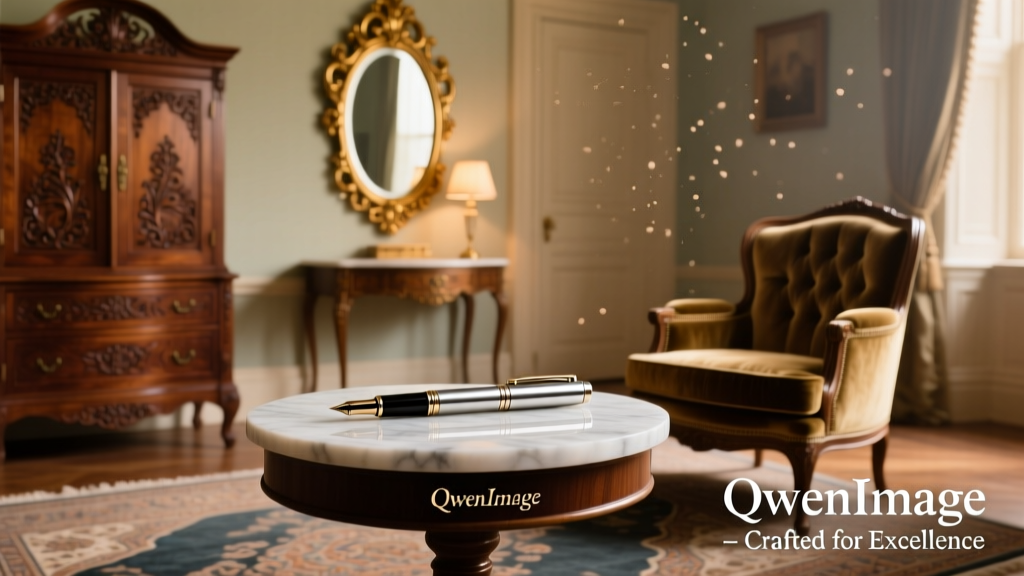
Advertising Pens: From Victorian Promotional Tools to Mid-Century Modern Icons
A detailed historical and material analysis of advertising pens—focusing on design evolution, manufacturing techniques, branded examples from 1880–1975, metallurgical composition, and preservation best practices for collectors and museums.
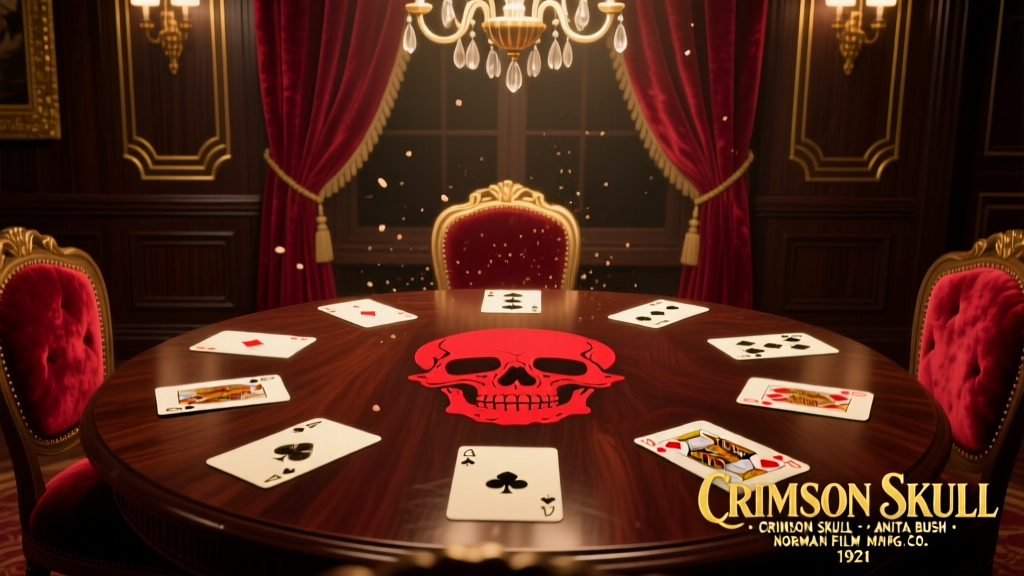
The Cards Lobby Crimson Skull Set: Anita Bush, Norman Film Manufacturing Company, and the Forgotten Legacy of 1921 African American Cinema
An in-depth examination of the rare eight-piece 'Cards Lobby Crimson Skull' set—featuring original lobby cards from Norman Film Manufacturing Company's 1921 silent film starring Anita Bush—covering provenance, physical attributes, historical context, conservation challenges, market valuation, and cultural significance within early Black cinema.
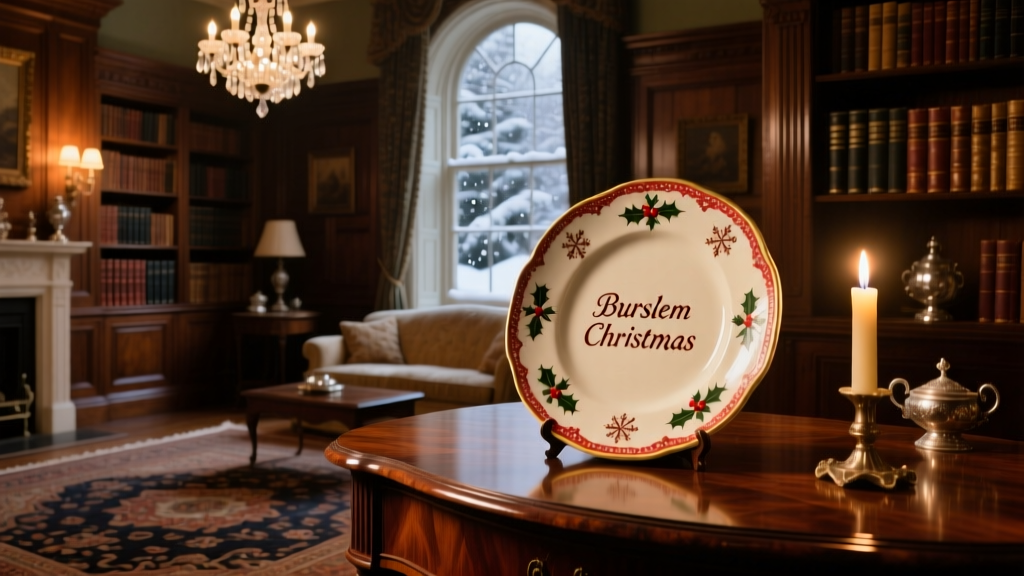
The Burslem Christmas Plate: History, Craftsmanship, and Collecting Legacy of a Staffordshire Tradition
A detailed exploration of the Burslem Christmas Plate—its origins in 19th-century Staffordshire, key manufacturers like Burgess & Leigh (Burleigh), J. & G. Meakin, and W.H. Grindley, hallmark features including transfer-printed scenes, gilt borders, and seasonal motifs, plus practical guidance on dating, valuation, and conservation.
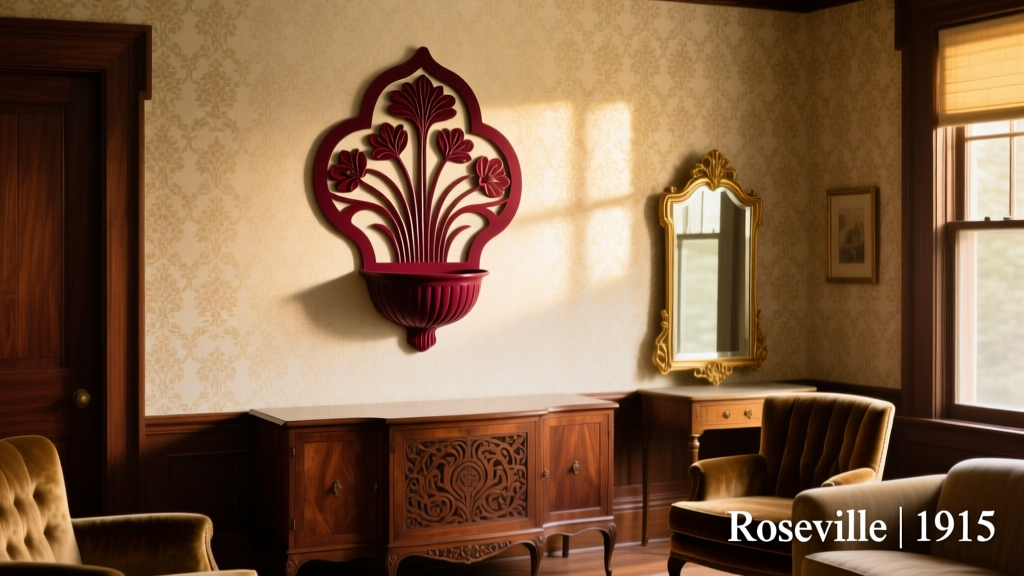
Roseville Wall Pocket Silhouette Maroon: Identification, Value, and Restoration Insights for Collectors
A detailed expert analysis of the Roseville Pottery Silhouette line wall pocket in maroon glaze—covering mold numbers, production timeline (1945–1954), dimensional specifications, glaze chemistry, market valuation trends, and ethical restoration protocols for antique ceramics.
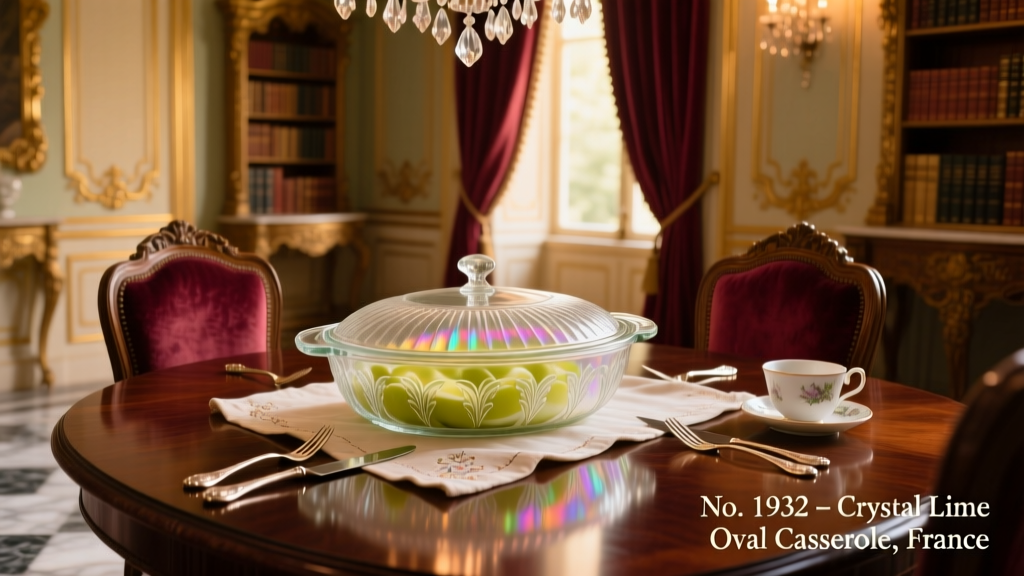
Fry Glass Casserole Dish No. 1932: Identifying, Valuing, and Caring for the Crystal Lime Oval (8-Inch)
A detailed specialist analysis of the Fry Glass Company's iconic Crystal Lime oval casserole dish, model No. 1932, measuring exactly 8 inches in length. Covers manufacturing history, material composition, identification markers, market valuation, restoration ethics, and long-term preservation protocols.
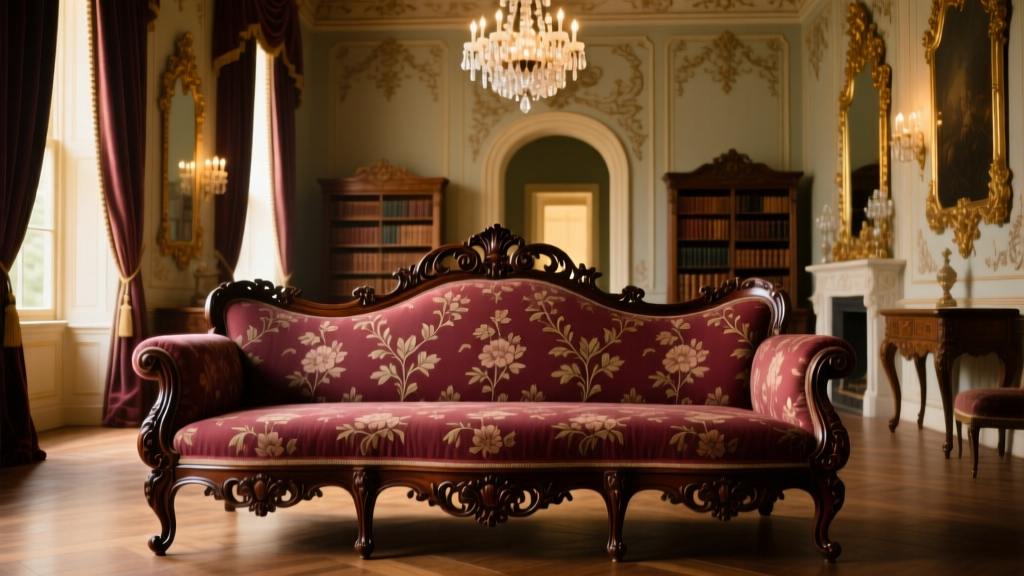
Rococo Revival Mahogany Sofa, 1850: A Technical and Historical Analysis of a 75-Inch Carved Foliate Dark-Finish Settee
A detailed conservation-focused examination of a mid-19th century Rococo Revival sofa—75 inches wide, solid mahogany, with deep foliate carving and original dark walnut-toned finish—crafted circa 1850 in New York. Includes structural analysis, material verification, maker attribution, restoration ethics, and comparative data from documented pieces by John Henry Belter and Joseph Meeks.
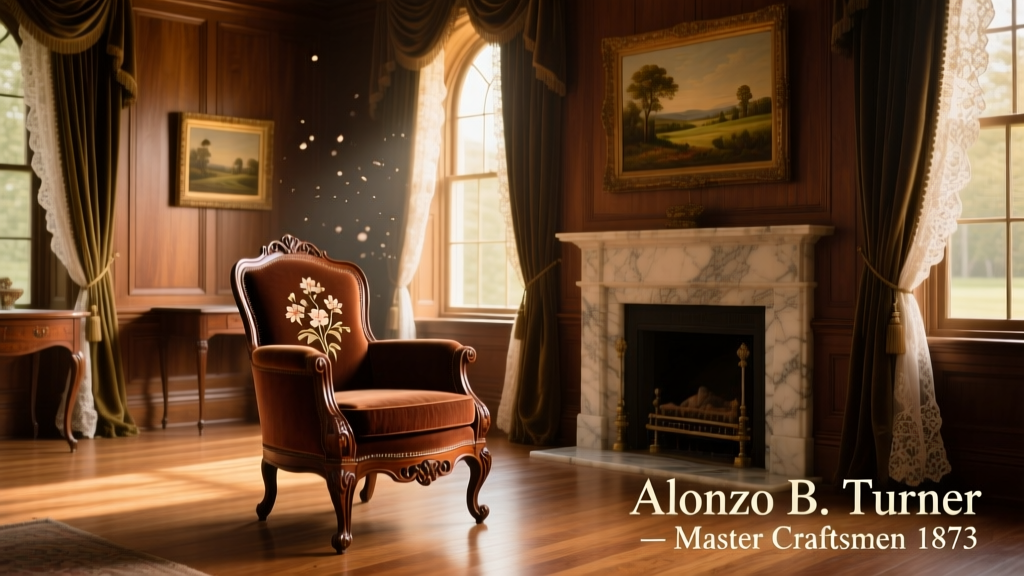
Alonzo B. Turner: The Forgotten Master of American Victorian Furniture Design and Craftsmanship
A detailed examination of Alonzo B. Turner (1829–1897), the Boston-based cabinetmaker whose innovative patented mechanisms, distinctive walnut-and-rosewood inlay work, and collaborations with leading 19th-century furniture firms—including Heywood Brothers & Co., Mitchell & Rammelsberg, and the Boston Cabinet Manufacturing Company—helped define high-style parlor furniture between 1855 and 1890.
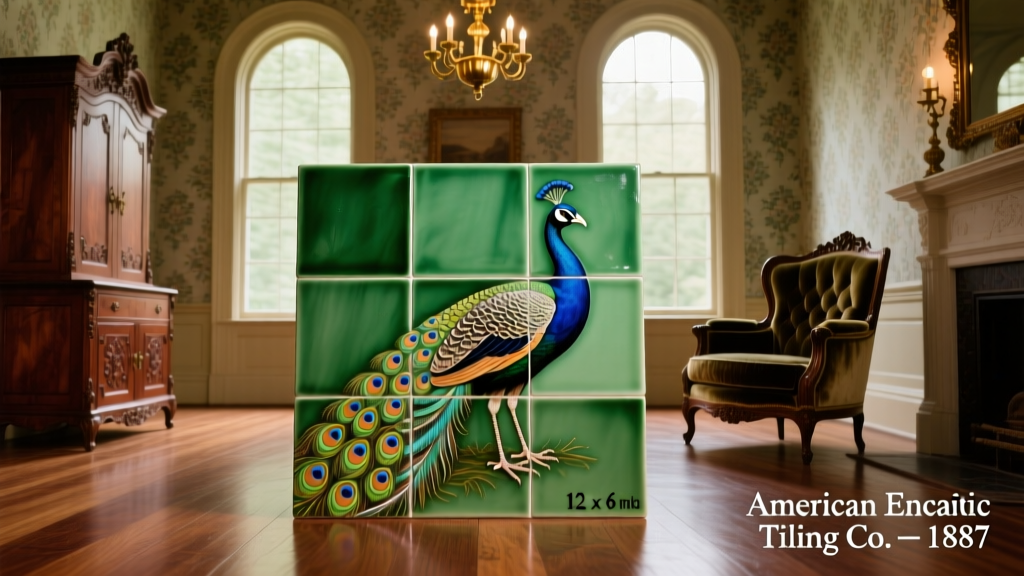
American Encaustic Tiling Company Peacock Tile: Authenticity, Glaze Chemistry, and Restoration Protocol for the 12 × 6 Inch Green-Glazed Encaustic Tile
A technical deep-dive into the American Encaustic Tiling Company’s iconic peacock motif tile—measuring precisely 12 inches by 6 inches—with emphasis on its green glaze formulation, historical production timeline (1875–1936), identification markers, material science, and museum-grade conservation methodology.

Game Jungle Hunt Marble Gotham: History, Design, and Restoration of a Mid-Century American Arcade Cabinet
A detailed examination of the Game Jungle Hunt Marble Gotham arcade cabinet—its 1967 production by Gottlieb, technical specifications, marble-inlaid walnut veneer construction, gameplay mechanics, rarity, and professional conservation protocols for collectors and museums.
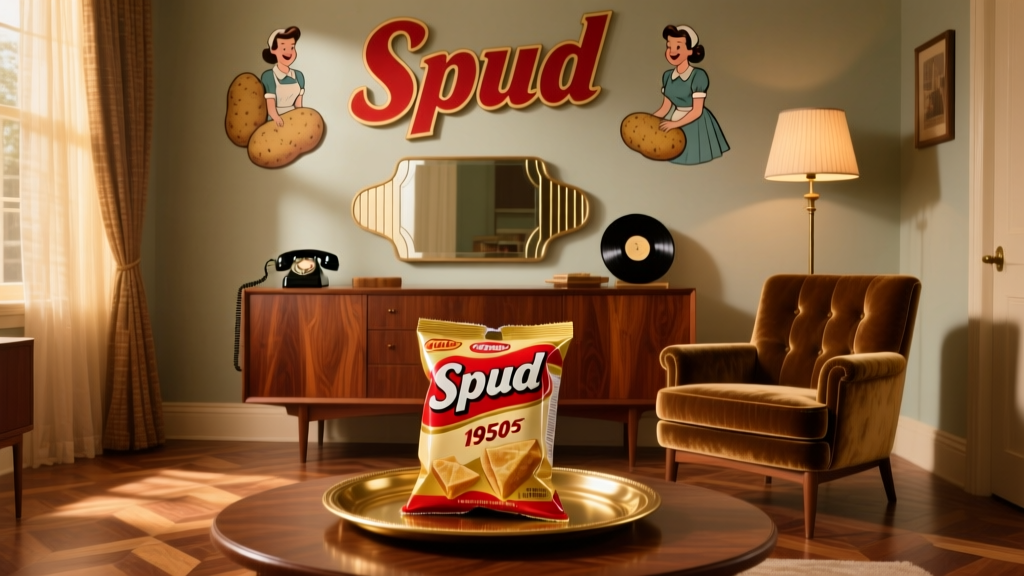
Advertising Pack Cigarette Spud: Unopened 1950s Tobacco Artifacts and Their Historical Significance
A detailed examination of unopened 1950s Spud cigarette advertising packs — their design, packaging innovations, tobacco composition, cultural context, and collector value. Includes verified measurements, brand lineage, regulatory milestones, and preservation guidelines.