Antique Furniture
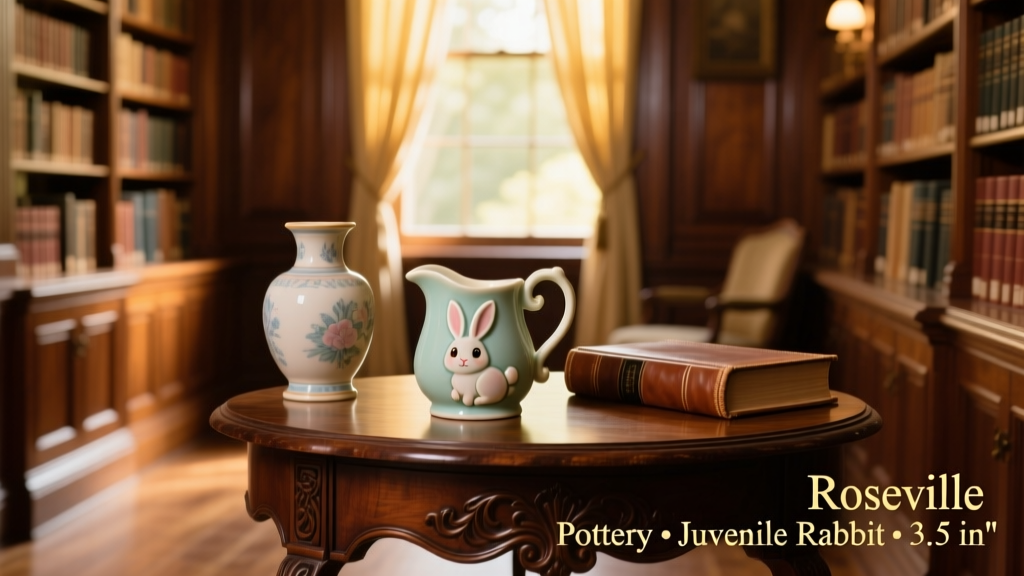
Roseville Creamer Juvenile Rabbit 3½-Inch: Identification, History, and Restoration Guidelines
A detailed examination of the Roseville Pottery Juvenile Rabbit creamer — including its origin in the 1940s, precise dimensions (3.5 inches tall, 4.25 inches wide), glaze variations (Blue Mist, Green Mist, Brown Mist), mold number R-167, and professional conservation protocols for collectors and restorers.
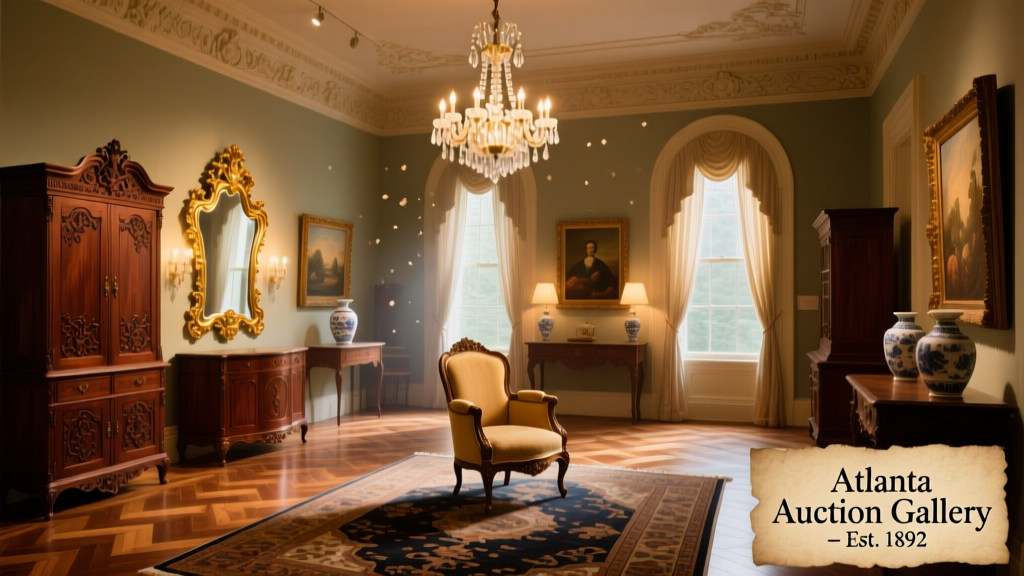
Atlanta Auction Gallery: A Specialist’s Perspective on Southern Antique Furniture Auctions and Restoration Opportunities
An in-depth analysis of Atlanta Auction Gallery’s operations, consignment standards, cataloging rigor, and its role in the Southeastern antique furniture market — with actionable insights for collectors, dealers, and conservators.
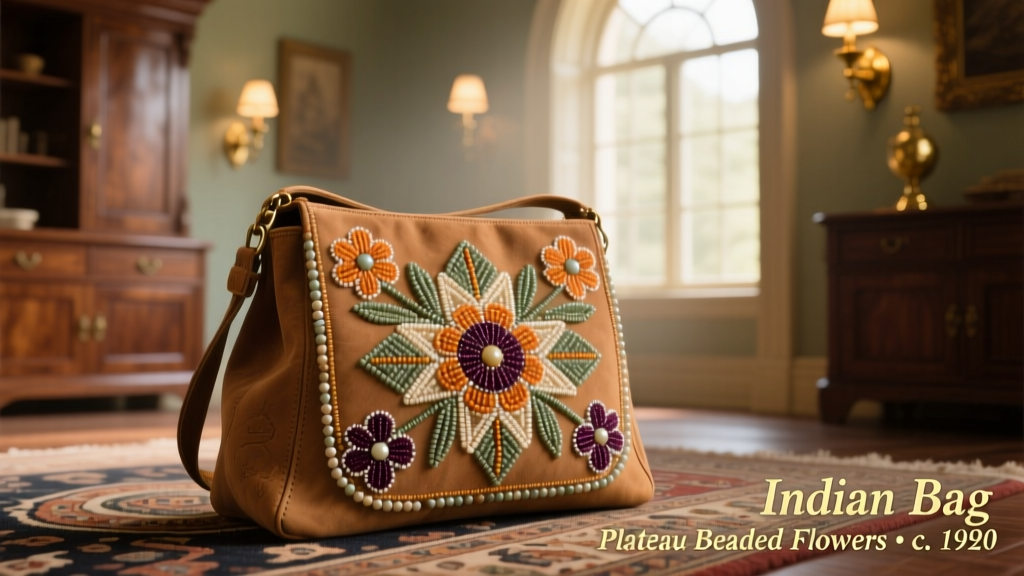
Indian Bag: Plateau Beaded Flowers on Buckskin, c. 1920 — A Technical and Cultural Analysis of a 13 × 11½-Inch Historic Artifact
A detailed examination of a circa-1920 Plateau Indian beaded bag—measuring precisely 13 inches in height and 11½ inches in width—featuring floral motifs executed in lazy-stitch beadwork on smoked buckskin. Includes material analysis, tribal attribution, historical context, conservation challenges, and provenance insights.
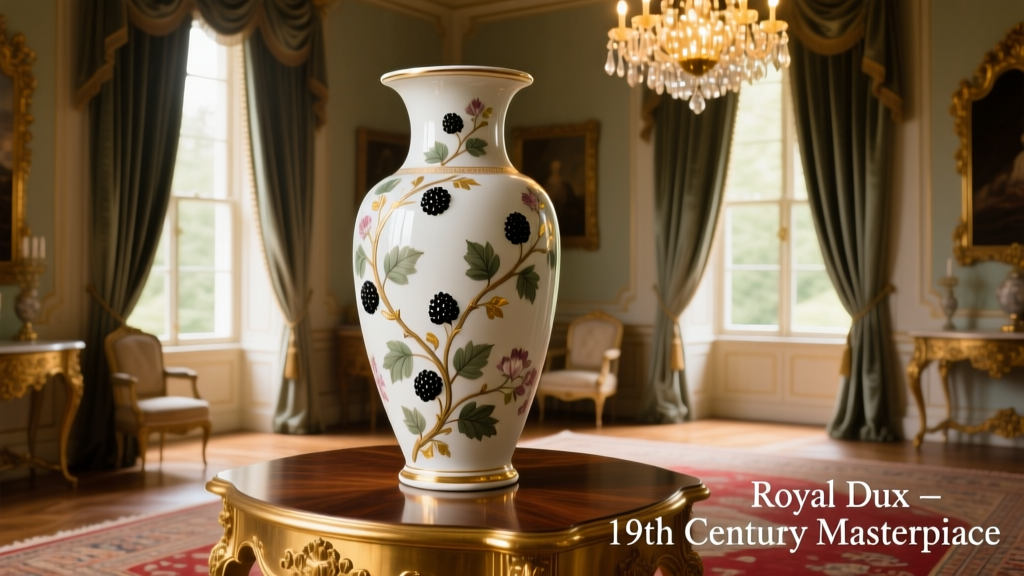
Royal Dux Vase: Raised Blackberries, Vines, Leaves on Ivory Ground — A 20½ × 7½ Inch Masterpiece of Bohemian Porcelain Artistry
An in-depth examination of a rare Royal Dux porcelain vase featuring hand-modeled blackberry motifs, naturalistic vine and leaf relief, and luminous ivory glaze — measuring precisely 20½ inches in height and 7½ inches in maximum diameter. Includes historical context, maker’s marks, technical analysis, conservation protocols, and market valuation insights.
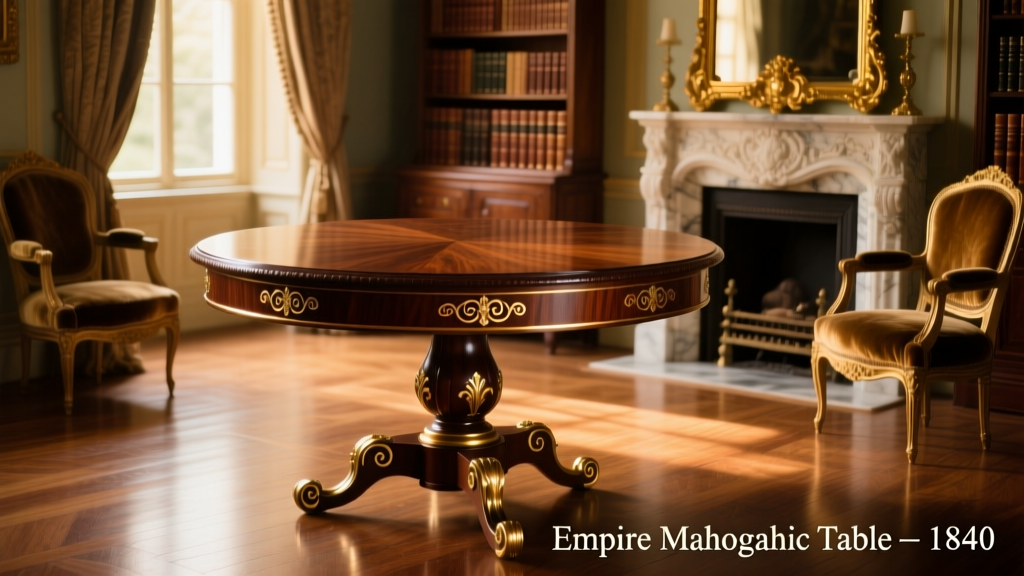
Empire Mahogany Brass-Mounted Round Table: Authenticity, Provenance, and Restoration Standards for a 26 × 13 Inch Specimen
A detailed specialist analysis of a rare Empire-period round table in solid Cuban mahogany with original French brass mounts—measuring precisely 26 inches in diameter and 13 inches in height—covering historical context, material verification, mount attribution, structural integrity assessment, and museum-grade conservation protocols.
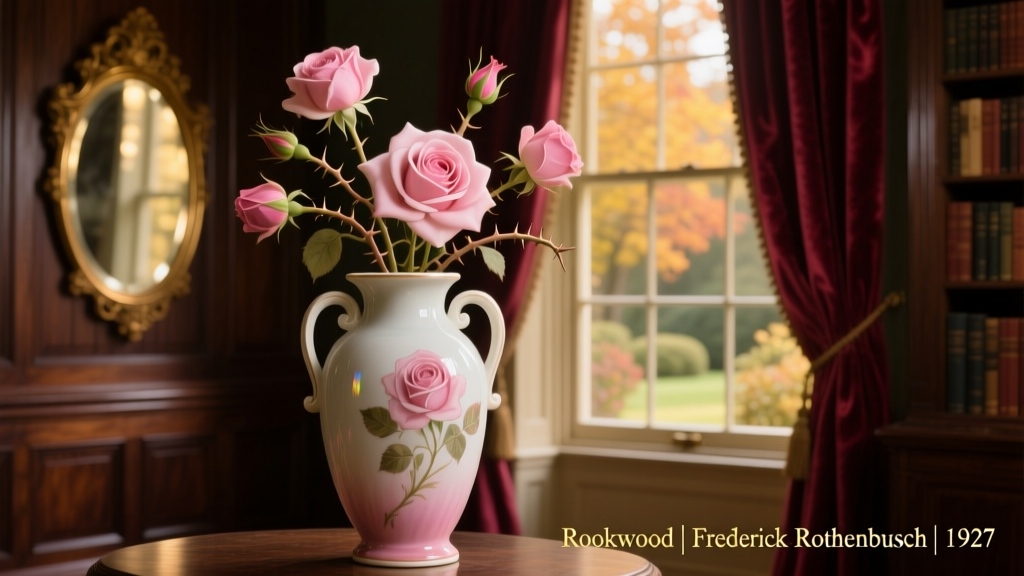
Rookwood Vase: Pink Roses & Thorny Stems by Frederick Rothenbusch, 1927 — A Technical and Historical Appraisal of the 11-Inch Masterpiece
An in-depth examination of the iconic 1927 Rookwood vase decorated by Frederick Rothenbusch with pink roses and thorny stems — covering provenance, glaze chemistry, signature marks, restoration ethics, market valuation, and comparative analysis against contemporaneous pieces from Rookwood Pottery’s Art Nouveau and early Art Deco transition period.
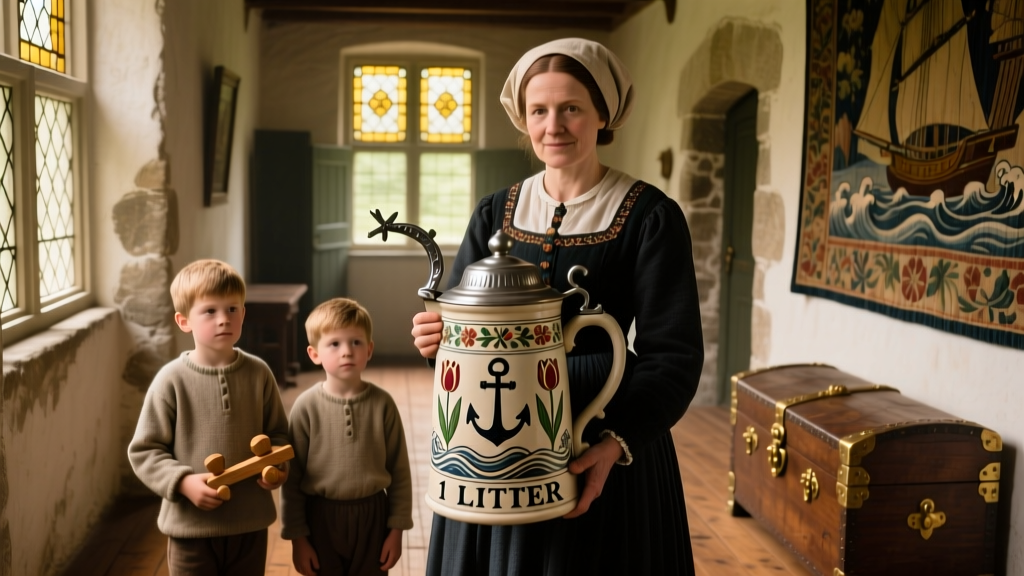
Steins Dutch Mother With 2 Boys Smoking Behind Her: A Detailed Examination of a Rare 1-Liter Stoneware Beer Stein with Pewter Lid
An expert analysis of the iconic 'Dutch Mother' stein — a 1-liter Westerwald stoneware beer mug featuring the satirical motif of a matronly woman flanked by two boys smoking pipes. Includes provenance, maker identification, metallurgical analysis of the pewter lid, dimensional specifications, historical context, and conservation guidance.
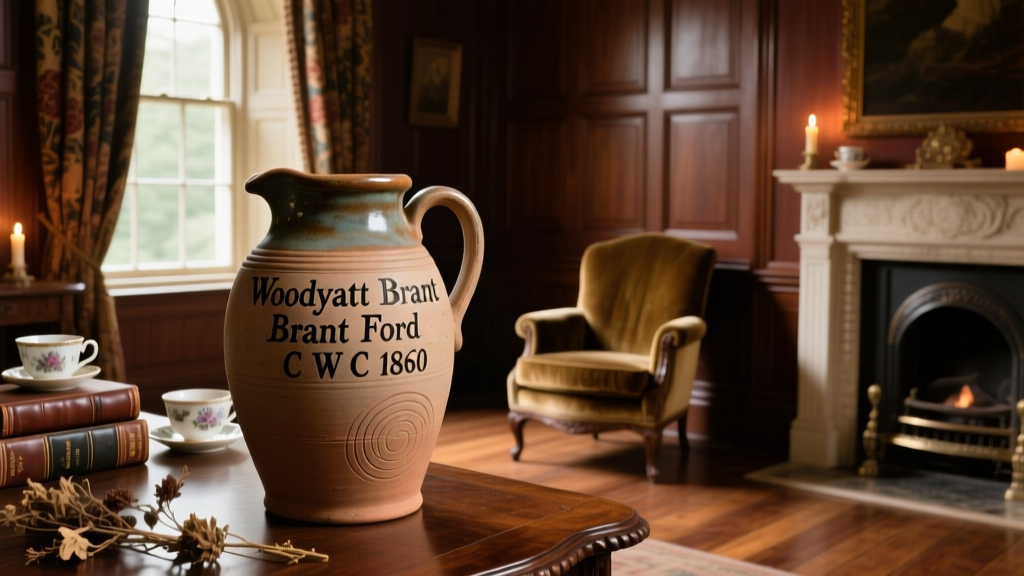
The Woodyatt Brant Ford Stoneware Jug: A 1860 C.W.C. Salt-Glazed Masterpiece from Staffordshire
An in-depth examination of the rare 1860 stoneware jug marked 'Woodyatt Brant Ford C W C', produced by the Brant Ford Pottery under Charles William Cope—featuring provenance, technical analysis, decorative motifs, restoration ethics, and market valuation.
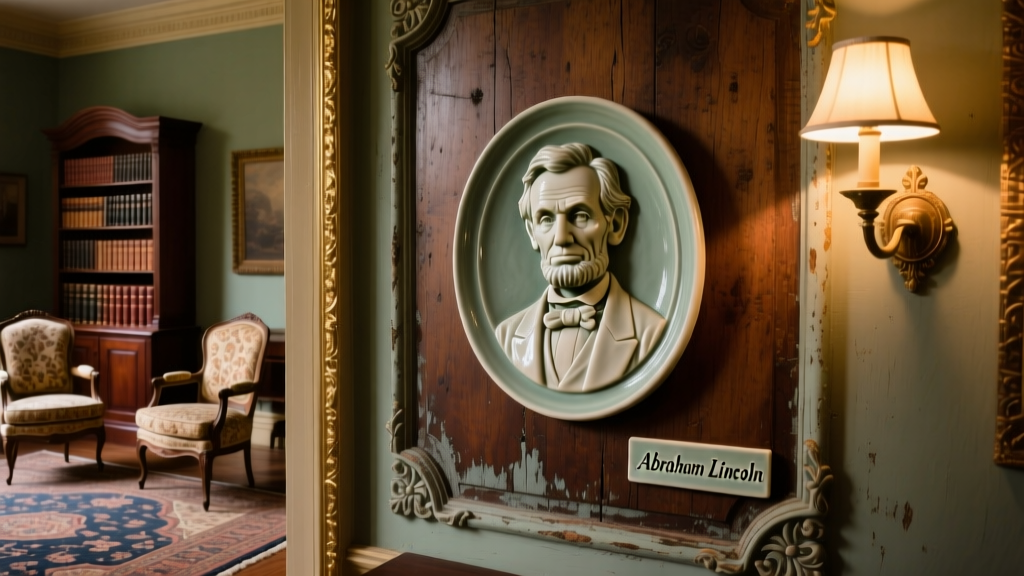
Weller Pottery Lincoln Plaque: Decoding the Greenish-Gray & Cream Back Relief Portrait (4 5/8")
An in-depth appraisal of the Weller Pottery Lincoln relief plaque measuring exactly 4 5/8 inches in diameter, featuring its distinctive greenish-gray glaze, cream-colored reverse, and historical significance among American art pottery collectors.

Nodders Monkey Celluloid: Anatomy, Provenance, and Conservation of a Rare Victorian Automaton Toy
A detailed technical and historical examination of the Nodders Monkey celluloid toy — its manufacturing origins with J. Chevalier & Co., material composition, mechanical operation, surviving examples, and best-practice conservation protocols for collectors and museums.
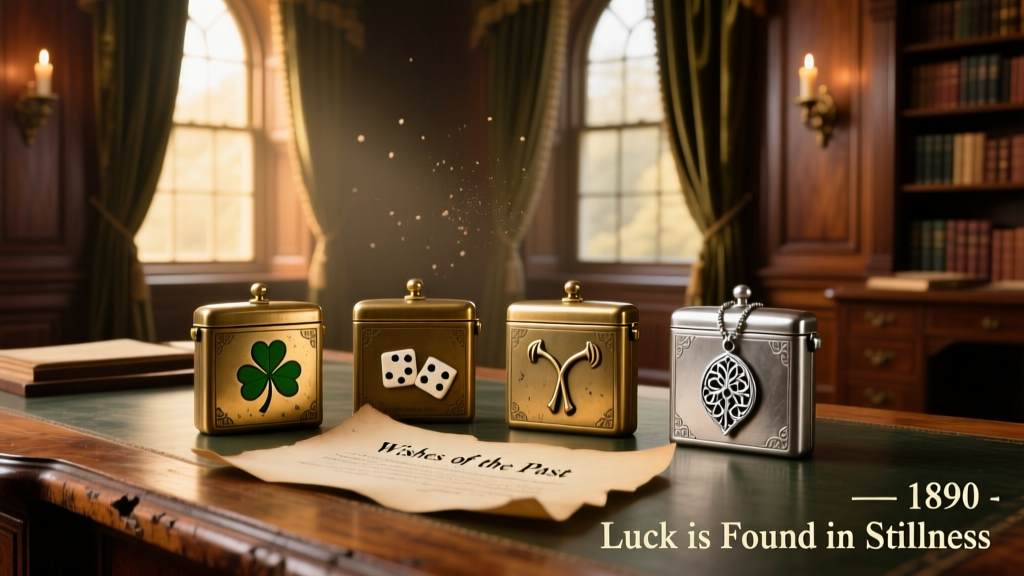
Good Luck, Silver, and Spark: The 1890s Match Safes Featuring Four-Leaf Clovers, Dice, and Wishbones
A detailed examination of late-Victorian silver match safes (1890–1895) adorned with four-leaf clover, dice, and wishbone motifs—focusing on craftsmanship, hallmarking, provenance, and symbolic meaning. Includes measurements, assay office data, maker attributions, and market context.
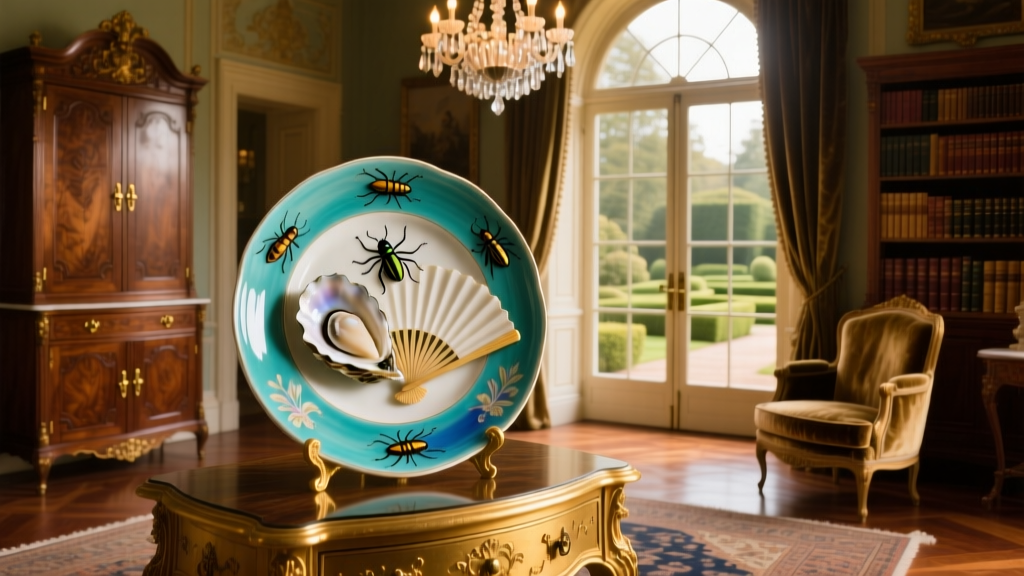
The Majolica Plate 'Oyster, Insect & Fan' by Fielding: A Technical and Historical Analysis
A detailed examination of the rare Fielding Majolica plate featuring oyster, insect, and fan motifs—covering its 1870s production at the Stoke-on-Trent factory, glaze chemistry, mold registration, market provenance, and conservation challenges specific to its zinc-lead glaze formulation and relief modeling.