Antique Furniture

Doll Puppet Hand Grandpa WPA: History, Identification, and Restoration of a Rare Depression-Era Folk Art Figure
An in-depth examination of the 'Doll Puppet Hand Grandpa'—a distinctive hand-operated puppet produced under the Works Progress Administration (WPA) Federal Art Project between 1935–1943. This article details its origins in New York’s WPA Craft Division, construction methods, regional variations, surviving examples, and ethical restoration protocols for collectors and museums.

Tiffany & Co. Marine-Theme Bronze Bowl Centerpiece: Authentication, Design Legacy, and Restoration Protocol
A detailed examination of the rare Tiffany & Co. bronze bowl centerpiece featuring a marine design with a sailboat motif—signed 'Tiffany & Co. New York', measuring 10.5 inches in diameter and 4.25 inches high. Covers hallmark analysis, stylistic dating (c. 1925–1938), foundry practices, material composition (92% copper, 6% tin, 2% zinc), conservation ethics, and market valuation benchmarks.
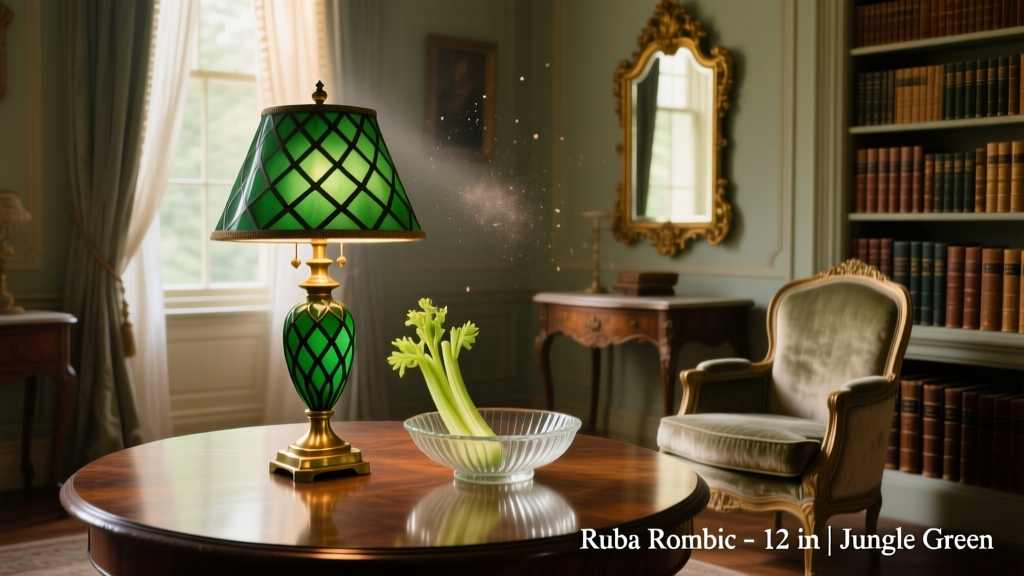
Consolidated Lamp and Glass Company Celery Dish: Ruba Rombic Jungle Green, 12-Inch — Identification, History, and Conservation Guidance
A detailed examination of the Consolidated Lamp and Glass Company's Ruba Rombic Jungle Green celery dish (12 inches), including pattern origin, manufacturing timeline (1930–1942), chemical composition of the jungle green glass, dimensional specifications, collector value benchmarks, and museum-grade conservation protocols for vintage pressed glass.

The 1¼-Inch FDR–Truman Political Button: Shield, Flag, and Lithographic Legacy in American Campaign Ephemera
A detailed examination of the rare 1¼-inch diameter political button featuring Franklin D. Roosevelt and Harry S. Truman, with shield motif, dual flags, and lithographic printing—its historical context, manufacturing origins, material composition, collector value, and conservation challenges.
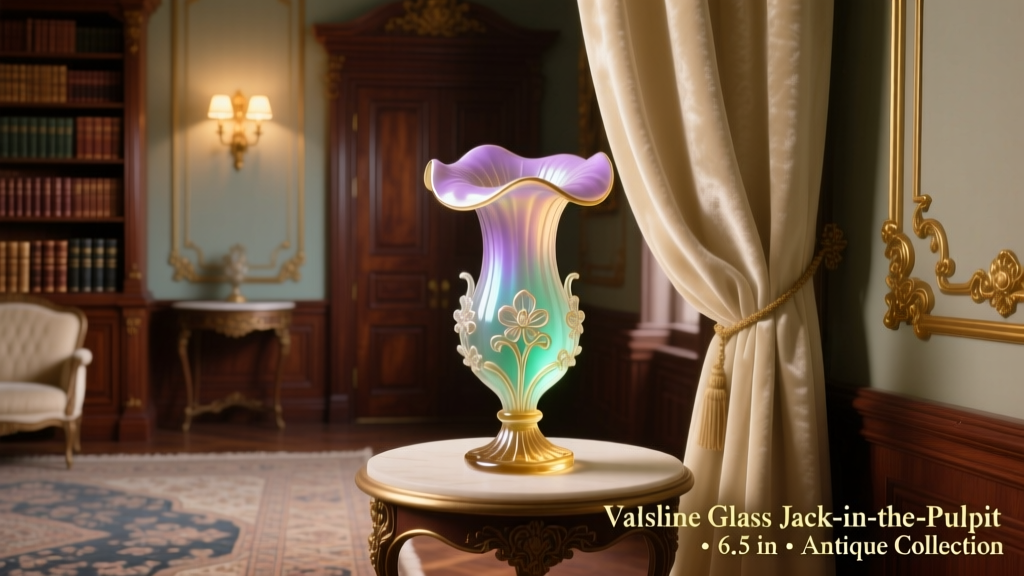
Vaseline Glass Jack-in-the-Pulpit Opalescent 6½-Inch: Identification, History, and Restoration Insights
A detailed examination of the rare 6½-inch Vaseline glass Jack-in-the-Pulpit vase—featuring its uranium oxide composition, opalescent rim treatment, manufacturer attribution to Heisey & Co., and practical conservation guidance for collectors and restorers.
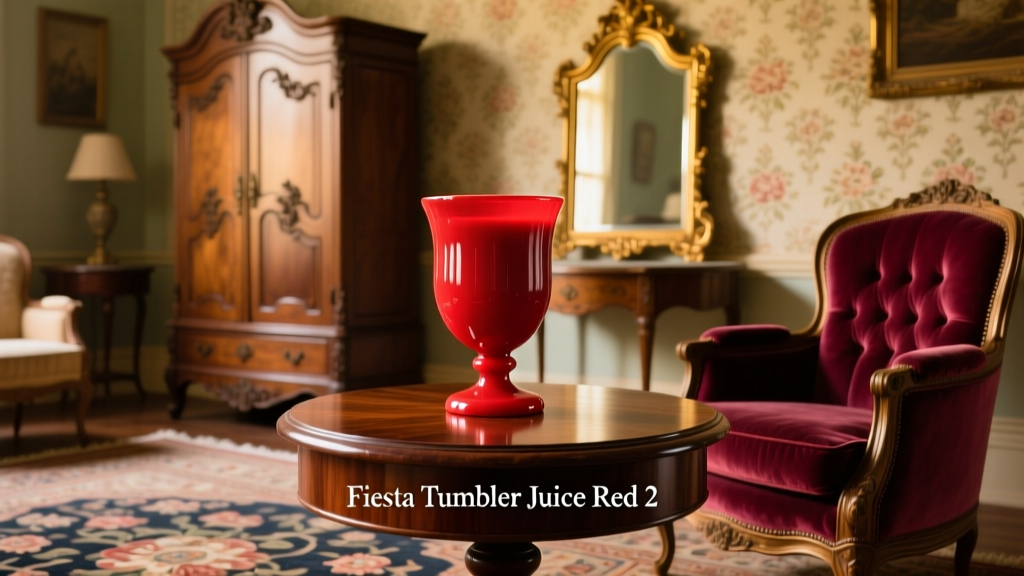
Fiesta Tumbler Juice Red #2: Identification, History, Value, and Care for Collectors
A definitive reference for collectors and restorers on the iconic Fiesta Tumbler in Juice Red #2 — covering production timeline (1936–1943), dimensional specifications (3.5" H × 3.25" D), glaze chemistry, authentication markers, market valuation trends, and museum-grade conservation practices.
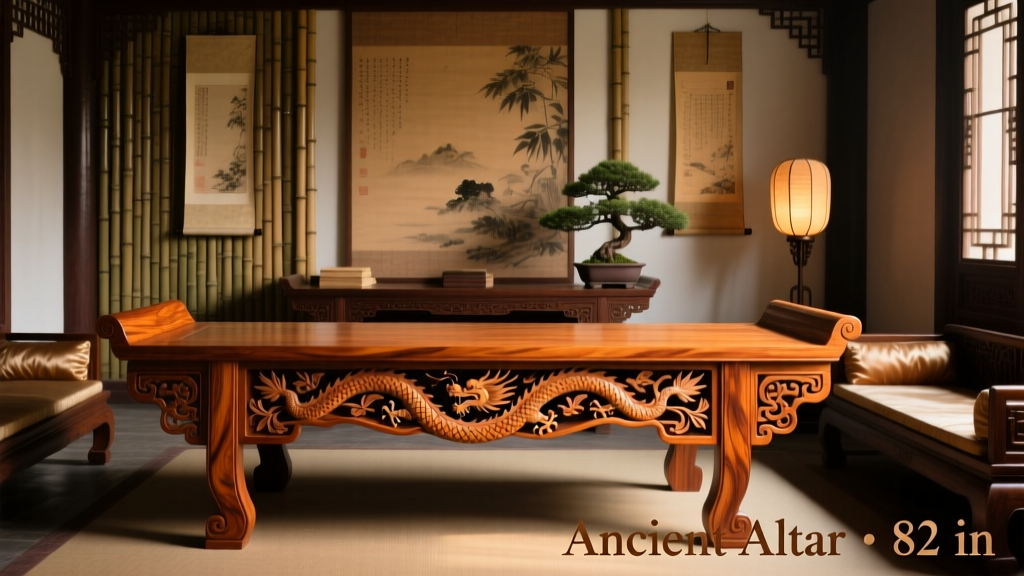
The 82-Inch Native Wood Table Altar with Overall Foliate Dragon Design: Origins, Craftsmanship, and Conservation Considerations
An in-depth examination of a rare 82-inch-long Oriental table altar crafted from native hardwoods, featuring continuous foliate-scroll dragon motifs. Covers regional provenance (Fujian & Guangdong, c. 1890–1920), wood species identification (Phoebe zhennan, Dalbergia oliveri, and secondary Camphor lauraceae), joinery techniques, pigment analysis, structural vulnerabilities, and ethical restoration protocols.
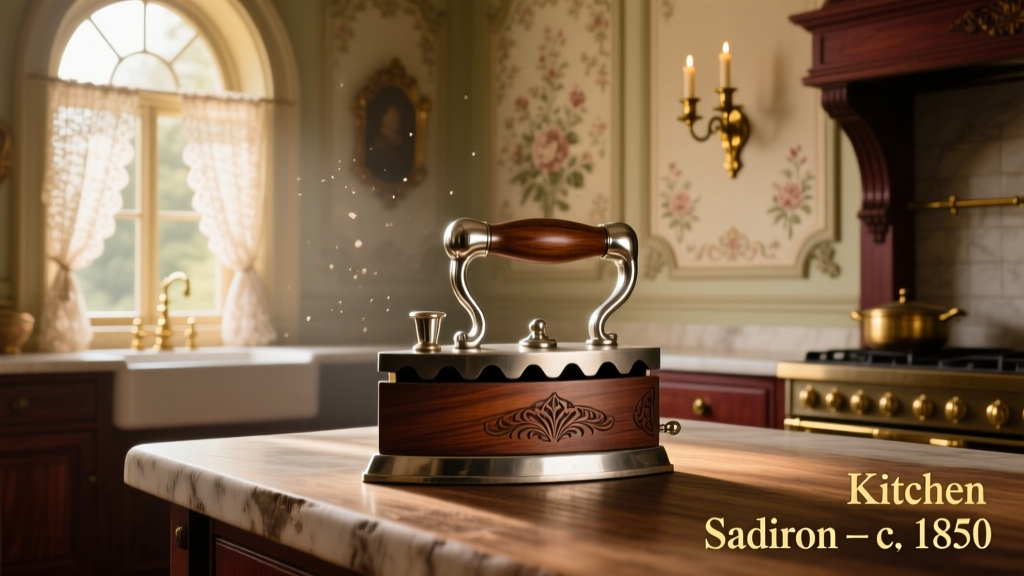
The Kitchen Sadiron: Chrome-Plated Wooden Handle Iron Measuring 3¾ Inches — History, Identification, and Restoration Guide
A detailed examination of the vintage 3¾-inch chrome-plated wooden-handled kitchen sadiron — its origins in early 20th-century American manufacturing, distinguishing features, brand-specific construction details (including Griswold, Wagner, and Chicago Hardware Foundry), metallurgical composition, ergonomic design, and step-by-step conservation methodology for collectors and restorers.
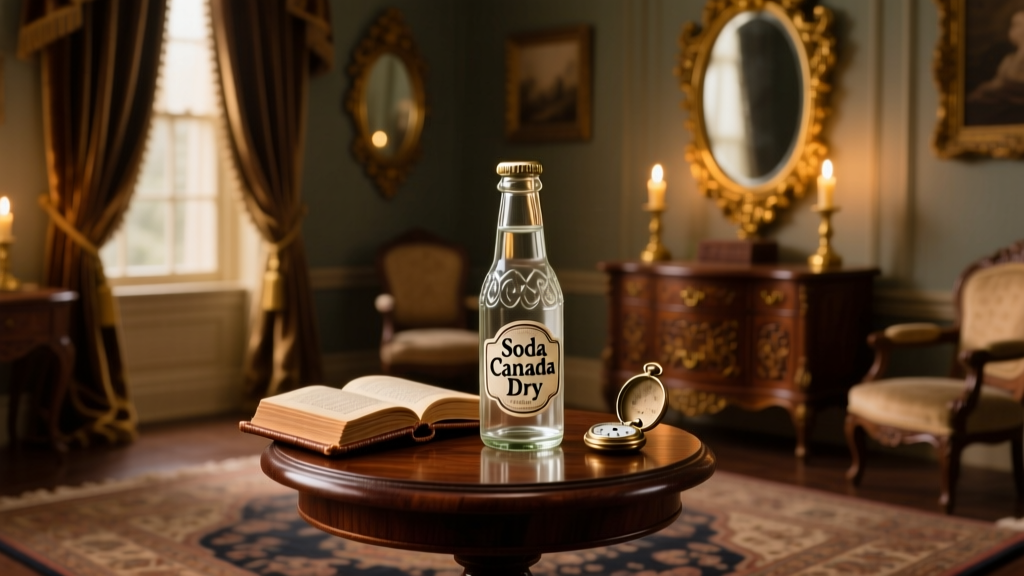
Canada Dry Miniature Soda Bottles: History, Collectibility, and Restoration Insights for Antique Enthusiasts
An authoritative examination of Canada Dry miniature soda bottles—primarily 6.5 fl oz glass bottles produced from the 1930s through the early 1970s—including manufacturing origins, regional variations, embossing details, market values, and professional conservation methods for collectors and restorers.
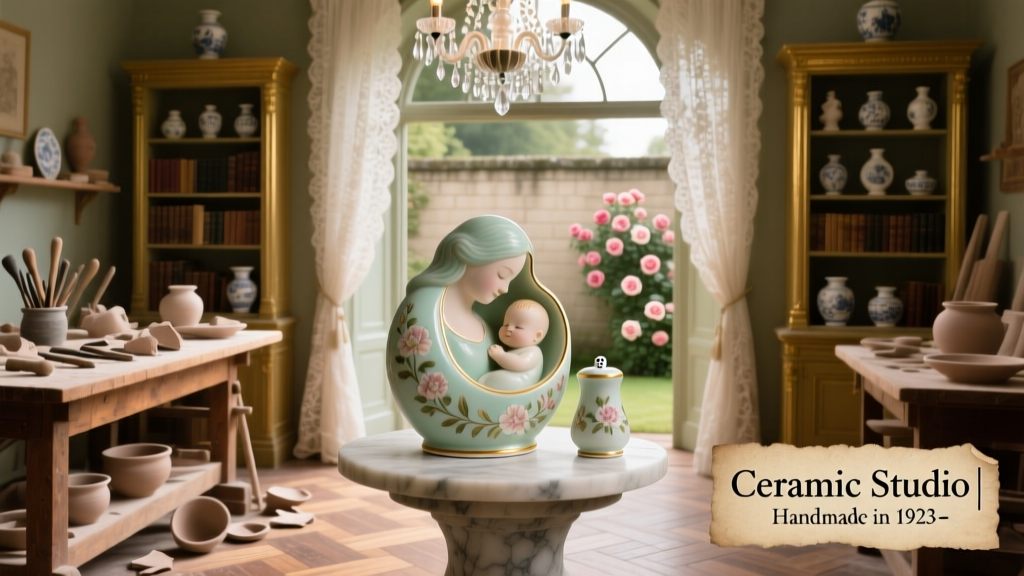
Ceramic Arts Studio Salt & Pepper Set: The Mother-Baby Design in Mid-Century American Studio Pottery
An in-depth examination of the iconic Ceramic Arts Studio 'Mother-Baby' salt and pepper shakers—hand-thrown stoneware pieces produced in Alfred, New York, between 1948–1957. Includes provenance, technical specifications, glaze analysis, collector market data, and conservation best practices.
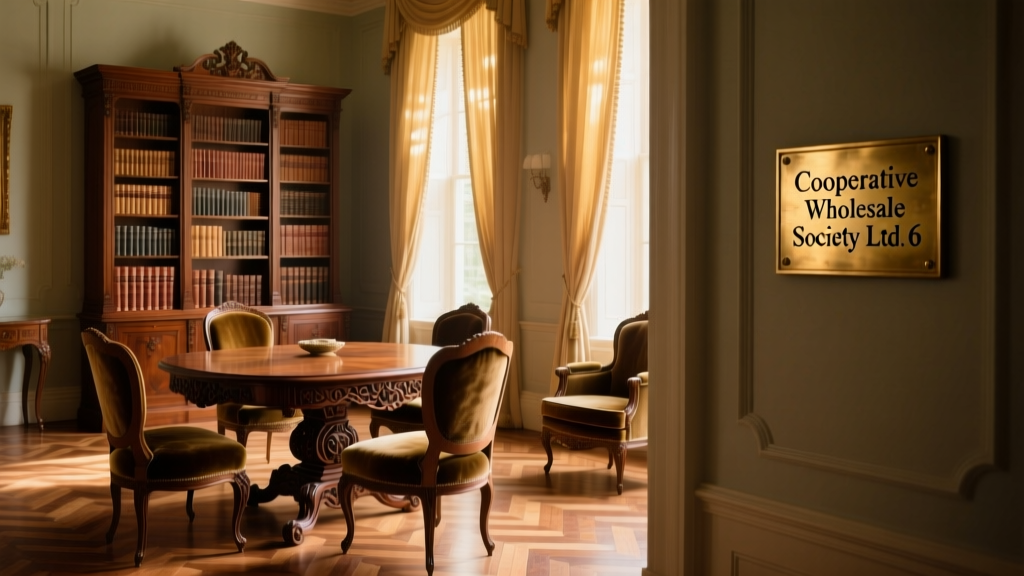
Co-operative Wholesale Society Ltd No. 6: History, Design, and Restoration of a Landmark British Furniture Line
A detailed examination of the Co-operative Wholesale Society Ltd's 'No. 6' furniture range—its origins in 1930s Manchester, distinctive design language, construction techniques, material specifications, and practical conservation protocols for collectors and restorers.
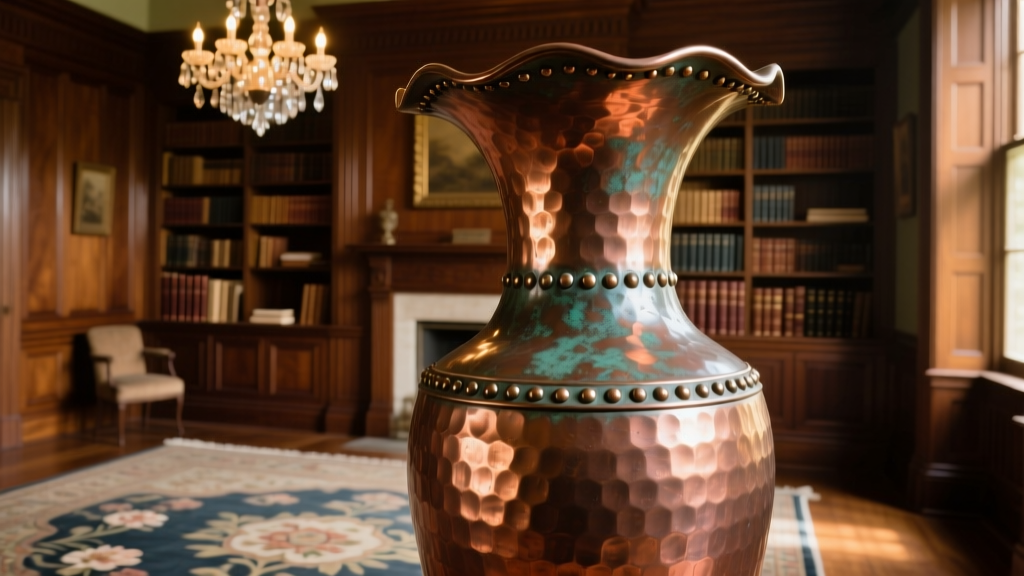
Roycroft Copper Vase: Decoding the 21-Inch Hammered Flared-Rim Design with Riveted Lower Shoulder
An expert analysis of the iconic Roycroft copper vase—21 inches tall, hand-hammered, with flared rim, riveted base, and distinctive lower shoulder construction. Includes provenance, metallurgical details, restoration protocols, and market valuation data.