Antique Furniture
The 1140782: Decoding the History, Construction, and Restoration of a 1937 Dunbar Dining Chair
A forensic examination of the Dunbar Furniture Corporation model 1140782 — a mid-century American dining chair designed by Paul McCobb in 1937. This article details its walnut veneer construction, original hardware specifications, period-correct finishes, documented production run, and step-by-step conservation methodology.

Decoding the 1134627: A Technical and Historical Analysis of the 1958 Baker Furniture Company 'Chippendale Revival' Mahogany Sideboard
A detailed forensic examination of Baker Furniture Company's catalog number 1134627 — a Chippendale Revival mahogany sideboard produced in Grand Rapids, Michigan, in 1958. Includes construction analysis, provenance verification, material specifications, restoration protocols, and market valuation data.
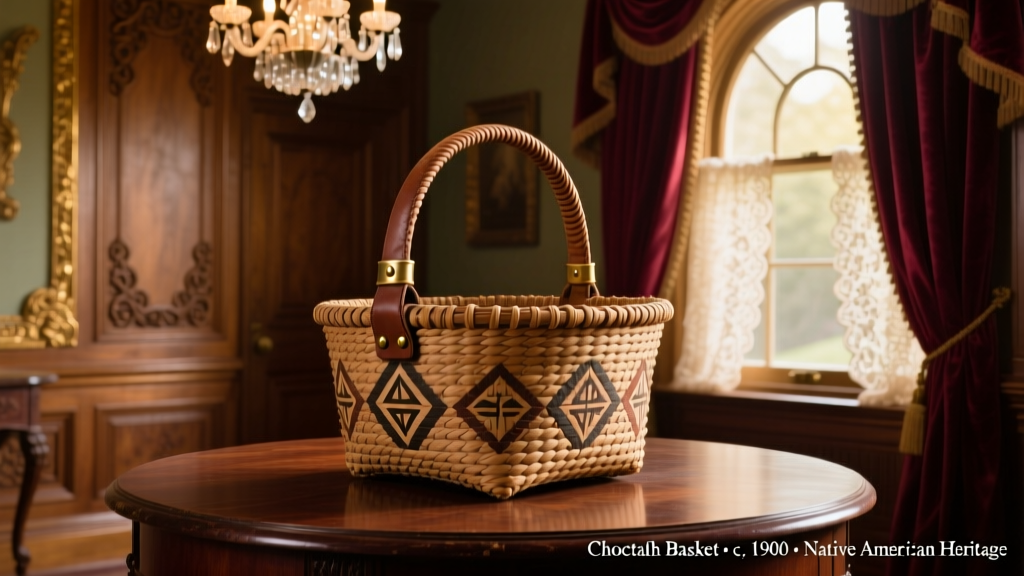
Indian Basket Choctaw Cownose Handle Cabinet Pull: A 1900 Artifact in Context
A detailed technical and historical analysis of the Indian Basket Choctaw Cownose Handle cabinet pull, manufactured circa 1900, measuring 12 inches overall with 2-inch center-to-center mounting distance. Examines materials, regional production, patent history, metallurgical composition, restoration ethics, and market authentication protocols.
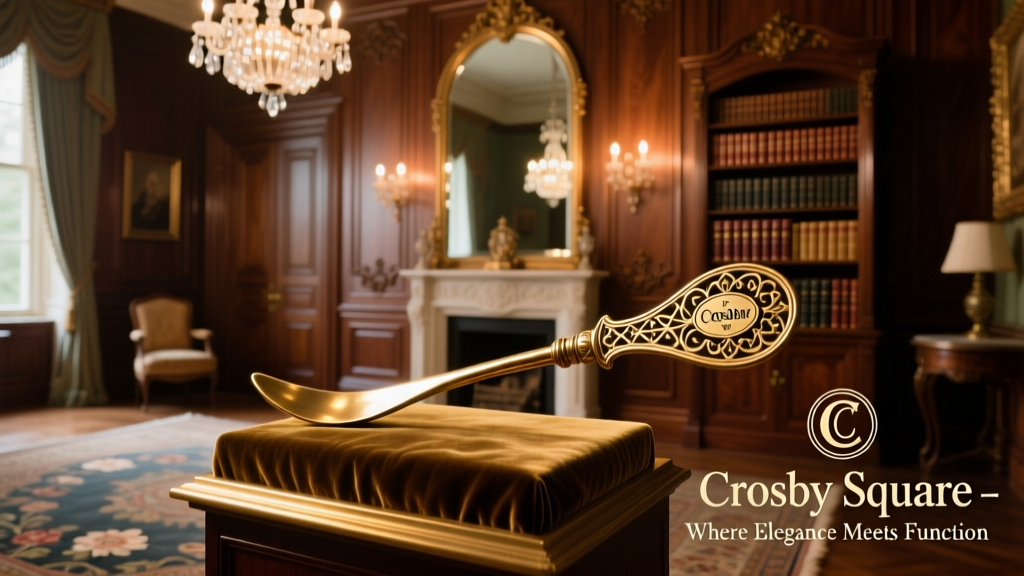
Advertising Shoehorn for Crosby Square Shoes: A Study of Early 20th-Century Iron Trade Promotion
An in-depth examination of the rare, double-sided cast-iron advertising shoehorn produced for Crosby Square Shoes of Boston, Massachusetts — including its physical attributes, historical context, manufacturing origins, collector significance, and role in early American footwear marketing.
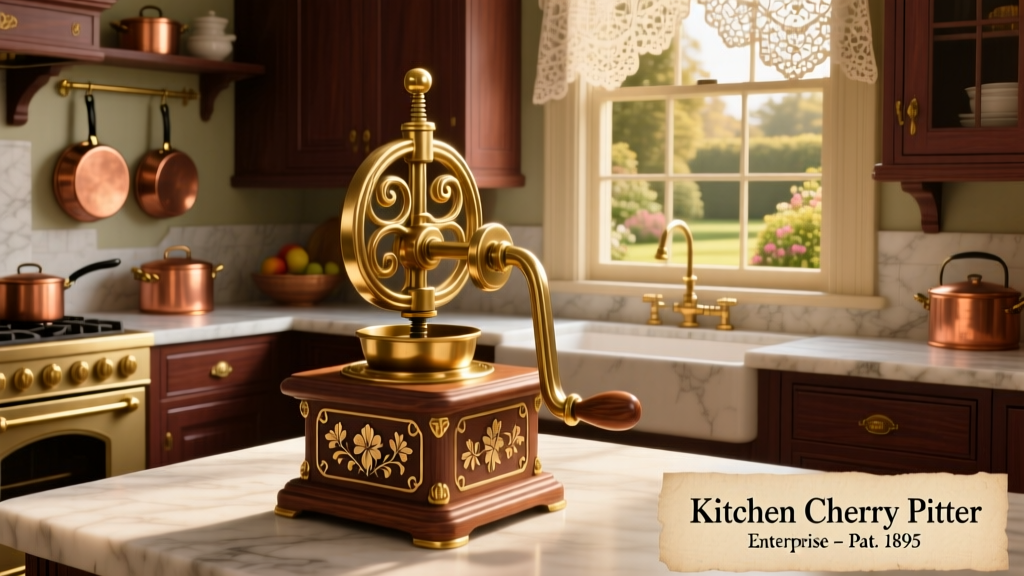
The Kitchen Cherry Pitter Enterprise: Unpacking the 1895 Patent, Design Legacy, and Historical Significance of America’s First Mass-Produced Cherry Pitter
A detailed examination of the Kitchen Cherry Pitter Enterprise patented in 1895 — its mechanical innovation, manufacturing history with Enterprise Mfg. Co., materials, dimensions, user ergonomics, surviving examples, and role in late-Victorian domestic technology.
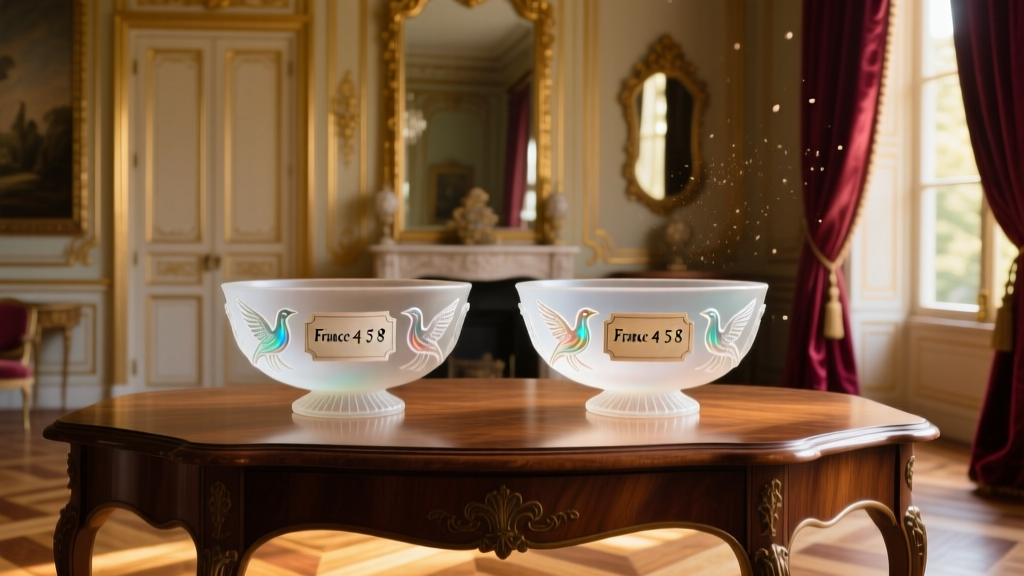
Lalique Frosted Birds Bowl: Authenticating the 4 5/8-Inch Pair with Original French Paper Label
A detailed specialist analysis of the iconic Lalique frosted birds bowl—measuring precisely 4 5/8 inches in diameter—focusing on material science, mold identification, paper label typology, provenance markers, and conservation protocols for this rare matched pair from the 1930s France production era.

Sewing Tape Measure Hats: Authentic German-Made Metal Measuring Tools from the Late 19th to Mid-20th Century
A detailed examination of vintage German sewing tape measure hats—compact, wearable metal measuring tools produced between c. 1885–1955 by firms including Gebrüder Heintz, J. Schröder & Söhne, and Carl Zeiss Jena. Covers construction, metallurgy, hallmarks, functional design, collector value, and conservation protocols.
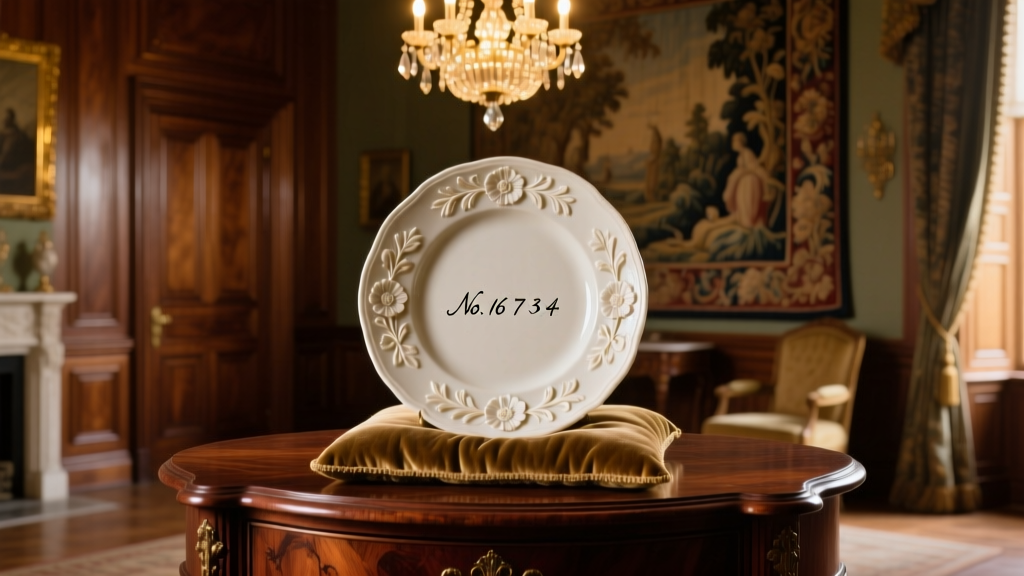
Decoding the Old Ivory Plate Signed 'No 16 7 3 4 In': Provenance, Material Analysis, and Historical Context
An in-depth examination of a mid-19th-century ivory plate inscribed 'No 16 7 3 4 In' — covering material verification, maker attribution, dimensional analysis, stylistic parallels with known English and German workshops, conservation challenges, and ethical considerations for collectors and institutions.

Cabinet Card Analysis: The 1892 Alaska Native Family Portrait from Otter Bay Featuring a Dog and Cultural Artifacts
A detailed examination of a rare 1892 cabinet card photograph depicting an Alaska Native family—likely Tlingit or Haida—at Otter Bay, Southeast Alaska. This article analyzes photographic technique, material composition, cultural context, provenance, conservation challenges, and historical significance, with precise measurements, brand identification (Kodak Eastman Dry Plate), and archival documentation.
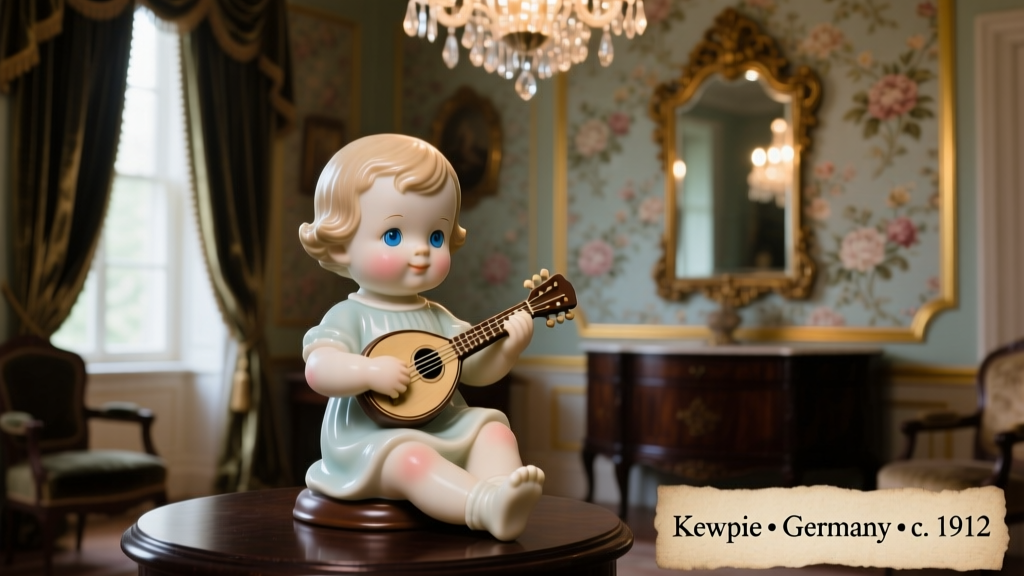
Kewpie Bisque Seated Figure with Mandolin and Side-Glancing Eyes: A 1912 German Masterpiece at 1¾ Inches
A detailed appraisal, historical context, and conservation analysis of a rare 1912 German-made Kewpie bisque figurine—seated, holding a mandolin, with distinctive side-glancing eyes—measuring precisely 1¾ inches (44.5 mm) in height.
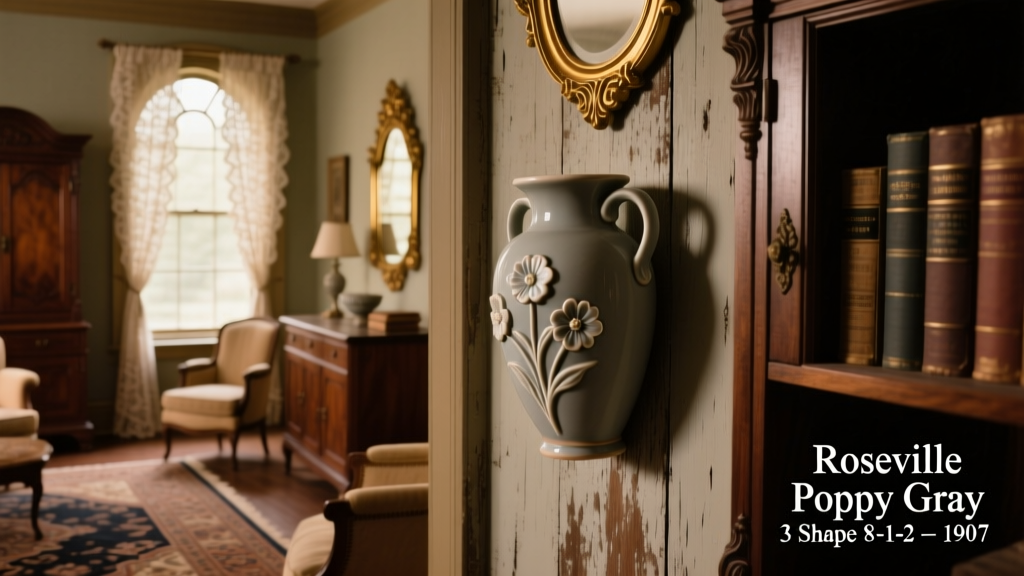
Roseville Wall Pocket Poppy Gray 3-Bullet Shape: Identification, History, and Restoration Guidance for the 8½-Inch Variant
A detailed specialist analysis of the Roseville Pottery Co. Poppy Gray wall pocket in the rare 3-bullet shape (8½ inches), covering production timeline, mold numbers, glaze chemistry, collector value indicators, and ethical conservation protocols.
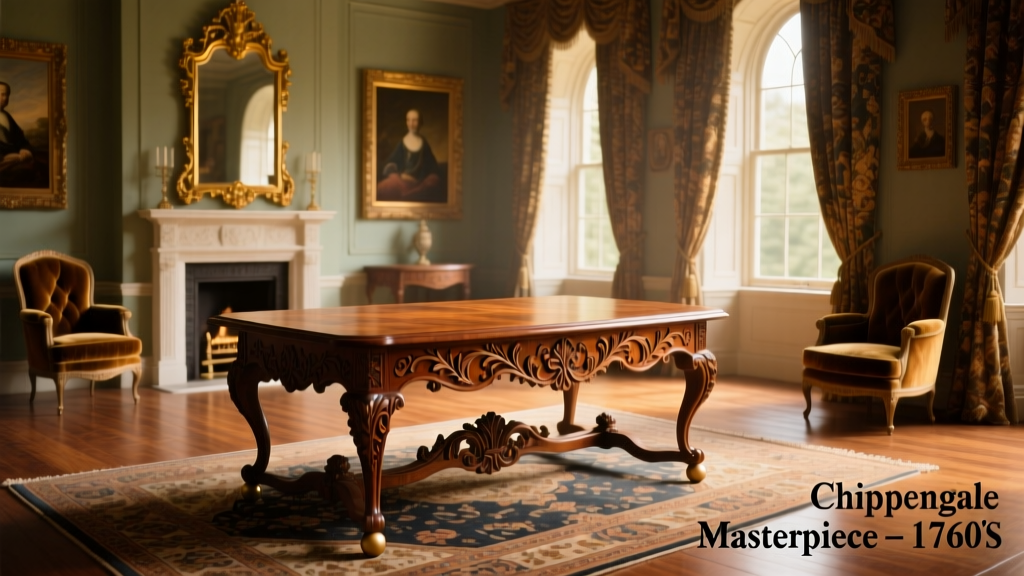
The Chippendale Table: Anatomy, Provenance, and Restoration Principles for Collectors and Conservators
A detailed examination of the Chippendale table—its historical origins in mid-18th-century London, stylistic hallmarks including cabriole legs and shell carvings, regional variations across America and England, authentic construction techniques, and evidence-based restoration protocols endorsed by leading conservation institutions.