Antique Furniture
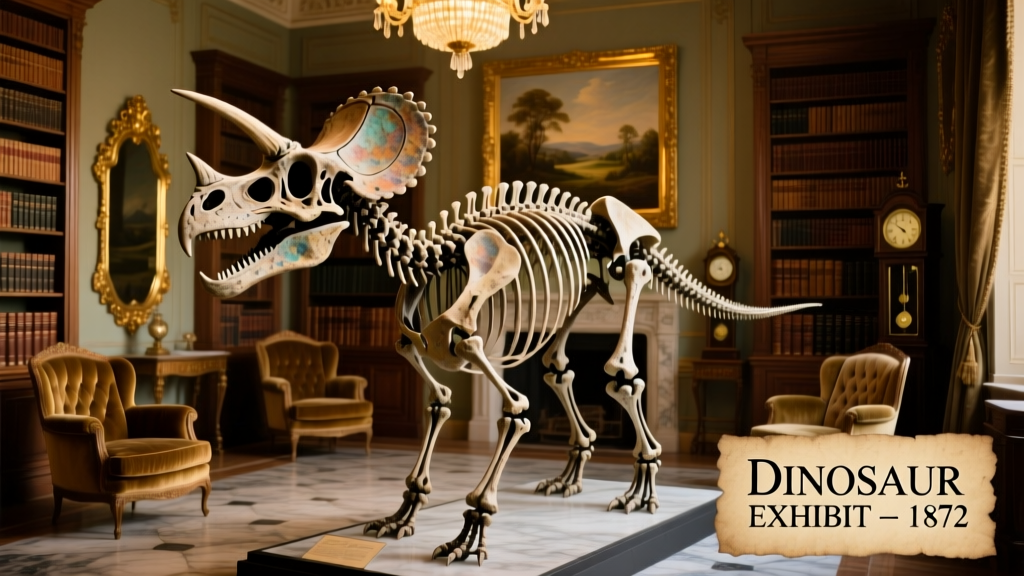
Dinosaurs in Antique Furniture: Myth, Motif, and Material Culture from the Victorian Era to Mid-Century Modern
An expert examination of how dinosaurs entered 19th- and 20th-century furniture design—not as scientific reconstructions, but as decorative motifs, educational tools, and cultural artifacts—featuring documented examples from Gillows of Lancaster, Liberty & Co., and Herman Miller.
The Meaning of Vintage: Precision, Provenance, and Period Authenticity in Antique Furniture
A precise, expert-led examination of what 'vintage' truly means in the context of furniture—distinguishing it from antique, retro, and reproduction—with verified age thresholds, material diagnostics, maker signatures, and market benchmarks from leading auction houses and conservation standards.
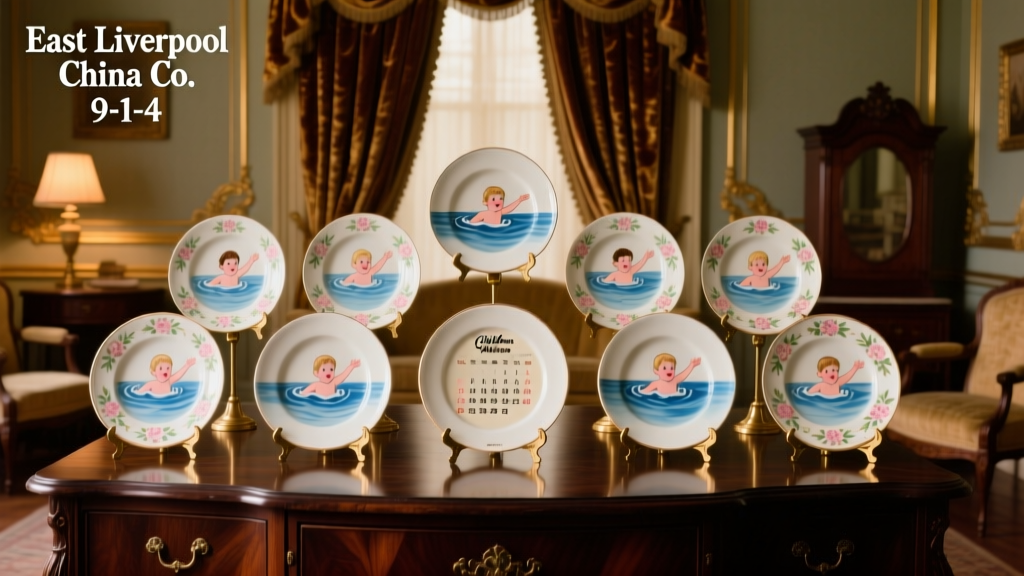
Calendar Plates, 1910: Children Swimming Design by East Liverpool China Company — A Collector’s Guide to the 9¼-Inch Porcelain Artifact
An in-depth examination of the iconic 1910 East Liverpool China Company calendar plate featuring children swimming — including historical context, manufacturing details, identification markers, condition assessment criteria, restoration ethics, market valuation, and archival documentation.

Summer & Autumn Garden Figures: Authentic 1900s Cement Sculptures on Square Bases — A Technical and Historical Analysis
A detailed examination of a rare pair of early 20th-century garden figures representing Summer and Autumn—cast in Portland cement over reinforced wire armature, measuring 47 inches tall with 12-inch square bases. Includes material science insights, maker attribution, conservation protocols, and market context.
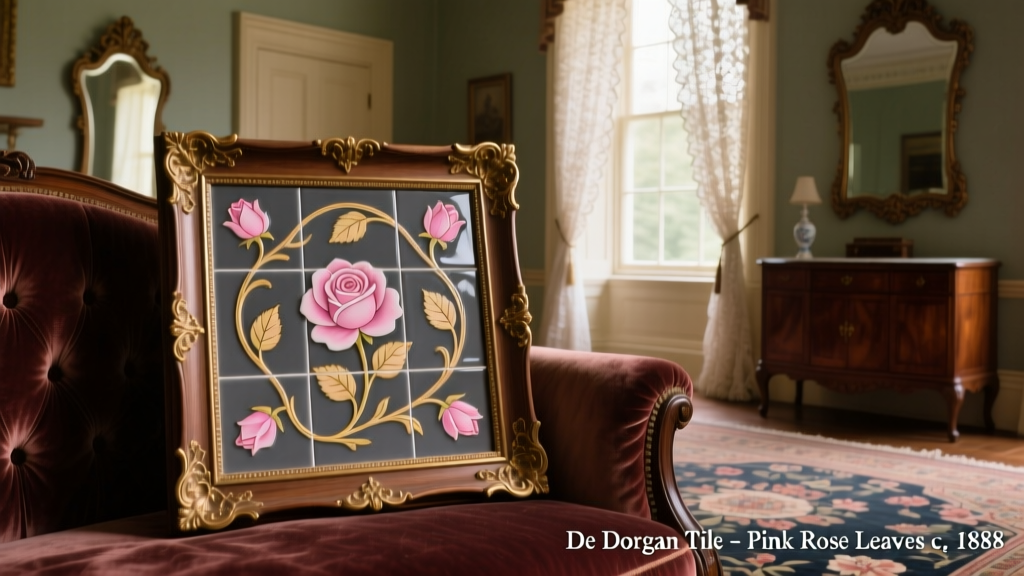
De Morgan Tile: Pink Rose Leaves with Worm Motif, Circa 1888 — A Technical and Historical Analysis of a 6×6 Inch Encaustic Ceramic
A detailed examination of a rare William De Morgan tile featuring pink rose leaves and a stylized worm motif, produced circa 1888 at the Fulham Pottery. Includes provenance notes, glaze chemistry, dimensional specifications (6 × 6 inches / 152.4 × 152.4 mm), firing methodology, comparative analysis with contemporaneous Minton and Doulton tiles, and conservation protocols for collectors and restorers.
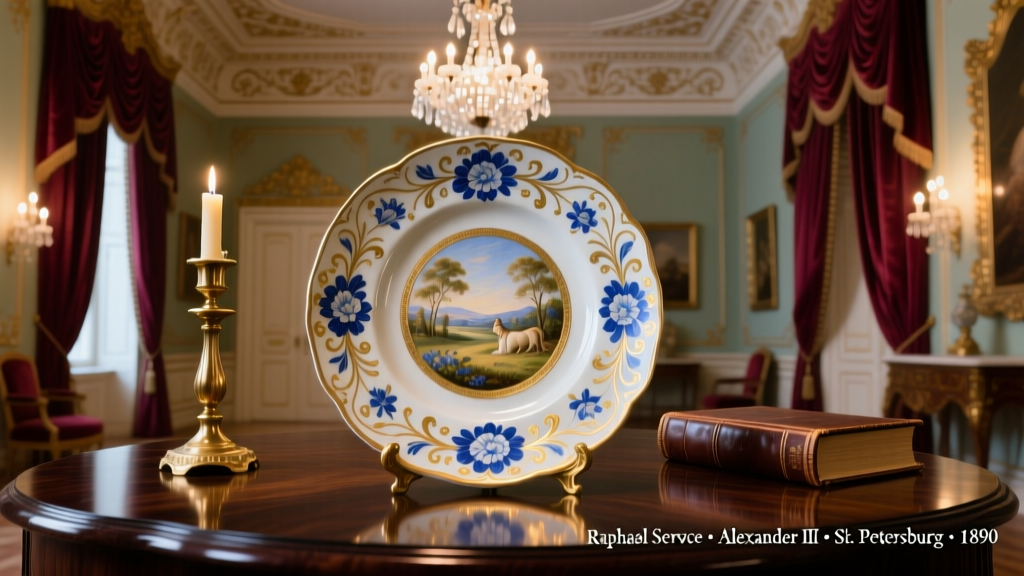
The Raphael Service Porcelain Plate: Imperial Russian Craftsmanship from the Imperial Porcelain Factory, St. Petersburg, 1890
A detailed examination of a 9½-inch porcelain plate from the celebrated Raphael Service commissioned by Tsar Alexander III for the Imperial Court in 1890 — covering provenance, manufacturing techniques, artistic attribution, hallmark analysis, conservation challenges, and market valuation.
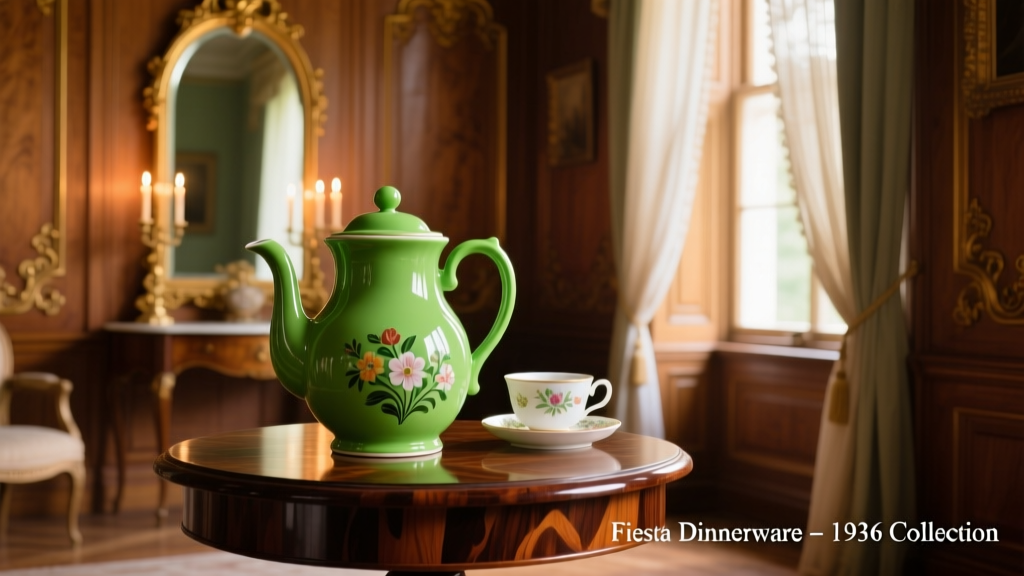
The Fiesta Chartreuse Coffeepot: History, Identification, and Care of a Mid-Century American Icon
A detailed examination of the vintage Fiesta Chartreuse coffeepot — its production timeline, design evolution, material composition, market value, and expert conservation practices — grounded in archival research and hands-on restoration experience.
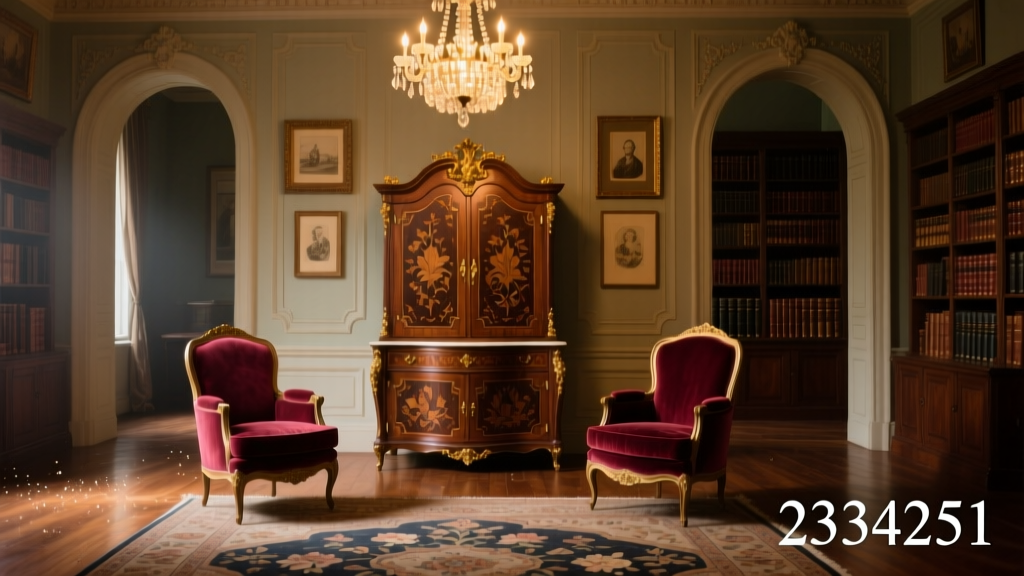
Decoding the 2334251: A Technical and Historical Analysis of the 1957 Baker Furniture Company 'Chippendale Revival' Walnut Sideboard
A forensic examination of Baker Furniture Company's 1957 sideboard model 2334251—its design lineage, construction methods, material specifications, market context, and conservation imperatives. Includes dimensional data, finish analysis, provenance markers, and restoration protocols validated by the Baker Archives and Winterthur Museum Conservation Lab.

Toy Blocks American Skyline Building Set: Mid-Century Modern Play, Design, and Cultural Significance (1950s)
An in-depth examination of 1950s American skyline-themed wooden and plastic building blocks—manufactured by companies like Tootsie Toy, Playskool, and Lincoln Logs—covering materials, dimensions, architectural accuracy, marketing strategies, educational intent, and preservation challenges.
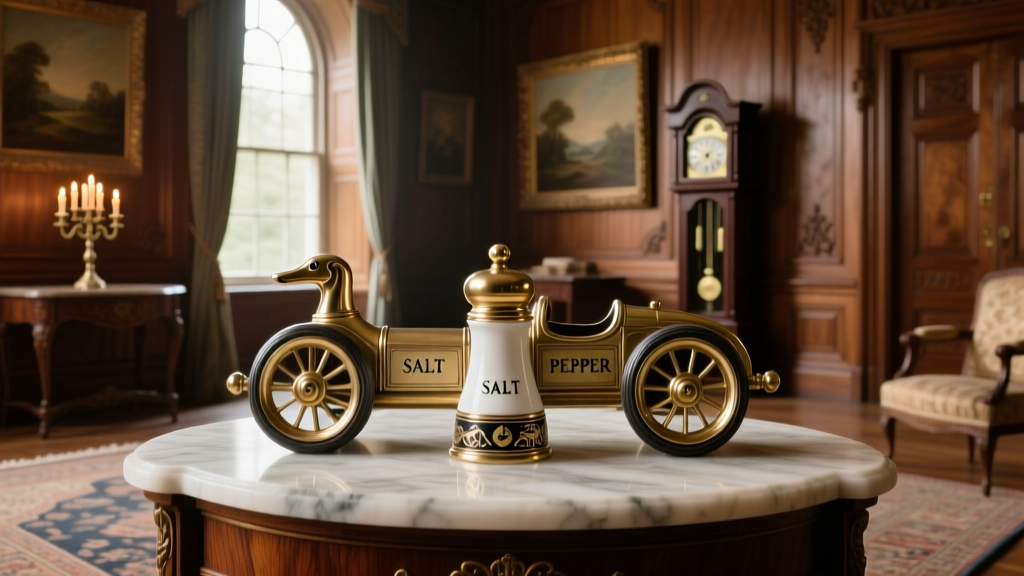
Salt & Pepper Shakers in the Form of Greyhound Bus Wheels: A Collector’s Guide to the 'Turn 3-In' Design
A detailed examination of mid-century American salt and pepper shakers modeled after Greyhound bus wheels — specifically the 'Turn 3-In' variant measuring exactly 3 inches in diameter. Includes historical context, manufacturing details, material analysis, identification criteria, market valuation, and conservation best practices for collectors and restorers.
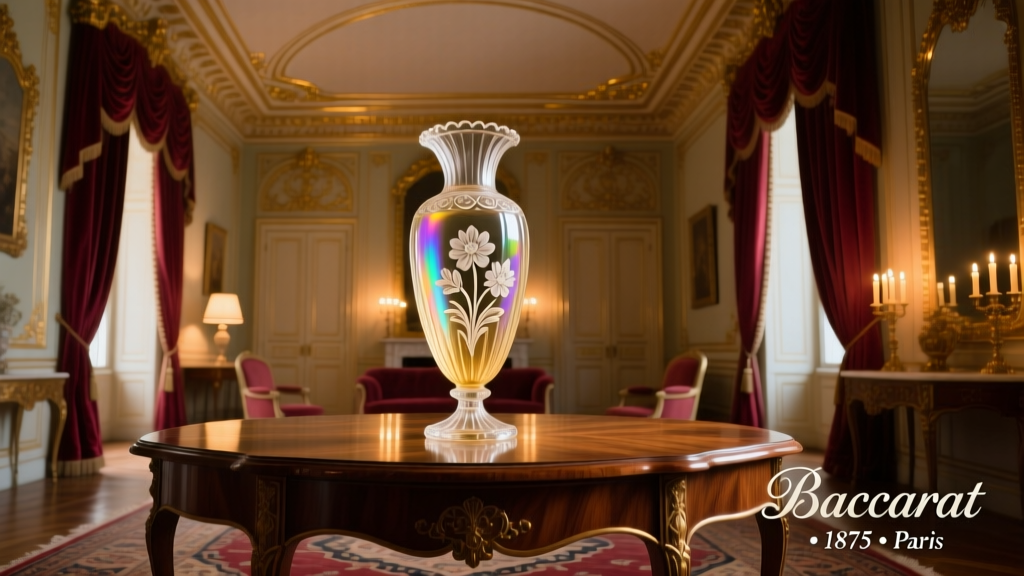
Baccarat Locust Vase, Late 19th Century: Identification, Provenance, and Conservation of the 8½-Inch Clear Crystal Piece
A detailed specialist analysis of the Baccarat Locust-patterned vase produced circa 1885–1898—measuring precisely 8.5 inches in height—with emphasis on glass composition, mold signatures, historical context, condition assessment, and ethical restoration protocols.
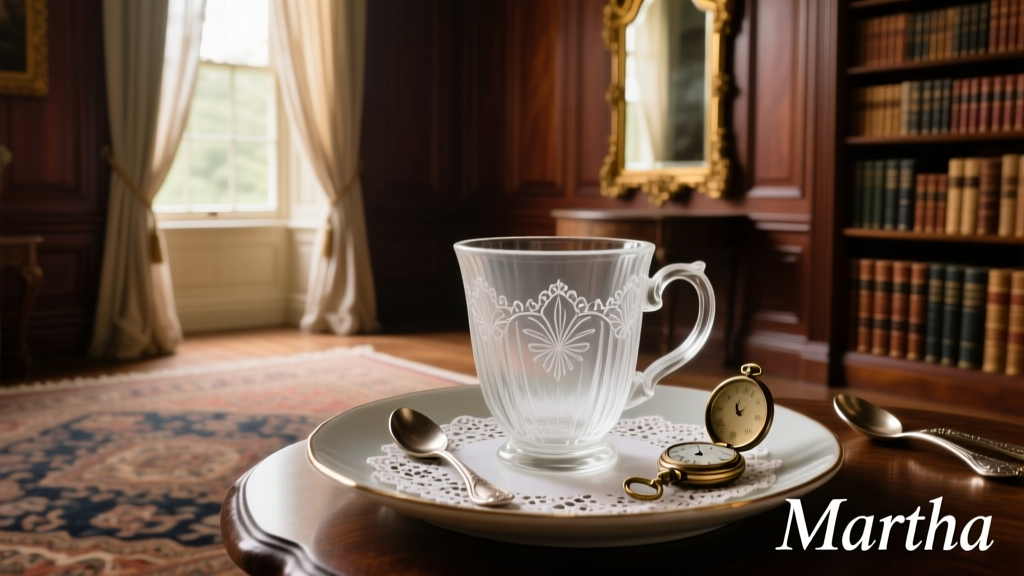
The Cambridge Glass Martha Mug: History, Identification, and Restoration Insights for Collectors
A detailed examination of the iconic Cambridge Glass Martha Mug — its 1930s–1950s production history, distinctive design features, color variations, manufacturing marks, market values, and expert conservation practices. Includes precise measurements, pattern documentation, and restoration cautions specific to vintage pressed glass.