Antique Furniture

Political Bumper Sticker Johnson Humphrey: Collecting, Authenticating, and Preserving a 1964 Campaign Artifact
A detailed examination of original 1964 Johnson–Humphrey bumper stickers — their materials, production methods, regional distribution, market value, conservation challenges, and role in mid-century American political material culture.
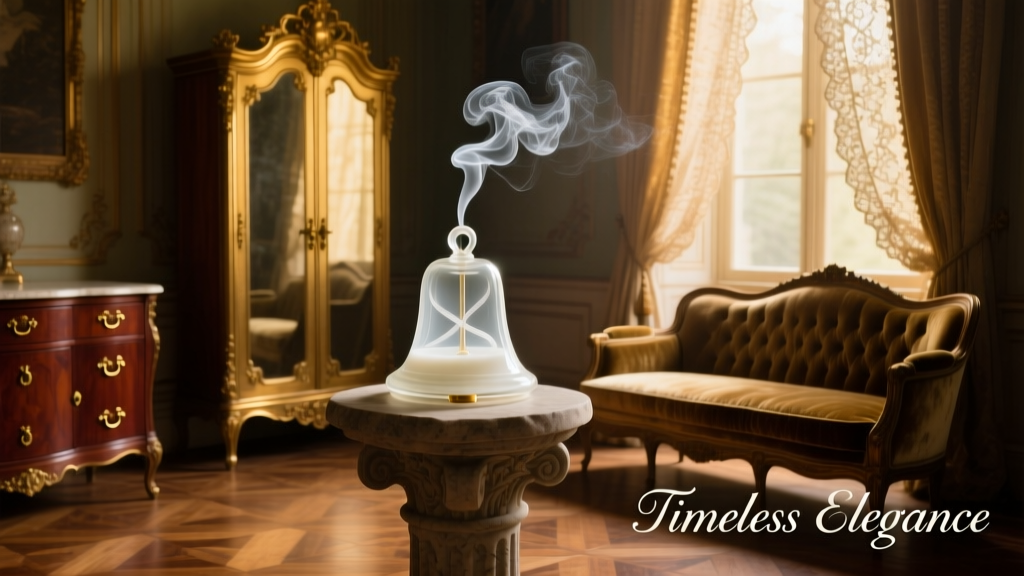
Milk Glass Bell Smoke: History, Identification, and Restoration of a Victorian Lighting Icon
A detailed examination of the Milk Glass Bell Smoke—its origins in mid-19th-century American gas lighting, distinguishing features like opaline glass composition and brass hardware, manufacturer markings (including Bradley & Hubbard, Scoville, and J. H. C. Hinkley), dimensional standards (5⅞″ to 7¼″ diameter bells, 4¾″ to 6″ height), and ethical restoration protocols for collectors and conservators.
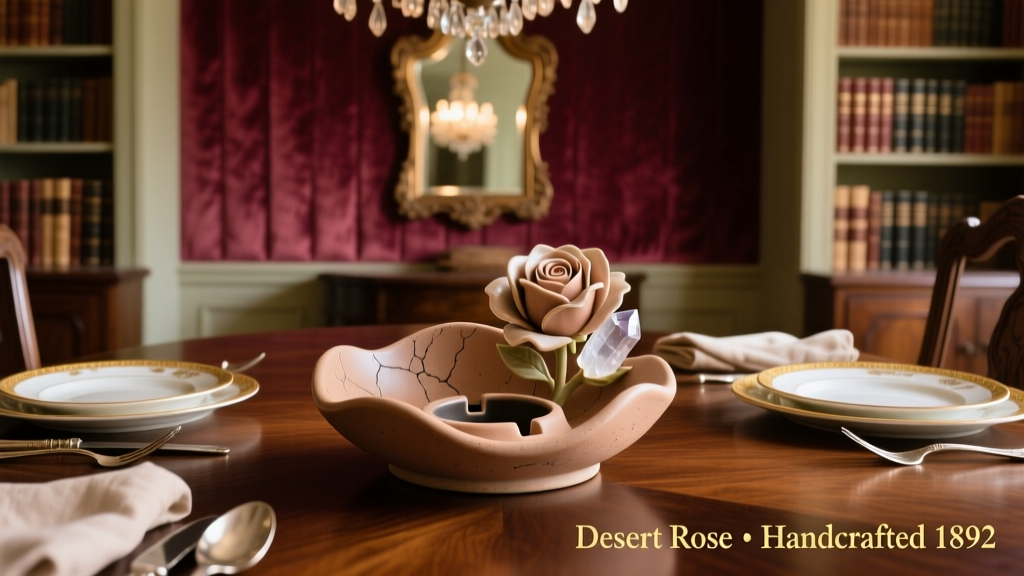
Desert Rose Ashtray: A Collector’s Guide to the Iconic Individual Dinnerware Piece
A detailed, historically grounded examination of the Desert Rose ashtray—its origins with Rosenthal and Franciscan, production timeline (1950–1984), identifying marks, material composition, market value trends, and conservation best practices for collectors and restorers.
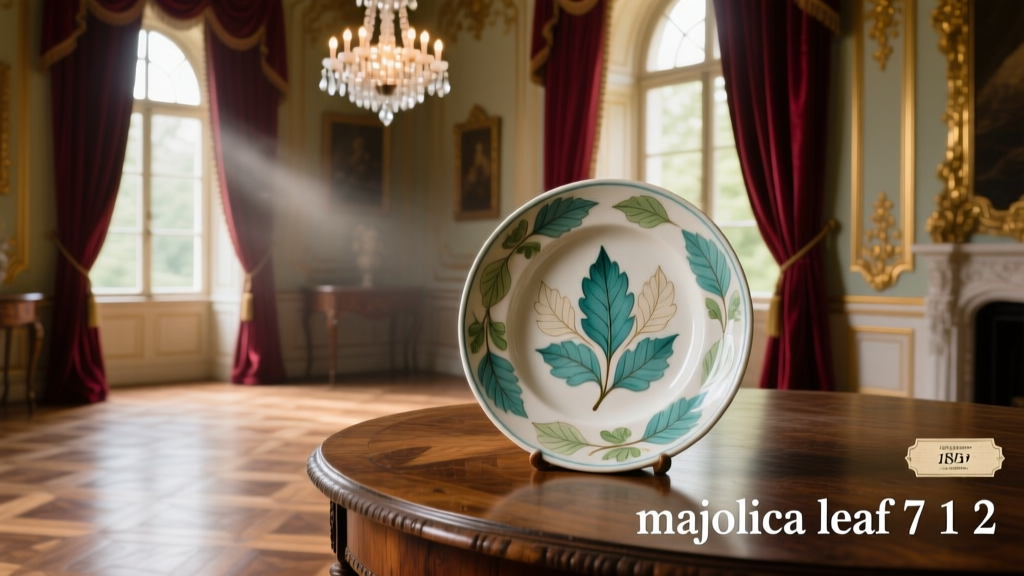
Majolica Dish Leaf 7½ Inches: History, Identification, and Conservation of a Victorian Ceramic Masterpiece
A detailed examination of the iconic Majolica leaf-shaped dish measuring exactly 7½ inches in length—covering its 19th-century origins, Minton and Wedgwood production, glaze chemistry, hallmarking practices, structural vulnerabilities, and ethical restoration protocols for collectors and curators.

Appraisals By Tanya: Precision, Provenance, and Preservation in Antique Furniture Valuation
Appraisals By Tanya delivers authoritative, IRS-compliant antique furniture valuations with forensic-level attention to construction, provenance, and market dynamics. Serving collectors, insurers, estates, and museums since 2008, Tanya K. Rinaldi combines 27 years of hands-on conservation experience with rigorous documentation standards—including wood species analysis, toolmark forensics, and auction benchmarking against Christie’s, Sotheby’s, and Skinner results.
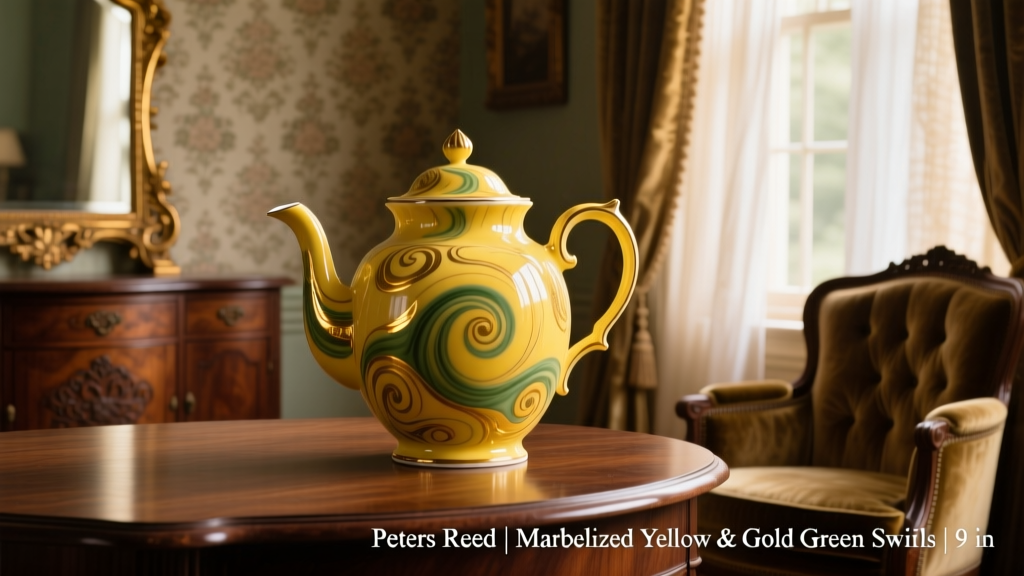
Peters Reed Teapot: Marbled Yellow Body with Gold-Green Swirls — A 1930s American Art Deco Masterpiece
An in-depth appraisal of the Peters Reed 'Marbelized Yellow' teapot (9 inches tall), produced circa 1934–1938 in Trenton, New Jersey. Examines its distinctive marbled ceramic body, hand-applied gold and green enamel swirls, structural integrity, hallmark authenticity, market value trends, and professional restoration protocols.
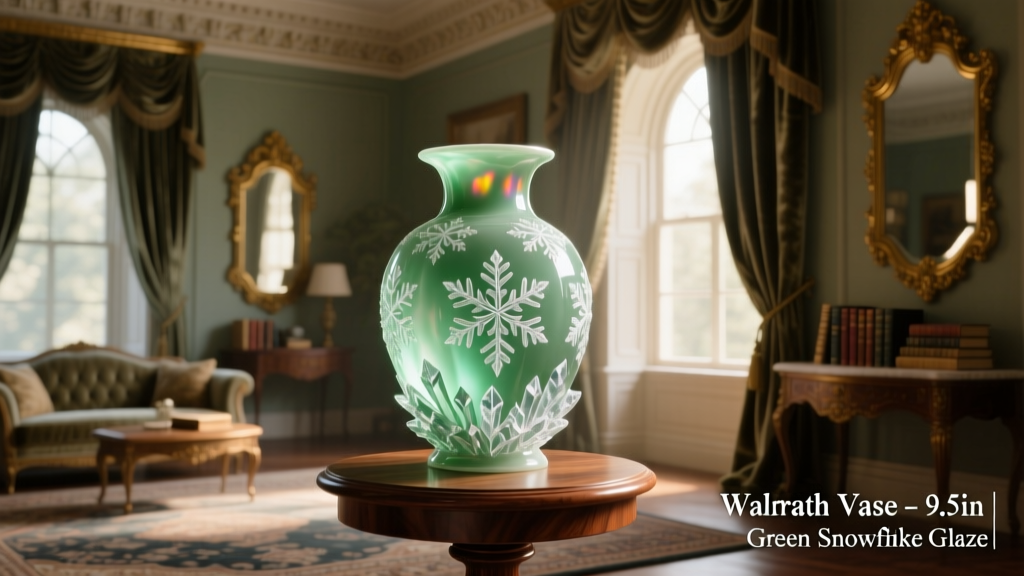
Walrath Vase: Decoding the Green Snowflake Crystalline Cream Flambe Glaze — A 9½-Inch Masterpiece of American Studio Ceramics
A detailed technical and historical analysis of the Walrath Vase with Green Snowflake Crystalline Cream Flambe Glaze, measuring precisely 9.5 inches in height. Covers Walrath Pottery’s legacy, glaze chemistry, identification markers, provenance, restoration ethics, and market valuation.
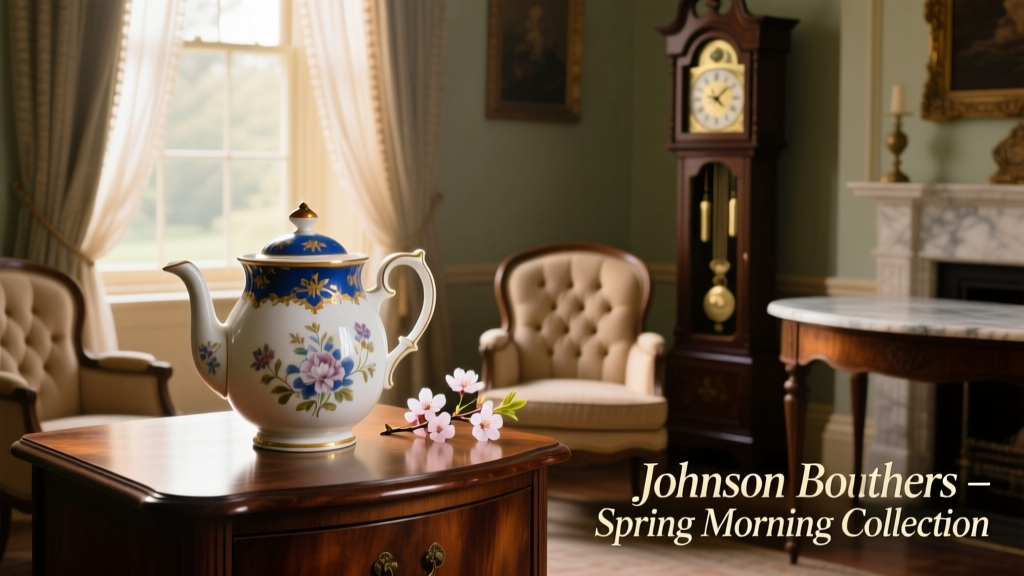
The Johnson Brothers Spring Morning Coffeepot: History, Identification, and Restoration Guidance for Antique Dinnerware Collectors
A detailed examination of the iconic Johnson Brothers Spring Morning coffeepot — its production timeline (1936–1964), design features, backstamp evolution, material composition (bone china, 25% bone ash), dimensional specifications (6.75" height, 8.25" spout-to-handle span), and practical conservation protocols for collectors and restorers.
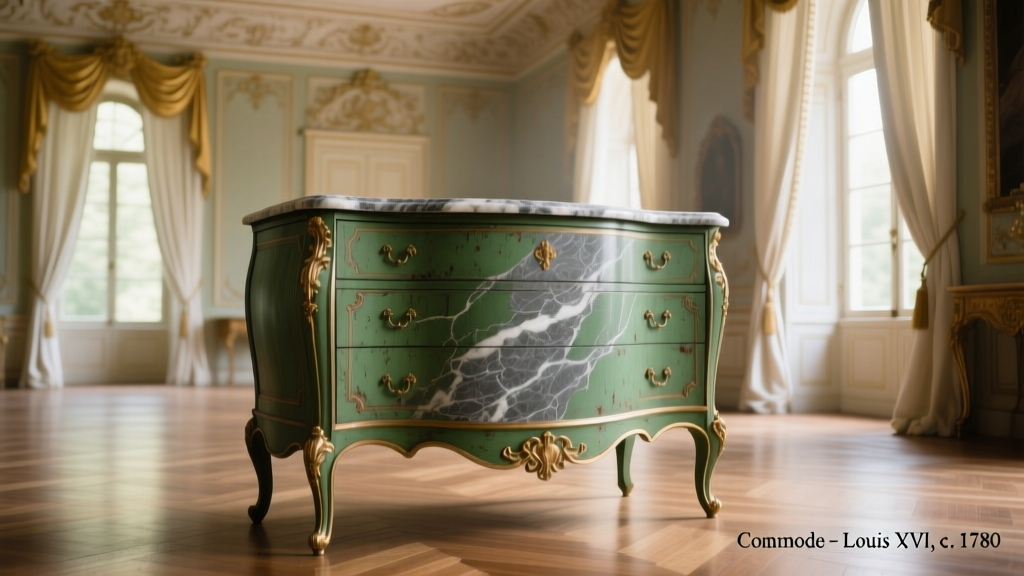
Louis XVI Green-Painted Commode with Gray Mottled Marble Top: Authenticity, Provenance, and Restoration Standards
A detailed analysis of a genuine Louis XVI commode measuring 32 inches wide, featuring original green lacquer paint and a rare gray mottled marble top—covering period construction, material verification, conservation ethics, market valuation, and technical restoration protocols.
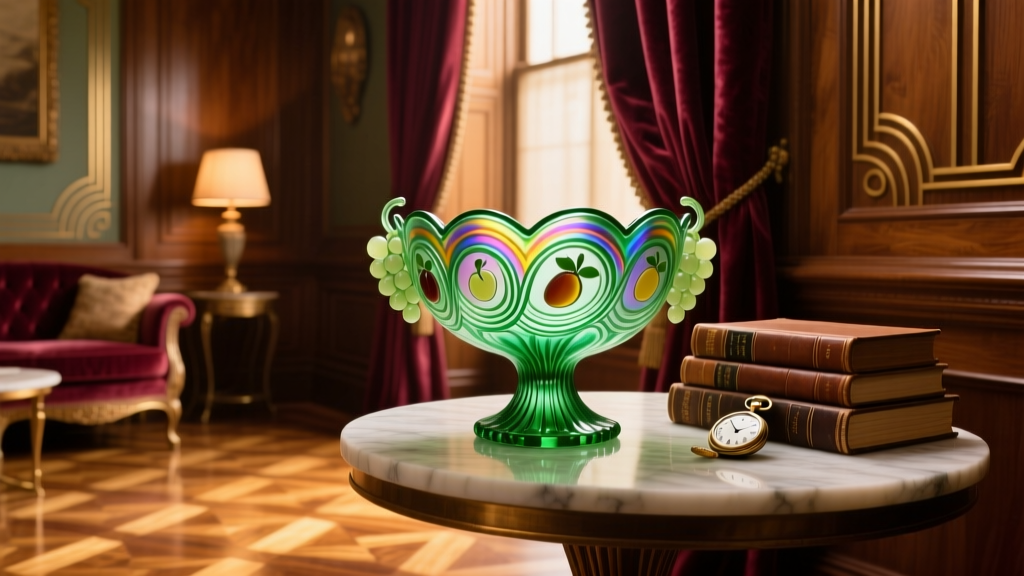
Carnival Glass Grape Cable Bowl: Identifying, Valuing, and Preserving the Ice Green 'Upright Points' Pattern
A detailed appraisal of the rare Carnival Glass Grape Cable bowl in Ice Green with Upright Points pattern—covering manufacturer attribution, physical specifications, historical context, condition assessment, restoration ethics, and market valuation based on documented auction records and collector surveys.
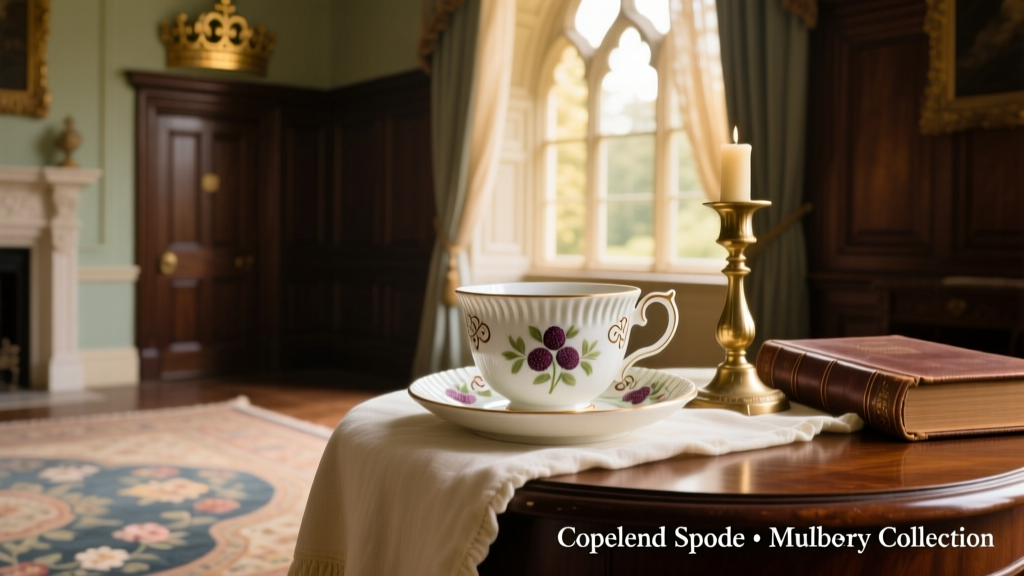
Copeland Spode Mulberry Flowers Cup and Saucer: Decoding the Gadroon Rim, Scrollwork, and Botanical Legacy
A detailed examination of the Copeland Spode 'Mulberry Flowers' cup and saucer pattern—its historical origins, design elements including the gadroon rim and scrollwork, production timeline (1833–c.1865), porcelain composition, hallmarking conventions, restoration ethics, and market authentication protocols.
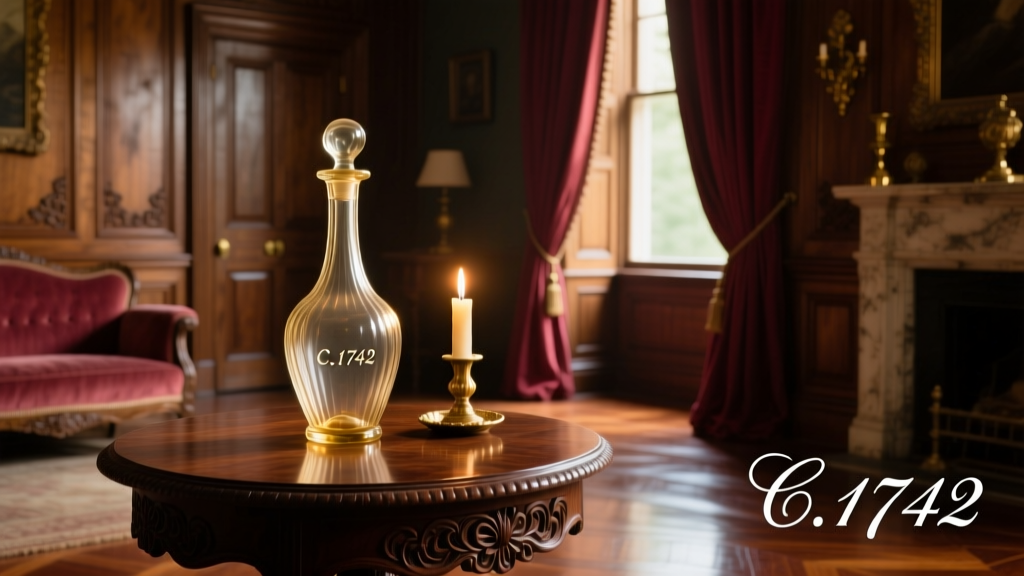
A Bottle I Can’t Find: What Date Was It Made? Decoding Antique Glass Bottles with Precision
Practical, evidence-based methods for dating antique glass bottles—covering pontil marks, mold seams, embossing, color anomalies, and manufacturer-specific identifiers—with real-world examples from Owens-Illinois, Whitall Tatum, and Consolidated Glass.