Antique Furniture
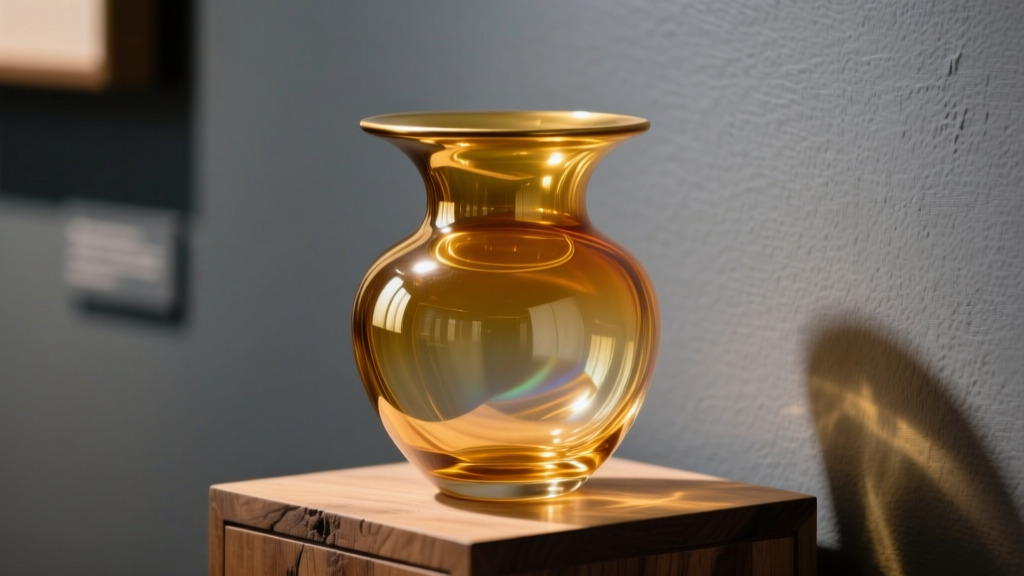
Aurene Vase, Gold Oval Shouldered, Flared Rim: Steuben Glass 8½-Inch Masterpiece — History, Identification & Conservation
An in-depth examination of the iconic Steuben Aurene gold oval shouldered vase with flared rim—8½ inches tall—including its Tiffany-era origins, chemical metallization process, hallmarking conventions, market valuation trends, and museum-grade conservation protocols.
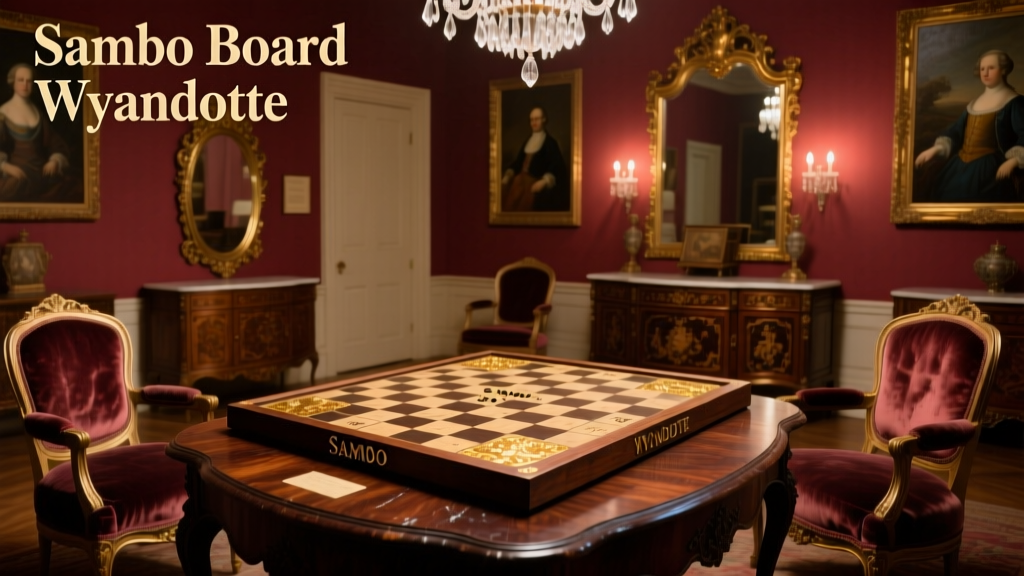
Game Sambo Board Wyandotte: History, Identification, and Restoration of a Rare American Folk Game Set
An in-depth examination of the Game Sambo Board Wyandotte — a scarce early-20th-century parlor game manufactured by the Wyandotte Manufacturing Company of Wyandotte, Michigan. This article details its origins, physical characteristics (including precise dimensions: 18.5" × 12.25" × 1.75"), gameplay mechanics, surviving examples, collector market trends, and ethical restoration protocols for antique furniture and game specialists.
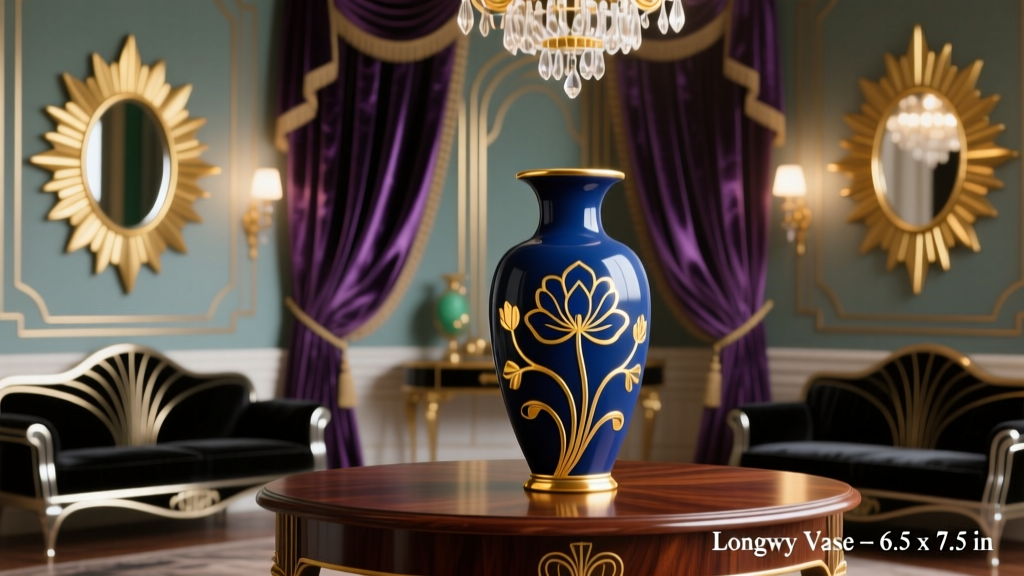
Longwy Vase: Floral Design Outlined in Gold — Art Deco Flattened Form, 6 × 7½ Inches
An expert appraisal and historical analysis of a Longwy porcelain vase featuring hand-painted floral motifs outlined in genuine gold leaf, executed in the streamlined Art Deco aesthetic. Dimensions: 6 inches wide × 7½ inches high. Includes manufacturing context, material verification, restoration protocols, and market authentication criteria.

Heisey Cut Block Toothpick Custard: Identifying, Valuing, and Preserving a Rare American Glassware Icon
A detailed examination of the Heisey Cut Block Toothpick Custard pattern — its origins at the A. H. Heisey Company (1895–1957), distinctive custard-colored glass formulation, precise cut block design, production timeline (c. 1910–1932), identification markers, market value benchmarks, and conservation best practices for collectors and museums.
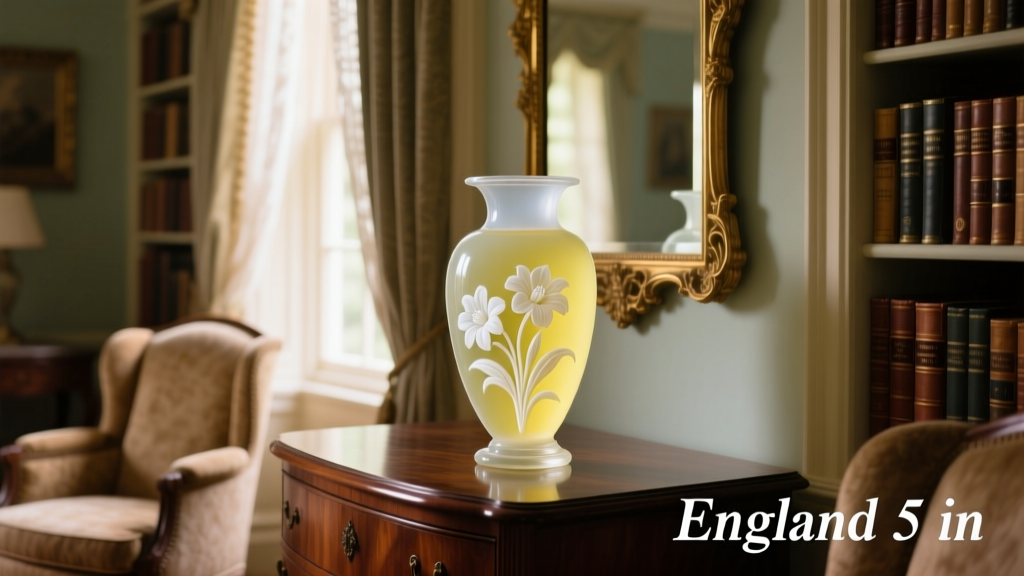
Cameo Glass Vase: White Morning Glories on Pale Citron Yellow Ground, England, c. 1890–1910
A detailed appraisal of a rare English cameo glass vase featuring white morning glories against a pale citron yellow ground, measuring exactly 5 inches in height. This article examines its historical context, maker attribution, technical execution, condition assessment, and market significance.

The Grass Skirt: History, Craftsmanship, and Conservation of a Cultural Artifact
An in-depth examination of the grass skirt as both ethnographic object and decorative antique—from Polynesian origins and 20th-century commercial production to material science, restoration ethics, and museum-grade conservation practices.
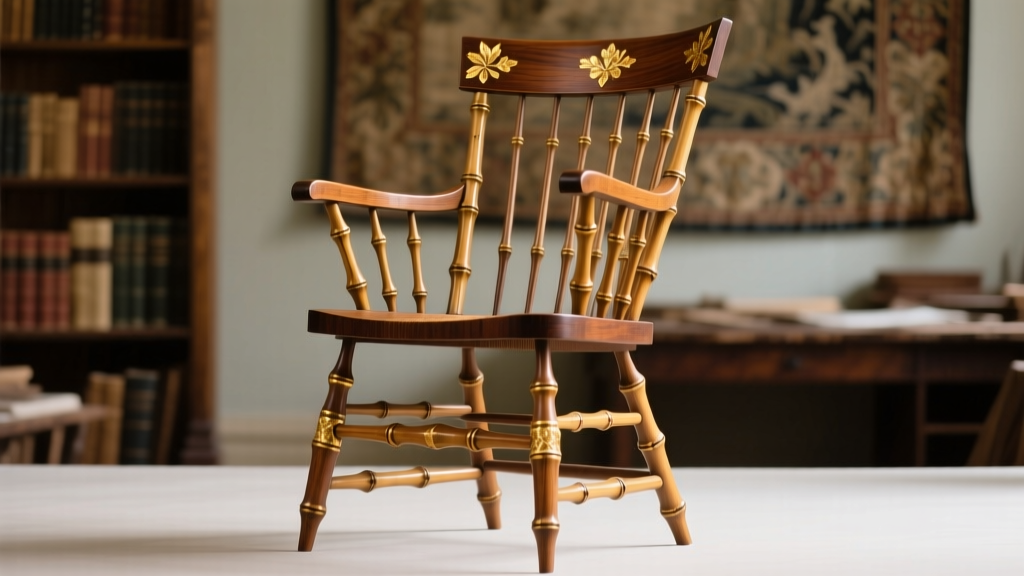
Windsor Chair with Bamboo Turnings and Gold Paint: A Rare 1818 American Example Measuring 28½ Inches
An in-depth analysis of a documented 1818 American Windsor chair featuring authentic bamboo-turned spindles, hand-applied gold paint over gesso ground, and precise period-correct construction—measuring 28½ inches overall height with original walnut seat and maple legs.
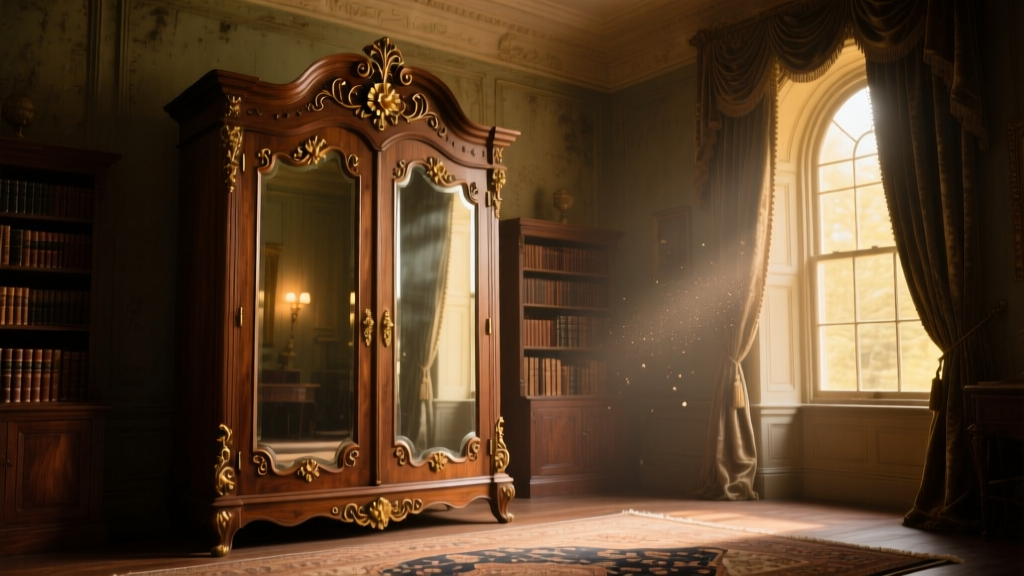
Victorian Walnut Armoire with Twin Mirrored Doors: A Restoration Specialist’s Analysis of an 89 × 66 Inch Heirloom Piece
An in-depth appraisal and conservation guide for a late-Victorian walnut armoire measuring 89 inches tall by 66 inches wide, featuring dual full-length beveled mirrors, original brass hardware, and hand-carved floral motifs — including structural assessment, finish analysis, mirror preservation techniques, and historically accurate restoration protocols.
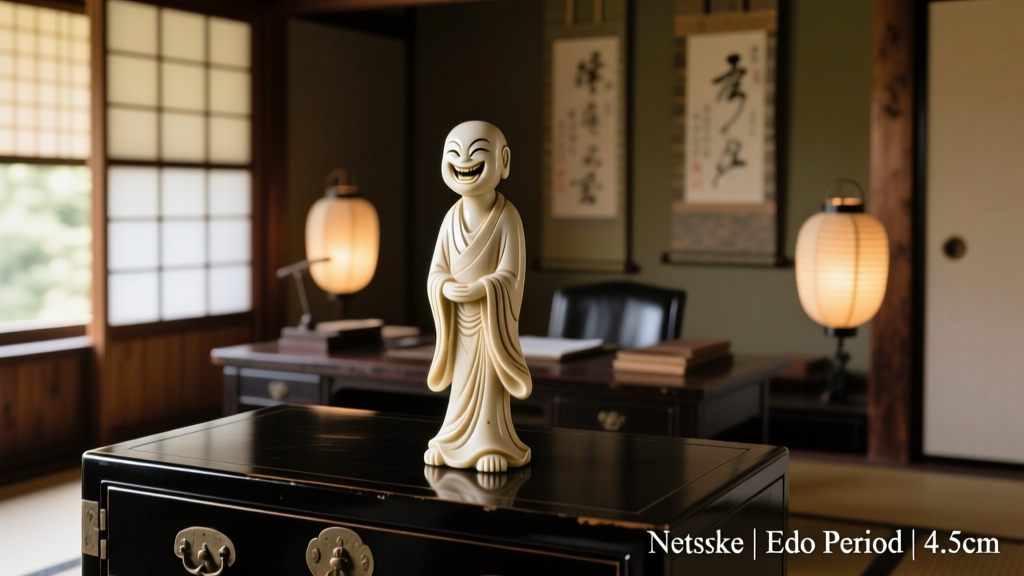
Netsuke Spotlight: The Ivory Laughing Elongated Figure — A 4½-Inch Masterpiece of Edo-Era Carving
An in-depth examination of a rare 4.5-inch ivory netsuke depicting a laughing, elongated figure—its provenance, material analysis, stylistic attribution to the Iwasa school, carving techniques, historical context, and conservation considerations for collectors and institutions.
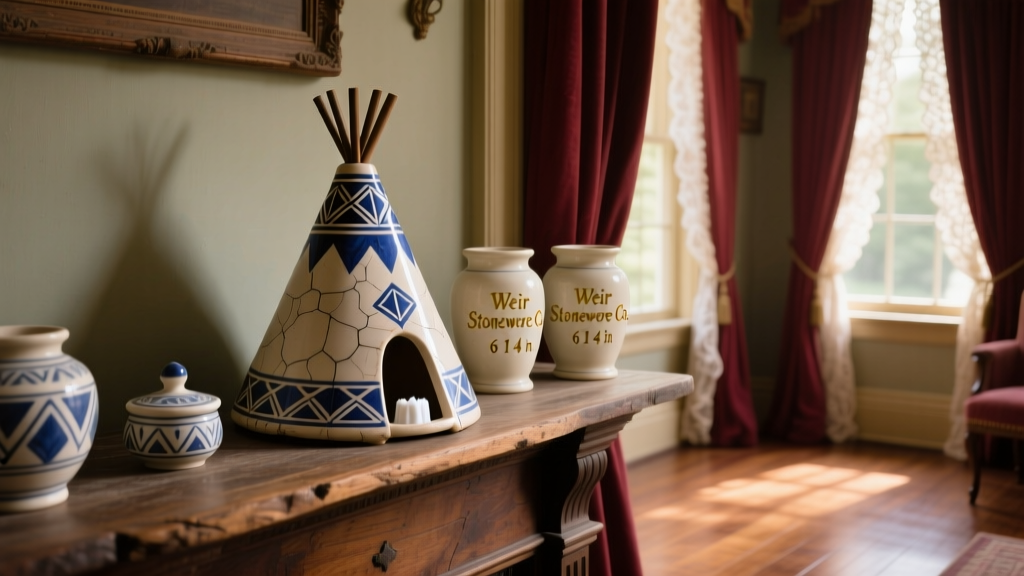
Sleepy Eye Salt, Indian Teepee, and Stoneware: Decoding the Weir Stoneware Co. 6¼-Inch Crock
A detailed technical and historical analysis of the Weir Stoneware Company’s iconic 6¼-inch salt-glazed stoneware crock marked 'Sleepy Eye Salt' and 'Indian Teepee'—covering manufacturing dates, clay composition, salt-glazing chemistry, collector valuation benchmarks, and authentic restoration protocols.
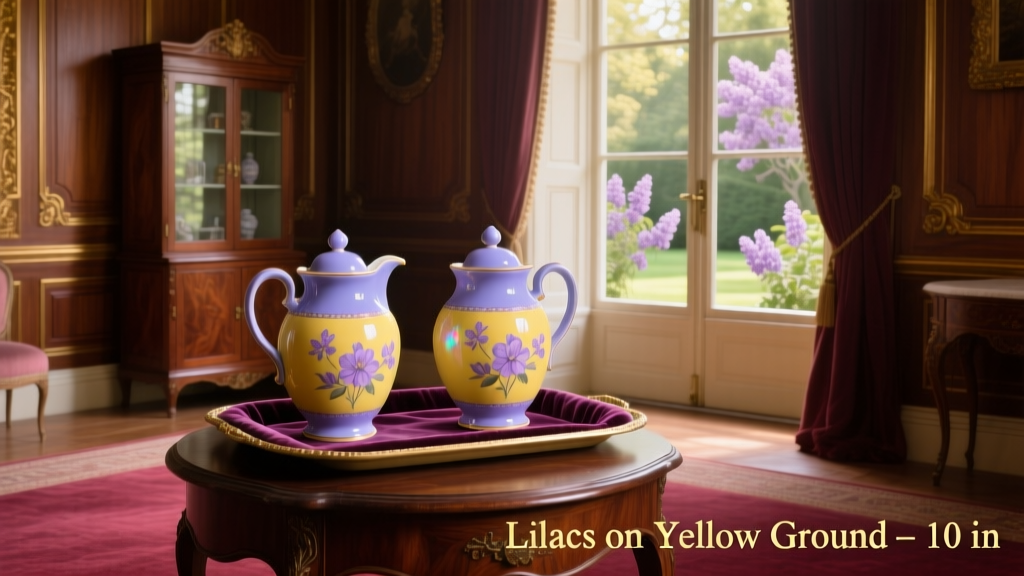
Pairpoint Chocolate Pot: 'Lilacs on Yellow Ground' — A 10-Inch Masterpiece of American Art Glass
An in-depth examination of the Pairpoint Manufacturing Company’s 10-inch chocolate pot featuring the iconic 'Lilacs on Yellow Ground' pattern — covering its historical context, glass composition, production timeline (c. 1910–1925), hallmark authentication, structural design, and conservation best practices for collectors and curators.
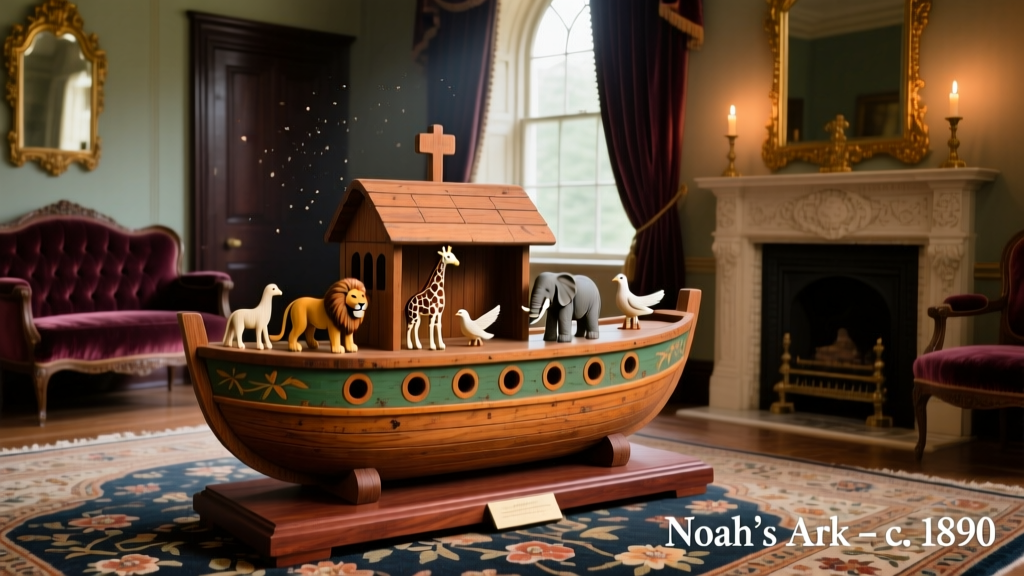
A Collector’s Deep Dive: The 1900 Wooden Carved & Painted Noah’s Ark Toy — 18-Inch Ark with 15 Animal Pairs, Noah, and Wife
An expert appraisal of a rare c.1900 German-made wooden Noah’s Ark toy: 18-inch carved pine ark, hand-painted figures including Noah and his wife, and 30 individually carved animals (15 pairs) in original polychrome finish. Includes provenance, maker identification, condition benchmarks, conservation ethics, market valuation, and comparative analysis with Schleich, Märklin, and Gebrüder Bing examples.