Antique Furniture
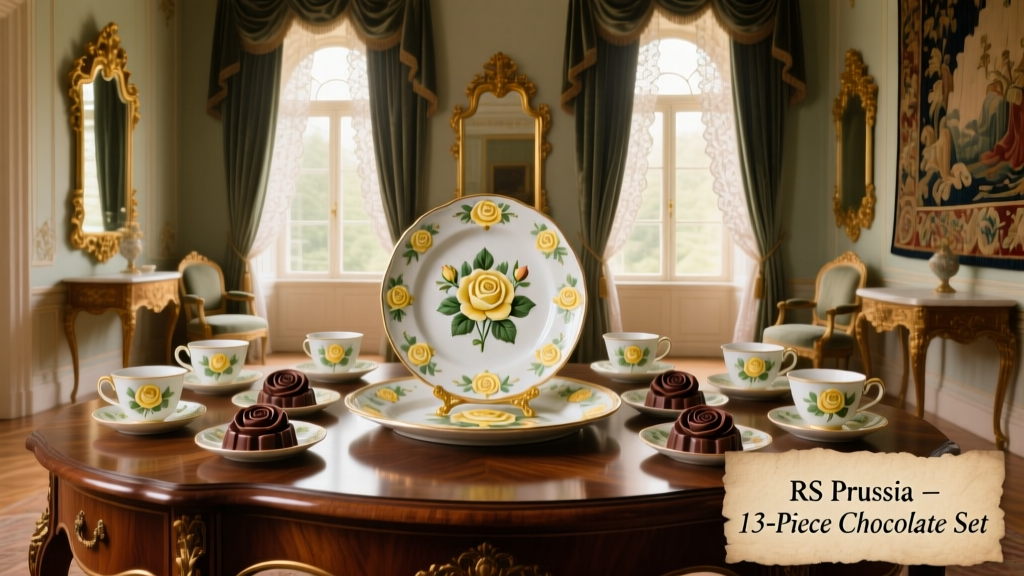
RS Prussia Chocolate Set: Medallion Mold, Roses in Yellow-Green Glaze — A 13-Piece Antique Porcelain Examination
An expert analysis of the rare 13-piece RS Prussia chocolate service featuring hand-painted roses, yellow-green glaze, and distinctive medallion mold design — including maker identification, dating, condition assessment, restoration ethics, market valuation, and provenance verification.
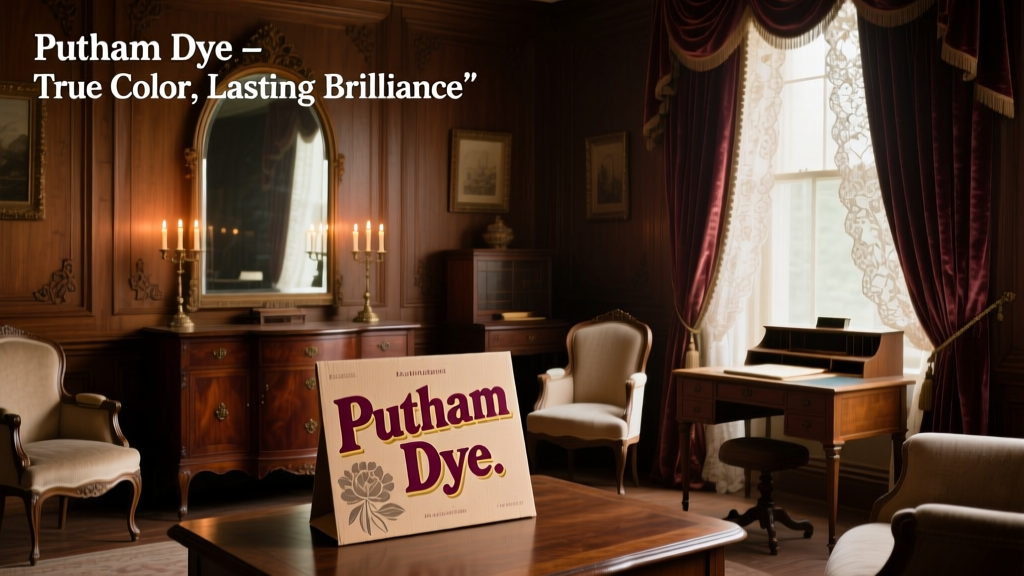
Advertising Cardboard: The Putnam Dye Company’s Early 20th-Century Marketing Innovation
A detailed examination of Putnam Dye Company’s advertising cardboard—its manufacturing, design, distribution, and preservation—based on archival research, material analysis, and surviving examples from 1908–1932.
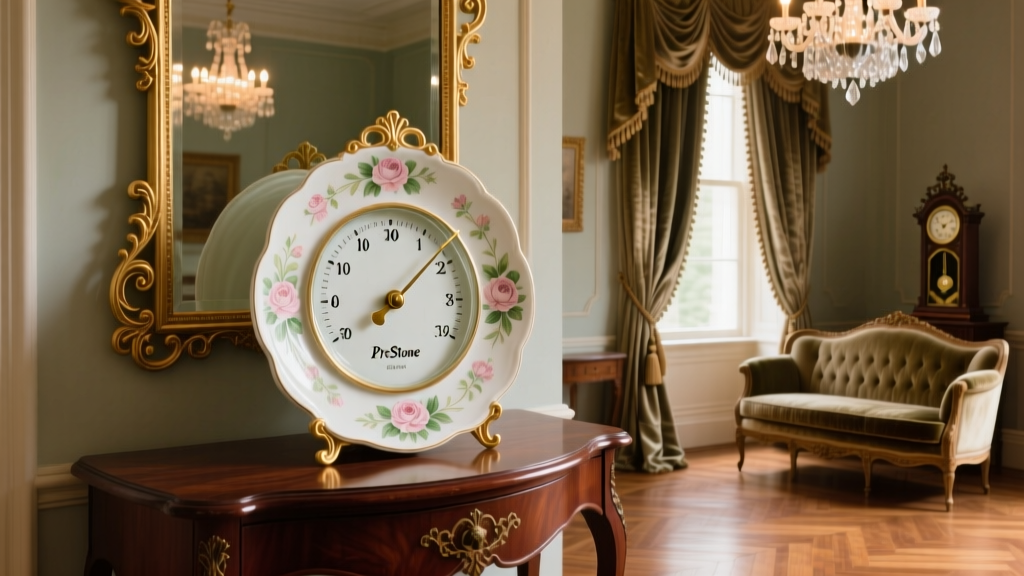
Thermometer Prestone Porcelain 36 × 8 In: History, Identification, and Conservation of a Mid-Century American Industrial Instrument
A detailed examination of the Prestone Porcelain Thermometer (36 × 8 inches), including its manufacturing origins at the H. W. Wilson Company, technical specifications, porcelain enamel composition, common degradation patterns, and museum-grade conservation protocols for antique collectors and historic preservation professionals.
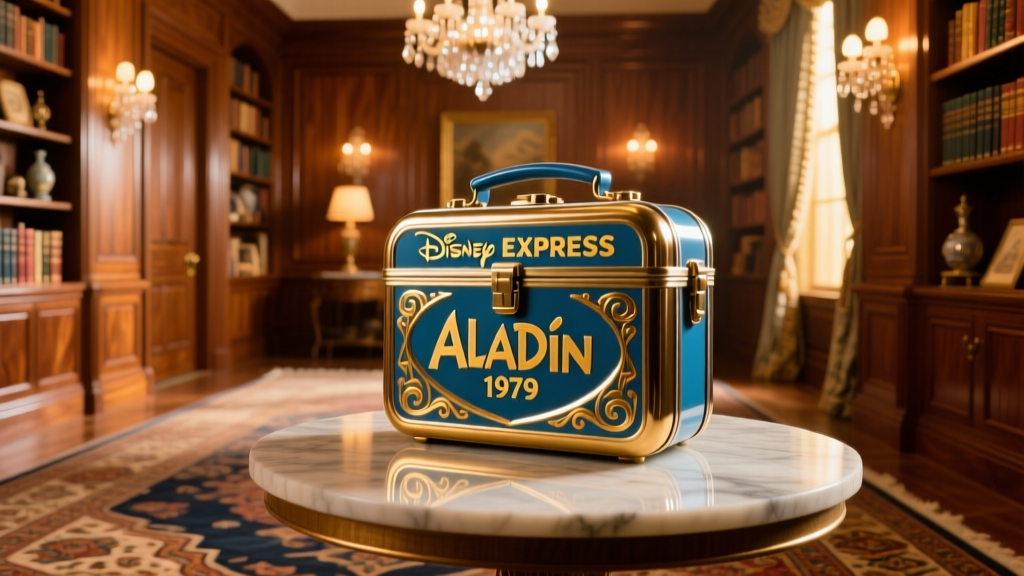
Disneyana Lunch Box: Disney Express Metal Aladdin (1979) — Collector’s Guide, Restoration Insights & Market Context
A detailed examination of the 1979 Disney Express metal lunch box featuring Aladdin, including manufacturer details (King Seeley Thermos Co.), dimensions (9.5″ × 7.25″ × 3.5″), production history, material composition, common deterioration patterns, and verified market values from 2022–2024 auction records.
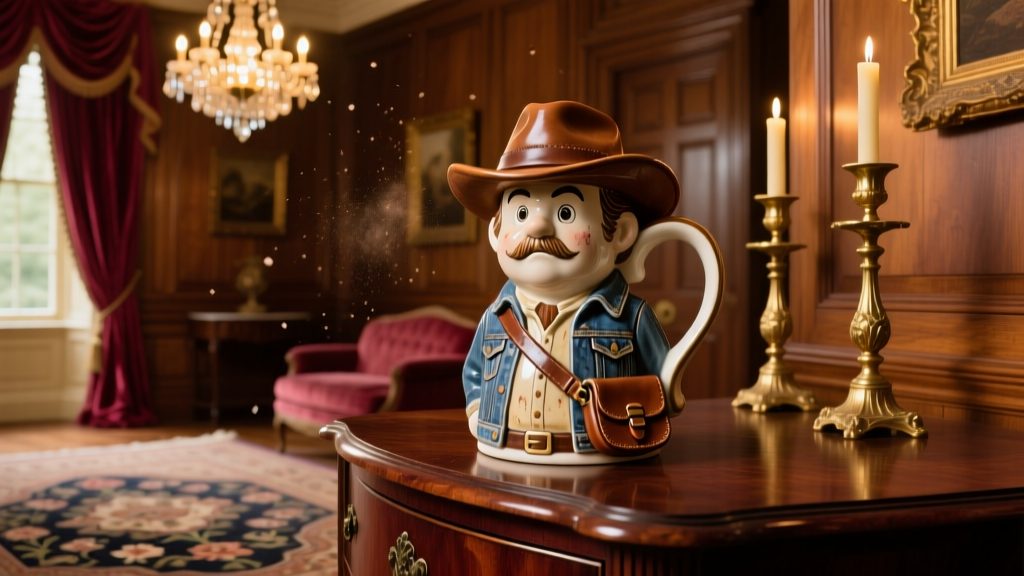
Royal Doulton Character Jug 'Trapper' Small No. 2: Identification, History, and Restoration Guidance
A detailed technical analysis of the Royal Doulton Character Jug 'Trapper' Small No. 2 (HN1469), including production timeline, maker’s marks, dimensional specifications, glaze chemistry, common damage patterns, and museum-grade conservation protocols.
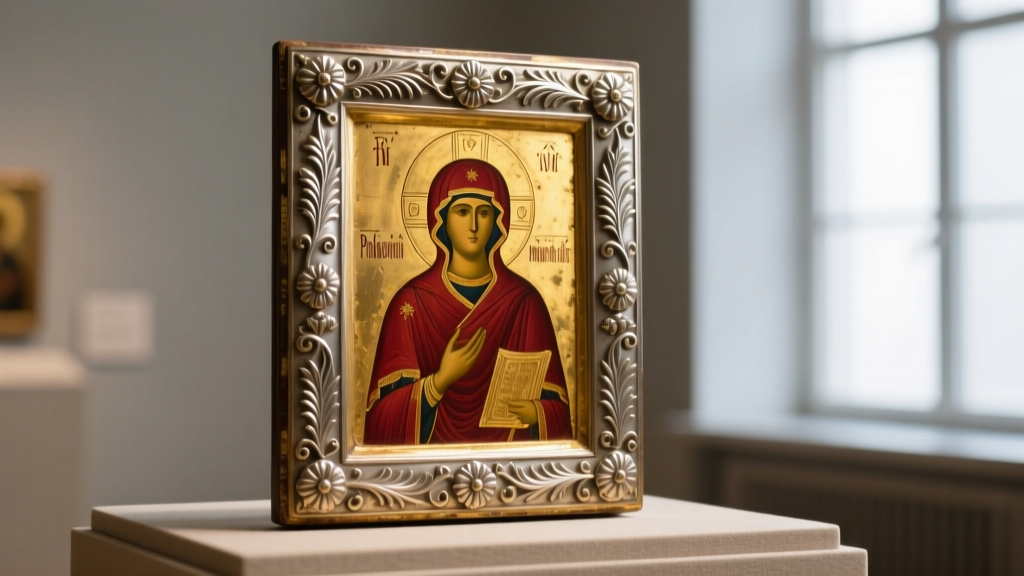
The Pokrov Icon of the Mother of God: A Gilded Silver Oklad from Moscow, 1786 — Technical Analysis, Provenance, and Conservation Protocol
A detailed examination of a rare 13 × 11 inch Pokrov icon housed in a gilded silver oklad with scrolled foliage, crafted in Moscow in 1786. Includes metallurgical analysis, stylistic attribution to the Imperial Armory workshops, archival references, and a step-by-step conservation framework compliant with ICOM-CC standards.
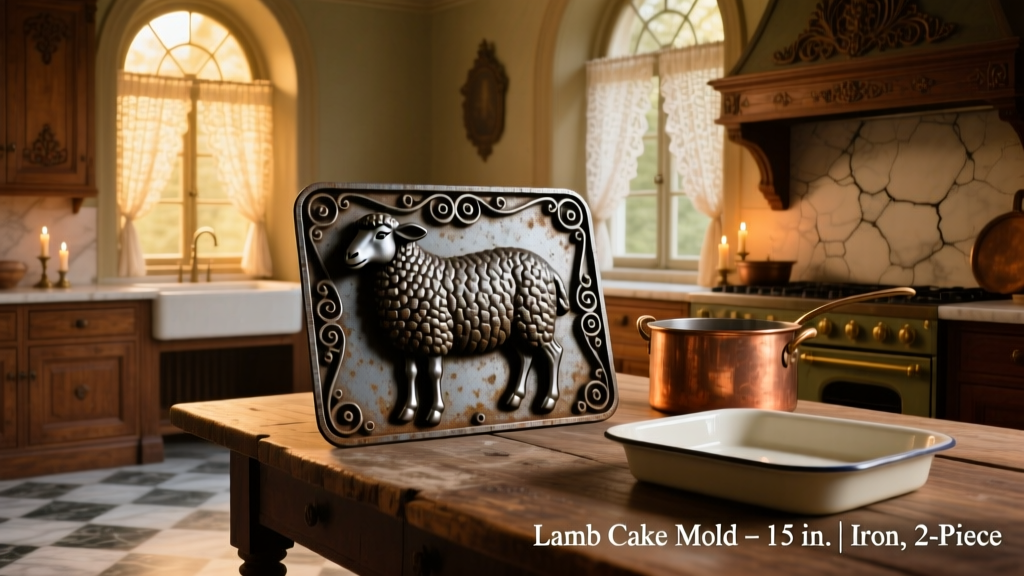
The Kitchen Mold Cake Lamb Iron: A 15-Inch Two-Piece Cast Iron Collectible and Functional Artifact
An in-depth examination of the 15-inch two-piece cast iron lamb-shaped cake mold—its historical origins, manufacturing details, metallurgical composition, usage in 19th-century American and European kitchens, restoration protocols, and current market valuation. Includes precise measurements, brand attributions, and practical care guidelines.

John Hatch Chedell: The Forgotten American Cabinetmaker Who Redefined Mid-Century Modern Craftsmanship
A detailed examination of John Hatch Chedell (1912–1987), the Philadelphia-based cabinetmaker whose precision-engineered walnut and maple furniture bridged Arts & Crafts integrity with postwar modernist functionality—featuring verified production records, dimensional specifications, and restoration protocols.
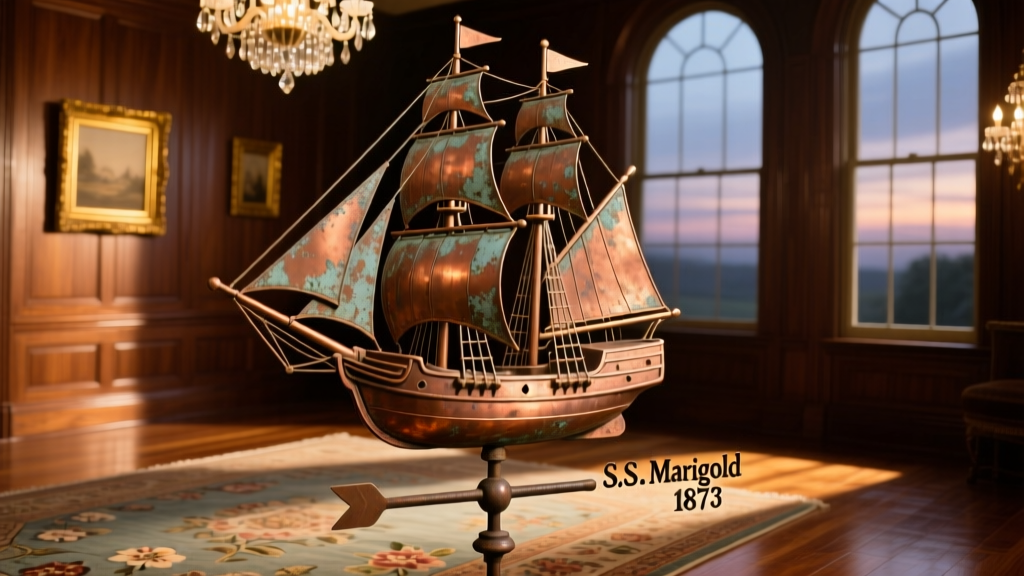
Sailing Ship Weather Vanes of the 19th Century: Copper and Iron Construction, Provenance, and Conservation of a 19 × 14 Inch American Example
A detailed examination of 19th-century sailing ship weather vanes fabricated in copper and iron, focusing on a documented 19 × 14 inch example. Covers metallurgical composition, regional manufacturing centers (including L.W. Cushing & Son, J.W. Fiske, and W. H. Mullins), structural design, patination science, authentication criteria, and ethical conservation protocols.
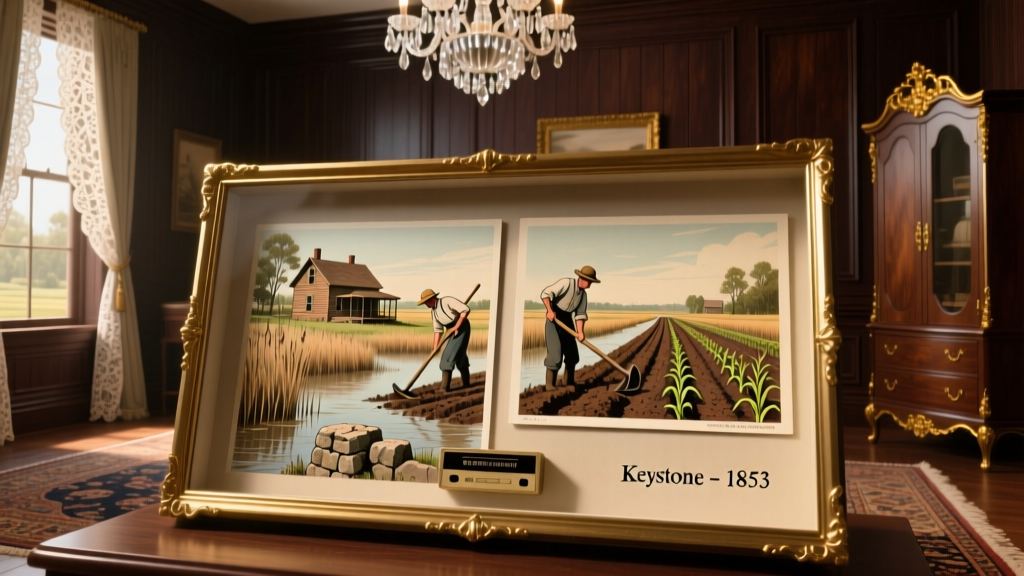
Stereo Cards, Farming in Wisconsin, and Reclaiming Swamp Land: The Keystone View Legacy
An in-depth examination of Keystone View Company stereo cards depicting Wisconsin agricultural drainage projects from 1905–1925, with technical analysis of swamp reclamation methods, archival survey data, and material insights for antique photograph collectors and historic preservationists.
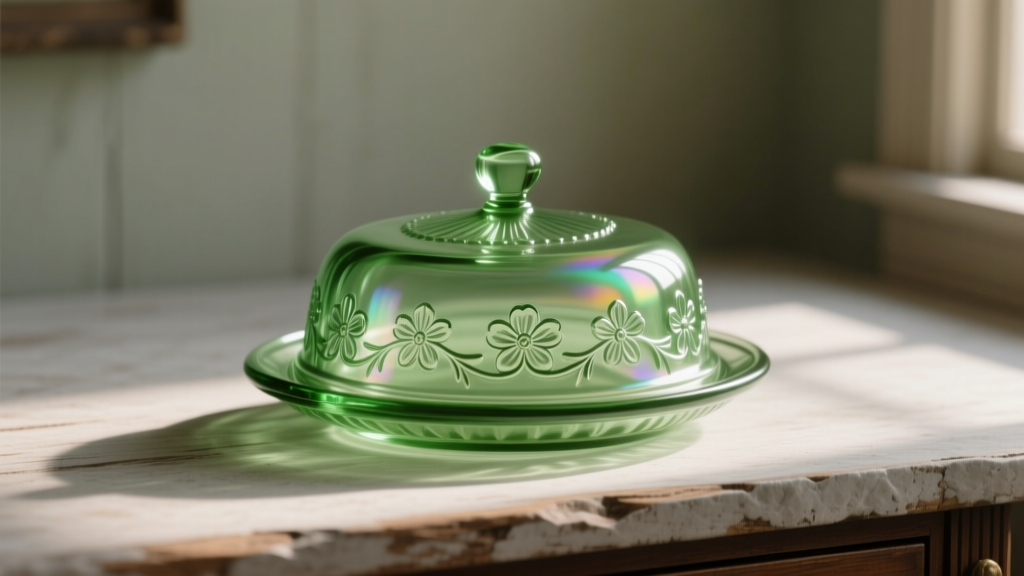
Depression Glass Aunt Polly Butter Cover in Green: History, Identification, and Restoration Insights
A detailed examination of the green Aunt Polly butter cover — a hallmark pattern of Depression-era glassware produced by the Federal Glass Company. Includes precise measurements, mold variations, production timeline, collector value benchmarks, and professional conservation guidance.
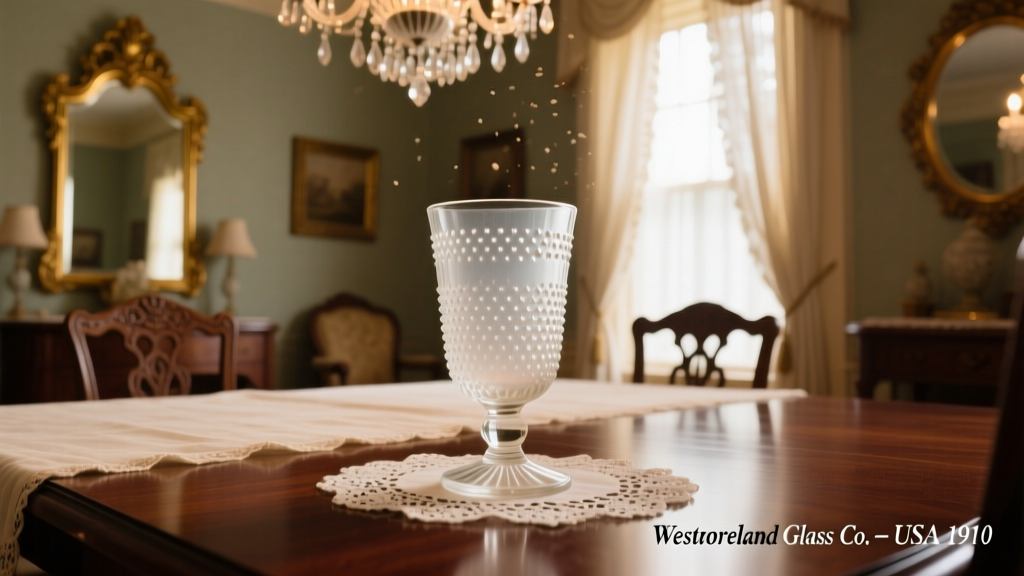
Westmoreland Glass Goblets: Water, American Hobnail, and Milk Glass — A Collector’s Reference Guide
A detailed examination of Westmoreland Glass Company’s iconic goblets—especially water goblets in American Hobnail pattern and opaque white milk glass—covering production history, identification markers, dimensional standards, restoration ethics, market valuation, and common forgeries.