Antique Furniture
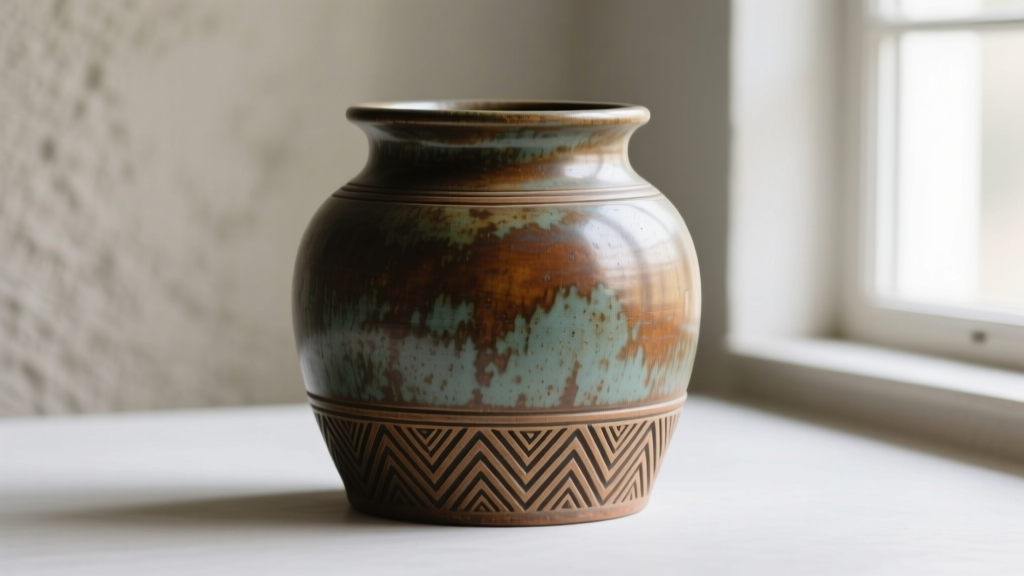
Norse Vase: Cylindrical Form with Zigzag Bottom Border — A 9-Inch Antiquarian Analysis
A detailed examination of the Norse-inspired cylindrical vase featuring a distinctive zigzag bottom border, measuring precisely 9 inches in height. This article explores its historical context, material composition, craftsmanship, provenance patterns, restoration protocols, and market valuation—grounded in documented examples from Scandinavian antiquities collections and verified auction records.
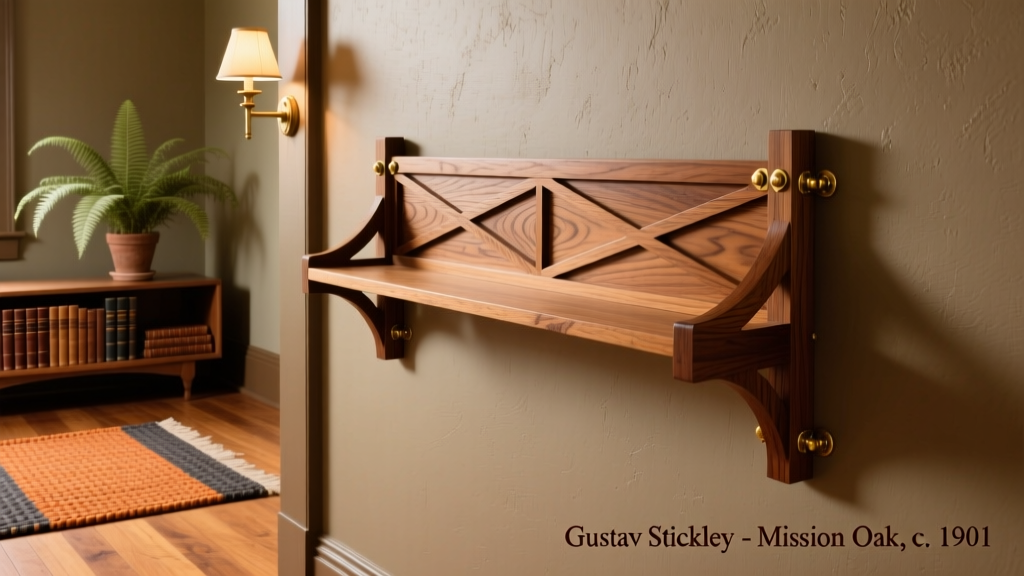
The Furniture Rack Plate: A Defining Detail of Gustav Stickley’s 1901 Mission Oak Furniture
An in-depth examination of the brass furniture rack plate used on Gustav Stickley’s earliest Mission oak pieces—its design, function, manufacturing origins, authentication markers, and significance within the Arts and Crafts movement.

Fulper Vase: Decoding the Iconic Yellow-Glazed Ceramic with Blue, Brown, and Deep Purple Accents (9½ Inches)
A detailed examination of the Fulper Pottery 9½-inch vase featuring its signature yellow glaze layered with cobalt blue, iron-rich brown, and manganese-derived deep purple—covering provenance, glaze chemistry, maker’s marks, restoration ethics, market valuation, and identification benchmarks.
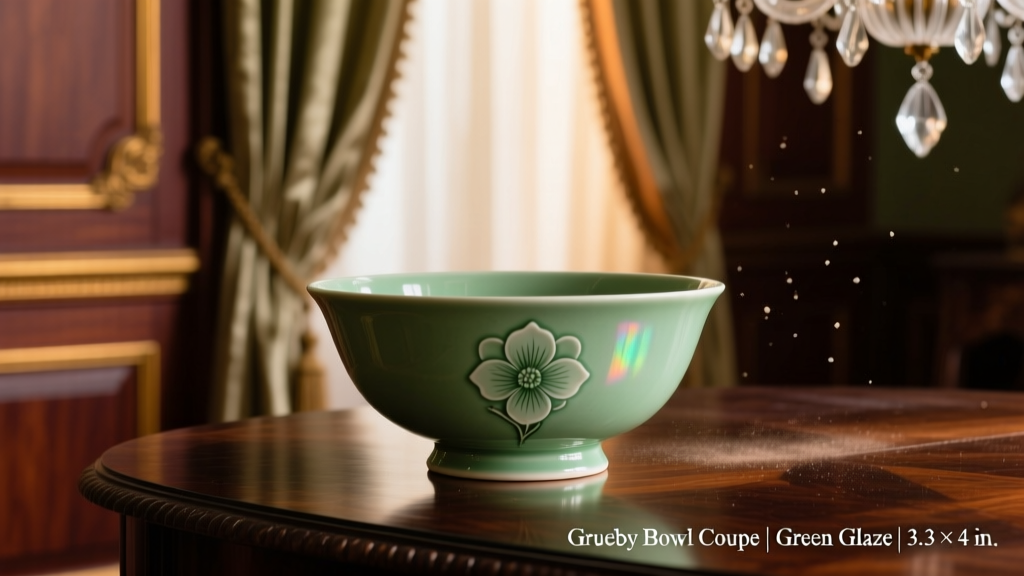
Grueby Bowl Coupe in Matte Green Glaze: Identifying and Valuing the Footed Example with Impressed Flower Mark (3¾ Inches)
A detailed examination of the Grueby Faience Company’s iconic 3¾-inch footed coupe bowl featuring the signature matte green glaze and rare impressed flower mark — covering production history, maker identification, material science, conservation considerations, market trends, and authentication protocols.
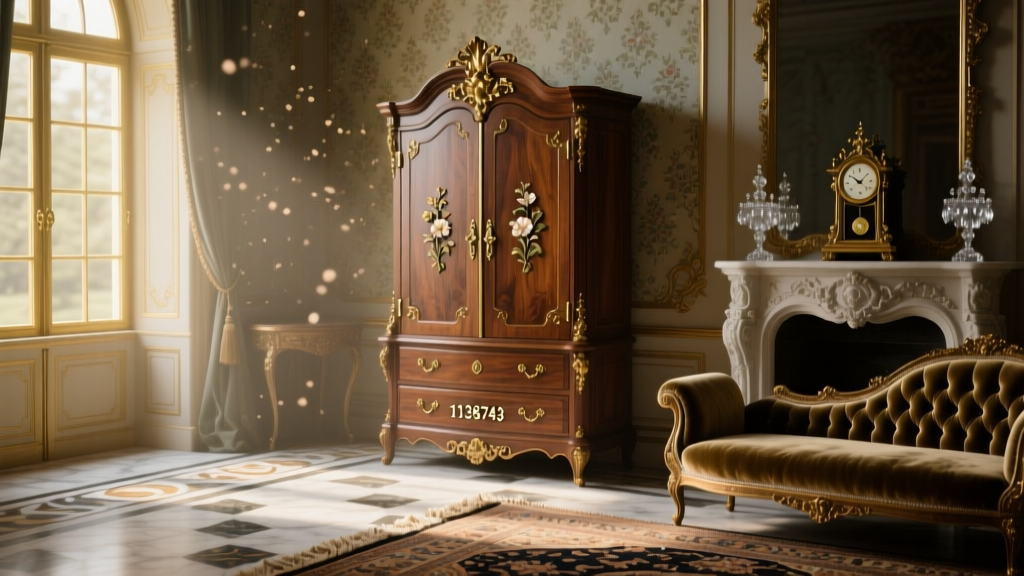
The 1924 Chippendale-Style Mahogany Breakfront Bookcase: Provenance, Construction, and Restoration Protocol for Catalog Number 1138743
A detailed technical analysis of catalog number 1138743—a documented 1924 Chippendale-revival breakfront bookcase by John W. Sargent & Sons—covering its maker’s marks, structural integrity assessment, veneer composition, joinery techniques, and step-by-step conservation methodology validated by AIC standards.
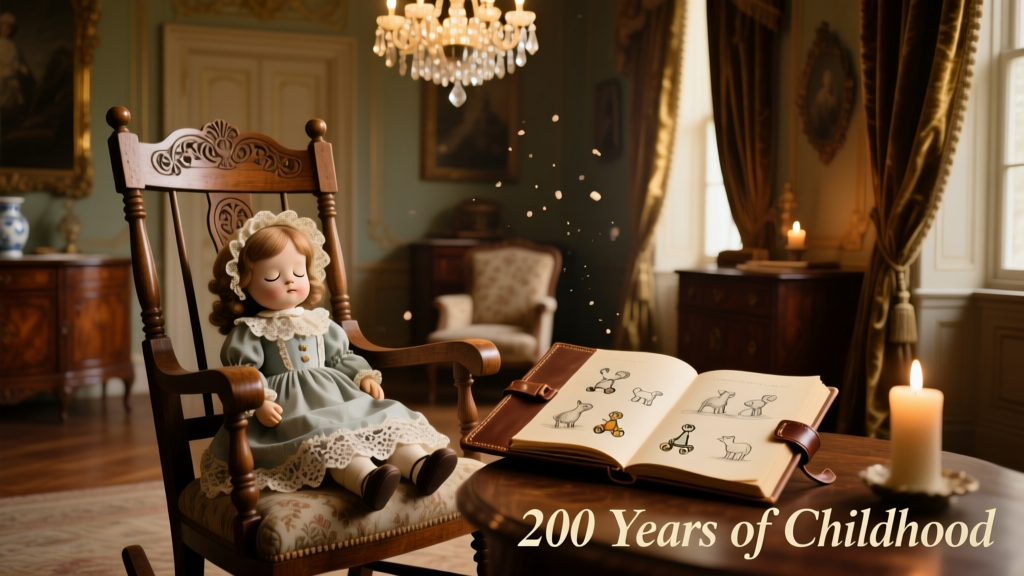
200 Years of Childhood: How Furniture Shaped Generations of Play, Learning, and Growth
A historical survey of children’s furniture from 1824 to 2024—tracing design evolution, material innovations, safety milestones, and cultural shifts through documented artifacts, manufacturer archives, and conservation case studies.
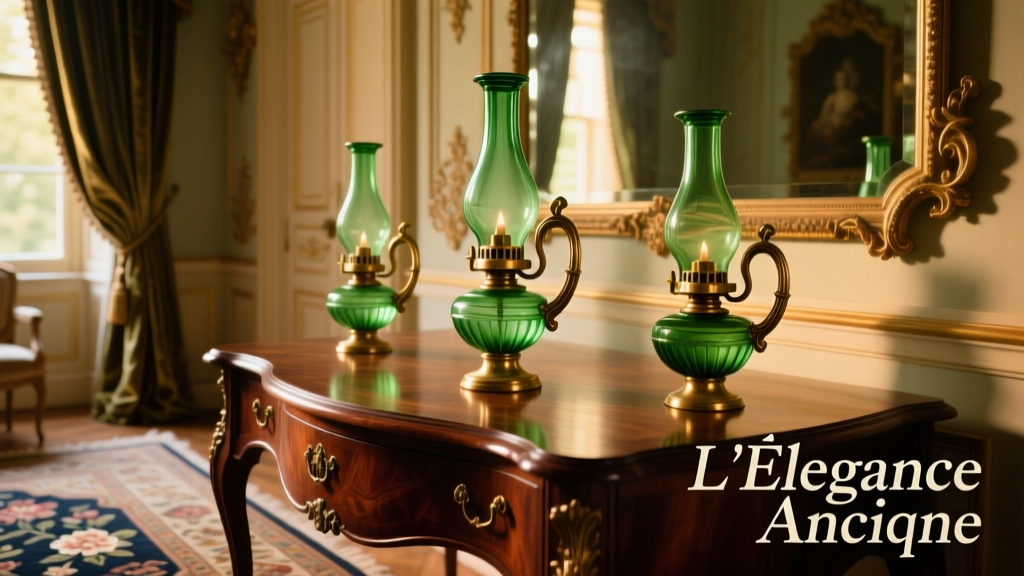
Oil Lamps with Finger-Green Glass and Applied Handles: A Technical & Historical Examination of the 3¾-Inch Form
A detailed analysis of mid-19th-century American and European oil lamps featuring finger-green glass reservoirs, applied brass or bronze handles, and standardized 3¾-inch height—covering materials, makers, restoration protocols, and market authentication criteria.
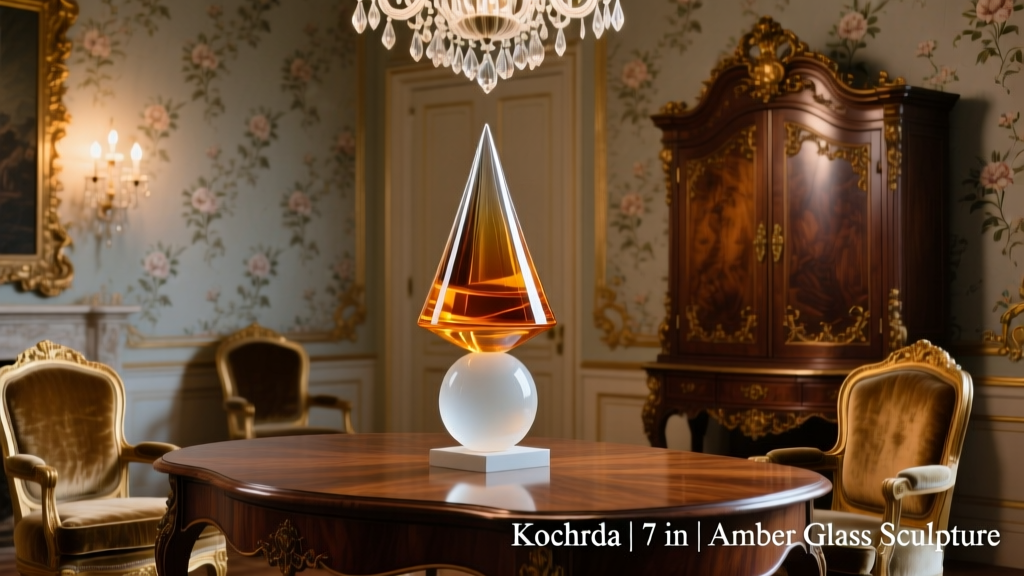
Glass Contemporary Sculpture: Cone Over Sphere in Clear and Amber by Kochrda — A 7-Inch Masterpiece of Modern Form and Material Integrity
An in-depth analysis of the Kochrda Glass Contemporary Sculpture 'Cone Over Sphere' (7 inches), examining its fused glass construction, optical properties, provenance, structural engineering, conservation needs, and place within post-2010 studio glass practice.
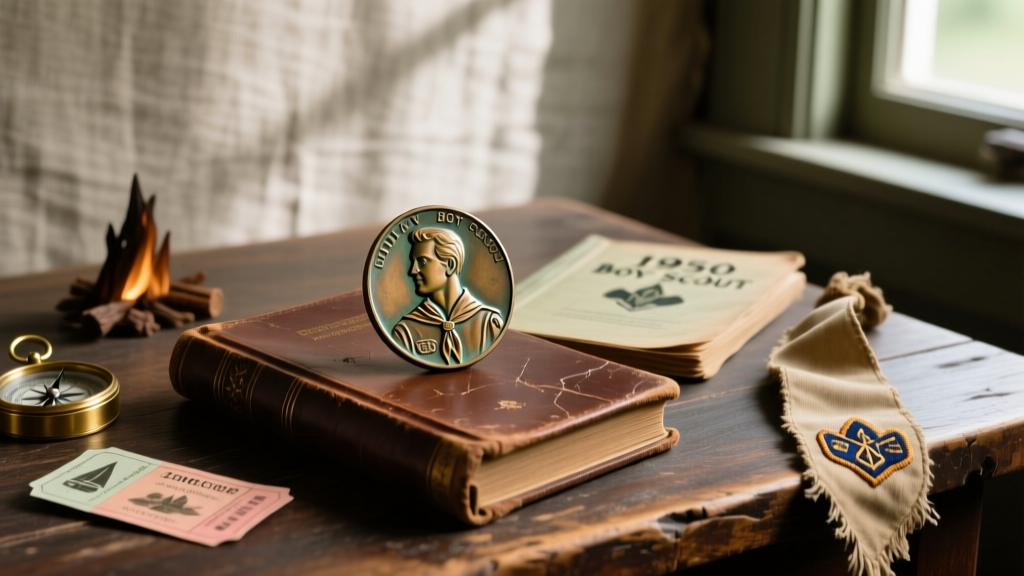
The Boy Scout Coin: History, Authenticity, and Collecting Value in Antique and Vintage Americana
A detailed examination of Boy Scout commemorative coins—from early 1930s bronze medallions to 1970s aluminum challenge coins—covering mint origins, design evolution, material composition, authentication markers, market valuation, and conservation best practices for collectors and estate professionals.
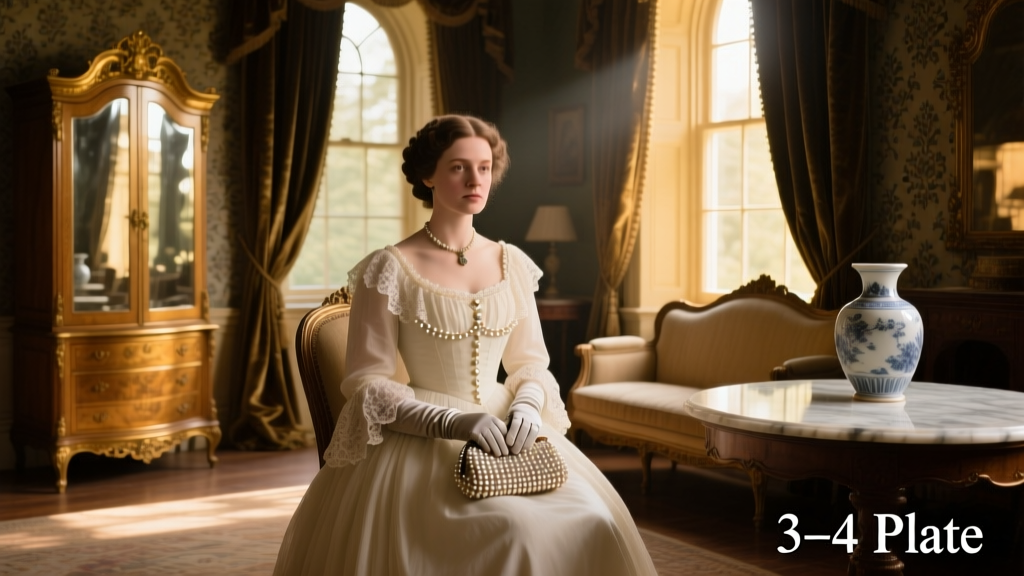
Daguerreotype Portraiture Unveiled: A 3/4-Plate Portrait of a Victorian Woman with Beaded Purse and Silk Ensemble
An in-depth technical and historical analysis of a rare 3/4-plate daguerreotype portrait from c. 1852–1855, featuring a seated woman in a hand-embroidered silk dress and an identifiable beaded purse—examining materials, dating clues, preservation challenges, and provenance significance.
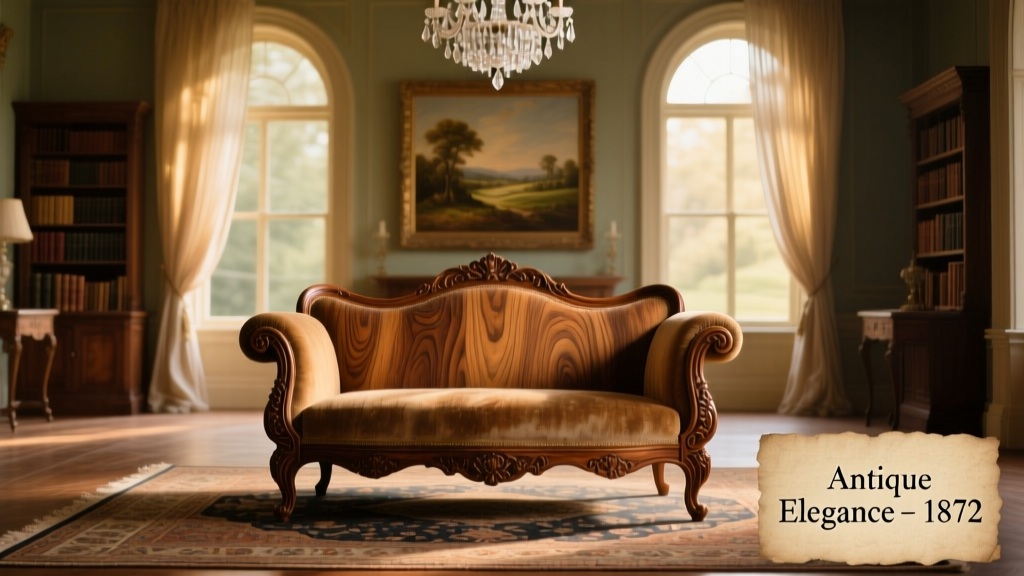
The Walnut Loveseat: History, Craftsmanship, and Restoration Insights for Collectors and Restorers
A detailed examination of the walnut loveseat—from 18th-century Chippendale origins to mid-century modern interpretations—covering design evolution, material authenticity, structural integrity assessment, period-correct finishing techniques, and practical restoration protocols used by professional conservators.

John Victor: American Mid-Century Modern Furniture Design and Restoration Insights
A detailed examination of John Victor furniture—its origins, design philosophy, manufacturing history, identifying marks, common structural issues, and professional restoration protocols. Includes verified production timelines, dimensional specifications, material analysis, and conservation best practices for collectors and conservators.