Antique Furniture
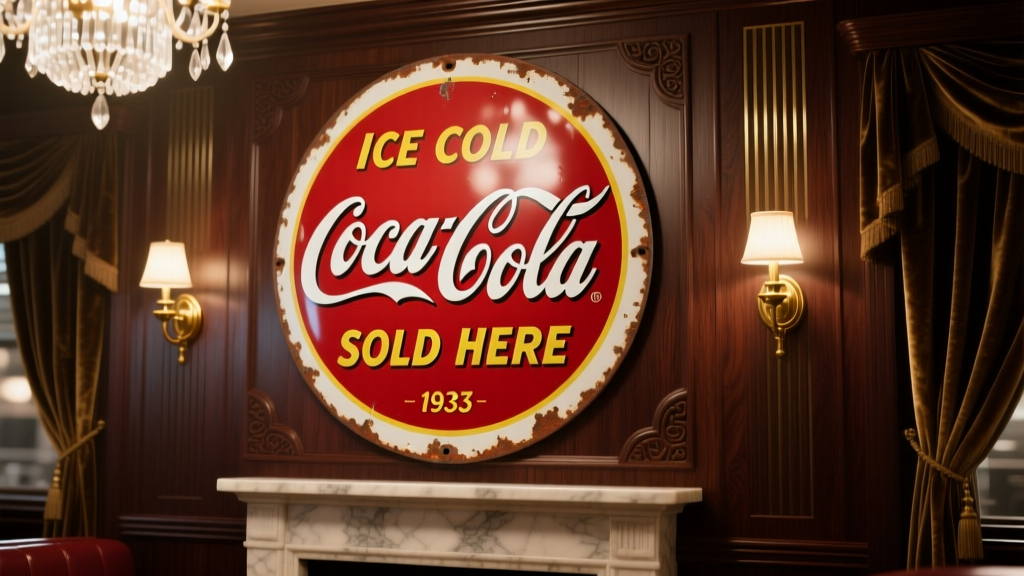
The 1933 Coca-Cola 'Ice Cold Sold Here' Tin Sign: Authenticity, Restoration, and Historical Value
A detailed examination of the iconic 20-inch round tin sign produced by Coca-Cola in 1933—featuring red, yellow, and white enamel, its 'Ice Cold Sold Here' slogan, manufacturing origins, material composition, collector market trends, and professional conservation protocols.
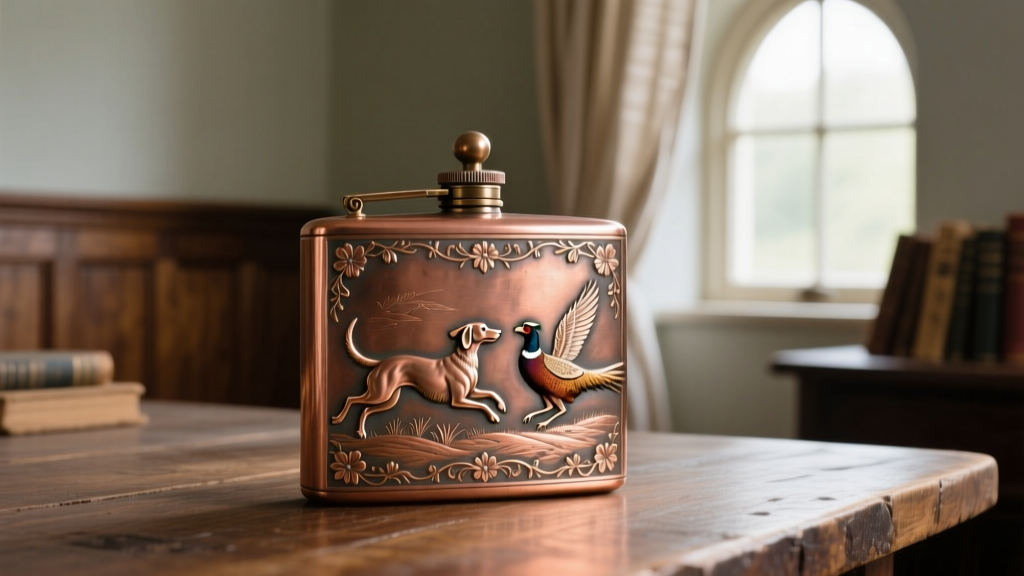
Copper Embossed Powder Flasks Featuring Dogs and Pheasants: History, Craftsmanship, and Collectibility
A detailed examination of 18th–19th century copper powder flasks decorated with embossed hunting scenes—particularly dogs and pheasants—including maker attributions, metallurgical analysis, regional production centers, conservation protocols, and market valuation data.
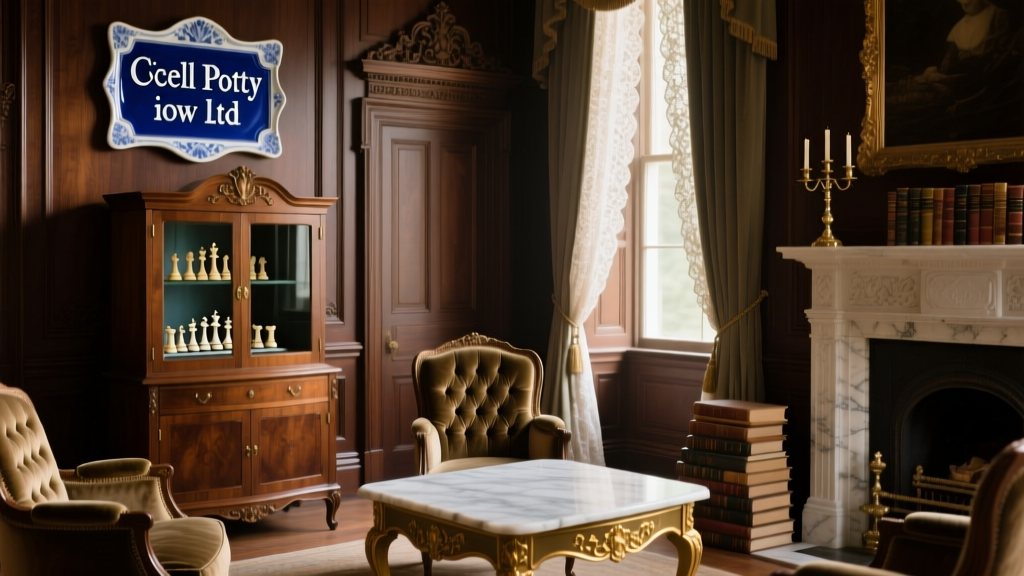
Chessell Pottery IOW Ltd: A Definitive History, Identification Guide, and Restoration Framework
A detailed examination of Chessell Pottery IOW Ltd — the Isle of Wight-based studio active from 1952 to 1978 — covering its founders, production methods, signature glazes, hallmark evolution, market value indicators, and ethical conservation protocols for collectors and restorers.

Gabriel Ogilvie: The Forgotten Master of Mid-Century British Cabinetmaking
A detailed examination of Gabriel Ogilvie’s life, workshop practices, signature design language, and surviving furniture—featuring verified provenance, documented dimensions, material specifications, and restoration protocols for collectors and conservators.
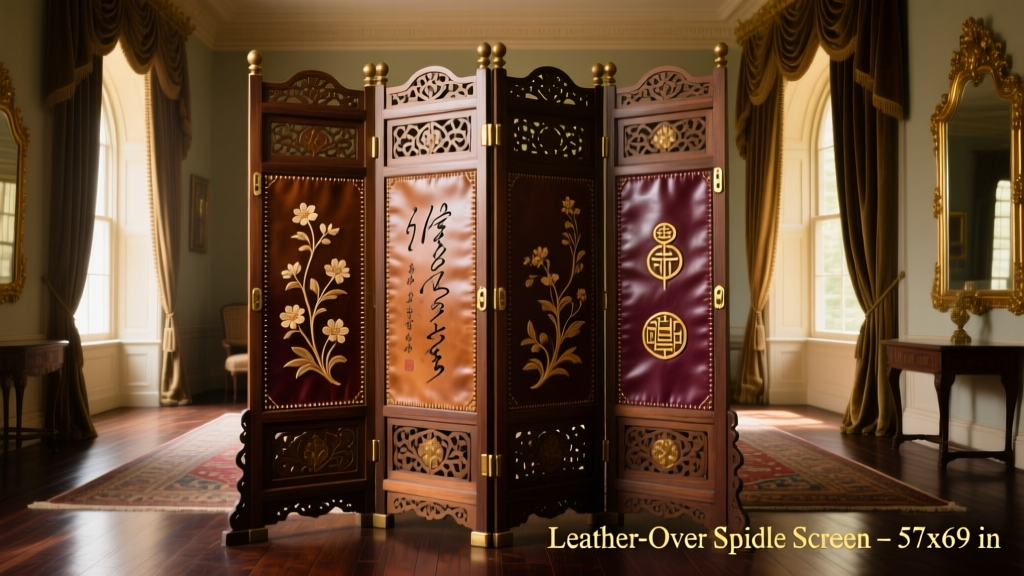
Three-Panel Arts & Crafts Leather-Over-Spindle Screen: Authentic Restoration, Historical Context, and Structural Integrity
A detailed technical and historical analysis of the 57″ × 69″ three-panel Arts & Crafts leather-over-spindle screen—featuring Gustav Stickley, L. & J.G. Stickley, and Charles Rohlfs provenance, walnut construction, hand-tooled leather panels, and period-correct joinery. Includes restoration protocols, material verification methods, and comparative dimensional analysis.
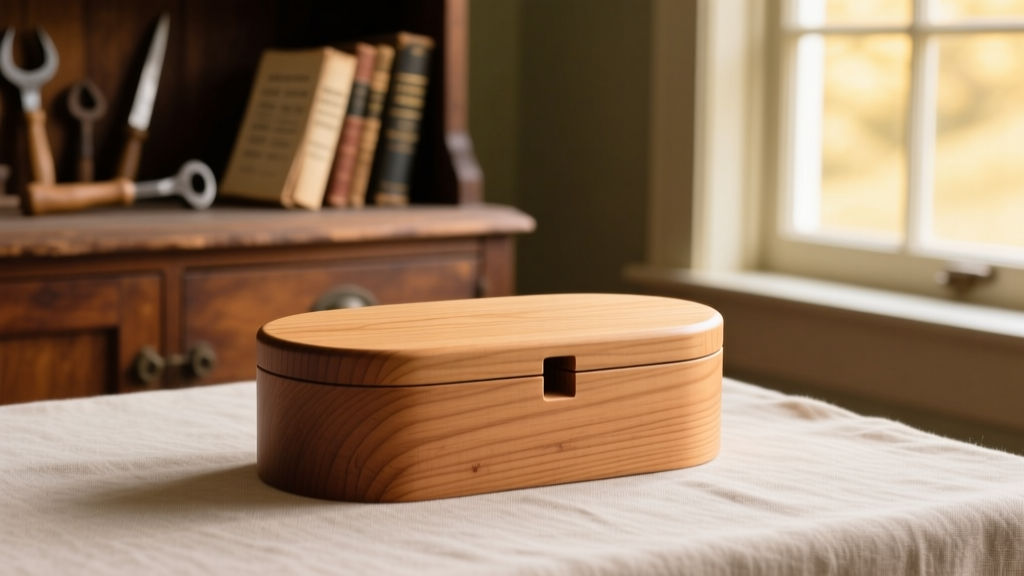
The Shaker Box 2-Finger Oval: Craftsmanship, Provenance, and Restoration Essentials
A definitive examination of the authentic Shaker 2-finger oval box—its historical origins at Sabbathday Lake and Canterbury Shaker Villages, precise construction techniques, material specifications (including sugar maple and black ash), dimensional standards, maker attribution, and ethical restoration protocols for collectors and conservators.
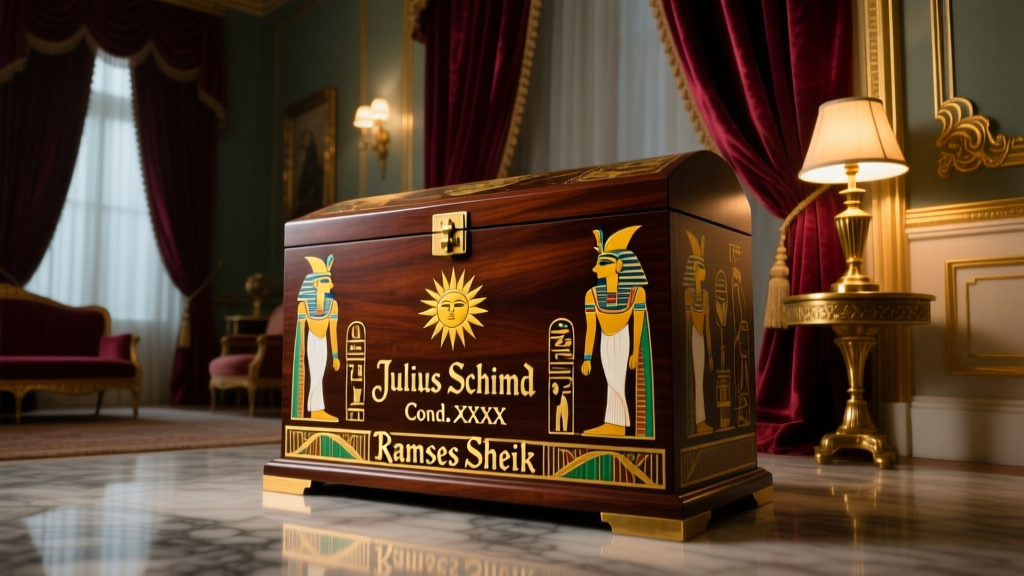
The Julius Schmid Ramses Sheik Advertising Case: A 1931 Wooden Display Cabinet with Original XXXX Decals
A detailed examination of a rare 1931 Julius Schmid advertising case for Ramses Sheik condoms, featuring original hand-applied XXXX decals, walnut veneer construction, and historically significant branding—analyzed for provenance, materials, conservation status, and cultural context.
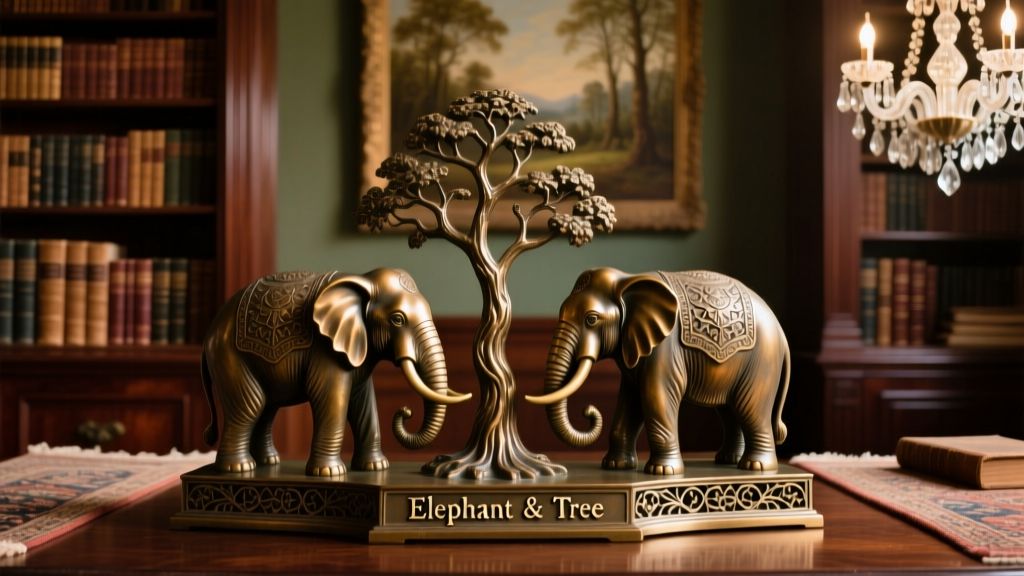
Elephant & Tree Bookends: Identifying, Dating, and Preserving Arts & Crafts Metal Bookends (4½" Tall)
A detailed specialist analysis of vintage elephant-and-tree metal bookends from the American Arts & Crafts movement—covering maker attribution, metallurgical composition, stylistic hallmarks, conservation protocols, market valuation, and functional integrity testing for the iconic 4½-inch standing form.
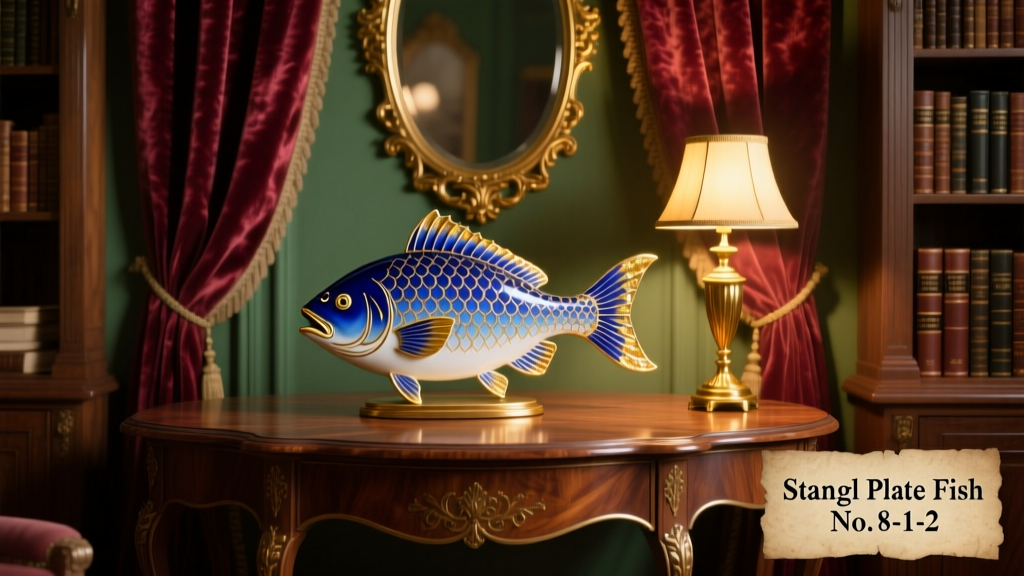
Stangl Fish Plate: Identifying, Valuing, and Preserving the Iconic 8½-Inch Dinnerware Pattern
A detailed expert analysis of the Stangl Pottery Fish plate—specifically the 8½-inch diameter dinner plate—covering its production history (1940–1970), design origins, mold numbers, glaze variations, market value benchmarks, restoration ethics, and practical care protocols for collectors and heirloom custodians.
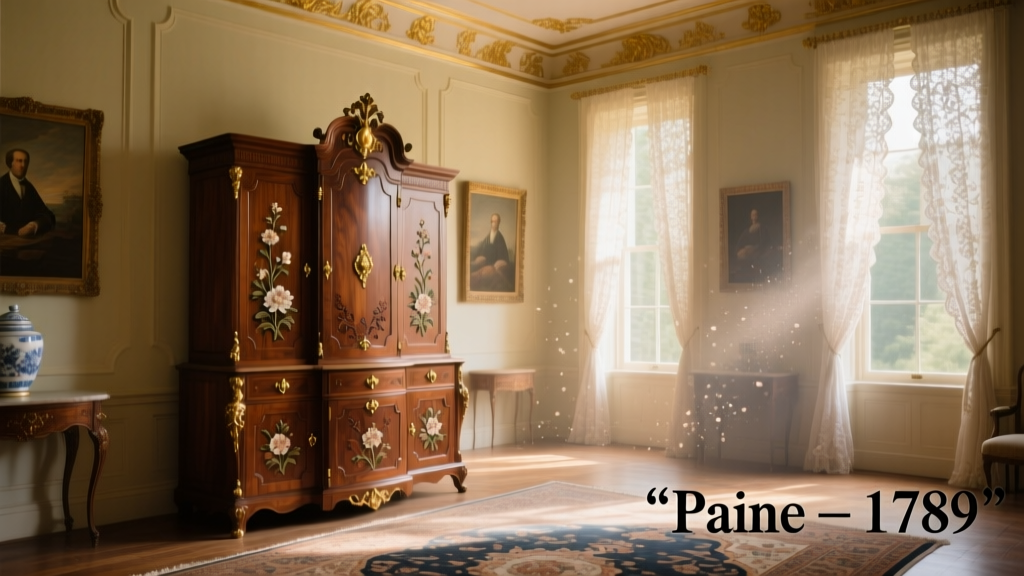
The Paine China Cabinet: History, Design Evolution, and Restoration Best Practices
A detailed examination of the Paine China Cabinet—its origins with Paine Furniture Company of Grand Rapids, Michigan; stylistic evolution from 1920s Colonial Revival to mid-century modern interpretations; authentic identification markers; precise dimensions and construction details; and step-by-step conservation protocols for wood, glass, and hardware.
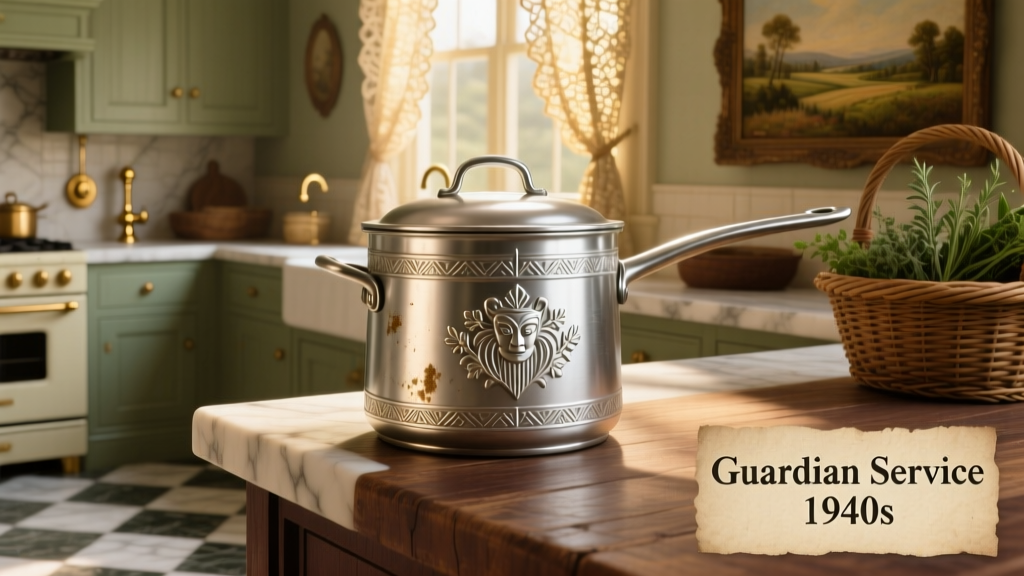
Guardian Service Aluminum Frying Pan, 1940s: A Restoration Specialist’s Analysis of the 10 × 2-Inch Kitchen Workhorse
A detailed technical and historical examination of the Guardian Service aluminum frying pan (10-inch diameter × 2-inch depth), manufactured in the early-to-mid 1940s by the Aluminum Cooking Utensil Company of Milwaukee, WI. Includes metallurgical insights, wartime production context, identification markers, restoration protocols, and comparative performance data.
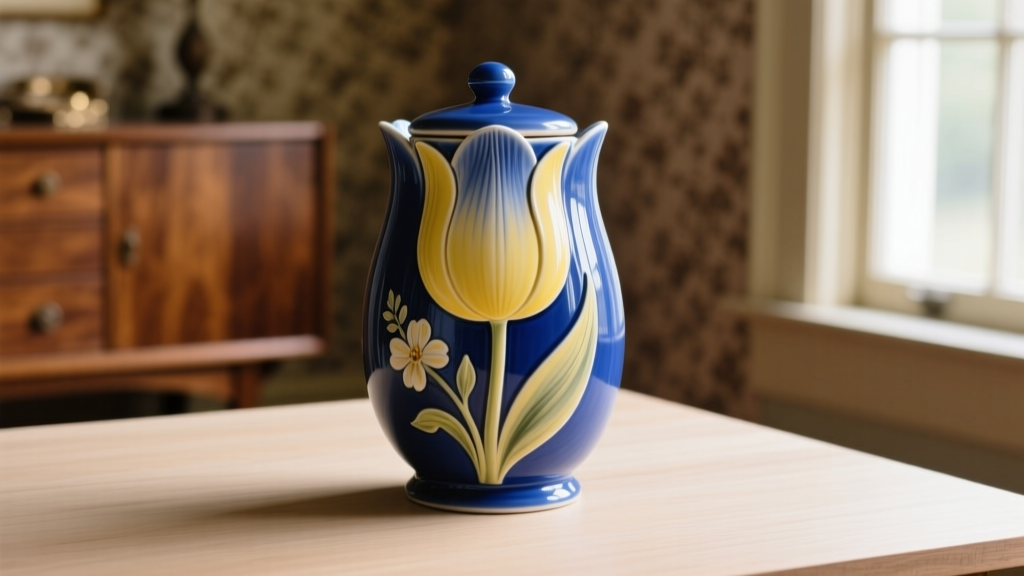
The Watt Tulip Cookie Jar: History, Identification, and Restoration Insights for Collectors
A detailed examination of the iconic mid-century Watt Tulip Cookie Jar — its origins at Watt Pottery in Crooksville, Ohio, production timeline (1948–1959), distinguishing features, market values, and expert-led conservation practices for antique ceramics.