Antique Furniture
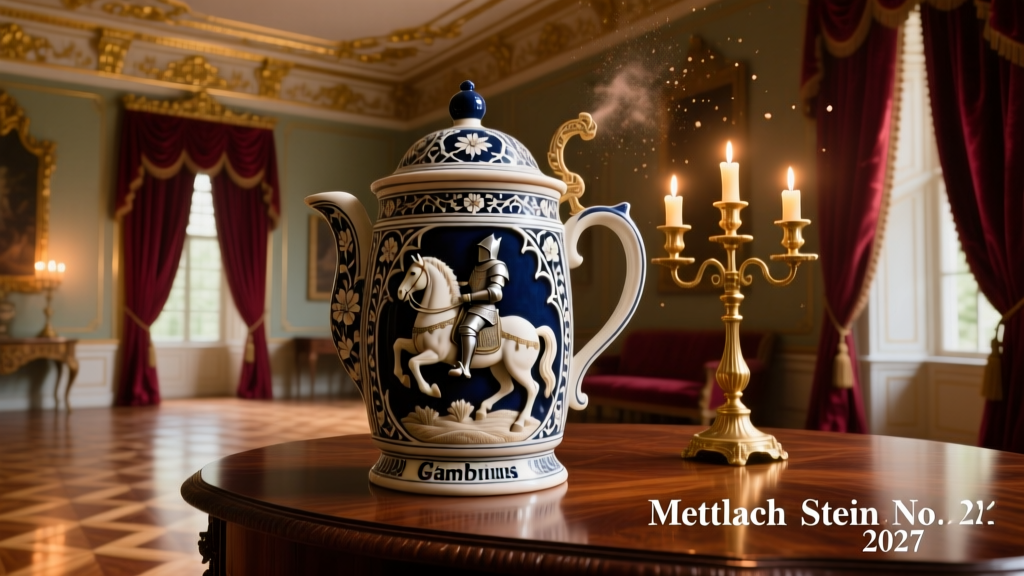
Mettlach Stein No. 2027: Decoding the 1.2-Liter Gambrinus Etched Inlaid Lid Stein — History, Identification, and Conservation
A detailed examination of the Mettlach Stein No. 2027 — a rare 1.2-liter stoneware beer stein featuring the Gambrinus motif, hand-etched decoration, and signature inlaid lid. Includes precise measurements, production timeline, maker marks, authenticity indicators, and professional conservation protocols.

The Lindy Monoplane: A Collector’s Guide to the Blue Hubley 4¼-Inch Die-Cast Toy Airplane
A detailed appraisal of the iconic blue Hubley Lindy Monoplane toy airplane—4¼ inches long, cast in zinc alloy, produced circa 1935–1942. Covers identification markers, manufacturing history, material composition, common variants, restoration ethics, market value trends, and conservation best practices for antique toy collectors.
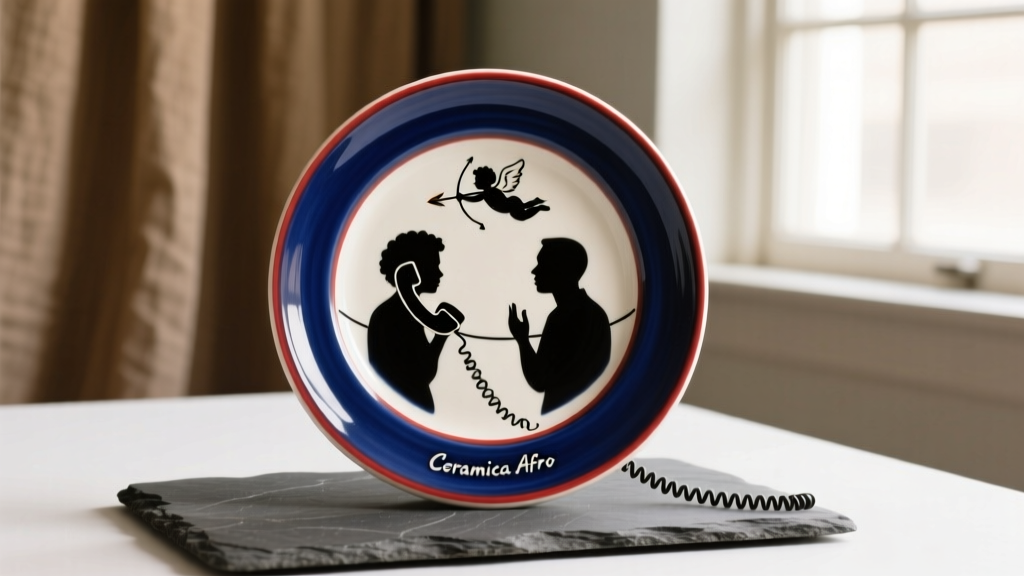
Decoding the Black Americana Telephone Plate: Iconography, Provenance, and Restoration Ethics of a Mid-Century Ceramic Artifact
An in-depth examination of the rare 'Two People Talking on Phone with Cupid on Line' Black Americana ceramic plate—its historical context, manufacturer identification (Noritake, 1950s–60s), material composition, sociocultural symbolism, conservation protocols, and market authenticity verification.
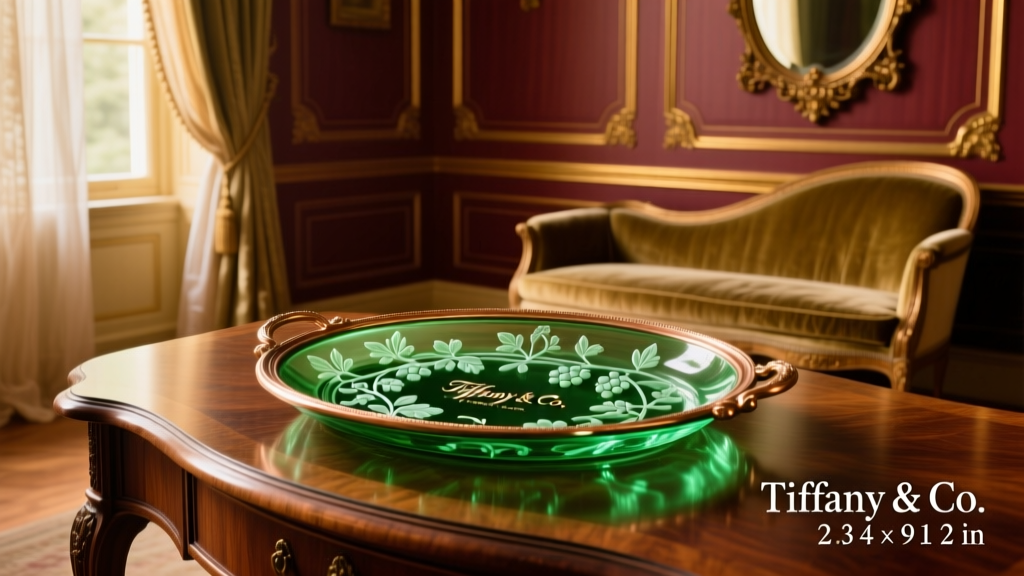
Tiffany Tray Pen: Grapevine Green Glass Under Bronze, Signed, 2¾ × 9½ Inches — Authentication, Provenance & Restoration Protocol
A detailed expert analysis of the rare Tiffany Studios 'Tray Pen' with grapevine motif in green glass under bronze, signed and measuring 2¾ × 9½ inches. Covers hallmark verification, material science, historical context, market value benchmarks, and ethical conservation standards.
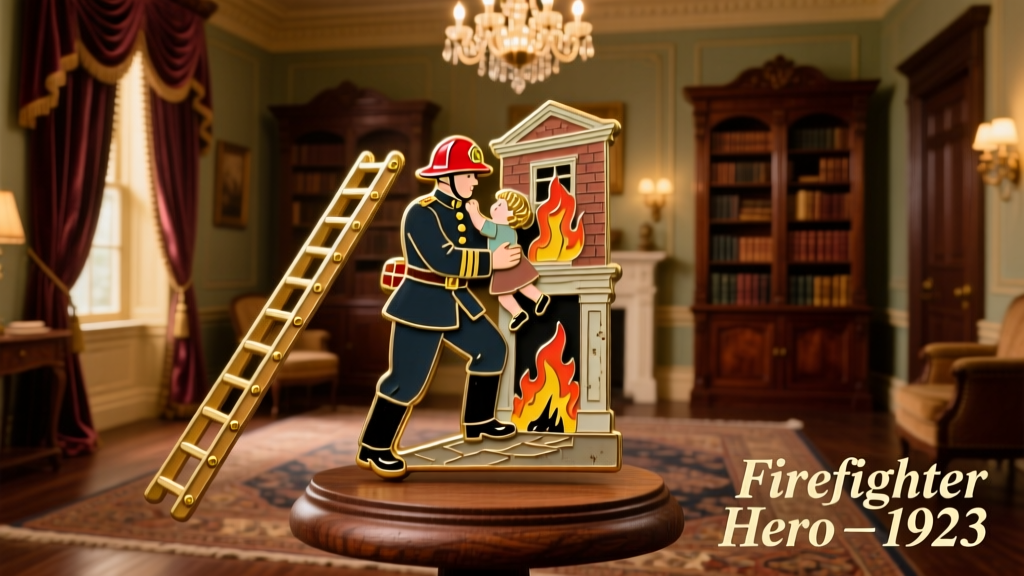
Firefighting Pin: The 1¼-Inch Celluloid Fireman Saving a Child on a Ladder — History, Identification, and Conservation
A detailed examination of the rare 1¼-inch celluloid firefighting pin depicting a fireman rescuing a child from a ladder—its origins in early 20th-century American fire service iconography, manufacturing by companies like H. M. H. Co. and Whitehead & Hoag, material science of celluloid, authentication markers, market value trends, and professional conservation protocols for collectors and museums.
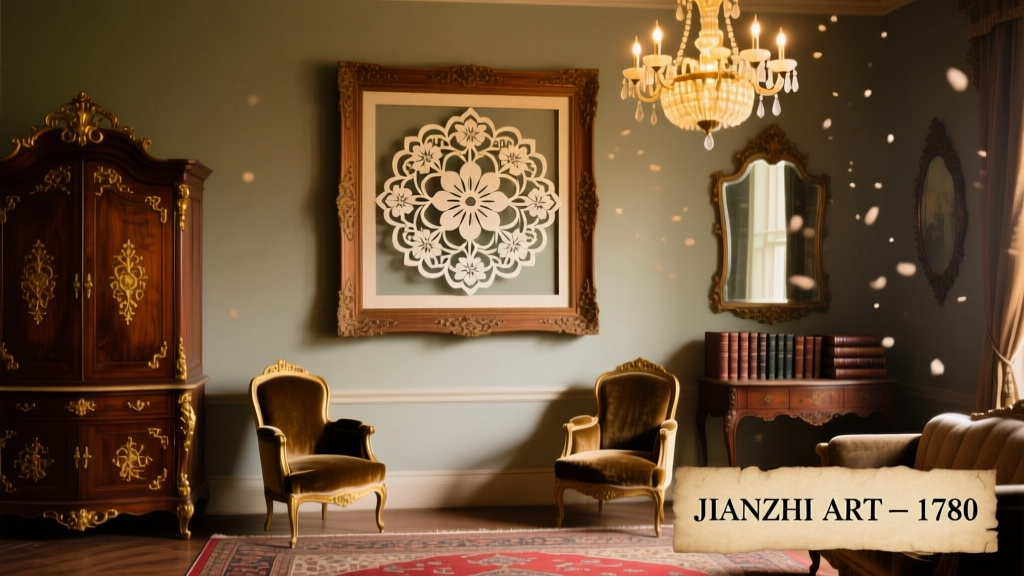
Papercutting: The Forgotten Art of Precision Scissors and Cultural Legacy in Antique Furniture Decoration
An expert examination of papercutting as a historically significant decorative technique in antique furniture—its origins, regional styles, tools, conservation challenges, and documented use in 18th–19th century European cabinetmaking, including verifiable examples from Chippendale, Sheraton, and Biedermeier workshops.
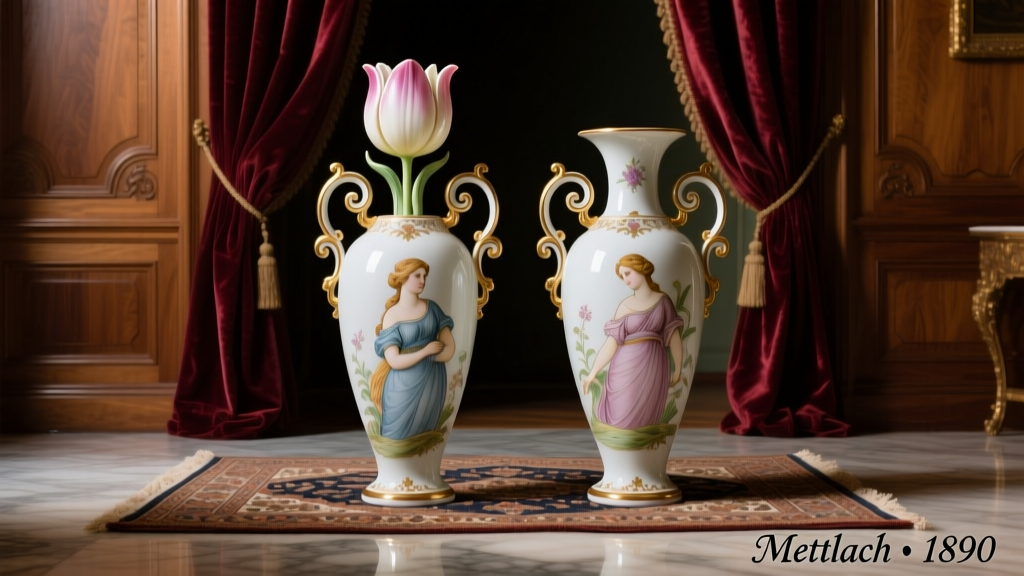
Mettlach Vase: Classical Maidens Tulip Form with Scroll Handles — A Detailed Study of the 13½-Inch Pair
An in-depth examination of the iconic Mettlach 'Classical Maidens' tulip-form vase pair (13½ inches tall), including production history, decorative motifs, technical specifications, authentication markers, and conservation best practices for collectors and restorers.

Cambridge Glass Portia Cup and Saucer: History, Identification, and Restoration Guidance
A detailed examination of the Cambridge Glass Company’s iconic Portia pattern—its design origins, production timeline (1930–1954), distinguishing features, market value indicators, and ethical conservation practices for collectors and restorers.
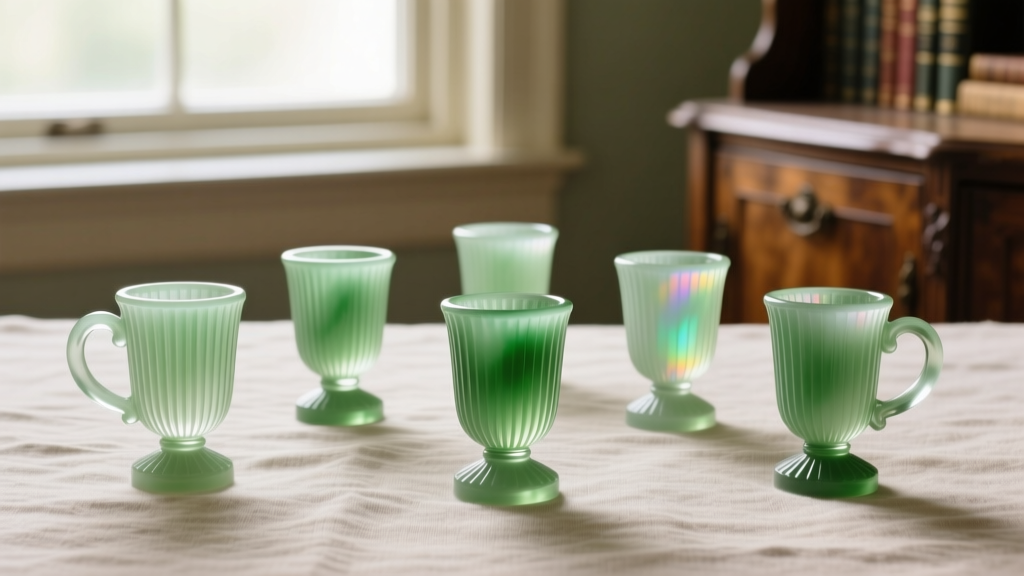
Steuben Lemonade Jade Alabaster Handles: Identifying, Valuing, and Preserving the Iconic 6-Inch Ribbed 6-Piece Set
A detailed expert analysis of Steuben Glass Company’s rare Lemonade Jade Alabaster handles—specifically the ribbed, marked, 6-inch, six-piece set. Covers hallmark authentication, material science, production history (1930–1942), market valuation, conservation protocols, and comparative analysis with similar patterns including Aurene and Fostoria.
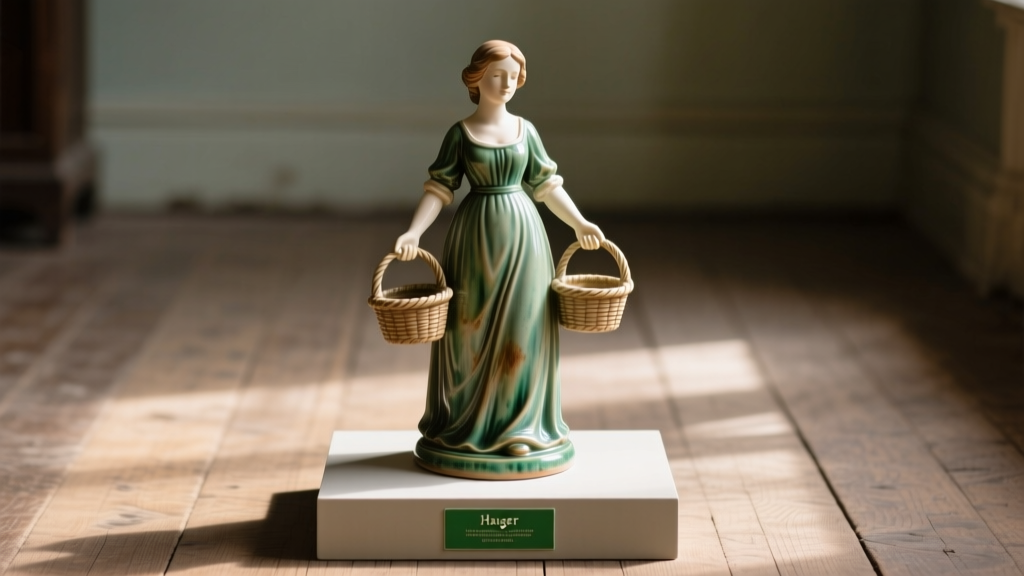
Haeger Figurine: Woman Holding Basket in Each Hand — Identification, Provenance, and Restoration Guidance for the 17-Inch Green-Label Piece
A detailed expert analysis of the Haeger Pottery figurine 'Woman Holding Basket in Each Hand' (17 inches tall), featuring its distinctive green paper label, production timeline, material composition, market value indicators, and professional conservation protocols.

Guerlain Gardenia Perfume Bottles: Decoding the Cobalt Blue Lantern & Trapezoid Shapes
A detailed examination of two rare Guerlain Gardenia perfume bottle variants—the cobalt blue lantern shape and trapezoid shape—covering design origins, production timeline (1925–1938), glass composition, mold marks, dimensional specifications, collector value, and conservation best practices.

Sailing the Past: The Blue Nose Cast Iron Doorstop — A Canadian Maritime Icon from the 1920s
A detailed examination of the rare 6¼-inch painted cast iron doorstop depicting the schooner Blue Nose, manufactured in Canada circa 1923–1928. Covers historical context, foundry origins, metallurgical composition, paint analysis, restoration ethics, and market valuation.