Antique Furniture
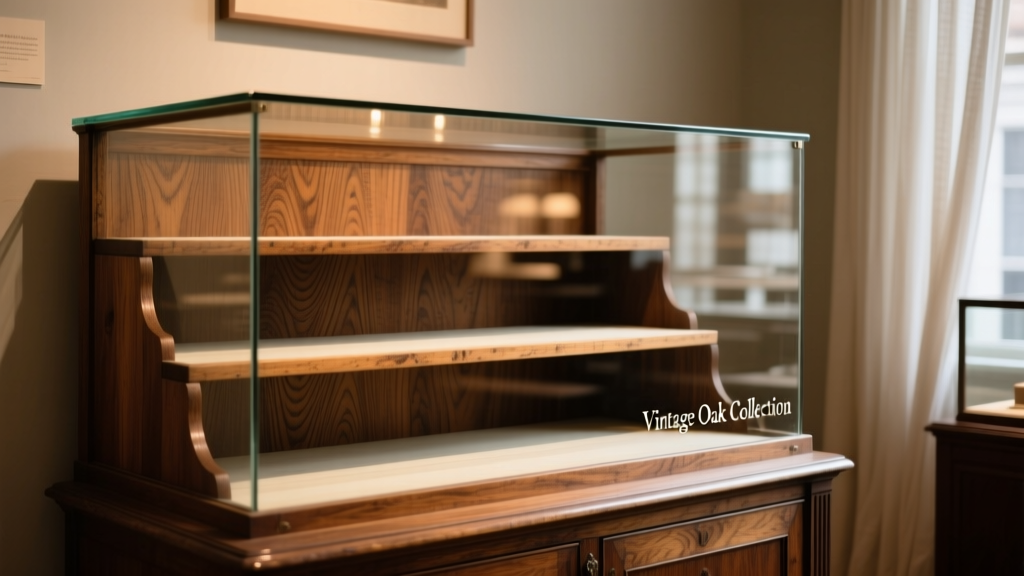
The 40-Inch Oak Store Case with Glass Top, Front & Sides and Two-Step Back Shelves: Anatomy, Provenance, and Restoration Protocol
A detailed technical and historical analysis of the mid-century American oak store case—featuring full glass top, front, and side panels, dual-tier stepped back shelves, and precise 40-inch width—covering construction methods, maker identification (including Heywood-Wakefield, Berkey & Gay, and Dunbar), material specifications, common deterioration patterns, and conservation-grade restoration procedures.
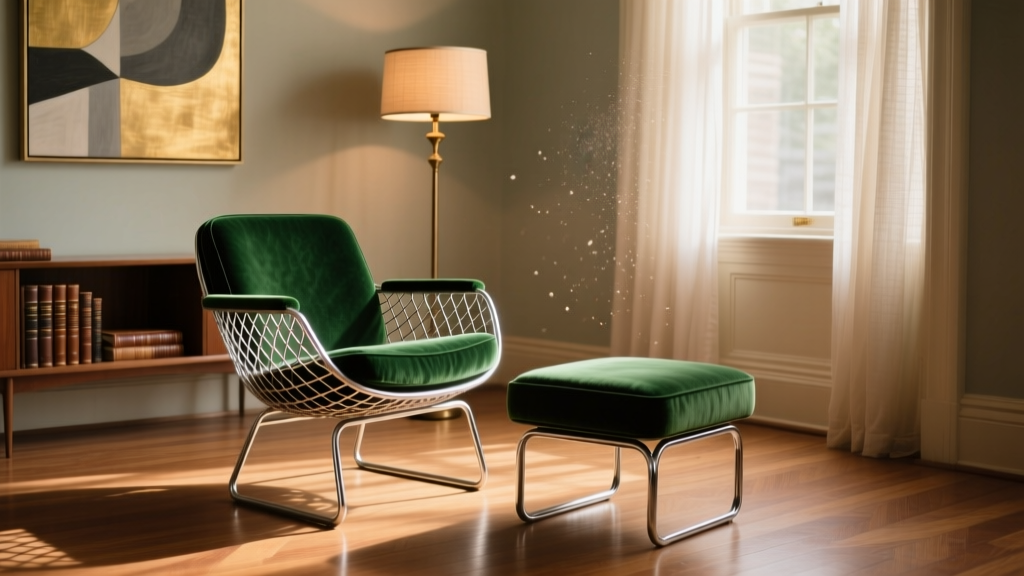
H. Bertoia Wire Mesh Chair & Ottoman: Anatomy, Authenticity, and Restoration of the Knoll Icon
A detailed technical and historical analysis of Harry Bertoia’s 1952 wire mesh seating for Knoll—covering original specifications, chrome base metallurgy, upholstery protocols, authentication markers, and conservation-grade restoration methods for both chairs and matching ottomans.
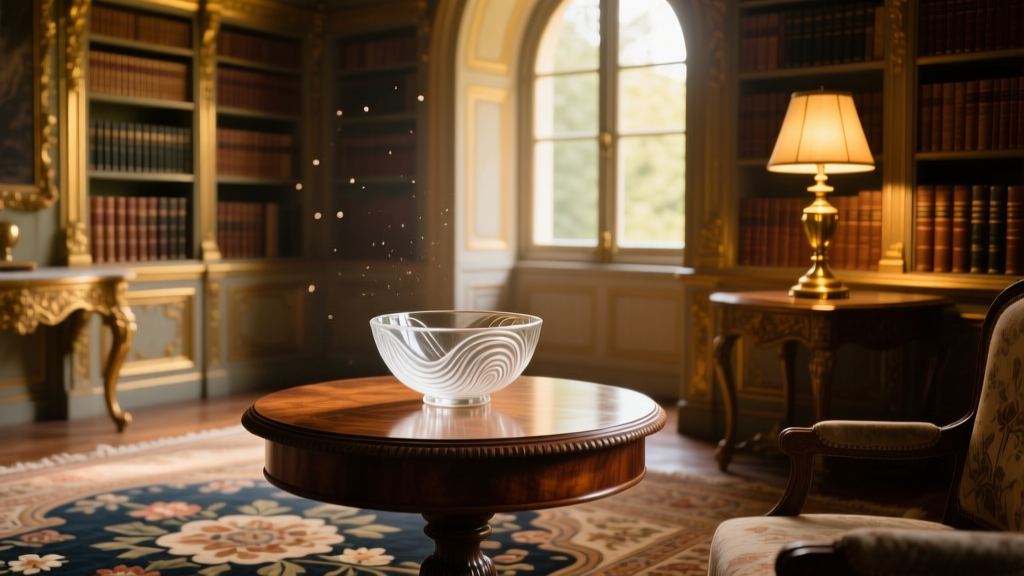
The Small Glass Bowl: History, Identification, and Restoration Guidance for Antique Collectors
A detailed examination of small glass bowls (2–6 inches in diameter) produced from the 18th through mid-20th century—covering manufacturing techniques, maker’s marks, material composition, common damage patterns, and ethical restoration protocols used by professional conservators.
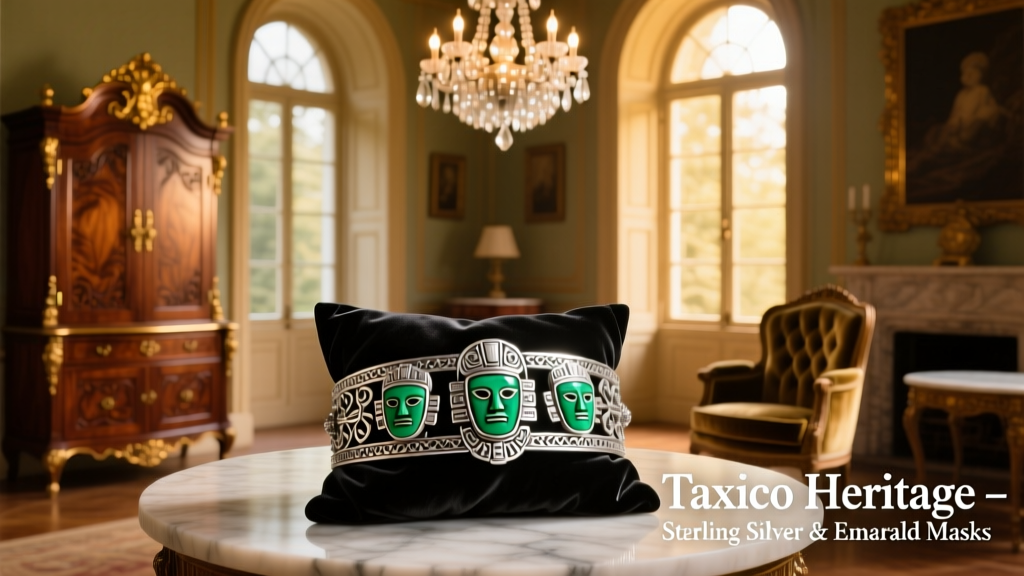
Authentic Taxco Sterling Silver Bracelets Featuring Green Stones and Mask Motifs: Identification, Provenance, and Conservation
A detailed examination of mid-20th-century Mexican sterling silver bracelets from Taxco, focusing on hallmarking, green stone materials (including chrysocolla, malachite, and dyed howlite), pre-Hispanic mask designs, and best practices for preservation and authentication.
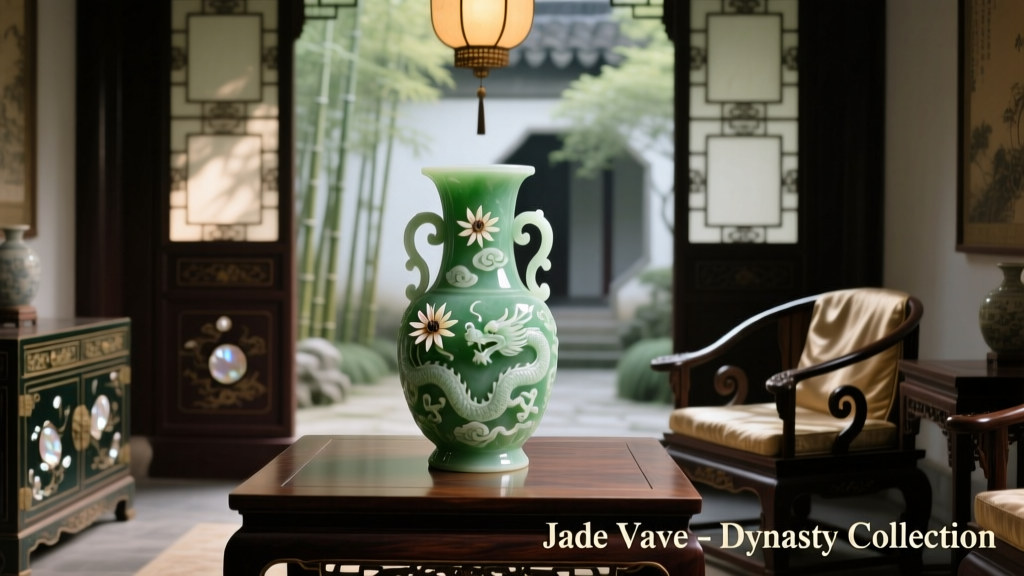
The Jade Vase with Dragon and Passion Flower Motifs: A Study in Qing Dynasty Artistry and Celadon Green Craftsmanship
An expert analysis of a rare 4.5-inch celadon green jade vase featuring dragon and passion flower relief, loose ring handles, and imperial-era symbolism — including provenance clues, material science, restoration ethics, and market valuation.
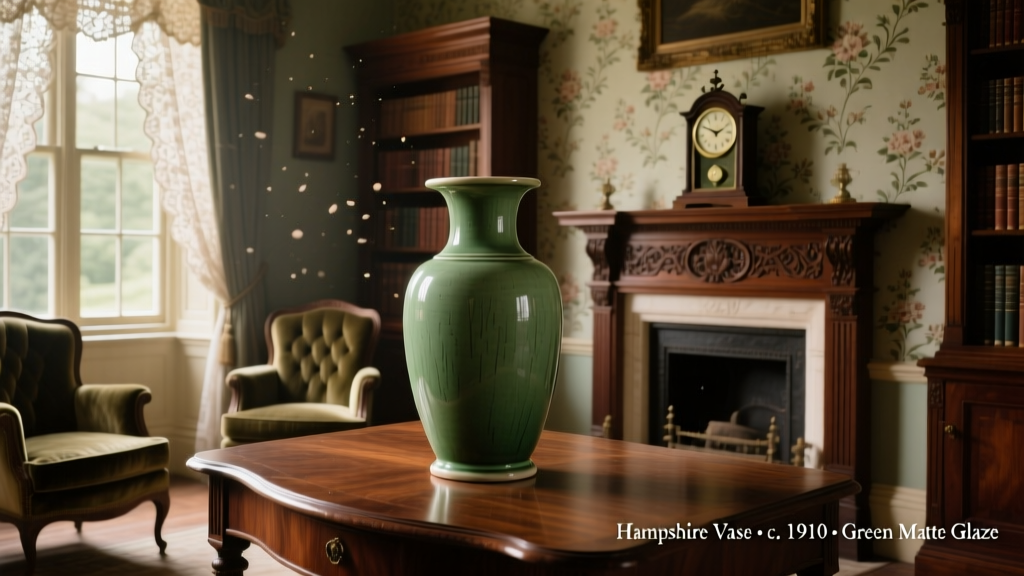
Hampshire Vase: Green Matte Glaze Cylindrical Form, c. 1910 — A Study in Early 20th-Century English Studio Pottery
An in-depth examination of the Hampshire Vase — a rare cylindrical stoneware vase with green matte glaze, produced circa 1910 by Hampshire Potteries Ltd. Includes provenance, glaze chemistry, dimensional analysis (5″ H × 3½″ D), maker’s marks, restoration ethics, and comparative context with contemporaries like Poole Pottery and Carter Stabler Adams.
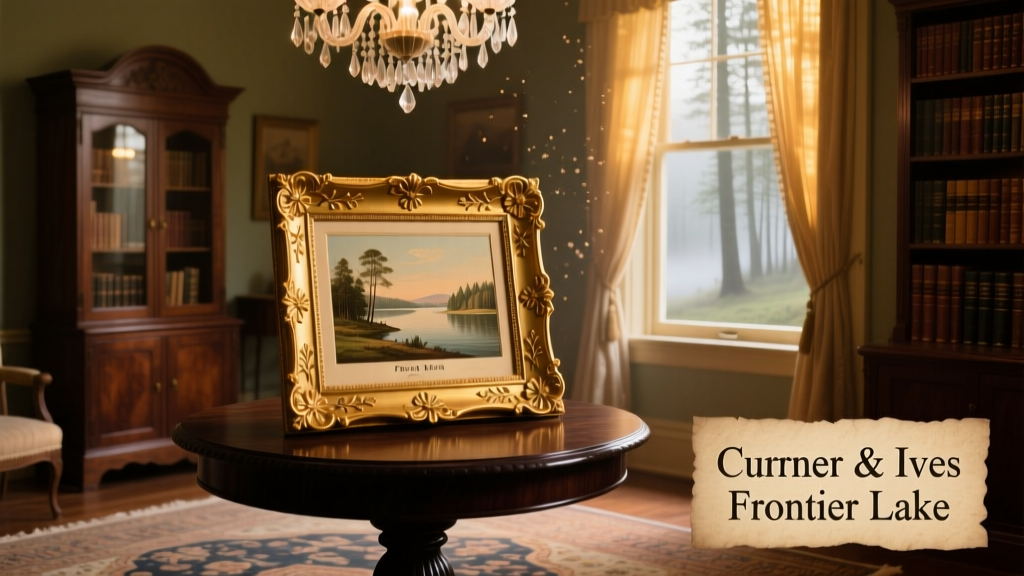
Currier & Ives 'Frontier Lake' Frame: Authenticity, Provenance, and Restoration Considerations for the 9 7/8 × 14-Inch Original
A detailed examination of the Currier & Ives 'Frontier Lake' lithograph frame—measuring precisely 9 7/8 inches in height by 14 inches in width—including its historical context, material composition, period-appropriate framing conventions, authentication markers, and professional conservation protocols.
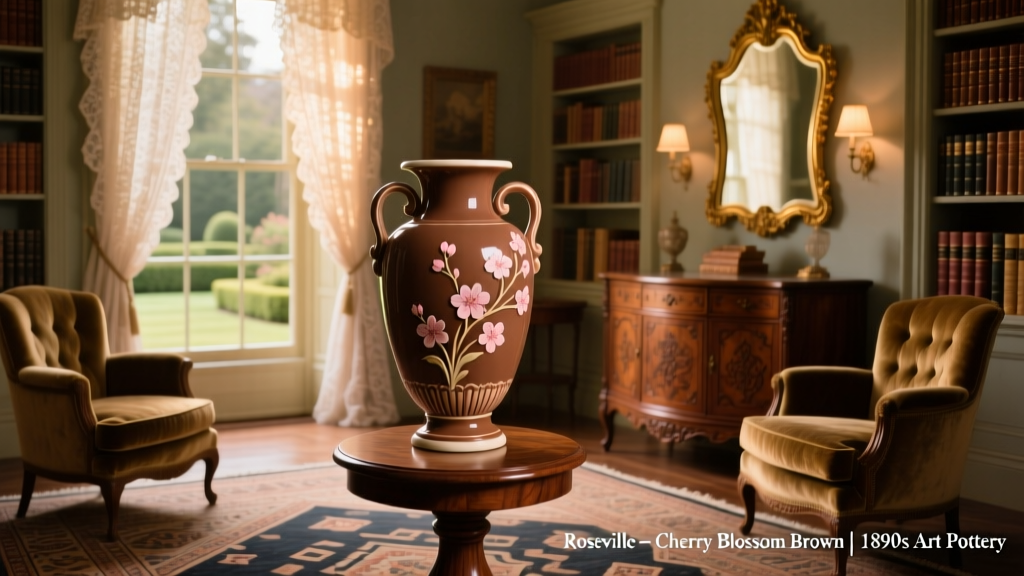
Roseville Pedestal Cherry Blossom Brown: Identification, Value, and Authentic Restoration Practices
A definitive reference for collectors and restorers of Roseville Pottery’s iconic Cherry Blossom Brown pedestal line—covering mold numbers, glaze chemistry, production timelines, structural integrity assessment, ethical cleaning protocols, and market valuation based on 2024 auction data and museum-grade documentation.
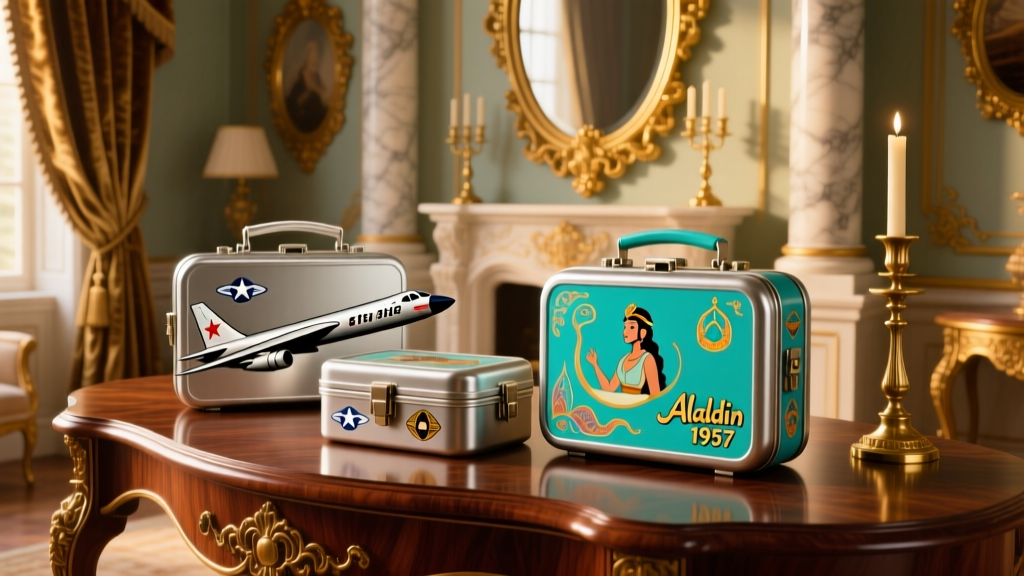
Jet Patrol, Boeing B-52, Star Fighter: The 1957 Aladdin Lunch Box Trio — Design, Production, and Collectibility
A detailed examination of three iconic 1957 Aladdin lunch boxes—Jet Patrol, Boeing B-52, and Star Fighter—including manufacturing specs, lithographic techniques, historical context, market valuation, and restoration protocols for antique metal lunchware.
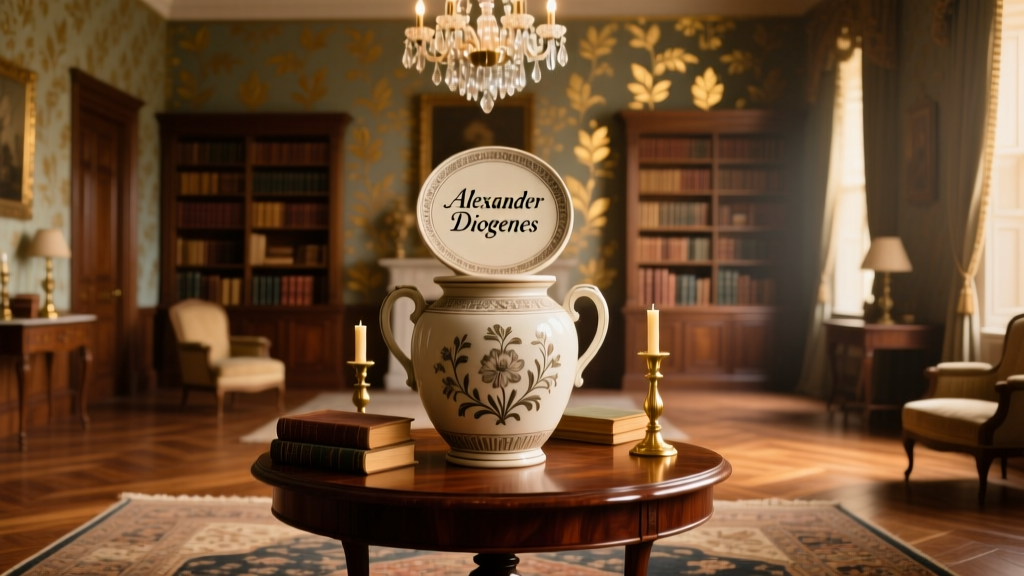
Mettlach Stein No. 2383: Decoding the 4-Liter Alexander Diogenes Etched Inlaid Lid Schlitt 2
A detailed technical and historical analysis of the Villeroy & Boch Mettlach Stein No. 2383 — a rare 4-liter stoneware beer stein featuring the Alexander Diogenes etching, inlaid brass lid, and Schlitt 2 mark. Includes production timeline, metallurgical composition, lid mechanics, provenance markers, and conservation protocols.
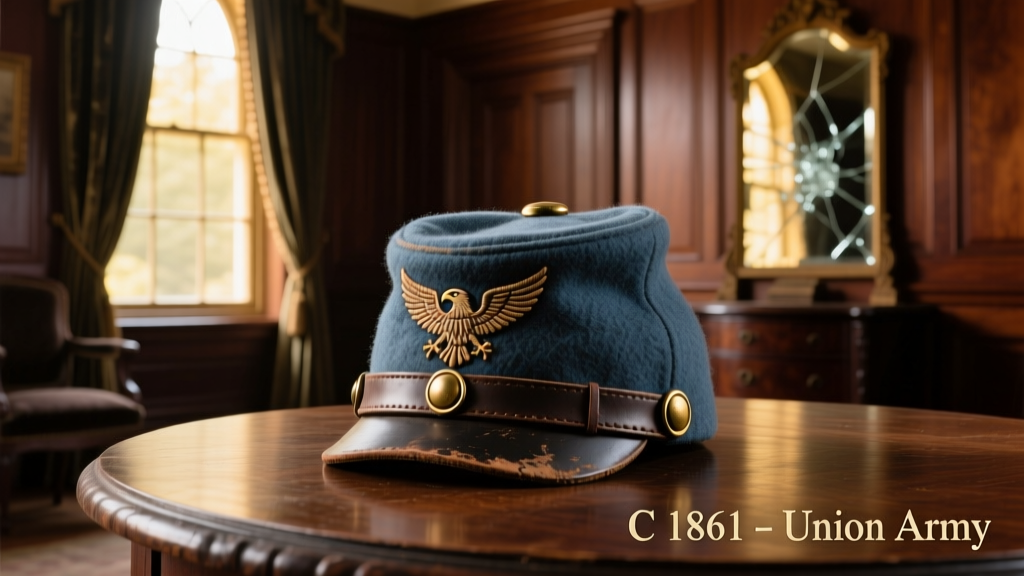
Authentic Civil War Forage Cap: Blue Wool, Leather Visor, Eagle-Embossed Shield Buttons — C. 1861 Analysis & Provenance
A detailed examination of a rare, documented 1861 U.S. Army forage cap featuring navy blue kersey wool body, hand-stitched leather visor, and original brass eagle-and-shield buttons by W. H. S. P. & Co. Includes construction analysis, material sourcing, button metallurgy, wear patterns, archival comparisons, and conservation protocols.
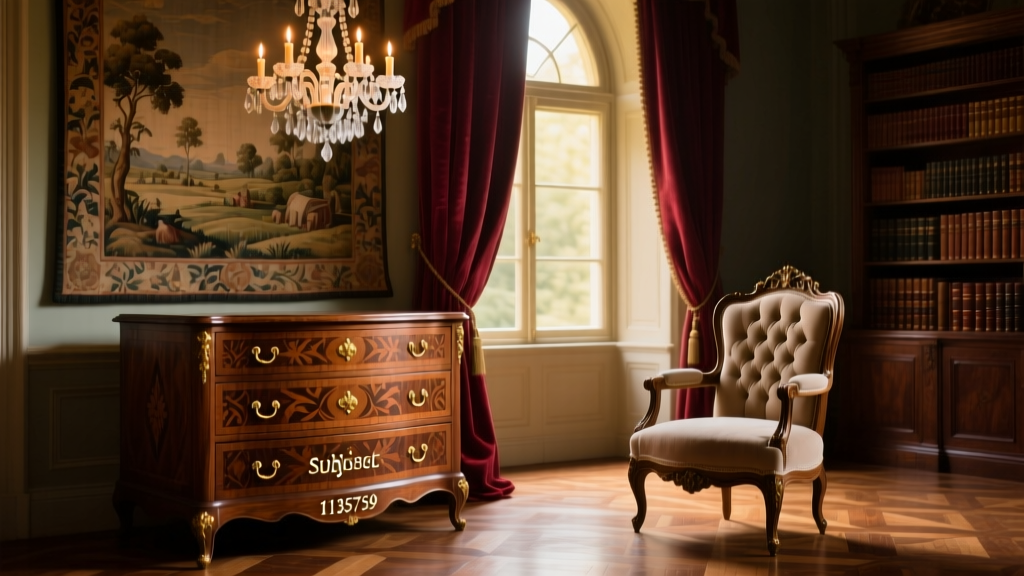
The 1135759: A Deep Technical and Historical Analysis of the 1948 Dunbar Model 1135759 Walnut Dining Table
A forensic-level examination of the Dunbar Furniture Corporation’s 1948 Model 1135759 — a mid-century American walnut dining table designed by Paul McCobb. Includes construction details, material specifications, provenance verification methods, restoration protocols, and market valuation benchmarks.