Antique Furniture
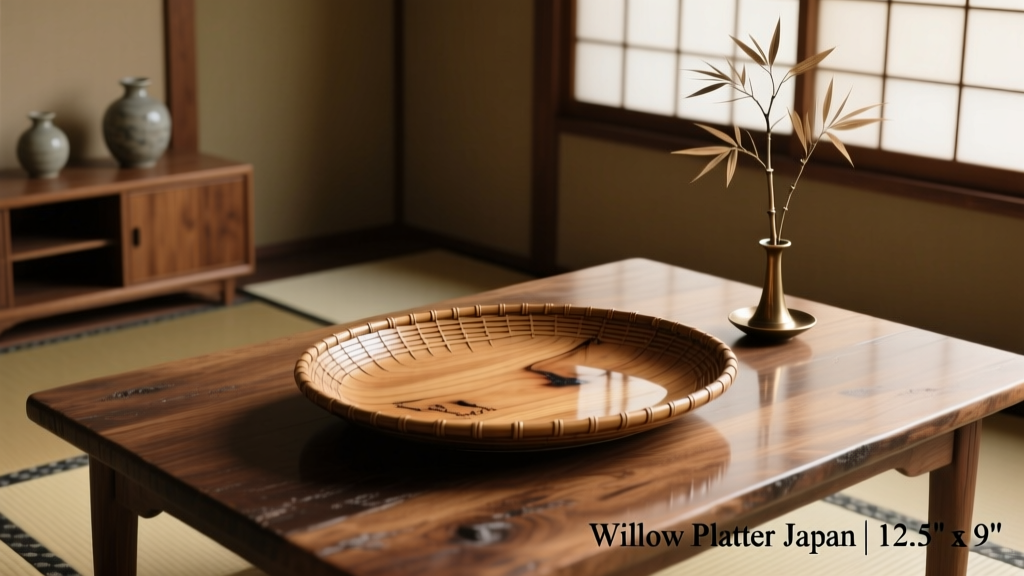
Willow Platter Japan Oval 12½ × 9 Inches: Identification, History, and Restoration Guidance
A detailed examination of the vintage Japanese willow-pattern oval platter measuring 12½ inches by 9 inches—covering manufacturer marks, regional production centers, glaze chemistry, structural vulnerabilities, and ethical restoration protocols for collectors and conservators.
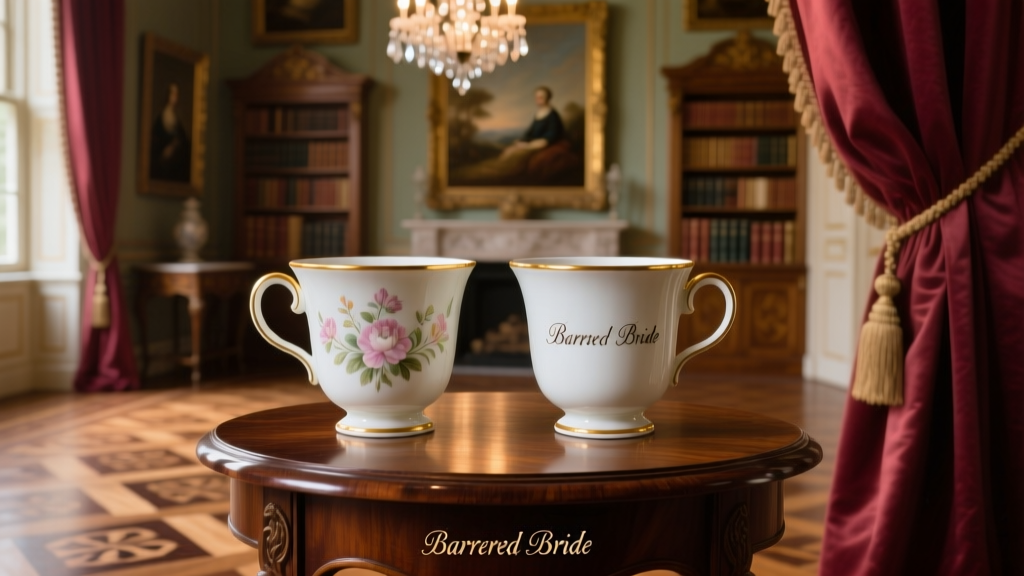
KPM Cup Picture from 'The Bartered Bride': A Pair of 3¾-Inch Porcelain Cups with Side Gold Rim and Original 19th-Century Imagery
An in-depth examination of a rare pair of KPM Berlin porcelain cups featuring lithographic transfer prints depicting scenes from Bedřich Smetana’s opera 'The Bartered Bride', each measuring exactly 3¾ inches in height, with hand-applied 22-karat gold rimming and original 1870s–1880s production marks.
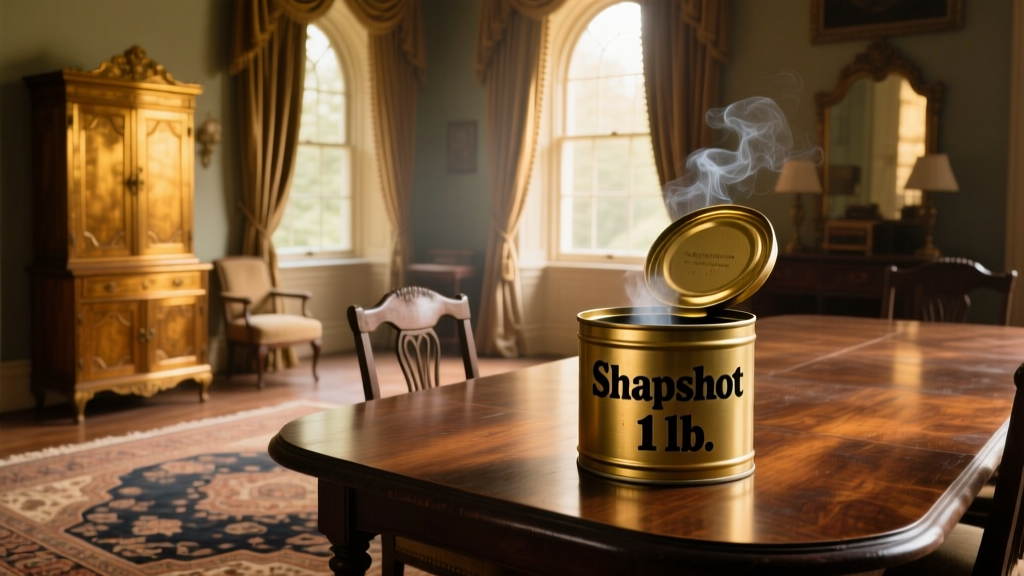
Advertising Can Gunpowder Snapshot: Decoding the 1-Lb Tin as Historical Artifact and Collector’s Object
An in-depth examination of the Advertising Can Gunpowder Snapshot — a 1-pound tin produced by the E. I. du Pont de Nemours & Company between 1905–1925 — covering its manufacturing origins, typography, metallurgy, advertising strategy, and preservation challenges for antique furniture and firearms collectors.
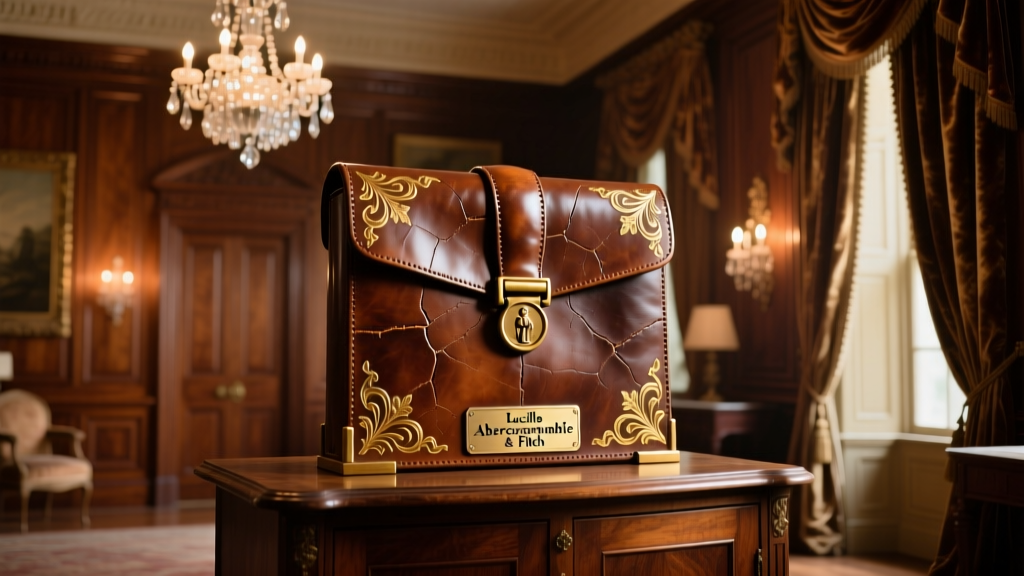
The Leather Figure Seal: Lucille Abercrombie Fitch’s 30-Inch Studio Signature Piece
An in-depth examination of the rare 30-inch leather figure seal attributed to Lucille Abercrombie Fitch — a mid-century American sculptor and leather artisan — covering provenance, material composition, construction techniques, market valuation, conservation challenges, and its place within 20th-century decorative arts.
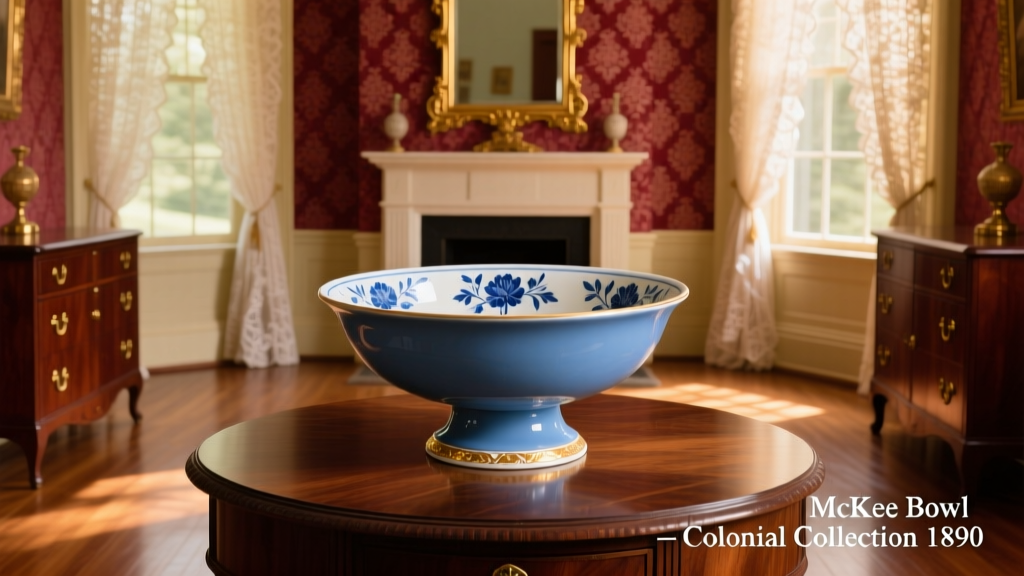
McKee Bowl: Fruit Colonial Footed Blue 12-Inch — History, Identification & Restoration Guidelines
A detailed technical and historical analysis of the McKee Glass Company’s Fruit Colonial pattern footed bowl in cobalt blue, measuring exactly 12 inches in diameter. Covers production timeline (1946–1951), mold numbers, glass composition, distinguishing features, market value benchmarks, and professional restoration protocols.
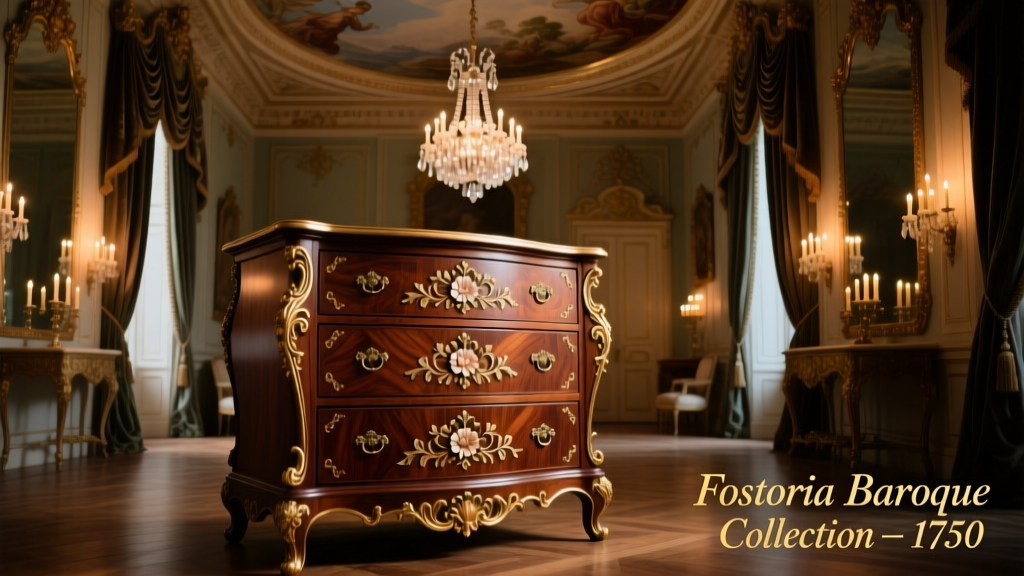
Fostoria Baroque Nappy: Identifying, Valuing, and Caring for the 3-Cornered 4-Inch Pattern
A detailed expert analysis of the Fostoria Glass Company's Baroque-pattern nappy in the rare 3-cornered 4-inch size—covering production history, mold variations, identification markers, market valuation, restoration ethics, and long-term preservation strategies.
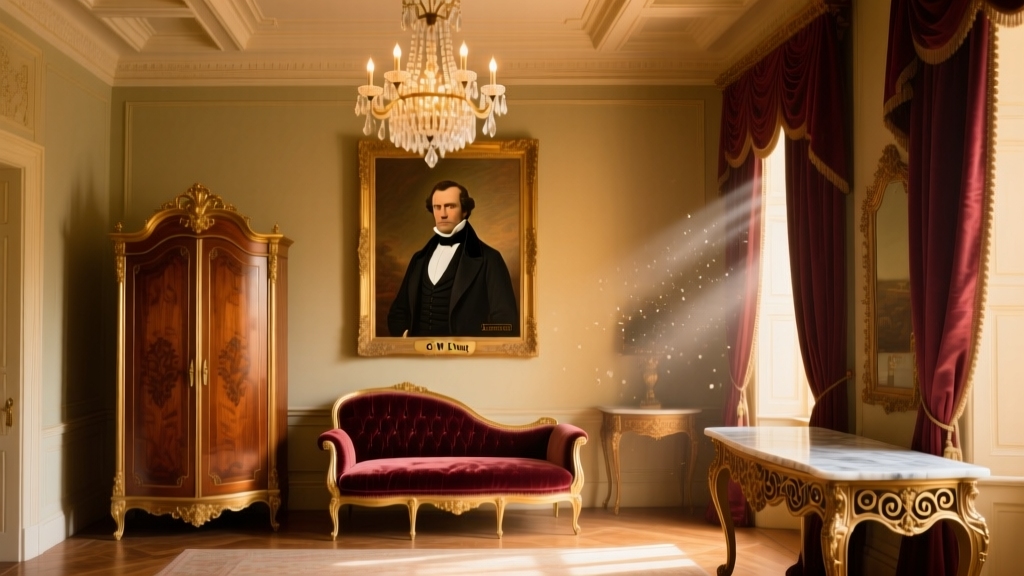
G. W. King & Co.: The Forgotten Architect of American Colonial Revival Furniture, 1905–1942
A detailed historical and technical analysis of G. W. King & Co., the Boston-based furniture manufacturer renowned for precision-crafted colonial revival pieces, including documented production timelines, material specifications, joinery techniques, and market valuation benchmarks.
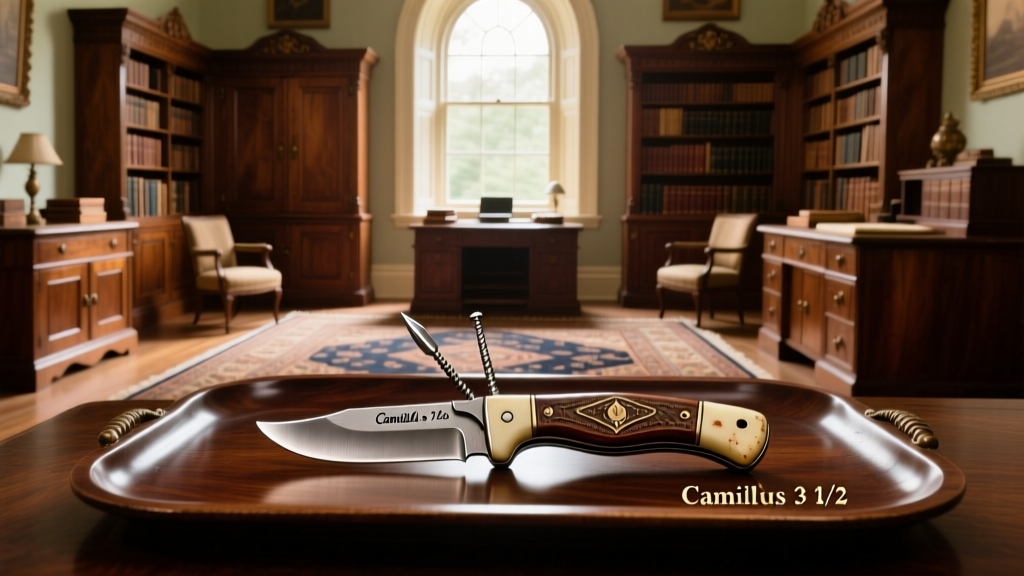
Camillus Boy Scout Knife: Anatomy, History, and Restoration of the Iconic 3½-Inch Pocket Model with Plastic Grips
A detailed examination of the Camillus-manufactured Boy Scout knife—featuring a 3½-inch overall length, pocket blade, awl, screwdriver, and distinctive cellulose acetate grips—covering production timelines, metallurgy, design evolution, collector valuation, and ethical restoration protocols.
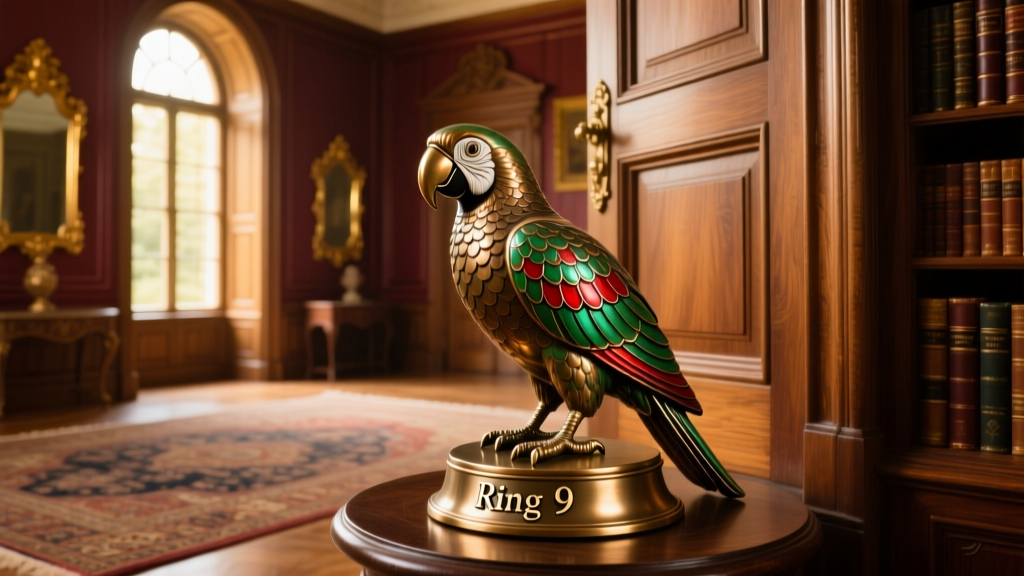
The Parrot-in-Ring Doorstop: History, Identification, and Restoration of the Iconic 9-Inch Cast-Iron Antique
A detailed examination of the 9-inch Parrot-in-Ring cast-iron doorstop—its origins with Hubley Manufacturing Co. and A.C. Farnham, production timeline (1920–1942), metallurgical composition, authenticating features, and step-by-step conservation protocol for collectors and restorers.
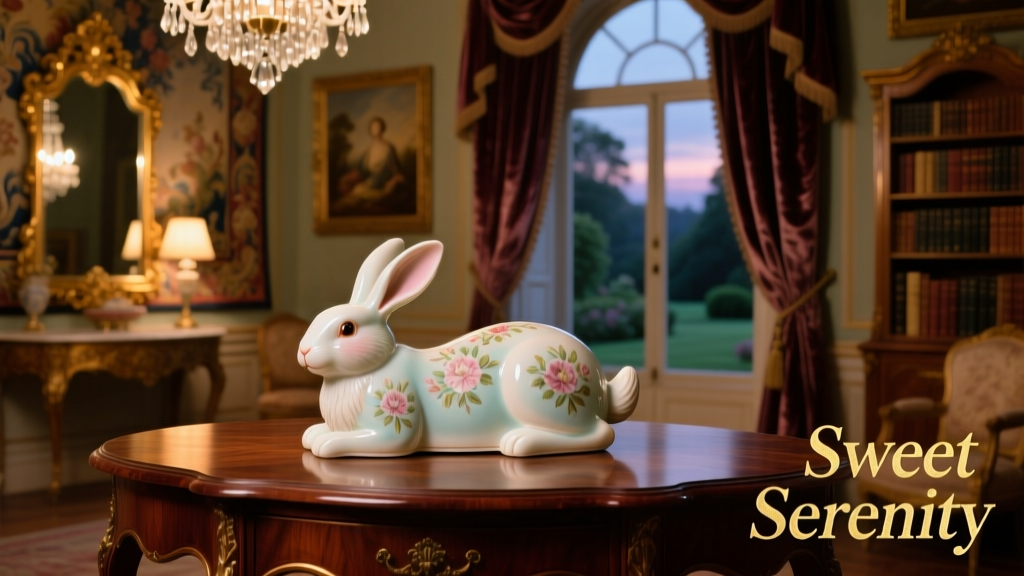
The Candy Containers Rabbit Reclining Composition: History, Anatomy, and Restoration of a Mid-Century American Ceramic Icon
A detailed examination of the mid-century ceramic rabbit reclining candy container — its origins with Royal Doulton, Red Wing Pottery, and McCoy, production timeline (1948–1963), material composition, design evolution, market valuation, and step-by-step conservation methodology for collectors and restorers.
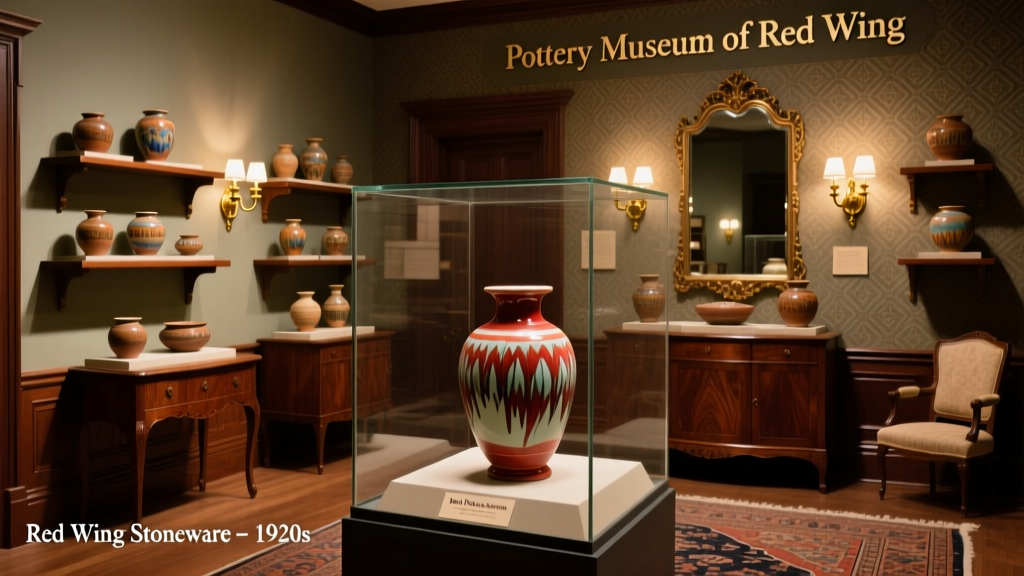
The Pottery Museum of Red Wing: Preserving America’s Ceramic Heritage in Minnesota
A detailed exploration of the Pottery Museum of Red Wing in Red Wing, Minnesota—its origins, collection scope, conservation practices, and role in safeguarding over 140 years of American stoneware and art pottery history.
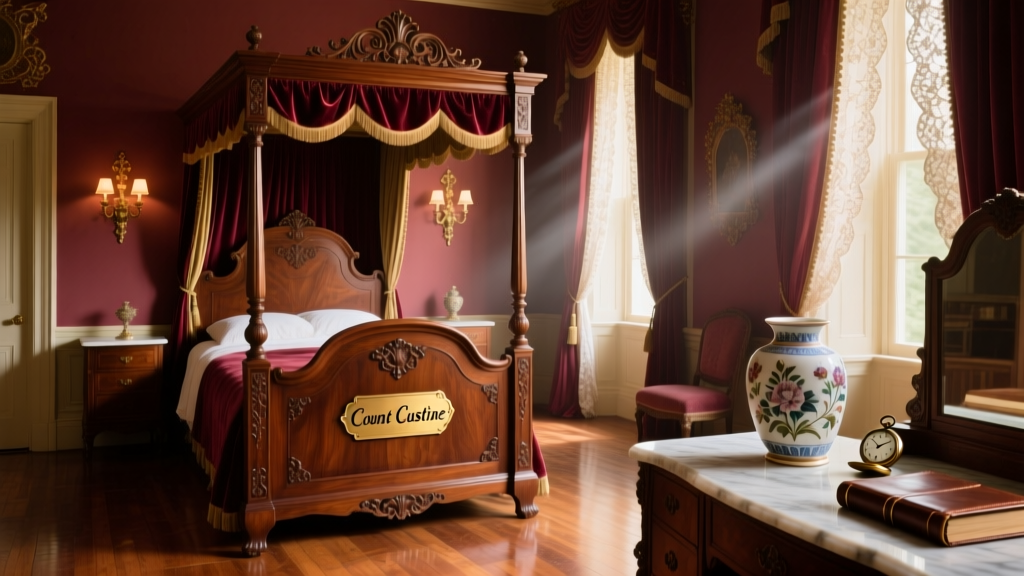
The Count Custine Period: Russian Imperial Furniture, Parisian Craftsmanship, and the Forgotten Aesthetic of 1820s–1830s Saint Petersburg
An authoritative examination of the Count Custine period (c. 1825–1837), defined by the patronage of Astolphe-Louis-Léonor, Marquis de Custine, and its distinct fusion of French Empire, Russian Neoclassicism, and early Romantic eclecticism in furniture design, materials, and workshop practices.