Antique Furniture
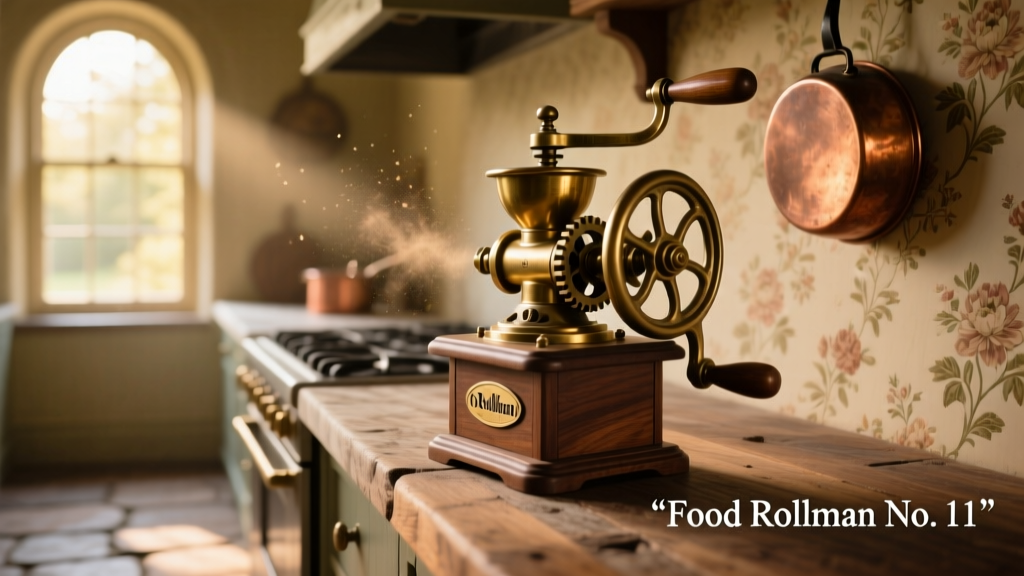
The Kitchen Grinder Food Rollman No. 11: A Technical and Historical Deep Dive
A detailed examination of the Food Rollman No. 11 kitchen grinder—its German engineering, patented mechanisms, restoration challenges, and role in early 20th-century domestic life. Includes verified dimensions, materials, service history, and comparative analysis with contemporaries like Krupp and WMF.
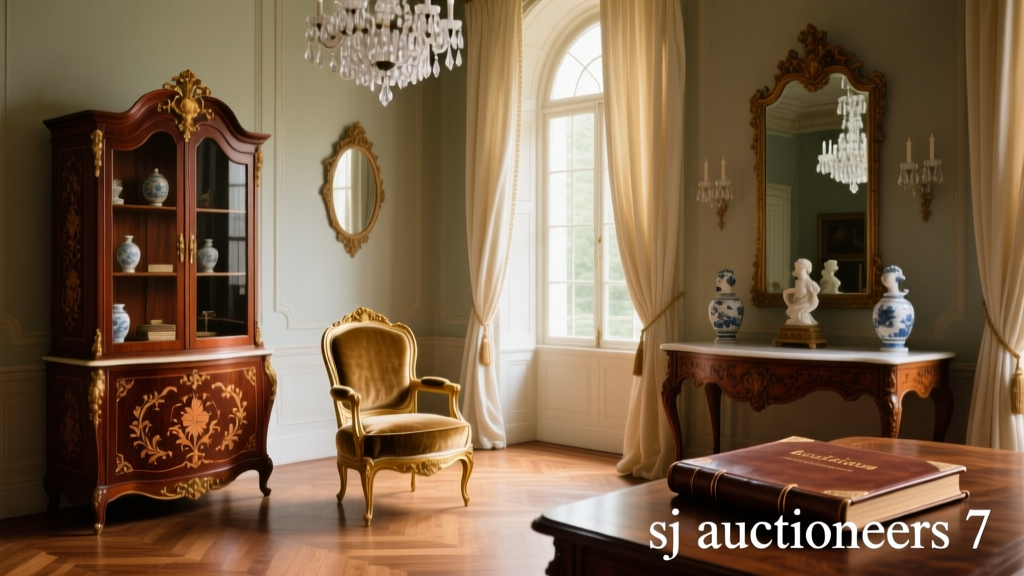
Sj Auctioneers 7: A Critical Appraisal of the July 2024 Antique Furniture Sale
An in-depth analysis of Sj Auctioneers’ seventh major antique furniture auction held on 13–14 July 2024 in London, covering key lots, valuation accuracy, conservation condition reports, and market implications for Georgian, Victorian, and Arts & Crafts pieces.
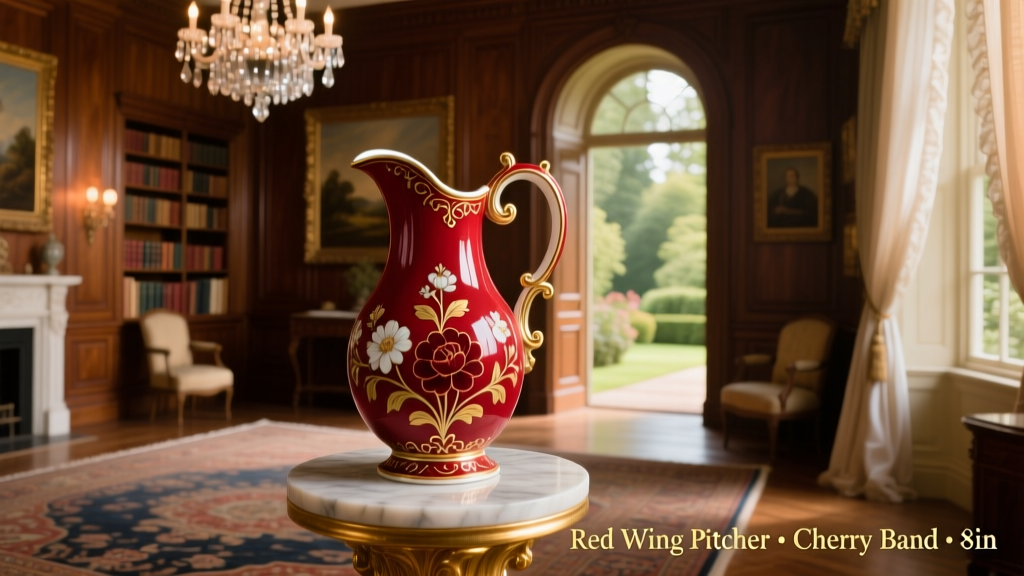
Red Wing Pitcher Cherry Band 8-Inch: History, Identification, and Restoration Guidance
A detailed examination of the Red Wing Pottery Cherry Band 8-inch pitcher—its origins in the 1940s–50s, distinctive glaze chemistry and form, authenticating features, market value trends, and professional conservation practices for collectors and restorers.
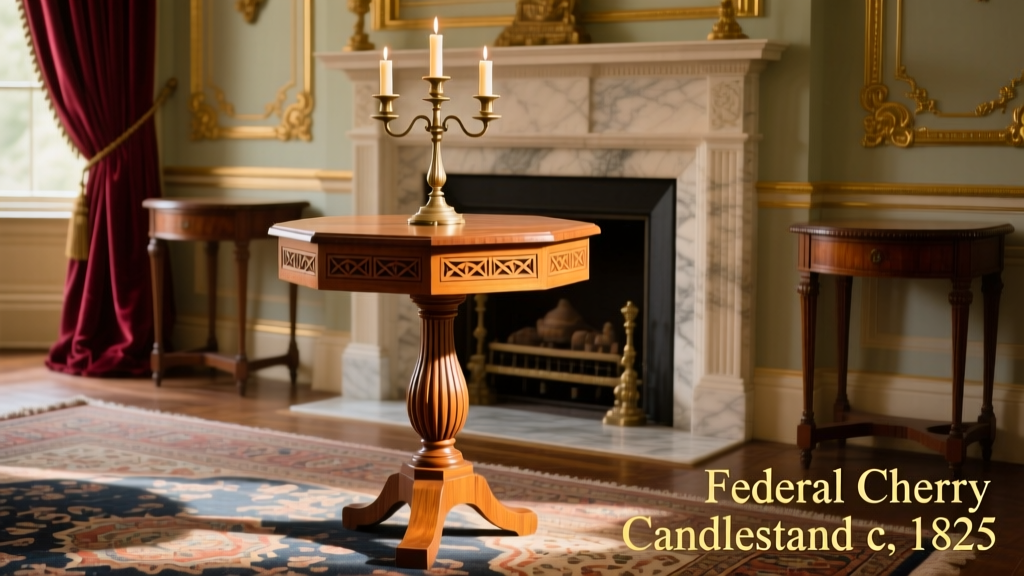
Federal-Era Octagonal Cherry Candlestand, c. 1825: Provenance, Construction, and Conservation Protocol
A detailed examination of a documented Federal-period octagonal cherry candlestand (28″ H × 17″ D × 22″ W), attributed to Connecticut or eastern Massachusetts workshops circa 1825, including wood identification, joinery analysis, original finish assessment, and museum-grade restoration methodology.
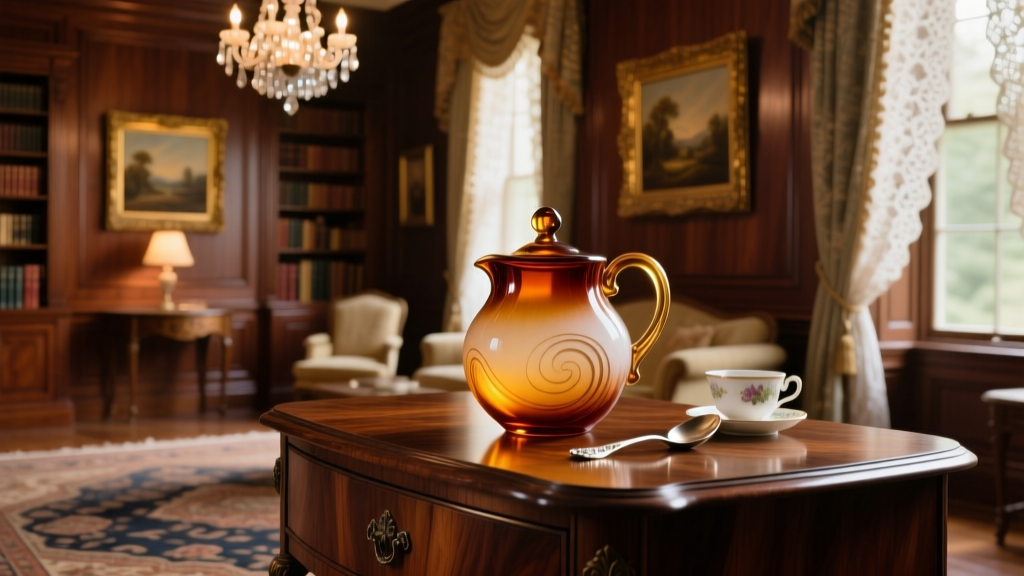
Cambridge Glass Round Sugar Creamer in Amber: Identification, Value, and Restoration Guidance
A detailed specialist analysis of the Cambridge Glass Company’s amber-colored round sugar creamer—covering production history (1930–1954), mold numbers (e.g., #2067), precise dimensions (2.75" diameter × 2.25" height), hallmarking, common flaws, market value benchmarks ($75–$225), and ethical restoration protocols.
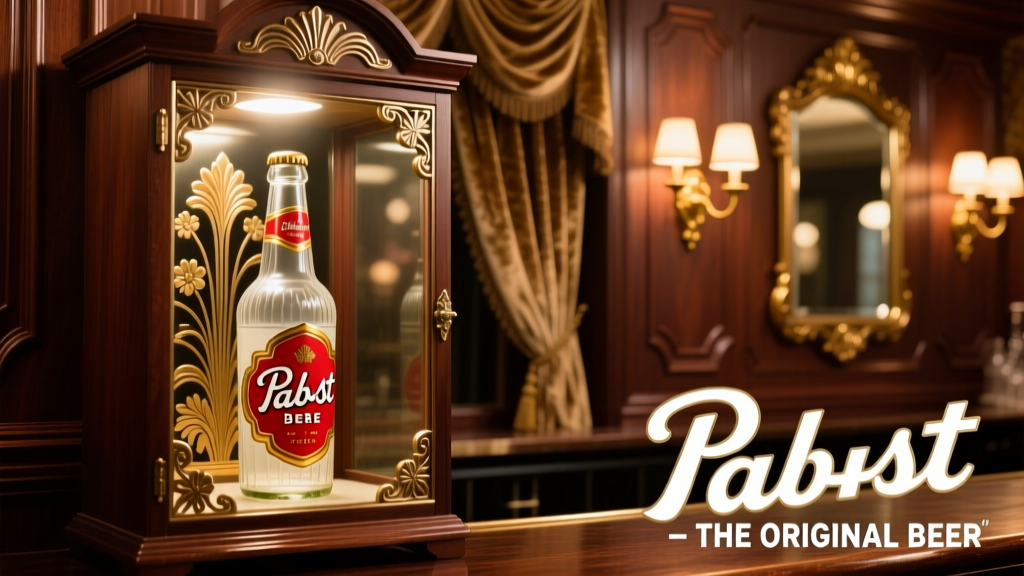
Advertising Glass: Pabst Blue Ribbon Enameled Bottles and Display Panels — History, Identification, and Restoration Insights
A detailed examination of Pabst Blue Ribbon enameled advertising glass—bottles, bar signs, and display panels—from the 1920s to 1950s. Covers manufacturing methods, period-correct markings, material composition, market values, and ethical conservation practices for collectors and restorers.
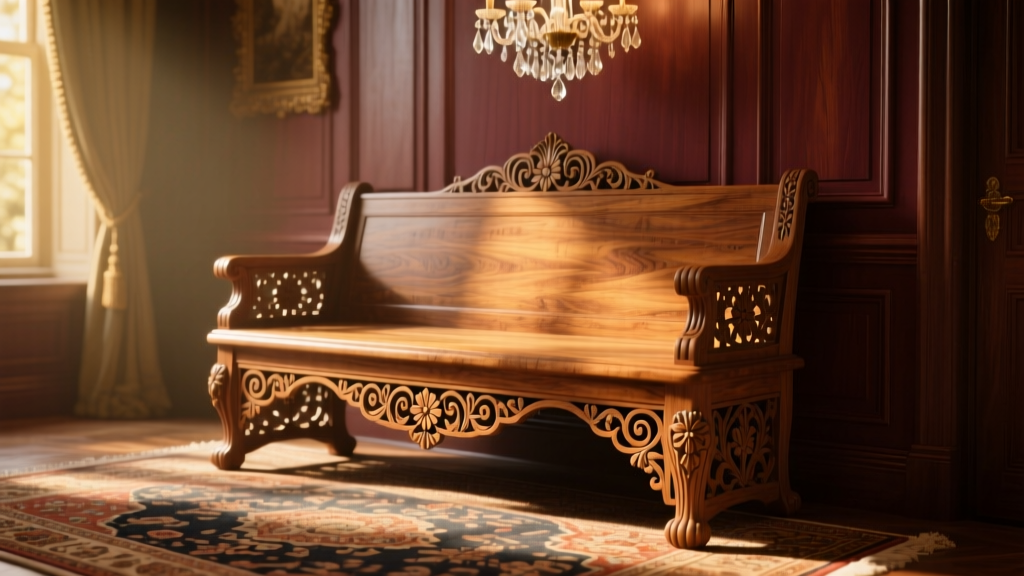
Water Pine Bench with Shaped Cutout Feet: Authentic Identification, Structural Integrity, and Restoration Protocol for a 33 × 11 × 34 Inch Antique Seating Piece
A detailed technical analysis of a mid-20th century water pine bench featuring distinctive shaped cutout feet—measuring precisely 33 inches in length, 11 inches in depth, and 34 inches in height—with emphasis on wood species verification, joinery assessment, finish evaluation, and conservation-grade restoration methodology.

John N. Prior: The Forgotten Architect of American Colonial Revival Furniture, 1920–1955
A definitive examination of John N. Prior (1887–1963), the influential yet under-recognized designer whose furniture defined mid-century Colonial Revival interiors for brands including Ethan Allen, Heywood-Wakefield, and Lane Furniture. This article details his design philosophy, technical innovations, documented production runs, and restoration protocols for collectors and conservators.
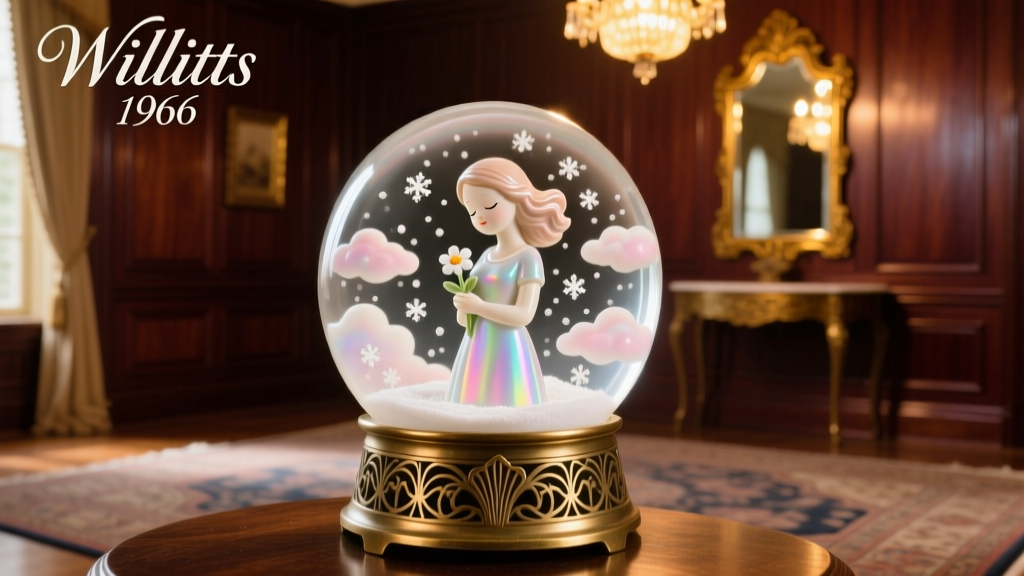
The Willitts 'Beautiful Dreamer' Snowdome Paperweight: A 1965 American Mid-Century Masterpiece in Original Box
An expert appraisal and historical deep dive into the rare 1965 Willitts 'Beautiful Dreamer' snowdome paperweight — its design origins, production details, materials, original packaging, market authenticity markers, and conservation guidance for collectors.
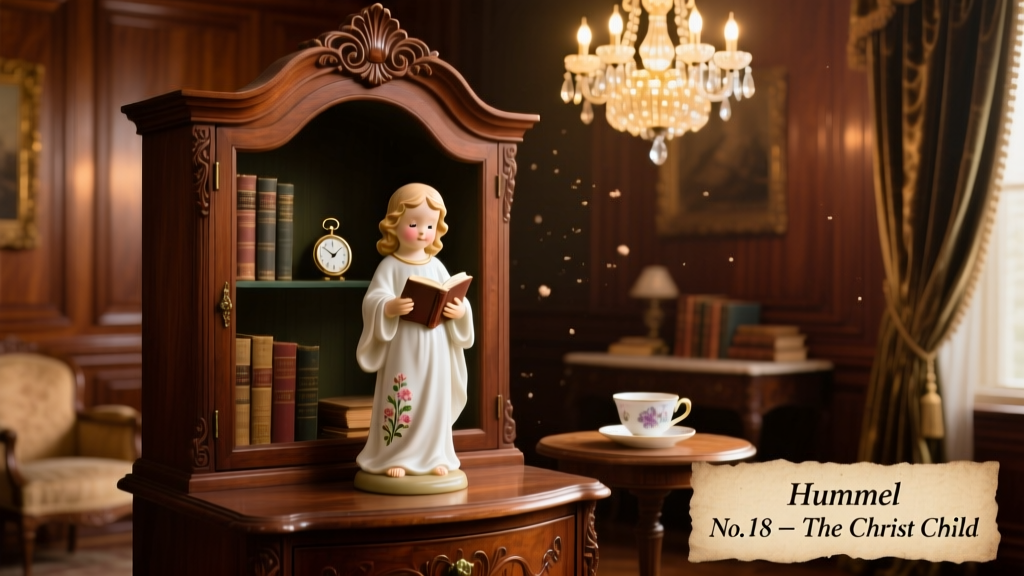
Hummel Figurine No. 18: The Christ Child — History, Identification, and Conservation Guidelines
A detailed examination of the Hummel Figurine No. 18 'Christ Child', including its origin, production timeline, distinguishing marks, market value trends, and professional conservation protocols for collectors and restorers.
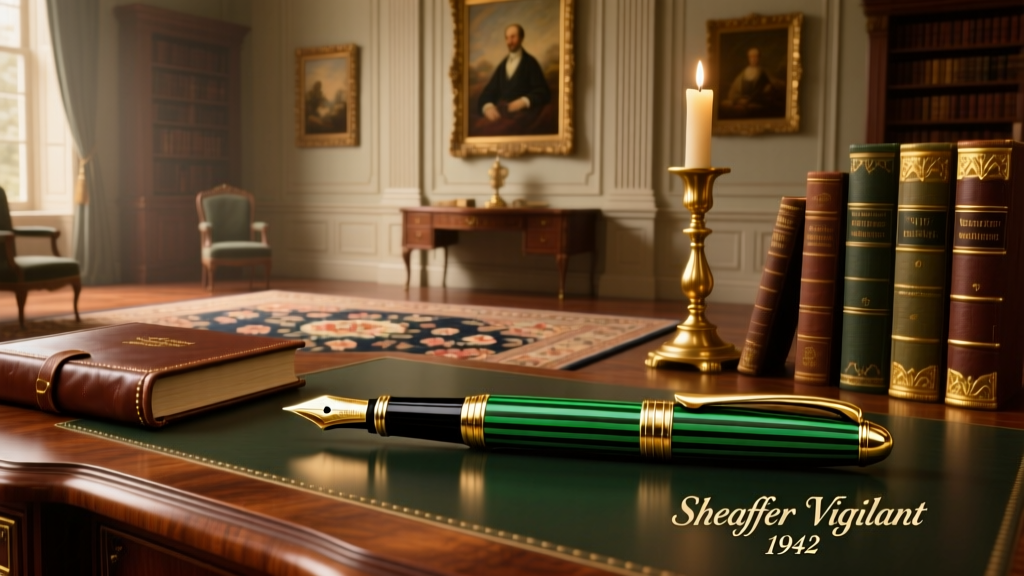
Sheaffer Vigilant Emerald Stripes Pencil with Gold-Filled Trim: A 1942 American Writing Instrument Masterpiece
An in-depth examination of the 1942 Sheaffer Vigilant pencil in Emerald Stripes celluloid with gold-filled trim—covering design, materials, manufacturing context, restoration protocols, and collector valuation metrics.
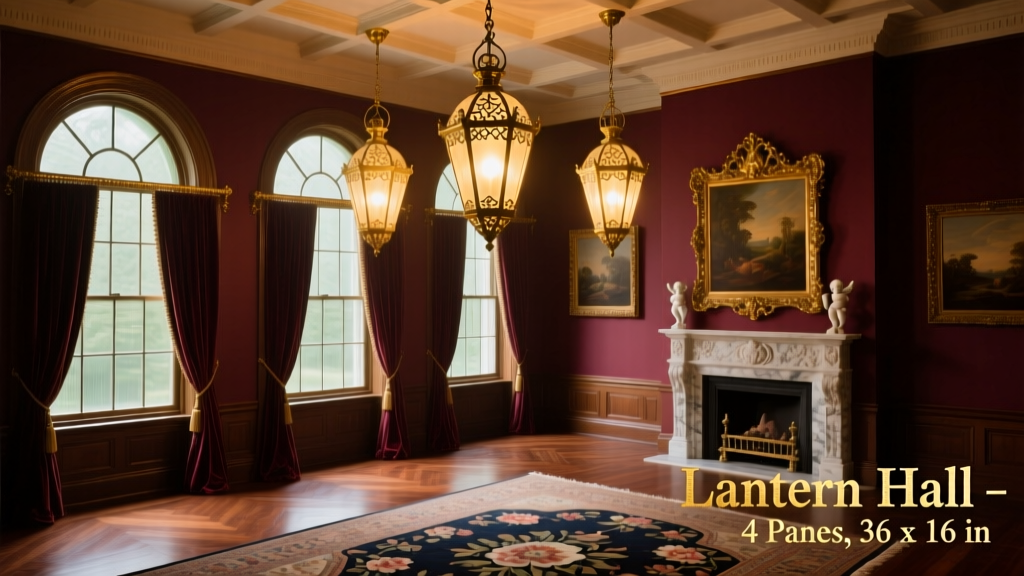
Lanterns Hall 4-Panes Curved Glass Gilded Brass Lantern (36 × 16 in): Design, Provenance, and Restoration Protocol
A detailed technical and historical analysis of the Lanterns Hall four-pane curved glass gilded brass lantern—measuring precisely 36 inches tall and 16 inches wide—including original manufacturer specifications, material science insights, period-appropriate restoration methodology, and comparative evaluation against contemporaries like Thomas Johnson & Sons and W. H. Haseler.