Antique Furniture
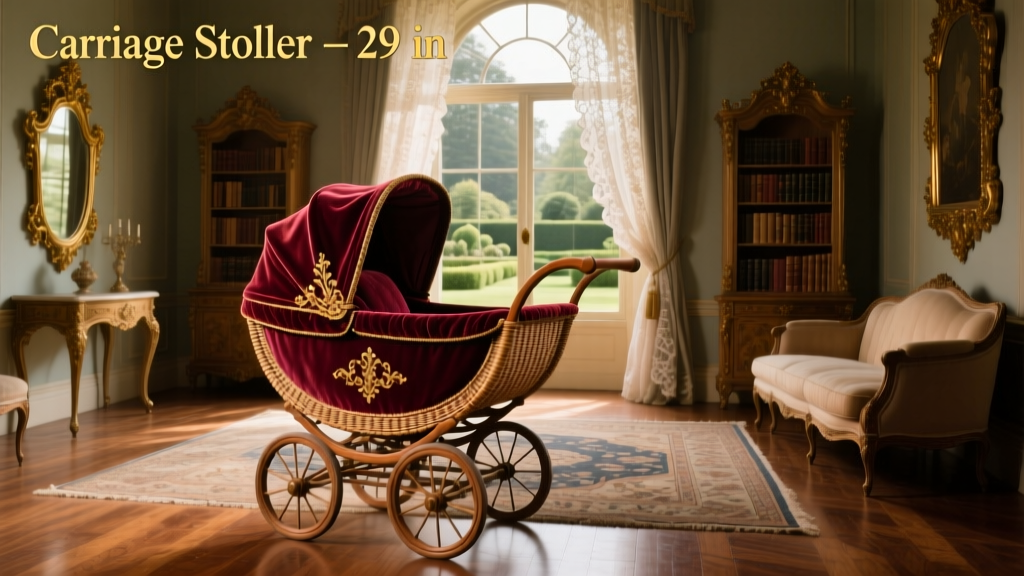
The Carriage Stroller: Wicker, Walnut, and Velvet — A 29-Inch Antique Infant Transport Artifact
A detailed examination of the 29-inch ornate carriage stroller featuring hand-woven rattan wicker, solid walnut frame construction, Victorian-era brass hardware, and original or period-appropriate velvet upholstery — including provenance, structural integrity assessment, restoration protocols, and market valuation benchmarks.
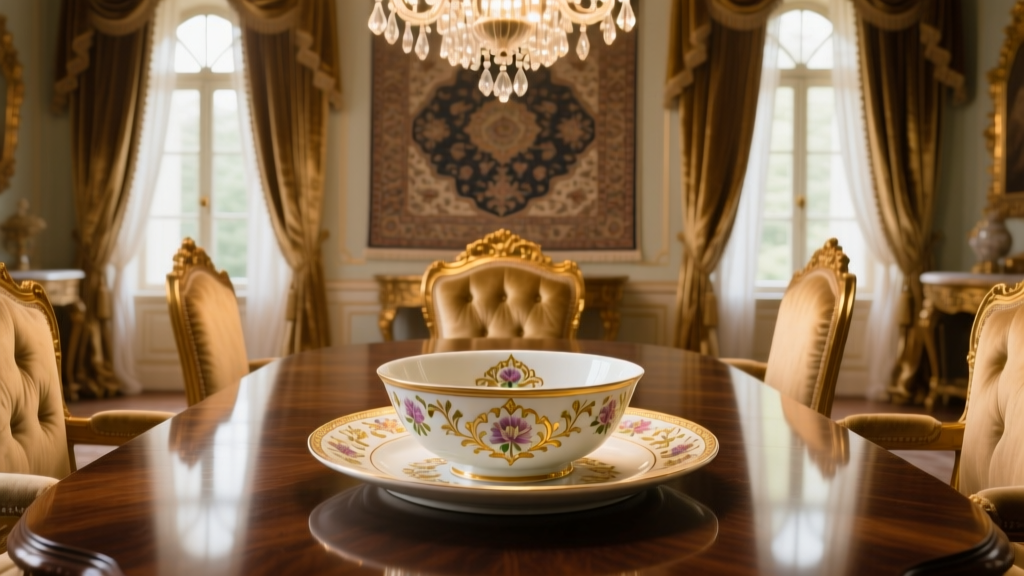
Lu Ray Soup & Cream Underplate in Persian Cream: History, Identification, and Restoration Guidance
A detailed examination of the Lu Ray 'Persian Cream' soup and cream underplate — its mid-century American origins, distinctive glaze chemistry, dimensional specifications (5.5" diameter, 0.625" height), production timeline (1954–1968), and practical conservation protocols for collectors and restorers.
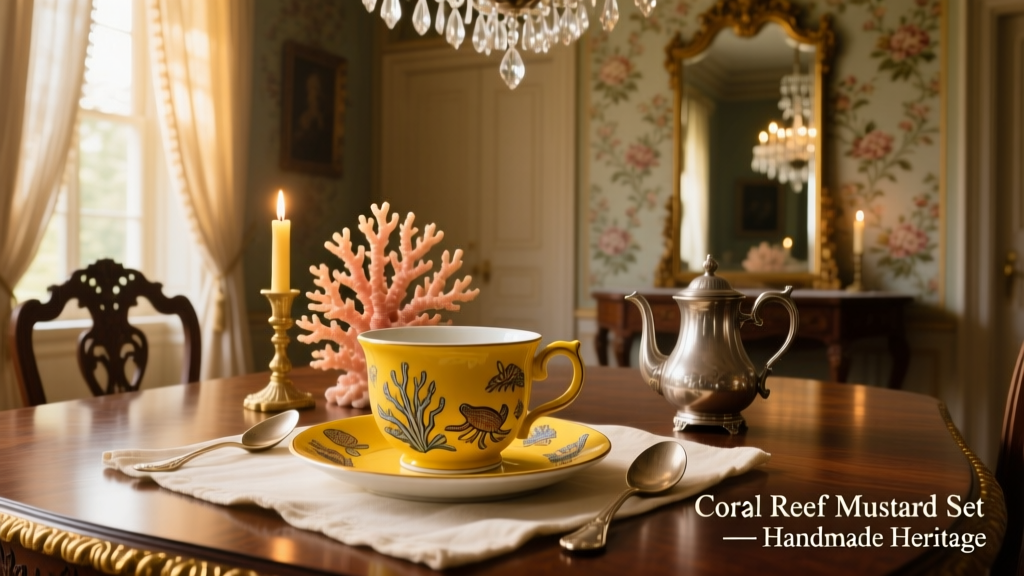
The Dinnerware Coral Reef Mustard Cup and Saucer: A Mid-Century Ceramic Artifact with Botanical Precision
An in-depth examination of the Coral Reef Mustard cup and saucer—produced by Gladding, McBean & Co. between 1952–1958—covering its glaze chemistry, design lineage, production history, identification markers, market value trends, and conservation protocols for collectors and restorers.

Doll Bucherer Mutt & Jeff Composition Metal Jointed Figure, Circa 1925 — A Technical and Historical Appraisal
A detailed examination of the rare 1925 Bucherer Mutt & Jeff composition metal jointed doll: materials analysis, manufacturing context, joint mechanics, market provenance, and conservation protocols for collectors and museums.
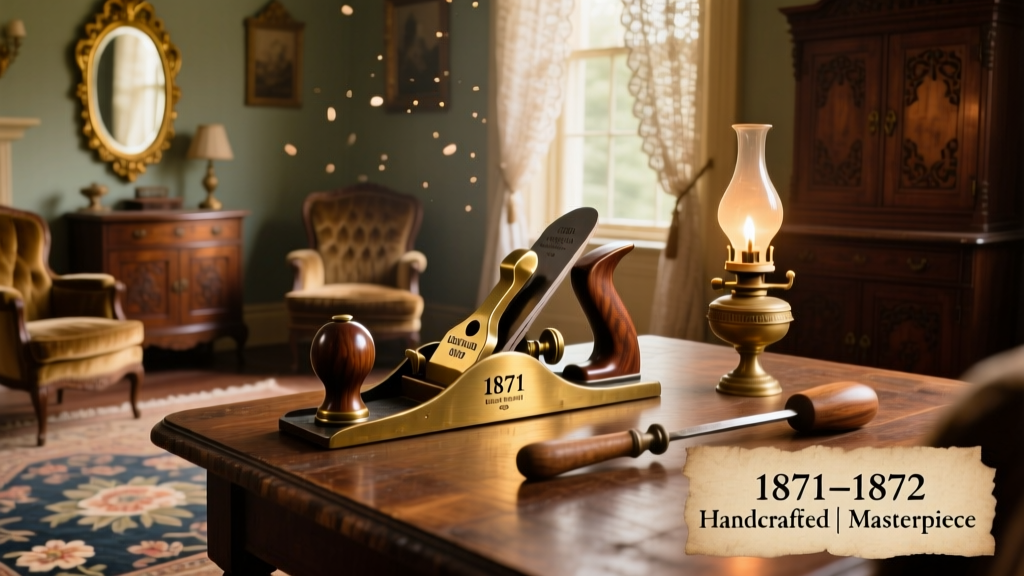
The T-Bevel Sliding Gauge: Precision Instrumentation in American Cabinetmaking, 1871–1872
An in-depth examination of the T-bevel sliding gauge as manufactured and marketed during 1871–1872 — including documented makers, metallurgical composition, dimensional standards, patent activity, trade catalog entries, and surviving examples from institutions including the Winterthur Museum and the Smithsonian’s National Museum of American History.
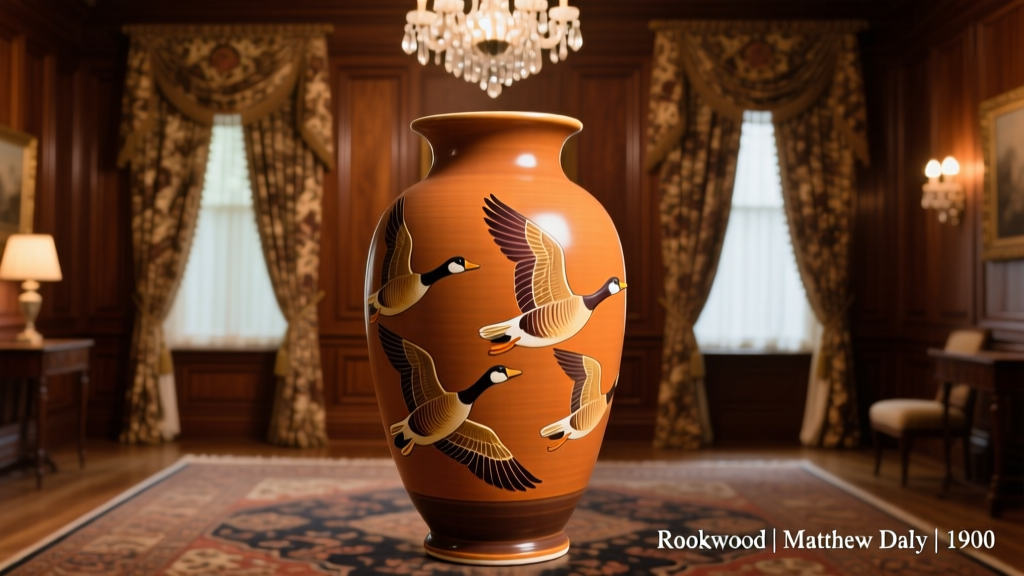
Rookwood Vase: 'Geese in Flight' on Orange-Brown Ground by Matthew Daly, 1900 — A Technical & Historical Appraisal
A detailed examination of the 1900 Rookwood Pottery vase signed by Matthew Daly, featuring geese in flight against an orange-brown ground. Includes provenance, glaze chemistry, decorative technique, conservation considerations, and market context.
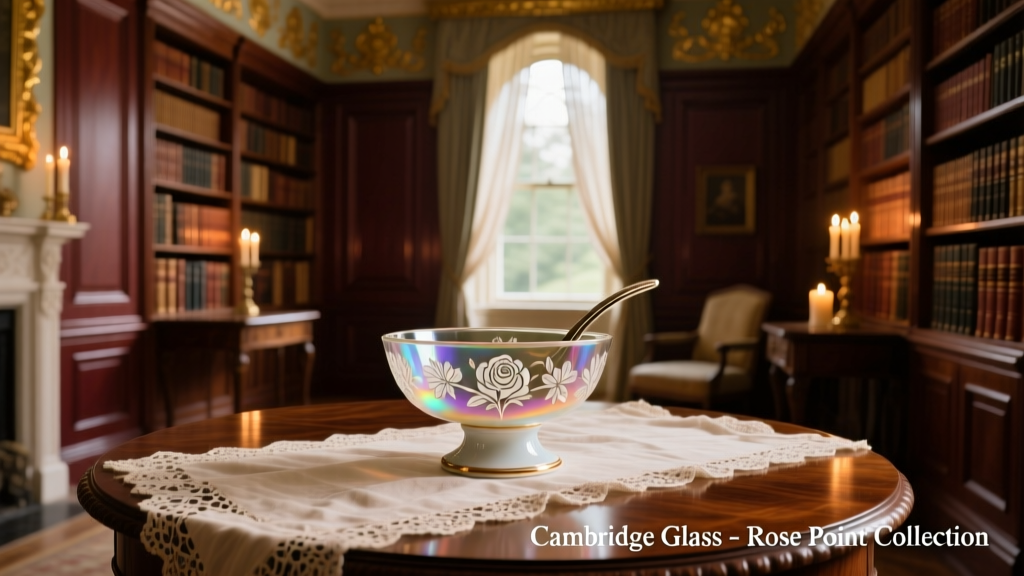
Cambridge Glass Rose Point Finger Bowl Underplate: History, Identification, and Restoration Best Practices
A detailed examination of the Cambridge Glass Rose Point finger bowl underplate — its origins at the Cambridge Glass Company (1908–1954), distinctive etched pattern characteristics, precise measurements (2.75" height, 5.5" diameter), production timeline (1930–1954), identification markers, market value trends, and professional conservation methods for collectors and restorers.
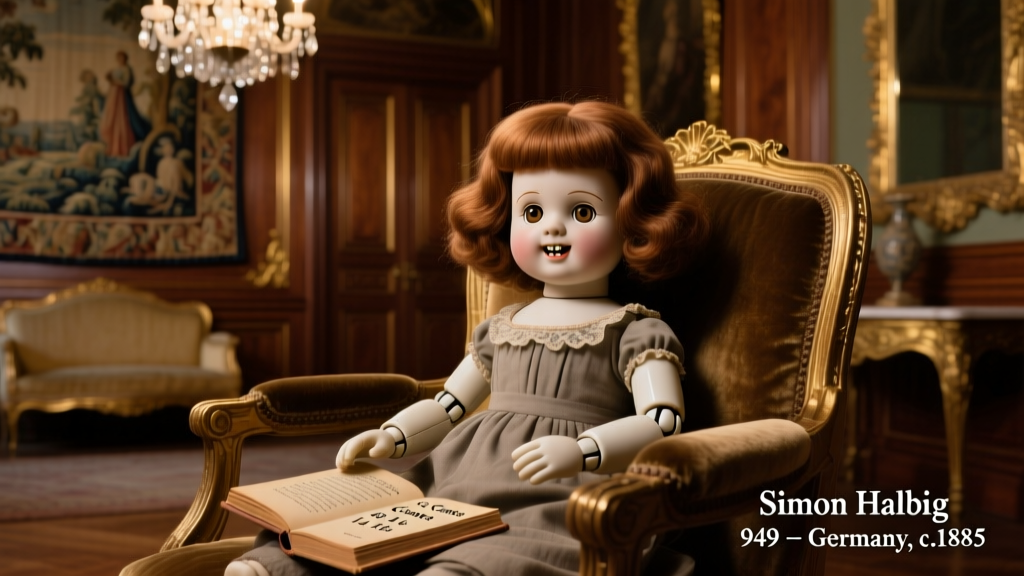
Simon & Halbig 949: Decoding the Iconic Bisque Doll with Oily Brown Mohair Wig and Square Teeth
A detailed, expert-level analysis of the Simon & Halbig Model 949 bisque-headed doll—covering its historical context, physical specifications, wig composition, dental features, restoration ethics, market authenticity markers, and conservation protocols.
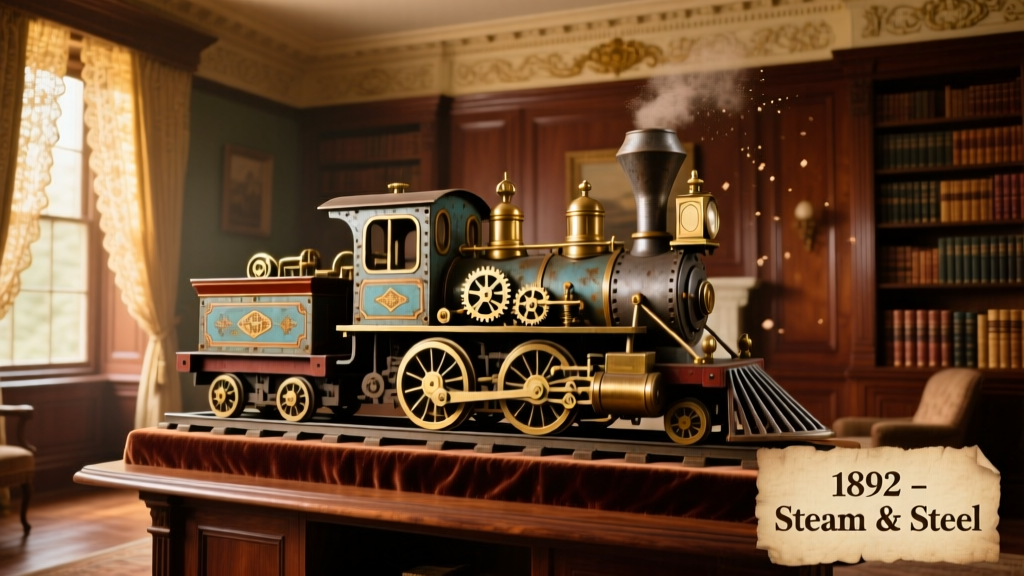
Toy Train Car Locomotive: Tin-Painted Clockwork with Cast Iron Spoke Wheels — A 10½-Inch Mechanical Marvel
A detailed examination of the iconic 10½-inch tin-painted clockwork toy train locomotive featuring cast iron spoke wheels, including historical context, manufacturing origins (Marklin, Bing, Lehmann), mechanical operation, material composition, restoration challenges, and market valuation.
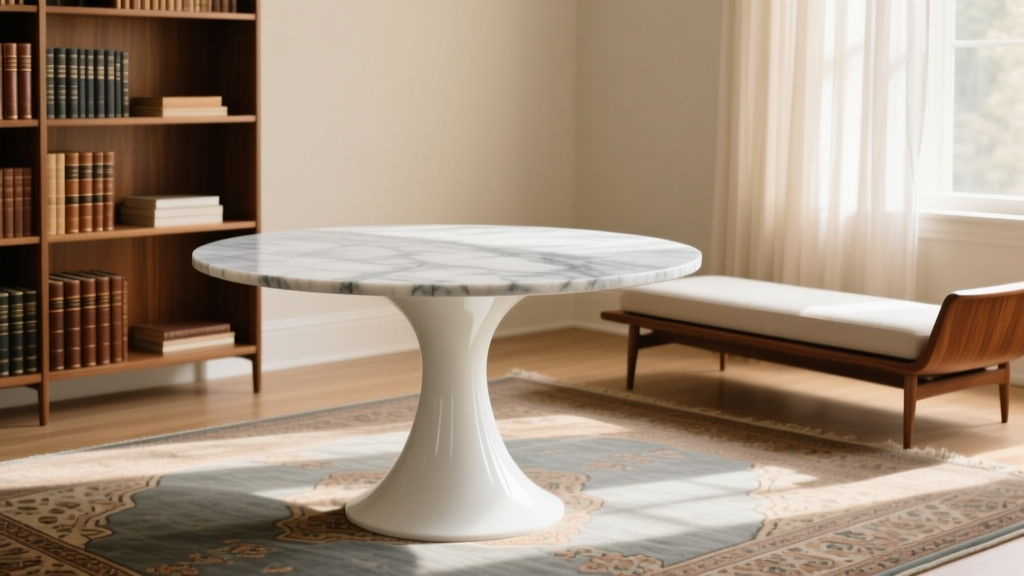
Saarinen-Style Marble-Topped Pedestal Table: Authenticity, Restoration, and Design Context of the 21" × 16" White-Painted Variant
A detailed examination of the Saarinen-inspired marble-topped pedestal table measuring 21 inches by 16 inches with white-painted base—covering design lineage, material specifications, vintage identification, structural integrity assessment, ethical restoration protocols, and market-appropriate refinishing techniques.
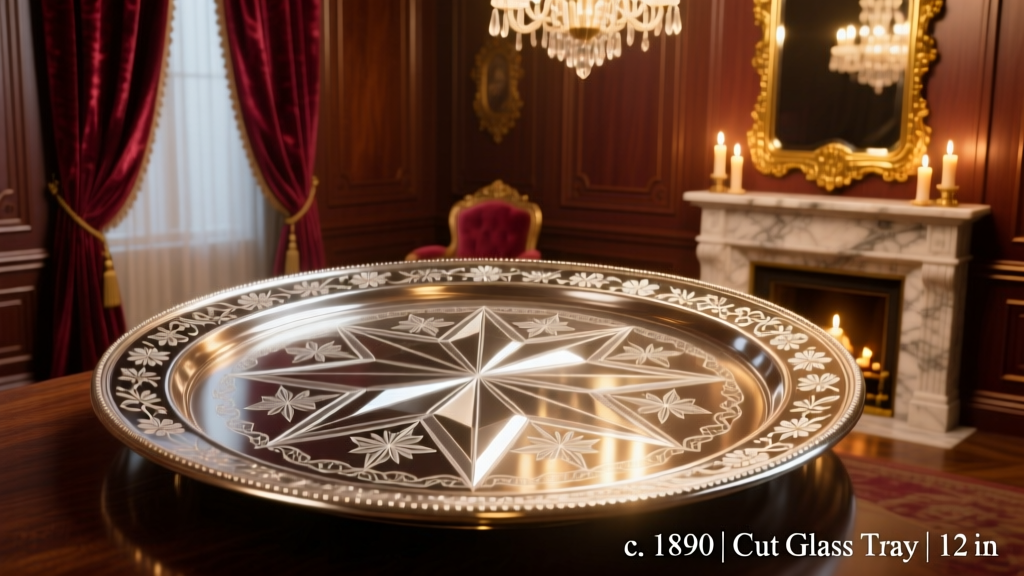
Cut Glass Tray: Stars & Pinwheels Brilliant Round, Circa 1890 — A Collector’s Guide to the 12-Inch American Masterpiece
An in-depth examination of the iconic 12-inch round cut glass tray featuring stars and pinwheels patterns, produced circa 1890 during America’s Golden Age of Cut Glass. Includes provenance insights, maker identification (including Libbey, Hawkes, and Dorflinger), technical analysis, authentication criteria, market value trends, and conservation best practices.
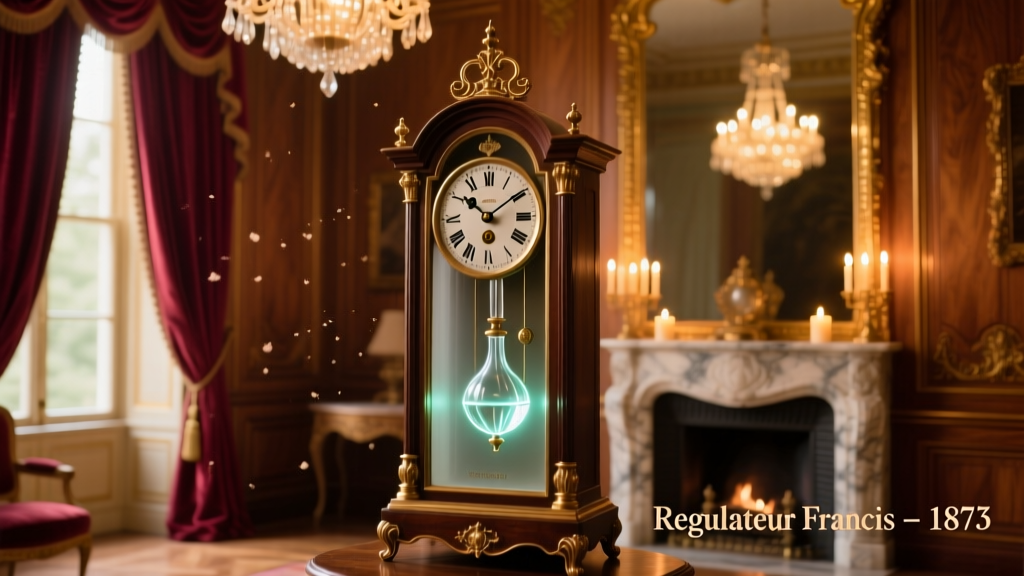
The French 14-Day Regulator Clock with Crystal Mercury Pendulum: Engineering, Provenance, and Restoration Insights
A technical and historical deep-dive into rare French regulator clocks featuring crystal mercury pendulums—exploring their 19th-century manufacture, precision mechanics, thermal compensation, surviving examples from makers like Japy Frères and Lepaute, dimensional specifications, conservation challenges, and ethical restoration protocols.