Antique Furniture
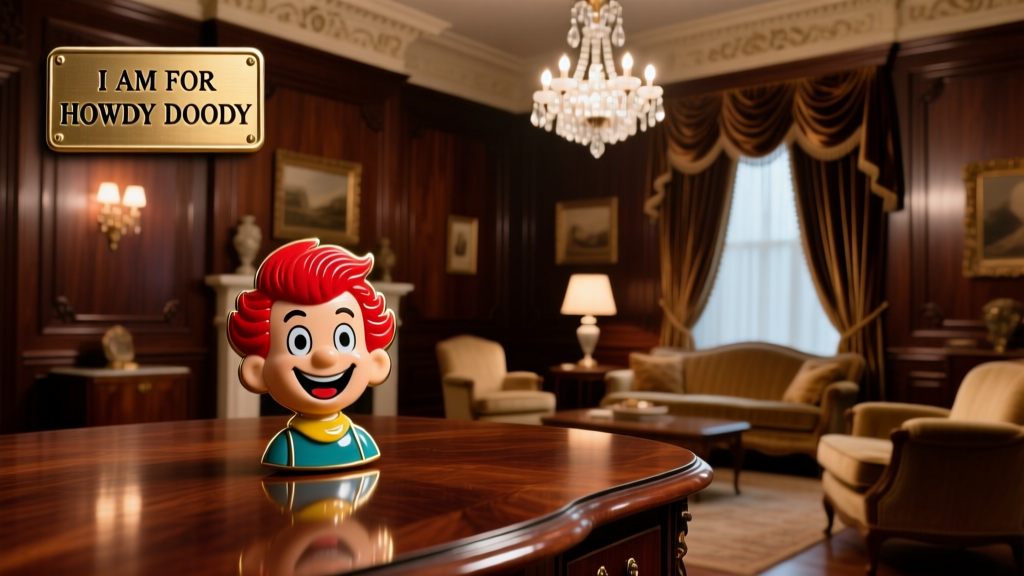
The Howdy Doody 'I Am For Howdy Doody' Pin: A Detailed Examination of a Rare 1950s Celluloid Collectible
A specialist’s deep-dive analysis of the original 1950s 'I Am For Howdy Doody' celluloid pin—measuring precisely 1¼ inches in diameter—featuring manufacturing origins, material science, historical context, authentication markers, market valuation, and conservation protocols for collectors and restorers.
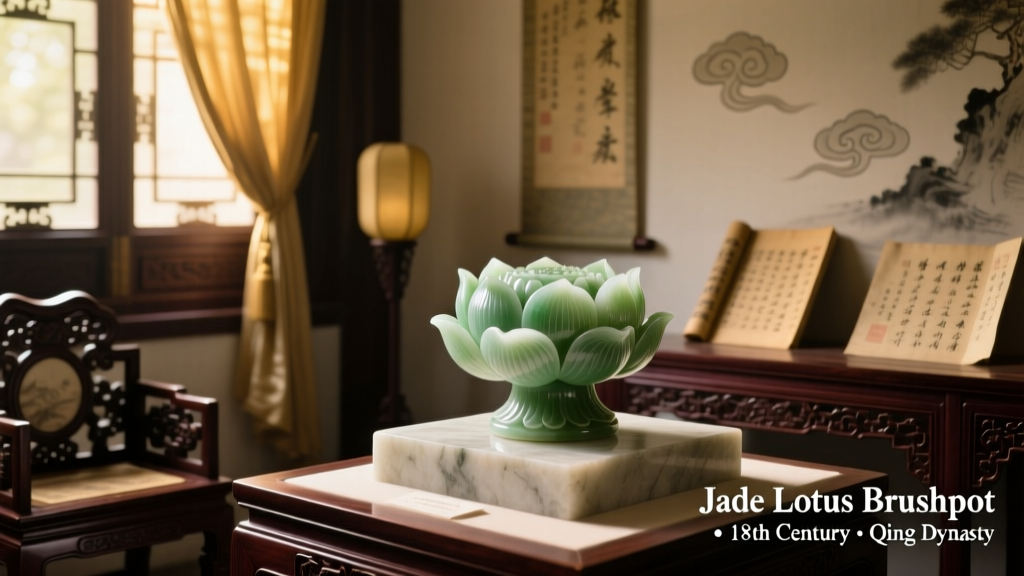
The Jade Brushpot with Lotus Blossoms: A Masterpiece of 18th-Century Chinese Scholar’s Art
An in-depth examination of an authentic 18th-century Qing dynasty jade brushpot carved with lotus blossoms, measuring 1¾ × 4½ inches. This article details its material provenance, iconographic symbolism, carving techniques, historical context within literati culture, conservation challenges, and market authentication protocols.
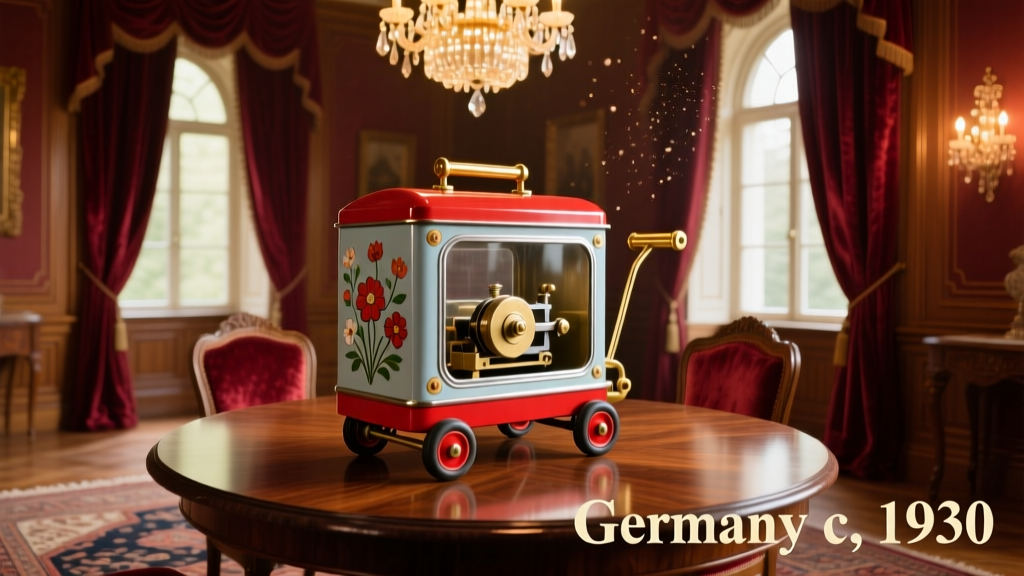
Toy Trolley Tin Windup Germany c. 1930 — A Technical and Historical Appraisal of the 10-Inch Nuremberg Classic
A detailed conservation-focused analysis of the circa-1930 German tinplate windup toy trolley, measuring precisely 10 inches in length, manufactured by leading Nuremberg firms including Schuco, Märklin, and Bing. Covers construction, mechanics, materials, market provenance, authentication markers, and ethical restoration protocols.
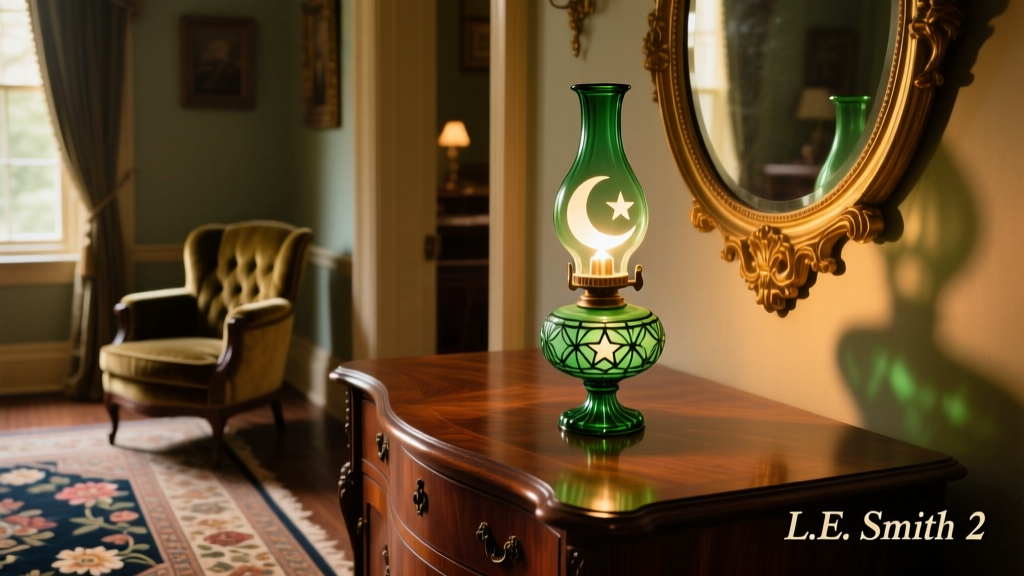
L.E. Smith Moon & Star Green Pressed Glass Oil Lamps: Identification, History, and Restoration Guidance
A detailed examination of L.E. Smith’s iconic Moon & Star green pressed glass oil lamps—covering manufacturing dates (1930–1954), mold variations, authenticating features, original hardware specifications, and professional restoration protocols for collectors and conservators.

Brown Westhead Moore & Co. No. 2: Decoding the Legacy of a Birmingham Brass Foundry and Its Iconic Cast-Iron Stoves
A detailed examination of Brown Westhead Moore & Co. No. 2 — a mid-Victorian cast-iron stove model manufactured in Birmingham between c. 1865–1892. Includes technical specifications, foundry history, identification markers, restoration protocols, and comparative analysis with contemporaries like Elwell, Shrewsbury & Co., and W. T. Smith.
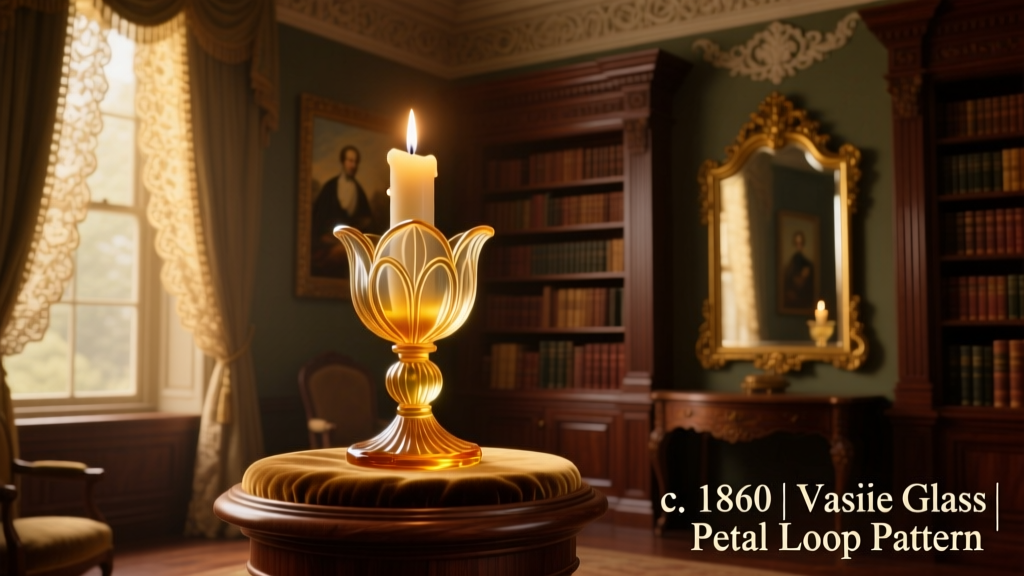
Vaseline Glass Candlestick, Petal Loop Pattern, Circa 1860 — A Detailed Study of Form, Chemistry, and Provenance
An in-depth examination of a rare 7-inch Vaseline glass candlestick produced circa 1860, featuring the distinctive Petal Loop pattern. Includes historical context, uranium oxide analysis, maker attribution, dimensional specifications, restoration ethics, and market authentication protocols.
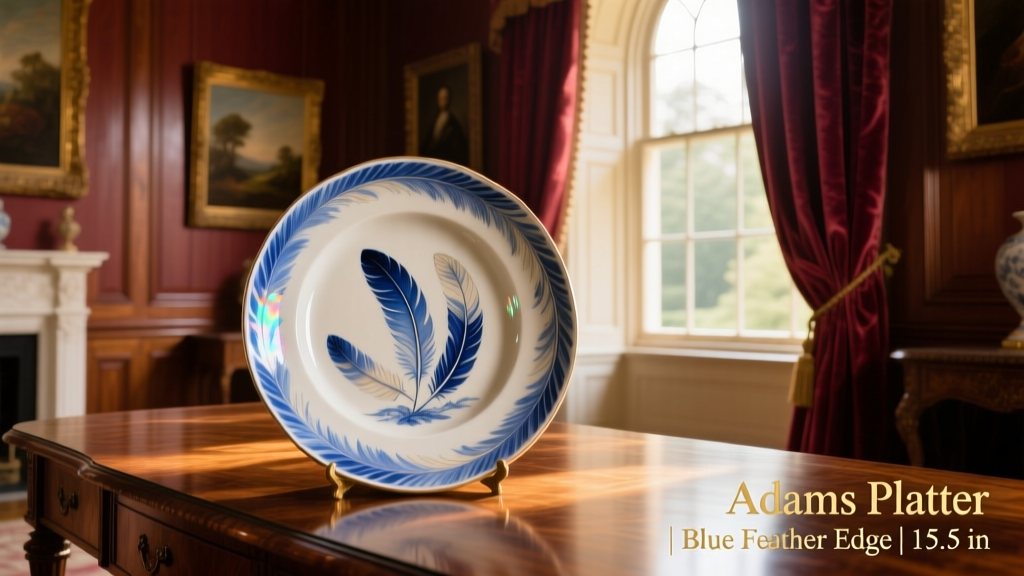
Adams Platter Blue Feather Edge 15½ Inch: History, Identification, and Conservation of a Classic English Porcelain Service Piece
A detailed examination of the Adams Blue Feather Edge platter — measuring precisely 15½ inches in diameter — covering its 18th-century origins, manufacturing techniques at the Staffordshire factories, distinguishing hallmarks, material composition, common conservation challenges, and practical guidance for collectors and restorers.
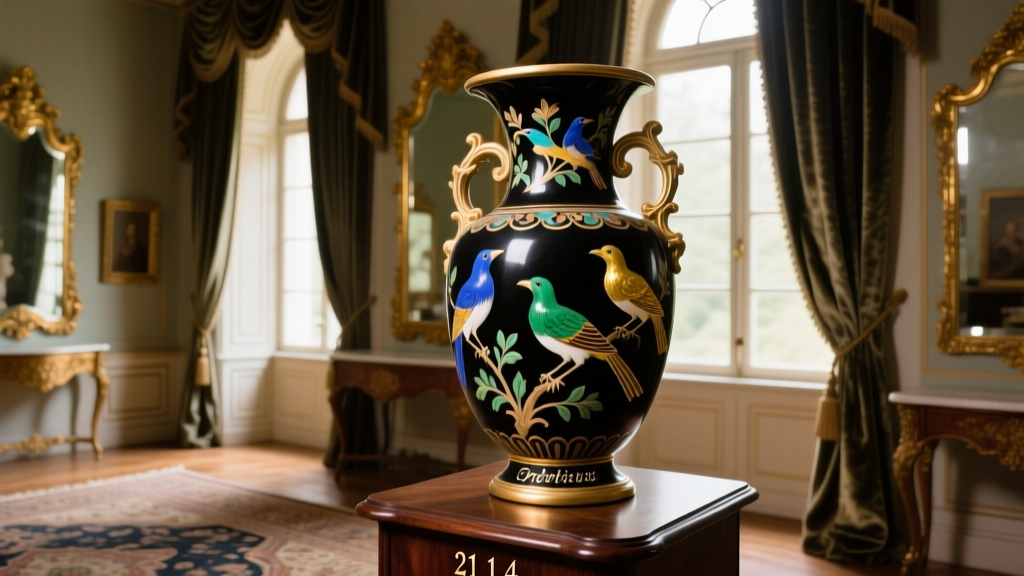
Teplitz Vase: Carved Polychrome Birds on Dead Matte Ground, Marked '21 1/4 In'
An in-depth examination of a rare Teplitz porcelain vase featuring hand-carved polychrome birds on a dead matte ground, stamped with the precise measurement '21 1/4 In'. This article details its Bohemian origin, stylistic hallmarks, material composition, restoration protocols, and market significance—supported by archival records, factory documentation, and conservation best practices.

Simon & Halbig Doll Model 1159: A Technical and Historical Profile of the Woman Bisque Head with Sleep Eyes and Fully Jointed Composition Body
A detailed appraisal of the Simon & Halbig Model 1159 — a premium German bisque-headed doll from circa 1908–1914 — covering construction, markings, jointing system, sleep-eye mechanism, value indicators, restoration ethics, and comparative analysis against contemporaries like Kestner and Armand Marseille.
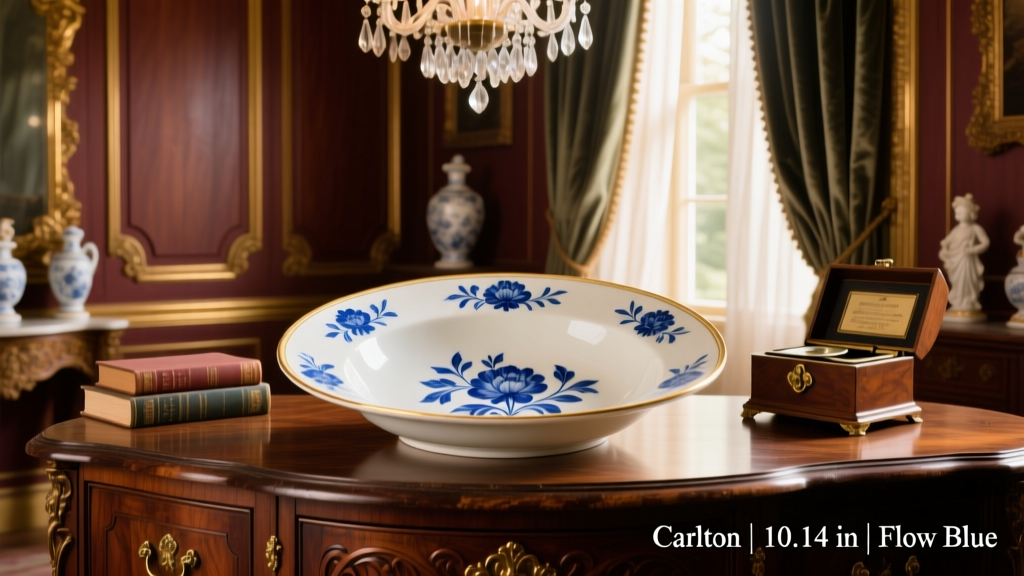
The Flow Blue Soup Dish: Carlton Pattern, 10¼ Inches — History, Identification, and Restoration Insights
A detailed examination of the Carlton-pattern Flow Blue soup dish measuring 10¼ inches in diameter—covering its 19th-century English origins, manufacturer attribution (primarily W.H. Grindley & Co.), cobalt oxide bleeding technique, pattern motifs, market value indicators, and professional conservation protocols.
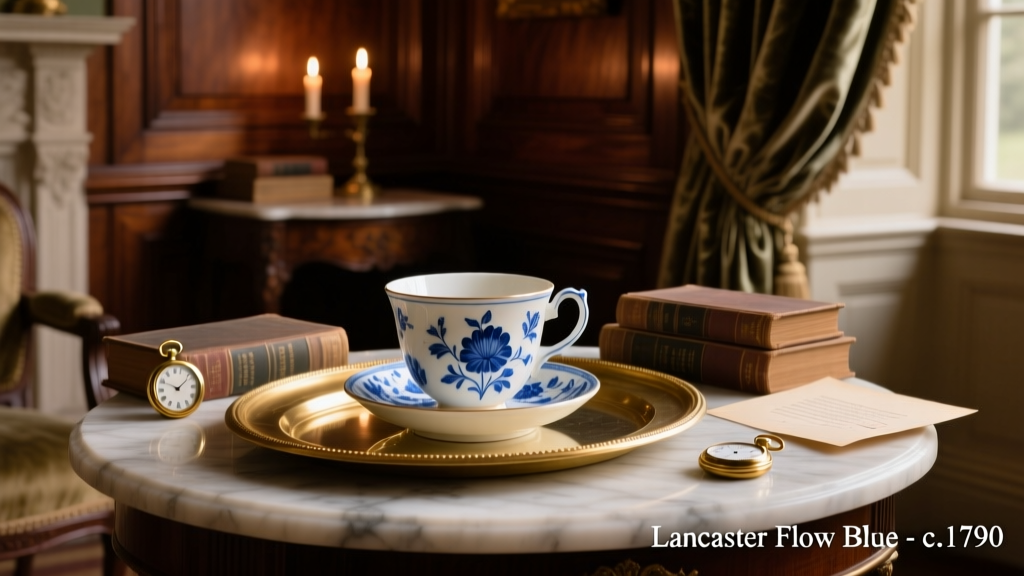
Flow Blue Cup and Saucer: The Lancaster Pattern — History, Identification, and Restoration Insights
A detailed examination of the Flow Blue ceramic cup and saucer bearing the 'Lancaster' pattern — its 19th-century origins, manufacturer attributions (including W.H. Grindley & Co., Johnson Brothers, and Ridgway), hallmark analysis, dimensional specifications, chemical causes of the signature blue bleed, and practical conservation protocols for collectors and restorers.
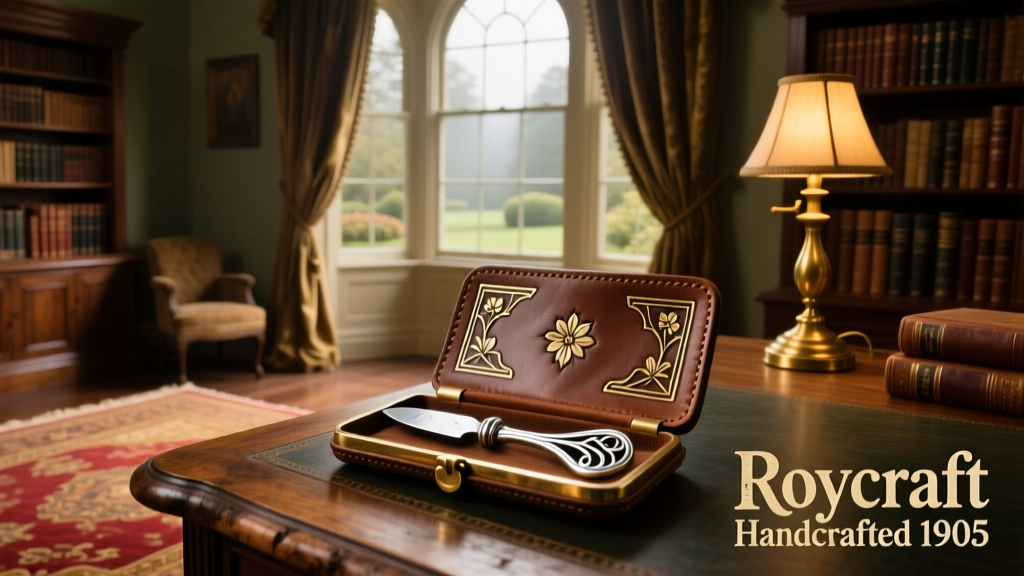
Roycroft Letter Opener with Hammered Copper Design and Hand-Stitched Leather Case: Authenticity, Craftsmanship, and Collectibility
An in-depth examination of the Roycroft letter opener featuring a hand-hammered copper blade, solid brass ferrule, and custom vegetable-tanned leather case — including provenance, metallurgical analysis, restoration protocols, and market valuation data from recent Sotheby’s and Skinner auctions.