Antique Furniture
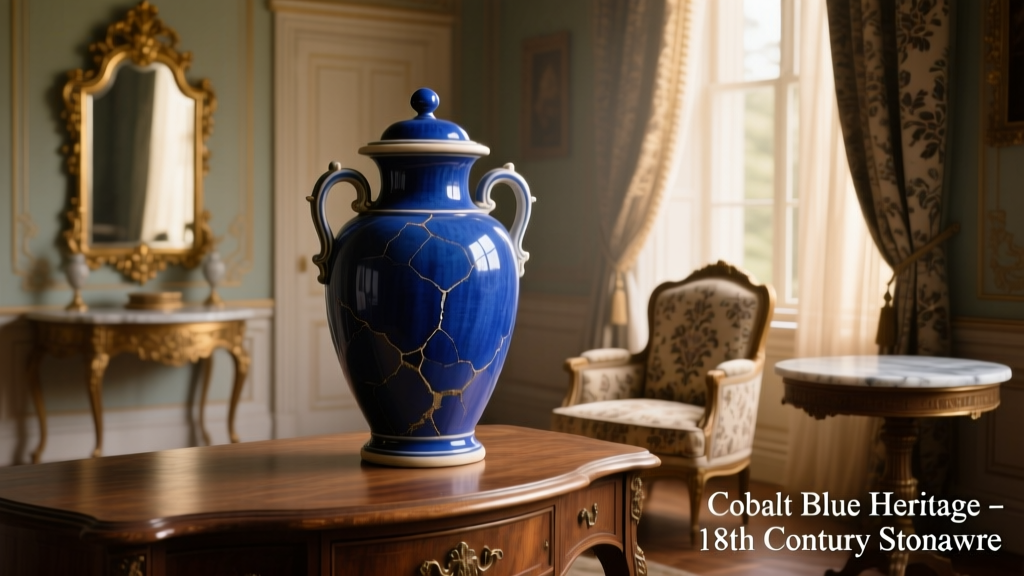
Stoneware Jar E.S.B. Cobalt Blue Shoulder Handles — A Collector’s Guide to the 12¾-Inch American Folk Art Masterpiece
A detailed examination of the iconic 12¾-inch stoneware jar marked 'E.S.B.' with cobalt blue shoulder handles—covering maker attribution, regional production context, glaze chemistry, handle construction, provenance patterns, and conservation best practices for collectors and museums.
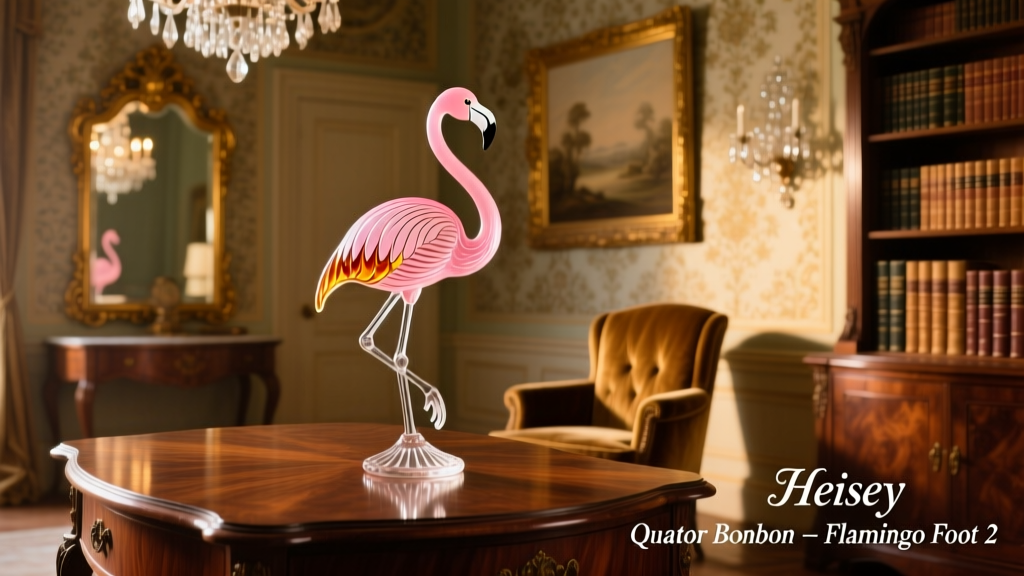
Heisey Quator Bonbon Dish with Flamingo Foot: Identification, History, and Restoration Guidelines
A detailed examination of the Heisey Quator Bonbon dish featuring the iconic Flamingo Foot base—covering production timeline (1934–1957), mold numbers (M-2067 & M-2068), dimensional specifications (3.5″ diameter × 2.25″ height), glass composition (lead-free soda-lime), and professional conservation protocols for collectors and restorers.

The Ebony Monkey Letter Opener: A Collector’s Guide to Victorian-Era Carved Antiques
An in-depth examination of the 10½-inch carved ebony monkey-handled letter opener—its historical origins, craftsmanship, material authenticity, market value, and conservation best practices for collectors and restorers.
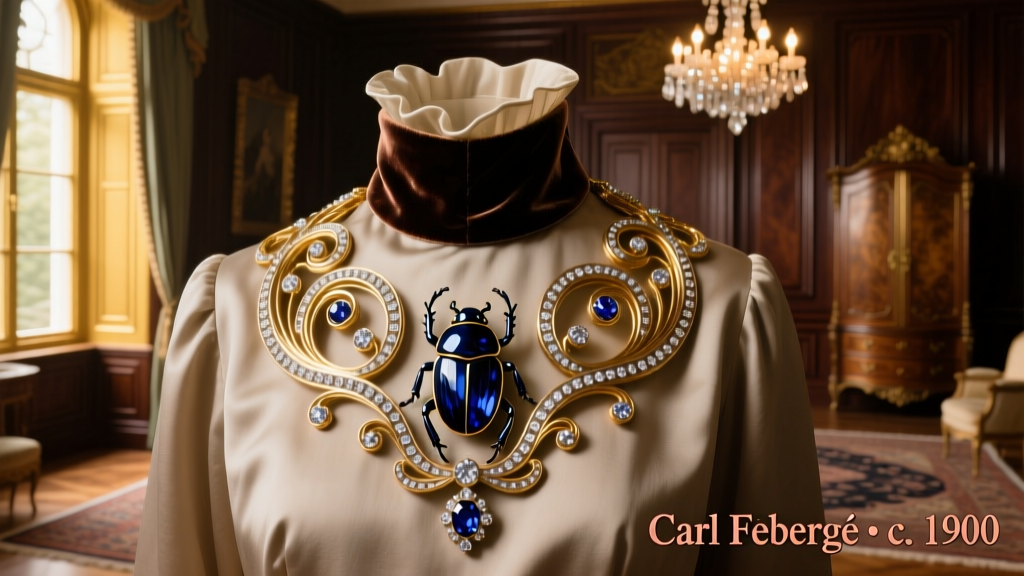
The Pin Scarf Scarab Sapphire Diamonds Split Volute Shoulders Carl Fabergé c. 1900: Anatomy, Provenance, and Technical Mastery
A detailed technical and historical analysis of a rare Carl Fabergé scarf pin featuring an Egyptian Revival scarab, sapphires, rose-cut diamonds, and split volute shoulders — crafted circa 1900 in St. Petersburg, with documented workshop attribution, hallmark verification, and conservation insights.

Mermod Jaccard & King Jewelry Company: Legacy, Craftsmanship, and Antique Identification
A detailed examination of the Mermod Jaccard & King Jewelry Company—its St. Louis origins, hallmark evolution, manufacturing practices, retail partnerships, and key identifiers for collectors and restorers of antique American jewelry.
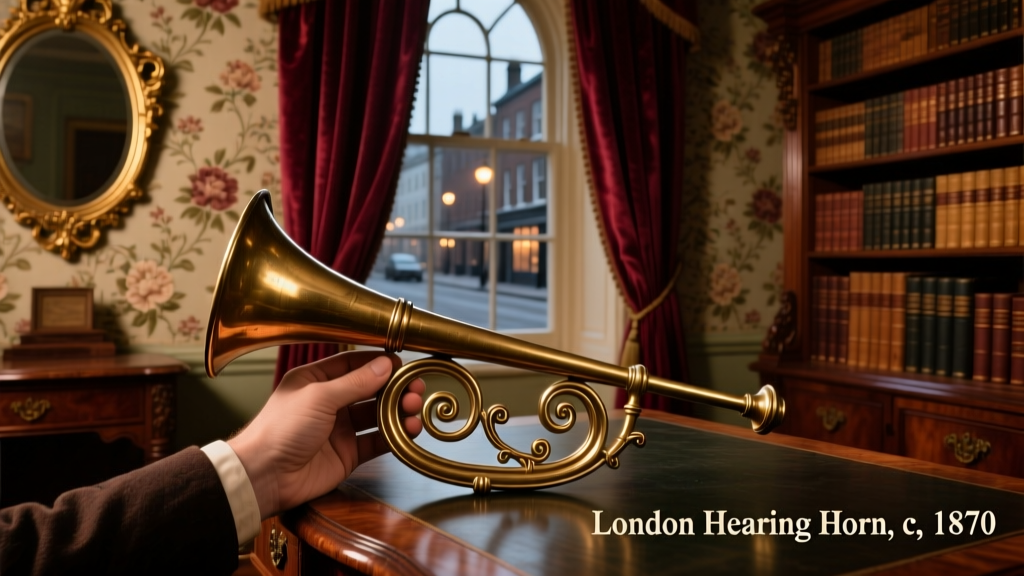
The Medical Ear Trumpet of London: Anatomy, Craftsmanship, and Historical Significance of the 18th–19th Century Hearing Horn
A detailed historical and technical examination of London-made medical ear trumpets—handcrafted brass, silver, and papier-mâché hearing horns used before modern audiology. Includes maker signatures, dimensional specifications, acoustic performance data, restoration ethics, and surviving examples in UK collections.

James Jackson & Sons: Uncovering the Legacy of a Sheffield-Based Furniture Maker, 1890–1940
A detailed examination of James Jackson & Sons—Sheffield’s prominent late-Victorian and Edwardian furniture manufacturer—covering workshop operations, signature design motifs, material specifications, documented commissions, and authentic restoration protocols for surviving pieces.
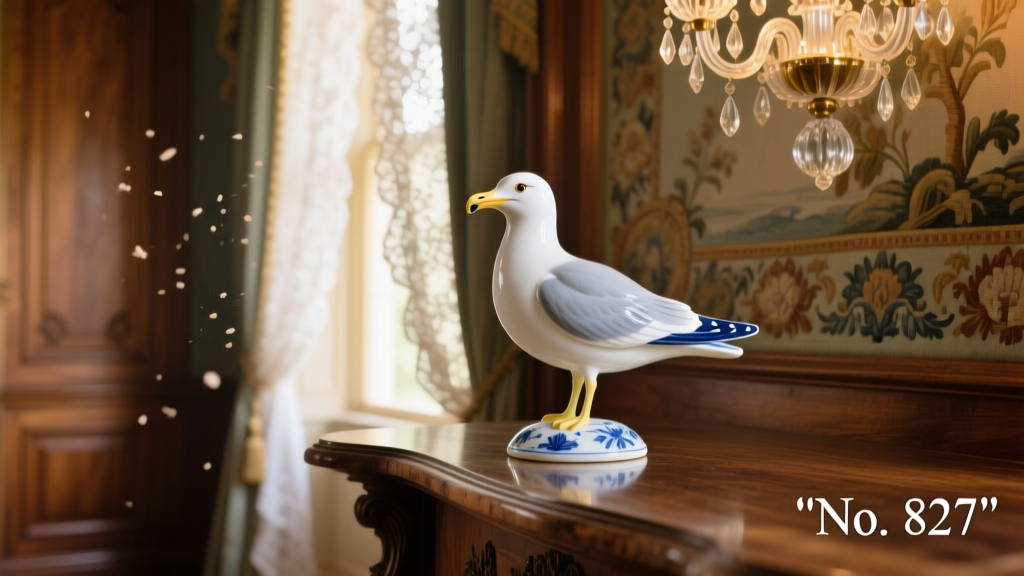
Royal Copenhagen Figurine Sea Gull No. 827: History, Identification, and Conservation Guidance
A detailed expert analysis of the Royal Copenhagen Sea Gull figurine (model no. 827), covering its design origins, production timeline, hallmark evolution, material composition, market value indicators, and professional conservation protocols.
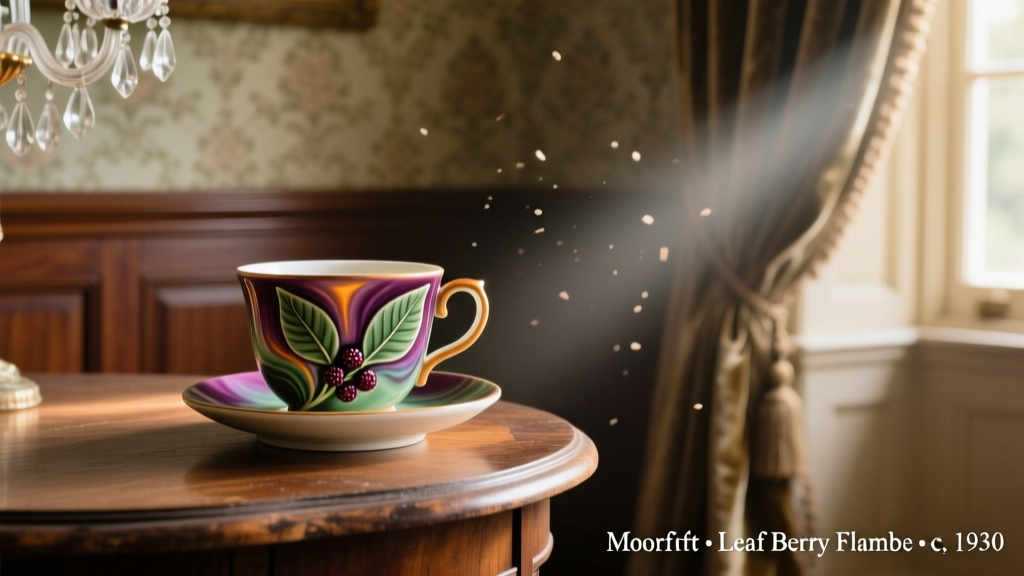
Moorcroft Cup and Saucer: Leaf & Berry Flambe Glaze, Circa 1930 — A Technical and Historical Appraisal
A detailed examination of the Moorcroft 'Leaf & Berry' flambe-glazed cup and saucer (c. 1930), including glaze chemistry, production context, dimensional specifications (2-inch cup height, 5.25-inch saucer diameter), hallmark analysis, collector valuation benchmarks, and conservation protocols for this rare Art Deco-era porcelain set.
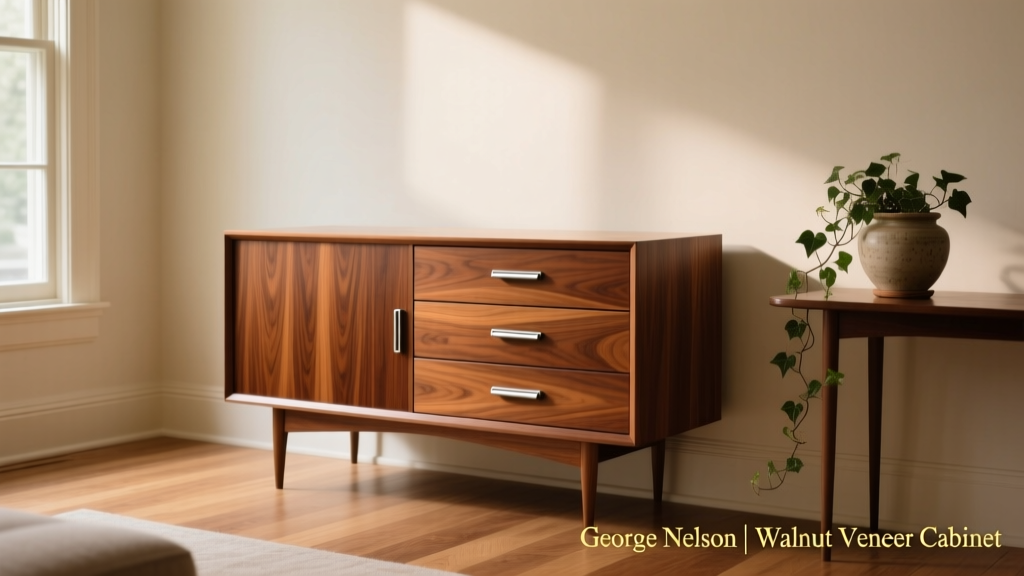
G. Nelson Walnut Veneer Cabinet: Authenticity, Restoration, and Design Legacy of the 1950s Four-Drawer Storage Unit
A detailed specialist analysis of the George Nelson for Herman Miller walnut veneer cabinet—24" W × 30" H × 17.5" D—with four graduated drawers, original aluminum pulls, and mid-century modern construction. Covers identification, materials, restoration protocols, market value, and historical context.
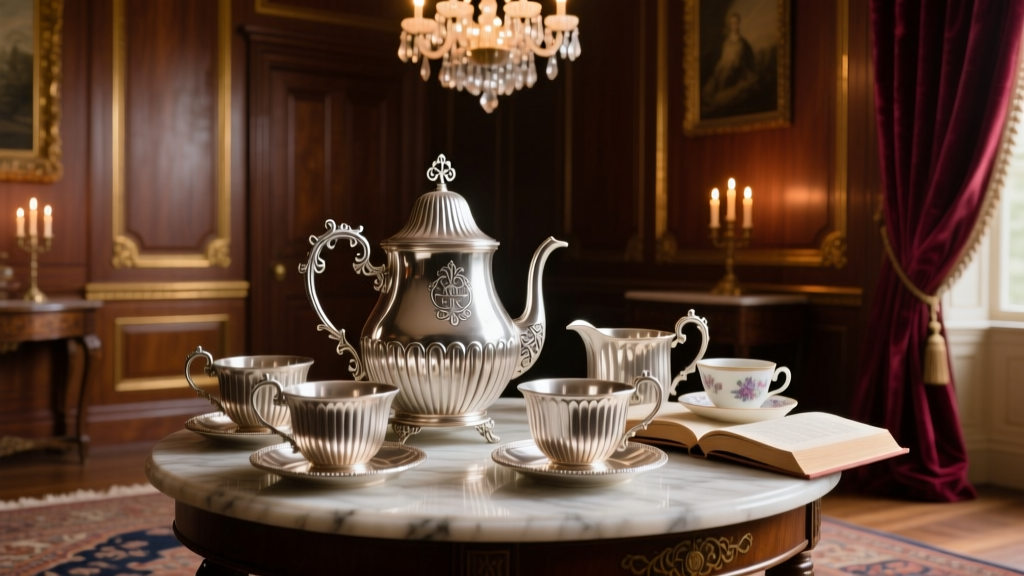
The Mayer 1850 Silver English Tea Set: A Masterpiece of Victorian Rococo Revival Design
An in-depth examination of the rare five-piece silver tea service by William Mayer & Son, London, 1850 — featuring pear-shaped bodies, fluted sides, peaked domed covers, and hallmark verification. Includes full measurements, assay office records, stylistic analysis, conservation protocols, and market valuation context.
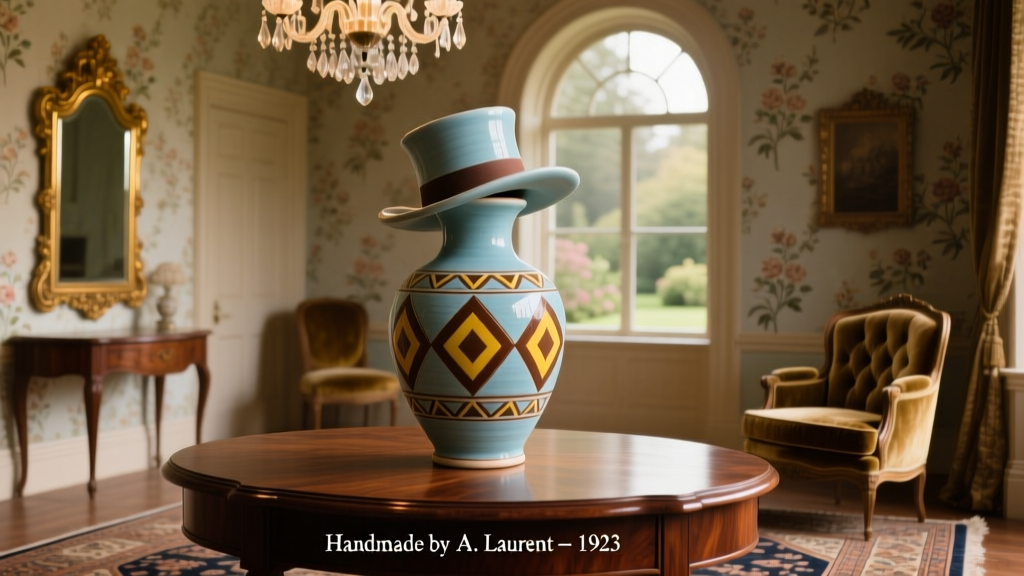
The Light Blue Art Pottery Vase with Brown and Yellow Hat-Shaped Design: Identification, Provenance, and Conservation of a 5-Inch American Studio Piece
A detailed examination of a distinctive 5-inch art pottery vase featuring a light blue glaze, brown and yellow decorative motifs, and a hat-shaped silhouette—covering maker attribution, historical context, material analysis, collector value, and professional conservation protocols.