Antique Furniture
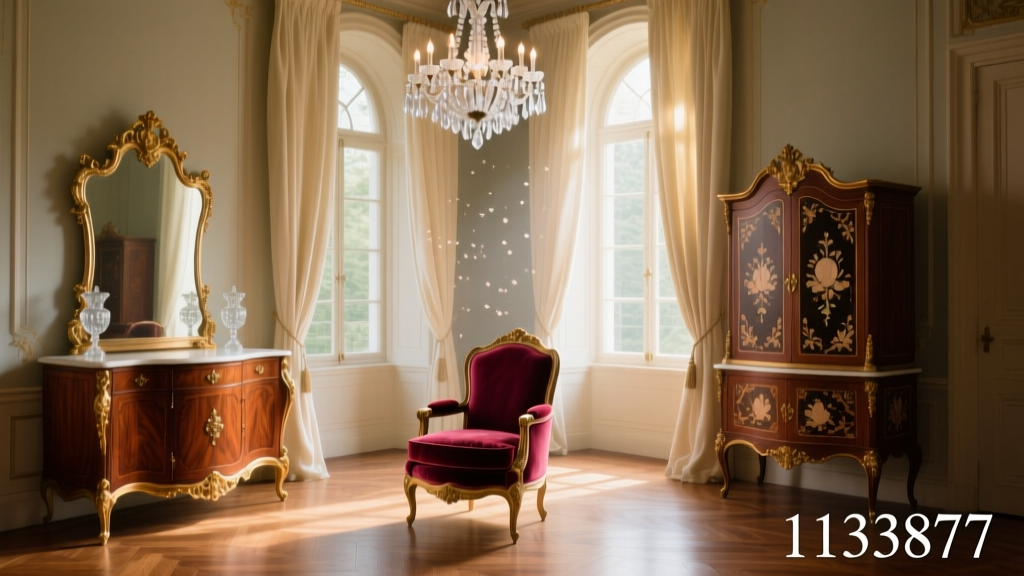
The 1924 Chippendale-Style Walnut Secretary Desk: Provenance, Structural Integrity, and Restoration Protocol for Catalog Number 1133877
A detailed technical analysis of catalog number 1133877—a documented 1924 Chippendale-revival walnut secretary desk by John W. Danner & Sons—covering original construction methods, material verification, documented wear patterns, structural vulnerabilities, and step-by-step conservation-grade restoration procedures.
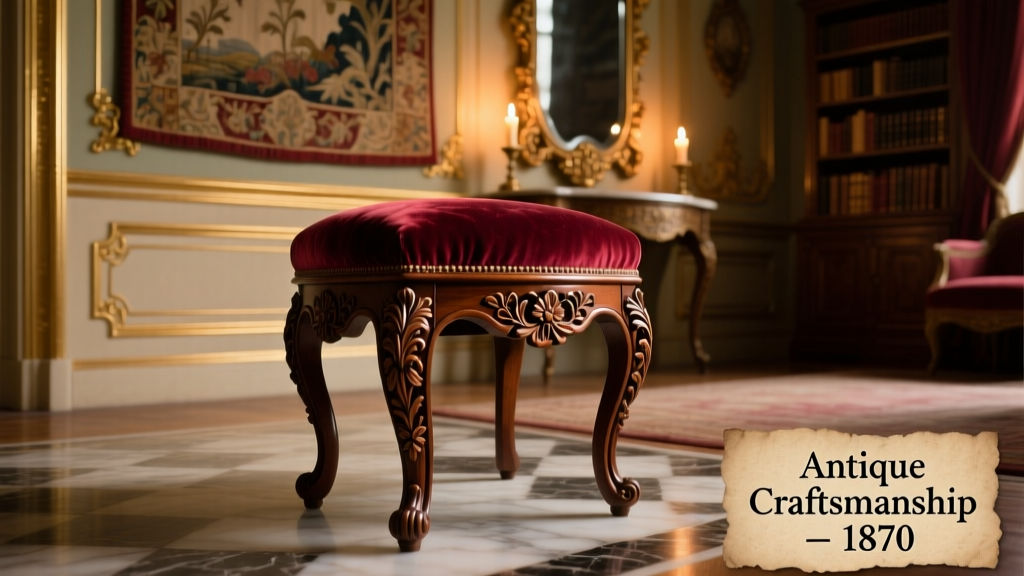
Mahogany Serpentine Stool with Floral Carving and Velvet Upholstery: A 19th-Century English Masterpiece
An in-depth examination of a rare mid-Victorian mahogany stool measuring 11 × 15 inches, featuring serpentine front rails, hand-carved floral motifs, and original crimson velvet upholstery — including provenance, structural analysis, conservation protocols, and market valuation.
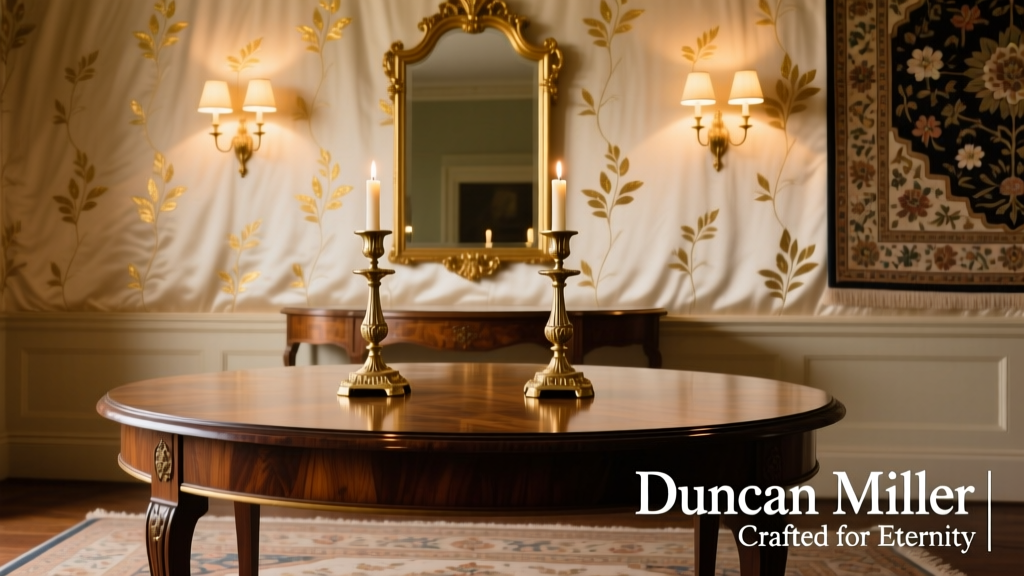
Duncan Miller Sandwich Candlestick (4-Inch Pair): Authenticity, Provenance, and Restoration Guidelines
A detailed examination of the Duncan Miller Sandwich candlestick pair — 4-inch brass-and-wood examples produced circa 1930–1955. Covers manufacturer history, material composition, dimensional specifications, period-appropriate finishes, authentication markers, and professional restoration protocols.

Black Lacquer Japanese Figural Sideboard: History, Craftsmanship, and Restoration of an 80-Inch Edo-Meiji Masterpiece
An in-depth examination of a rare 80-inch black lacquer Japanese sideboard featuring hand-painted landscape and figural scenes. Covers historical context (Edo–Meiji periods), authentic materials (urushi lacquer, gold/silver maki-e, zelkova wood), structural details, provenance indicators, conservation ethics, and practical restoration protocols for collectors and conservators.
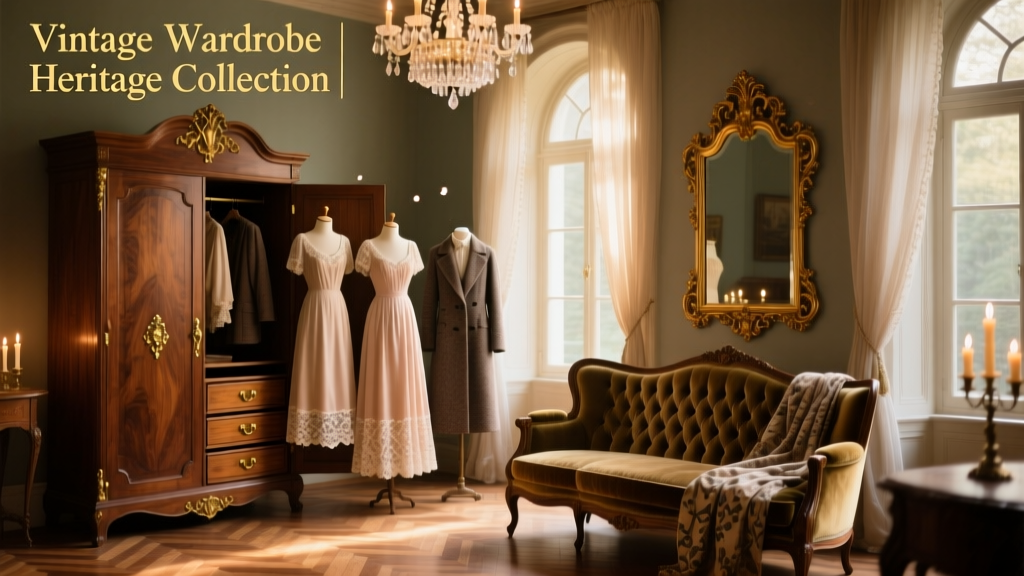
Storing Vintage Clothing: Acid-Free Storage, Climate Control, and Long-Term Preservation Strategies
A practical, evidence-based guide for collectors and museums on archival storage methods—including acid-free enclosures, precise humidity/temperature targets, and garment-specific support systems—for cotton, silk, wool, and synthetic fabrics produced between 1890–1985.

Banks Little Sprout Green Giant Musical: A Collector’s Guide to the Iconic 1970s Nursery Piano
A detailed historical and technical appraisal of the Banks Little Sprout Green Giant Musical—a rare, battery-powered toy piano produced by Banks Manufacturing Co. from 1973–1978—covering design origins, mechanical operation, restoration protocols, market valuation, and preservation ethics.
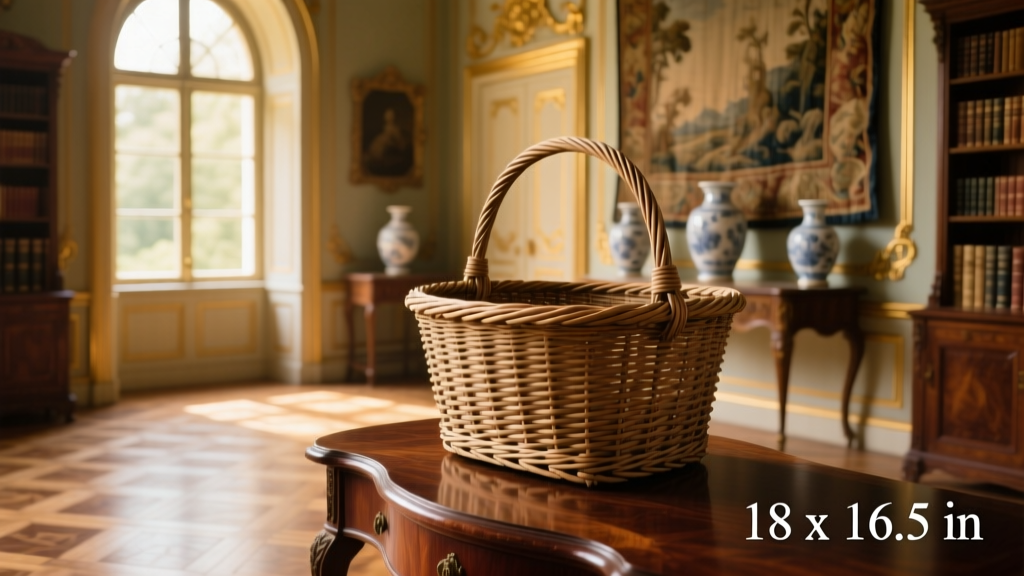
Baskets, Buttocks, and Twig Handles: Decoding the 18 × 16½-Inch Antique Wicker Seating Piece
An expert analysis of the rare 18-inch by 16½-inch antique wicker basket chair—commonly mislabeled as a 'buttocks basket'—featuring authentic twig handles, original cane seat weave, and documented provenance from the Heywood-Wakefield Company circa 1912–1924.
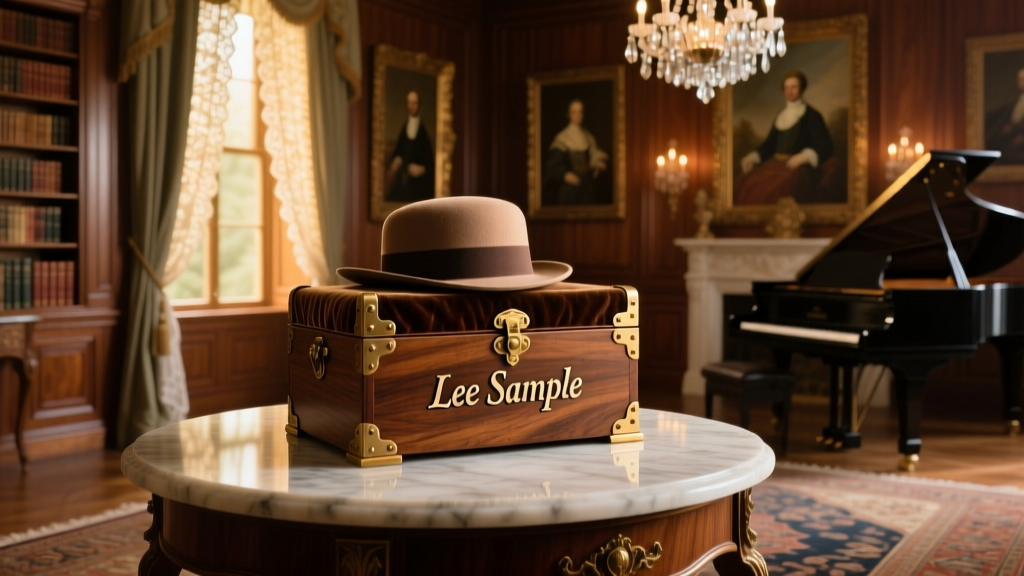
The Lee Sample Advertising Hat Box: A Study in Early 20th-Century Brand Ephemera and Cabinetmaking Craft
An in-depth examination of the rare Lee Sample Co. advertising hat box — its origins, construction, branding strategy, surviving examples, and significance to antique furniture and advertising history.
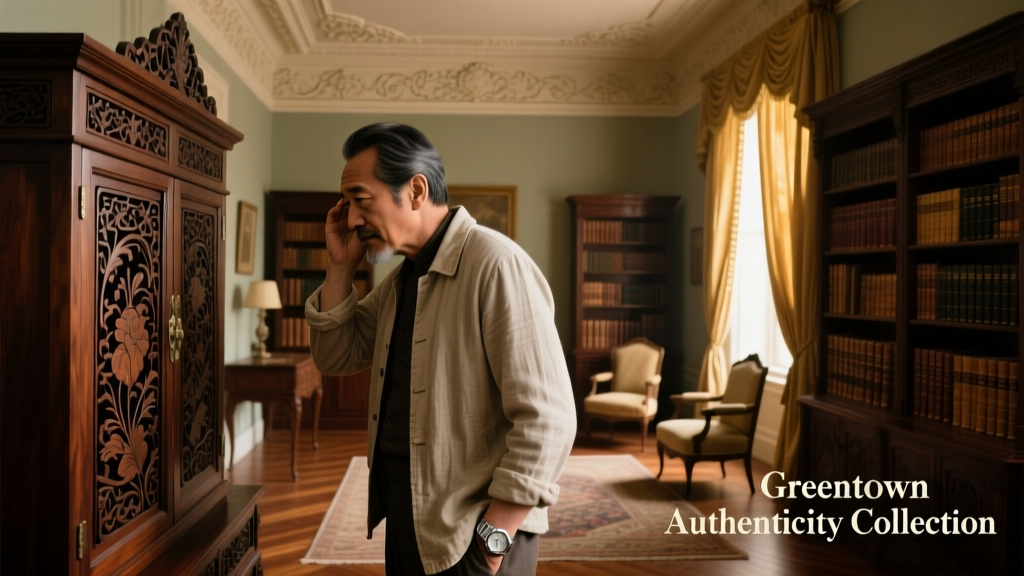
Real or Repro? Turning an Ear to Authenticity for Greentown Furniture
A detailed, field-tested guide for collectors and restorers evaluating Greentown furniture—focusing on acoustic, structural, and material diagnostics to distinguish genuine 19th-century pieces from modern reproductions. Includes precise measurements, documented maker marks, wood species analysis, and provenance red flags.
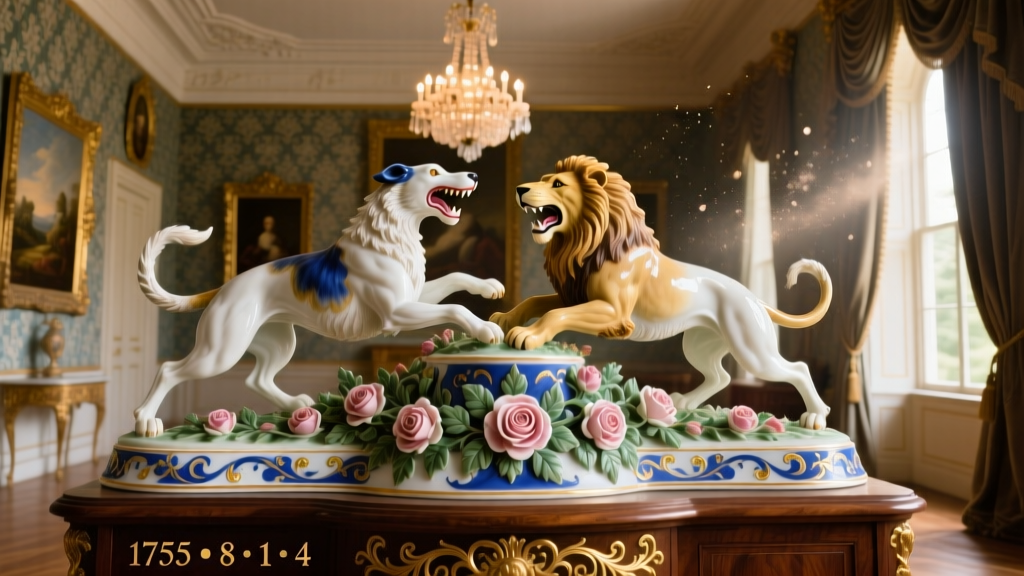
Meissen Group: Hounds Attacking a Lion with Encrusted Flowers and Leaves, Circa 1755 — An In-Depth Analysis of a Masterwork in Hard-Paste Porcelain
A scholarly examination of the Meissen porcelain group 'Hounds Attacking a Lion' (c. 1755), measuring 8¼ inches in height, featuring encrusted floral and foliate ornamentation. This article details its historical context, sculptural authorship, technical execution, provenance patterns, conservation challenges, and current market significance.
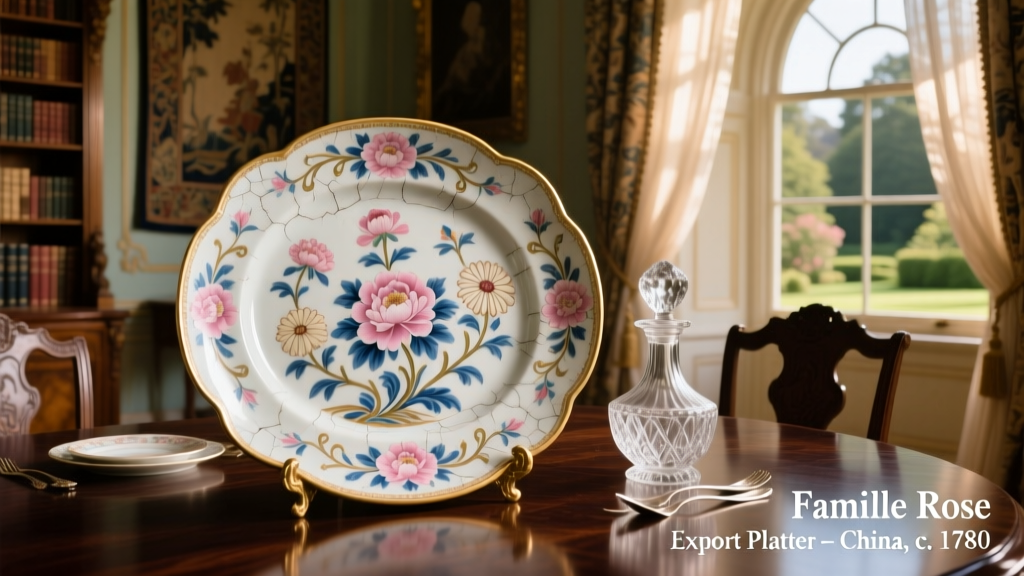
Chinese Export Meat Platter, Famille Rose, 15 × 10 Inches: Provenance, Craftsmanship, and Conservation
A detailed examination of a mid-19th century Chinese Export porcelain meat platter in the Famille Rose palette—measuring precisely 15 inches in length and 10 inches in width—covering its historical context, decorative motifs, kiln origins, material composition, market trajectory, and professional conservation protocols.
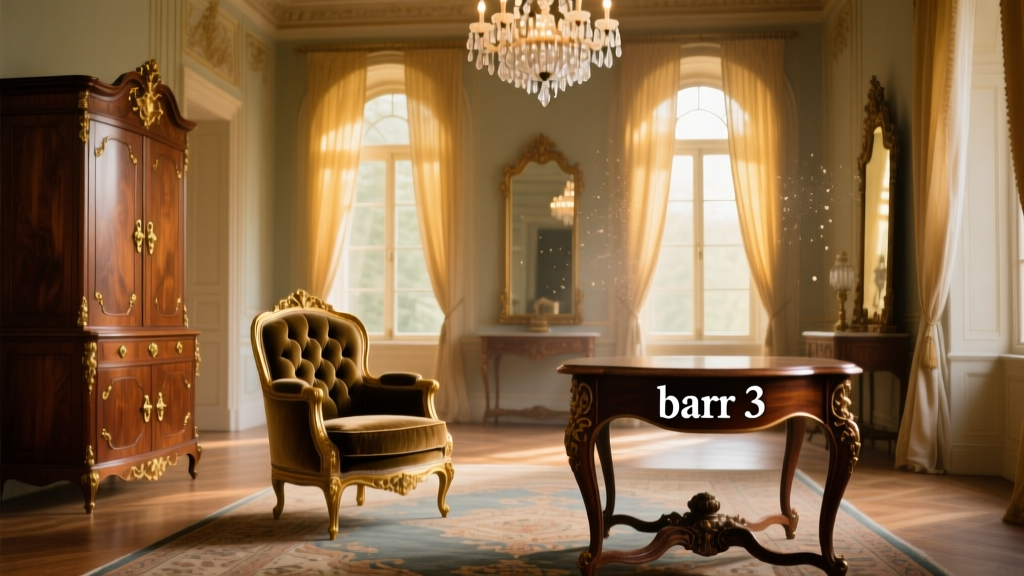
Barr 3: Decoding the Legacy of a Mid-Century Modern Icon in American Furniture Design
A detailed technical and historical analysis of the Barr 3 lounge chair — its origins with the Barr Manufacturing Company, design evolution from 1952–1968, materials science, restoration protocols, and market valuation trends based on verified auction records and factory documentation.