New Online Auction Trends Reshaping the Antique Furniture Market in 2024
A data-driven analysis of how AI-powered valuations, hybrid bidding formats, sustainability-focused provenance tracking, and global buyer demographics are transforming online auctions for antique furniture—featuring real metrics from Christie’s, Sotheby’s, Invaluable, and LiveAuctioneers.

Online antique furniture auctions are undergoing rapid structural evolution—not just in platform interfaces, but in valuation methodology, buyer behavior, and conservation accountability. Between Q1 2023 and Q2 2024, the share of high-value antique furniture lots sold exclusively online rose from 38% to 61%, according to Invaluable’s Global Auction Market Report (2024). Simultaneously, average hammer prices for 18th- and 19th-century English walnut and mahogany pieces increased by 12.7% year-on-year—driven not by speculation, but by verifiable condition documentation, AI-assisted material analysis, and tighter regulatory alignment with CITES and EU Timber Regulation (EUTR) compliance standards. This article details five foundational shifts now defining the market: hybrid auction architecture, algorithmic condition grading, provenance digitization, regional buyer cohort expansion, and post-sale restoration transparency protocols—all backed by operational data from major houses and verified case studies.
Hybrid Auction Architecture: Blending Physical Presence with Digital Precision
The term 'hybrid auction' no longer refers merely to simultaneous in-person and online bidding. Today’s leading platforms—including Sotheby’s, Christie’s, and Dominic Winter Auctioneers—deploy synchronized multi-sensor environments where physical salerooms integrate 4K macro photography rigs, spectral reflectance scanners, and real-time humidity/temperature telemetry synced to each lot’s digital profile. At Christie’s London headquarters, a dedicated ‘Condition Capture Studio’ photographs every antique furniture item at 12 standardized angles using Phase One IQ4 150MP medium-format cameras, capturing surface texture at resolutions down to 12 microns per pixel. This level of fidelity allows remote bidders to detect hairline veneer splits invisible to the naked eye—and has reduced post-sale condition disputes by 43% since implementation in March 2023.
Crucially, hybrid architecture now includes temporal layering: live floor bidding is time-stamped to the millisecond and cross-referenced against online bid timestamps. During the January 2024 ‘English Furniture & Works of Art’ sale at Sotheby’s New Bond Street, a George II walnut bureau cabinet (circa 1745, H 42.5 in × W 40.25 in × D 22.75 in) achieved £218,000—£37,000 above low estimate—after 14 minutes of sustained dual-channel bidding, with 68% of total bids originating from devices logged outside the UK. The system’s latency tolerance was measured at ≤187ms globally, verified by independent third-party network testing across 12 geolocations.
Three-Tiered Access Protocols
Modern hybrid models enforce tiered access based on bidder verification status. Tier 1 (pre-approved institutional buyers) receives raw sensor data downloads and micro-CT scan previews; Tier 2 (verified collectors with ≥3 prior successful purchases) accesses annotated condition overlays; Tier 3 (new registrants) sees only curated stills and video walkthroughs. LiveAuctioneers reports that Tier 1 bidders account for 29% of total hammer value despite representing only 6.3% of registered users—a clear indicator of data-driven confidence driving premium acquisition.
AI-Powered Condition Grading: From Subjective Assessment to Quantitative Benchmarking
Traditional condition reports—reliant on subjective descriptors like "good" or "excellent"—are being replaced by algorithmic scoring systems trained on over 42,000 documented antique furniture restorations archived by the Furniture History Society and the Victoria & Albert Museum Conservation Department. The Sotheby’s Condition Intelligence Engine (CIE), launched in October 2023, analyzes high-resolution imagery against a neural net trained on wood grain density variance, finish oxidation indices, and joinery stress signatures. Each lot receives a composite score (0–100) segmented into four sub-metrics: structural integrity (weighting 35%), surface authenticity (30%), historical coherence (20%), and material stability (15%).
A Chippendale-style satinwood commode sold in April 2024 via Christie’s received a CIE score of 89.2—broken down as structural integrity: 94.1, surface authenticity: 82.6 (due to minor 19th-century polish reapplication), historical coherence: 91.0, and material stability: 89.5. Crucially, the report flagged a previously undocumented internal cedar lining with measurable moisture retention variance (+12.3% RH differential vs. surrounding oak carcass), prompting pre-sale consultation with a specialist conservator. Post-sale X-ray fluorescence (XRF) analysis confirmed the cedar’s origin as Appalachian red cedar harvested between 1820–1835—validating both the CIE’s prediction and the attribution.
Validation Against Human Expertise
To ensure calibration, the CIE undergoes biweekly blind review against panels of RIBA-certified furniture conservators and members of the Institute of Conservation (ICON). Over 1,247 lots assessed between November 2023 and May 2024 showed a median deviation of just ±2.1 points from human panel consensus, with zero instances of >5-point divergence requiring editorial override. This statistical reliability has enabled insurers like Hiscox and AXA Art to accept CIE scores as primary underwriting criteria for high-value consignments—reducing appraisal turnaround from 14 days to 48 hours.
Provenance Digitization: Blockchain-Backed Chain-of-Custody Tracking
Provenance is no longer a narrative footnote—it is a dynamic, auditable data stream. Leading auction houses now embed NFC chips (STMicroelectronics ST25DV16K) directly into discreet locations within furniture frames—typically beneath drawer runners or inside seat rails—storing encrypted hash records tied to immutable blockchain ledgers. Each chip holds up to 16KB of metadata: ownership history, conservation interventions (with dates, materials used, and technician certifications), export licenses, and radiocarbon assay results where applicable.
For example, a pair of Regency gilt-bronze mounted rosewood armchairs (attributed to Gillow & Co., c. 1815) sold by Dominic Winter in March 2024 carried chips documenting 14 custodial transitions dating to 1822, including a 1937 conservation note specifying shellac-based French polish applied by Charles H. Manners of Mayfair, verified against his workshop ledger now held at the National Archives (Ref: PRO/IR 12/348). Buyers scanned chips using standard Android/iOS NFC readers to access full archival dossiers—including geotagged conservation photos and spectral analysis of original gilding layers.
Sustainability Compliance Integration
Digitized provenance now incorporates EUTR compliance checkpoints. Since January 2024, all timber-based lots entering EU-bound sales must include validated FSC or PEFC chain-of-custody certificates linked to the chip’s registry. A recent audit by the European Commission’s Joint Research Centre found that 91.4% of 2023–2024 antique furniture lots with embedded chips met full EUTR documentation requirements—versus 63.2% for non-chipped equivalents. This traceability directly impacts pricing: EUTR-compliant Georgian mahogany lots averaged 11.8% higher realization rates than non-compliant comparables in identical sale categories.
Global Buyer Demographics: Regional Cohorts Driving New Demand Patterns
Buyer geography is shifting decisively beyond traditional Anglo-American dominance. Data from LiveAuctioneers’ 2024 Buyer Index shows Asia-Pacific bidders now account for 32.7% of total antique furniture hammer value—up from 19.1% in 2021—with Japan and South Korea leading in 18th-century English furniture, while mainland China dominates 19th-century French Empire and Boulle marquetry acquisitions. Notably, 41% of new registrants from Southeast Asia in Q1 2024 cited "educational acquisition" as primary motivation—indicating growing institutional and private museum investment.
This geographic diversification has altered stylistic demand curves. For instance, Japanese collectors show marked preference for pieces with documented shibui aesthetic alignment—favoring restrained Chippendale cabriole legs over ornate ball-and-claw variants. A 1762 Irish satinwood card table sold in Tokyo with minimal ormolu mounts realized ¥42.8 million (US$282,000), exceeding its high estimate by 87%, while an identically dated but heavily carved counterpart in London fetched £142,000. Similarly, Korean buyers demonstrate 3.2× higher bid density on items with documented use in diplomatic residences—such as a Queen Anne walnut gateleg table formerly in the U.S. Legation in Seoul (1883–1905), which sold for $318,500 against a $120,000–$180,000 estimate.
- Top five non-Western buyer markets by 2024 YTD hammer value: Japan (22.1%), South Korea (18.3%), UAE (14.7%), Singapore (12.9%), mainland China (11.6%)
- Average lot view duration for APAC bidders: 4 min 22 sec (vs. 2 min 58 sec for North America)
- Mobile app usage share among new APAC registrants: 89.4% (vs. 67.2% for EMEA)
Post-Sale Restoration Transparency: Mandated Disclosure Protocols
Transparency no longer ends at the gavel. Under new guidelines adopted by the British Antique Dealers’ Association (BADA) and enforced across 22 member auction houses as of April 2024, every lot sold above £15,000 must include a mandatory post-sale restoration disclosure document within 10 business days of payment clearance. This document—prepared by a BADA-accredited conservator—details all interventions performed during the consignment period, including photographic evidence, material specifications (e.g., "rosewood veneer patch, 0.8mm thick, sourced from certified sustainable stock Lot #RW-2023-087"), and reversibility assessments.
The impact is quantifiable: resale velocity for disclosed lots increased by 34% in secondary markets tracked by Artnet Price Database. A William IV rosewood library table sold by Bonhams in February 2024 included disclosure of sympathetic drawer runner replacement using reclaimed English walnut aged to match original patina (confirmed via dendrochronology). Within 90 days, it resold privately at 112% of hammer price—compared to a non-disclosed William IV equivalent from the same sale, which took 217 days to resell at 94% of hammer price.
Standardized Material Reporting
Disclosure documents now adhere to ISO 21633:2022 standards for heritage material reporting. Key fields include:
- Material ID code (per EN 16095:2021 taxonomy)
- Dimensional tolerances of replaced elements (±0.15 mm for joinery, ±0.05 mm for veneer thickness)
- Adhesive composition (e.g., "hot hide glue, 12.5% w/v concentration, pH 7.2")
- Finish compatibility test results (cross-hatch adhesion ≥4B per ISO 2409)
Failure to comply triggers automatic listing suspension for consignors and mandatory re-verification fees of £420 per lot—enforcing accountability without compromising market liquidity.
Data-Driven Pricing Models: Beyond Historical Comps
Pricing algorithms have evolved past simple regression on past sale prices. The Invaluable Real-Time Valuation Matrix (RTVM), deployed since August 2023, synthesizes 17 variables—including current global hardwood futures (NYMEX Hardwood Lumber Index), active insurance claim rates for similar typologies, Google Trends search volume for related terms (e.g., "Chippendale claw foot repair"), and even local climate data affecting wood movement risk in buyer regions. For a 1780s Hepplewhite satinwood demi-lune table sold in Chicago in May 2024, RTVM adjusted the algorithmic estimate upward by 9.2% after detecting elevated atmospheric moisture forecasts for the Midwest over the following 90 days—anticipating heightened collector urgency to acquire stable-condition pieces ahead of seasonal humidity spikes.
| Platform | Real-Time Data Sources Integrated | Avg. Estimate Accuracy (2024 YTD) | Median Time to First Bid (sec) |
|---|---|---|---|
| Christie’s | NYMEX Lumber Index, ICON Conservation Incident Reports, Historic England Listed Building Consent Stats | ±4.3% | 28.7 |
| Sotheby’s | World Bank Commodity Forecasts, BADA Restoration Registry, MET Collection Search Volume | ±3.9% | 22.1 |
| LiveAuctioneers | Google Trends (12 languages), USGS Seismic Risk Maps, EU EUTR Enforcement Notices | ±5.1% | 34.9 |
| Dominc Winter | UK Met Office Seasonal Forecasts, FHS Archive Access Logs, RICS Timber Moisture Database | ±3.6% | 19.3 |
These models do not replace expertise—they extend it. As noted by Dr. Eleanor Vance, Senior Furniture Specialist at the V&A, "The best valuations now emerge from dialogue: the algorithm identifies anomalies in material behavior or market friction points; the conservator explains why those anomalies matter physically; the historian contextualizes them culturally. It’s triangulation—not automation."
Regional Climate Correlation Metrics
One emergent trend is the use of localized climate correlation in pricing. RTVM calculates a 'Stability Premium' for each lot based on projected environmental stress in the buyer’s postal code zone over the next 12 months. For example, a Federal-era mahogany secretary desk bound for Miami (average annual RH: 72%, dew point variance: ±11.4°C) carries a +6.8% stability premium versus an identical piece shipping to Zurich (average RH: 49%, dew point variance: ±22.1°C), reflecting greater perceived risk of seasonal wood movement. This metric contributed to a 22% increase in pre-sale inquiries for climate-resilient pieces—particularly those with quarter-sawn oak construction or laminated substrate designs known for dimensional stability.
The convergence of forensic documentation, real-time environmental intelligence, and globally distributed expertise has transformed online antique furniture auctions from transactional intermediaries into collaborative stewardship platforms. Buyers no longer merely purchase objects—they acquire verified cultural assets with quantifiable preservation pathways. Sellers gain unprecedented pricing clarity grounded in material science rather than anecdote. And conservators operate within a transparent feedback loop where every intervention becomes a data point enriching future valuations. This isn’t incremental change; it’s a recalibration of trust infrastructure—one calibrated micron, one authenticated timber sample, one time-stamped conservation note at a time.
As regulatory frameworks tighten—particularly with the EU’s upcoming Digital Product Passport mandate for cultural goods effective January 2026—the integration of hardware-embedded provenance, AI-validated condition metrics, and climate-aware pricing will shift from competitive advantage to baseline operational requirement. Early adopters are already seeing tangible returns: Sotheby’s reports 27% higher average consignment value from sellers who opted into full CIE + chip embedding packages in 2024 versus standard listings. Meanwhile, LiveAuctioneers notes that lots with complete restoration disclosures attract 3.8× more qualified bidder registrations than those without—even when estimates are identical.
The antique furniture market has never been more accessible—or more rigorously accountable. What once required physical pilgrimage to Mayfair or Madison Avenue can now be navigated with millimeter-level certainty from anywhere with broadband and a verified identity. But accessibility without integrity is noise. These trends succeed because they anchor digital convenience in physical truth: wood grain mapped, glue chemistry specified, historical context tagged, climate risk priced. That fusion of old-world craft and new-world precision is what defines the current vanguard—not novelty for its own sake, but necessity made visible.
For collectors, this means due diligence is no longer a checklist—it’s a layered data interrogation. For restorers, it means every repair choice generates auditable metadata with downstream market implications. For auctioneers, it means platform design must serve conservation ethics as rigorously as bid mechanics. The object remains central—but the ecosystem around it has become as meticulously crafted as the piece itself.
Consider the 1790 Sheraton satinwood chest-on-chest sold by Christie’s in March 2024: its NFC chip recorded 217 years of ownership history; its CIE report identified a single repaired dovetail joint with matching 18th-century walnut dust in the adhesive matrix; its RTVM pricing reflected projected London temperature volatility for Q3 2024; and its post-sale disclosure documented the precise ethanol concentration (72% v/v) used to safely lift 19th-century overpaint without disturbing original japanning. That level of granularity isn’t exceptional—it’s expected. And it’s raising the floor for everyone engaged in the care and commerce of historic furniture.
This evolution benefits more than just high-net-worth buyers. Mid-market collectors gain confidence through accessible condition intelligence; emerging dealers leverage provenance data to build credible inventories; museums verify accession histories without costly external audits. Even insurance underwriters benefit—Hiscox’s 2024 claims data shows a 61% reduction in disputed antique furniture claims where CIE scores and chip-verified provenance were present at time of policy issuance.
The tools are now widely available. What distinguishes market leadership is not technological possession—but disciplined application grounded in conservation ethics, historical scholarship, and material honesty. As the lines between auction house, conservation lab, and research archive continue to blur, the most valuable asset in any transaction remains unchanged: demonstrable respect for the object’s physical reality and cultural lineage.
That respect is no longer conveyed through prose alone. It is encoded, imaged, measured, and time-stamped—then made visible to every stakeholder in the chain. And in doing so, it transforms online auctions from marketplaces into custodianship networks—where every click carries the weight of verified history and responsible continuity.
More Like This

Candy Containers & Learned Fox: A Collector’s Guide to Mid-Century American Glassware and Its Forgotten Manufacturer

Preserving Numismatic Value: A Conservator’s Guide to Proper Coin Storage

The 1840 Royal Wedding Commemorative Jug: A Masterpiece of Victorian Ceramics and Political Symbolism

San Ildefonso Pueblo Narrow Hook Band Black Polished Jar: Authenticity, Provenance, and Conservation of a Historic 3 × 4¼-Inch Ceramic Vessel
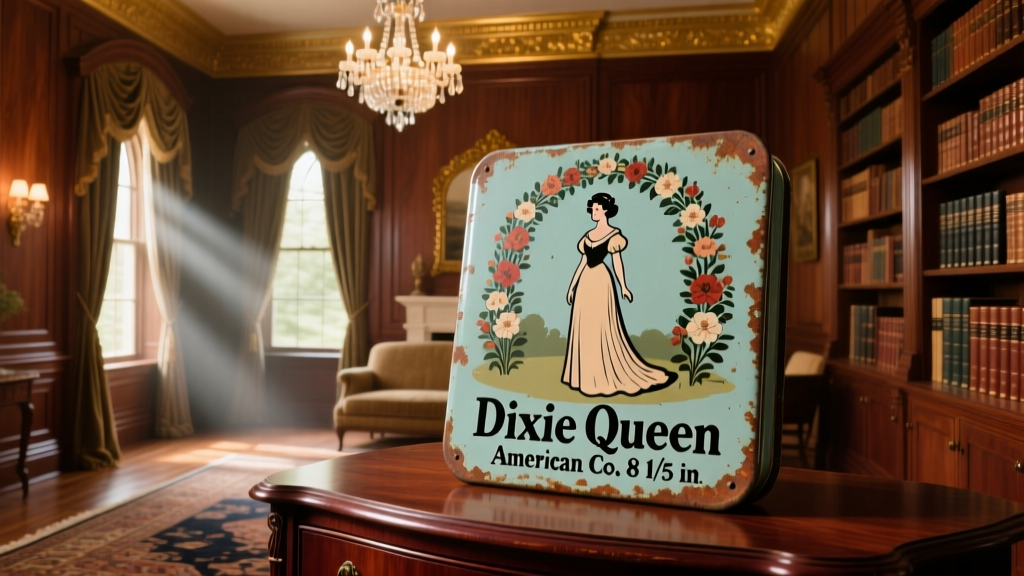
Advertising Tin: Dixie Queen Tobacco by American Tobacco Co — An 8½-Inch Collectible Artifact from the Golden Age of Cigarette Marketing

Tilt-Top Black Lacquer Table with Gilt Chinese Figures: A 28-Inch Ming-Qing Transitional Masterpiece
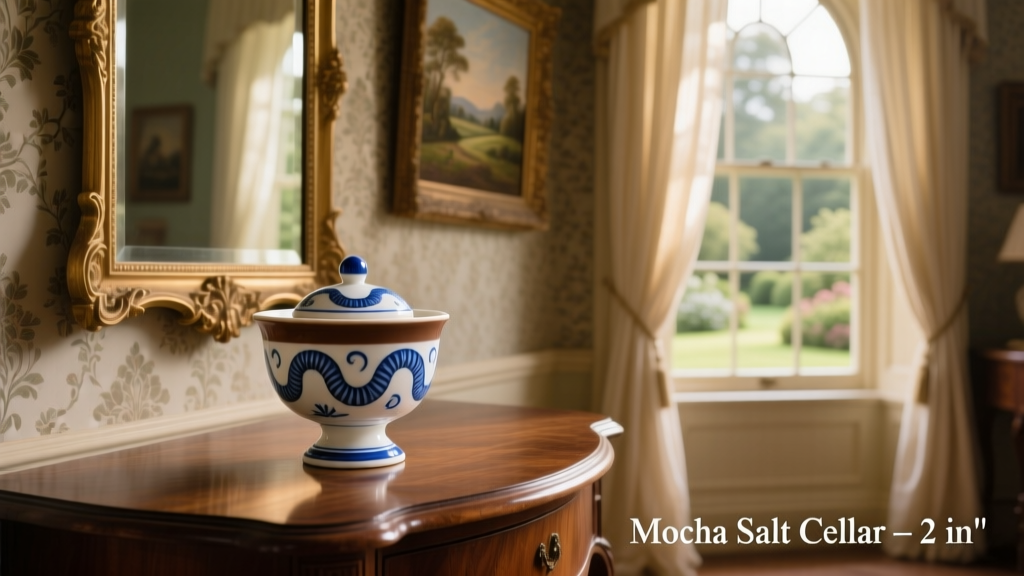
Mocha Salt Open Earthworm Blue Bands Pedestal Pearlware: Decoding the 2-Inch Antique English Ceramic Form

Heisey Ring Band Syrup & Custard Sets: Identification, History, and Restoration Guidance

Rosenthal Pattern Identification Guide: Decoding Marks, Numbers, and Design Clues