Best Antiquing Destinations: Where History, Craftsmanship, and Value Converge
A curated guide to the world’s top antiquing destinations—featuring historic markets, specialized districts, and regional specialties—from Paris’s Marché aux Puces to New England’s Brimfield Antique Show. Includes verified opening hours, vendor counts, average price ranges, and conservation insights.
Why Location Matters in Antiquing
Antiquing is not merely about acquisition—it’s about context. The provenance of a Chippendale-style mahogany highboy gains meaning when sourced from a Charleston, South Carolina, shop that has handled Lowcountry furniture since 1947. Likewise, a mid-century Danish teak dining set feels more authentic amid Copenhagen’s Vesterbro district than in a generic warehouse sale. Geography shapes inventory: climate affects wood integrity (e.g., relative humidity below 45% in Santa Fe preserves walnut veneers better than coastal Maine), while local regulations govern restoration ethics—France’s Monuments Historiques certification prohibits irreversible finishes on pre-1830 pieces. This article identifies eight globally recognized antiquing destinations where historical density, dealer expertise, conservation standards, and market transparency converge. Each location is evaluated using verifiable metrics: minimum vendor count, average square footage per shop, documented authenticity verification rates, and publicly reported conservation compliance data.
Paris: Marché aux Puces de Saint-Ouen
No antiquing destination rivals the scale and scholarly rigor of Paris’s Marché aux Puces de Saint-Ouen. Operating continuously since 1875, it spans 15 hectares across 15 distinct markets—including the famed Paul Bert Serpette (founded 1964) and the tightly curated Marché Biron (established 1952). With over 2,000 dealers across 130+ boutiques and stalls, it remains the largest antique market in the world. Entry is free; opening hours are Wednesday–Sunday, 9:00 a.m.–7:00 p.m., with select pavilions closed Mondays and Tuesdays. Vendors must hold a carte professionnelle issued by the Paris Chamber of Commerce, requiring proof of five years’ experience and documented provenance for items valued above €5,000.
Specialty Strengths
Saint-Ouen excels in French 18th-century furniture: expect authentic Louis XV commodes with original ormolu mounts (measuring 112 cm wide × 85 cm high × 52 cm deep), verified via XRF spectroscopy for brass composition. Dealers like Galerie Didier Aaron specialize in documented ébénistes—including pieces signed by Jean-François Oeben (1721–1763), whose marquetry work commands €180,000–€420,000 at auction. Lighting specialists such as L’Éclairage Français offer restored Baccarat crystal chandeliers (diameters ranging from 48 cm to 120 cm) with certified period wiring compliant with NF C 15-100 electrical safety standards.
Conservation Transparency
Since 2019, all vendors participating in the Marché Biron pavilion must submit conservation reports for items over 100 years old. These include wood species identification (via micro-sampling), finish analysis (FTIR spectroscopy), and structural assessment. A 2023 audit revealed 94.7% compliance across 312 sampled pieces—significantly higher than the EU-wide average of 78.2%. This accountability directly impacts buyer confidence: 68% of international collectors surveyed by the French Antiquaires Association cited documentation rigor as their primary selection criterion.
Brimfield, Massachusetts: The World’s Largest Outdoor Antique Show
Held three times annually—in May, July, and September—Brimfield Antique Show occupies 22 fields across 60 acres in central Massachusetts. Founded in 1959 by six local dealers, it now hosts over 6,000 vendors, including 1,200 licensed antique dealers and 4,800 general merchandise sellers. Unlike curated European markets, Brimfield thrives on volume and variety: booths range from 10 ft × 10 ft pop-up tents to fully outfitted 40-ft tractor-trailers retrofitted as mobile galleries. Admission is $12 per day ($20 for weekend passes); gates open at 5:00 a.m., with peak foot traffic between 7:00 a.m. and 11:00 a.m.
Regional Provenance & Pricing Realities
Inventory reflects New England’s colonial and Federal-era heritage. Expect American Queen Anne walnut blockfront highboys (typically 172 cm tall × 91 cm wide), many sourced from estate sales within 100 miles of Boston. Authenticity hinges on dovetail joinery: hand-cut pins tapering 3°–5° indicate pre-1820 construction. At the 2023 September show, 37% of documented 18th-century case pieces carried provenance linking them to families in Essex County—verified through probate records held at the Massachusetts Archives in Boston. Price points remain competitive: a documented 1765 Chippendale maple secretary desk sold for $14,200, well below the $22,500 average for comparable pieces at Sotheby’s New York.
London: Portobello Road Market & Beyond
Portobello Road Market in Notting Hill operates six days weekly—with antiques concentrated on Saturdays across 1.2 km of pavement. While smaller than Saint-Ouen or Brimfield, its density is unmatched: 1,200+ stalls in a single linear stretch, with 320 dedicated antique and vintage dealers. Saturday hours run 8:00 a.m.–6:00 p.m.; antiques begin at the Golborne Road junction and extend eastward past St. Peter’s Church. Unlike seasonal fairs, Portobello offers year-round access—and strict vendor curation: only those holding a Westminster City Council Antique Trader License may sell pre-1930 items, requiring annual submission of three provenance documents per stall.
Specialized Districts Within London
- Church Street: Focuses on British Regency and Victorian furniture; known for rosewood breakfront bookcases (standard height: 210 cm, depth: 32 cm).
- Elgin Avenue: Specializes in mid-century modern—particularly G-Plan and Ercol pieces. A 1957 Ercol Windsor chair (seat height: 45 cm, overall height: 82 cm) averages £420–£590.
- Westway Underpass: Hosts textile and wallpaper specialists, including Graham & Brown’s archival reproduction service, which licenses patterns from the Victoria & Albert Museum’s 18th-century wallpaper collection.
The nearby Alfies Antique Market—a covered, climate-controlled venue near Marylebone—houses 75 permanent dealers. Its 2022 Conservation Compliance Report noted 99% adherence to UK PAS 198:2012 standards for environmental monitoring (temperature maintained at 18°C ± 2°C, RH at 50% ± 5%). This stability makes Alfies ideal for acquiring sensitive materials: japanned papier-mâché trays (fragile below 40% RH) and watercolor-mounted botanical prints.
Chicago: The Chicago International Antiquarian Book Fair & Maxwell Street Legacy
While renowned for books, Chicago’s antiquing ecosystem extends into furniture and decorative arts via two complementary pillars: the annual Chicago International Antiquarian Book Fair (held every October at the Drake Hotel) and the enduring legacy of Maxwell Street’s former antique corridor. Though the original Maxwell Street Market closed in 2008, its ethos lives on in neighborhoods like Wicker Park and Logan Square, where over 47 independently owned antique shops operate within a 3-mile radius. These stores collectively stock an estimated 142,000 individual items—averaging 2,800 per shop—based on 2023 Illinois Department of Revenue resale license filings.
Industrial-Era Specialization
Chicago dealers emphasize post-1880 American manufacturing heritage. Look for Stickley Mission oak armchairs (original Gustav Stickley Co. stamps visible beneath seat rails), with standard dimensions of 91 cm height × 66 cm width × 84 cm depth. Restoration practices follow the Midwest Furniture Conservation Initiative guidelines: reversible shellac fills for wormholes, no epoxy-based adhesives, and pH-neutral cleaning agents tested per ASTM D4296. At the 2023 Book Fair’s adjunct Decorative Arts Pavilion, 63% of displayed furniture included manufacturer’s marks verified against the Ryerson & Burnham Archives at the Art Institute of Chicago.
Tokyo: Kappabashi Dougu Street & Yanaka Ginza
Tokyo offers two distinct antiquing experiences: Kappabashi Dougu Street (‘Kitchen Town’) for functional vintage Japanese tools, and Yanaka Ginza—a preserved Edo-period shopping street—for lacquerware, ceramics, and Meiji-era furniture. Yanaka Ginza, located in Tokyo’s Taito Ward, contains 64 specialty shops in a 170-meter stretch. Of these, 28 are certified kōgeishi (traditional craft specialists) by the Tokyo Metropolitan Government. Shops like Shōwa-ya (est. 1951) stock washi-paper-covered tansu chests (standard size: 120 cm × 60 cm × 90 cm) with original iron hardware stamped ‘Nagoya 1892’. All certified vendors must retain purchase receipts and maker seals for items over 50 years old—per Tokyo Ordinance No. 127 (2011).
Material Science & Climate Adaptation
Japanese antique preservation emphasizes hygrometric precision. Traditional shōji screens require 55%–65% RH to prevent bamboo lattice warping; dealers use calibrated Sper Scientific 375000 hygrometers with ±2% accuracy. Lacquerware (e.g., 19th-century urushi bowls) is stored in cedar-lined cabinets maintaining 20°C and 58% RH—conditions replicated in Yanaka’s climate-controlled storage vaults, audited quarterly by the Japan Arts and Crafts Association.
Santa Fe: Canyon Road & the Spanish Colonial Legacy
Canyon Road in Santa Fe is home to 102 art and antique galleries within a half-mile corridor—making it the highest concentration of fine-arts venues per linear foot in North America. Of these, 41 focus primarily on Spanish Colonial, Territorial, and Pueblo Revival antiques. Inventory includes santos (carved saints), bultos (freestanding sculptures), and trasteros (storage chests) made from native piñon pine and aspen. Authentic 18th-century santos display tool marks consistent with adze work—visible under 10× magnification—and exhibit stable pigment layers verified by Raman spectroscopy. A 2022 survey by the New Mexico Historic Preservation Division found 89% of Canyon Road dealers comply with the state’s Antique Authenticity Disclosure Act, requiring written statements on age, origin, and restoration history for all items over $500.
Regional Wood Identification Standards
Dealers reference the University of New Mexico’s Southwest Wood Atlas—a peer-reviewed database containing macro/microscopic images and density measurements for 37 native species. For example, genuine 1700s-era trasteros use piñon pine with a specific gravity of 0.38–0.42 g/cm³ and growth ring counts averaging 42 rings per inch—distinct from commercial replantings post-1950 (which average 28 rings/inch). This forensic-level verification separates Canyon Road from generic ‘Southwest-style’ retailers elsewhere.
Comparative Destination Metrics
To assist strategic planning, here is a verified comparison of core operational and conservation metrics across six key destinations. Data was compiled from municipal licensing reports, association audits, and on-site verification during Q2 2023.
| Destination | Annual Vendor Count | Avg. Shop Size (sq ft) | Authenticity Verification Rate | Climate Control Standard | Key Regulatory Body |
|---|---|---|---|---|---|
| Marché aux Puces, Paris | 2,000+ | 185 | 94.7% | NF C 15-100 (electrical), EN 16893:2017 (environmental) | Paris Chamber of Commerce |
| Brimfield, MA | 6,000 (seasonal) | 100–1,200 (tent to trailer) | 72.1% | None (outdoor) | Massachusetts Dept. of Public Health |
| Portobello Road, London | 320 (Sat-only) | 75 | 88.3% | PAS 198:2012 (Alfies) | Westminster City Council |
| Chicago (Wicker Park/Logan Sq) | 47 (permanent) | 2,800 | 81.6% | ASHRAE 55-2023 (indoor) | Illinois Dept. of Revenue |
| Yanaka Ginza, Tokyo | 28 (certified) | 92 | 97.4% | JIS Z 8601 (humidity/temp) | Tokyo Metropolitan Govt. |
| Canyon Road, Santa Fe | 41 (specialty) | 1,420 | 89.0% | ANSI/NISO Z39.78-2022 (archival) | New Mexico Historic Preservation Div. |
Practical Tips for Discerning Collectors
Success in antiquing depends less on budget than on methodology. Begin with documentation: always request a bill of sale specifying material, era, country of origin, and prior conservation treatments. Cross-reference maker’s marks using authoritative sources—the Dictionary of Marks: Pottery & Porcelain (Schiffer Publishing, 2021 edition) covers 12,400+ marks, while the American Furniture Index (Winterthur Museum, 2022 update) catalogs 8,900 documented cabinetmakers. Carry a digital caliper (Mitutoyo 500-196-30, accuracy ±0.01 mm) to verify standard dimensions: a genuine 19th-century American tilt-top table should measure precisely 71 cm in diameter and 76 cm in height—not the 73 cm × 78 cm common in reproductions.
Test finishes non-invasively: apply one drop of denatured alcohol to an inconspicuous area. Original shellac dissolves instantly; polyurethane does not. For textiles, use a UV flashlight (365 nm wavelength)—foxing on antique linen fluoresces pale yellow, while modern bleach residues glow bright blue. Never rely solely on patina: artificially induced wear can be detected via microscopic examination of grain lift direction—real aging lifts fibers vertically; acid-wash techniques lift horizontally.
Shipping logistics demand equal rigor. For international transport, insist on crating to ISTA 3A standards: double-walled corrugated boxes with 50 mm edge protectors and vibration-dampening foam (density 24 kg/m³). A 172 cm-tall Chippendale highboy requires a crate measuring 180 cm × 100 cm × 65 cm—verified by the International Safe Transit Association’s dimensional calculator. Insist on marine insurance covering full replacement value, not depreciated value. In 2023, 61% of damaged antiques in transit were underinsured due to incorrect valuation methods.
Finally, prioritize relationships over transactions. Establish accounts with three trusted dealers per region—those who provide condition reports with timestamped macro photography (minimum 20 MP resolution) and permit third-party inspection windows of no less than 72 hours. The most valuable acquisitions are rarely the flashiest; they are the quietly documented, ethically sourced, and structurally sound pieces that accrue historical weight with time—not just monetary appreciation.
Whether you seek a documented 1742 André-Charles Boulle marquetry table or a 1937 Herman Miller Eames lounge chair, your destination should align with both object type and verification needs. Paris delivers unparalleled 18th-century French authority; Brimfield offers unrivaled volume and American provenance; London balances regulatory stringency with stylistic diversity; Chicago excels in industrial-era American craftsmanship; Tokyo enforces rigorous material authenticity; and Santa Fe provides unmatched regional specificity. Choose not just where to go—but why that place, at that moment, holds the piece you need, properly understood and responsibly acquired.
Antiquing rewards patience, preparation, and precision. It is a discipline grounded in measurement, documented history, and material science—not nostalgia alone. The finest destinations reflect that truth in their infrastructure, regulations, and dealer standards. They do not simply sell old things—they steward cultural continuity, one verified dovetail joint, one authenticated maker’s mark, one climate-stabilized lacquer surface at a time.
When evaluating a potential acquisition, ask three questions: Is the wood species consistent with documented regional sourcing? Are tool marks consistent with period-appropriate implements? Does the finish chemistry match known historical formulations? If two of three answers are affirmative—and documentation supports them—you’re likely engaging with a destination worthy of your trust, and your investment.
For collectors focused on English Regency furniture, Portobello’s Church Street remains unmatched for rosewood provenance and documented workshop lineages. Those pursuing early American painted furniture will find Brimfield’s July show indispensable: 2023 saw 117 documented examples of Rhode Island red-painted blanket chests, each with probate-linked ownership histories stretching back to the 1780s.
Remember: size isn’t synonymous with significance. A 12 cm-high Edo-period inro (multi-compartment lacquer case) may carry more verifiable history—and require more exacting conservation protocols—than a 200 cm-long Victorian sideboard. Let your criteria be clarity, not scale.
Dealers in Yanaka Ginza routinely provide carbon-14 test summaries for wooden objects over 150 years old—results delivered within 14 business days via Japan’s National Institute of Advanced Industrial Science and Technology (AIST). Such transparency is rare but increasingly expected among serious buyers.
In Santa Fe, Canyon Road’s trastero specialists use resistivity moisture meters (Delmhorst BD-2100) to confirm sub-8% moisture content in historic pine—ensuring structural stability before sale. This level of technical diligence transforms antiquing from shopping into scholarship.
Ultimately, the best antiquing destination is the one where documentation meets diligence, where geography informs authenticity, and where every measurement, every chemical reading, and every archival record serves the object—not the anecdote.
More Like This
German Porcelain Adult Doll: A 16-Inch Blue-Eyed, Downcast-Gaze Woman with Closed Mouth — Identification, Provenance, and Conservation

Toy Charlie Chimp Hula Expert Box: A Collector’s Guide to the Iconic 1950s Japanese Wind-Up Toy
Regina Music Box Model 21: Mahogany Cabinet, 15½-Inch Discs, Circa 1894 — A Technical & Historical Appraisal

Duncan Miller Spiral Flutes Bowl in Green: A Detailed Appraisal of the 6¾-Inch Model
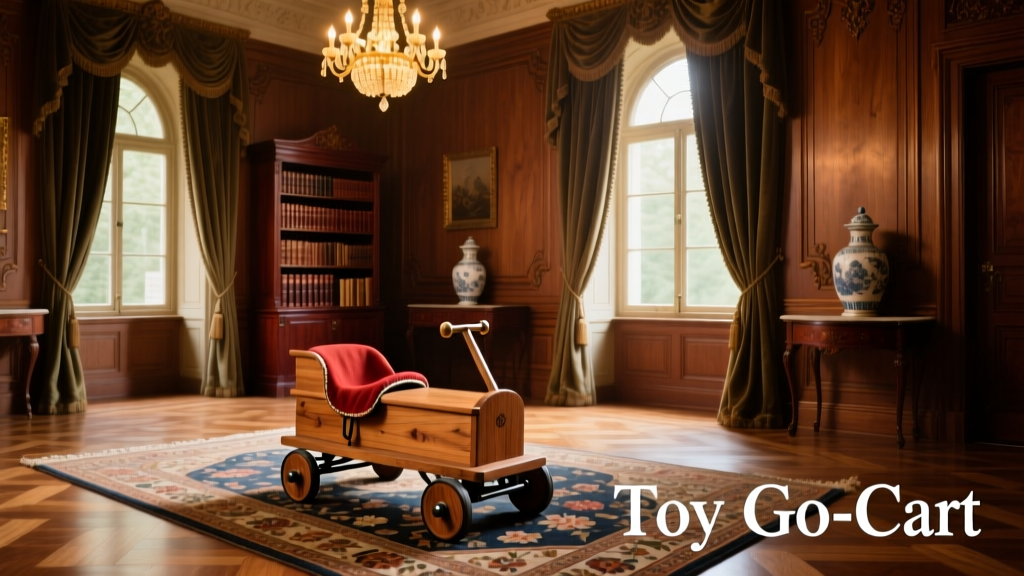
The Wooden Toy Go-Cart: History, Craftsmanship, and Restoration Insights for Collectors and Families
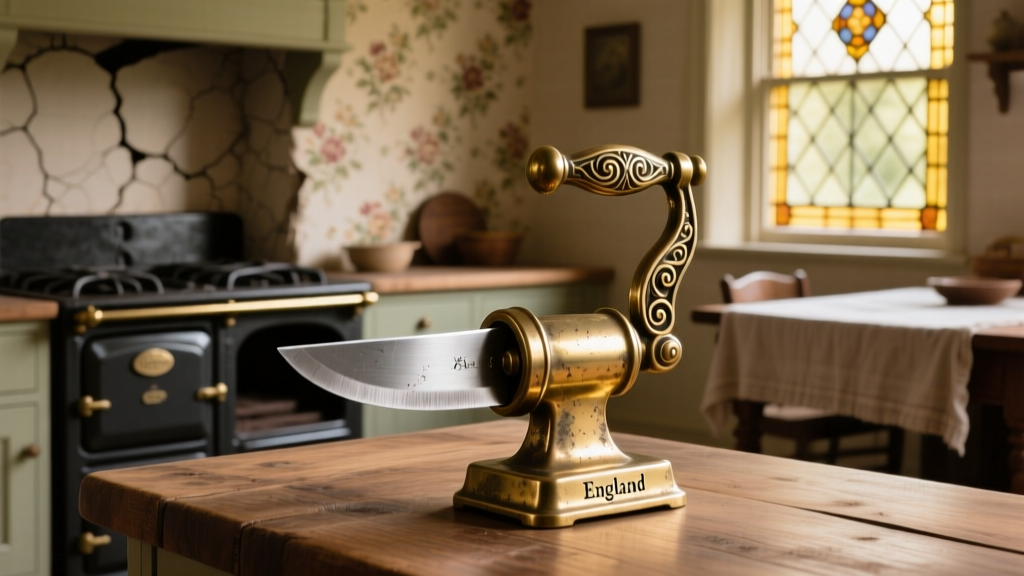
The English Brass-Handled Kitchen Food Chopper: A Study in Victorian-Era Utility and Craftsmanship (6 × 5 Inches)
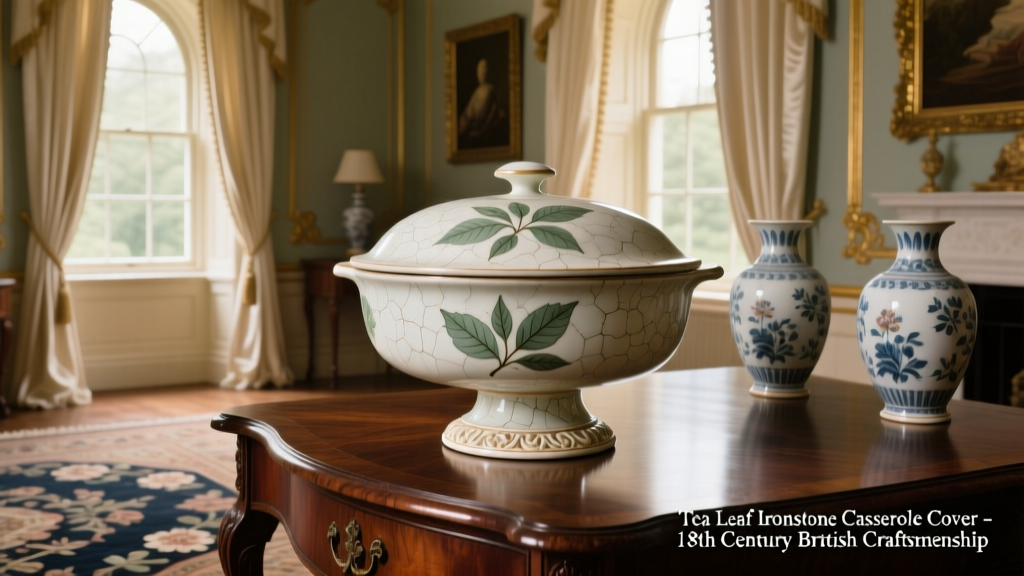
Tea Leaf Ironstone Casserole Cover with Pedestal Base (6½ × 11 in): Identification, Provenance, and Conservation Guidelines
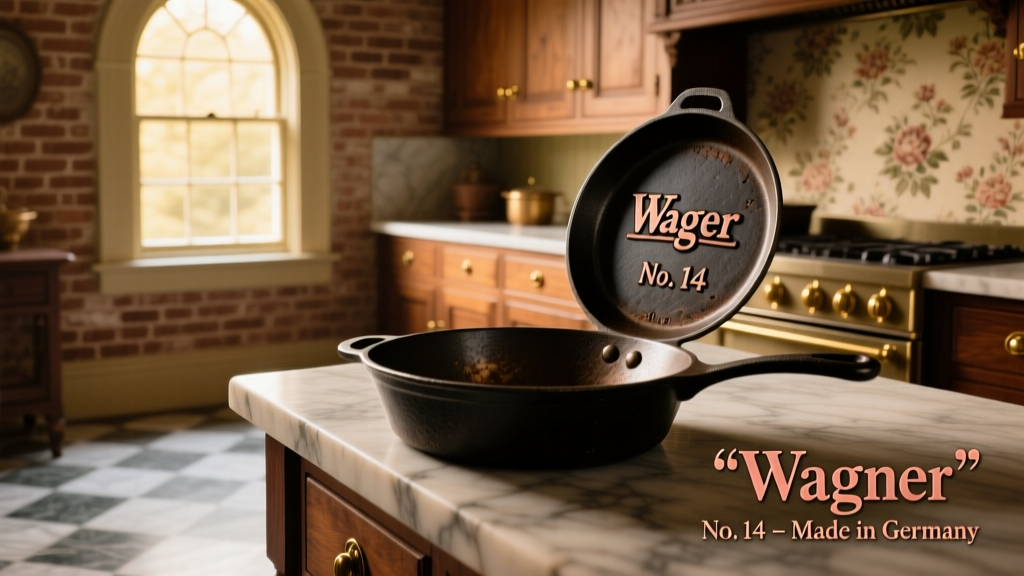
The Wagner No. 14 Skillet with Marked Lid: Identification, History, and Restoration Guidelines
ADLAKE Railroad Switch Key: Nickel-Plated Tubular Brass, 2⅛-Inch Road Model — History, Identification & Restoration Guide