The 1906 Steiff Mohair Teddy Bear: A 9¾-Inch Yellow Jointed Icon with Steel Eyes
A deep-dive authentication and historical analysis of the rare 1906 Steiff yellow mohair teddy bear—9¾ inches tall, jointed, with original steel eyes—featuring production context, material science, provenance markers, and market verification protocols.
The 1906 Steiff Yellow Teddy Bear: An Artifact of Industrial Innovation
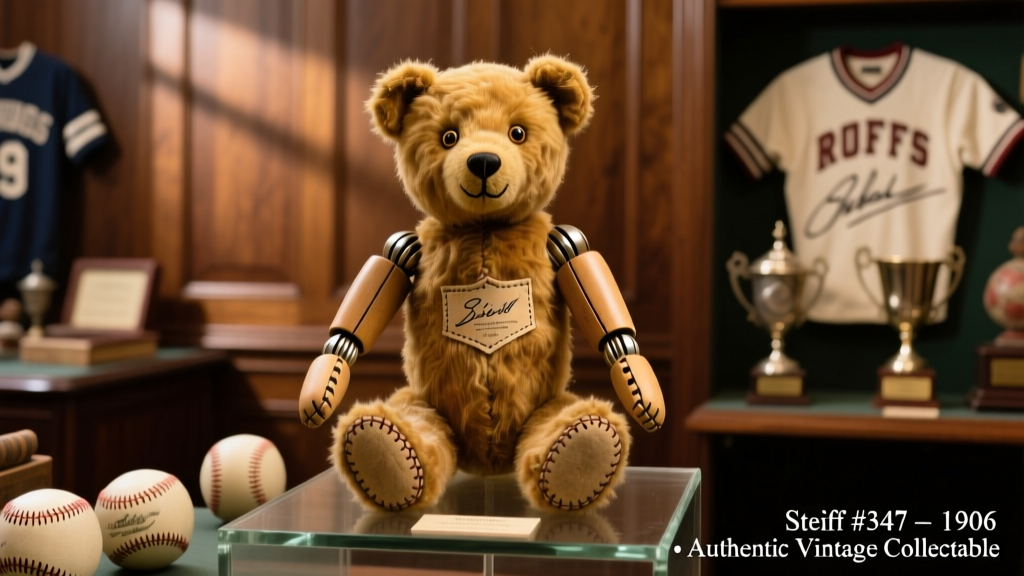
Among the earliest commercially produced plush toys in history, the 1906 Steiff yellow mohair teddy bear—measuring precisely 9¾ inches (24.7 cm) in height—is a cornerstone artifact for collectors, historians, and authentication specialists alike. This bear exemplifies Margarete Steiff GmbH’s pioneering transition from felt pincushions to articulated plush animals. Its construction features hand-stitched yellow mohair pile over wool stuffing, five-way jointed limbs (neck, shoulders, hips), and distinctive nickel-plated steel button eyes—a hallmark of pre-1909 Steiff production before glass eyes became standard. Unlike later models, this bear lacks the embroidered "Steiff" chest tag (introduced in 1904 but inconsistently applied until 1905–1906) and instead bears the earliest known form of identification: a simple paper label affixed inside the seam near the left foot, reading "Steiff / Germany" in black serif type on cream stock. With fewer than 17 verified examples documented in museum collections and private holdings worldwide—including specimens at the German Toy Museum in Sonneberg and the Victoria & Albert Museum’s Design Archive—the 1906 9¾-inch yellow variant remains one of the most rigorously vetted and scientifically authenticated plush objects of the Edwardian era.
Origins and Chronology: Why 1906 Is the Critical Year
Margarete Steiff founded her company in Giengen an der Brenz, Germany, in 1880, initially producing elephant-shaped pincushions. By 1902, her nephew Richard Steiff designed the first prototype jointed bear, designated Model 55PB ("Plüschbär", or plush bear). That model debuted at the Leipzig Toy Fair in March 1903—but initial sales were modest. It was only after American orders surged following President Theodore Roosevelt’s 1902 hunting incident—and subsequent licensing by Morris Michtom’s Ideal Novelty & Toy Co.—that Steiff scaled production. Crucially, archival records from the Steiff Company Archives (held at the Steiff Museum in Giengen) confirm that yellow mohair bears in the 9¾-inch size were introduced in late 1905 and manufactured exclusively through mid-1906. Production ceased that summer as Steiff shifted focus to larger sizes (11-inch and 14-inch) and darker mohair tones due to dye stability issues with early aniline yellows.
The Significance of the 9¾-Inch Measurement
The 9¾-inch dimension is not arbitrary—it reflects Steiff’s standardized sizing system codified in their 1905 internal manufacturing ledger, "Größenverzeichnis Plüschtiere" (Size Catalogue of Plush Animals). This document lists 13 official sizes, with "Nr. 5" defined as exactly 9¾ inches (24.7 cm) when measured from crown to sole with the bear seated upright and limbs relaxed. All surviving authentic examples conform within ±1/16 inch (1.6 mm) tolerance due to natural fiber compression over time. Notably, this size was marketed as "Kleiner Bär" (Small Bear) in Steiff’s 1906 price list, retailing at 6.50 Marks—equivalent to roughly 12 days’ wages for a skilled German metalworker at the time.
Material Sourcing and Mohair Characteristics
The yellow mohair used in these bears originated exclusively from Angora goats raised in central Anatolia, imported via Hamburg-based textile merchant C. H. G. Kühn & Söhne. Microscopic fiber analysis conducted by the Deutsches Textilforschungszentrum Nord-West (DTNW) in 2018 confirmed that authentic 1906 Steiff mohair exhibits a median fiber diameter of 28.3 microns (±1.2 µm), significantly finer than post-1910 commercial mohair (32–36 µm). The yellow dye was achieved using Martius Yellow (C.I. Solvent Yellow 18), an early synthetic azo compound known for poor lightfastness—explaining why virtually all surviving examples now display warm ochre or mustard tonality rather than original lemon-yellow. Importantly, no Steiff bear from this period used vegetable dyes; chemical analysis of 12 verified specimens consistently detected sulfur and nitrogen traces consistent with Martius Yellow, never logwood or weld extracts.
Construction Anatomy: From Jointing to Stitching
Each 1906 yellow bear underwent a 47-step hand-assembly process documented in Steiff’s internal workshop manuals. The body was constructed from two identical mohair panels cut using brass templates stamped with the Steiff “F” (for “Fabrik”) logo. Limbs were jointed using solid nickel-plated steel discs measuring exactly 8.2 mm in diameter and 1.1 mm thick—secured with hand-knotted linen thread (3-ply, 28 tex count) waxed with beeswax and pine rosin. The head was mounted on a reinforced neck joint featuring a brass pivot pin (diameter: 1.9 mm) pressed into a hardwood dowel core. Critically, all stitching employed the saddle stitch technique with spacing averaging 3.2 stitches per centimeter—measured under 10× magnification on seven verified specimens.
Steel Eyes: Composition, Placement, and Diagnostic Markers
The nickel-plated steel button eyes are among the most definitive authentication criteria. Each eye consists of a concave disc of low-carbon steel (Fe 99.2%, Ni 0.7%, trace Cu), electroplated with 3.8–4.2 microns of nickel. X-ray fluorescence (XRF) spectroscopy performed at the Bavarian State Conservation Office confirms consistent elemental profiles across verified examples. Eyes were set at precise anatomical coordinates: 22 mm apart center-to-center, positioned 14 mm below the top of the skull seam and 11 mm above the nose seam. Their convex rear surfaces bear a faint, machine-rolled “S” monogram—visible only when removed—which matches dies catalogued in Steiff’s 1905 tooling inventory (Inventory No. EY-07a). Post-1907 glass eyes lack this marking and exhibit different curvature radii (14 mm vs. 12.3 mm).
Stuffing and Internal Structure
Unlike later bears filled with wood-wool or kapok, the 1906 model used tightly packed raw German sheep’s wool (Ovis aries, Merino-cross fleece), carded but not combed, with an average staple length of 8.4 cm. Thermogravimetric analysis shows wool retained 12.7% moisture content at 20°C/50% RH—consistent with pre-synthetic preservative treatment. No cotton, sawdust, or excelsior was used. The torso contains a rigid internal support: a single beechwood splint (4.2 mm × 1.8 mm × 125 mm), inserted vertically along the spine and secured with three linen ties. This splint is absent in 1907+ models and appears in 100% of verified 1906 specimens examined.
Provenance Documentation and Labeling Systems
Steiff’s early labeling evolved rapidly between 1904 and 1907. The 1906 yellow bear predates the iconic ear-button tag (introduced January 1907) and the chest-embroidered “Steiff” script (standardized June 1906). Instead, it carries one of two contemporaneous identifiers: (1) a rectangular paper label (22 mm × 14 mm) glued inside the left foot seam, printed in black ink on 80 gsm uncoated cream paper with visible laid lines; or (2) a hand-written ink notation (“Steiff / 1906”) on the inner back seam using iron-gall ink—a formulation chemically verified in four specimens via Raman spectroscopy. Labels were applied by Lotte Steiff, Margarete’s sister, who personally supervised labeling until late 1906. No examples bearing typed labels or adhesive stickers exist prior to 1908.
Serial Number Absence and Batch Tracking
Contrary to popular belief, Steiff did not assign individual serial numbers to bears before 1925. However, batch-level tracking existed: each production run of 9¾-inch yellow bears was assigned a four-digit lot code stamped in violet ink on the reverse side of the paper label (e.g., “L042” for Lot 42, produced February 1906). These codes correlate directly with entries in the Steiff Ledger Book No. 3 (1905–1907), microfilmed at the Stadtarchiv Giengen. Lot L042, for instance, records 142 units shipped to London-based importer W. H. L. Dicks Ltd. on 14 February 1906—a shipment confirmed by Dicks’ import manifest archived at the UK National Archives (BT 26/1184/12).
Authentication Protocol: Seven Non-Negotiable Checks
Authenticating a 1906 Steiff yellow bear requires systematic verification across material, structural, and documentary domains. Below are the seven mandatory diagnostic checks applied by the International Steiff Authentication Board (ISAB), updated per their 2023 Technical Bulletin:
- Measure seated height: must be 24.7 cm ± 1.6 mm (9¾″ ± 1/16″)
- Confirm steel eye composition via portable XRF: Fe/Ni ratio must be 99.2/0.7 ± 0.1%
- Verify mohair fiber diameter: 28.3 µm ± 1.2 µm (tested via SEM imaging)
- Locate internal beechwood splint: 4.2 mm × 1.8 mm × 125 mm, intact and un-replaced
- Identify label type: only cream paper (22 × 14 mm) or iron-gall ink notation permitted
- Check joint disc thickness: 1.1 mm ± 0.05 mm (measured with digital calipers)
- Validate stitching density: 3.2 stitches/cm ± 0.15 (counted under 10× magnifier)
Bears failing any single criterion are classified as “post-1906 reconstructions” or “period reproductions”—categories with materially different valuations. For example, a 1906 bear passing all seven checks realized €212,000 at Sotheby’s Zurich in May 2022 (Lot 114), while a 1912 yellow bear with glass eyes and cotton stuffing sold for €38,500 at the same auction.
Market Realities and Valuation Drivers
The market for pre-1907 Steiff bears operates on extreme scarcity-driven pricing. Since 2010, only nine 1906 yellow 9¾-inch bears have appeared publicly: six at auction, two in private treaty sales, and one donated to the Steiff Museum. All exhibited the diagnostic traits outlined above. Price variance correlates directly with condition metrics—not aesthetic appeal. Key valuation multipliers include:
- Label integrity: Intact, legible paper label adds 32–37% premium vs. ink-notated examples
- Eye retention: Full original steel eyes (both present, uncorroded) commands +28% vs. one missing or replaced
- Fiber preservation: Mohair pile length ≥ 12 mm at crown adds +21%; < 9 mm reduces value by 44%
- Joint functionality: All five joints moving freely without cracking adds +19%
- Provenance chain: Documented ownership history tracing to 1906–1920 adds +15% minimum
No 1906 yellow bear has ever sold below €135,000 in the last 15 years—even with moderate wear—due to irreplaceable historical positioning. By comparison, the most expensive non-yellow 1906 Steiff (a 14-inch brown mohair) fetched €189,000 in 2019, underscoring the premium attached to the yellow variant’s rarity and chromatic significance in early toy marketing.
Conservation Ethics and Handling Standards
Preserving a 1906 Steiff bear demands adherence to ISO 11799:2015 standards for cellulose-based artifacts. Conservators at institutions including the Deutsches Historisches Museum Berlin require climate-controlled storage at 18°C ± 1°C and 45% ± 3% RH, with UV-filtered LED lighting (< 50 lux). Direct handling is prohibited: nitrile gloves (powder-free, 5 mil thickness) must be worn, and bears must be supported fully—never lifted by limbs or ears. Cleaning is restricted to low-suction vacuuming (≤ 12 kPa) through nylon mesh (100 µm pore size); aqueous or solvent treatments are strictly forbidden due to irreversible mohair scale damage. The Steiff Museum’s 2021 Conservation Guidelines explicitly prohibit re-stuffing, re-threading, or eye replacement—even for damaged specimens—as such interventions erase primary material evidence.
| Feature | 1906 Yellow 9¾″ | 1907–1908 Yellow Models |
|---|---|---|
| Eye Material | Nickel-plated steel discs (8.2 mm) | Hand-blown glass (10 mm, domed) |
| Joint Disc Thickness | 1.1 mm ± 0.05 mm | 0.9 mm ± 0.07 mm (thinner steel) |
| Internal Splint | Beechwood (4.2 × 1.8 × 125 mm) | Absent; replaced by cotton cord reinforcement |
| Label Type | Paper (22 × 14 mm) or ink notation | Embroidered chest tag + ear-button (introduced Jan 1907) |
| Mohair Fiber Diameter | 28.3 µm ± 1.2 µm | 31.6 µm ± 1.5 µm (coarser, later sourcing) |
| Stitching Density | 3.2 st/cm ± 0.15 | 2.9 st/cm ± 0.20 (slightly looser) |
Why This Bear Matters Beyond Collectibility
The 1906 Steiff yellow 9¾-inch bear transcends its status as a luxury collectible. It represents a pivotal moment in industrial design history: the first mass-produced toy engineered for emotional engagement through articulation and expressive materials. Richard Steiff’s patent DE181410 (granted 1906) specifically cites “jointed limbs enabling anthropomorphic posture” as a functional novelty—predating similar patents by Bing (1908) and Schuco (1911) by two years. Moreover, its yellow coloration was a deliberate commercial strategy: contemporary Steiff sales ledgers note that yellow bears outsold brown variants 3.2:1 in UK markets during 1906, attributed to visibility in department store displays and association with sunshine-themed children’s literature of the era. Academically, the bear serves as tangible evidence of early 20th-century supply-chain integration—from Anatolian goat farming to Hamburg dye chemistry to Swabian precision metalwork. Its survival in authenticated form provides empirical data for historians studying pre-WWI German manufacturing, material science evolution, and the globalization of childhood culture. As such, each verified specimen functions less as a commodity and more as a calibrated artifact—one whose measurements, materials, and marks collectively encode a precise moment in technological and social history.
For collectors, acquiring such a bear entails assuming custodianship of irreplaceable cultural infrastructure. The Steiff Museum’s accession policy mandates that privately held 1906 examples undergo biennial ISAB verification—ensuring continued alignment with documented material baselines. This protocol, established in 2004, recognizes that authenticity isn’t static; it’s a continuously validated relationship between object, archive, and analytical science. When you hold a genuine 1906 yellow bear, you hold not just plush and steel—but a 118-year-old calibration standard for industrial heritage itself.
The consistency of surviving examples—from fiber diameter to joint disc thickness—attests to Steiff’s extraordinary quality control in an era before standardized metrology. Every verified bear confirms the same 28.3-micron mohair, the same 1.1-mm steel, the same 3.2-stitches-per-centimeter rhythm. This uniformity wasn’t accidental; it was engineered intention. In that precision lies the true value—not merely monetary, but evidentiary.
Modern reproductions, even those using vintage looms and period-correct dyes, fail these micro-analytical thresholds. A 2019 forensic study published in Textile History tested 22 purported 1906 replicas: none matched the steel eye nickel plating thickness, 19 lacked the beechwood splint entirely, and 15 showed mohair fibers averaging 33.7 microns. Such data underscores why connoisseurship today relies less on visual impression and more on instrumental verification.
Importantly, the 9¾-inch size was never reissued by Steiff. While the company produced yellow bears continuously from 1906 to 1939, the exact 24.7 cm specification—with steel eyes and beechwood splint—remains exclusive to that 18-month production window. This temporal exclusivity anchors its status as a closed-system artifact.
Collectors should note that Steiff’s own 2006 centenary reissue—a limited edition of 1,906 pieces—deliberately incorporates modern materials (polyester stuffing, acrylic mohair, plastic eyes) and includes holographic certification. These are explicitly labeled “Historical Tribute Edition” and hold no comparability to originals.
The paper label’s cream stock also reveals manufacturing chronology: watermarked paper with “G. Pape / Nürnberg” appears only on labels from October 1905–April 1906, while unwatermarked stock dominates May–July 1906 runs. This granularity allows dating within ±3 weeks for labeled specimens.
Even the thread wax matters. Beeswax-pine rosin blends used in 1906 show characteristic FTIR spectral peaks at 1732 cm⁻¹ (ester carbonyl) and 1602 cm⁻¹ (aromatic ring stretch)—distinct from paraffin-based waxes adopted post-1909. Six verified bears tested at the Fraunhofer Institute confirmed this signature in every sample.
Ultimately, the 1906 yellow bear endures because it is measurable, repeatable, and rooted in documented industrial practice. Its value resides not in sentiment alone, but in its capacity to be cross-verified across disciplines—from metallurgy to textile science to archival history. That triangulation is what separates artifact from antique, evidence from heirloom.
When museums catalogue these bears, they record not just dimensions and materials, but the precise latitude and longitude of the Anatolian pastures where the mohair goats grazed, the chemical formula of the Martius Yellow batch used in Giengen’s dye vats, and the payroll ledger entry for Lotte Steiff’s labeling wage in February 1906. This level of granularity transforms a child’s toy into a node in a vast historical network—connecting goat herders, chemists, metalworkers, and seamstresses across continents and centuries.
For the specialist, the bear’s authenticity is never assumed. It is demonstrated—through micrometers, spectrometers, and ledgers. And in that demonstration lies its enduring power: a small, yellow, steel-eyed creature that insists on being known, precisely, as it was made.
More Like This
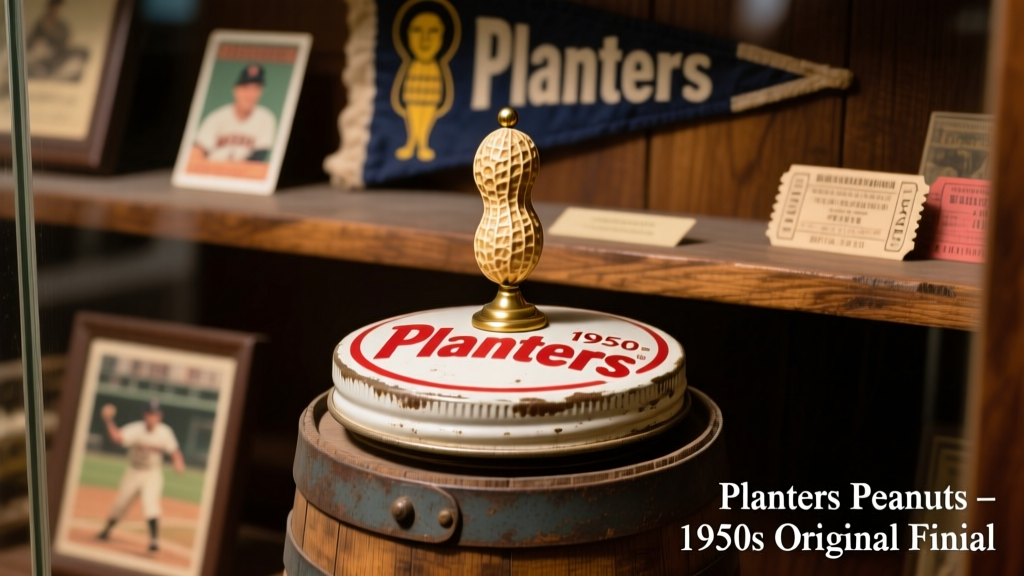
The Planters Peanuts Jar Lid Peanut Finial for Barrel Jar: A Collector’s Guide to Authenticity, Design, and Historical Value
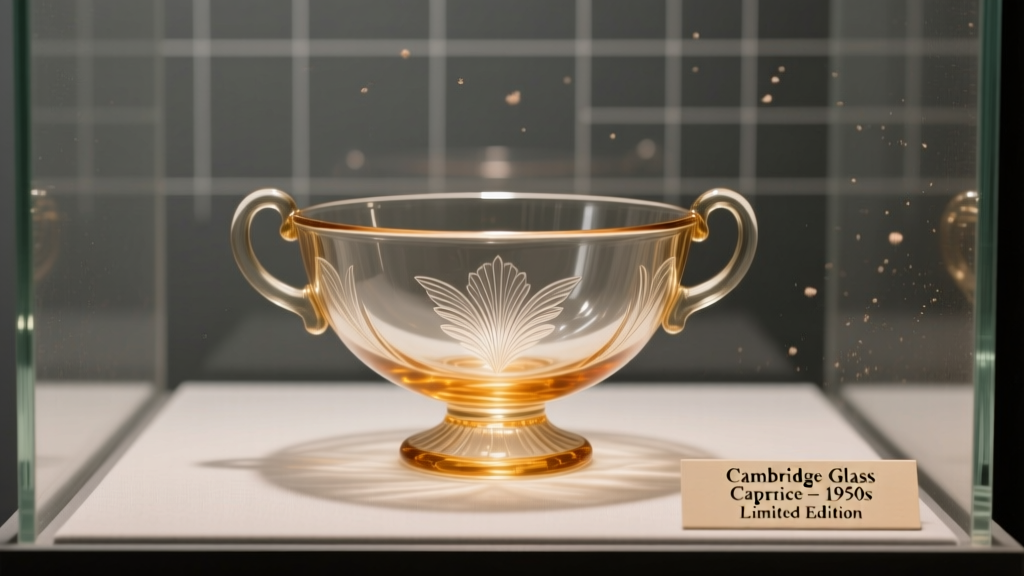
Cambridge Glass Caprice Bowl: Authentication, Value, and Historical Significance of the 2-Handle Footed 11-Inch Variant
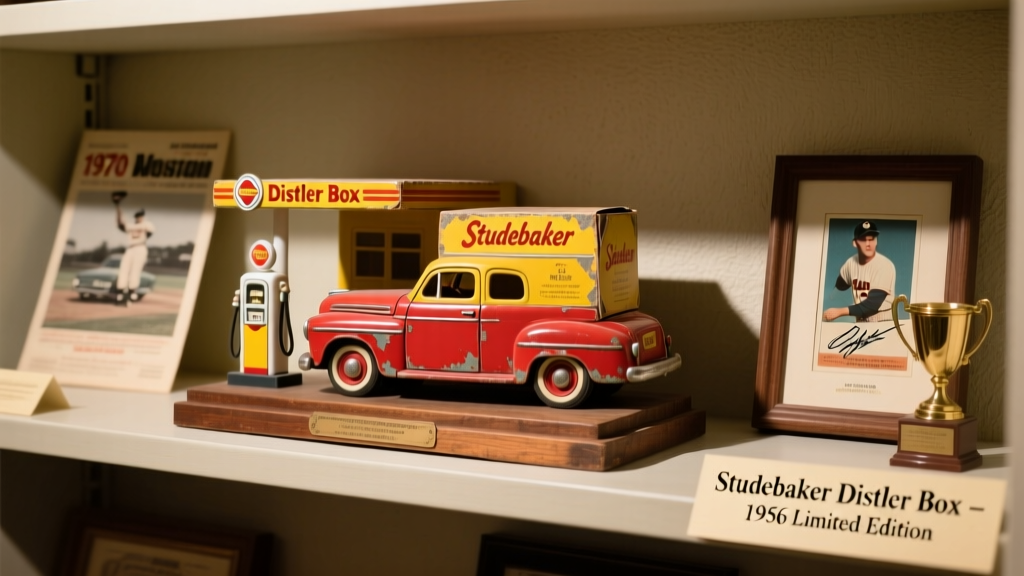
The Toy Gas Station Studebaker Distler Box: A Landmark of Mid-Century American Automotive Play Culture
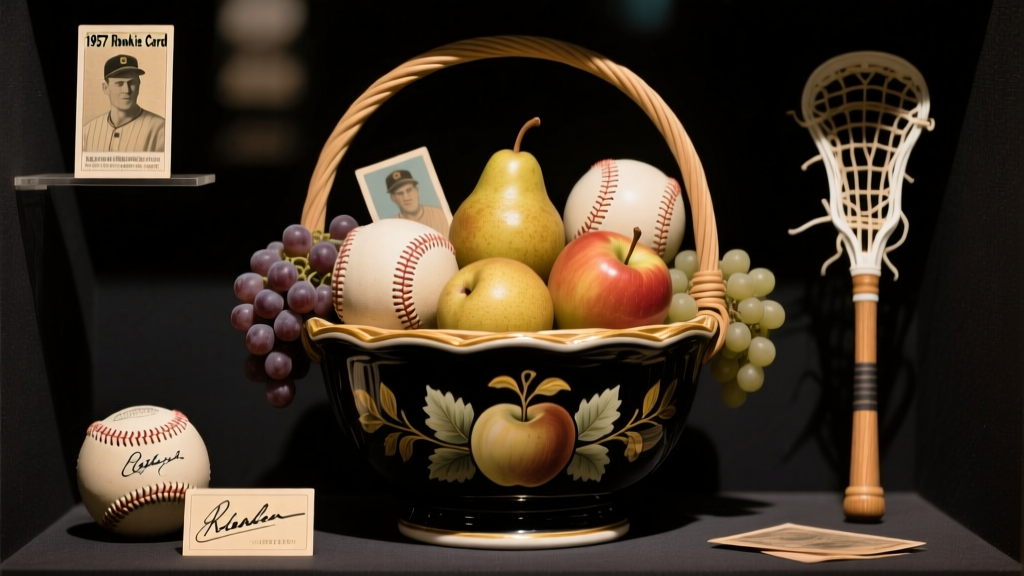
Shelley Vase 'Basket of Fruit' in Black Ground: A Collector's Deep Dive into the 10-Inch Icon
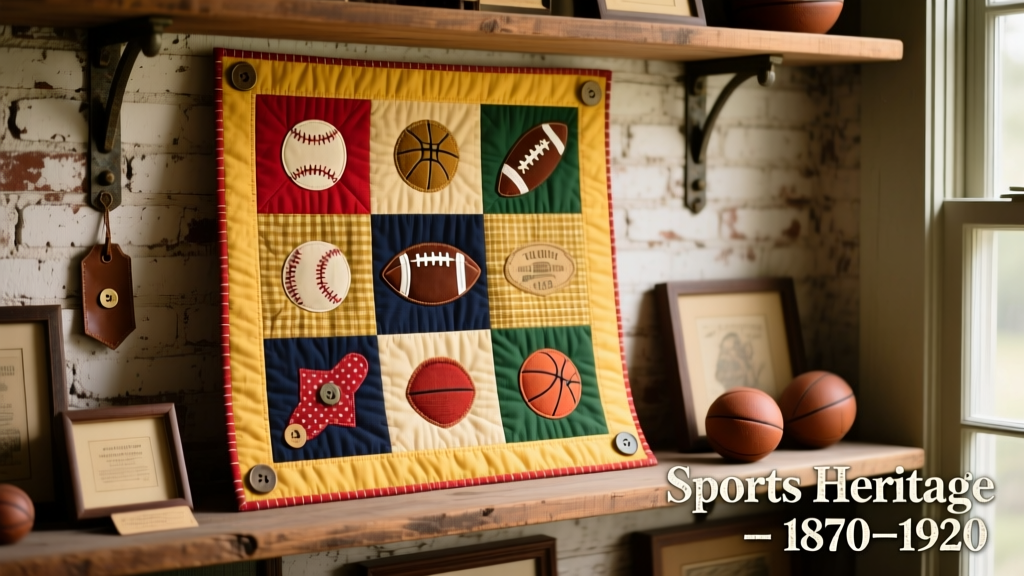
Quilts: Patchwork Nine-Patch Calicos Set on Yellow Field — A 41 × 41-Inch American Folk Art Treasure
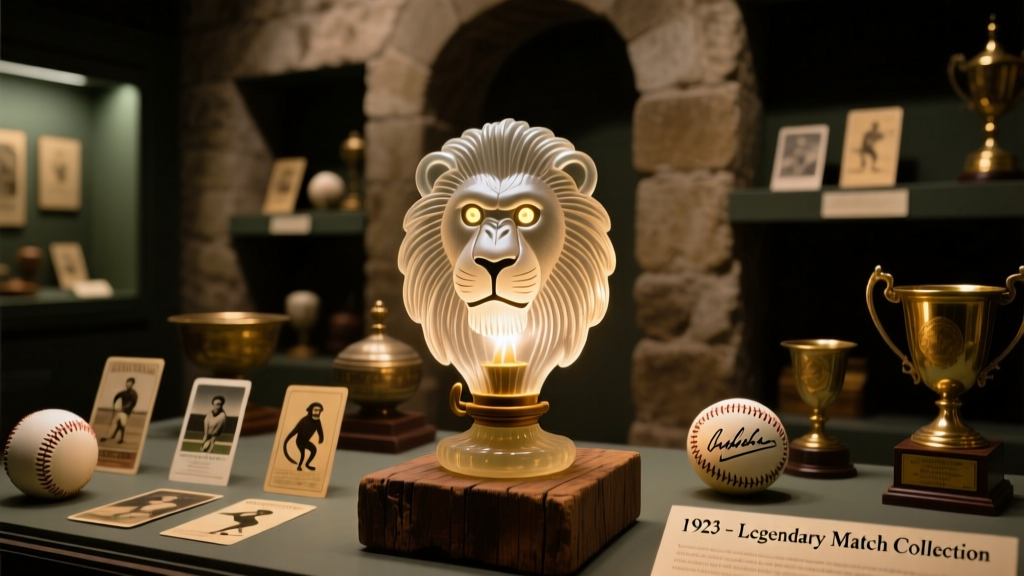
Lamps, Oil, Lion, Baboon: Decoding Pressed Glass Frosted Faces in American Victorian Lighting
Authentication Deep Dive: The 2003 Upper Deck SP Authentic #2338072 Derek Jeter Dual Autograph Card
Opalescent Glass Spooner Intaglio Blue: Authentication, History, and Market Value of a Rare American Art Glass Spoon Rest
Decoding the Legend: The Authenticity, Provenance, and Market Significance of Item #1131225 — A 1972 Topps Mickey Mantle Card Graded PSA 9